Unassigned
Apple Watch Started Apple’s New Era After Steve Jobs
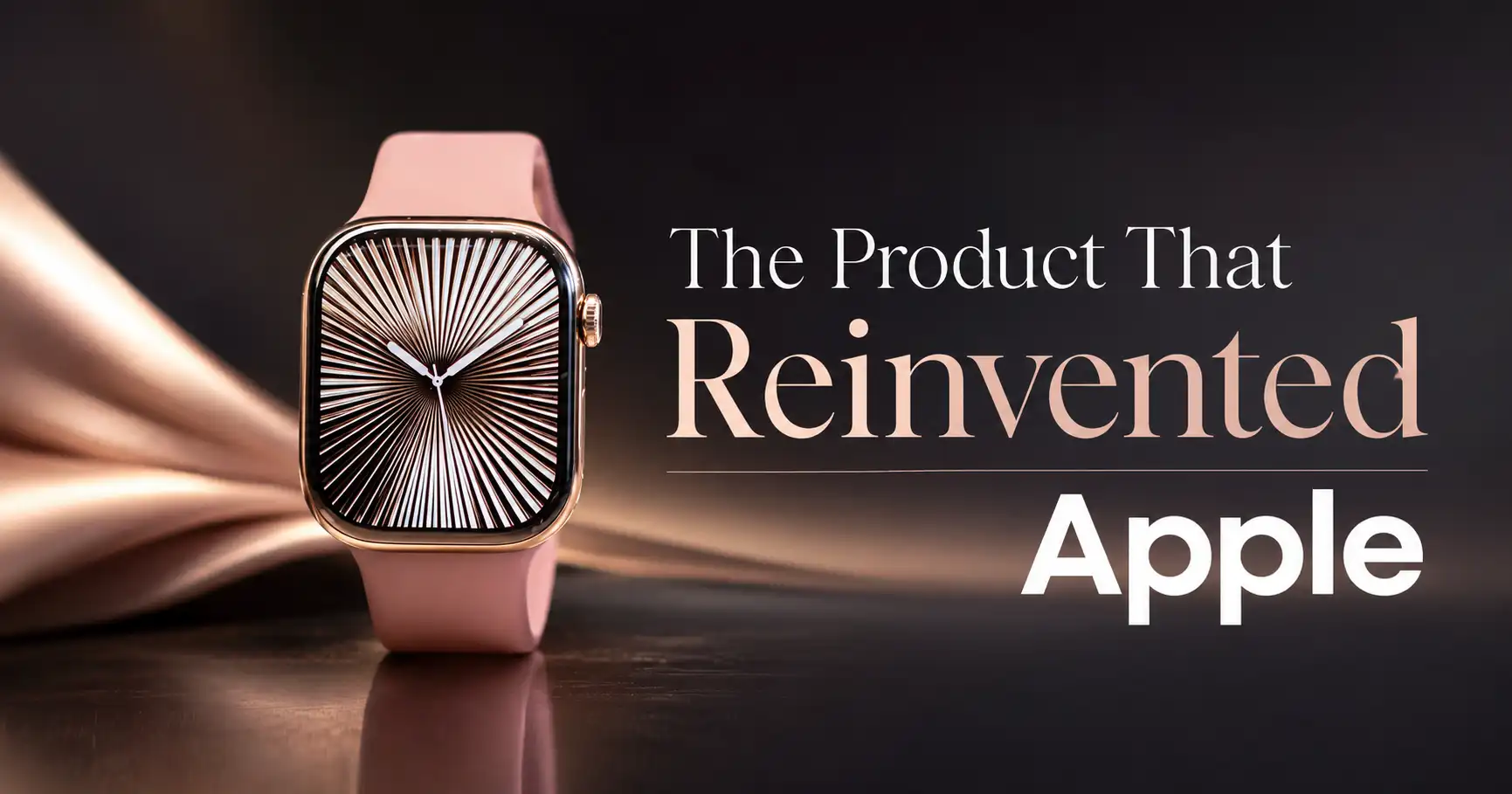
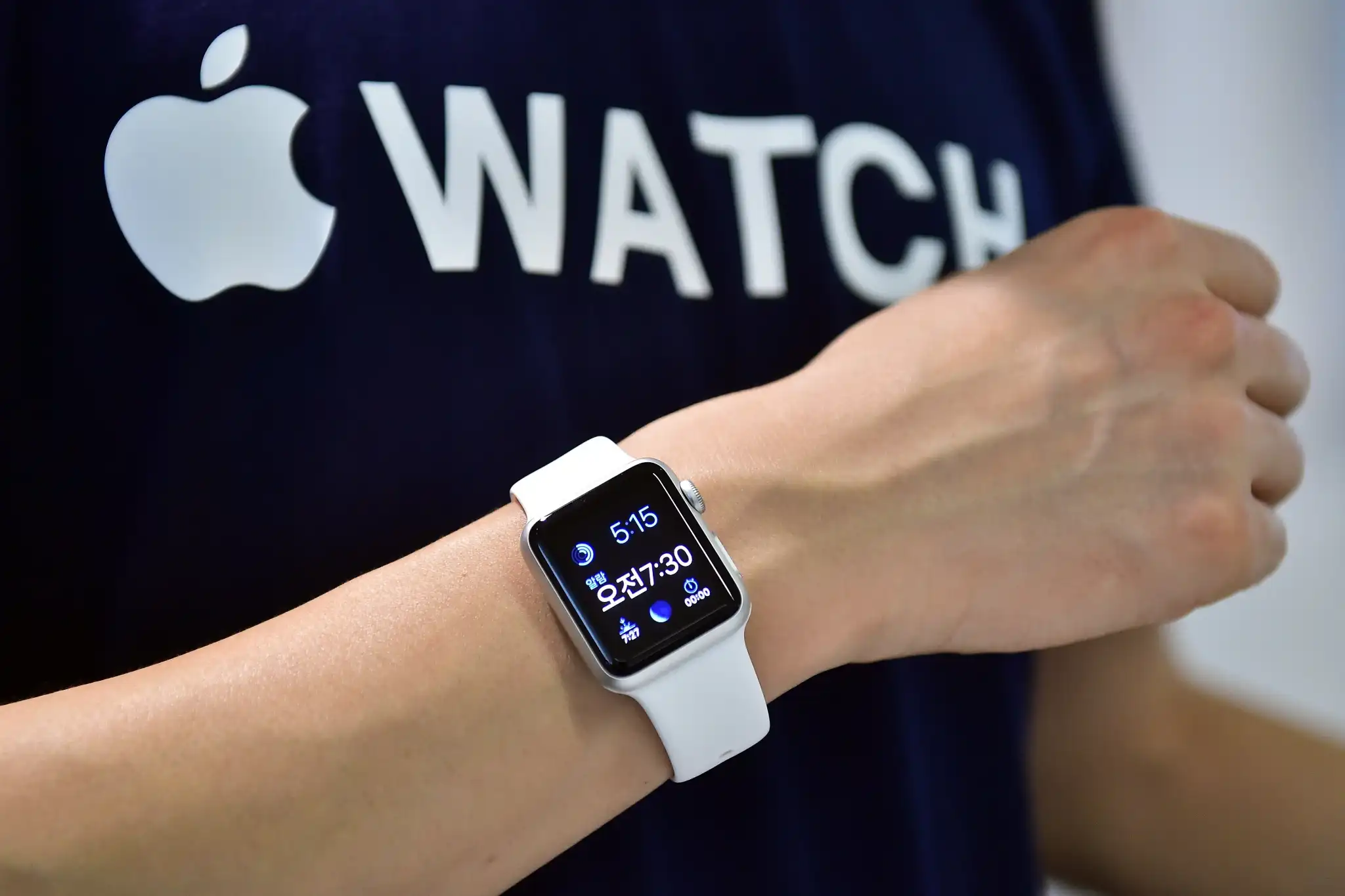
The release of the Apple Watch marked a major turning point for Apple as a company stepping into a future without its legendary co-founder, Steve Jobs. Many observers closely watched how the company would innovate after losing the visionary who shaped its most iconic products.
The Apple Watch became the first entirely new product category introduced under Tim Cook’s leadership, signaling a shift in priorities and direction.This launch showed that Apple still had the ability to redefine markets while adapting to changing consumer needs. This approach helped the Apple Watch stand out from competitors that focused only on technical features without emotional appeal.
 Via Time Magazine
Unlike earlier products such as the iPhone or iPad, the Apple Watch entered a less defined category. Wearable technology was still growing, and there were doubts about whether consumers truly needed a smartwatch. Apple approached the challenge by blending technology with lifestyle, positioning the device as both a functional gadget and a fashion accessory.
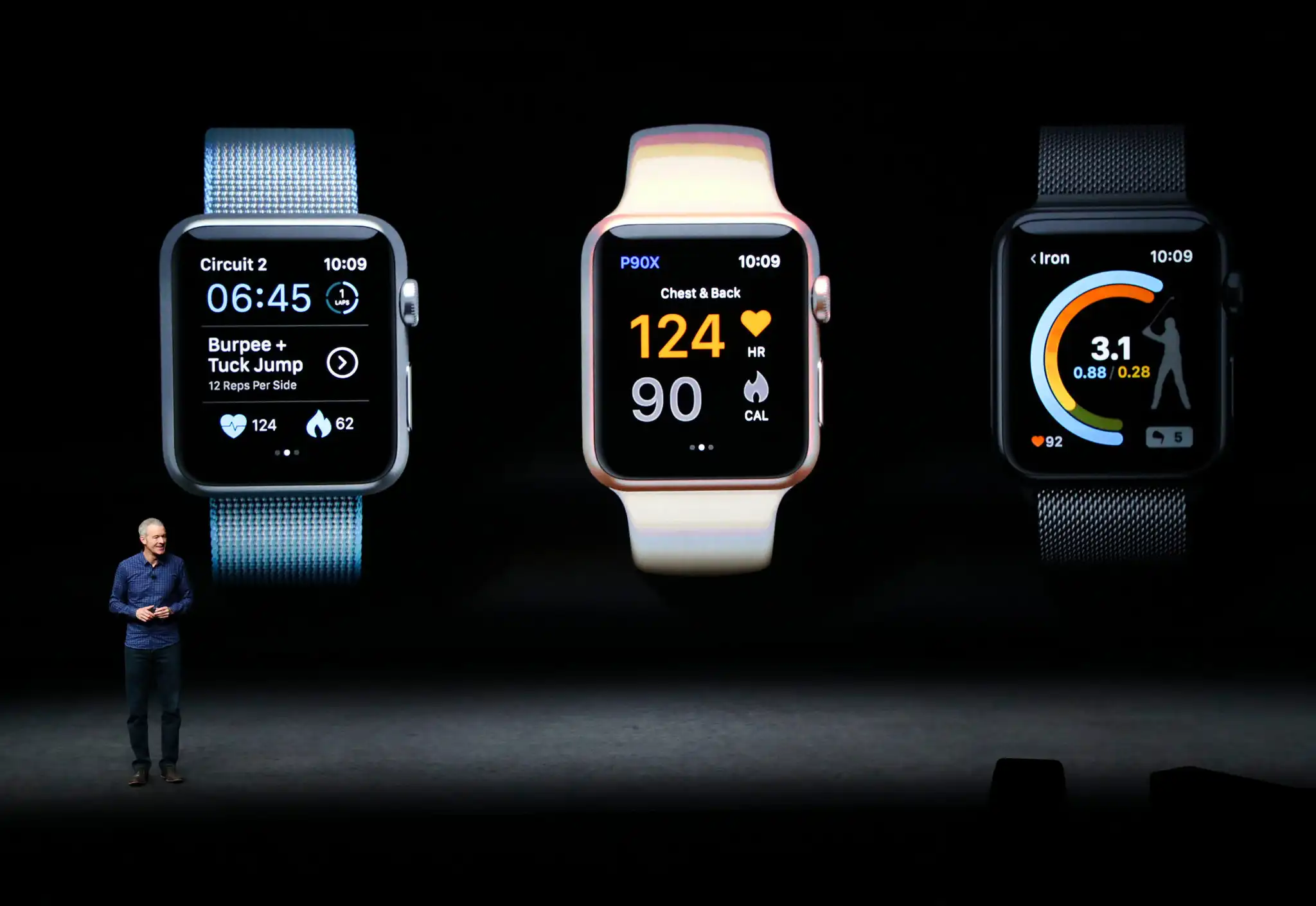
The product also represented a deeper strategy that went beyond simple innovation. It reflected Apple’s growing interest in personal health, connectivity, and everyday convenience. By introducing a device worn on the body, Apple moved closer to users’ daily lives than ever before. This marked the beginning of a long-term vision that would expand into health tracking, fitness monitoring, and digital wellness solutions.
 Via The New York Times
 Via TechRadar
Apple responded to criticism by continuously improving the product through updates and new versions. Better battery performance, clearer health features, and a stronger focus on fitness helped reshape public perception. As the device evolved, it gained trust among users and critics alike.
 Via Apple Insider
The watch also supports Apple’s services such as Apple Fitness+, Apple Pay, and Apple Music. These integrations make it easier for users to manage workouts, make payments, and enjoy entertainment directly from their wrist. By linking hardware with services, Apple creates a unified system that encourages users to stay within its ecosystem.
As Apple continues to expand its ecosystem, the Apple Watch is expected to become even more important. Future developments may include deeper health insights, smarter connectivity, and better integration with emerging technologies. The watch serves as a key bridge between personal technology and everyday life, reinforcing Apple’s position as a leader in innovation and user experience.
 Via MAC World
 Via Phone Arena
Over the years, Apple added more advanced capabilities, including ECG readings, blood oxygen monitoring, and fall detection. These features transformed the watch into a powerful health companion capable of providing valuable insights into a user’s physical condition. Many people began to rely on the device for early warnings about potential health issues.
The focus on health also aligned with broader global trends, where people increasingly sought tools to manage their wellness. The Apple Watch fit naturally into this movement, offering a simple and accessible way to track fitness goals and monitor vital signs. Cook’s vision helped shape Apple’s identity as not just a technology company but a leader in digital health innovation.
 Via Time Magazine
 Via Salaam Experts
Continuous updates and improvements ensured that the Apple Watch remained relevant over time. Each new version brought enhancements in performance, battery life, and health features. Apple’s ability to evolve the product demonstrated a strong understanding of user needs and market trends. This ongoing innovation helped the Apple Watch maintain its position as a leading wearable device.
 Via CNET
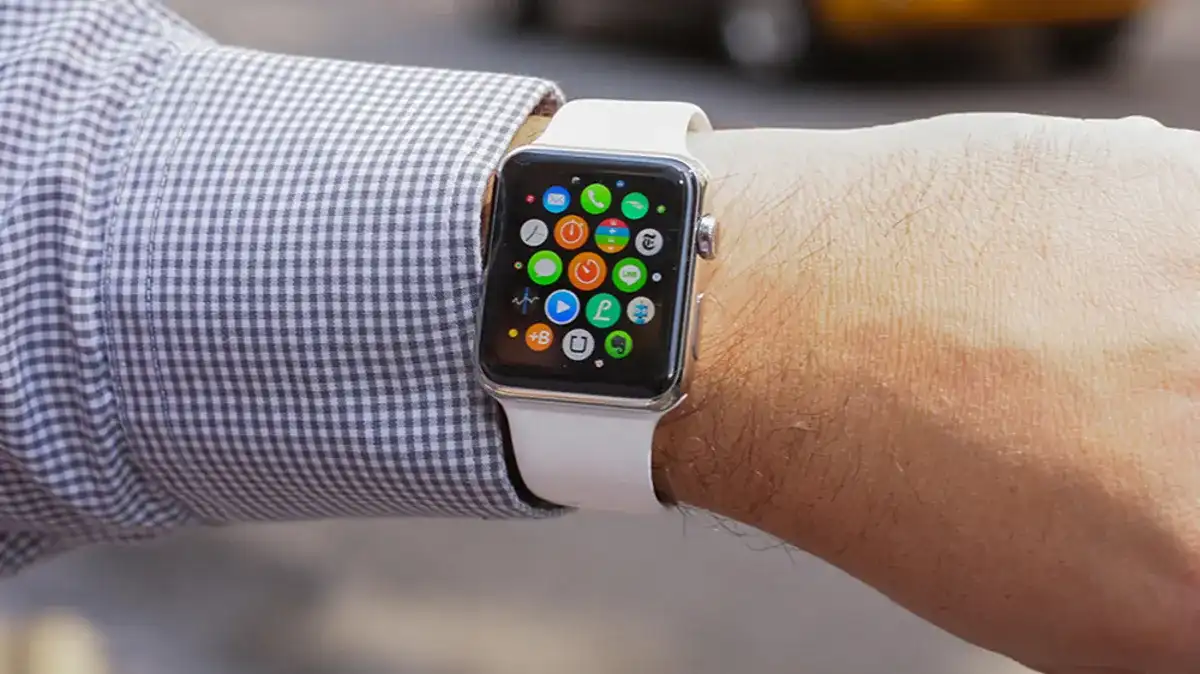
Competitors began to improve their own products, adding features similar to those found in the Apple Watch. This competition drove innovation across the industry, benefiting consumers with better options and more advanced technology. The Apple Watch set a new standard for what a smartwatch could achieve, raising expectations for design, performance, and health capabilities.
The device also influenced how people viewed personal technology. Wearables became seen as essential tools rather than optional accessories. The Apple Watch helped shift the focus from traditional computing devices to more personal and integrated technology solutions. This change reflected a broader trend toward devices that seamlessly fit into daily life.
 Via Tech Radar
 Via Stuff
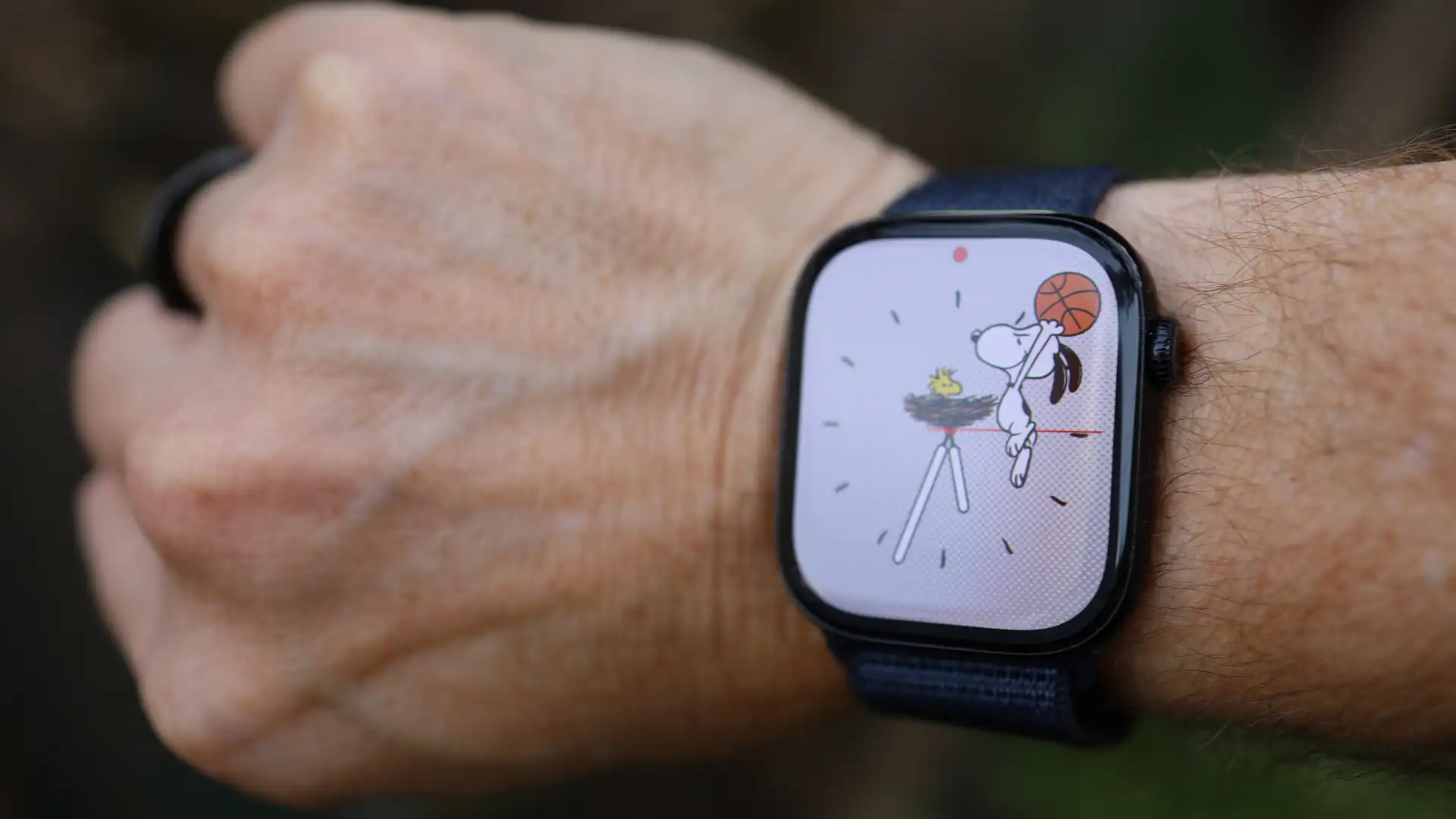
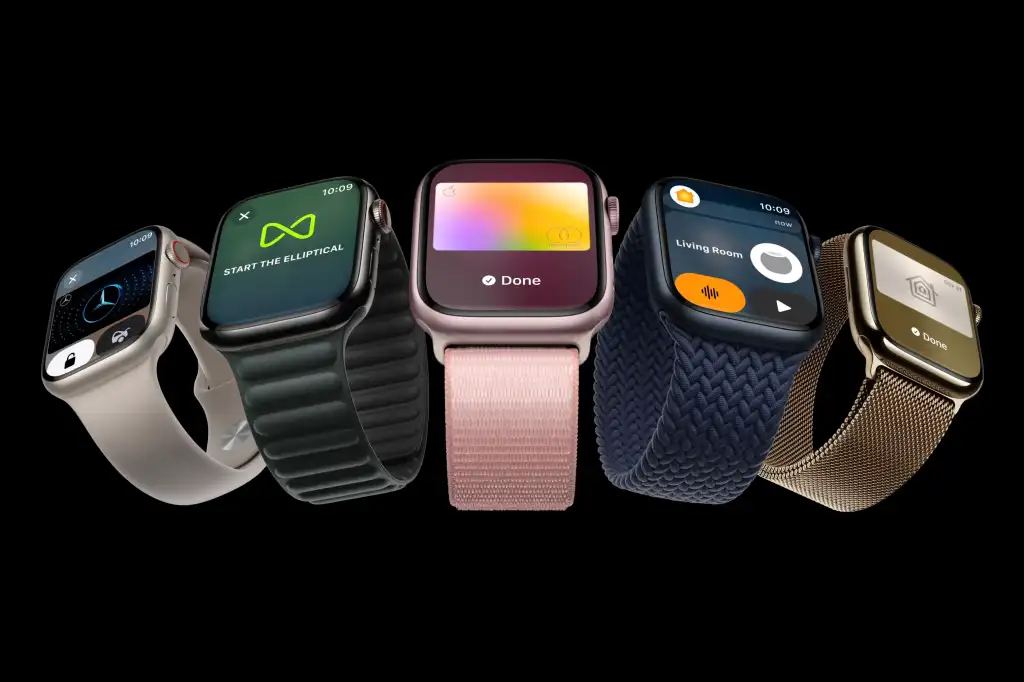
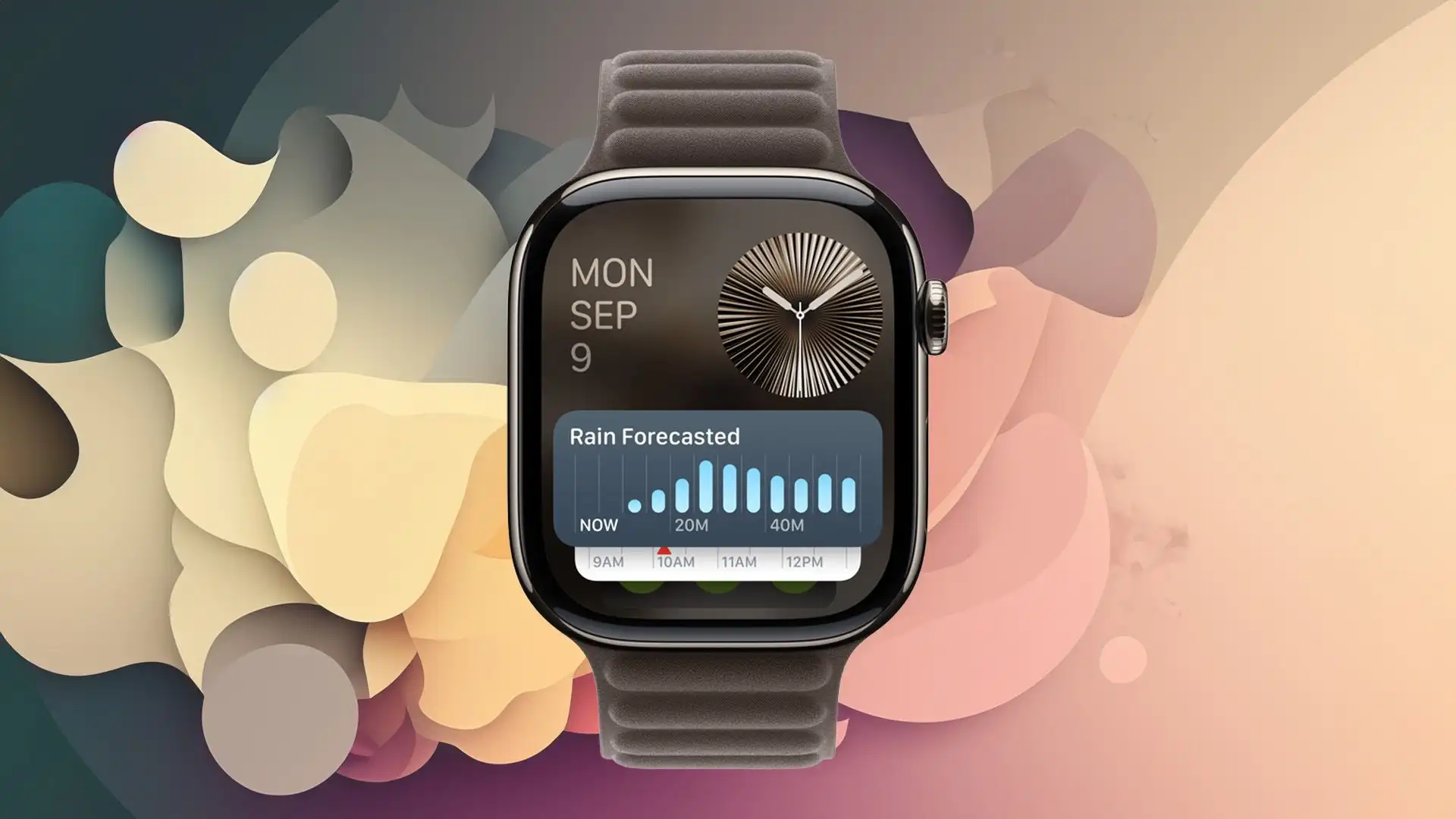
Software updates have also played a key role in the watch’s evolution. Apple regularly introduces new watchOS versions that enhance functionality and improve performance. These updates ensure that even older models remain useful and relevant. The combination of hardware improvements and software innovation keeps the Apple Watch at the forefront of wearable technology.
 Via T3
Fitness tracking remains one of the device’s most widely used features. The Activity Rings system encourages users to stay active by setting daily movement goals. This simple yet effective approach has motivated millions to adopt healthier habits. The watch also supports various workouts, making it suitable for different types of physical activity.
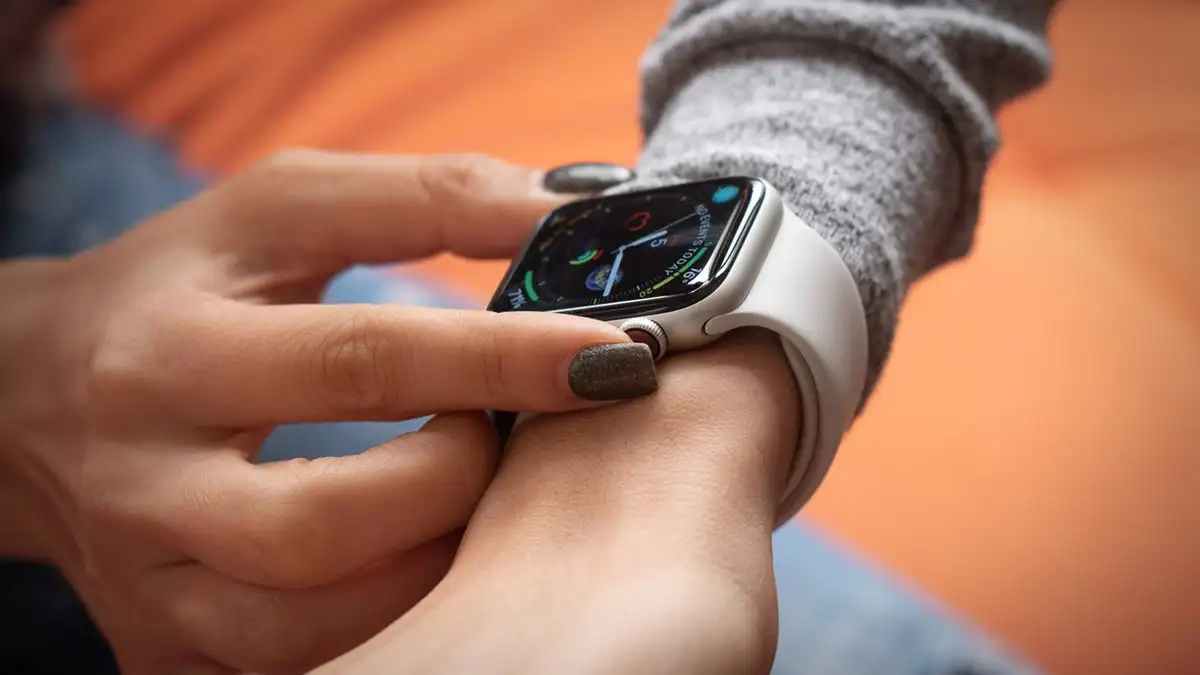
The Apple Watch also enhances communication by allowing users to send messages, make calls, and receive notifications directly from their wrist. This level of connectivity ensures that important information is always accessible. The device blends technology with lifestyle in a way that feels natural and practical, making it an essential companion for modern living.
 Via Phone Arena
 Via iMore
Looking ahead, the Apple Watch is likely to play an even bigger role in Apple’s ecosystem. Advances in health technology, artificial intelligence, and connectivity will continue to shape its development. The device’s journey reflects a broader story of innovation and transformation, highlighting Apple’s commitment to creating products that improve everyday life.
More in UnassignedVia Time Magazine
Unlike earlier products such as the iPhone or iPad, the Apple Watch entered a less defined category. Wearable technology was still growing, and there were doubts about whether consumers truly needed a smartwatch. Apple approached the challenge by blending technology with lifestyle, positioning the device as both a functional gadget and a fashion accessory.
The product also represented a deeper strategy that went beyond simple innovation. It reflected Apple’s growing interest in personal health, connectivity, and everyday convenience. By introducing a device worn on the body, Apple moved closer to users’ daily lives than ever before. This marked the beginning of a long-term vision that would expand into health tracking, fitness monitoring, and digital wellness solutions.
Via The New York Times
Challenges and Criticism Faced by Apple Watch
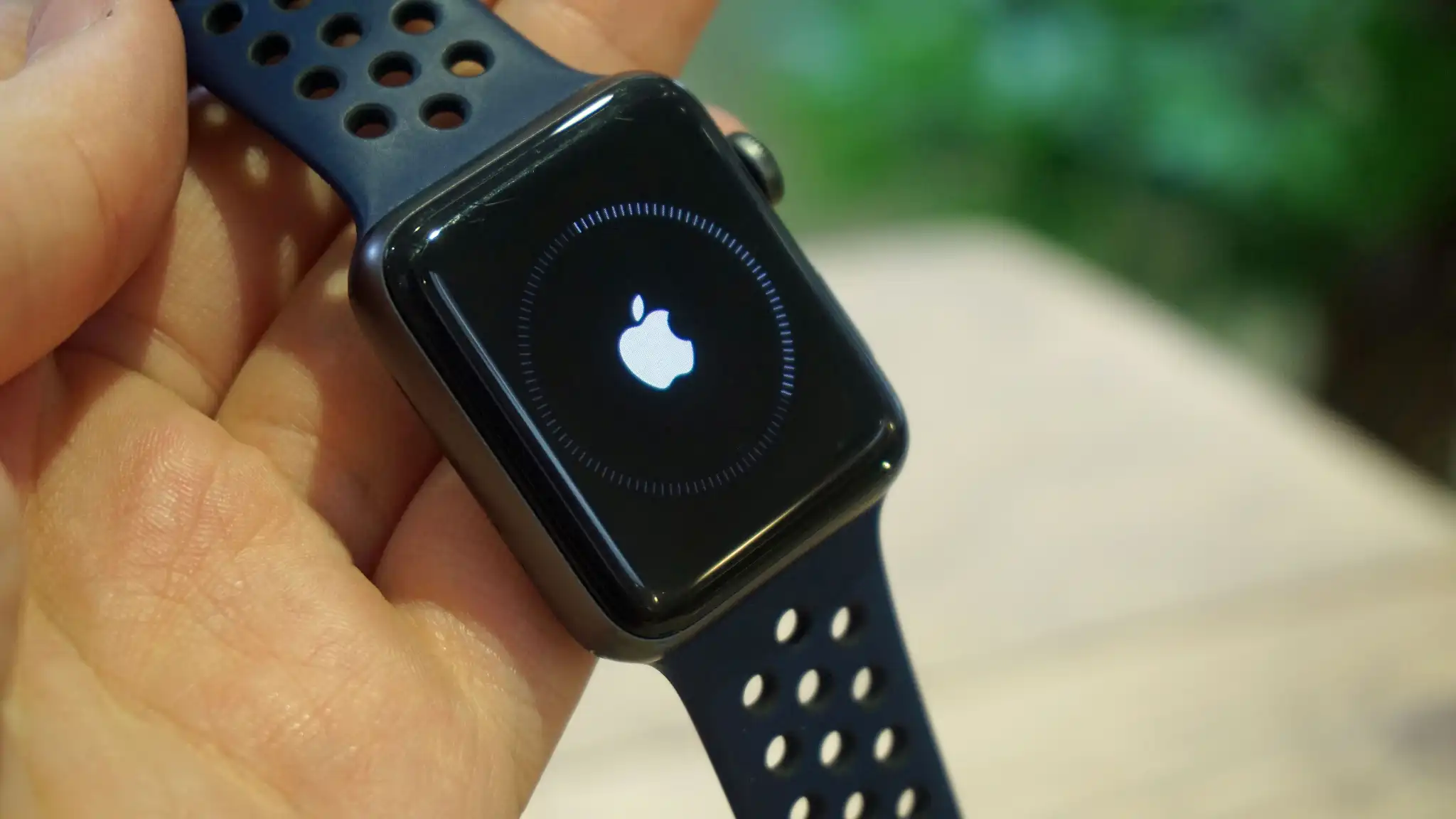
The Apple Watch did not achieve instant success without facing criticism and challenges during its early days. Many reviewers questioned its high price, limited battery life, and unclear purpose compared to smartphones. Some users struggled to understand why a smartwatch was necessary when most features were already available on the iPhone. Another challenge came from the competition in the wearable market, where brands focused on fitness trackers offered simpler and more affordable options. These devices appealed to users who only wanted basic health tracking without extra features. Apple had to find a balance between advanced technology and user-friendly simplicity.Via TechRadar
Apple responded to criticism by continuously improving the product through updates and new versions. Better battery performance, clearer health features, and a stronger focus on fitness helped reshape public perception. As the device evolved, it gained trust among users and critics alike.
The Role of Apple Watch in Apple’s Ecosystem
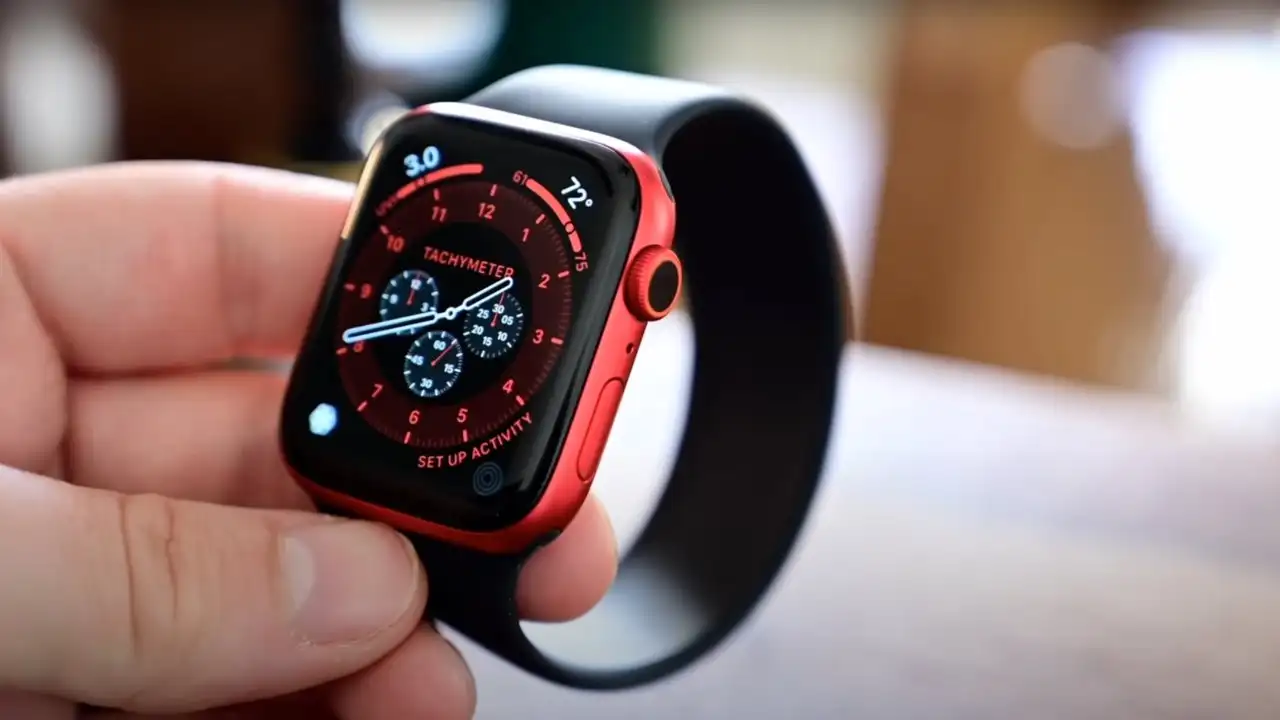
The Apple Watch plays a vital role in strengthening Apple’s overall ecosystem, connecting seamlessly with other devices and services. It works closely with the iPhone, allowing users to access notifications, apps, and communication tools without needing to reach for their phone.Via Apple Insider
The watch also supports Apple’s services such as Apple Fitness+, Apple Pay, and Apple Music. These integrations make it easier for users to manage workouts, make payments, and enjoy entertainment directly from their wrist. By linking hardware with services, Apple creates a unified system that encourages users to stay within its ecosystem.
As Apple continues to expand its ecosystem, the Apple Watch is expected to become even more important. Future developments may include deeper health insights, smarter connectivity, and better integration with emerging technologies. The watch serves as a key bridge between personal technology and everyday life, reinforcing Apple’s position as a leader in innovation and user experience.
Via MAC World
Tim Cook’s Vision for Health and Technology
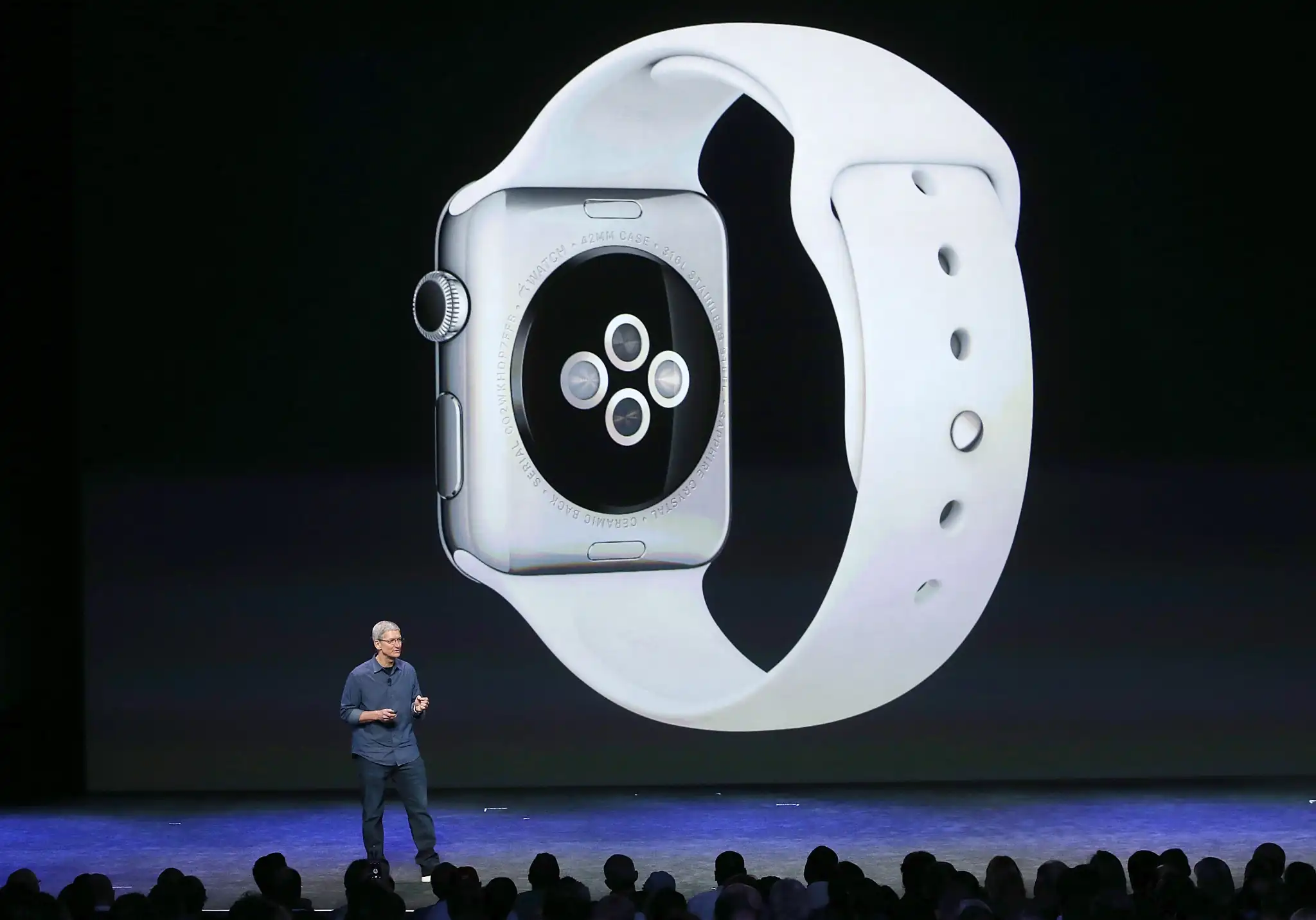
Tim Cook’s leadership brought a different focus compared to Steve Jobs, with a strong emphasis on practical impact and long-term value. Cook once stated that Apple’s greatest contribution to humanity would likely be in the field of health. This vision became clear with the Apple Watch, which was designed not only as a tech accessory but as a tool for improving well-being. The device introduced features that encouraged healthier habits, such as activity tracking, heart rate monitoring, and reminders to move.Health tracking became one of the most important aspects of the Apple Watch, setting it apart from other wearables at the time.
Via Phone Arena
Over the years, Apple added more advanced capabilities, including ECG readings, blood oxygen monitoring, and fall detection. These features transformed the watch into a powerful health companion capable of providing valuable insights into a user’s physical condition. Many people began to rely on the device for early warnings about potential health issues.
The focus on health also aligned with broader global trends, where people increasingly sought tools to manage their wellness. The Apple Watch fit naturally into this movement, offering a simple and accessible way to track fitness goals and monitor vital signs. Cook’s vision helped shape Apple’s identity as not just a technology company but a leader in digital health innovation.
Via Time Magazine
Design and Innovation in Wearable Technology
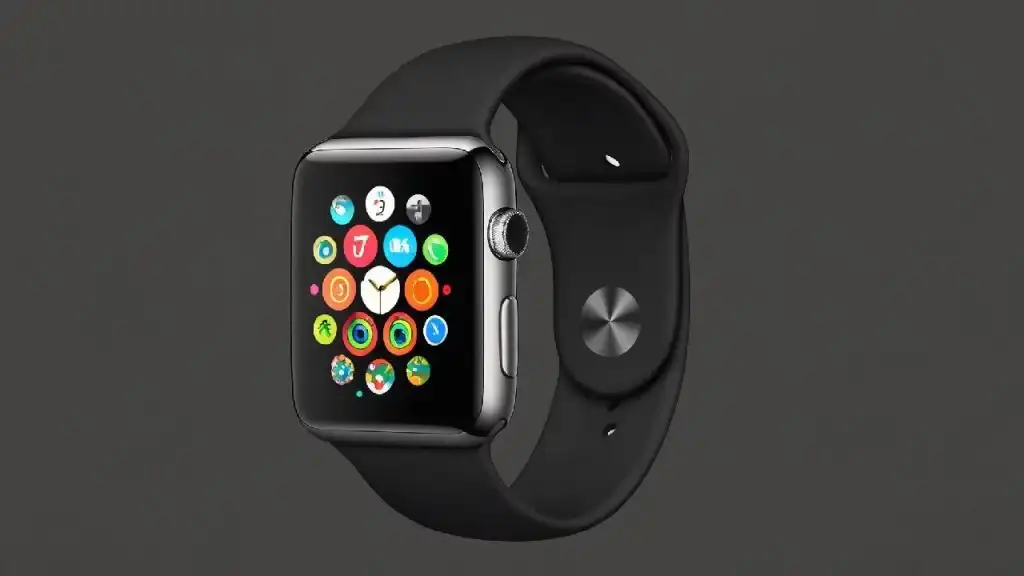
The Apple Watch stood out not only for its features but also for its design. Apple paid close attention to aesthetics, offering different case materials, sizes, and interchangeable bands. This allowed users to personalize the watch according to their style, making it more than just a gadget. The combination of technology and fashion helped broaden its appeal to a wider audience, including those who might not usually be interested in wearable devices. The interface of the Apple Watch introduced new ways of interacting with technology. Features like the Digital Crown, Force Touch, and haptic feedback created a unique user experience that felt intuitive and responsive. These innovations showed Apple’s commitment to refining even the smallest details to improve usability. The goal was to make technology feel natural rather than complicated.Via Salaam Experts
Continuous updates and improvements ensured that the Apple Watch remained relevant over time. Each new version brought enhancements in performance, battery life, and health features. Apple’s ability to evolve the product demonstrated a strong understanding of user needs and market trends. This ongoing innovation helped the Apple Watch maintain its position as a leading wearable device.
Impact on the Wearable Technology Market
The introduction of the Apple Watch had a significant impact on the wearable technology industry. Before its release, smartwatches were considered niche products with limited appeal. Apple changed that perception by creating a device that combined functionality, style, and ease of use. The success of the Apple Watch encouraged other companies to invest more heavily in wearable technology, leading to rapid growth in the market.Via CNET
Competitors began to improve their own products, adding features similar to those found in the Apple Watch. This competition drove innovation across the industry, benefiting consumers with better options and more advanced technology. The Apple Watch set a new standard for what a smartwatch could achieve, raising expectations for design, performance, and health capabilities.
The device also influenced how people viewed personal technology. Wearables became seen as essential tools rather than optional accessories. The Apple Watch helped shift the focus from traditional computing devices to more personal and integrated technology solutions. This change reflected a broader trend toward devices that seamlessly fit into daily life.
Via Tech Radar
The Evolution of Features and Capabilities
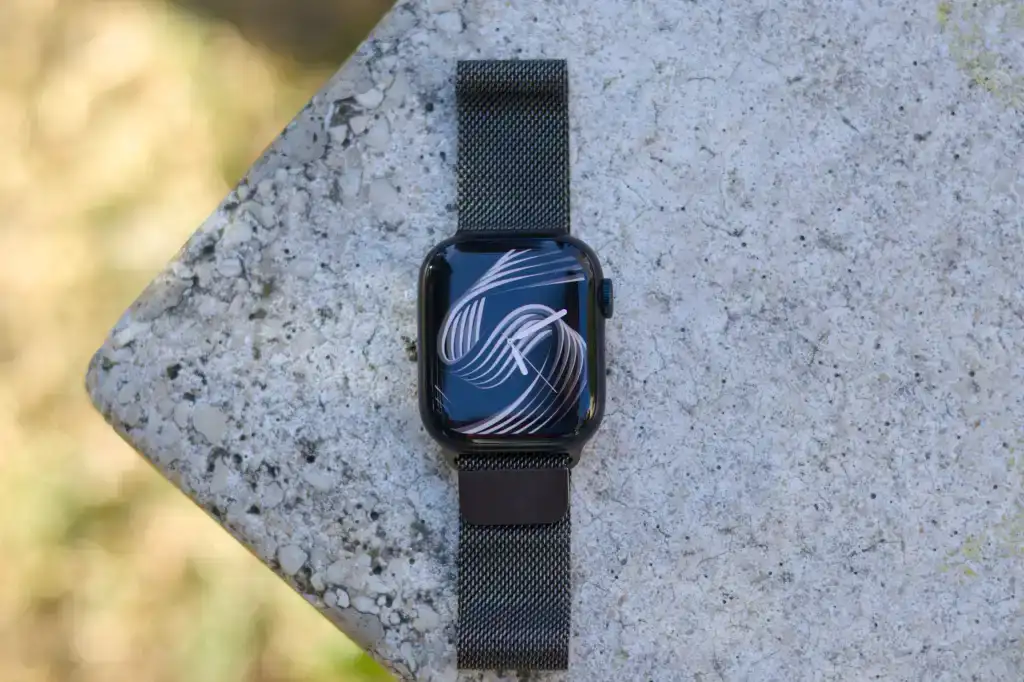
Since its launch, the Apple Watch has undergone significant evolution, adding features that expand its usefulness. Early versions focused mainly on notifications and basic fitness tracking, but newer models offer a wide range of capabilities. These include advanced health monitoring, improved communication tools, and integration with other Apple devices. The watch has become a central part of Apple’s ecosystem, connecting seamlessly with iPhones, AirPods, and other products. Health-related features have been among the most important additions. The ability to monitor heart rhythms, detect irregularities, and even call emergency services has made the Apple Watch a valuable safety tool. Stories of users receiving life-saving alerts have highlighted the real-world impact of these features. This has strengthened the device’s reputation as more than just a smartwatch.Via Stuff
Software updates have also played a key role in the watch’s evolution. Apple regularly introduces new watchOS versions that enhance functionality and improve performance. These updates ensure that even older models remain useful and relevant. The combination of hardware improvements and software innovation keeps the Apple Watch at the forefront of wearable technology.
Apple Watch as a Lifestyle Companion
The Apple Watch has become an integral part of daily routines for many people. It helps manage tasks, track fitness goals, and stay connected without constantly checking a phone. This convenience has made it a popular choice for those seeking a more efficient way to handle everyday activities. The watch’s ability to deliver information quickly and discreetly adds to its appeal.Via T3
Fitness tracking remains one of the device’s most widely used features. The Activity Rings system encourages users to stay active by setting daily movement goals. This simple yet effective approach has motivated millions to adopt healthier habits. The watch also supports various workouts, making it suitable for different types of physical activity.
The Apple Watch also enhances communication by allowing users to send messages, make calls, and receive notifications directly from their wrist. This level of connectivity ensures that important information is always accessible. The device blends technology with lifestyle in a way that feels natural and practical, making it an essential companion for modern living.
Via Phone Arena
Tim Cook’s Legacy and the Future of Apple
Tim Cook’s leadership has been defined by steady growth and a focus on expanding Apple’s reach into new areas. The Apple Watch stands as a key example of this approach, representing a shift toward products that have a meaningful impact on people’s lives. Cook’s emphasis on health and wellness has positioned Apple as a leader in this growing field, setting the stage for future innovations. The success of the Apple Watch has proven that Apple can continue to thrive without relying solely on past achievements. It has shown that the company is capable of creating new product categories that resonate with consumers. This ability to adapt and evolve is essential in an ever-changing technology landscape.Via iMore
Looking ahead, the Apple Watch is likely to play an even bigger role in Apple’s ecosystem. Advances in health technology, artificial intelligence, and connectivity will continue to shape its development. The device’s journey reflects a broader story of innovation and transformation, highlighting Apple’s commitment to creating products that improve everyday life.