Unassigned
Apple AirPods Changed the Future of the Audio Industry

Apple introduced AirPods in 2016, and at first, the product faced mixed reactions from the public and critics. Many questioned the design and the decision to remove the headphone jack from iPhones. Despite early doubts, AirPods quickly gained attention due to their ease of use, seamless connection, and sleek wireless design. Over time, they became a symbol of modern convenience and technological progress.
The success of AirPods did not happen overnight. Apple focused on creating a product that combined simplicity with advanced engineering. Features like automatic pairing, long battery life, and compact design made AirPods stand out from traditional earphones. As more users experienced the benefits, the demand grew rapidly across different age groups and regions.
 Via Rolling Stone
AirPods also became a fashion statement and a part of everyday life. People began wearing them not just for music but also for calls, podcasts, and virtual meetings. This shift helped Apple move beyond its identity as a computer and smartphone company. AirPods played a key role in building a new category that blended technology with lifestyle.
 Via CNET
Cook understood the importance of wireless technology early on. Removing the headphone jack was a bold decision that pushed the industry forward. Many competitors followed Apple’s move, proving that the company had set a new trend. AirPods became a key example of how Apple could lead without being the first to invent a concept.
Under Cook’s guidance, Apple focused on refining AirPods with each new version. Features like noise cancellation, spatial audio, and improved sound quality showed a commitment to innovation. These upgrades kept the product fresh and competitive, ensuring long-term success in the growing audio market.
 Via Tech Radar
 Via Medium
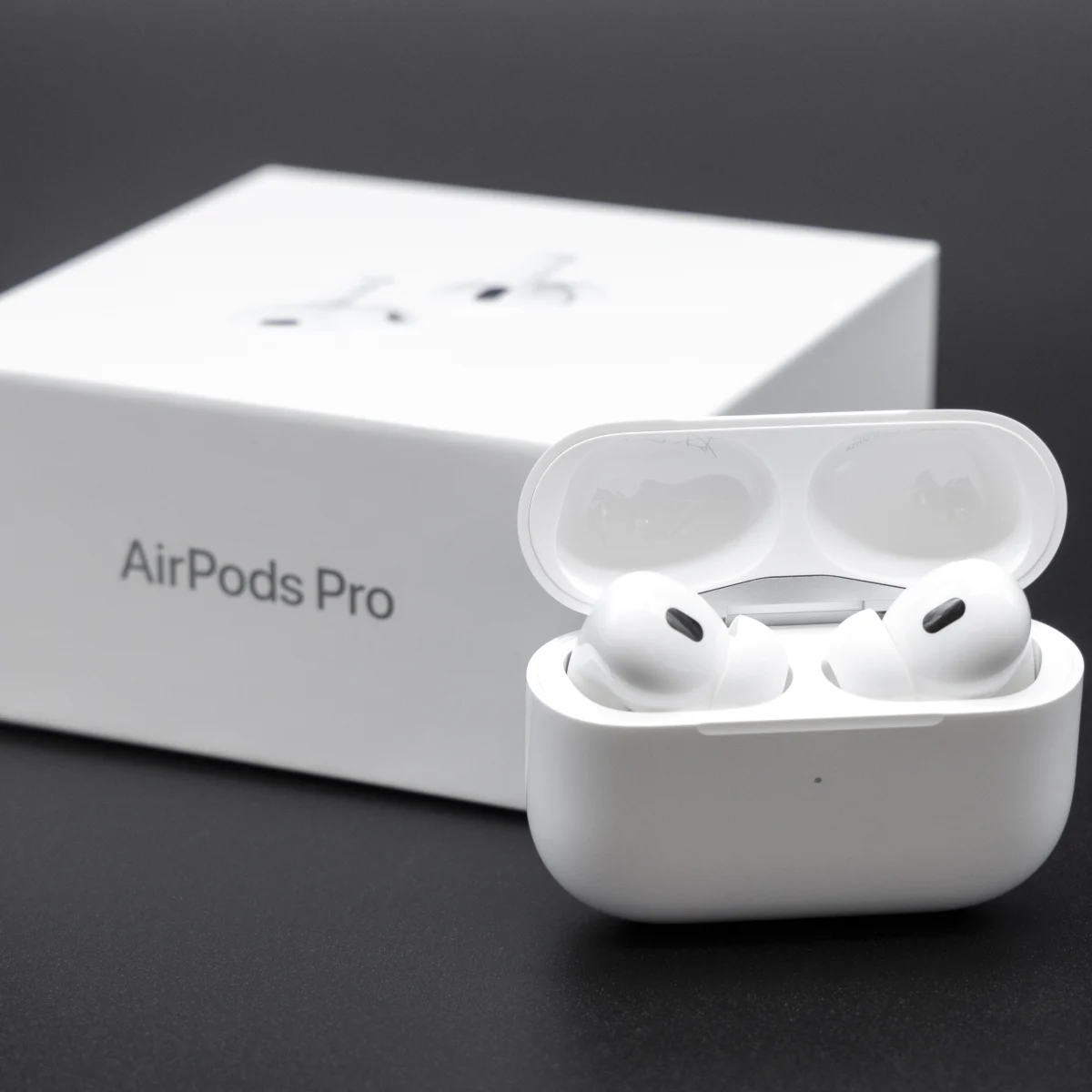
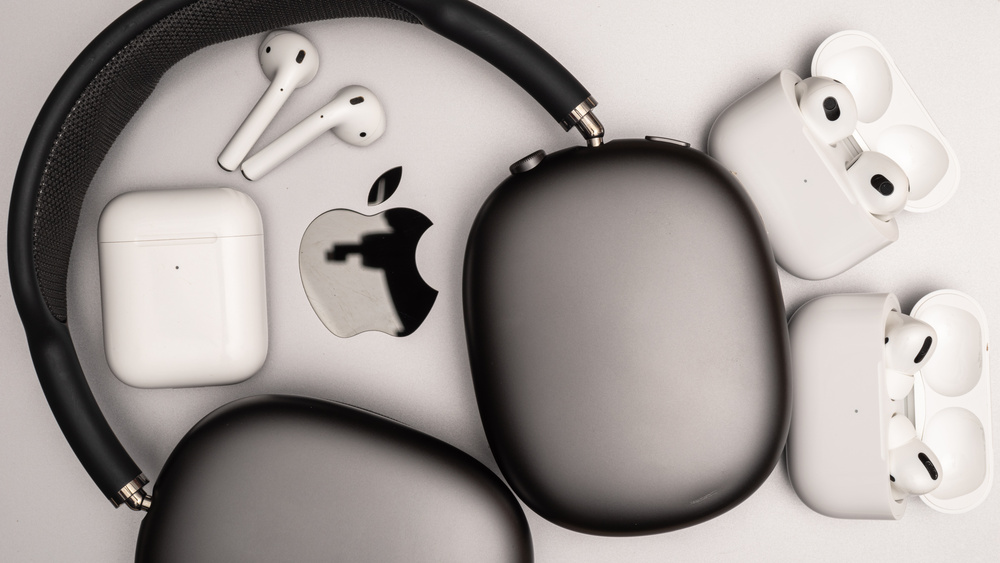
Apple’s focus on sound technology did not stop with AirPods. The company introduced products like AirPods Pro and AirPods Max, offering options for different user needs. This range helped Apple compete with traditional audio brands and establish itself as a major player in the industry.
 Via The Atlantic
The design of AirPods also played a crucial role in their success. The small, lightweight structure made them comfortable for long use. Apple paid attention to details like touch controls and voice commands, which added to the convenience. These features made AirPods easy to use for people of all ages.
AirPods also introduced new ways to experience sound, such as spatial audio. This feature created a more immersive listening experience by simulating surround sound. Such innovations helped Apple stay ahead in the competitive audio market and set new standards for wireless earbuds.
 Via Apple Insider
 Via Outside Online
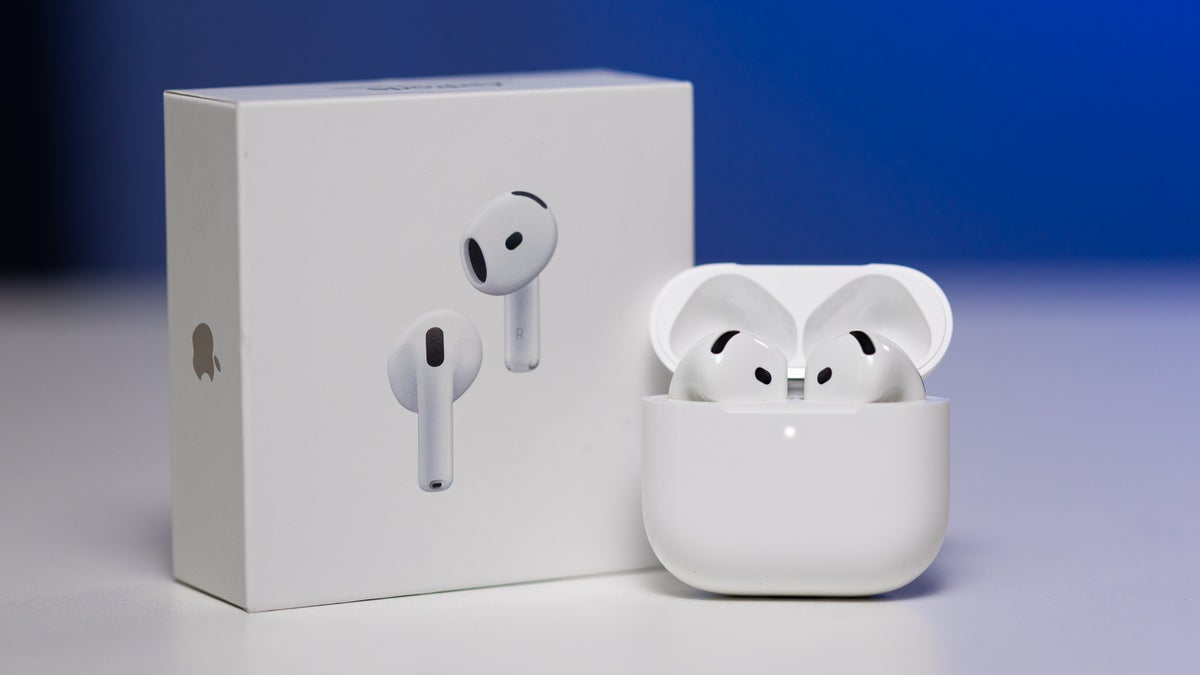
Apple continued to improve this ecosystem by adding features like automatic device switching and audio sharing. These updates made AirPods more versatile and useful in different situations. The strong ecosystem support ensured that AirPods remained a top choice in the market.
 Via Mashable
Traditional audio brands often focused on technical features and professional use. Apple, on the other hand, targeted everyday users by offering simplicity and convenience. This approach attracted a wider audience and helped AirPods reach a global market quickly.
Over time, Apple improved the sound quality of AirPods to compete directly with high-end audio products. Features like active noise cancellation and adaptive EQ showed that Apple could match and even exceed the performance of traditional brands while maintaining ease of use.
 Via Phone Arena
 Via RTINGS
AirPods also influenced how people consume content. Listening to music, podcasts, and audiobooks became easier and more accessible. This shift changed daily habits and made audio content a bigger part of everyday life.
 Via LinkedIn
The growth of AirPods also supported other parts of Apple’s business. Increased use of audio content boosted services like Apple Music. This created a cycle where products and services supported each other, strengthening the overall business model.
AirPods proved that smaller devices could have a big impact on a company’s success. The product showed how innovation and user-focused design could lead to massive financial growth and market influence.
 Via NPR
 Via Inc Magazine
The transition from Tim Cook to John Ternus represents a new chapter for Apple. While Cook laid the foundation for AirPods success, Ternus has the opportunity to expand and refine this legacy. The audio category will likely remain a major focus for Apple’s growth.
More in UnassignedVia Rolling Stone
AirPods also became a fashion statement and a part of everyday life. People began wearing them not just for music but also for calls, podcasts, and virtual meetings. This shift helped Apple move beyond its identity as a computer and smartphone company. AirPods played a key role in building a new category that blended technology with lifestyle.
Tim Cook’s Vision Behind AirPods Success
Tim Cook’s leadership style focused on steady growth and practical innovation. Unlike flashy product launches, Cook emphasized improving user experience and expanding Apple’s ecosystem. AirPods reflected this vision by offering a product that worked effortlessly with other Apple devices. This integration created a smooth and reliable experience for users.Via CNET
Cook understood the importance of wireless technology early on. Removing the headphone jack was a bold decision that pushed the industry forward. Many competitors followed Apple’s move, proving that the company had set a new trend. AirPods became a key example of how Apple could lead without being the first to invent a concept.
Under Cook’s guidance, Apple focused on refining AirPods with each new version. Features like noise cancellation, spatial audio, and improved sound quality showed a commitment to innovation. These upgrades kept the product fresh and competitive, ensuring long-term success in the growing audio market.
Via Tech Radar
Transforming Apple Into an Audio Powerhouse
AirPods helped Apple enter and dominate the audio industry in a way few expected. Before AirPods, Apple was known mainly for computers, phones, and tablets. With the success of wireless earbuds, the company expanded into a new category that reached millions of users worldwide. This transformation marked a major shift in Apple’s business strategy. The audio market grew rapidly, and Apple took full advantage of this opportunity. AirPods became one of the best-selling products globally, generating billions in revenue. The product’s popularity also boosted sales of other Apple devices, as users preferred staying within the same ecosystem for convenience.Via Medium
Apple’s focus on sound technology did not stop with AirPods. The company introduced products like AirPods Pro and AirPods Max, offering options for different user needs. This range helped Apple compete with traditional audio brands and establish itself as a major player in the industry.
Innovation That Redefined Wireless Audio
AirPods changed how people interact with audio devices by removing the need for wires and complicated setups. The introduction of the H1 and later chips improved connectivity and performance. These chips allowed faster pairing, better battery management, and improved sound processing, making AirPods more reliable than many competitors.Via The Atlantic
The design of AirPods also played a crucial role in their success. The small, lightweight structure made them comfortable for long use. Apple paid attention to details like touch controls and voice commands, which added to the convenience. These features made AirPods easy to use for people of all ages.
AirPods also introduced new ways to experience sound, such as spatial audio. This feature created a more immersive listening experience by simulating surround sound. Such innovations helped Apple stay ahead in the competitive audio market and set new standards for wireless earbuds.
Via Apple Insider
The Role of Ecosystem in AirPods Growth
Apple’s ecosystem played a major role in the success of AirPods. The ability to switch seamlessly between devices like iPhones, iPads, and Macs made AirPods highly appealing. This integration saved time and reduced frustration, making everyday tasks more efficient for users. The ecosystem also encouraged customer loyalty. Once users experienced the convenience of AirPods, they were more likely to stay within Apple’s product range. This created a strong connection between devices, making it harder for users to switch to other brands.Via Outside Online
Apple continued to improve this ecosystem by adding features like automatic device switching and audio sharing. These updates made AirPods more versatile and useful in different situations. The strong ecosystem support ensured that AirPods remained a top choice in the market.
Competing With Traditional Audio Brands
AirPods entered a market already filled with established audio companies. Brands with decades of experience in sound technology were strong competitors. Despite this, Apple managed to stand out by focusing on user experience rather than just sound quality.Via Mashable
Traditional audio brands often focused on technical features and professional use. Apple, on the other hand, targeted everyday users by offering simplicity and convenience. This approach attracted a wider audience and helped AirPods reach a global market quickly.
Over time, Apple improved the sound quality of AirPods to compete directly with high-end audio products. Features like active noise cancellation and adaptive EQ showed that Apple could match and even exceed the performance of traditional brands while maintaining ease of use.
Via Phone Arena
The Cultural Impact of AirPods
AirPods became more than just a piece of technology. They turned into a cultural icon that represented modern living. People began associating AirPods with convenience, style, and innovation. This cultural impact helped boost their popularity even further. The visibility of AirPods in public spaces also played a role in their success. Seeing others use them created curiosity and interest. This organic promotion helped Apple reach new audiences without heavy advertising.Via RTINGS
AirPods also influenced how people consume content. Listening to music, podcasts, and audiobooks became easier and more accessible. This shift changed daily habits and made audio content a bigger part of everyday life.
The Business Impact of AirPods
AirPods became one of Apple’s most profitable products. The high demand and premium pricing contributed significantly to the company’s revenue. This success showed that Apple could create strong income streams beyond its core products like iPhones.Via LinkedIn
The growth of AirPods also supported other parts of Apple’s business. Increased use of audio content boosted services like Apple Music. This created a cycle where products and services supported each other, strengthening the overall business model.
AirPods proved that smaller devices could have a big impact on a company’s success. The product showed how innovation and user-focused design could lead to massive financial growth and market influence.
Via NPR
John Ternus and the Future of Apple Audio
John Ternus, Apple’s incoming CEO, has been closely involved in product development. His experience in hardware engineering positions him well to continue the success of AirPods and other audio products. The future of Apple’s audio division looks promising under his leadership. Ternus is expected to focus on advancing technology and improving user experience. New features and designs could further strengthen Apple’s position in the audio market. Continued innovation will be key to staying ahead of competitors.Via Inc Magazine
The transition from Tim Cook to John Ternus represents a new chapter for Apple. While Cook laid the foundation for AirPods success, Ternus has the opportunity to expand and refine this legacy. The audio category will likely remain a major focus for Apple’s growth.