Unassigned
Why You Shouldn't Rip Moss Off Walls - Eco-Benefits

Moss is a simple plant that grows in many places around the world. It belongs to a group called bryophytes. These plants do not have roots like trees or flowers. Instead, they take in water and food through their leaves. Moss can be found on rocks, trees, and even sidewalks. It likes damp and shady spots, but some types live in deserts or cold arctic areas.
There are over 12,000 kinds of moss. They come in different colors, like bright green or reddish brown. Moss has been on Earth for about 450 million years. That makes it one of the oldest plants. It survived big changes in the climate and helped shape the land.
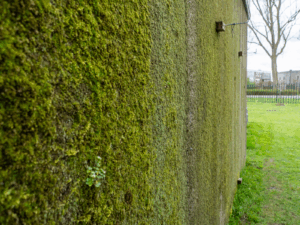 Via gorespyre
Moss matters because it helps the environment in quiet ways. People often ignore it or remove it from gardens. But moss cleans the air, holds water, and supports other living things. In a time when the planet faces problems like warming temperatures and dirty air, moss can be a helpful friend.
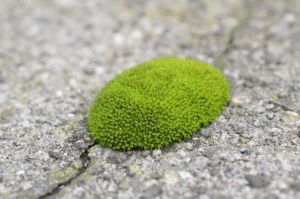 Via Total Weed Control
When conditions are right, they grow into new moss. This process needs water because the moss sperm swim to the egg. That is why moss likes wet places. Moss can dry out and look dead, but it comes back to life with water. This skill helps it live in tough spots. Some moss can survive extreme cold or heat. In cities, moss grows on buildings where other plants cannot. This makes it perfect for making cities greener.
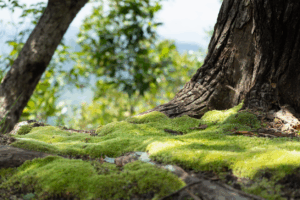 Via Biofriendly Planet
Studies show that some moss can absorb up to ten times more CO2 than trees per unit area. Trees are great at storing CO2 in their wood, but moss works fast in small spaces. In peat bogs, moss-like sphagnum stores huge amounts of carbon. These bogs hold billions of tons of CO2, keeping it out of the air.
Moss helps in short-term CO2 capture. It grows quickly and covers ground where trees cannot. In forests, moss on the floor adds to the total CO2 absorbed. Even in cold areas like the tundra, moss plays a key role in locking away carbon. Without moss, more CO2 would stay in the atmosphere.
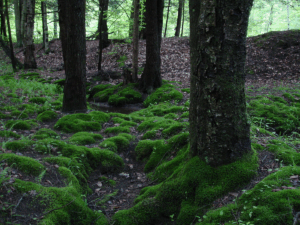 Via Wikipedia
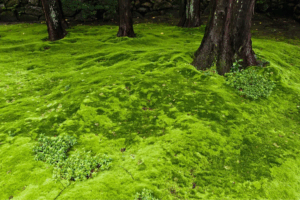 Via Forbes
However, trees store CO2 for longer in their trunks. Moss releases some carbon when it dies, but in bogs, it stays stored. Both are important. Using moss with trees can make better green areas. Moss helps in places too harsh for trees, like rocky hills or urban spots.
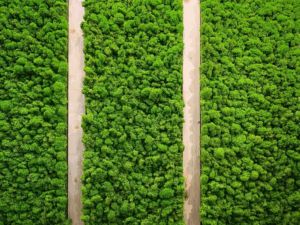 Via AZoBuild
Moss also cleans pollution. It traps dust, nitrogen dioxide, and other harmful gases. In busy cities, moss on buildings can improve air quality for people. Some cities use moss in parks or on bus stops. It needs little water once set up, saving money.
Green roofs with moss reduce rain runoff. Moss holds water like a sponge, preventing floods. It also makes cities look nicer and helps wildlife. Birds and bugs use moss for homes. Adding moss to cities is a simple way to make them healthier and more livable.
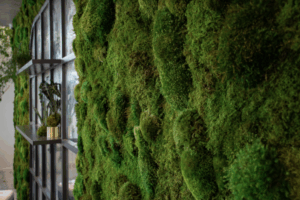 Via Luna Botanicals
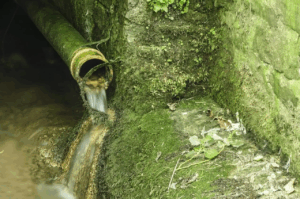 Via Aquatic Technologies
In gardens, moss can be used instead of grass in shady spots. It needs no mowing or chemicals. For the planet, moss in wetlands filters dirty water. It removes extra nutrients that cause algae blooms. Moss helps keep water clean and balanced.
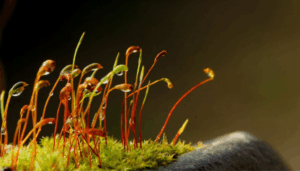 Via Moss & Stone Gardens
Fungi and bacteria in moss help cycle nutrients. This makes the soil richer for bigger plants. In ecosystems like forests or tundras, moss covers large areas. It supports birds that nest in it or eat bugs from it. Losing moss can hurt whole communities of life. Protecting moss means protecting many species.
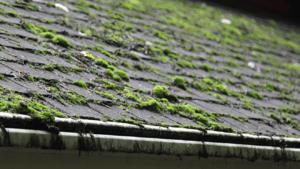 Via Guardian Roofing
Invasive plants can crowd out native moss. You need to value moss more. Laws can protect moss in wild areas. In cities, rules can encourage moss growth on buildings. Education helps people see moss as good, not a weed.
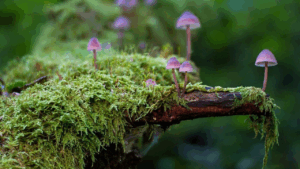 Via Utopia
Planting moss in parks shows its value. On a bigger scale, restore peat bogs with moss. This stores more carbon. Farmers can use moss to prevent soil loss. Simple steps like leaving moss on rocks help a lot.
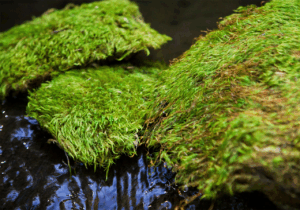 Via SuperMoss
People can use moss in the home, too. Moss terrariums or wall art bring nature inside. This connects you to the environment. Embracing moss leads to a healthier planet. Moss could also shape the future of sustainable architecture. Designers are exploring ways to use living moss in building materials, rooftops, and walls to naturally regulate temperature and improve air quality.
Its ability to thrive without soil or deep roots makes it ideal for vertical gardens and eco-friendly insulation. In urban areas, moss-covered structures could reduce heat islands and noise pollution, creating calmer, cleaner spaces. With further innovation, moss might become a core element of green infrastructure, blending technology and nature seamlessly.
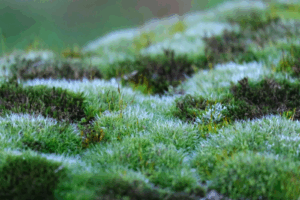 Via An Darach Forest Therapy
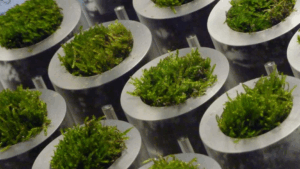 Via University of Cambridge
Its quiet resilience offers lessons in coexistence and adaptation. Supporting moss-friendly projects, from urban landscaping to home décor, allows everyone to contribute to a more balanced ecosystem. In valuing moss, you embrace a future where progress and nature thrive side by side, proving that meaningful change often starts with the simplest life forms.
More in Unassigned
Via gorespyre
Moss matters because it helps the environment in quiet ways. People often ignore it or remove it from gardens. But moss cleans the air, holds water, and supports other living things. In a time when the planet faces problems like warming temperatures and dirty air, moss can be a helpful friend.
How Moss Grows and Survives
Moss does not need soil to grow. It can attach to hard surfaces like stones or walls. This is because it gets what it needs from the air and rain. Tiny hairs called rhizoids help it stick in place. But these are not real roots. They do not pull up water from deep down. Moss reproduces with spores, not seeds. Spores are like tiny dust that can float in the wind.
Via Total Weed Control
When conditions are right, they grow into new moss. This process needs water because the moss sperm swim to the egg. That is why moss likes wet places. Moss can dry out and look dead, but it comes back to life with water. This skill helps it live in tough spots. Some moss can survive extreme cold or heat. In cities, moss grows on buildings where other plants cannot. This makes it perfect for making cities greener.
Moss and Carbon Dioxide Absorption
One big power of moss is taking in carbon dioxide, or CO2. CO2 is a gas that traps heat in the air and causes global warming. Plants use CO2 to make food through photosynthesis. Moss does this well, especially in certain places.
Via Biofriendly Planet
Studies show that some moss can absorb up to ten times more CO2 than trees per unit area. Trees are great at storing CO2 in their wood, but moss works fast in small spaces. In peat bogs, moss-like sphagnum stores huge amounts of carbon. These bogs hold billions of tons of CO2, keeping it out of the air.
Moss helps in short-term CO2 capture. It grows quickly and covers ground where trees cannot. In forests, moss on the floor adds to the total CO2 absorbed. Even in cold areas like the tundra, moss plays a key role in locking away carbon. Without moss, more CO2 would stay in the atmosphere.
Via Wikipedia
Comparing Moss to Trees in Fighting Climate Change
Trees are famous for fighting climate change. They absorb CO2 and give oxygen. A single tree can take in tons of CO2 over its life. But moss has advantages in some ways. For example, moss does not need much space or care. It can grow on walls or roofs without soil. In cities, a patch of moss can clean the air like many trees, but in less space. One design uses moss on benches to absorb pollution equal to 275 trees. Moss works well in shade, where trees struggle. Trees take years to grow big, but moss spreads fast.
Via Forbes
However, trees store CO2 for longer in their trunks. Moss releases some carbon when it dies, but in bogs, it stays stored. Both are important. Using moss with trees can make better green areas. Moss helps in places too harsh for trees, like rocky hills or urban spots.
Moss in Urban Environments
Cities face hot temperatures and bad air. This is called the urban heat island effect. Buildings and roads trap heat. Moss can help cool things down. It grows on walls and roofs, making green covers. These moss walls absorb heat and release water vapor, which cools the air.
Via AZoBuild
Moss also cleans pollution. It traps dust, nitrogen dioxide, and other harmful gases. In busy cities, moss on buildings can improve air quality for people. Some cities use moss in parks or on bus stops. It needs little water once set up, saving money.
Green roofs with moss reduce rain runoff. Moss holds water like a sponge, preventing floods. It also makes cities look nicer and helps wildlife. Birds and bugs use moss for homes. Adding moss to cities is a simple way to make them healthier and more livable.
Via Luna Botanicals
Moss and Water Management
Moss is great at handling water. It can hold many times its weight in water. This helps in areas with heavy rain. Moss slows down water flow, reducing erosion. Erosion is when soil washes away, harming land and rivers. On slopes, moss covers the ground and keeps soil in place. In forests, moss on the floor soaks up rain, letting it seep into the ground slowly. This recharges underground water sources. During dry times, moss releases stored water, keeping the area moist.
Via Aquatic Technologies
In gardens, moss can be used instead of grass in shady spots. It needs no mowing or chemicals. For the planet, moss in wetlands filters dirty water. It removes extra nutrients that cause algae blooms. Moss helps keep water clean and balanced.
Moss Supporting Biodiversity
Biodiversity means many kinds of living things. Moss creates homes for small creatures. Insects, spiders, and tiny animals live in moss. It provides food and shelter. In cold places, moss is a base for food chains. Moss also helps other plants grow. It keeps soil moist and adds nutrients when it breaks down.
Via Moss & Stone Gardens
Fungi and bacteria in moss help cycle nutrients. This makes the soil richer for bigger plants. In ecosystems like forests or tundras, moss covers large areas. It supports birds that nest in it or eat bugs from it. Losing moss can hurt whole communities of life. Protecting moss means protecting many species.
Challenges Facing Moss
Despite its powers, moss faces threats. People often remove it from walls or lawns for aesthetic reasons. Chemicals from farms or cities can harm moss. It is sensitive to pollution, so dirty air kills it. Climate change affects moss. Warmer weather can dry out wet habitats. In some places, moss is harvested too much for gardening.
Via Guardian Roofing
Invasive plants can crowd out native moss. You need to value moss more. Laws can protect moss in wild areas. In cities, rules can encourage moss growth on buildings. Education helps people see moss as good, not a weed.
Preserving and Cultivating Moss
To save moss, you can grow it on purpose. In gardens, create shady, damp spots. Use moss milkshakes, blend moss with water, and spread it. This helps new moss start. For cities, designers make moss walls with special frames. These need misting at first, but then thrive. Schools can teach kids about moss benefits.
Via Utopia
Planting moss in parks shows its value. On a bigger scale, restore peat bogs with moss. This stores more carbon. Farmers can use moss to prevent soil loss. Simple steps like leaving moss on rocks help a lot.
The Future Role of Moss in Sustainability
Looking ahead, moss can play a bigger part in green living. Scientists study moss for new ideas. It could inspire ways to capture CO2 or clean water. In space, moss might help grow food in harsh spots. Cities plan more green spaces with moss. It fits in small areas and costs less than trees. As the world gets warmer, moss's toughness will help. It can adapt to changes better than some plants.
Via SuperMoss
People can use moss in the home, too. Moss terrariums or wall art bring nature inside. This connects you to the environment. Embracing moss leads to a healthier planet. Moss could also shape the future of sustainable architecture. Designers are exploring ways to use living moss in building materials, rooftops, and walls to naturally regulate temperature and improve air quality.
Its ability to thrive without soil or deep roots makes it ideal for vertical gardens and eco-friendly insulation. In urban areas, moss-covered structures could reduce heat islands and noise pollution, creating calmer, cleaner spaces. With further innovation, moss might become a core element of green infrastructure, blending technology and nature seamlessly.
Via An Darach Forest Therapy
Discover Moss’s Power to Absorb CO2 & Cool Urban Heat
Moss is small but mighty. It absorbs CO2, cleans air, holds water, and supports life. From cities to wild lands, moss helps solve big problems. Instead of removing it, let's celebrate and protect moss. By understanding moss, you can use it wisely. It shows how nature's simple things have big impacts. Let's rethink moss as a hero for the planet. Follow for more eco-friendly ideas! As you move toward greener lifestyles, moss reminds people that sustainability doesn’t always require grand solutions; sometimes, the smallest organisms make the biggest difference.
Via University of Cambridge
Its quiet resilience offers lessons in coexistence and adaptation. Supporting moss-friendly projects, from urban landscaping to home décor, allows everyone to contribute to a more balanced ecosystem. In valuing moss, you embrace a future where progress and nature thrive side by side, proving that meaningful change often starts with the simplest life forms.