Unassigned
Why is 18th-Century Style Trending in Fashion?
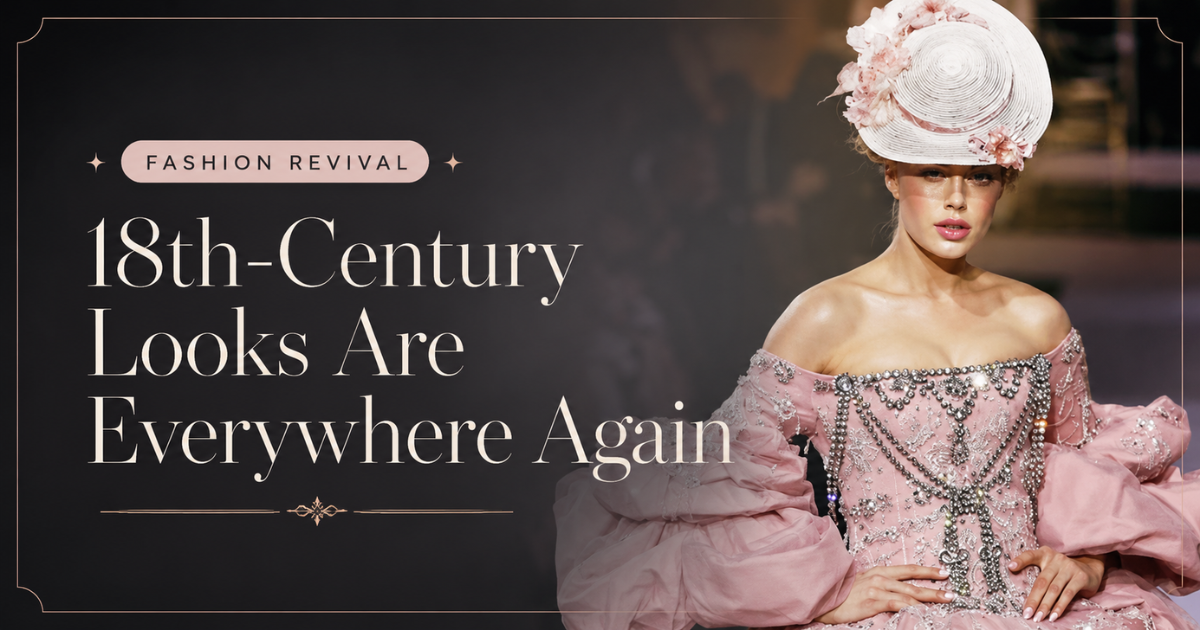
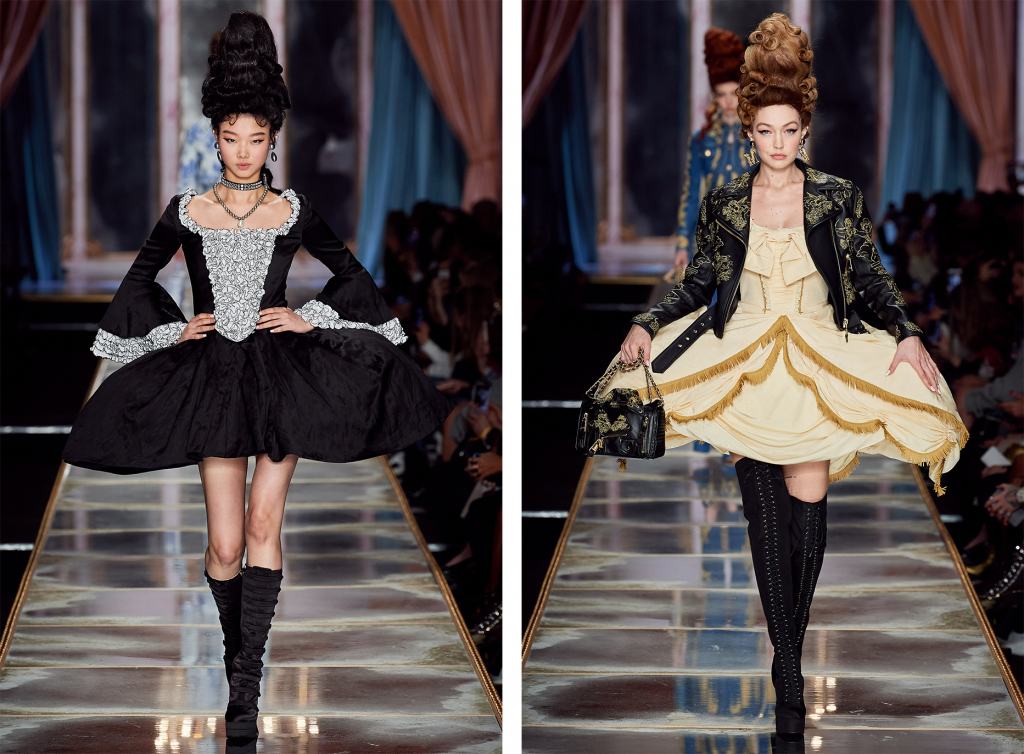
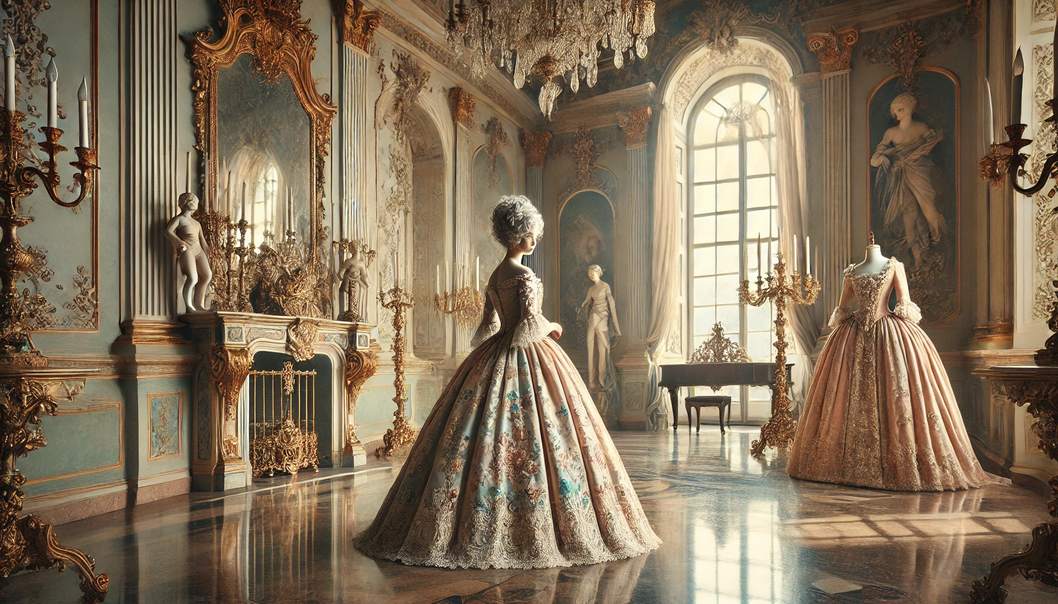
Fashion has entered a new phase where bold shapes and rich details are taking over runways and wardrobes. Designers are shifting away from plain, minimal clothing and embracing styles that feel expressive and visually strong. Structured silhouettes such as padded hips, defined waists, and layered skirts are gaining attention.
Runway collections across global fashion weeks highlight this shift toward drama and presence. Designers are introducing garments that demand attention through their shape, texture, and movement. Military-inspired jackets, sculpted bodices, and wide skirts reflect a deeper connection to historical fashion.
 Via Promostyl
This growing interest in bold fashion signals a broader cultural change. Clothing is no longer just about comfort or function but also about storytelling and identity. Eye-catching pieces allow individuals to express their personality uniquely.
 Via WWD
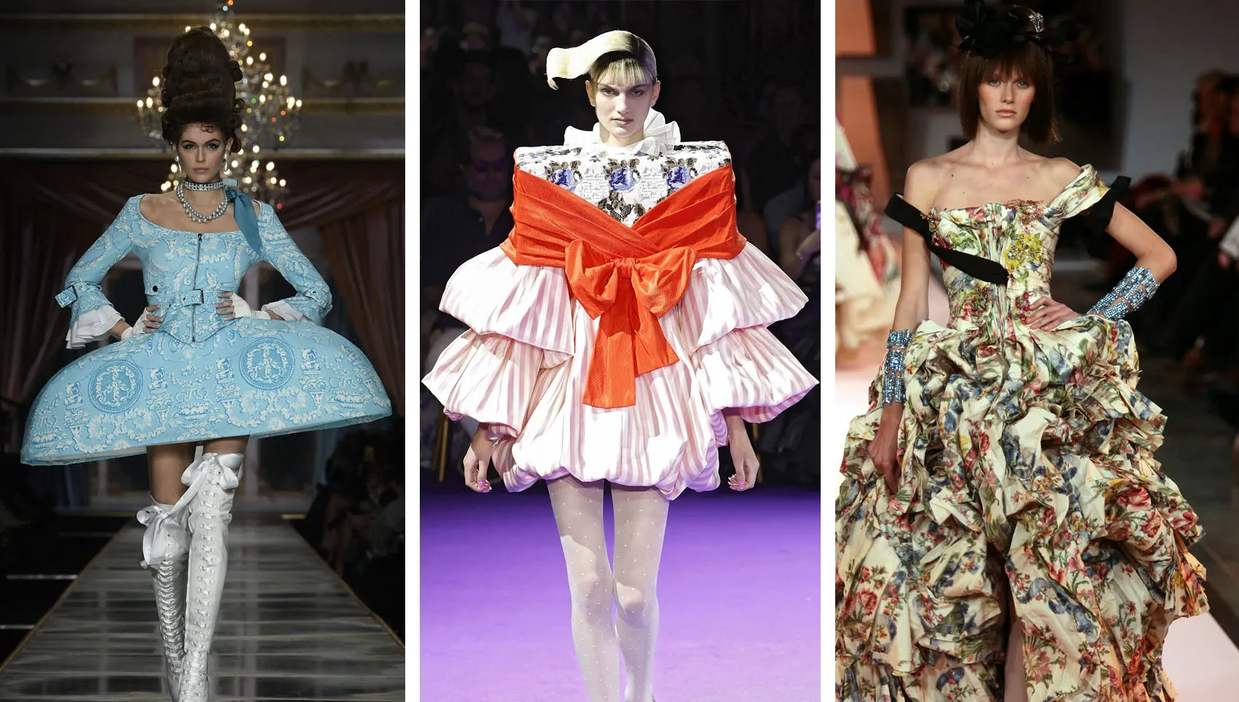
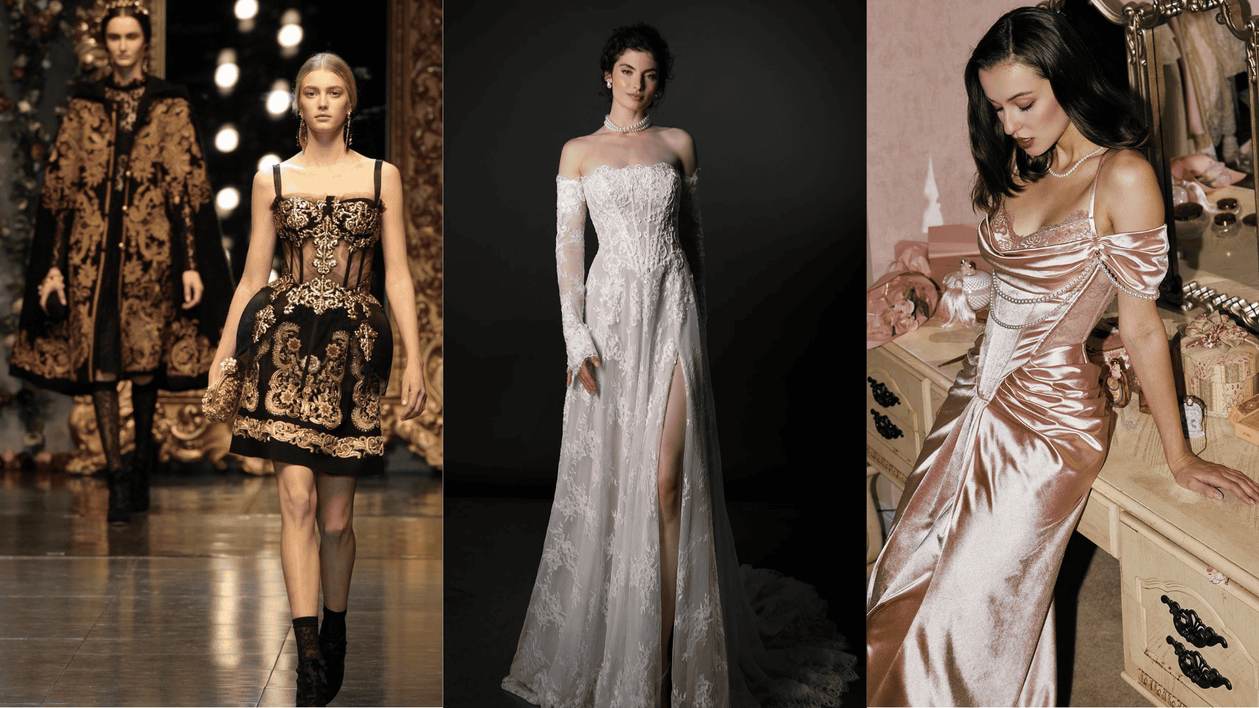
Modern designers are drawn to Rococo because of its creativity and attention to detail. Intricate embroidery, delicate lace, and rich fabrics are returning in fresh and innovative ways. These elements add depth and personality to garments, making each piece feel special.
This revival also reflects a renewed appreciation for craftsmanship. People are becoming more interested in how garments are made and the skill involved in their creation. Rococo-inspired designs highlight the beauty of detailed work and traditional techniques.
 Via Fashionabc
 Via Copenhagen Fashion Summit
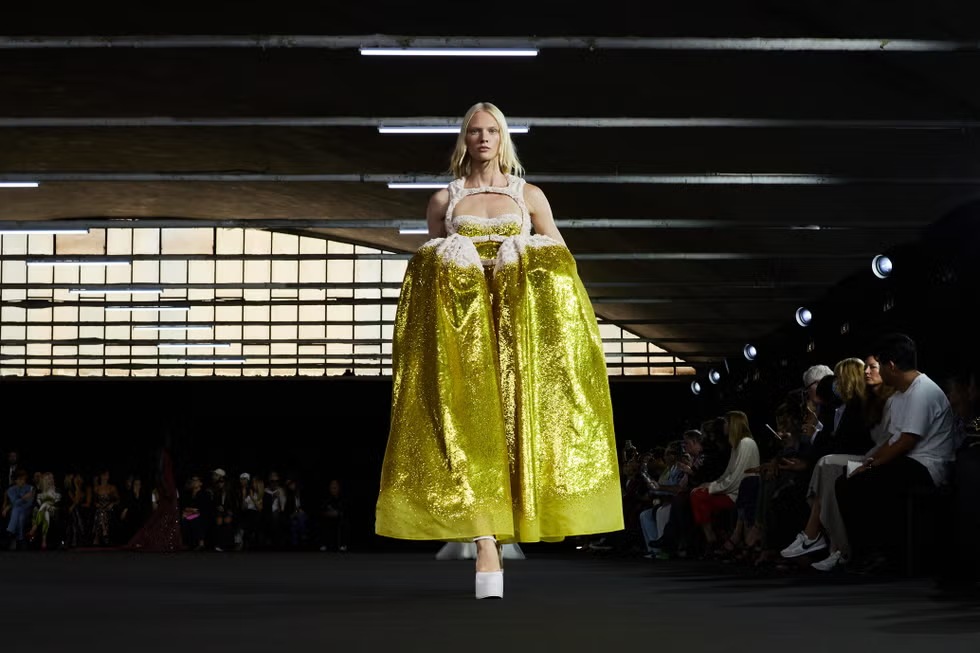
Panniers, which add width to skirts, are being reimagined in creative ways. While not always practical for daily wear, they influence modern silhouettes that feel bold and experimental. Designers use these historical references to push the boundaries of shape and proportion.
Runway presentations also enhance this experience by using grand settings and artistic themes. Historic venues and elaborate staging create a complete visual story. This combination of fashion and environment helps audiences connect with the inspiration behind each collection.
 Via ELLE
 Via Harper’s BAZAAR
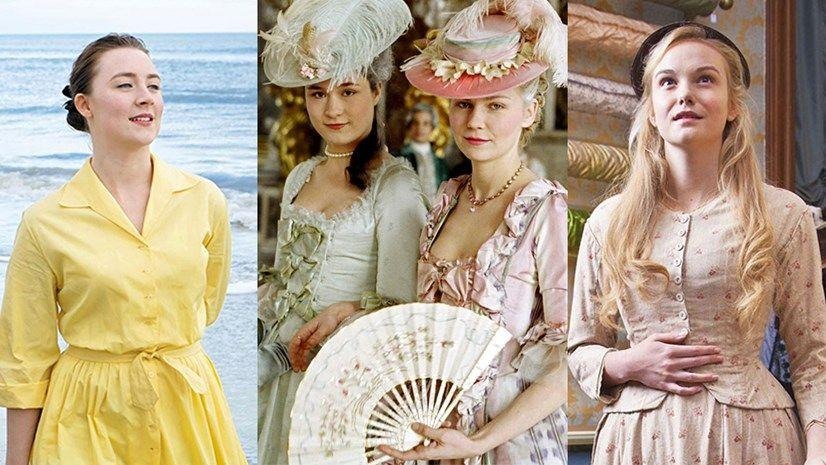
This connection between media and fashion helps trends spread quickly. Popular shows influence public taste and shape what people find stylish. Designers respond by incorporating similar elements into their work. This cycle keeps historical influences relevant and visible in contemporary fashion landscapes.
Costumes in these shows often present a romantic version of the past. Rich fabrics, layered gowns, and decorative accessories create a dreamy and appealing look. This portrayal encourages audiences to appreciate the beauty of historical fashion.
Via Collider
 Via Mh Chine
This renewed focus on craftsmanship also influences consumer choices. People are becoming more aware of the value of well-made clothing. Garments that show effort and detail are often seen as more desirable and lasting. This trend supports a move toward slower, more sustainable fashion practices.
Creating detailed garments requires time, precision, and expertise. Each stitch and embellishment contributes to the overall look and feel of the piece. This level of care sets high-quality fashion apart from mass-produced clothing. It also allows designers to showcase their creativity and technical skills in every collection.
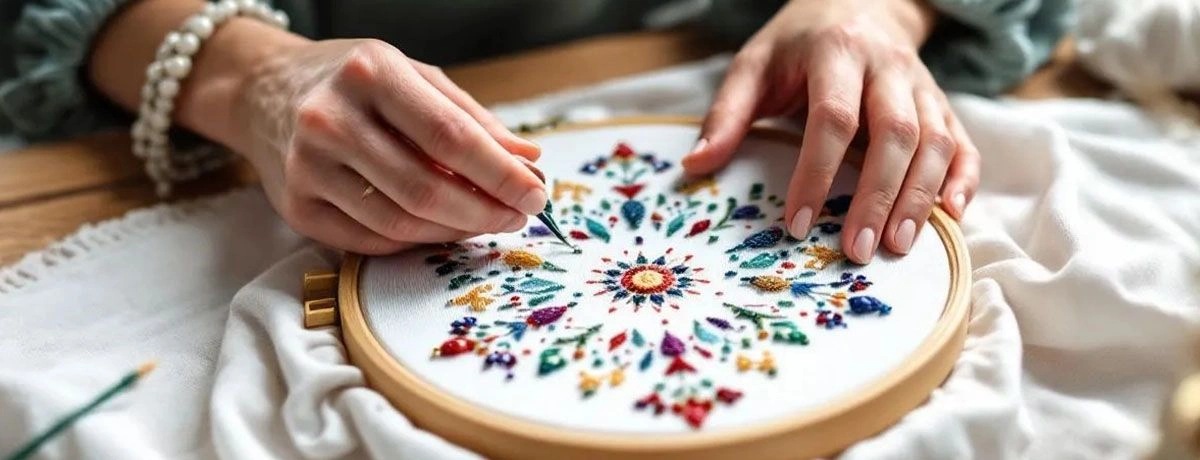 Via Royal School of Needlework
 Via MOYE
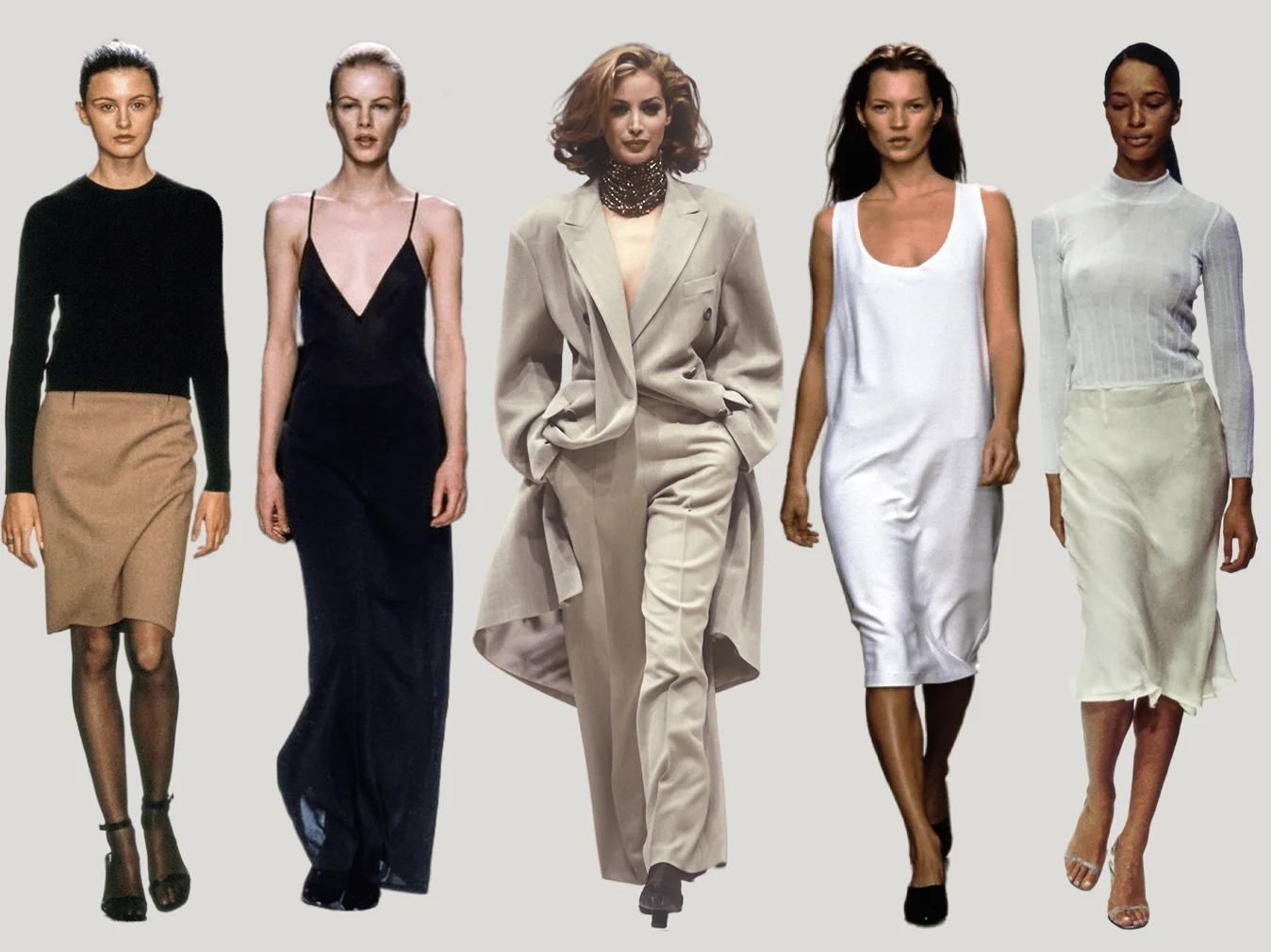
This shift does not replace minimalism but adds diversity to current trends. Both styles can exist side by side, offering different options for different preferences. The rise of decorative fashion highlights the industry’s ability to adapt and evolve. It keeps fashion fresh and interesting for a wide range of audiences.
The return of 18th-century inspiration offers a strong contrast to minimalism. Bold silhouettes, rich fabrics, and intricate details create a sense of excitement. These elements bring variety and energy back into fashion. They allow designers to experiment with new ideas and push creative boundaries.
 Via Promptstyl
The blending of old and new also encourages creativity. Designers experiment with different combinations of styles, materials, and techniques. This results in unique collections that stand out in the fashion world. It shows how history can inspire innovation rather than limit it.
These modern interpretations make historical fashion more accessible. Pieces inspired by the past can now be worn in everyday settings. Designers balance beauty with practicality, ensuring that clothing remains comfortable and functional. This approach allows people to enjoy historical influences without sacrificing convenience.
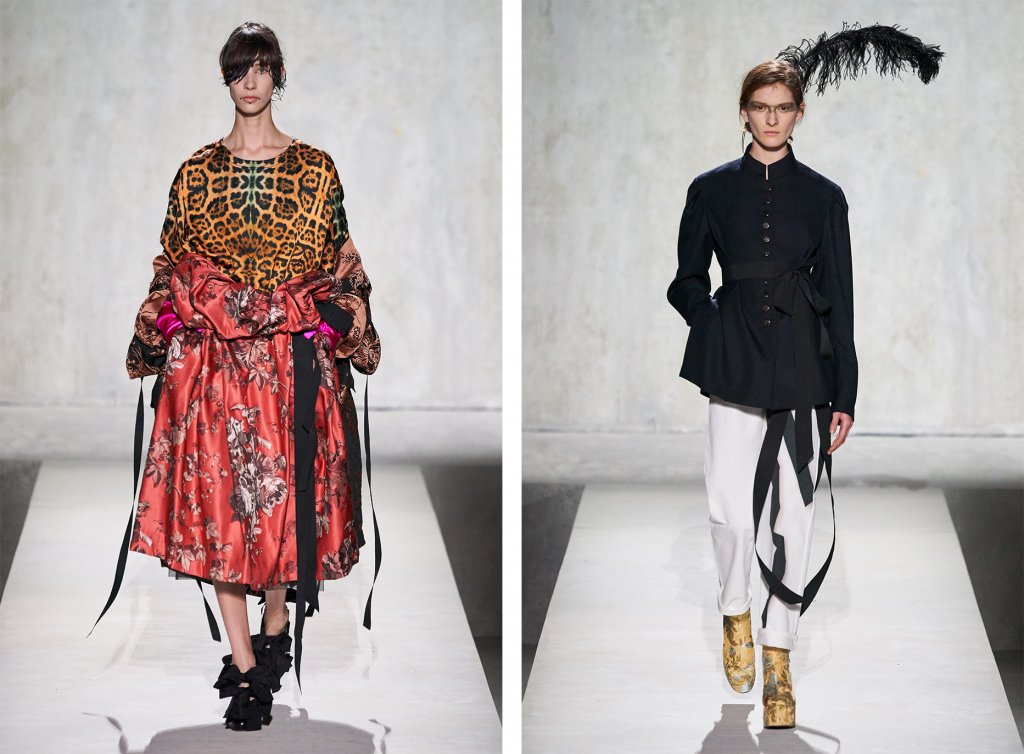 Via Promptstyl
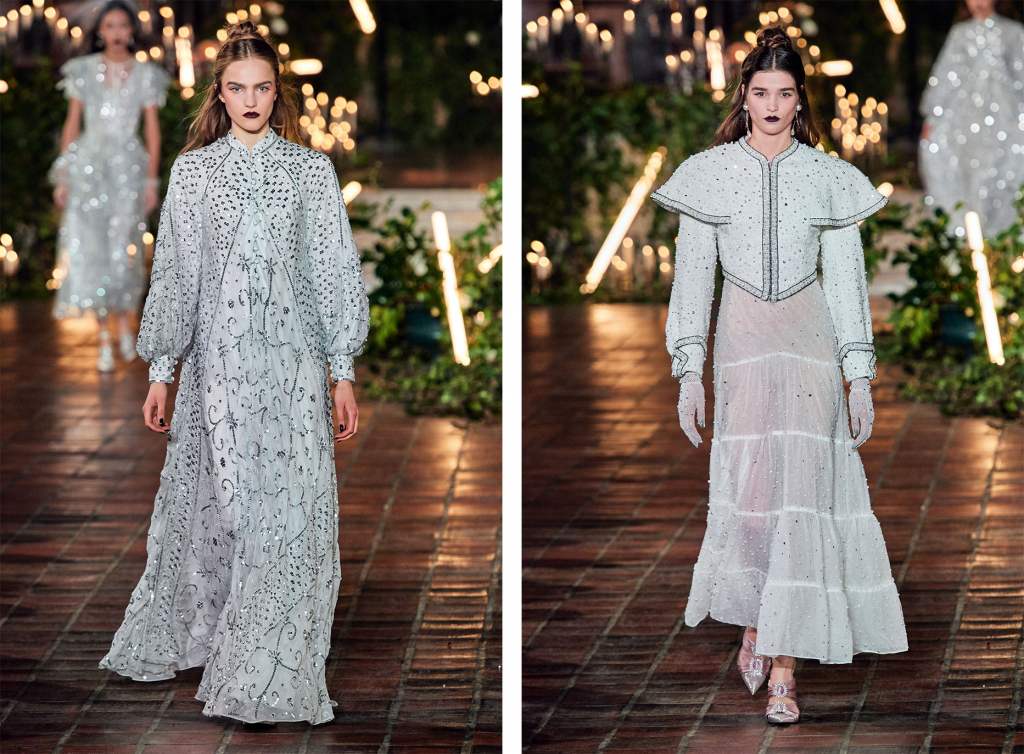 Via The Fritt Pittsburgh
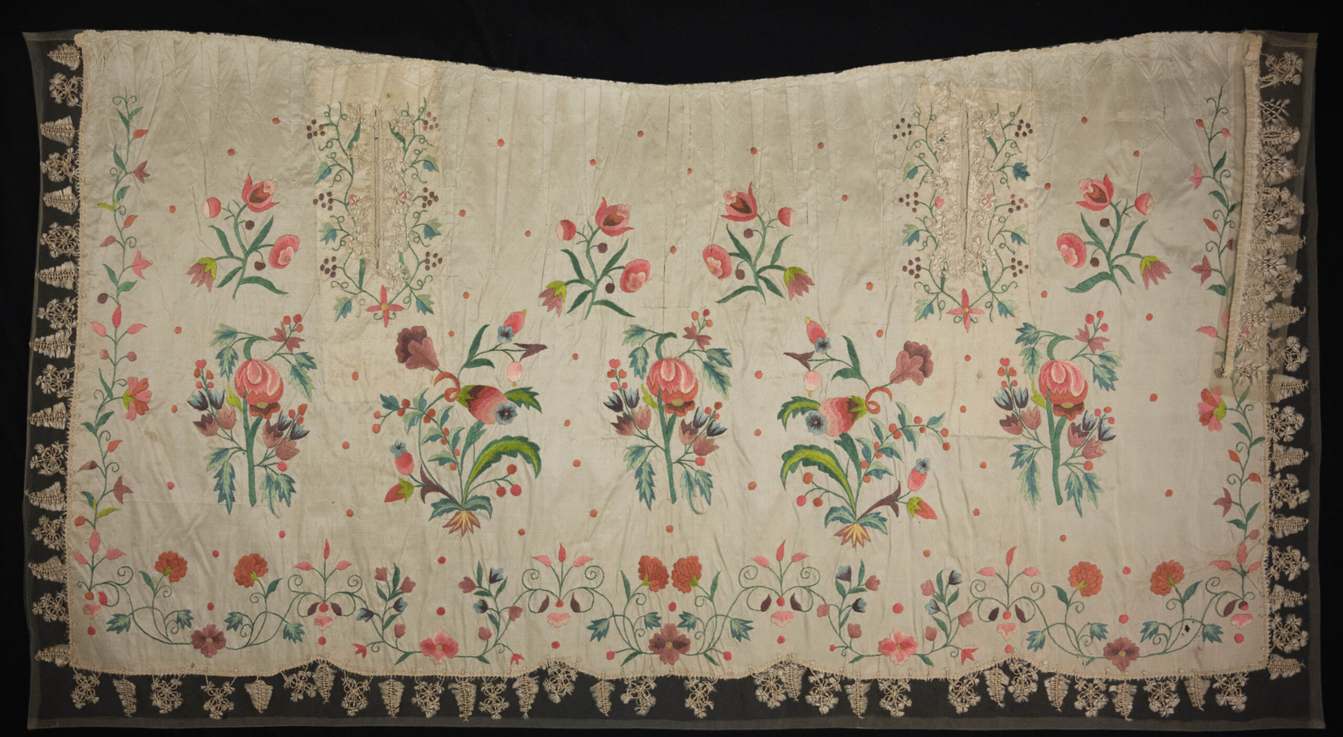
Art also adds meaning to fashion collections. Each piece can reflect a story or theme inspired by historical works. This approach enriches the design process and creates deeper connections with audiences. It transforms clothing into a form of artistic expression. Designers frequently draw from historical collections to explore unique color palettes, intricate textures, and distinctive patterns that are no longer commonly produced.
Museums preserve these influences and make them accessible to designers and the public. Studying historical garments and artworks reveals the level of detail involved in their creation. This knowledge helps designers incorporate traditional techniques into modern designs. It creates a connection between past and present fashion.
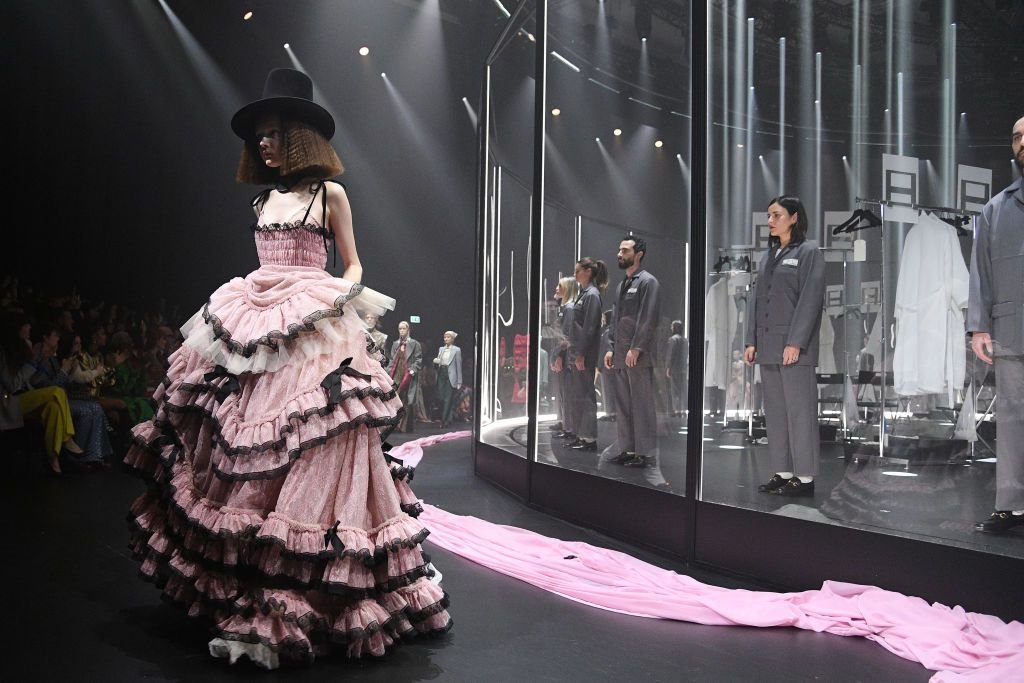 Via National Geographic
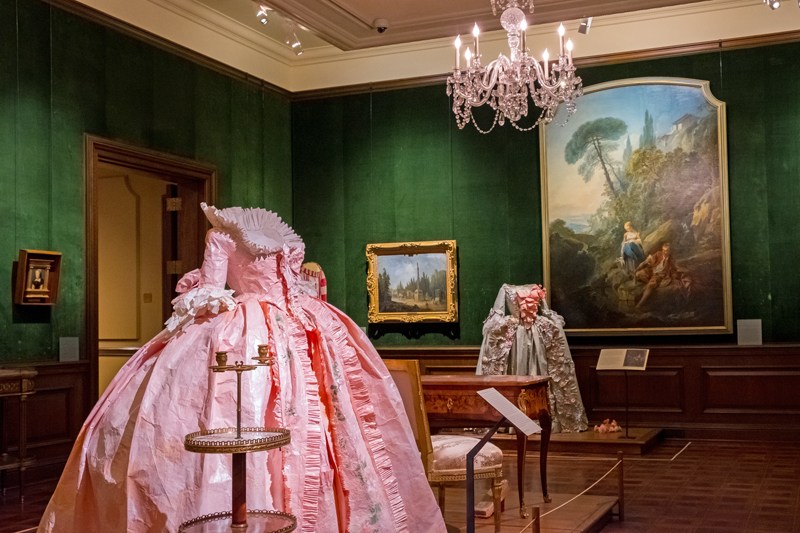 Via Artsper Magazine
The combination of past and present creates a balanced landscape style. It allows fashion to honor its history while embracing innovation. This blend ensures that trends remain relevant and exciting. It also highlights the enduring influence of historical design.
New materials and technologies allow designers to reinterpret classic styles in fresh ways. Traditional shapes can be recreated using lightweight fabrics or advanced construction methods. This makes them more practical for contemporary wear. It also opens new possibilities for creativity.
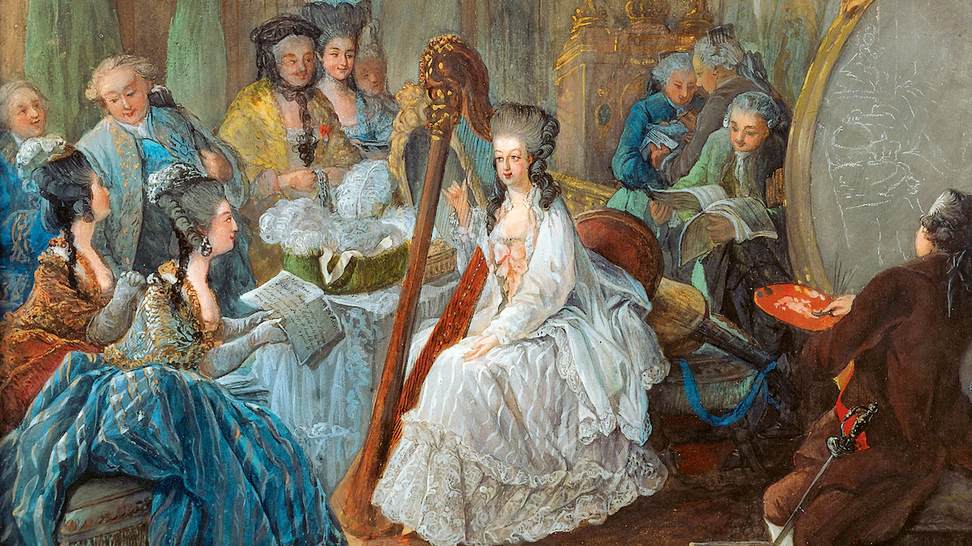 Via Fashion History Time
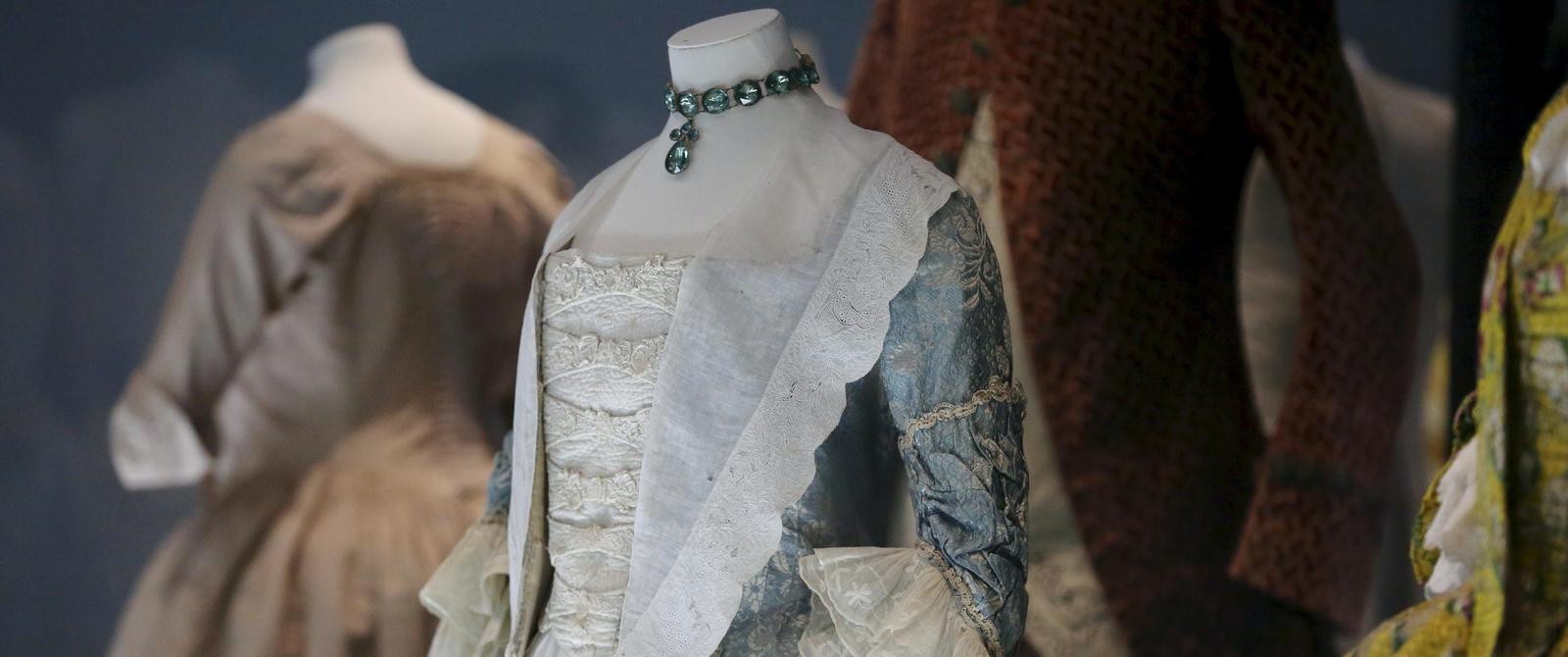 Via Promostyl
Designers continue to find new ways to reinterpret 18th-century elements. This ensures that the trend remains fresh and relevant. Fashion benefits from this ongoing creativity and exploration. The influence of this era continues to shape modern style in powerful ways.
More in UnassignedVia Promostyl
This growing interest in bold fashion signals a broader cultural change. Clothing is no longer just about comfort or function but also about storytelling and identity. Eye-catching pieces allow individuals to express their personality uniquely.
Understanding the Rococo Influence
The Rococo style, which emerged in 18th-century France, plays a key role in shaping this trend. Known for its decorative and playful approach, Rococo fashion featured soft colors, curved lines, and detailed ornamentation. It marked a departure from earlier styles that focused on symmetry and strict rules.Via WWD
Modern designers are drawn to Rococo because of its creativity and attention to detail. Intricate embroidery, delicate lace, and rich fabrics are returning in fresh and innovative ways. These elements add depth and personality to garments, making each piece feel special.
This revival also reflects a renewed appreciation for craftsmanship. People are becoming more interested in how garments are made and the skill involved in their creation. Rococo-inspired designs highlight the beauty of detailed work and traditional techniques.
Via Fashionabc
Runways Embrace Historical Drama
Fashion runways have become stages for storytelling, where designers bring history to life through clothing. Collections inspired by the 18th century showcase dramatic silhouettes and luxurious materials. Drop waists, structured bodices, and flowing fabrics create a sense of elegance that feels both timeless and modern.Via Copenhagen Fashion Summit
Panniers, which add width to skirts, are being reimagined in creative ways. While not always practical for daily wear, they influence modern silhouettes that feel bold and experimental. Designers use these historical references to push the boundaries of shape and proportion.
Runway presentations also enhance this experience by using grand settings and artistic themes. Historic venues and elaborate staging create a complete visual story. This combination of fashion and environment helps audiences connect with the inspiration behind each collection.
Via ELLE
The Role of Film and Television
Film and television have played a major role in bringing 18th-century fashion back into the spotlight. Period dramas often feature detailed costumes that capture the elegance and richness of historical clothing. These visual elements inspire viewers and create a renewed interest in older styles.Via Harper’s BAZAAR
This connection between media and fashion helps trends spread quickly. Popular shows influence public taste and shape what people find stylish. Designers respond by incorporating similar elements into their work. This cycle keeps historical influences relevant and visible in contemporary fashion landscapes.
Costumes in these shows often present a romantic version of the past. Rich fabrics, layered gowns, and decorative accessories create a dreamy and appealing look. This portrayal encourages audiences to appreciate the beauty of historical fashion.
Via Collider
Craftsmanship Takes Center Stage
Modern fashion is placing greater importance on craftsmanship and quality. Designers are focusing on the techniques used to create garments, highlighting skills such as embroidery, beadwork, and tailoring. These details add depth and richness to clothing, making each piece feel unique.Via Mh Chine
This renewed focus on craftsmanship also influences consumer choices. People are becoming more aware of the value of well-made clothing. Garments that show effort and detail are often seen as more desirable and lasting. This trend supports a move toward slower, more sustainable fashion practices.
Creating detailed garments requires time, precision, and expertise. Each stitch and embellishment contributes to the overall look and feel of the piece. This level of care sets high-quality fashion apart from mass-produced clothing. It also allows designers to showcase their creativity and technical skills in every collection.
Via Royal School of Needlework
A Reaction to Minimalism
Fashion trends often evolve as reactions to what came before them. After years of minimalism dominating the industry, there is now a clear shift toward more expressive and decorative styles. Minimalist fashion focused on simple shapes, neutral colors, and clean lines.Via MOYE
This shift does not replace minimalism but adds diversity to current trends. Both styles can exist side by side, offering different options for different preferences. The rise of decorative fashion highlights the industry’s ability to adapt and evolve. It keeps fashion fresh and interesting for a wide range of audiences.
The return of 18th-century inspiration offers a strong contrast to minimalism. Bold silhouettes, rich fabrics, and intricate details create a sense of excitement. These elements bring variety and energy back into fashion. They allow designers to experiment with new ideas and push creative boundaries.
Via Promptstyl
Modern Interpretations of Classic Styles
Designers are not simply recreating historical clothing as it once existed. Instead, they are adapting these styles to fit modern lifestyles and needs. Traditional elements such as structured bodices and decorative fabrics are combined with contemporary cuts. This creates garments that feel both classic and current.Via Promptstyl
The blending of old and new also encourages creativity. Designers experiment with different combinations of styles, materials, and techniques. This results in unique collections that stand out in the fashion world. It shows how history can inspire innovation rather than limit it.
These modern interpretations make historical fashion more accessible. Pieces inspired by the past can now be worn in everyday settings. Designers balance beauty with practicality, ensuring that clothing remains comfortable and functional. This approach allows people to enjoy historical influences without sacrificing convenience.
Via Promptstyl
The Influence of Art and Museums
Art and history play a significant role in shaping modern fashion trends. Designers often look to paintings, sculptures, and historical collections for inspiration. These sources provide ideas for colors, textures, and patterns. They also offer insight into the craftsmanship of past eras. This connection between past and present helps fashion remain both innovative and culturally rooted.Via The Fritt Pittsburgh
Art also adds meaning to fashion collections. Each piece can reflect a story or theme inspired by historical works. This approach enriches the design process and creates deeper connections with audiences. It transforms clothing into a form of artistic expression. Designers frequently draw from historical collections to explore unique color palettes, intricate textures, and distinctive patterns that are no longer commonly produced.
Museums preserve these influences and make them accessible to designers and the public. Studying historical garments and artworks reveals the level of detail involved in their creation. This knowledge helps designers incorporate traditional techniques into modern designs. It creates a connection between past and present fashion.
Via National Geographic
Blending Past and Present
Modern fashion thrives on combining influences from different time periods. The 18th century offers a rich source of inspiration that continues to shape current trends. Designers blend historical elements with modern techniques to create innovative designs. This approach keeps fashion dynamic and evolving. Studying historical craftsmanship offers valuable insight into traditional techniques such as embroidery, weaving, and hand-finishing.Via Artsper Magazine
The combination of past and present creates a balanced landscape style. It allows fashion to honor its history while embracing innovation. This blend ensures that trends remain relevant and exciting. It also highlights the enduring influence of historical design.
New materials and technologies allow designers to reinterpret classic styles in fresh ways. Traditional shapes can be recreated using lightweight fabrics or advanced construction methods. This makes them more practical for contemporary wear. It also opens new possibilities for creativity.
Via Fashion History Time
Why This Trend Continues to Grow
The fascination with 18th-century fashion shows no signs of slowing down. The combination of craftsmanship, storytelling, and bold design keeps it appealing. People are drawn to clothing that feels meaningful and visually striking. This trend offers a refreshing alternative to simpler styles. Social media plays a key role in spreading this trend to wider audiences. Dramatic designs capture attention and encourage sharing across platforms. This visibility helps historical influences reach new generations. It keeps the trend alive and constantly evolving.Via Promostyl
Designers continue to find new ways to reinterpret 18th-century elements. This ensures that the trend remains fresh and relevant. Fashion benefits from this ongoing creativity and exploration. The influence of this era continues to shape modern style in powerful ways.