Unassigned
Why Disney Adults and Magic Kingdom Face Cultural Criticism?
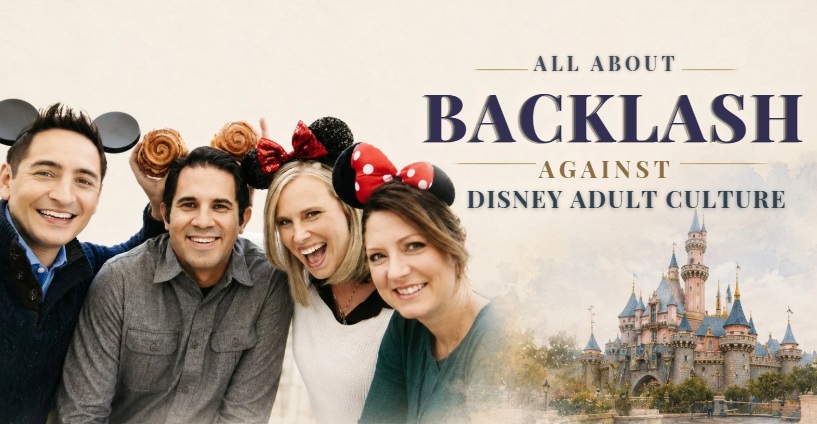
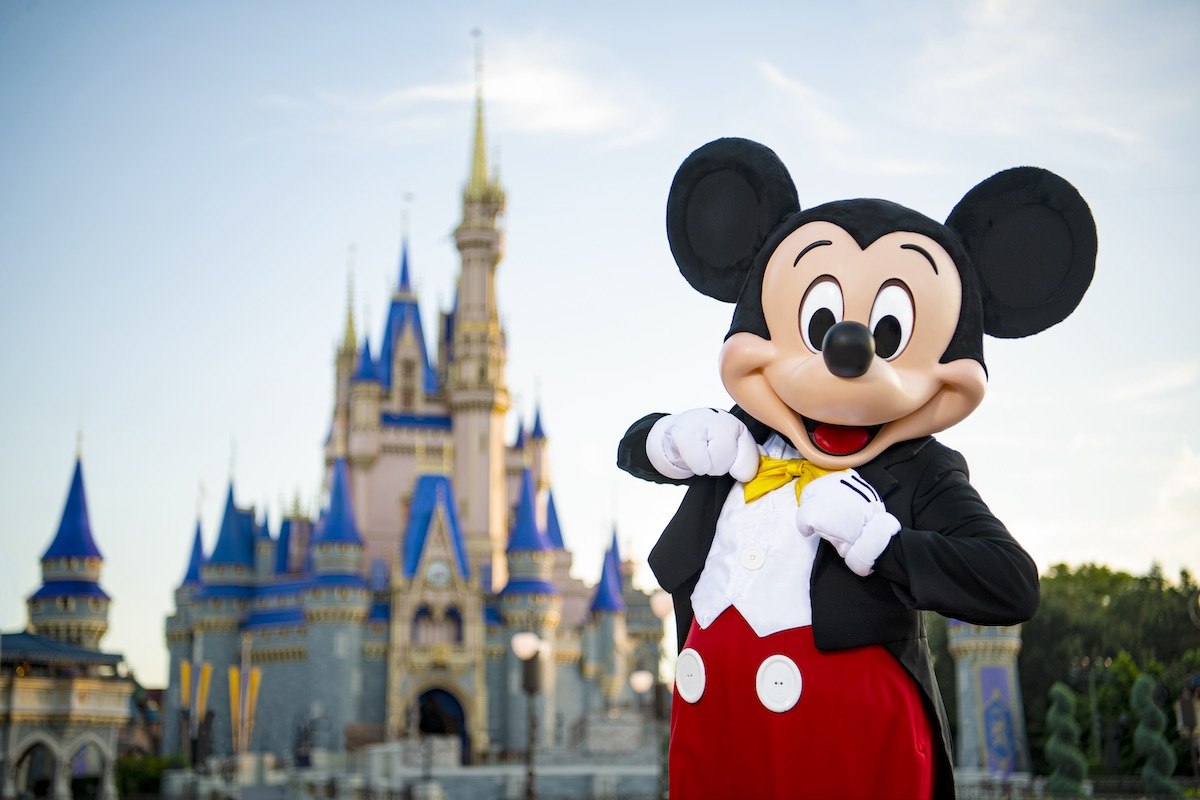
Disney theme parks often divide public opinion in a strong way across cultures and age groups. Many visitors describe the Magic Kingdom as a place built entirely on imagination and storytelling. The castles, characters, and themed lands are carefully designed to feel like a separate universe.
Criticism usually centers on the idea that Disney World is too controlled and overly polished. Every detail inside the parks, from background music to staff behavior, is planned with precision. This level of coordination creates a continuous emotional atmosphere that never feels random or unstructured.
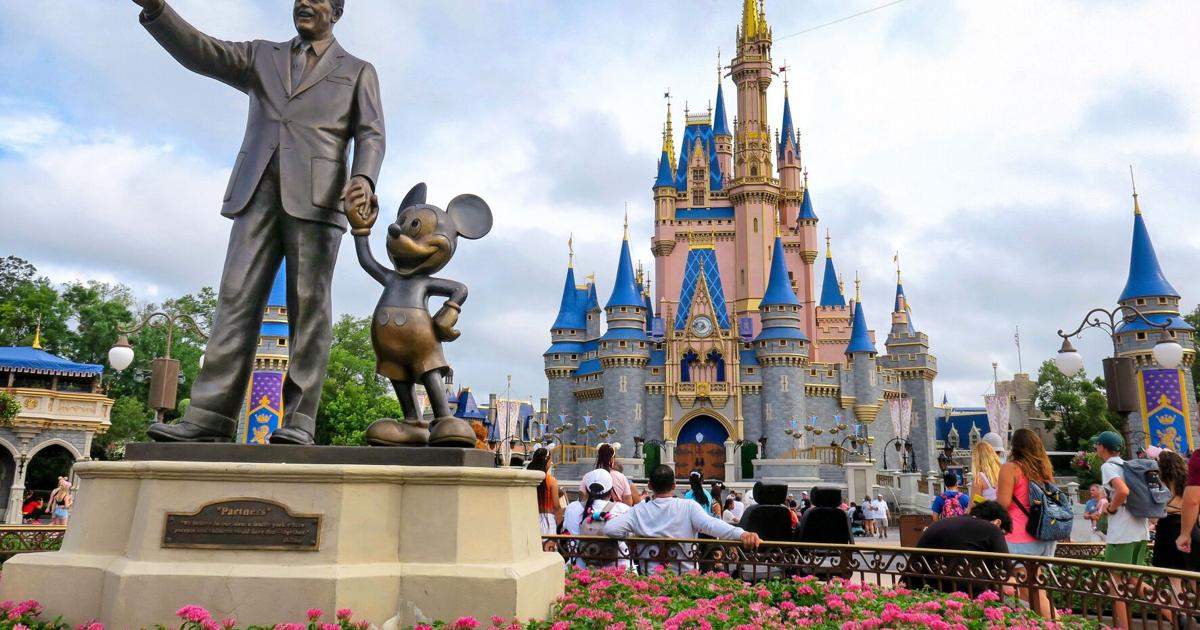 Via The Mountaineer
Supporters of Disney parks highlight that the entire environment is openly presented as themed entertainment. Visitors do not enter expecting real kingdoms or natural landscapes. The purpose is understood as storytelling, fantasy, and shared imagination.
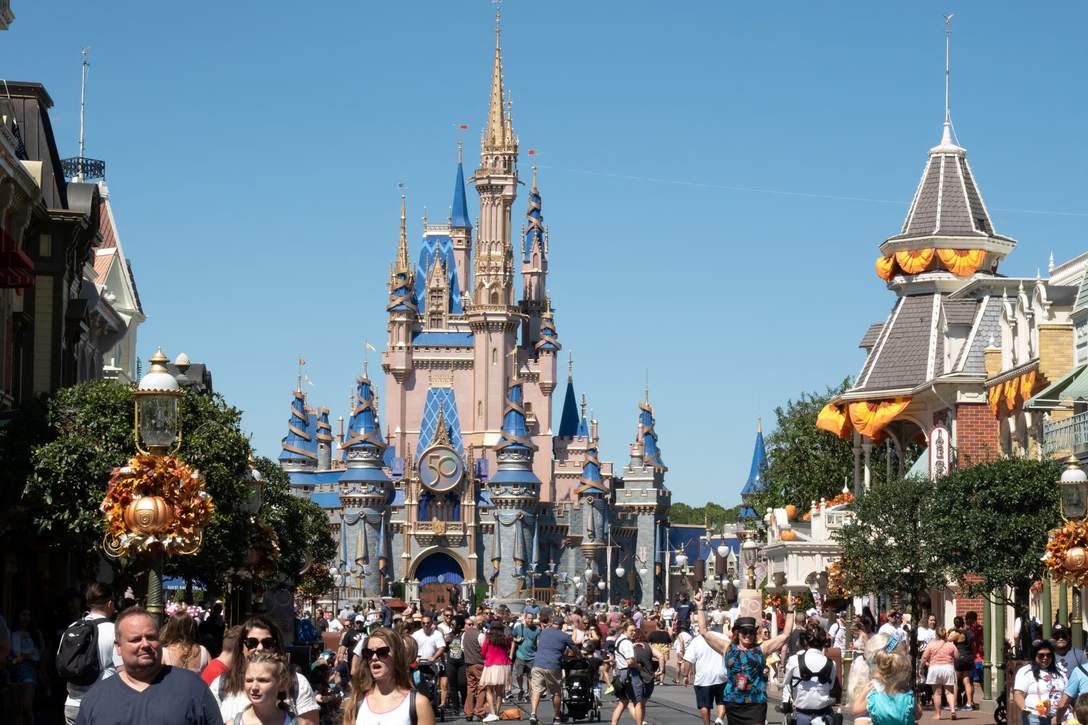 Via Yoursun
The experience inside the parks is shaped by constant sensory design. Music plays continuously in the background, lighting changes across different zones, and staff interactions follow scripted friendliness. These elements work together to maintain emotional consistency throughout the visit.
Commercial influence also plays a role in the perception of artificiality. Merchandise stores, branded food items, and paid experiences are integrated into every area of the park. Critics argue that emotional enjoyment becomes closely tied to consumer activity. As a result, even moments of excitement or nostalgia can feel structured around consumption.
 Via Tampa Bay Times
 Via Alan Dotchin Blog
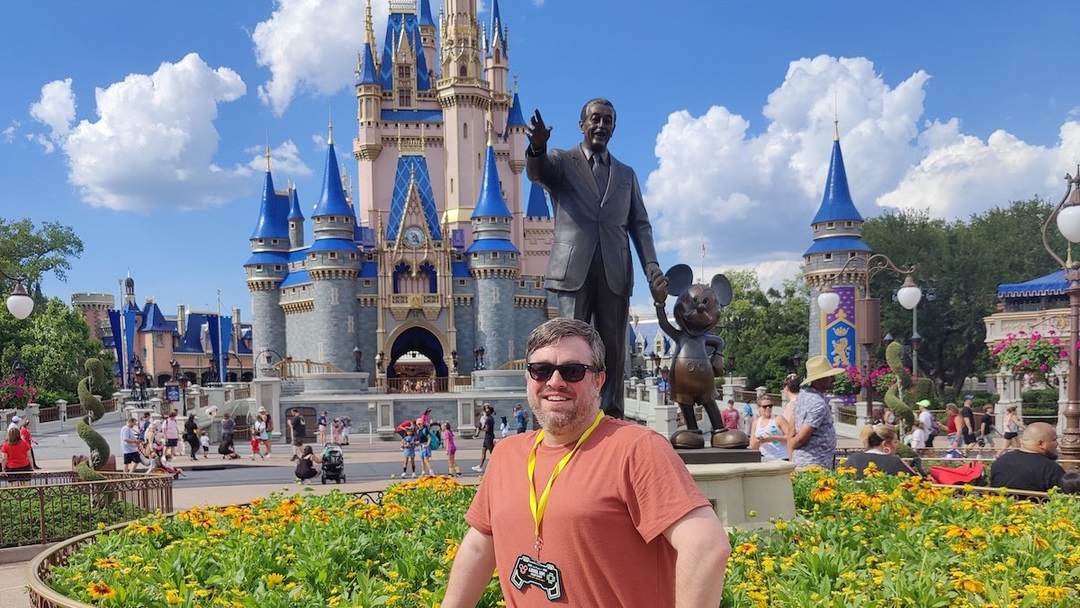
A comparison can be made with museums or exhibitions that display original artifacts. If replicas are shown without explanation, the experience becomes deceptive. Disney attractions operate differently because they openly present fictional worlds. Photo packages, exclusive access passes, and limited-edition items reinforce the idea that every experience has an attached value.
 Via Yahoo
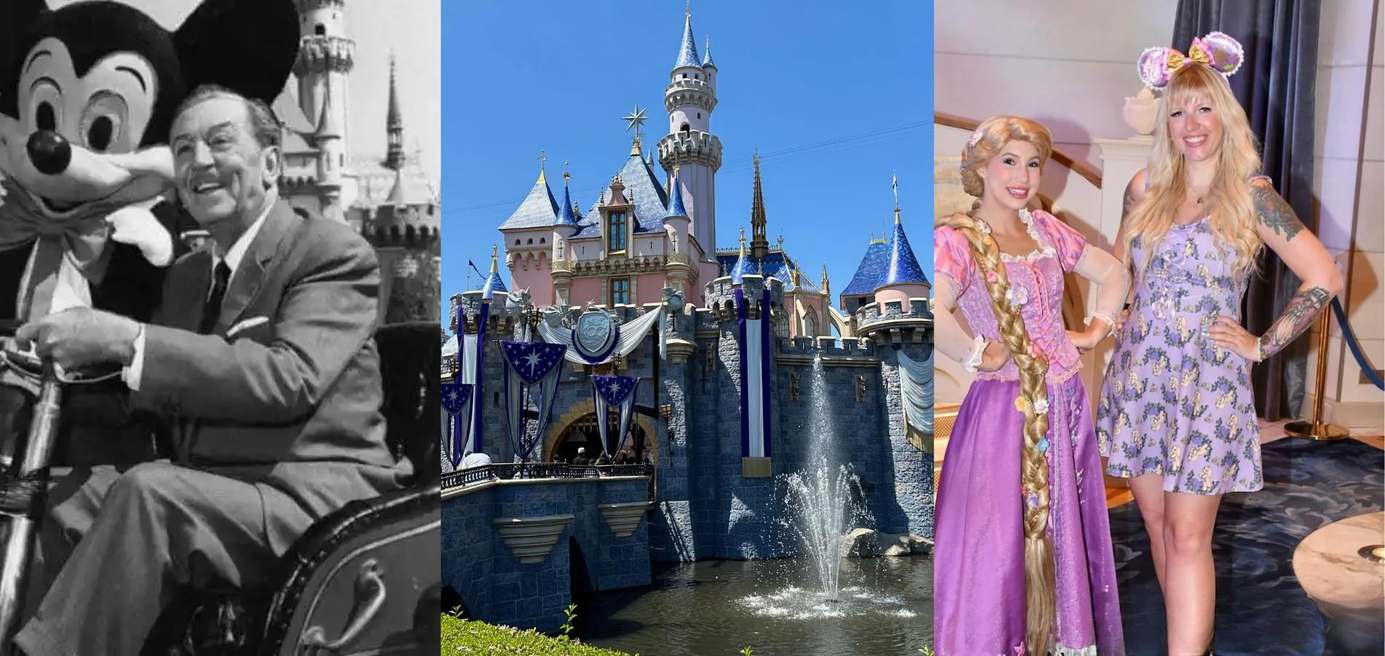
Media discussions frequently amplify the debate by questioning adult engagement with fantasy entertainment. Online platforms contribute to the spread of jokes and criticism about Disney fandom. These narratives create a cultural divide between fans and critics.
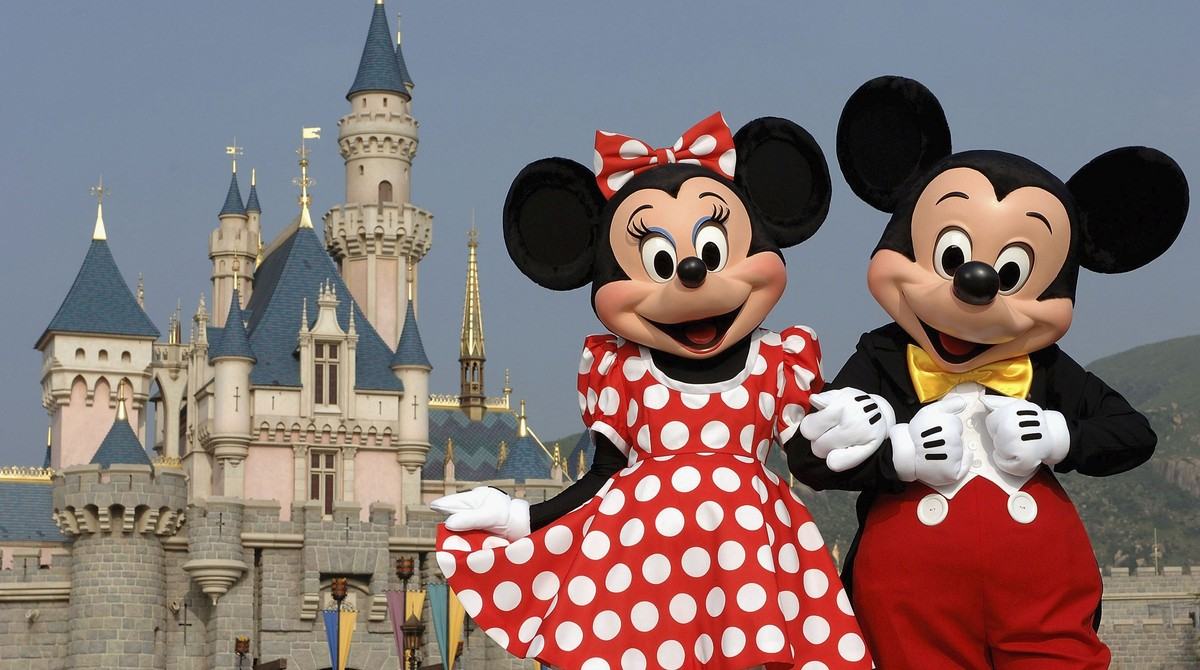
Stereotypes about Disney Adults sometimes portray them as disconnected from real-world concerns. These portrayals suggest avoidance of adult responsibilities or serious life issues. Such interpretations tend to simplify a wide range of personal interests and lifestyles.
 Via Mickey Visit
 Via Business Insider
Some fans express their connection to Disney through creative work such as art, fashion, or performance. Tattoo artists, designers, and performers sometimes incorporate Disney themes into their professional output. These expressions are not limited to entertainment consumption but extend into artistic creation.
 Via New York Post
Emotional impact continues even after leaving the park environment. Anticipation before visiting and recollection afterward both contribute to overall enjoyment. These emotional stages create meaning beyond physical presence in the park. In this way, the emotional value of the park is sustained long after departure, becoming part of personal storytelling and shared recollection.
Attractions are designed to be accessible across age groups and abilities. Rides often combine storytelling with sensory elements that appeal to children and adults alike. This balance allows multiple generations to enjoy the same experience together. Accessibility contributes to the inclusive reputation of the parks.
 Via D23
 Via Disney Experiences
Different cultural perspectives influence how authenticity is judged in entertainment. Some individuals value unstructured and natural experiences more highly. Others find meaning in carefully designed and imaginative environments. Photos, souvenirs, and social media posts further reinforce these memories, allowing the experience to be revisited repeatedly.
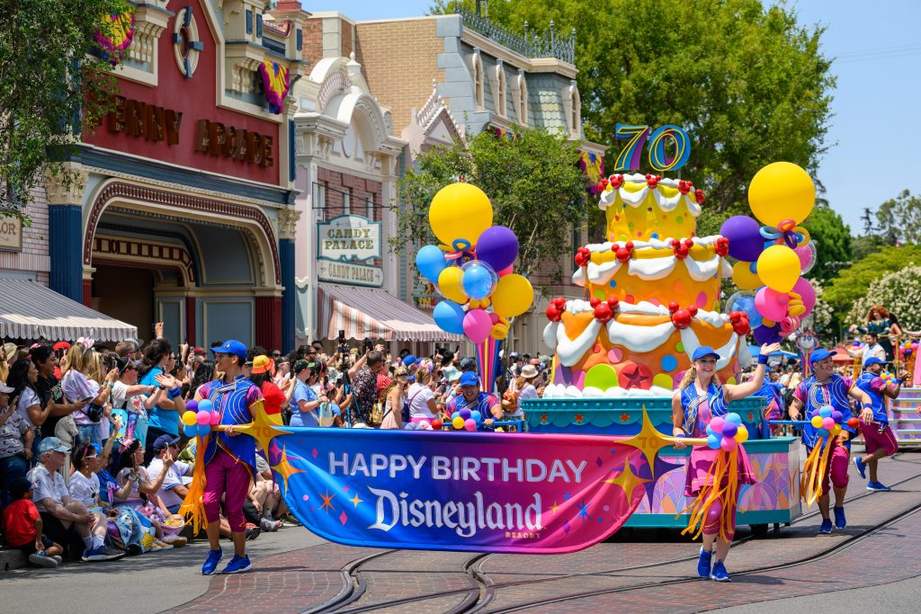 Via Disney Experiences
Yet the idea of “fake” becomes complicated when examined closely. A movie set is also artificial, but it is not usually considered deceptive. Theater stages use painted backgrounds and constructed props, yet audiences accept the illusion willingly.
This designed environment creates a continuous illusion of storytelling space. Visitors move through different themed areas as if traveling between worlds. The transitions are smooth and intentionally hidden to maintain immersion.
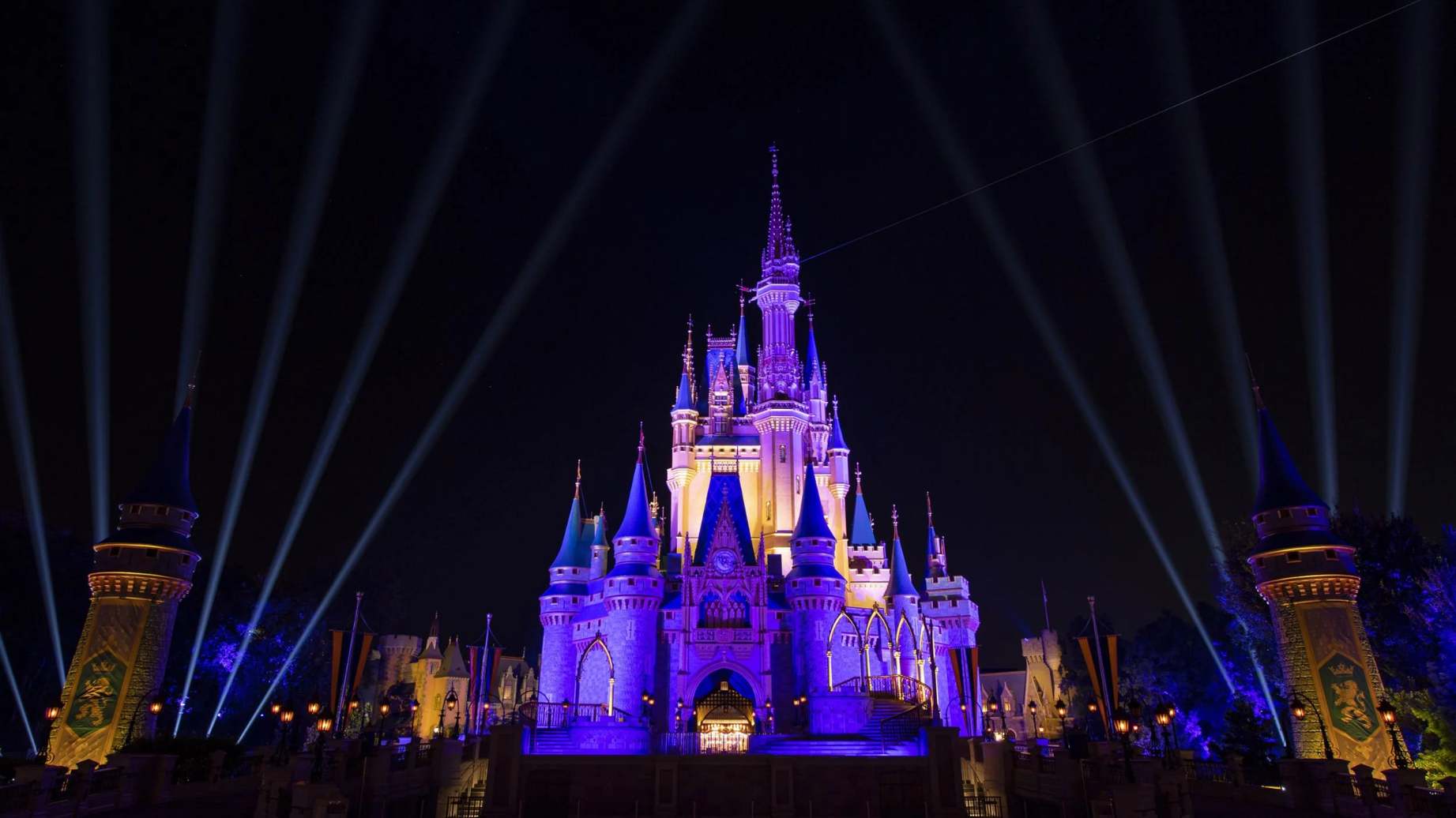 Via The Walt Disney Company
The emotional reactions inside these environments are still genuine. Joy, excitement, nostalgia, and wonder are experienced in real time. Even if the surroundings are built, the feelings they generate are not artificial. This distinction weakens the argument that constructed environments automatically lack meaning or truth.
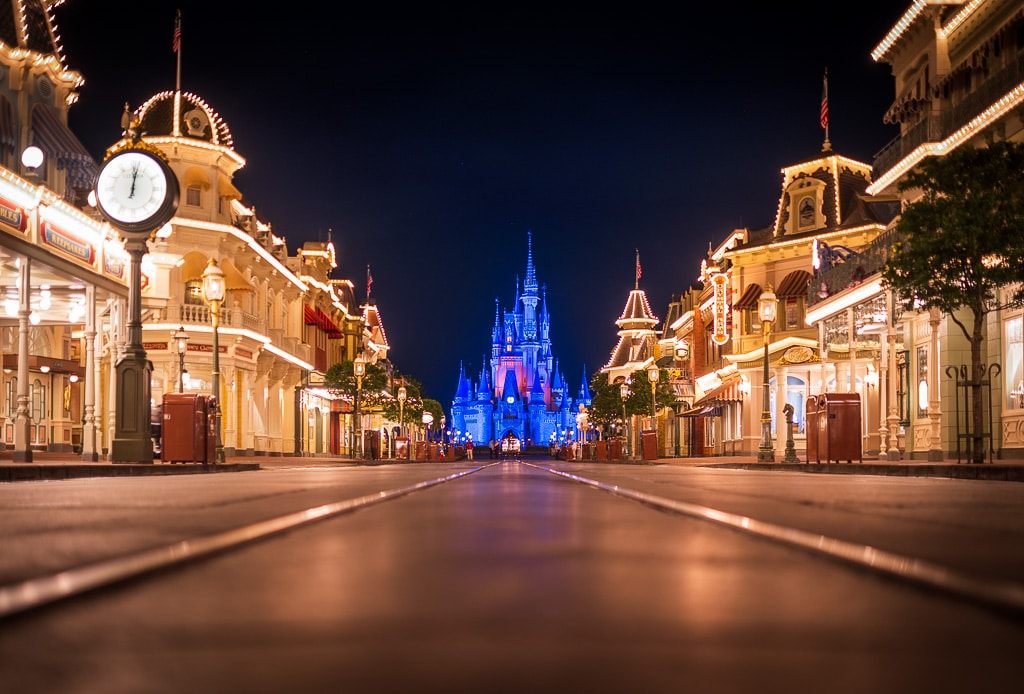 Via Reddit
The key question becomes whether escapism is harmful or simply part of human behavior. Short breaks from reality often provide relaxation and an emotional reset. People return to daily life with renewed energy after engaging in enjoyable activities. In this sense, escapism can support mental balance rather than weaken it.
Escapism, however, is not unique to theme parks. Many forms of entertainment serve similar purposes. Video games, films, sports, and novels all provide temporary separation from daily responsibilities. Even social media can function as a form of mental escape through curated content and digital interaction.
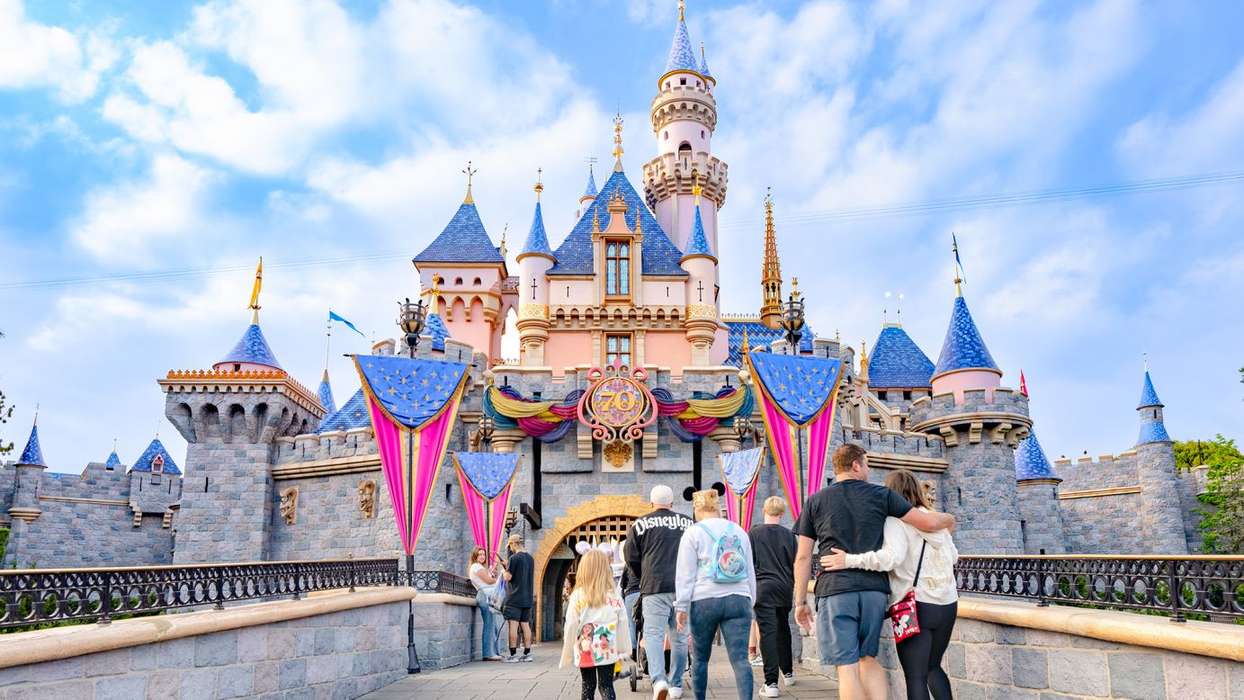 Via Disney Tourist Blog
Via CNN
Supporters of the parks see this control differently. Predictability can create comfort, especially for families and children. Knowing that experiences will be safe, organized, and enjoyable reduces stress during travel. The design allows visitors to focus more on enjoyment rather than logistics or uncertainty.
More in UnassignedVia The Mountaineer
Supporters of Disney parks highlight that the entire environment is openly presented as themed entertainment. Visitors do not enter expecting real kingdoms or natural landscapes. The purpose is understood as storytelling, fantasy, and shared imagination.
Why Disney Parks Are Labeled as Artificial Worlds
Disney parks are often criticized for their heavily themed environments that imitate fantasy rather than reality. Artificial mountains, painted skylines, and designed waterways create a carefully controlled visual world. These elements are not hidden from visitors but are prominently displayed as part of the attraction.Via Yoursun
The experience inside the parks is shaped by constant sensory design. Music plays continuously in the background, lighting changes across different zones, and staff interactions follow scripted friendliness. These elements work together to maintain emotional consistency throughout the visit.
Commercial influence also plays a role in the perception of artificiality. Merchandise stores, branded food items, and paid experiences are integrated into every area of the park. Critics argue that emotional enjoyment becomes closely tied to consumer activity. As a result, even moments of excitement or nostalgia can feel structured around consumption.
Via Tampa Bay Times
Philosophical Views on Authenticity and Experience
Authenticity in philosophy often refers to whether something is true to its identity or purpose. Disney parks clearly identify themselves as themed amusement environments designed for entertainment. The experience does not claim to replicate real history or natural settings. Emotional experience plays an important role in defining authenticity for many people. Feelings of joy, excitement, and nostalgia can be genuine even in artificial environments. These emotional responses are not dependent on whether the surroundings are natural or constructed.Via Alan Dotchin Blog
A comparison can be made with museums or exhibitions that display original artifacts. If replicas are shown without explanation, the experience becomes deceptive. Disney attractions operate differently because they openly present fictional worlds. Photo packages, exclusive access passes, and limited-edition items reinforce the idea that every experience has an attached value.
Cultural Criticism Surrounding Disney Adults
The term “Disney Adults” is often used to describe grown individuals who enjoy Disney parks and media. Some cultural commentary views this group with suspicion or humor. The criticism often suggests that continued enjoyment of fantasy themes in adulthood reflects immaturity.Via Yahoo
Media discussions frequently amplify the debate by questioning adult engagement with fantasy entertainment. Online platforms contribute to the spread of jokes and criticism about Disney fandom. These narratives create a cultural divide between fans and critics.
Stereotypes about Disney Adults sometimes portray them as disconnected from real-world concerns. These portrayals suggest avoidance of adult responsibilities or serious life issues. Such interpretations tend to simplify a wide range of personal interests and lifestyles.
Via Mickey Visit
Identity and Personal Expression Among Disney Fans
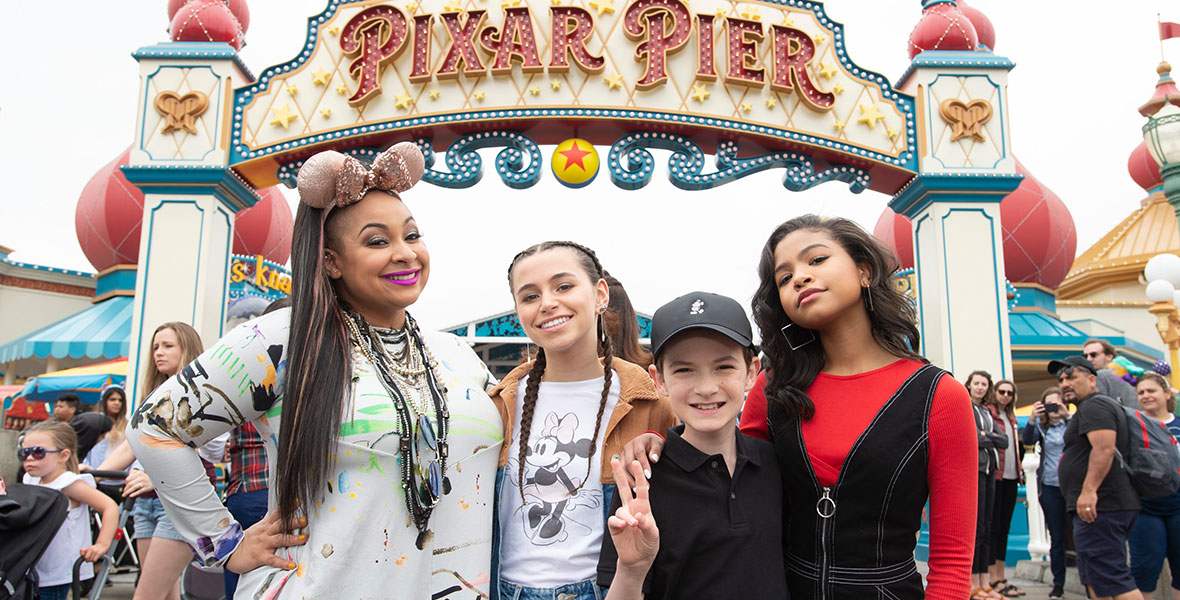
Disney fans represent a wide variety of backgrounds, professions, and personal interests. Many individuals combine Disney fandom with careers in creative industries, education, or business. Their engagement often reflects broader interests in storytelling, design, or nostalgia. Personal identity among fans is rarely defined by a single interest or activity. Engagement with Disney culture often exists alongside family life, education, and other hobbies. The presence of fantasy appreciation does not replace involvement in real-world responsibilities.Via Business Insider
Some fans express their connection to Disney through creative work such as art, fashion, or performance. Tattoo artists, designers, and performers sometimes incorporate Disney themes into their professional output. These expressions are not limited to entertainment consumption but extend into artistic creation.
Emotional and Social Importance of Theme Parks
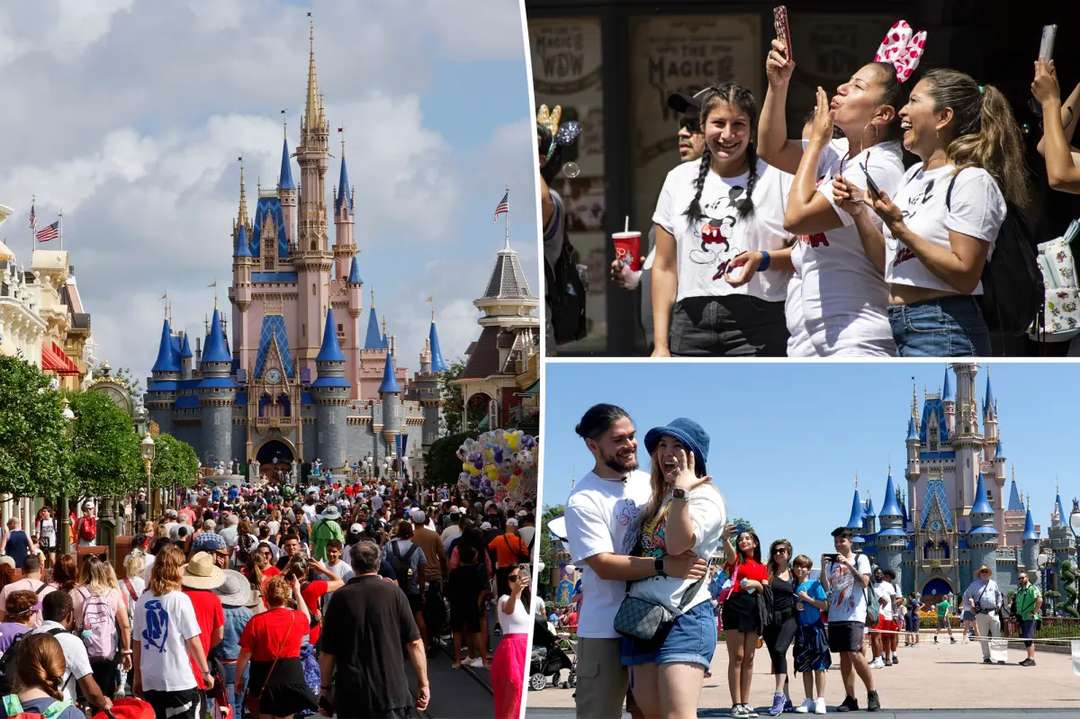
Disney parks provide shared environments where people from different backgrounds come together. Families, friends, and tourists often experience attractions collectively. These shared experiences create lasting emotional memories that extend beyond the visit itself.Via New York Post
Emotional impact continues even after leaving the park environment. Anticipation before visiting and recollection afterward both contribute to overall enjoyment. These emotional stages create meaning beyond physical presence in the park. In this way, the emotional value of the park is sustained long after departure, becoming part of personal storytelling and shared recollection.
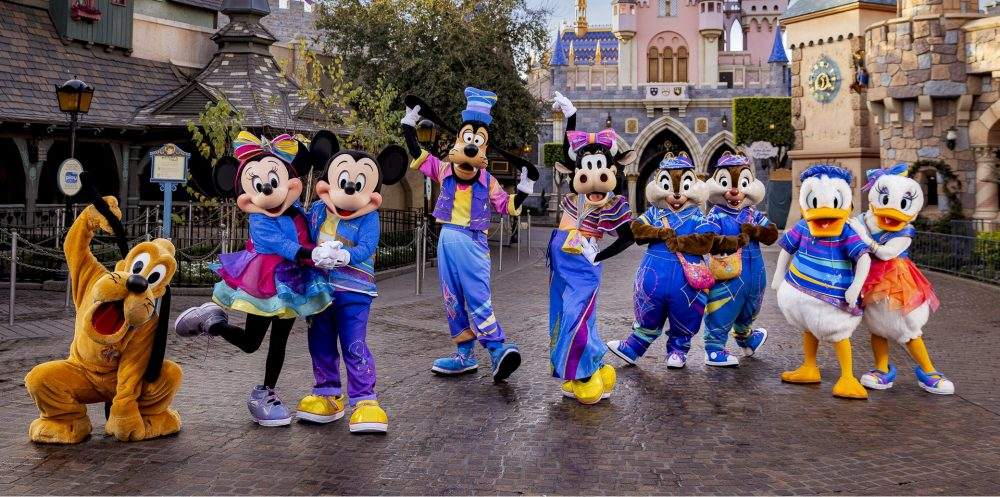
Attractions are designed to be accessible across age groups and abilities. Rides often combine storytelling with sensory elements that appeal to children and adults alike. This balance allows multiple generations to enjoy the same experience together. Accessibility contributes to the inclusive reputation of the parks.
Via D23
Modern Entertainment and the Question of Reality
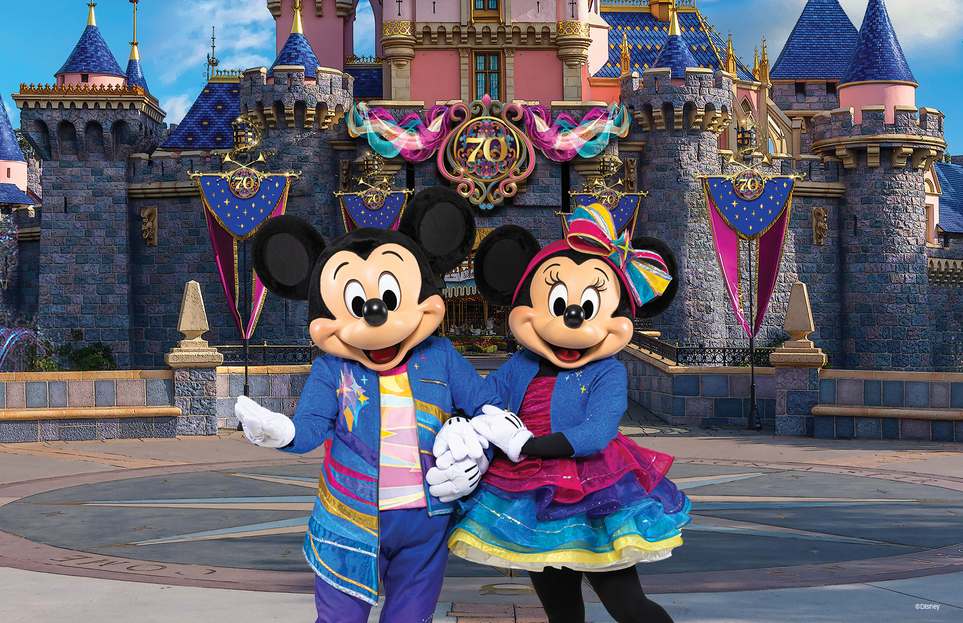
Modern entertainment increasingly blends constructed environments with real-world interaction. Digital platforms, streaming services, and virtual spaces also rely on curated experiences. These environments are designed to shape emotional and behavioral responses. Disney parks exist within this broader shift toward curated experiences in modern life. Emotional reactions inside these spaces are real, even when the environments are artificial. The debate about authenticity continues as entertainment forms evolve.Via Disney Experiences
Different cultural perspectives influence how authenticity is judged in entertainment. Some individuals value unstructured and natural experiences more highly. Others find meaning in carefully designed and imaginative environments. Photos, souvenirs, and social media posts further reinforce these memories, allowing the experience to be revisited repeatedly.
Revisiting the “Fake World” Argument in Greater Depth
The claim that Disney parks are “fake” often depends on how reality itself is defined. Many critics focus on the fact that everything inside the parks is designed rather than naturally occurring. Buildings are constructed to look like storybook castles, futuristic cities, or historical villages.Via Disney Experiences
Yet the idea of “fake” becomes complicated when examined closely. A movie set is also artificial, but it is not usually considered deceptive. Theater stages use painted backgrounds and constructed props, yet audiences accept the illusion willingly.
This designed environment creates a continuous illusion of storytelling space. Visitors move through different themed areas as if traveling between worlds. The transitions are smooth and intentionally hidden to maintain immersion.
Via The Walt Disney Company
The emotional reactions inside these environments are still genuine. Joy, excitement, nostalgia, and wonder are experienced in real time. Even if the surroundings are built, the feelings they generate are not artificial. This distinction weakens the argument that constructed environments automatically lack meaning or truth.
Escapism Versus Authentic Living in Modern Society
One of the strongest criticisms of Disney culture is that it represents escapism from reality. Critics argue that spending time in fantasy environments may distract from real-world issues. This perspective suggests that adults should prioritize engagement with practical or serious concerns. Disney parks are sometimes framed as an avoidance of adulthood itself.Via Reddit
The key question becomes whether escapism is harmful or simply part of human behavior. Short breaks from reality often provide relaxation and an emotional reset. People return to daily life with renewed energy after engaging in enjoyable activities. In this sense, escapism can support mental balance rather than weaken it.
Escapism, however, is not unique to theme parks. Many forms of entertainment serve similar purposes. Video games, films, sports, and novels all provide temporary separation from daily responsibilities. Even social media can function as a form of mental escape through curated content and digital interaction.
Via Disney Tourist Blog
The Role of Control and Design in Visitor Experience
Disney parks are often described as highly controlled environments where unpredictability is minimized. Staff behavior follows training designed to maintain consistent friendliness and performance quality. Even crowd movement is influenced by layout design, pathways, and attraction placement. This creates a sense of order that feels very different from everyday life. Some critics argue that this level of control removes spontaneity from the experience. In natural environments, unexpected events and randomness are part of daily life. Disney parks reduce such unpredictability in favor of smooth visitor flow and emotional consistency. This structured design can feel restrictive to those who value freedom and chaos.Via CNN
Supporters of the parks see this control differently. Predictability can create comfort, especially for families and children. Knowing that experiences will be safe, organized, and enjoyable reduces stress during travel. The design allows visitors to focus more on enjoyment rather than logistics or uncertainty.