Unassigned
Why Cheese Before Bed Might Give You Nightmares

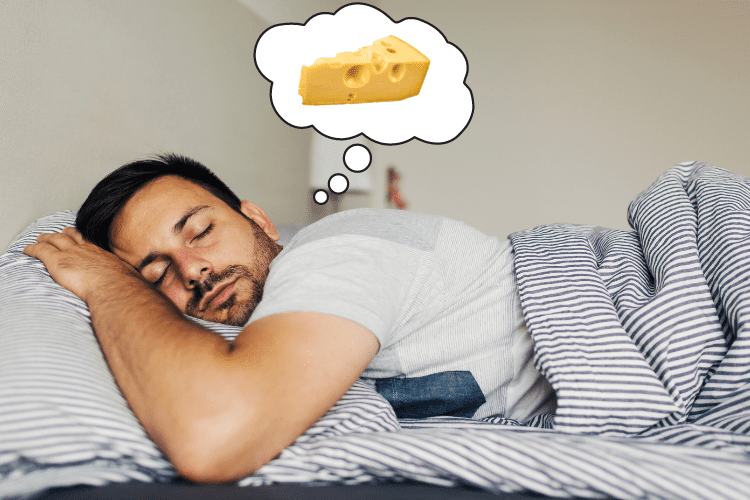
For centuries, folklore and popular culture have perpetuated the idea that eating cheese before bed can lead to bizarre or unsettling dreams. This belief has appeared everywhere from classic cartoons to grandmothers' warnings, often dismissed as mere superstition. However, modern sleep research is beginning to reveal that there might be some truth behind this age-old notion.
Recent studies suggest this phenomenon may be tied to cheese's unique biochemical properties. Aged cheeses contain high levels of tyramine, a compound that stimulates brain activity, along with tryptophan, which affects serotonin production. These substances may interact with the brain's sleep cycles, potentially making dreams more vivid, emotional, or memorable.
 Via Cheese Scientist
This renewed interest has transformed a cultural curiosity into a legitimate area of study, bridging the gap between kitchen table conversations and sleep laboratory findings. While more research is needed, it appears that the ancestors might have been onto something about that midnight cheese platter.
 Via Bright Side
About 40 percent of those surveyed believed that certain foods had a noticeable influence on their sleep habits. Within that group, 25 percent said specific foods hurt their sleep, while 20 percent said some foods improved it. Interestingly, only 5.5 percent directly linked food intake to the types of dreams they experienced. However, among those who did, sweets and dairy products, including cheese, were commonly cited as triggers for vivid, bizarre, or unsettling dreams.
The students reported that eating fruits, vegetables, and herbal teas before sleeping often contributed to more restful sleep. This suggests that although cheese doesn't universally affect everyone’s rest, it does seem to have a more noticeable effect on certain people, particularly those who may be sensitive to dairy products.
 Via The Smart Wallet
 Via Day News TV
This phenomenon, known as a self-fulfilling prophecy, means that the mere expectation of a particular outcome, like nightmares after eating cheese, can influence how one experiences or recalls the event. So while the research doesn’t conclusively prove that cheese is responsible for nightmares, it does show that belief in the connection is strong. That belief alone might be enough to shape people’s experiences during sleep.
 Via U by Prodia
As the body winds down in the evening, the digestive system also slows. Eating late at night, especially foods that are heavy or rich like cheese, forces the body to digest at a time when it's not fully prepared to do so. Cheese is high in fat and protein, both of which take longer to digest compared to carbohydrates or lighter foods.
As a result, fewer physical and mental resources are available for restful sleep. Scientific studies have demonstrated that eating rich meals too close to bedtime can disrupt overall sleep quality, particularly by interfering with the REM (rapid eye movement) phase, which is when the most vivid dreaming occurs.
 Via Virginia Oncology Associates
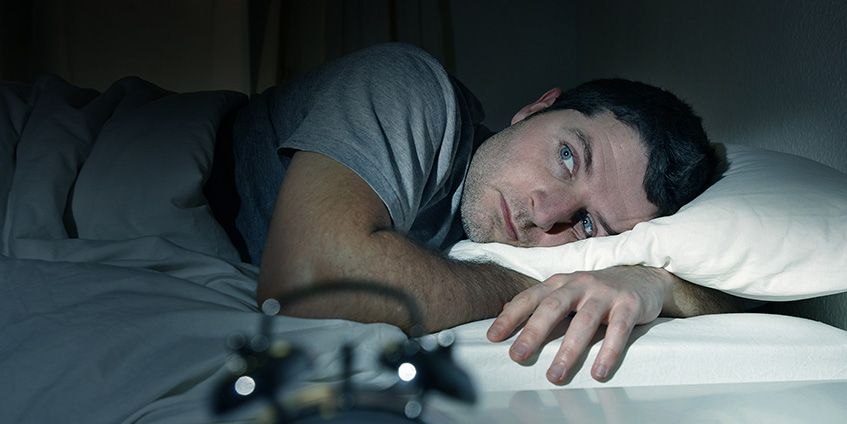
For people who are lactose intolerant, the digestive process becomes even more difficult. Symptoms like bloating, cramping, and indigestion may cause nighttime awakenings, especially during REM sleep. Since people tend to remember dreams more clearly when they wake during this stage, it may give the impression that the food caused those dreams, when in reality, the dreams were always happening but only became noticeable when sleep was interrupted.
 Via A.Vogel
Experts believe that this pattern may be explained by a combination of physical and emotional responses. Physical discomfort during the night can increase anxiety and stress levels, which in turn worsen sleep quality. This creates a feedback loop: discomfort causes anxiety, anxiety disrupts sleep and disrupted sleep increases the chances of intense or unpleasant dreams.
Dr. Tore Nielsen, a professor of psychiatry at the University of Montreal and lead author of the study, emphasized that bodily sensations are often incorporated into dream content. For example, someone experiencing bloating or stomach cramps may unconsciously translate that sensation into distressing dream imagery.
 Via Nuvance Health
 Via Everyday Health
People with gluten sensitivity or food allergies reported being especially conscious of how their diet impacted their sleep and dream experiences. While this doesn't establish a cause-and-effect relationship, the correlation is strong enough to merit further exploration.
 Via Health Digest
If cheese is a regular part of your evening routine, try consuming it earlier in the evening. A cheese-filled meal or small snack is less likely to interfere with sleep if eaten several hours before bed. For those who are lactose intolerant, switching to lactose-free cheese or dairy-free alternatives may be a better option to avoid digestive discomfort and the potential for disrupted sleep.
 Via Fresh Farms
The same Canadian study also found that some individuals reported unusual dreams after consuming milk or other dairy products. This reinforces the idea that responses to dairy vary from person to person. While some may find milk soothing, others might still experience sleep disruptions or vivid dreams as a result.
 Via BBC Science Focus Magazine
Researchers like Dr. Nielsen plan to continue studying this connection across a broader range of people, aiming to determine whether cheese-induced nightmares are common or limited to certain groups. Until clearer data emerges, the safest route is to stay aware of your body’s signals and make adjustments that support healthier sleep.
 Via YouTube
The act of digesting cheese before bed, combined with emotional and physiological responses like anxiety or discomfort, can interfere with restful sleep and lead to more intense or unusual dream experiences. Although much of the evidence is based on self-reports and personal perceptions, the consistency of those reports suggests that cheese can influence dream content, at least for some people.
That said, there’s no need to avoid cheese entirely if it doesn’t bother you. A more effective strategy is to eat such foods earlier in the evening, in smaller portions, and avoid going to bed on a full stomach. People who are sensitive to dairy should consider limiting intake during nighttime hours or switching to lighter, more easily digestible options.
More in Unassigned
Via Cheese Scientist
This renewed interest has transformed a cultural curiosity into a legitimate area of study, bridging the gap between kitchen table conversations and sleep laboratory findings. While more research is needed, it appears that the ancestors might have been onto something about that midnight cheese platter.
What Recent Studies Say About Cheese and Sleep
A Canadian research team recently published a study in the journal Frontiers in Psychology to explore whether foods like cheese can impact dreams and overall sleep quality. The researchers surveyed 1,082 undergraduate psychology students, asking them to consider whether their food choices influenced how they slept or what they dreamed about.
Via Bright Side
About 40 percent of those surveyed believed that certain foods had a noticeable influence on their sleep habits. Within that group, 25 percent said specific foods hurt their sleep, while 20 percent said some foods improved it. Interestingly, only 5.5 percent directly linked food intake to the types of dreams they experienced. However, among those who did, sweets and dairy products, including cheese, were commonly cited as triggers for vivid, bizarre, or unsettling dreams.
The students reported that eating fruits, vegetables, and herbal teas before sleeping often contributed to more restful sleep. This suggests that although cheese doesn't universally affect everyone’s rest, it does seem to have a more noticeable effect on certain people, particularly those who may be sensitive to dairy products.
Via The Smart Wallet
Is Cheese the Actual Culprit, or Is It All in the Mind?
It's important to note that the Canadian study was based entirely on self-reported data, meaning it relied on the participants’ recollections and subjective perceptions. Such data can be unreliable, as memories are often shaped by personal beliefs or preconceived ideas. Likely, the subjects were already aware of the widespread notion linking cheese to nightmares since many of them were psychology students. This prior awareness could have skewed their responses. If someone already expects that cheese will disrupt their sleep, they may be more likely to notice and remember unsettling dreams after consuming it.
Via Day News TV
This phenomenon, known as a self-fulfilling prophecy, means that the mere expectation of a particular outcome, like nightmares after eating cheese, can influence how one experiences or recalls the event. So while the research doesn’t conclusively prove that cheese is responsible for nightmares, it does show that belief in the connection is strong. That belief alone might be enough to shape people’s experiences during sleep.
The Science Behind How Cheese Might Disrupt Sleep
There's no definitive scientific evidence proving that cheese causes nightmares, but there are several physiological explanations that could account for a link between cheese and reduced sleep quality. Humans are naturally inclined to be active during the day and to rest at night. This biological rhythm also affects digestion.
Via U by Prodia
As the body winds down in the evening, the digestive system also slows. Eating late at night, especially foods that are heavy or rich like cheese, forces the body to digest at a time when it's not fully prepared to do so. Cheese is high in fat and protein, both of which take longer to digest compared to carbohydrates or lighter foods.
As a result, fewer physical and mental resources are available for restful sleep. Scientific studies have demonstrated that eating rich meals too close to bedtime can disrupt overall sleep quality, particularly by interfering with the REM (rapid eye movement) phase, which is when the most vivid dreaming occurs.
Via Virginia Oncology Associates
For people who are lactose intolerant, the digestive process becomes even more difficult. Symptoms like bloating, cramping, and indigestion may cause nighttime awakenings, especially during REM sleep. Since people tend to remember dreams more clearly when they wake during this stage, it may give the impression that the food caused those dreams, when in reality, the dreams were always happening but only became noticeable when sleep was interrupted.
Digestive Discomfort and Its Influence on Dreams
The Canadian study also found that participants with digestive sensitivities, especially those with lactose intolerance, reported more frequent and intense nightmares. These individuals described their dreams as emotionally disturbing, longer-lasting, and more memorable than average. Those with the most severe digestive symptoms rated their nightmares as significantly more disruptive.
Via A.Vogel
Experts believe that this pattern may be explained by a combination of physical and emotional responses. Physical discomfort during the night can increase anxiety and stress levels, which in turn worsen sleep quality. This creates a feedback loop: discomfort causes anxiety, anxiety disrupts sleep and disrupted sleep increases the chances of intense or unpleasant dreams.
Dr. Tore Nielsen, a professor of psychiatry at the University of Montreal and lead author of the study, emphasized that bodily sensations are often incorporated into dream content. For example, someone experiencing bloating or stomach cramps may unconsciously translate that sensation into distressing dream imagery.
Via Nuvance Health
Anxiety and Food Sensitivities as Dream Catalysts
Beyond digestive issues, anxiety may also play a significant role in influencing dream quality. Researchers noted that participants with food sensitivities reported higher levels of anxiety and were more likely to notice how different foods affected their sleep. This heightened awareness may make them more prone to connecting their dreams to recent dietary choices. According to Patrick McNamara, a neurology professor at Boston University, certain foods, like cheese, can trigger micro-arousals, which are brief interruptions in sleep that don't fully wake a person but still disturb their rest. These micro-arousals can coincide with REM sleep, increasing the chances of dream recall and intensifying the emotional weight of those dreams.
Via Everyday Health
People with gluten sensitivity or food allergies reported being especially conscious of how their diet impacted their sleep and dream experiences. While this doesn't establish a cause-and-effect relationship, the correlation is strong enough to merit further exploration.
Enjoying Cheese Without Losing Sleep
Researchers don’t suggest cutting cheese out of your diet despite the potential drawbacks, especially not based on anecdotal evidence alone. The key lies in how and when cheese is consumed. Sleep experts recommend avoiding large or heavy meals within two to three hours of bedtime. This provides the digestive system with ample time to process food before the body transitions into rest mode.
Via Health Digest
If cheese is a regular part of your evening routine, try consuming it earlier in the evening. A cheese-filled meal or small snack is less likely to interfere with sleep if eaten several hours before bed. For those who are lactose intolerant, switching to lactose-free cheese or dairy-free alternatives may be a better option to avoid digestive discomfort and the potential for disrupted sleep.
What About Milk? Is It a Better Choice?
Unlike cheese, milk, especially when warm, has often been associated with better sleep. Milk contains tryptophan, an amino acid that helps the body produce serotonin and melatonin, both essential for maintaining healthy sleep patterns. Because milk is typically easier to digest than cheese, it may not cause the same issues related to sleep disturbances.
Via Fresh Farms
The same Canadian study also found that some individuals reported unusual dreams after consuming milk or other dairy products. This reinforces the idea that responses to dairy vary from person to person. While some may find milk soothing, others might still experience sleep disruptions or vivid dreams as a result.
How to Identify If Cheese Affects Your Sleep
Since everyone's digestive system and sleep patterns are different, the best way to determine whether cheese has an impact on your dreams is through personal observation. Keeping a sleep and food journal for a few weeks can help you spot any recurring patterns. Note what you eat in the evening, how well you sleep, and what kinds of dreams you remember.
Via BBC Science Focus Magazine
Researchers like Dr. Nielsen plan to continue studying this connection across a broader range of people, aiming to determine whether cheese-induced nightmares are common or limited to certain groups. Until clearer data emerges, the safest route is to stay aware of your body’s signals and make adjustments that support healthier sleep.
Study Warns Cheese Before Sleep May Increase Nightmares
The old belief that cheese causes nightmares might not be completely untrue. While current science doesn’t offer definitive proof, there is growing evidence of a connection between late-night cheese consumption and disrupted sleep patterns. This is especially relevant for individuals with lactose intolerance or other digestive issues.
Via YouTube
The act of digesting cheese before bed, combined with emotional and physiological responses like anxiety or discomfort, can interfere with restful sleep and lead to more intense or unusual dream experiences. Although much of the evidence is based on self-reports and personal perceptions, the consistency of those reports suggests that cheese can influence dream content, at least for some people.
That said, there’s no need to avoid cheese entirely if it doesn’t bother you. A more effective strategy is to eat such foods earlier in the evening, in smaller portions, and avoid going to bed on a full stomach. People who are sensitive to dairy should consider limiting intake during nighttime hours or switching to lighter, more easily digestible options.