Unassigned
White South Africans Gain Priority in New US Refugee Rules
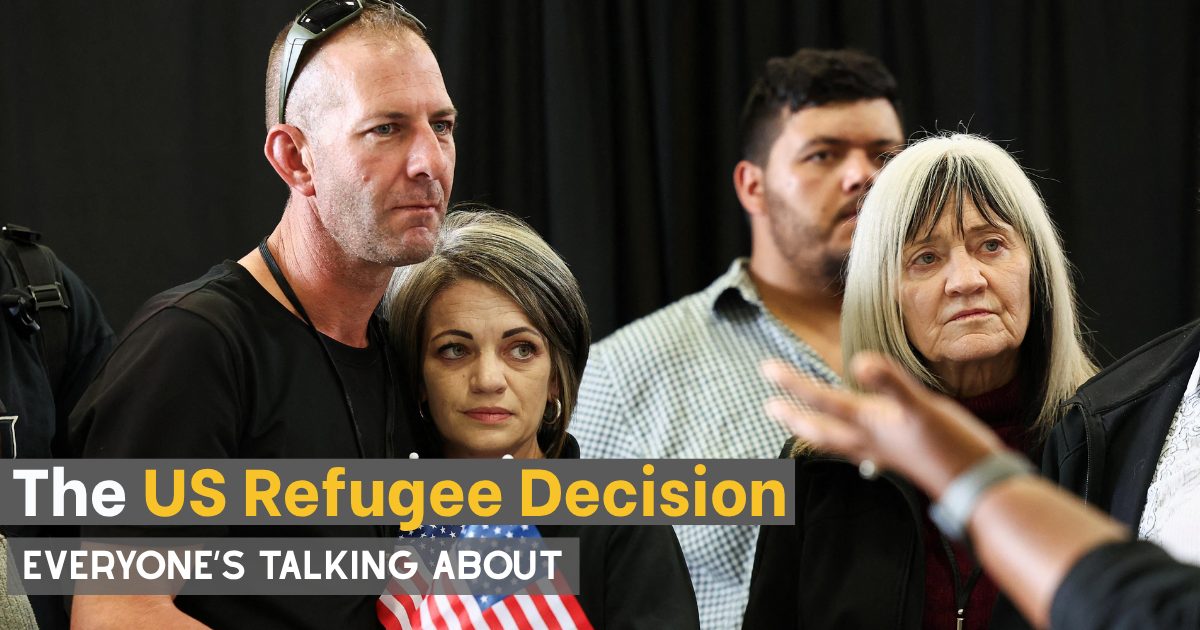
The United States set a record-low cap on refugee admissions for the 2026 budget year. Officials reduced the annual limit to 7,500 people. This marked a sharp drop from the 125,000 cap in place during the previous administration.
Many experts noted that the smaller total would limit opportunities for refugees fleeing conflict in countries such as Afghanistan under Taliban rule or the Rohingya community facing violence in Myanmar. At the same time, the administration prepared special processing for white South Africans, known as Afrikaners.
 Via NBC News
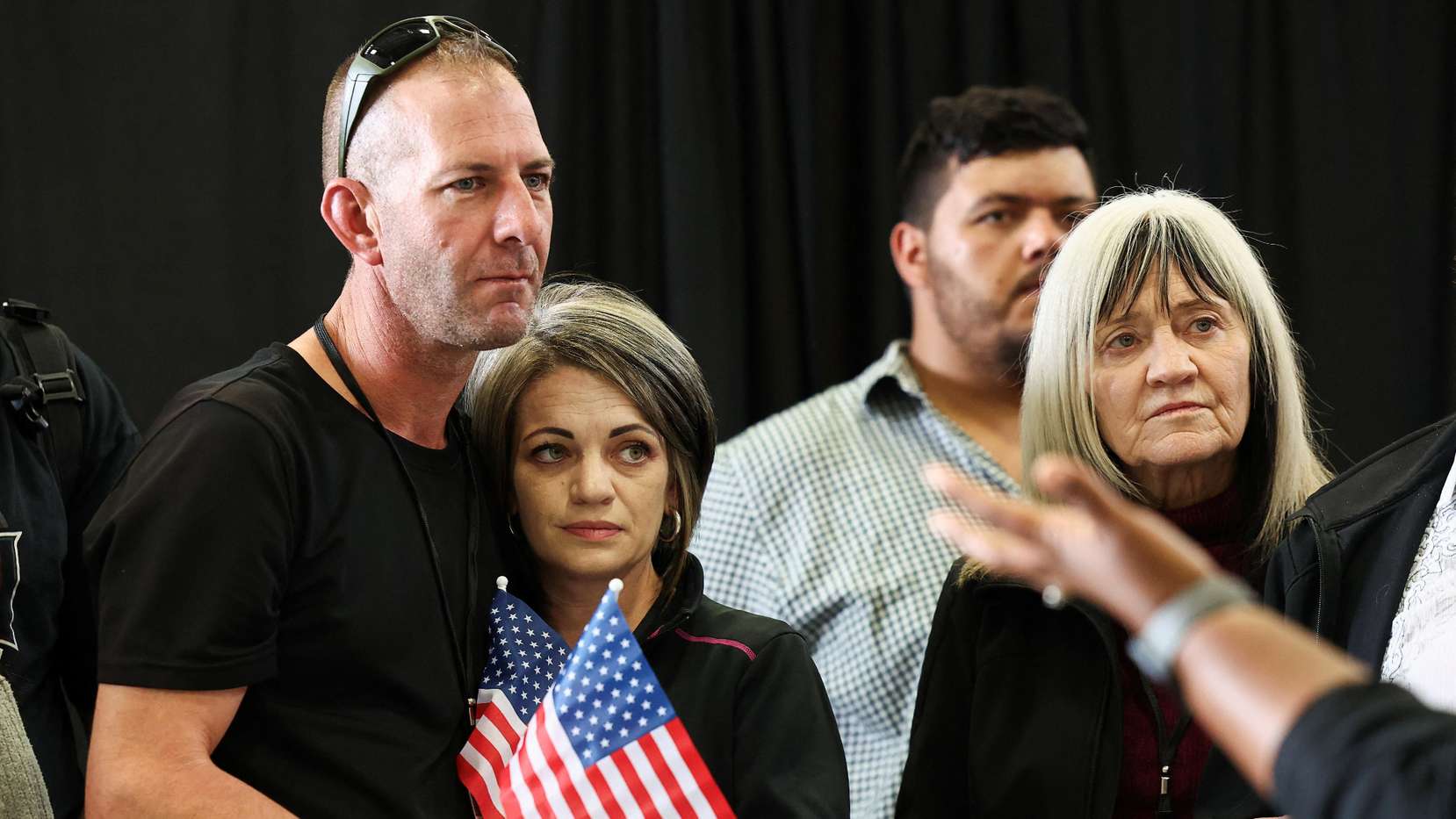
This pace appeared set to use most or all of the overall cap. The policy stemmed from an executive order issued in February 2025. It cut US aid to South Africa and directed officials to prioritize resettlement for Afrikaners claiming racial discrimination and violence.
 Via BBC
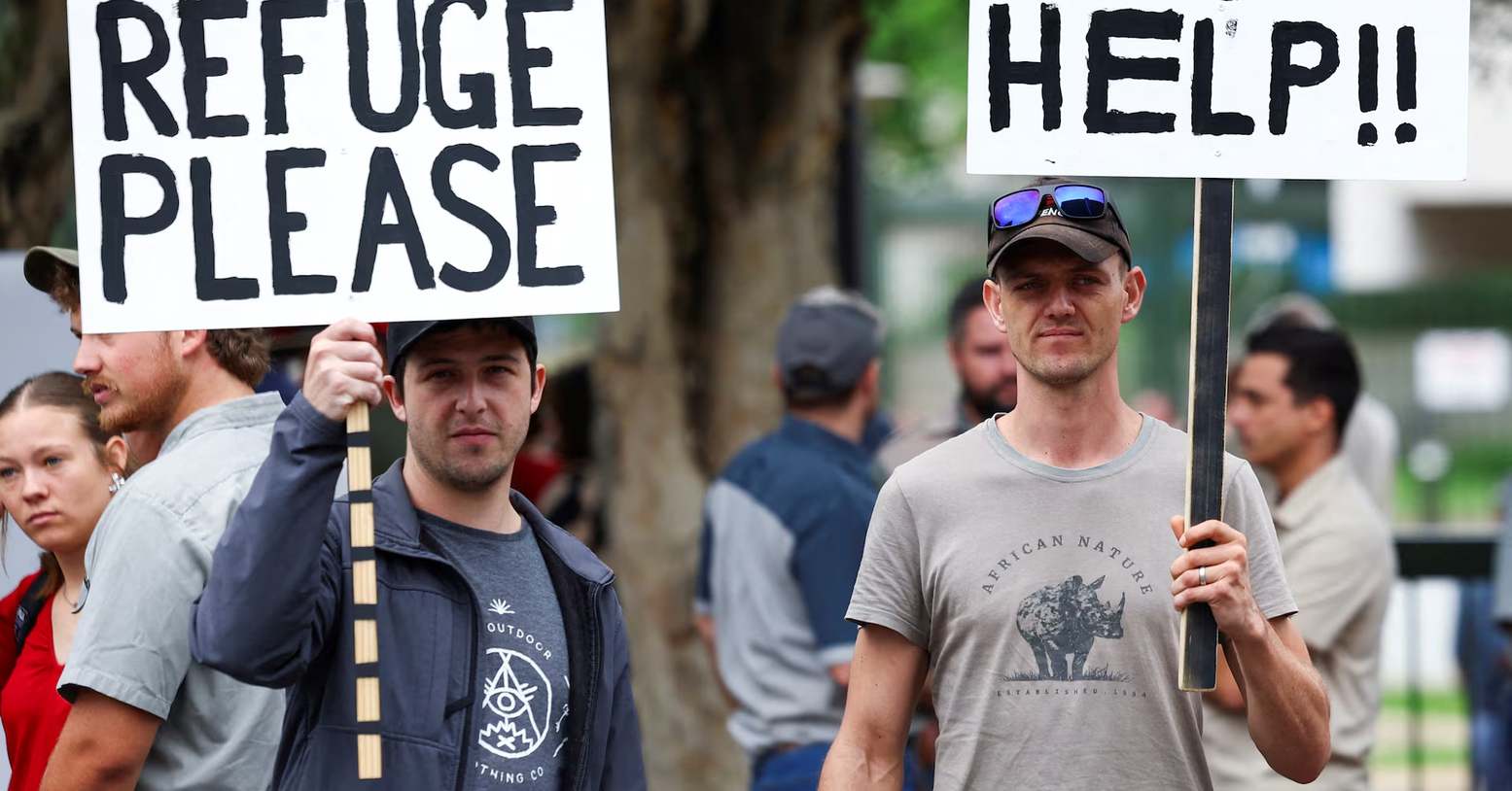
Independent reviews examined the numbers carefully. AfriForum, an Afrikaner advocacy group, recorded 52 farm murders in 2023 and 37 in 2024. These figures formed a very small share of South Africa's total murders, which exceeded 27,000 in some recent years. Security experts in Pretoria concluded that organized genocide claims lacked evidence.
Tucker Carlson had discussed these issues on his program for years. The claims gained visibility from online forums to national television. Administration officials cited persecution as the reason to create a fast-track refugee path for Afrikaners. They pointed to land reform laws and reports of farm attacks.
 Via Reuters
 Via Wikimedia
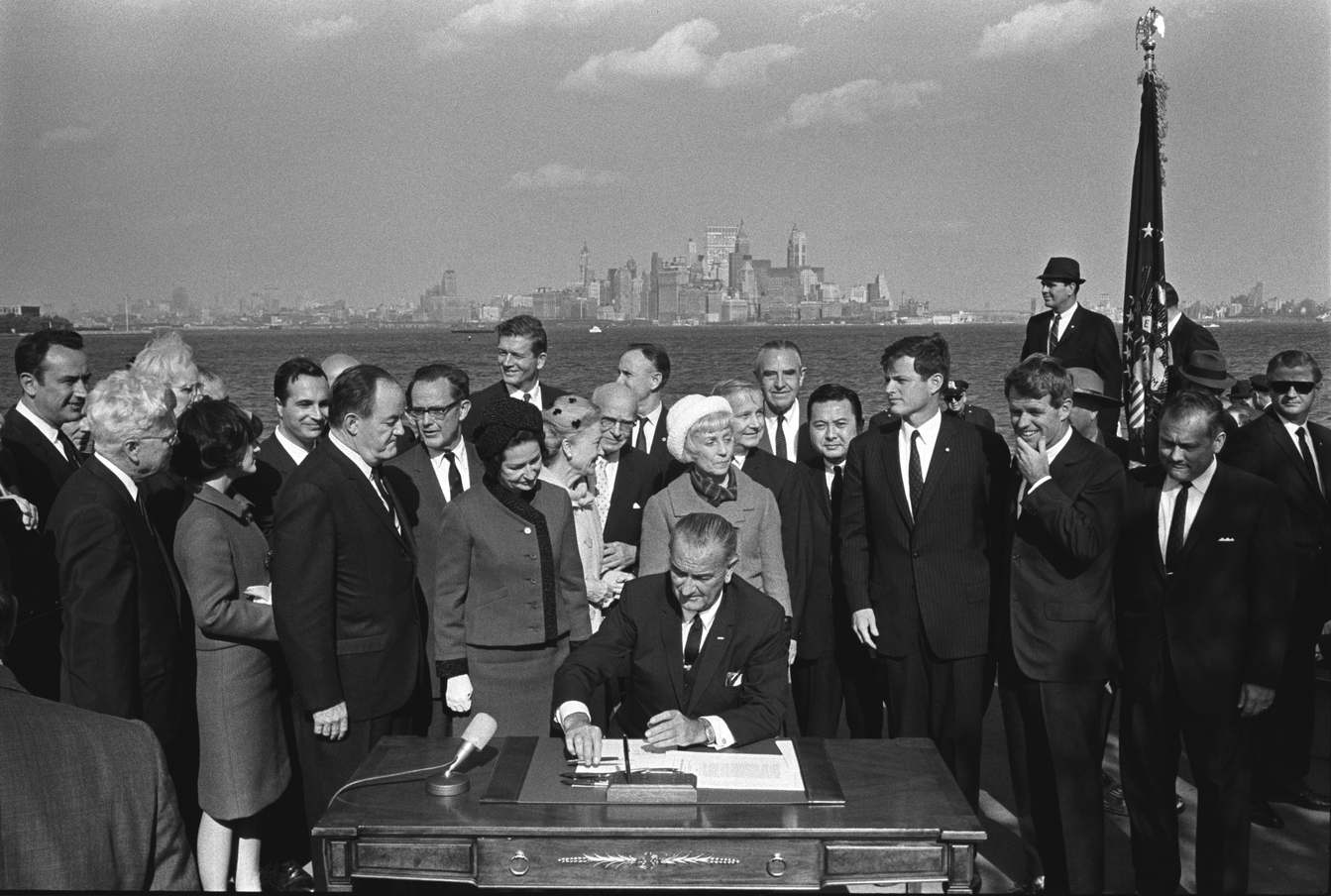
The United States enacted the Immigration Act of 1924. This law set national-origin quotas based on the 1890 census. It aimed to preserve what supporters called the existing Nordic stock. The measure sharply reduced arrivals from southern and eastern Europe and blocked most Asian immigration entirely. These policies reflected shared ideas across nations that saw themselves as extensions of European civilization.
Canada followed with its 1910 Immigration Act. This gave officials power to bar groups deemed unsuitable for the climate or national needs. The approach favored British or American farmers and restricted others. New Zealand added its 1920 Immigration Restriction Amendment Act. It required entry permits for anyone not of British or Irish background.
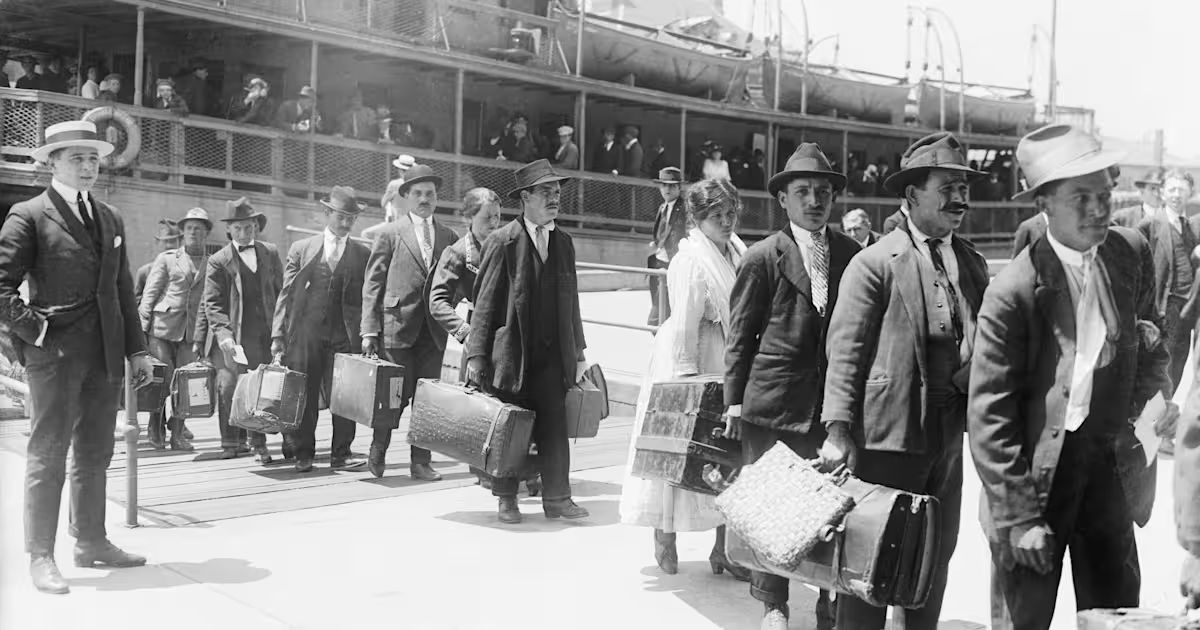 Via History
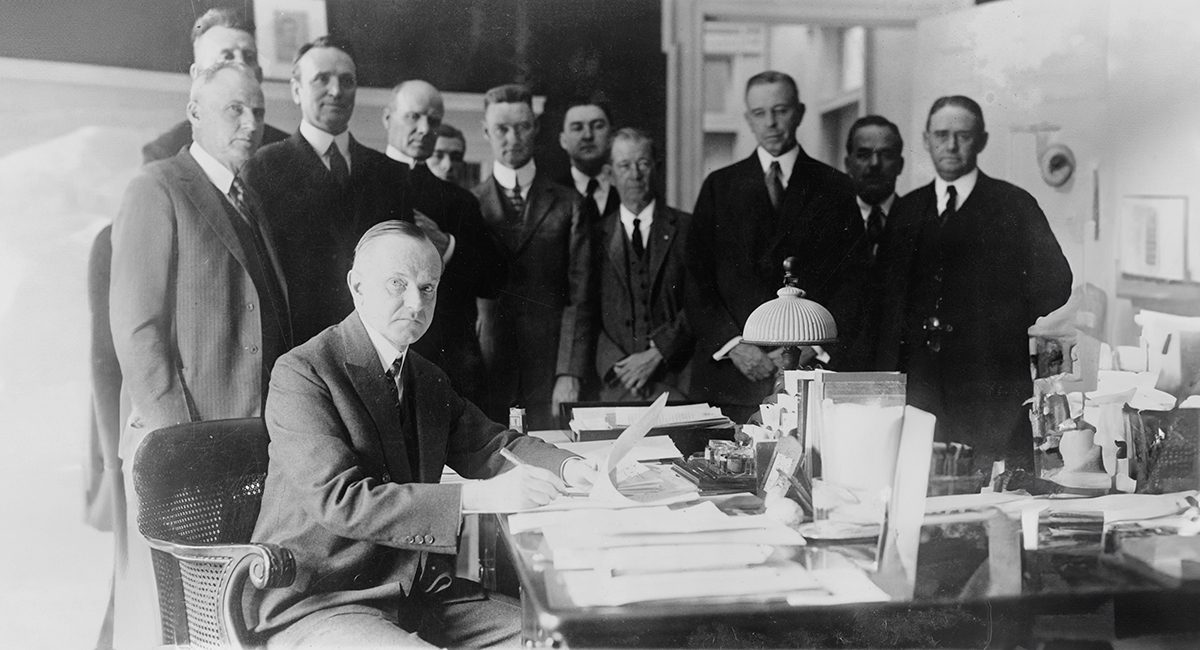 Via Independent Institute
Leaders in these countries shared fears that growing nonwhite populations would change voting patterns and cultural identity. Woodrow Wilson, who supported segregation in the US federal workforce, wrote about races needing certain qualities for self-rule. Such views linked democracy concerns with demographic shifts. South Africa participated in these exchanges as part of a broader network of settler societies.
Fantham praised the US 1924 law for excluding certain groups and admired sterilization policies elsewhere. He served as president of the South African Association for the Advancement of Science. His work connected ideas from Britain, the United States, and Germany. Fantham argued for a eugenic conscience in society to guide immigration and education.
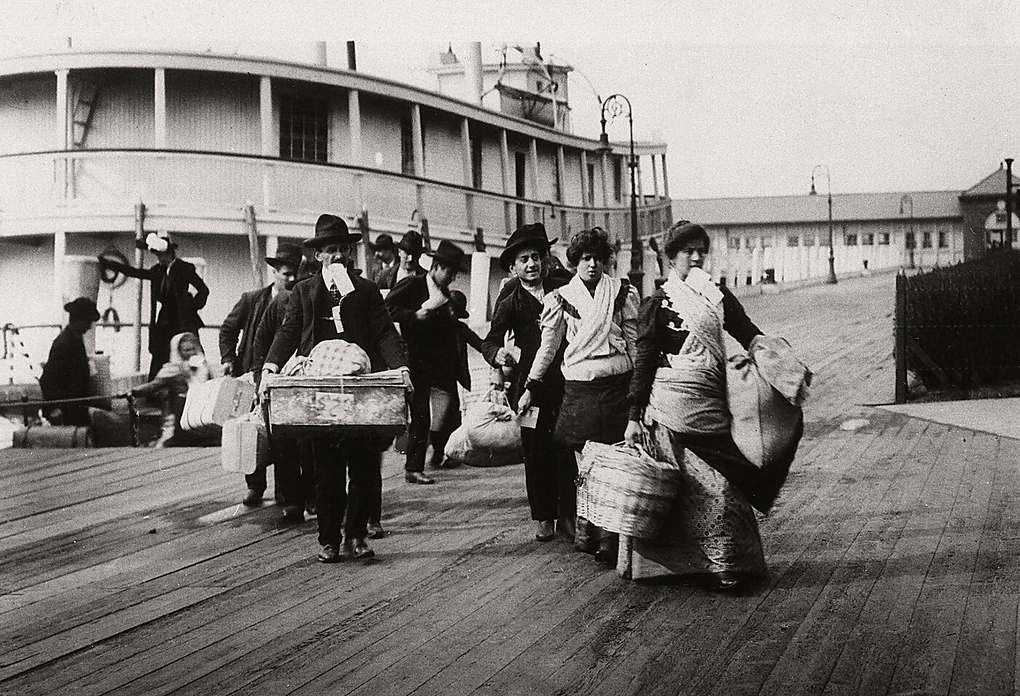 Via Cato Institute
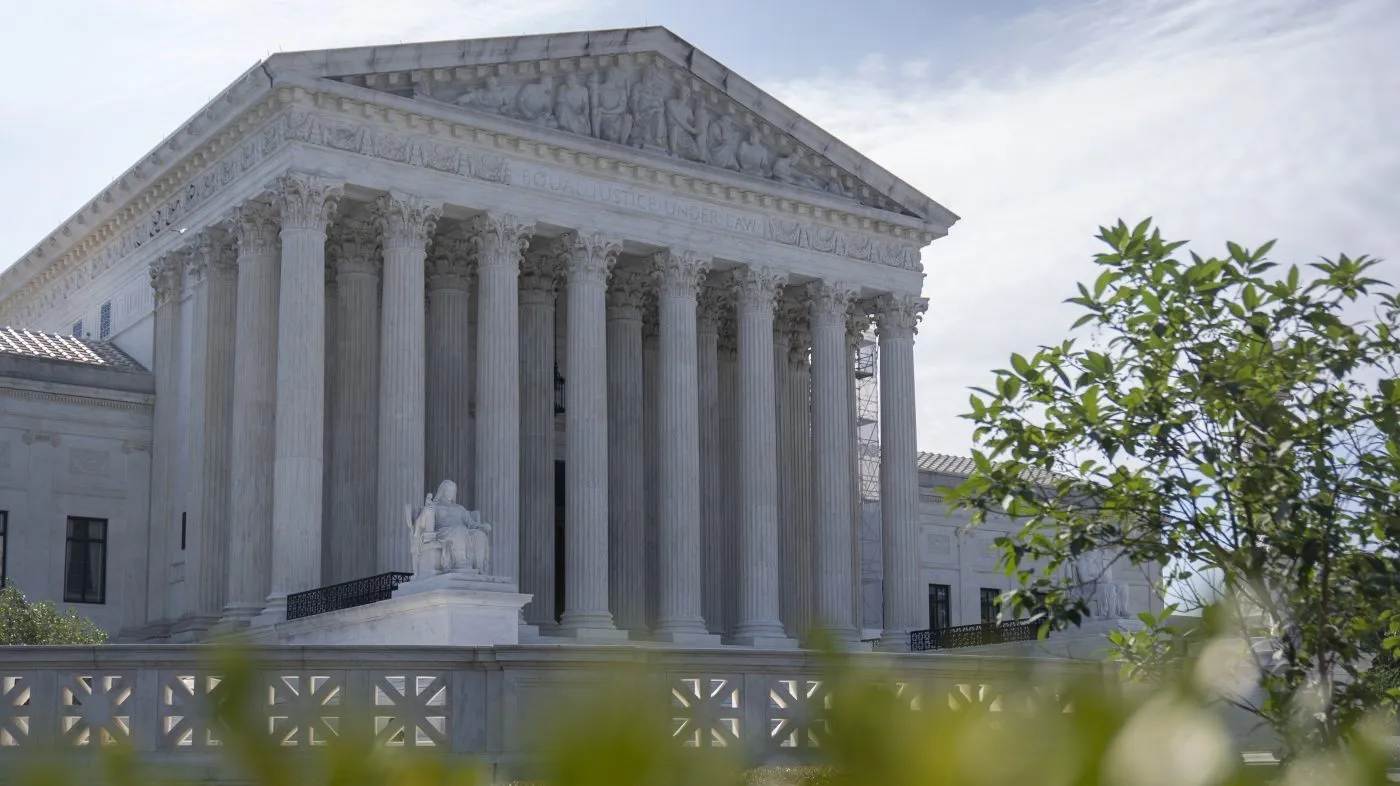 Via The Hill
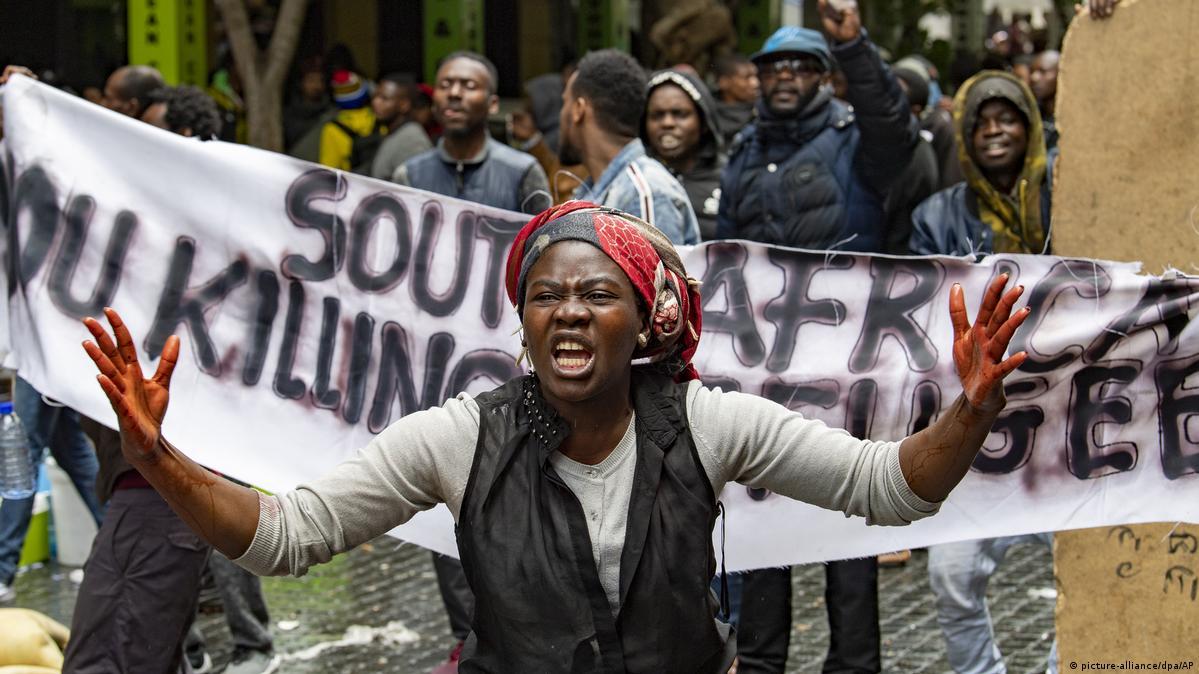
Black South Africans make up the large majority of violence victims nationwide. They do not receive comparable fast-track offers for US entry. The policy highlights challenges in balancing limited refugee resources with specific group claims. They argued land reforms addressed historical imbalances from the apartheid era without targeting race alone.
Observers noted the creation of different standards. White skin could speed processing for Afrikaners. Other appearances might lead to increased questioning. South African officials rejected genocide narratives and pointed to general crime problems.
 Via DW
 Via The Mail and Guardian
Rural safety affects food production and employment. Afrikaner groups call for better policing and priority status for farm crimes. Government programs aim to reduce violence through community initiatives and law enforcement. Progress varies by province, with some areas showing declines in attacks during certain periods.
Police data shows thousands of total murders each year across the country. Farm-related killings represent a small percentage. Studies link most attacks to economic motives such as theft rather than coordinated racial campaigns. Black farm owners and laborers also face dangers in these isolated settings.
 Via Connecticut Public Radio
 Via LinkedIn
The Afrikaner initiative began with executive action in early 2025. It paused general admissions while creating an exception. Actual arrivals remained modest compared to processing plans. Reports from early 2026 noted that around 5,000 Afrikaners had entered under the program.
Humanitarian organizations emphasize helping those in the most urgent danger. They worry that selective priorities could change the refugee program's core focus on need. The United States has resettled diverse groups in the past based on verified persecution.
 Via Good Authority
 Via Foreign Policy
Statistics show crime as a broad national issue rather than a campaign aimed at one race. Black citizens experience the highest victimization rates in raw figures. Accurate data helps separate documented violence from broader narratives.
Similar discussions about cultural or demographic change continue today. The South African situation serves as an example in some international networks. Afrikaner advocates connect with groups abroad to raise awareness of their challenges.
 Via The Conversation
 Via Refugee International
South Africa continues efforts to fight crime through improved policing and social support. Rural communities seek stronger protection for all residents. Farmers of every background contribute to the economy and deserve security.
The US policy opens discussion on consistent standards for refugee status. It tests how to address violence that affects multiple communities differently. People expect decisions based on facts, history, and humanitarian principles without double standards.
 Via Concern Worldwide
 Via Nelson and Associates
Understanding both the facts of violence and the wider context helps form clearer views. Crime remains a serious problem that touches many lives. Balanced approaches consider evidence while addressing real human suffering. Nations continue to weigh compassion, security, and limited capacity.
More in UnassignedVia NBC News
This pace appeared set to use most or all of the overall cap. The policy stemmed from an executive order issued in February 2025. It cut US aid to South Africa and directed officials to prioritize resettlement for Afrikaners claiming racial discrimination and violence.
Claims of Persecution Shape the Debate
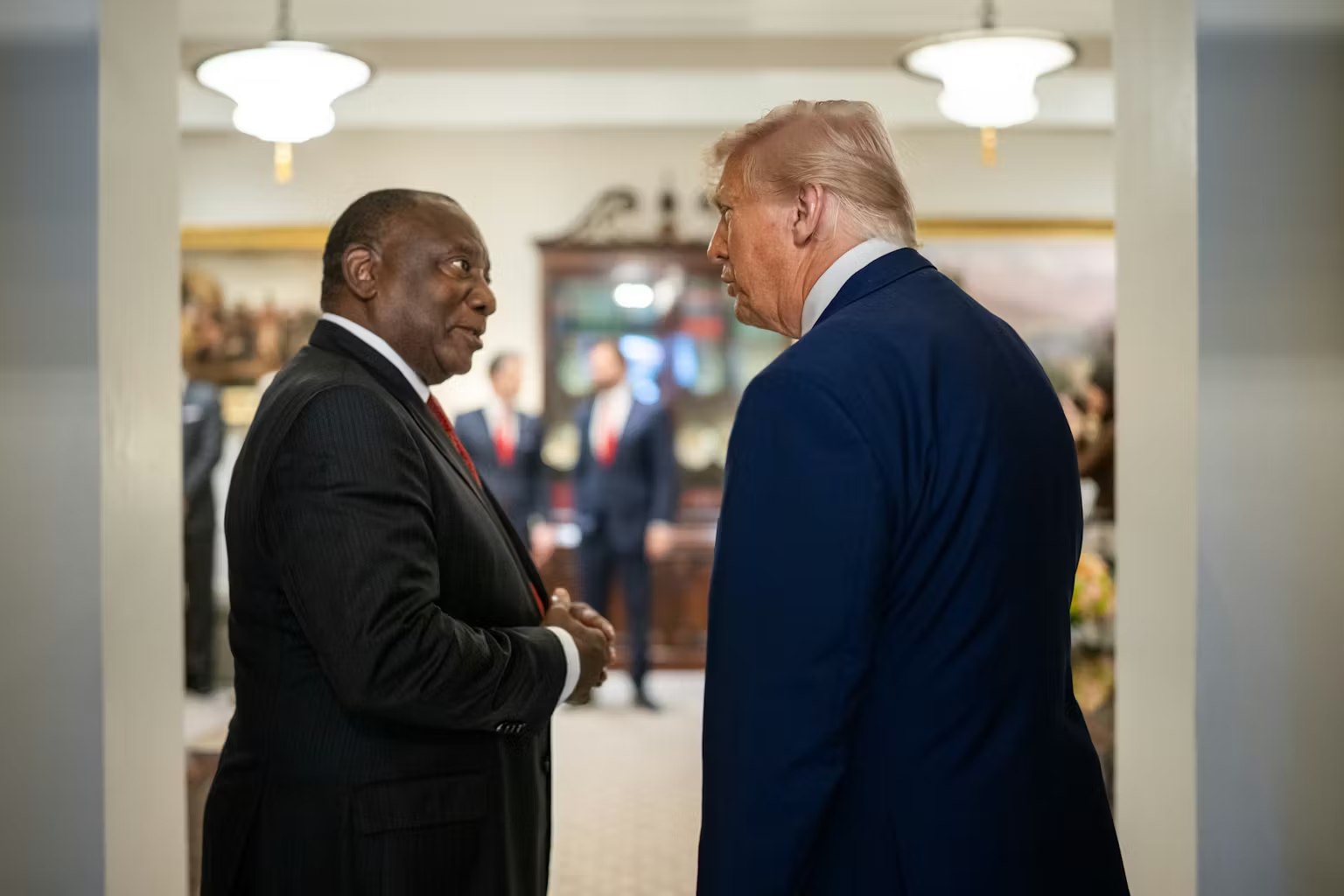
Public statements highlighted concerns about violence against white farmers in South Africa. Elon Musk, who was born in Pretoria, posted on X about a major political party promoting harm to white citizens. President Trump expressed similar views during the 2025 meetings and public remarks. He described the situation as killings ignored by parts of the media.Via BBC
Independent reviews examined the numbers carefully. AfriForum, an Afrikaner advocacy group, recorded 52 farm murders in 2023 and 37 in 2024. These figures formed a very small share of South Africa's total murders, which exceeded 27,000 in some recent years. Security experts in Pretoria concluded that organized genocide claims lacked evidence.
Tucker Carlson had discussed these issues on his program for years. The claims gained visibility from online forums to national television. Administration officials cited persecution as the reason to create a fast-track refugee path for Afrikaners. They pointed to land reform laws and reports of farm attacks.
Via Reuters
Historical Efforts to Shape Populations in Settler Nations
Several English-speaking countries once passed laws to limit immigration and maintain white majorities. Australia introduced its Immigration Restriction Act in 1901. Leaders justified the rules by talking about racial purity and protecting British character. The policy used a dictation test in European languages to exclude people from Asia and the Pacific.Via Wikimedia
The United States enacted the Immigration Act of 1924. This law set national-origin quotas based on the 1890 census. It aimed to preserve what supporters called the existing Nordic stock. The measure sharply reduced arrivals from southern and eastern Europe and blocked most Asian immigration entirely. These policies reflected shared ideas across nations that saw themselves as extensions of European civilization.
Canada followed with its 1910 Immigration Act. This gave officials power to bar groups deemed unsuitable for the climate or national needs. The approach favored British or American farmers and restricted others. New Zealand added its 1920 Immigration Restriction Amendment Act. It required entry permits for anyone not of British or Irish background.
Via History
Ideas of Race and Improvement Spread Across Borders
Eugenics gained influence in the early 20th century. This field explored ways to improve human populations through selective breeding and restrictions. Harold Benjamin Fantham, a British-born zoologist, moved to South Africa in 1917. Fantham’s work, like that of many scientists of his era, was shaped by the prevailing theories and assumptions of early 20th-century biology.Via Independent Institute
Leaders in these countries shared fears that growing nonwhite populations would change voting patterns and cultural identity. Woodrow Wilson, who supported segregation in the US federal workforce, wrote about races needing certain qualities for self-rule. Such views linked democracy concerns with demographic shifts. South Africa participated in these exchanges as part of a broader network of settler societies.
Fantham praised the US 1924 law for excluding certain groups and admired sterilization policies elsewhere. He served as president of the South African Association for the Advancement of Science. His work connected ideas from Britain, the United States, and Germany. Fantham argued for a eugenic conscience in society to guide immigration and education.
Via Cato Institute
Current Policy Raises Questions of Fairness
The US approach treats claims of discrimination against Afrikaners as valid grounds for refugee status. It operates alongside stricter deportation rules and court decisions allowing race or ethnicity as one factor in immigration enforcement stops. A 2025 Supreme Court ruling supported this in certain cases.Via The Hill
Black South Africans make up the large majority of violence victims nationwide. They do not receive comparable fast-track offers for US entry. The policy highlights challenges in balancing limited refugee resources with specific group claims. They argued land reforms addressed historical imbalances from the apartheid era without targeting race alone.
Observers noted the creation of different standards. White skin could speed processing for Afrikaners. Other appearances might lead to increased questioning. South African officials rejected genocide narratives and pointed to general crime problems.
Via DW
Violence on Farms Remains a Real Concern
South Africa struggles with high overall crime rates. Rural areas see farm attacks involving robbery, assault, and sometimes murder. AfriForum tracks these incidents and reports dozens of murders annually among farmers and workers. Brutality, in some cases, draws public attention.Via The Mail and Guardian
Rural safety affects food production and employment. Afrikaner groups call for better policing and priority status for farm crimes. Government programs aim to reduce violence through community initiatives and law enforcement. Progress varies by province, with some areas showing declines in attacks during certain periods.
Police data shows thousands of total murders each year across the country. Farm-related killings represent a small percentage. Studies link most attacks to economic motives such as theft rather than coordinated racial campaigns. Black farm owners and laborers also face dangers in these isolated settings.
Via Connecticut Public Radio
Effects on Global Refugee Programs
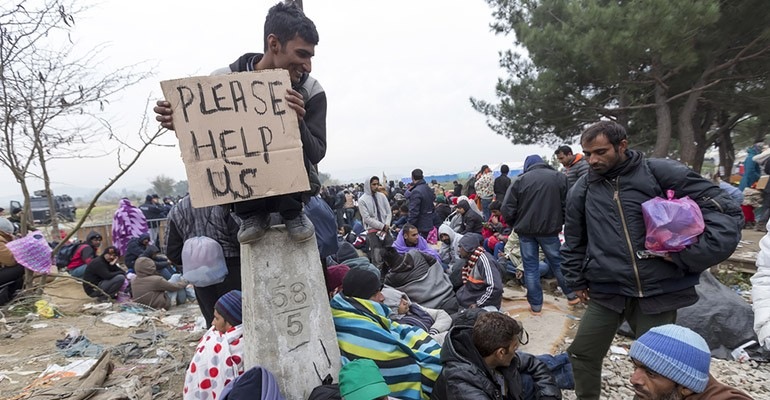
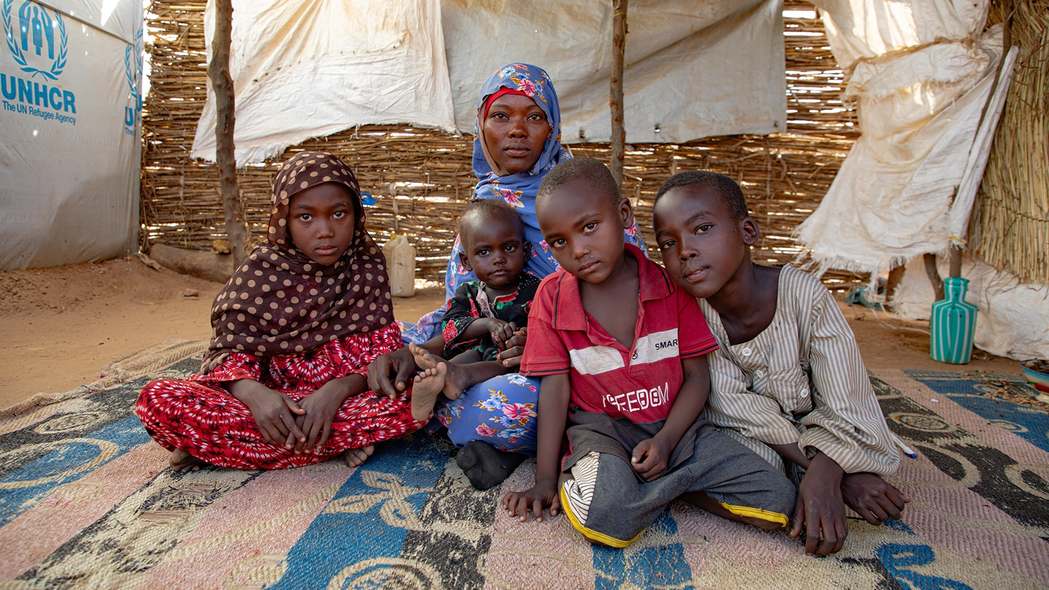
A low overall cap affects people waiting in many crisis zones. Refugees from wars, persecution, and natural disasters often face years of delay. Shifting most slots toward one group sparks debate about equity in the system. Supporters of such shifts may argue that urgent situations require focused attention.Via LinkedIn
The Afrikaner initiative began with executive action in early 2025. It paused general admissions while creating an exception. Actual arrivals remained modest compared to processing plans. Reports from early 2026 noted that around 5,000 Afrikaners had entered under the program.
Humanitarian organizations emphasize helping those in the most urgent danger. They worry that selective priorities could change the refugee program's core focus on need. The United States has resettled diverse groups in the past based on verified persecution.
Via Good Authority
Patterns of Demographic Fear Over Time
English-speaking settler nations once worked to control their populations through coordinated restrictions. They used quotas, tests, and exclusions to favor European arrivals. Fears of being outnumbered drove policy in the 1900s and 1920s. Political debates in the 1900s and 1920s reflected anxieties about national identity, labor competition, and social cohesion.Via Foreign Policy
Statistics show crime as a broad national issue rather than a campaign aimed at one race. Black citizens experience the highest victimization rates in raw figures. Accurate data helps separate documented violence from broader narratives.
Similar discussions about cultural or demographic change continue today. The South African situation serves as an example in some international networks. Afrikaner advocates connect with groups abroad to raise awareness of their challenges.
Via The Conversation
Challenges in Setting Refugee Priorities
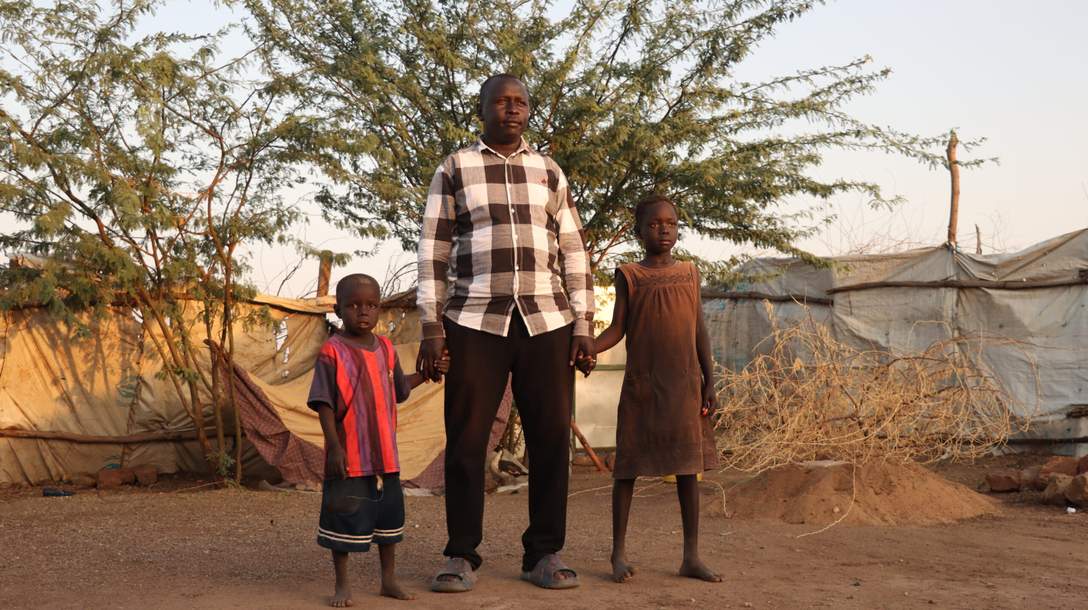
Countries face tough choices when resources are limited. Persecution claims require solid evidence reviewed under international standards. Broad terms like genocide demand clear proof of intent and scale. Organizations and legal bodies do not rely on isolated reports or unverified accounts. Instead, they examine patterns of conduct and corroborating data to determine whether systematic harm is taking place.Via Refugee International
South Africa continues efforts to fight crime through improved policing and social support. Rural communities seek stronger protection for all residents. Farmers of every background contribute to the economy and deserve security.
The US policy opens discussion on consistent standards for refugee status. It tests how to address violence that affects multiple communities differently. People expect decisions based on facts, history, and humanitarian principles without double standards.
Via Concern Worldwide
Why Immigration History Still Matters?
Past policies shaped societies by deciding who could join them. Early 20th-century rules reflected beliefs about race and national identity. Those ideas influenced laws across continents. South Africa and the United States each manage their unique histories while looking forward. Today's debates revisit questions of belonging and fairness. South Africa deals with its complex legacy of colonialism and apartheid. The United States navigates its role as a destination for those seeking safety. The topic connects old fears about population changes to present-day choices.Via Nelson and Associates
Understanding both the facts of violence and the wider context helps form clearer views. Crime remains a serious problem that touches many lives. Balanced approaches consider evidence while addressing real human suffering. Nations continue to weigh compassion, security, and limited capacity.