Lifestyle
22 Costly Kitchen Habits Draining Household Budgets
Food costs can rise quickly, but grocery prices are only part of the problem. Many households lose money through kitchen habits that seem harmless at first. Frequent delivery orders, prepared foods, poor storage, wasted leftovers, and unplanned shopping can quietly push monthly spending higher. A few dollars lost here and there may not look serious, yet repeated choices can add up across weeks and months. The good news is that many costly habits can be changed without giving up enjoyable meals. Better planning, smarter storage, maintenance, and careful shopping can help food last longer while reducing unnecessary purchases.
Some expensive habits begin before groceries even reach the kitchen. Shopping while hungry can lead to impulse buys, while choosing the wrong store can mean paying more for the same basic items. Buying ingredients for only one meal may create extra trips and leave unused portions behind. Ignoring sales can remove chances to stock up on foods that households already use. Inside the kitchen, mistakes continue when produce is stored badly, grains are left in weak packaging, pantry bags stay open, or freezers are treated as forgotten storage spaces.
Via Reader’s Digest
Kitchen tools and appliances matter too. Dull knives may be replaced sooner than necessary, scratched cookware can wear out early, and neglected appliances can develop problems that cost far more than routine care. Even daily choices such as buying bottled fizzy drinks, paying for coffee outside the home, or relying heavily on meat can increase spending. Saving money does not require a strict or joyless routine. It often starts with noticing where value disappears.
Delivery Orders Add Up

Via CNET
Restaurant delivery, service fees, tips, and meal kits often cost far more than cooking similar food from basic grocery ingredients.
Prepared Food Costs More

Via NIHR
Pre-cut produce, ready meals, bottled smoothies, and cooked dishes include convenience and labor costs that raise the final price noticeably.
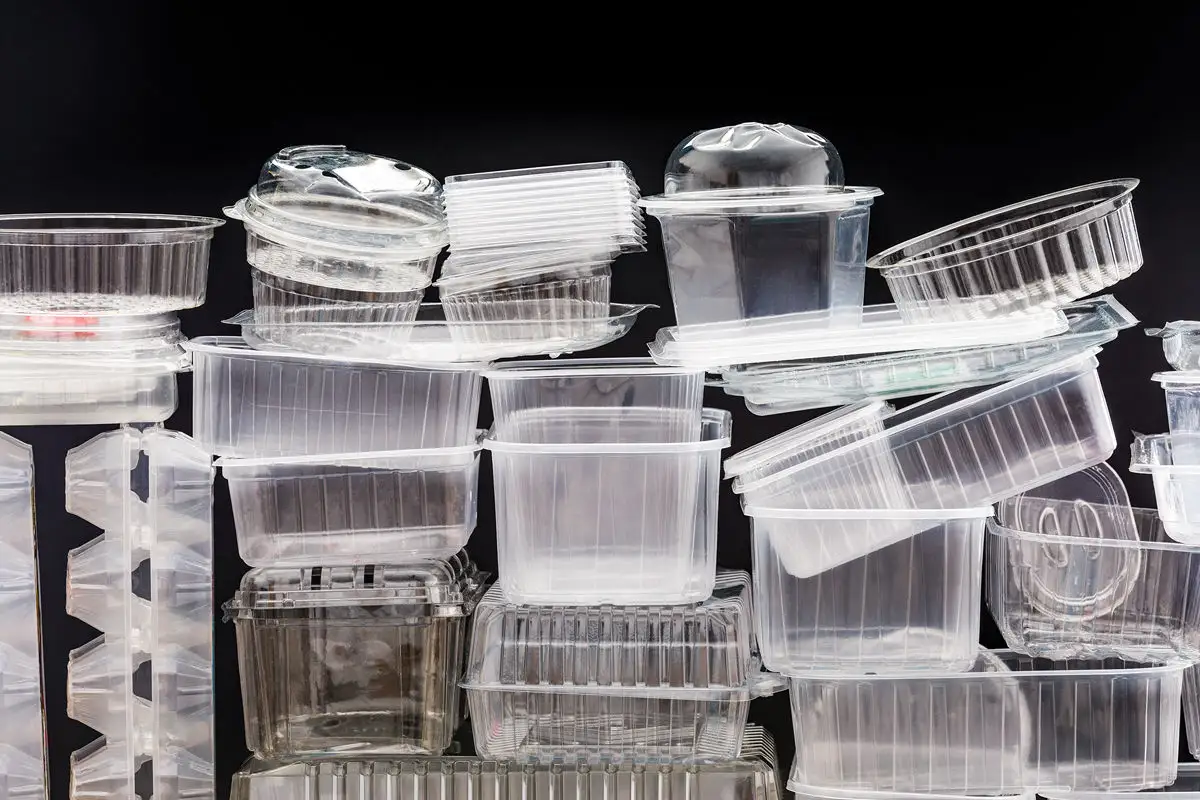
Single-Use Items Waste Money
Via Regional Recycling
Disposable forks, cups, bags, and paper towels create repeat expenses. Reusable cloths and washable containers can lower long-term kitchen costs.
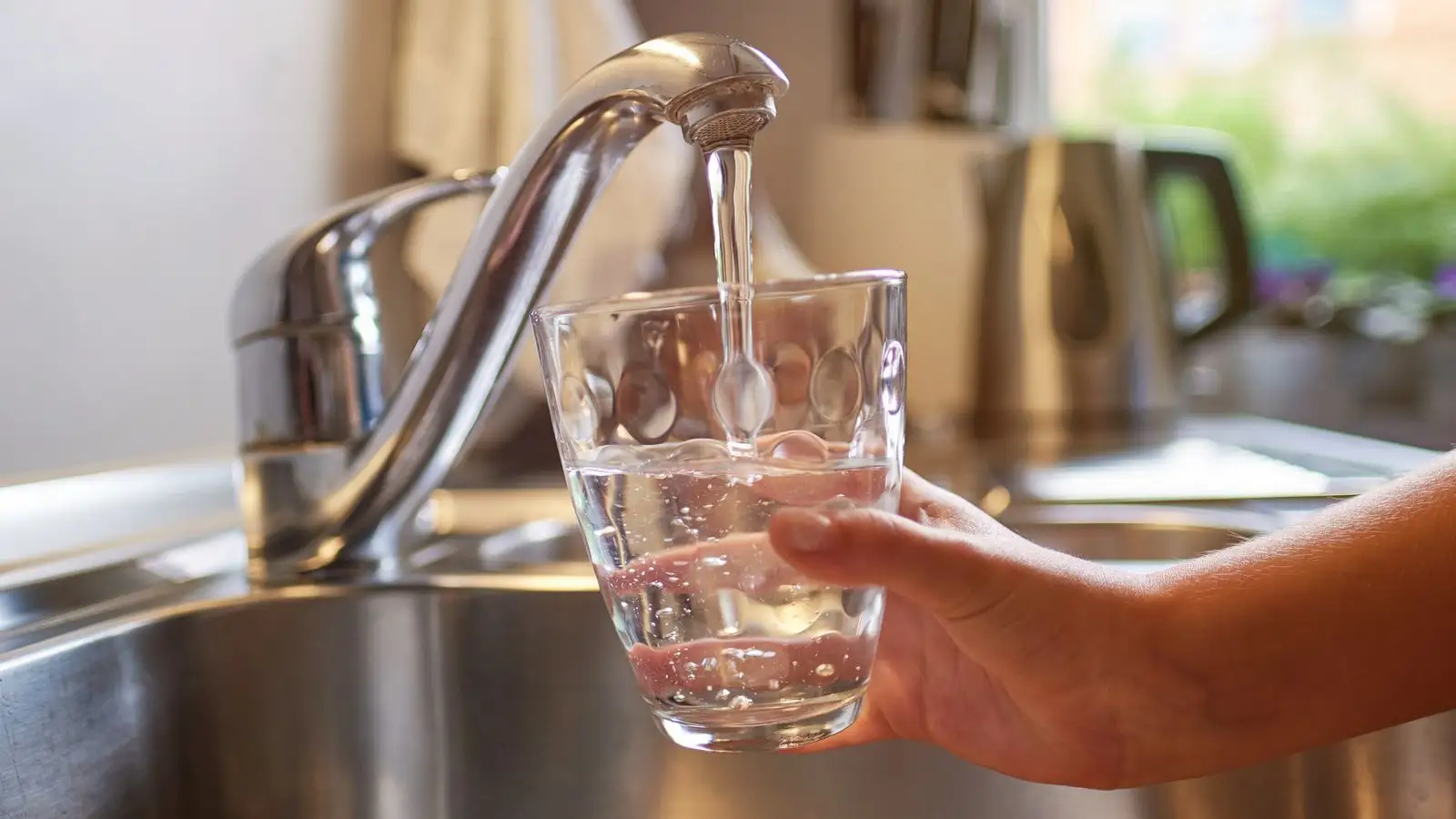
Water Waste Raises Bills
Via Sky News
Running water carelessly increases utility costs. Full dishwasher loads and efficient cycles can use resources better than repeated hand-washing sessions.
Poor Produce Storage Hurts
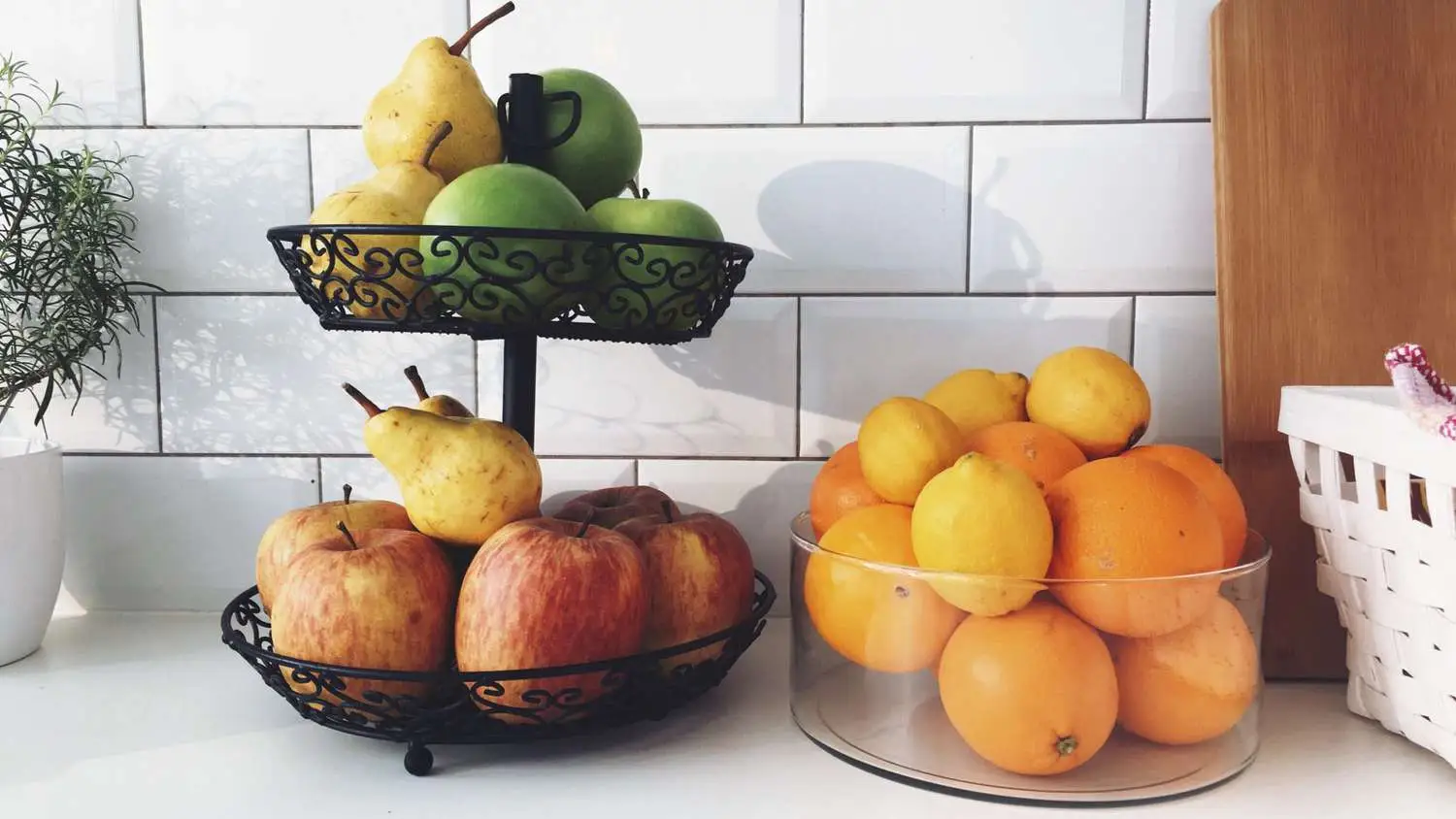
Via Real Simple
Moisture and bad storage speed spoilage. Proper wrapping, dry conditions, and suitable containers help fruits, vegetables, and herbs last longer.
Freezers Save More Food
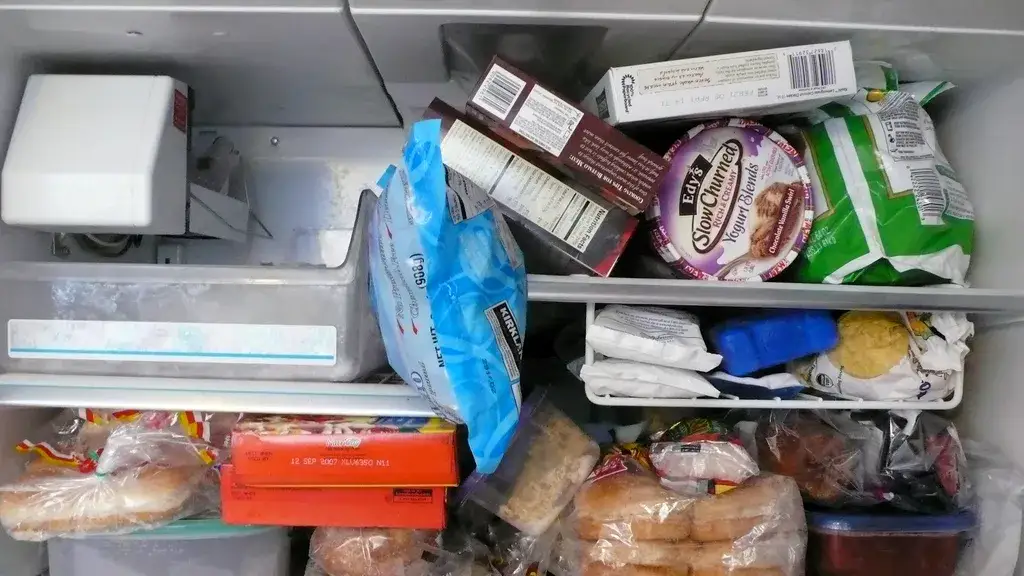
Via Bon Appetit
A neglected freezer misses chances to preserve bread, sauces, soup, fruit, leftovers, and bulk purchases before spoilage or quality loss.
One-Meal Shopping Costs More

Via Fit Meals Prep
Buying ingredients for one meal at a time creates extra trips and packaging costs. Bulk-friendly staples reduce spending and effort.
Leftovers Should Be Used
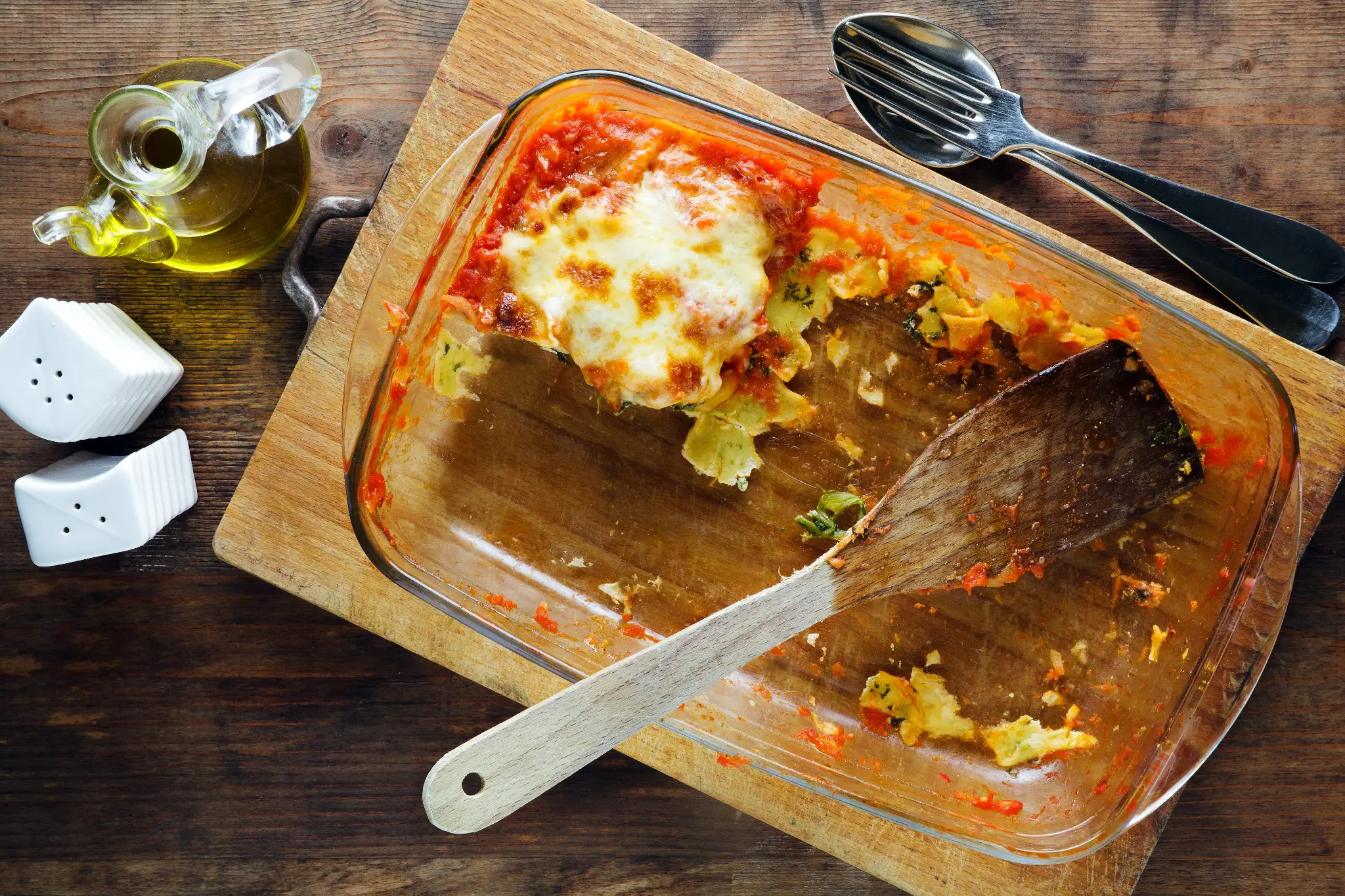
Via The Independent
Cooked food and partly used ingredients can become lunches, salads, bowls, or new dinners instead of ending up as waste.
Too Much Meat Costs

Via Frugal & Thriving
Meat-heavy menus can be expensive. Adding beans, lentils, vegetables, and other plant-based meals can stretch grocery budgets without losing variety.
Date Labels Cause Waste
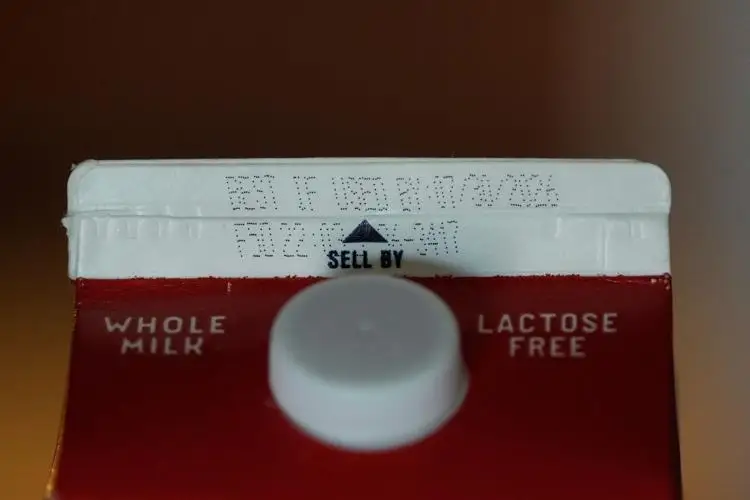
Via Union Bulletin
Best-by dates usually describe quality, not danger. Properly stored food should be checked before being needlessly thrown away at home.
Off-Season Produce Costs More

Via Mashed
Produce bought outside its natural season often carries higher prices. Seasonal choices can cost less, taste better, and reduce spoilage.
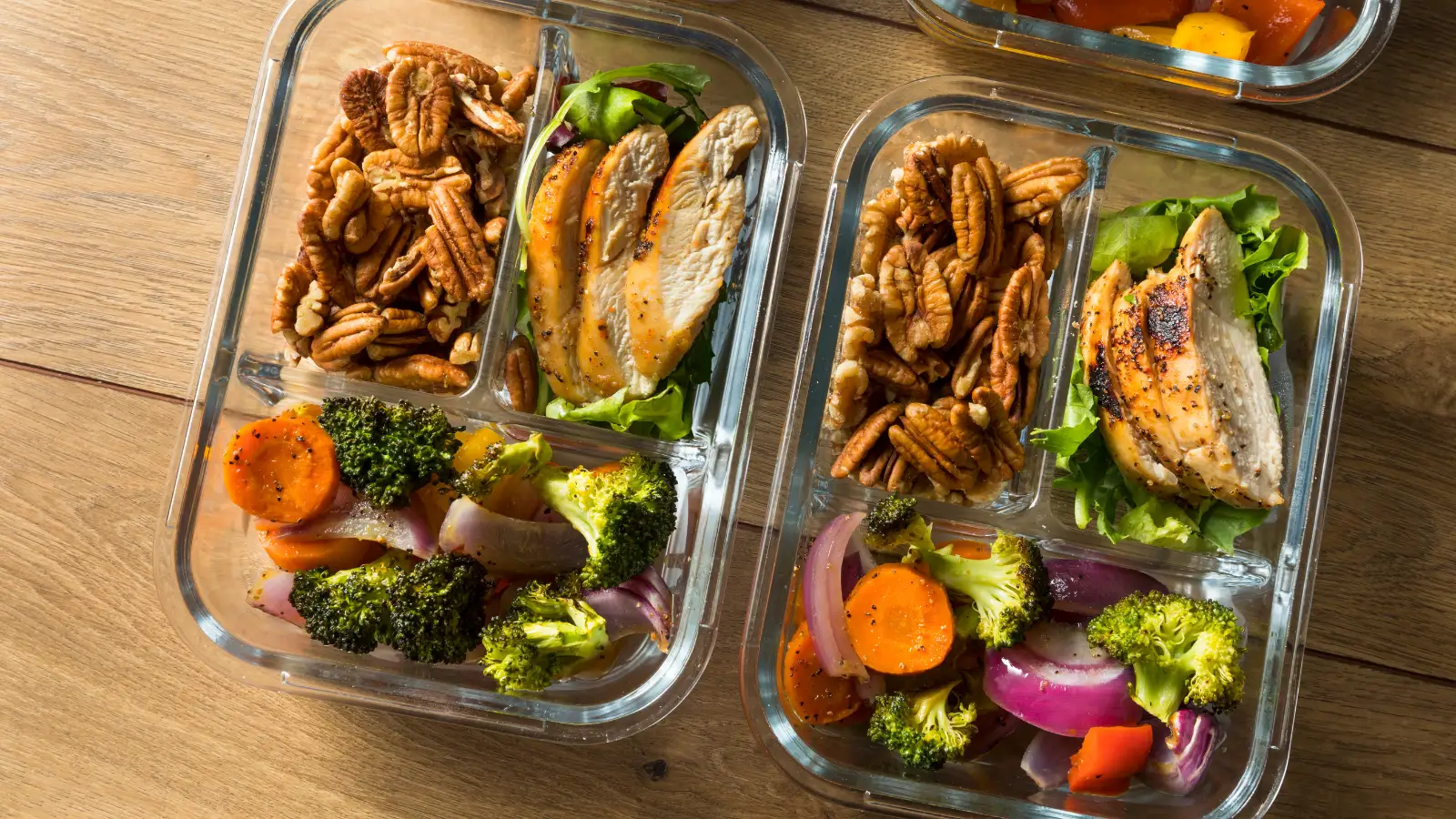
No Meal Plan Wastes
Via Mr Binman
Without a basic weekly plan, fresh ingredients may spoil and last-minute takeout becomes tempting. Planning connects meals and encourages leftovers.
Coffee Shop Habits Add Up

Via Gloria Food POS
Regular café drinks drain budgets because each cup carries a large markup. Home brewing makes daily coffee much cheaper overall.
Dull Knives Cost More

Via Daily Meal
Poorly maintained knives lose performance and may be replaced early. Regular honing, careful washing, drying, and storage extend blade life.
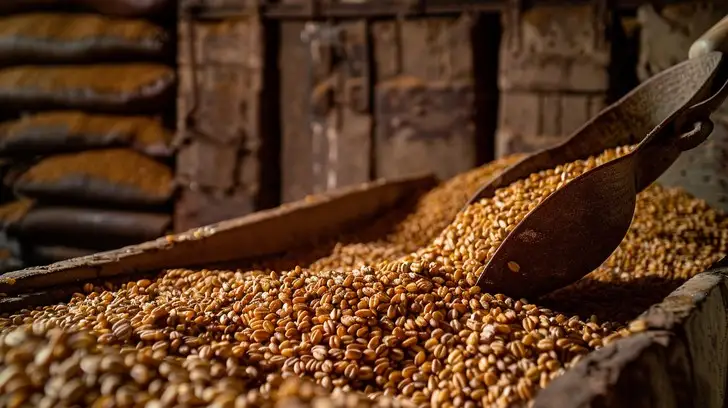
Grain Storage Matters
Via Stock Cake
Whole grains and seeds lose quality when stored badly. Airtight containers, refrigeration, or freezing may extend freshness for suitable products.
Spice Spending Gets Expensive

Via Yahoo
Large spice purchases waste money when flavor fades before use. Smaller amounts, discount markets, frozen herbs, or home-grown options help.
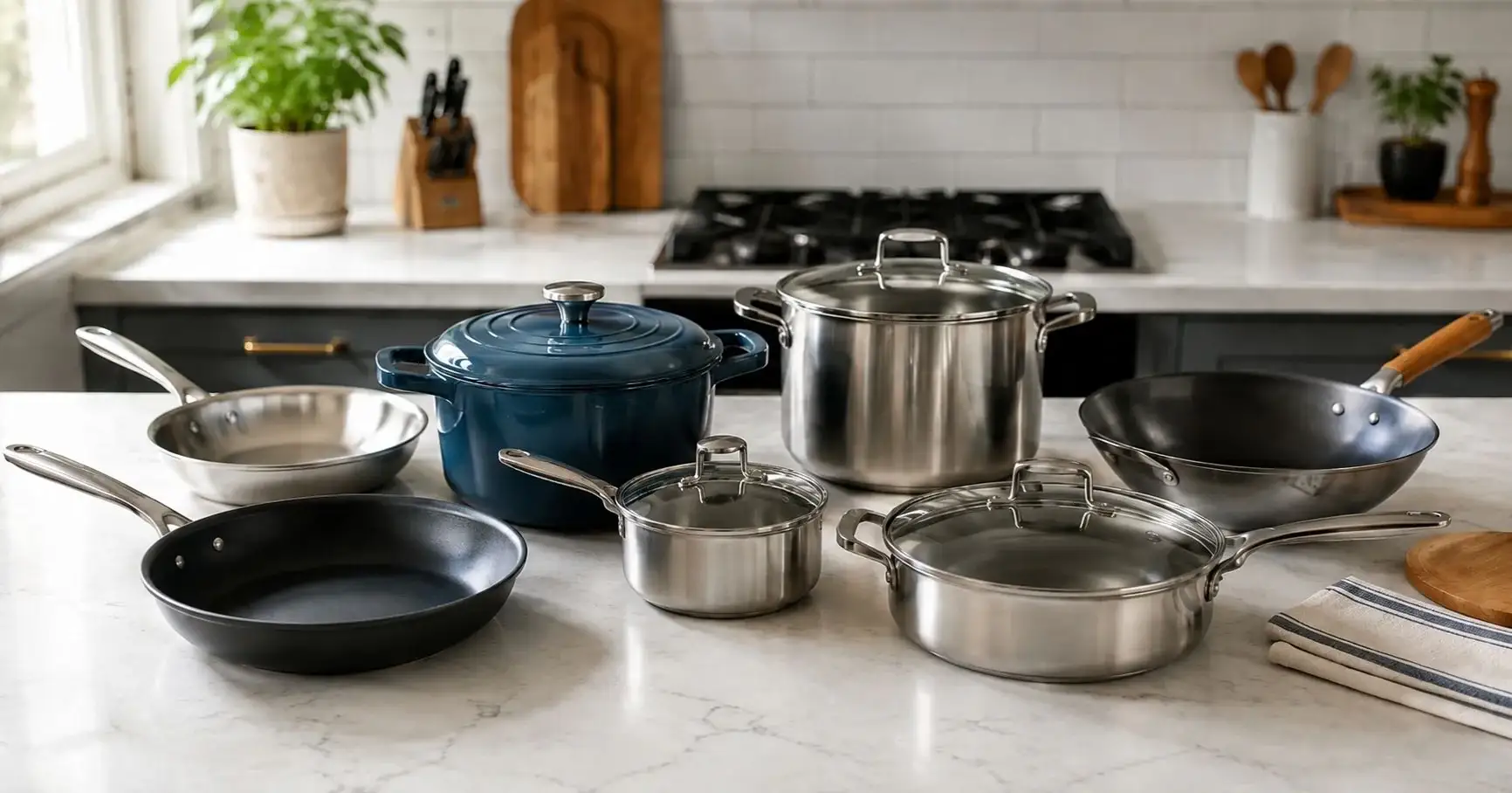
Cookware Needs Proper Care
Via Cupindy
Metal tools and aerosol sprays can damage nonstick pans. Correct utensils and maintenance help cookware last longer and delay replacement.
Fizzy Drinks Drain Budgets

Via Tasting Table
Bottled soda and sparkling drinks create a steady expense. Home carbonation can reduce per-liter costs after the machine’s initial purchase.
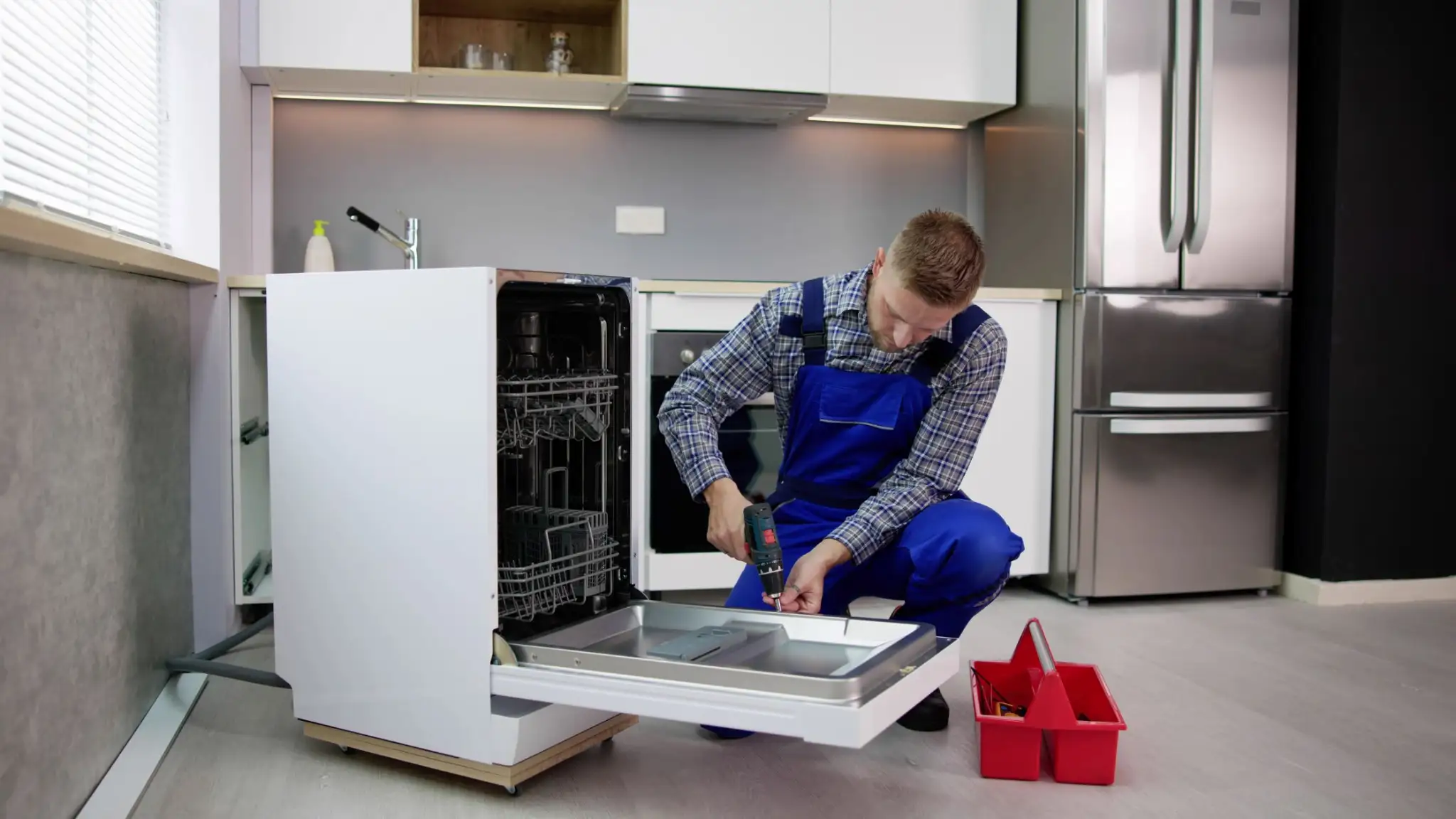
Appliances Need Maintenance
Via YANFIX
Refrigerators, dishwashers, and other machines need routine care. Cleaning and following manuals can prevent avoidable breakdowns and extend useful life.
Open Food Turns Stale

Via NDTV Food
Chips, cereal, and pantry foods quickly lose freshness when left exposed. Clips or airtight containers can prevent needless replacement purchases.
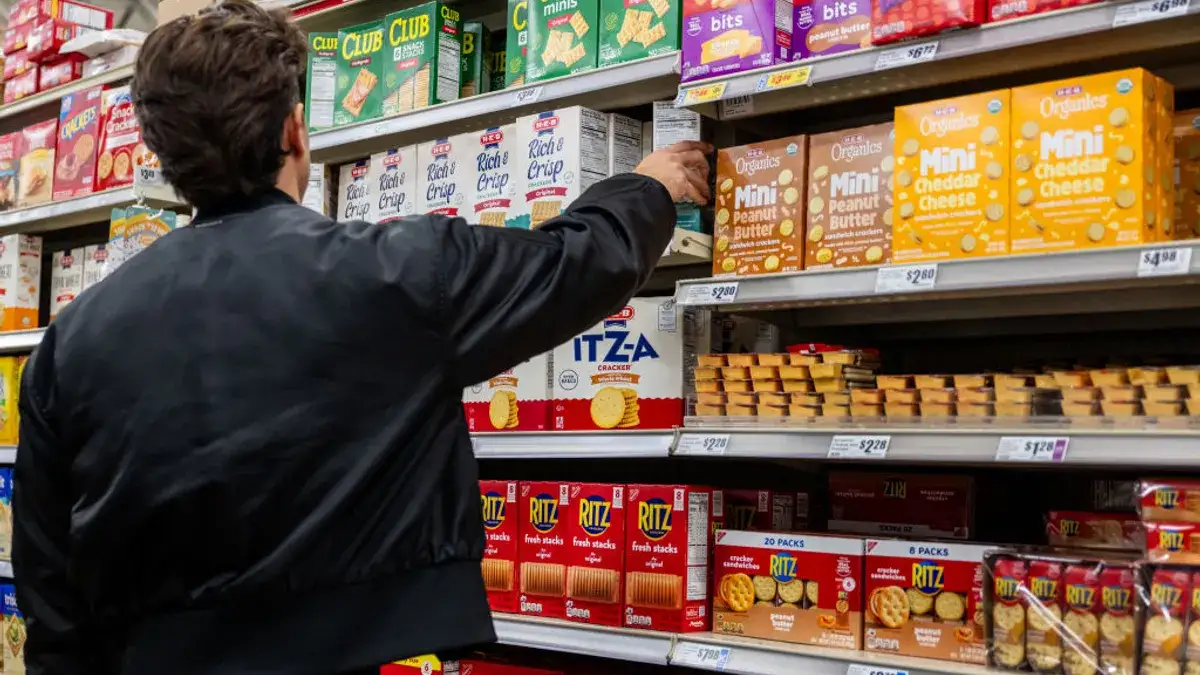
Ignoring Sales Misses Savings
Via Food Dive
Weekly ads reveal useful discounts on regularly purchased foods. Stocking up carefully during genuine sales can lower future grocery spending.
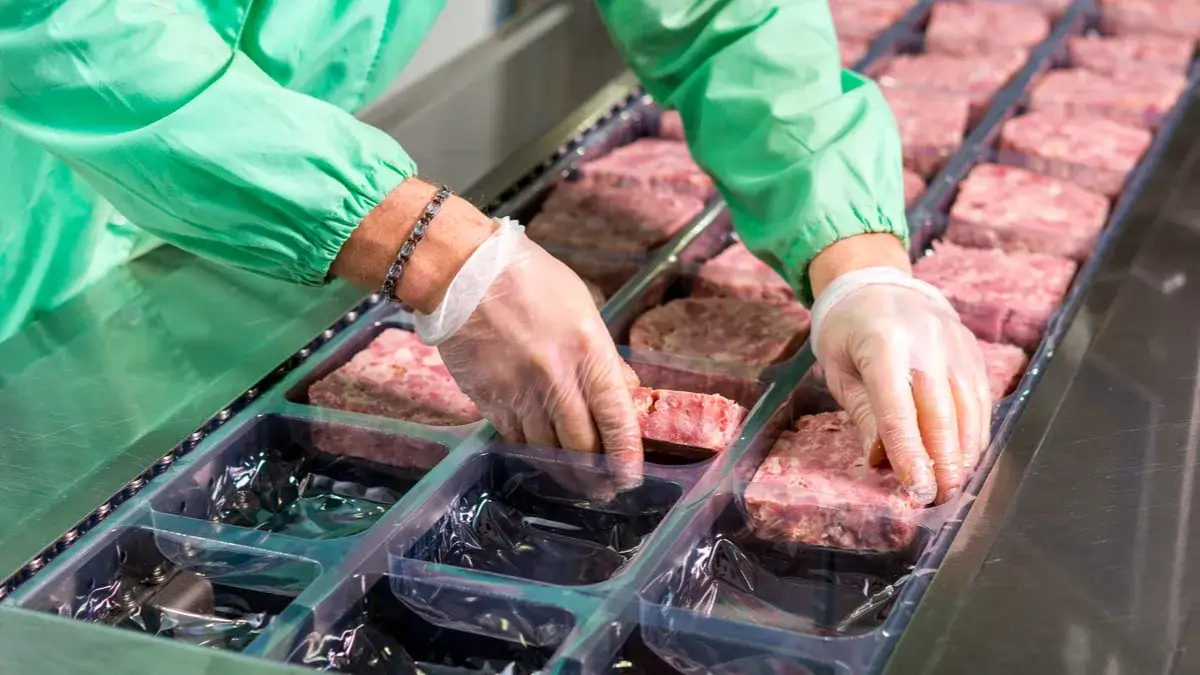
Original Packaging Can Fail
Via Eat This Not That
Bulk meat, produce, and pantry goods may spoil when portions stay large. Repacking into practical servings can reduce waste significantly.
Smarter Kitchen Habits Save Money
Saving money in the kitchen rarely depends on one dramatic change. The biggest gains often come from fixing repeated habits that quietly waste food, shorten the life of tools, or encourage unnecessary spending. A meal plan can reduce last-minute delivery orders. Better produce storage can prevent fresh food from spoiling before it is used. Freezing leftovers, bread, sauces, and bulk purchases can turn the freezer into a useful money-saving tool instead of a forgotten space. Simple choices such as sealing open cereal bags, checking food before discarding it because of a date label, and repacking large purchases into smaller portions can protect groceries already paid for.
Shopping habits deserve the same attention. Hunger, tiredness, routine buying, and poor store choice can all push bills higher. A snack before shopping may reduce impulse purchases, while weekly ads can highlight discounts on frequently used foods. Comparing unit prices matters because a larger package is not always the better deal. Seasonal produce can offer better value, and plant-based meals can lower costs when beans, lentils, grains, and vegetables replace some meat-centered dishes. Coffee brewed at home, fewer bottled fizzy drinks, and less dependence on prepared foods can create steady savings. These changes work best when they fit normal routines rather than creating stress.
Via Chef Eric’s Culinary Classroom
Kitchen equipment should be treated as part of the household budget. Knives last longer with proper honing and storage, cookware benefits from correct utensils, and appliances can avoid early failure through care. Reusable cloths and containers can reduce repeat spending on disposable items, while useful scraps can become stock instead of trash. No household needs to adopt every change at once. Choosing a few costly habits, improving them, and adding more changes can make the process manageable. The main lesson is simple: money is often lost through convenience, waste, poor planning, and neglect.