Lifestyle

23 Common Habits That Quietly Waste Money
Money often disappears through small choices rather than one major mistake. A monthly fee, an unused membership, a costly delivery habit, or a rushed purchase may seem harmless alone. Repeated over weeks and years, these costs can quietly reduce savings and make everyday budgets harder to manage. Many expenses are also hidden inside fine print, automatic renewals, interest charges, service fees, and convenience prices. Because the amounts may look small at first, people often overlook them until the total becomes much larger.
Better money habits begin with awareness. A flight that looks cheap may become expensive after baggage and seat fees. A low bank balance can trigger charges, while credit card interest can keep old purchases expensive for years. Brand-name products, extended warranties, extra streaming plans, and pre-cut foods may also cost more than practical alternatives. Some spending is not always wasteful. Dining out, delivery, subscriptions, and new products can bring value when they are planned and used. The problem starts when money leaves an account without giving enough value in return.

Via Becoming Minimalist
Budget leaks can affect people at every income level. Higher earnings do not automatically stop waste when recurring charges, rushed decisions, and poor planning remain unchecked. A short monthly review can expose patterns that are easy to miss during busy weeks. Even modest savings from several categories can build a useful cushion over time and reduce pressure when unexpected expenses appear. Tracking these leaks also makes future spending decisions clearer, because priorities become visible before money is committed elsewhere.
Airline Fees

Via Reader’s Digest
Low fares can hide baggage, seat, and other charges. Comparing the total trip cost and checking luggage rules can prevent surprises.
Bank Fees

Via Reader’s Digest
Overdraft, ATM, and maintenance charges can quietly drain accounts. Fee-free banking options and balance alerts may reduce avoidable monthly costs.
Buying Everything New

Via Reader’s Digest
New cars and electronics often lose value quickly. Reliable used, refurbished, or open-box products can offer strong quality for less.
Too Much TV

Via Reader’s Digest
Cable and multiple streaming plans can overlap. Reviewing actual viewing habits and cancelling rarely used services can lower monthly entertainment spending.
Convenience Foods

Via Reader’s Digest
Pre-cut produce, prepared meals, and frequent specialty drinks charge extra for convenience. Basic ingredients and home preparation usually cost less.
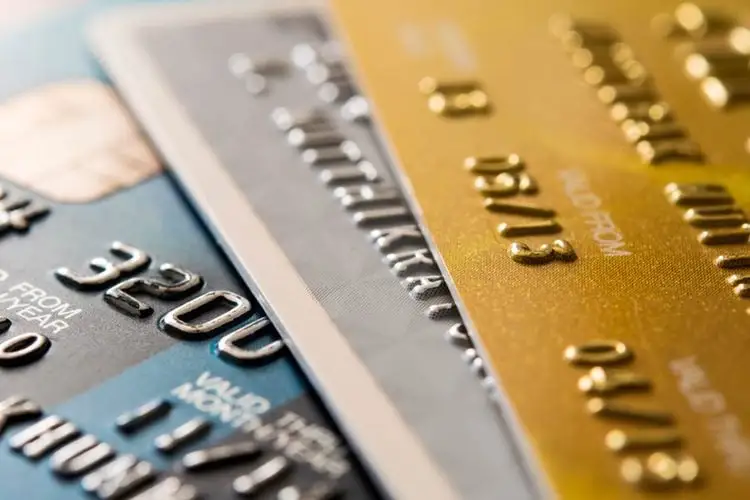
Credit Card Interest
Via Reader’s Digest
High interest makes unpaid balances expensive. Paying balances faster and avoiding new debt can reduce the long-term cost of past purchases.
Frequent Dry Cleaning

Via Reader’s Digest
Regular professional cleaning can become costly. Clothing labels may allow gentle machine washing or hand washing for many everyday garments.
Eating Out Often

Via Reader’s Digest
Restaurant meals and bought lunches add up quickly. Packing food, using specials, and limiting outings can protect a household food budget.
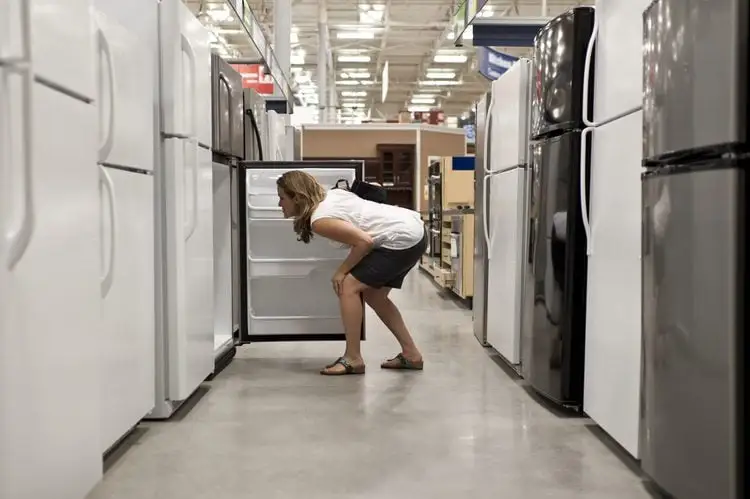
Extended Warranties
Via Reader’s Digest
Extra warranties may duplicate existing coverage or exclude common problems. Reading terms and saving for repairs can be a better choice.
Grocery Delivery

Via Reader’s Digest
Delivery memberships, markups, service charges, and tips raise grocery costs. Store pickup or planned shopping trips may reduce extra spending.
Impulse Purchases

Via Reader’s Digest
Unplanned buying often ignores need and price comparisons. Waiting 24 hours before a nonessential purchase can reduce regret and waste.
Paying for Name Brands

Via Reader’s Digest
Generic foods, household goods, and many medicines can cost less. Comparing ingredients, quality, and active components may reveal better value.
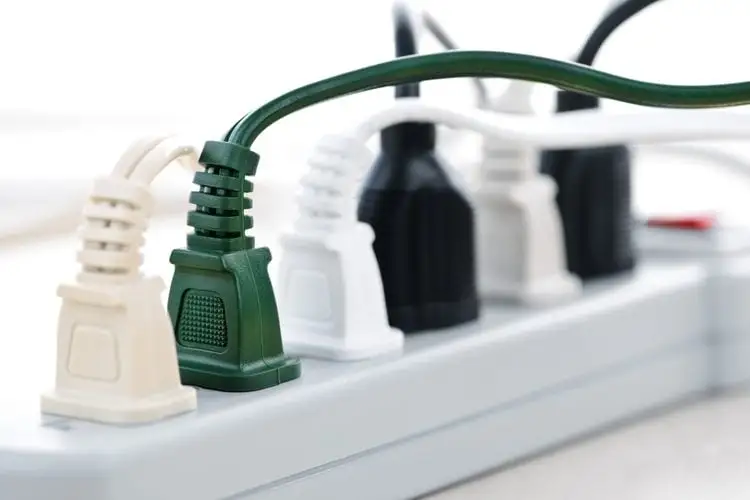
Phantom Electricity
Via Reader’s Digest
Devices can use power while idle or plugged in. Turning off unused electronics and using switchable power strips may trim energy costs.
Expensive Phone Service

Via Reader’s Digest
Old landlines and oversized mobile plans can waste money. Comparing carriers, data needs, and internet calling options may lower bills.
Private Mortgage Insurance

Via Reader’s Digest
Some buyers with small down payments face mortgage insurance costs. Understanding lender rules and saving more upfront may reduce long-term expenses.
Procrastinating on Plans

Via Reader’s Digest
Late booking can raise travel prices, while delayed saving reduces growth time. Earlier planning often creates more choices and better control.
Duplicate Rental Coverage

Via Reader’s Digest
Rental car protection may overlap with personal auto insurance or card benefits. Checking existing coverage first can prevent unnecessary add-ons.
Speeding

Via Reader’s Digest
Driving too fast can increase fuel use and create ticket or accident costs. Steady, legal speeds are usually safer and cheaper.
Subscription Boxes

Via Reader’s Digest
Monthly boxes can become automatic spending when items go unused. Regularly checking value and enjoyment helps identify subscriptions worth cancelling.
Missing Employer Matches

Via Reader’s Digest
Workers may lose valuable retirement contributions by not claiming a full employer match. Understanding plan rules can improve long-term savings.
Unused Memberships

Via Reader’s Digest
Gym and club fees become wasteful when attendance stops. Cancelling, pausing, or choosing a cheaper option can free money quickly.
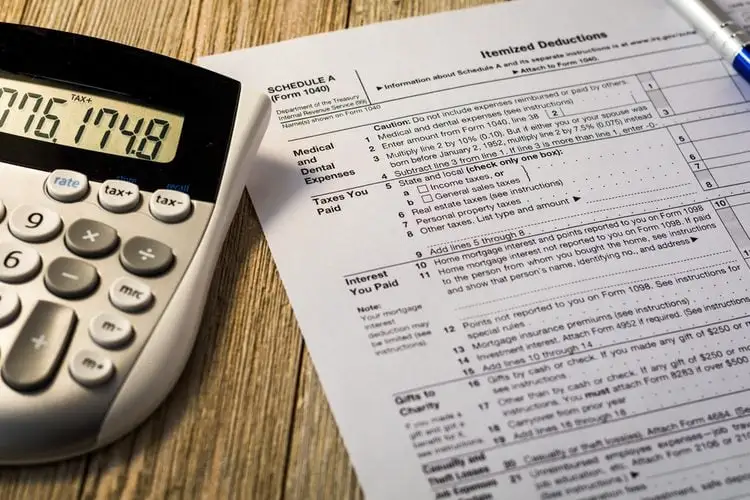
Missed Tax Breaks
Via Reader’s Digest
Eligible credits and deductions can be overlooked. Accurate tax software or qualified professional help may prevent people from missing savings.
Wasted Food

Via Reader’s Digest
Poor meal planning, overbuying, and forgotten leftovers send money into the trash. Shopping with a list and using food fully helps.
Regular Budget Reviews Matter
Money waste is rarely limited to one dramatic purchase. More often, it grows from repeated habits that feel too small to question. A few service charges, an extra subscription, a weekly restaurant meal, or a forgotten membership can slowly take hundreds of dollars from a yearly budget. Automatic payments make the problem easier to miss because spending continues without a fresh decision. Regular reviews of bank statements, card bills, phone plans, entertainment services, and memberships can reveal costs that no longer match current needs.
Smart saving does not require removing every comfort or choosing the cheapest option every time. Value matters more than price alone. A delivery service may be worthwhile for someone with limited time or mobility, while a gym membership can be useful for a person who attends often. The key question is whether the expense is used, understood, and worth its full cost. People can also protect money by checking total prices instead of advertised prices, comparing generic and refurbished products, reading insurance terms, planning travel earlier, and avoiding high-interest balances whenever possible. Larger choices deserve special attention because mortgage costs, retirement matches, taxes, and insurance decisions can shape finances for years.

Via MSN
A practical approach starts with one category at a time. People can cancel one unused service, set a balance alert, plan several meals, compare one recurring bill, or wait before making an impulse purchase. Small changes become stronger when they turn into routine habits. Money that stops leaking away can support emergency savings, debt payments, retirement goals, family needs, travel, education, or other priorities. Careful spending is not about fear or constant restriction. It is about making sure each dollar serves a clear purpose. When hidden fees and weak habits are noticed early, everyday finances become easier to control, and long-term goals become more realistic. Consistency matters most. A budget becomes stronger when useful changes are repeated, reviewed, and adjusted as prices, needs, and goals change over time. Regular attention keeps leaks from returning and helps financial progress stay steady through change.