Unassigned
Tortoises Can Feel Optimistic, New Study Finds

Your pet tortoise plods across the floor like a living stone. You toss in some lettuce, refill the water, and figure that’s enough. Science just laughed at that idea. A groundbreaking study proves tortoises feel optimism. Real hope. They judge the world through an emotional lens. Treat them well and they expect good things.
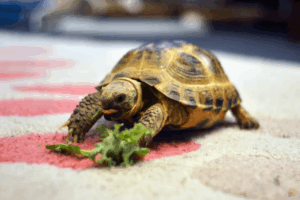 Trap them in a dull box and they brace for the worst. This discovery shatters every old belief about reptiles. They are not emotionless machines. They have moods that linger. They feel stress. They even have good days and bad ones. Pet owners must wake up. Your tortoise could be thriving, or quietly miserable. Slow shell. Deep soul.
 Via Phys
The opposite end stayed empty, no reward, no snack. After the tortoises learned the pattern, researchers added mystery spots in the middle of the track. A tortoise that races toward a spot near the treat side is optimistic. It bets on food. One who hesitates or avoids a spot near the empty side is pessimistic.
The results stunned everyone. Tortoises raised in enriched, exciting homes charged forward with hope. Ones kept in plain, boring setups hung back or turned away. Clear evidence: environment shapes lasting mood.
 Via Modern Sciences
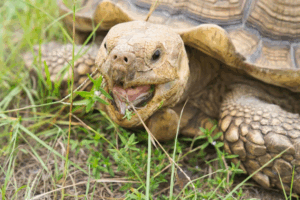 This daily adventure teaches them the world is kind and rewarding. They learn to expect good outcomes. Your pet needs the same setup. Ditch the tiny tank with a single plastic plant. Build a mini jungle. Watch your tortoise transform from cautious to confident.
 Their brains differ from mammal brains, but emotions are undeniable. Other reptiles show joy while hunting prey and fear when facing threats. Tortoises remember complex mazes for years. They learn simple tricks. Some follow their owners around the room. They are not mindless salad processors. The outdated myth harms millions of captive reptiles. Bare cages ignore their emotional needs.
 It soaks in water bowls for long, relaxing sessions, think spa day. It stretches its neck high and confidently. Some tortoises bob their heads at their owners. They nudge toys or push leaves around in play. Stressed tortoises show the opposite.
They stay tucked tightly in their shells for hours. They pace the enclosure walls or ram the glass. They skip meals entirely. They hiss or snap when approached. Eyes look dull, sunken, or runny. The tail gets soiled. They dig frantic, aimless holes. Spot stress early. Check temperature, lighting, and diet immediately. Happy tortoises radiate calm.
 Rotate toys every week to keep things fresh. Some tortoises adore small mirrors. Others ignore them. Include large, shallow water tubs for soaking. In warm seasons, build secure outdoor pens. Scatter food across the grass to trigger natural hunting. Use only reptile-safe plants. Skip anything toxic. This setup fights boredom and skyrockets mood.
Russian tortoises prefer dry, steppe-like homes. Focus on grasses, broadleaf weeds, and occasional flowers. They drink less water. Sulcata tortoises grow enormous, up to two hundred pounds. They eat only grass and hay. They demand giant yards or indoor warehouses.
Greek and Hermann’s tortoises hail from Mediterranean islands. Offer diverse weeds and edible flowers. All species require massive space. Avoid impulse-buying tiny hatchlings. Adults reveal true size and needs. Research your species thoroughly. Tortoises live fifty to over one hundred years. Commit for life.
 Track weight and shell growth monthly. Skip old myths like feeding dog food. Offer veggies only. Learn if your species hibernates. Follow its natural cycle. Consistent care equals relaxed, optimistic tortoises.
 Give each tortoise a name. Speak softly daily. Hand-feed favorite treats. They learn to recognize voices. Some play gentle chase games with owners. Others prefer solo exploration. Watch your tortoise closely. Tailor enrichment to its personality. Bold ones love complex puzzles. Shy ones need extra secure hides. Every shell hides a distinct individual.
 Provide cuttlebone for constant calcium access. Avoid spinach, kale, and beets. They contain oxalates that block calcium. Rotate the menu daily. Hide food in different locations. Foraging stimulates the brain and prevents boredom. Overfeeding and tortoises become obese and depressed. Weigh them monthly on a kitchen scale.
 Read body language. Relaxed legs and neck mean comfort. Tucked limbs mean fear. Daily gentle health checks build familiarity. Optimistic tortoises approach your hand willingly. Feed treats from your palm. They nudge for seconds. Trust grows slowly but lasts decades. Patience wins their affection.
 Supervise to protect from dogs, hawks, and heat stroke. Use outdoors in spring, summer, and fall. Natural sunlight synthesizes vitamin D3 and strengthens bones. Wild-like vibes lift spirits sky-high. Indoor-only tortoises miss critical enrichment. They fade physically and emotionally.
 Tortoises are social media stars, their charming faces winning hearts online. But behind the cuteness lies a truth: they’re not as easy to care for as many think. Still, the effort pays off. Proper welfare always comes first, and new research is raising the bar for responsible care. Laws may soon follow, with dedicated owners already leading the way.
Science is moving fast. Mood testing for reptiles could soon be routine at vet clinics, and both zoos and private homes are learning how to enrich tortoise lives. These creatures are finally earning recognition as emotional beings. Your pet could be part of that change, one calm step at a time. Build its paradise today.
More in Unassigned
Trap them in a dull box and they brace for the worst. This discovery shatters every old belief about reptiles. They are not emotionless machines. They have moods that linger. They feel stress. They even have good days and bad ones. Pet owners must wake up. Your tortoise could be thriving, or quietly miserable. Slow shell. Deep soul.
The Study That Rewrote Reptile Rules
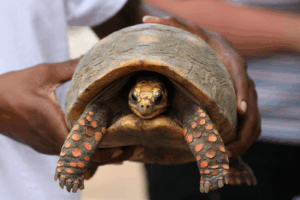
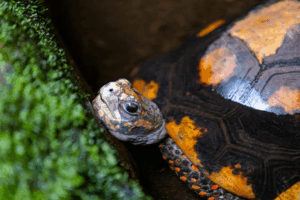
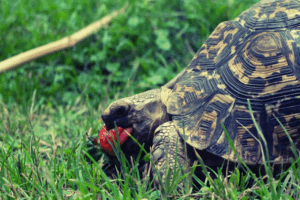
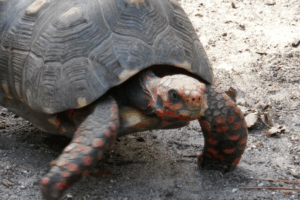
Scientists at the University of Lincoln in the UK tested fifteen red-footed tortoises. These colorful South American pets have bright red feet and curious faces. The team used a clever experiment called cognitive bias testing. First, they trained each tortoise to hustle to one end of a long track for a delicious treat.
Via Phys
The opposite end stayed empty, no reward, no snack. After the tortoises learned the pattern, researchers added mystery spots in the middle of the track. A tortoise that races toward a spot near the treat side is optimistic. It bets on food. One who hesitates or avoids a spot near the empty side is pessimistic.
The results stunned everyone. Tortoises raised in enriched, exciting homes charged forward with hope. Ones kept in plain, boring setups hung back or turned away. Clear evidence: environment shapes lasting mood.
Via Modern Sciences
How Enrichment Sparks Lasting Hope
What fuels optimism in a tortoise? A rich, varied life. The study housed tortoises in spacious enclosures with deep bark-chip bedding, warm basking lamps, full-spectrum UV lights, multiple hiding spots, and fresh greens almost every day. Earlier research shows that plain glass tanks with one rock and a water dish breed chronic stress. Enriched homes mimic wild rainforests. Picture soft forest floors, fallen logs, leafy plants, shallow puddles, and plenty of room to roam. Tortoises dig burrows, climb over obstacles, explore new corners, and hunt for scattered food.
This daily adventure teaches them the world is kind and rewarding. They learn to expect good outcomes. Your pet needs the same setup. Ditch the tiny tank with a single plastic plant. Build a mini jungle. Watch your tortoise transform from cautious to confident.
Smashing the “Cold-Blooded Robot” Myth
For decades, people claimed reptiles feel nothing. Cold blood equals cold heart. Total nonsense. This study proves tortoises connect mood to behavior. In a positive mood, they approach new objects with curiosity and confidence. In a negative mood, they retreat into their shells and refuse to explore.
Their brains differ from mammal brains, but emotions are undeniable. Other reptiles show joy while hunting prey and fear when facing threats. Tortoises remember complex mazes for years. They learn simple tricks. Some follow their owners around the room. They are not mindless salad processors. The outdated myth harms millions of captive reptiles. Bare cages ignore their emotional needs.
Reading Your Tortoise’s Mood Like a Book
How do you know if your tortoise is happy? Watch its body language. A joyful tortoise moves with purpose and energy. Its eyes are bright, alert, and clear. The shell is smooth with even, healthy growth rings. Skin stays dry and naturally wrinkly. The tail remains clean and free of waste. It eats with enthusiasm, chomping greens like they’re gourmet.
It soaks in water bowls for long, relaxing sessions, think spa day. It stretches its neck high and confidently. Some tortoises bob their heads at their owners. They nudge toys or push leaves around in play. Stressed tortoises show the opposite.
They stay tucked tightly in their shells for hours. They pace the enclosure walls or ram the glass. They skip meals entirely. They hiss or snap when approached. Eyes look dull, sunken, or runny. The tail gets soiled. They dig frantic, aimless holes. Spot stress early. Check temperature, lighting, and diet immediately. Happy tortoises radiate calm.
Building the Ultimate Tortoise Paradise
Enrichment turns a cage into a five-star resort. Start with size. Adult tortoises need at least eight feet by four feet of floor space. Fill the bottom with a deep substrate. Mix coconut coir, chemical-free topsoil, and play sand. Aim for six inches deep so they can dig burrows. Shape hills and flat rocks for climbing practice. Add hollow logs and flat cork bark slabs for hiding and shade. Plant safe, edible greens like hibiscus, dandelions, mulberry leaves, and spider plants. Let them graze fresh daily. Use puzzle feeders. Stuff a sturdy plastic ball with holes and hide greens inside. They roll it to eat. Hang leafy branches high with binder clips. Force them to stretch and climb.
Rotate toys every week to keep things fresh. Some tortoises adore small mirrors. Others ignore them. Include large, shallow water tubs for soaking. In warm seasons, build secure outdoor pens. Scatter food across the grass to trigger natural hunting. Use only reptile-safe plants. Skip anything toxic. This setup fights boredom and skyrockets mood.
Top Pet Tortoise Species and Their Must-Know Needs
Red-footed tortoises starred in the study. They thrive in humid, warm setups. Feed eighty percent leafy greens like collard greens, turnip tops, and dandelion. Ten percent veggies. Ten percent of fruit is only a rare treat. Keep basking spots at eighty-eight to ninety-five degrees Fahrenheit. Night temps around seventy-five. Full-spectrum UVB lighting is non-negotiable.
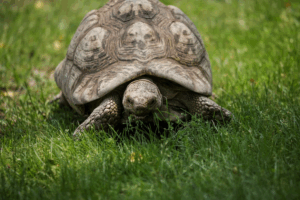
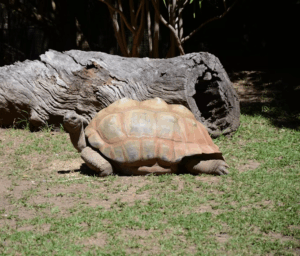
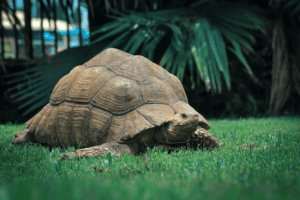
Russian tortoises prefer dry, steppe-like homes. Focus on grasses, broadleaf weeds, and occasional flowers. They drink less water. Sulcata tortoises grow enormous, up to two hundred pounds. They eat only grass and hay. They demand giant yards or indoor warehouses.
Greek and Hermann’s tortoises hail from Mediterranean islands. Offer diverse weeds and edible flowers. All species require massive space. Avoid impulse-buying tiny hatchlings. Adults reveal true size and needs. Research your species thoroughly. Tortoises live fifty to over one hundred years. Commit for life.
Daily Care Checklist for Peak Happiness
Routine keeps moods stable. Morning: Mist the enclosure lightly. Refill clean water. Scatter fresh greens in multiple spots. Midday: Supervised outdoor time in a secure pen. Direct sunlight boosts health and spirit. Evening: Offer a thirty-minute warm soak. It aids digestion and hydration. Dust food with calcium powder without D3 twice weekly. Add reptile multivitamin once weekly. Scoop poop and uneaten food daily. Replace all substrates monthly. Schedule annual vet exams.
Track weight and shell growth monthly. Skip old myths like feeding dog food. Offer veggies only. Learn if your species hibernates. Follow its natural cycle. Consistent care equals relaxed, optimistic tortoises.
Tortoise Personalities - Unique Souls in Every Shell
No two tortoises act alike. Some are bold adventurers. They charge toward new toys or food without hesitation. Others are shy philosophers. They observe from a safe distance before moving. Studies confirm these traits remain stable over the years. Bold tortoises turn optimistic faster in good environments. Shy ones stay cautious even in paradise.
Give each tortoise a name. Speak softly daily. Hand-feed favorite treats. They learn to recognize voices. Some play gentle chase games with owners. Others prefer solo exploration. Watch your tortoise closely. Tailor enrichment to its personality. Bold ones love complex puzzles. Shy ones need extra secure hides. Every shell hides a distinct individual.
Feeding for Mood, Muscle, and Longevity
Food directly affects feelings. Wild tortoises roam miles foraging. Replicate that variety. Offer eighty percent high-fiber weeds: dandelion, plantain, clover, hawkweed, cat’s ear. Ten percent veggies: squash, bell pepper, okra, cactus pads. Ten percent high-quality commercial pellets like Mazuri Tortoise Diet. Skip fruits almost entirely. They cause gut issues.
Provide cuttlebone for constant calcium access. Avoid spinach, kale, and beets. They contain oxalates that block calcium. Rotate the menu daily. Hide food in different locations. Foraging stimulates the brain and prevents boredom. Overfeeding and tortoises become obese and depressed. Weigh them monthly on a kitchen scale.
Safe Handling That Builds Trust
Wrong handling spikes stress hormones. Always scoop from below the shell. Support the entire body with both hands. Keep sessions under five minutes. Let the tortoise set the pace. Some enjoy gentle head scratches behind the jaw. Others hate any touch.
Read body language. Relaxed legs and neck mean comfort. Tucked limbs mean fear. Daily gentle health checks build familiarity. Optimistic tortoises approach your hand willingly. Feed treats from your palm. They nudge for seconds. Trust grows slowly but lasts decades. Patience wins their affection.
Outdoor Time - Nature’s Ultimate Mood Booster
Secure outdoor pens are priceless. Fence a yard section. Bury wire mesh twelve inches deep to prevent escapes. Add natural shade, direct sun patches, and safe plants. Include sandy dig pits and real grass. Let them graze living greens.
Supervise to protect from dogs, hawks, and heat stroke. Use outdoors in spring, summer, and fall. Natural sunlight synthesizes vitamin D3 and strengthens bones. Wild-like vibes lift spirits sky-high. Indoor-only tortoises miss critical enrichment. They fade physically and emotionally.
Explore the Emotional World of Tortoises
You rush through traffic, deadlines, and screens, while tortoises simply bask, eat, nap, and repeat. Their world is calm and consistent, a perfect setup of bliss. No bills to pay, no drama to handle, just endless sunshine, snacks, and safety. It’s hard not to envy their peace. Maybe it’s time to copy their pace, slow down, and let your tortoise remind you what calm really means.
Tortoises are social media stars, their charming faces winning hearts online. But behind the cuteness lies a truth: they’re not as easy to care for as many think. Still, the effort pays off. Proper welfare always comes first, and new research is raising the bar for responsible care. Laws may soon follow, with dedicated owners already leading the way.
Science is moving fast. Mood testing for reptiles could soon be routine at vet clinics, and both zoos and private homes are learning how to enrich tortoise lives. These creatures are finally earning recognition as emotional beings. Your pet could be part of that change, one calm step at a time. Build its paradise today.