Unassigned
The Real Fate of Stolen Art and Rare Jewels

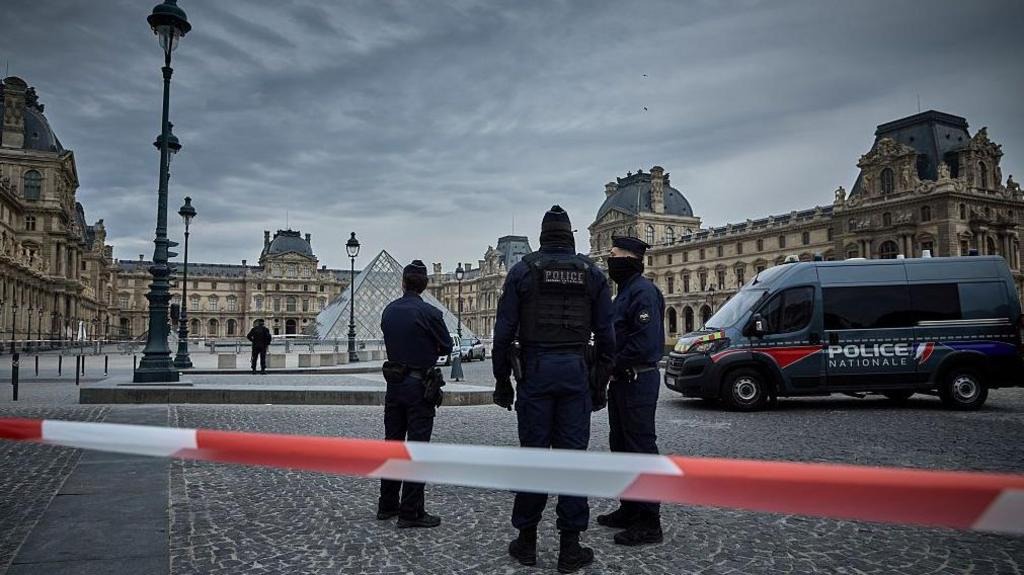
Major art thefts trigger immediate security lockdowns across affected institutions. Police secure entry and exit points to preserve physical evidence. Surveillance footage becomes one of the first tools used in investigations. Every second after the crime becomes crucial for tracking suspects.
Authorities often coordinate with international agencies within hours. Interpol and national crime units share intelligence rapidly. Airports, borders, and transport routes come under increased monitoring. This fast response reduces the chances of a quick escape.
 Via Fox News
Public awareness rises sharply once details become public. Media coverage spreads images of stolen artifacts worldwide. Museums issue official alerts to assist identification. Pressure builds on thieves as visibility increases. Films and television tend to focus on dramatic heists, which create the impression that art theft is highly sophisticated.
 Via The Independent
Collectors also avoid questionable pieces due to future legal claims. Ownership disputes may arise decades after purchase. Courts often rule in favor of original institutions or heirs. Financial loss becomes a serious risk for buyers. Rather than carefully orchestrated master plans, many thefts occur because of basic security gaps, overlooked vulnerabilities, or temporary lapses in protection.
Black-market sales become the only remaining option. Prices in these markets fall far below true value. Transactions rely heavily on secrecy and trust. Even then, exposure risk remains extremely high. Stolen treasures rarely bring the easy rewards imagined in fiction.
 Via CNN
 Via NBC News
Online platforms occasionally become temporary channels for stolen goods. Fake identities and encrypted communication help mask activity. Listings are removed quickly after inquiries. Tracking sellers becomes difficult for investigators. Once an artwork is stolen, the challenge of selling or moving it becomes extremely difficult due to tracking systems, provenance records, and increased scrutiny in legitimate markets.
 Via Smithsonian Magazine
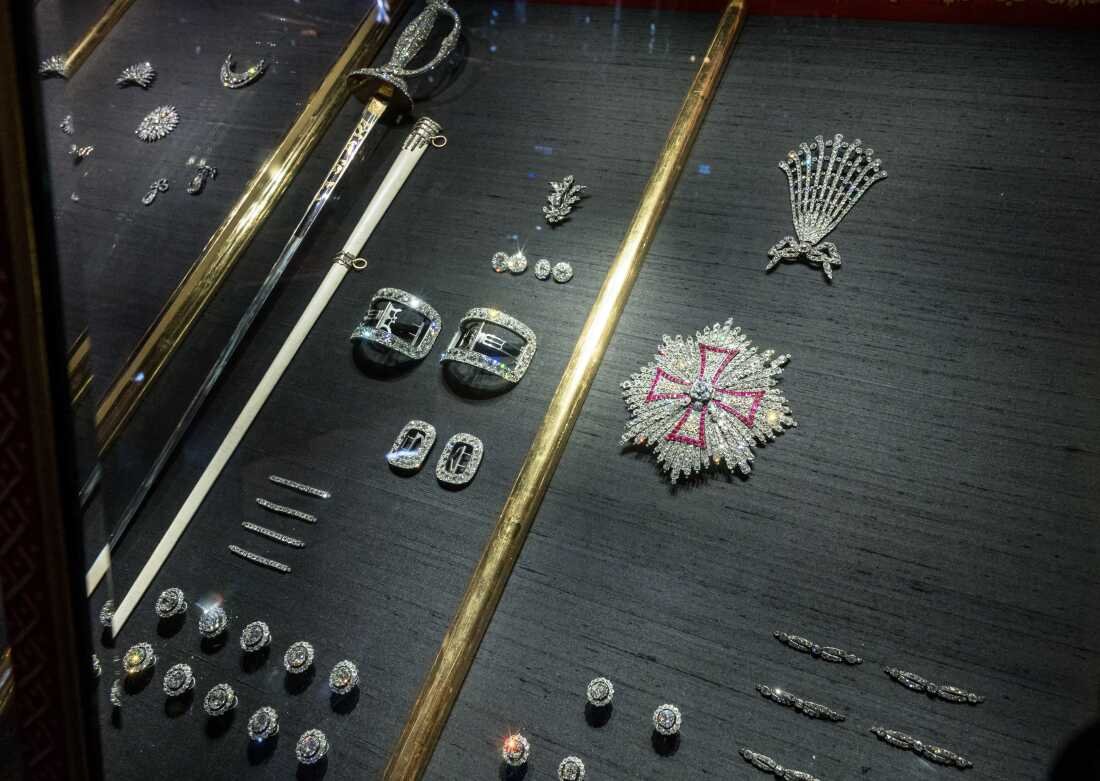
Even reduced resale value remains highly profitable. Precious stones retain global demand. Historic designs lose identity but not material worth. This makes jewelry a practical target for thieves. Unique pieces may never be seen again in their original form.
Stolen jewels can be melted or reset into new designs. Once altered, tracking becomes nearly impossible. Dealers in illegal markets may assist in resale. This creates a steady flow of hidden transactions. The emotional impact can be just as strong. Stolen items often hold deep historical meaning.
 Via NPR
 Via Town And Country Magazine
Criminal networks sometimes abandon stored artworks. Law enforcement then locates them during unrelated investigations. These recoveries may occur decades after theft. Patience remains essential in such cases.
 Via The Art Newspaper
Financial compensation sometimes goes to innocent buyers. However, physical ownership usually reverts to the original holders. This discourages careless purchasing in the art market. Trust and verification remain essential. Some thefts go unnoticed for long periods.
Legal proceedings often follow the discovery of stolen property. Original owners or institutions file claims for return. Courts evaluate evidence from both sides. Cases may take years to resolve fully. Despite challenges, recovery efforts continue. Advances in technology and databases improve tracking.
 Via Parametric Architect
 Via CNN
Ownership laws often favor original creators or institutions. Descendants may also file claims under certain conditions. Strong documentation is required for validation. Legal systems prioritize cultural preservation. As a result, recovery remains possible even long after the initial theft, sometimes occurring years or even decades later.
 Via Rolling Stone
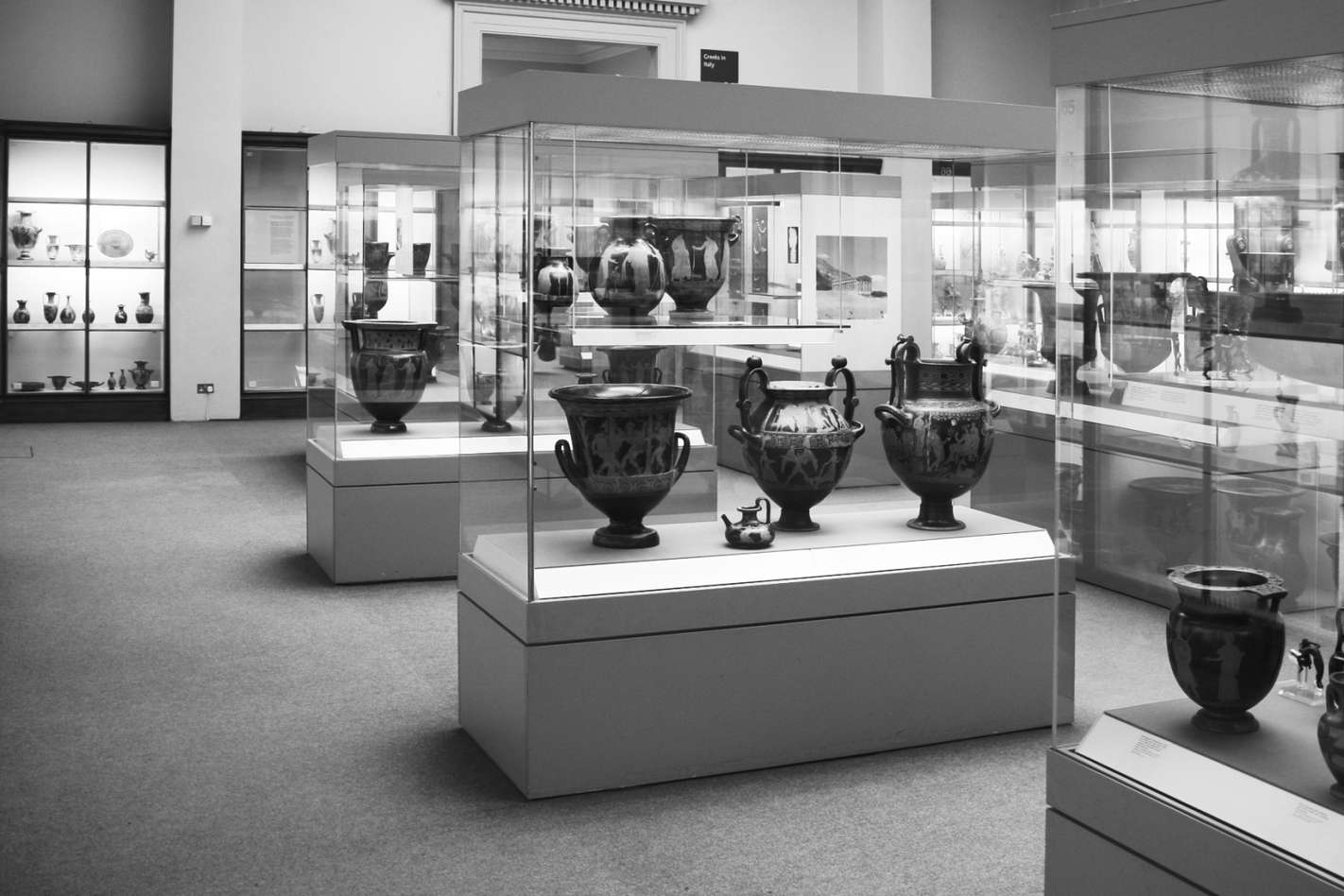
Technology plays a major role in modern security. Digital tracking and inventory systems improve accuracy. Regular audits ensure accountability. Protection strategies evolve constantly. Stolen art can be used as collateral or bargaining tools within illegal networks.
Not all artworks are displayed at once. Large portions stay in storage facilities. These areas require additional protection measures. Internal monitoring systems help reduce vulnerabilities. Its value lies not just in money, but also in influence and leverage. Over time, stolen treasures often resurface unexpectedly. Hidden risks eventually lead to discovery.
 Via Art Sentry
 Via BBC
Transport stages also create opportunities for theft. Artworks are vulnerable during loading and shipping. Even brief lapses can lead to loss. Security protocols are essential during movement. The aftermath is also more complex than shown in films. Selling stolen items is difficult and risky. The rewards are often uncertain. Attention does not fade quickly. Digital platforms have added another layer to this underground trade.
 Via Facilitiesnet
Public awareness often assists investigations. Tips from viewers help identify stolen items. Authorities use this information to track leads. Collaboration increases recovery potential. Many stolen pieces eventually resurface. This increases the chance of linking them back to the crime. Selling stolen assets requires secrecy and constant movement. Each transaction carries the risk of exposure.
Heightened attention also increases risk for thieves. Any attempt to sell becomes more dangerous. Visibility reduces anonymity significantly. This creates long-term challenges for criminals. Over time, the risks often outweigh the rewards. Life after a major art heist becomes increasingly difficult for criminals.
 Via The Week
As media coverage intensifies and law enforcement agencies increase scrutiny, any attempt to sell stolen works becomes far more dangerous and complex. The global art market, already tightly monitored, becomes even less accessible, with dealers, collectors, and institutions exercising extreme caution. This heightened visibility strips away the anonymity that thieves often rely on, making it increasingly difficult to operate without detection.
More in UnassignedVia Fox News
Public awareness rises sharply once details become public. Media coverage spreads images of stolen artifacts worldwide. Museums issue official alerts to assist identification. Pressure builds on thieves as visibility increases. Films and television tend to focus on dramatic heists, which create the impression that art theft is highly sophisticated.
Why Stolen Art Is Hard to Sell?
Artworks cannot be legally sold without verified ownership rights. This concept, known as “good title,” protects original owners. Any attempt to sell stolen art carries legal risk. Reputable galleries avoid such transactions completely. In reality, most incidents are far less complex and far more opportunistic than they appear in fiction.Via The Independent
Collectors also avoid questionable pieces due to future legal claims. Ownership disputes may arise decades after purchase. Courts often rule in favor of original institutions or heirs. Financial loss becomes a serious risk for buyers. Rather than carefully orchestrated master plans, many thefts occur because of basic security gaps, overlooked vulnerabilities, or temporary lapses in protection.
Black-market sales become the only remaining option. Prices in these markets fall far below true value. Transactions rely heavily on secrecy and trust. Even then, exposure risk remains extremely high. Stolen treasures rarely bring the easy rewards imagined in fiction.
Via CNN
The Underground Market for Stolen Treasures
An underground network supports illegal art and artifact sales. Private contacts often arrange hidden transactions. These deals take place in controlled and secret environments. Participants avoid digital traces whenever possible. The aftermath of such thefts is also much less glamorous than popular culture suggests. Organized crime groups sometimes store stolen art as assets. These items function like currency or leverage tools. They may remain hidden for years without sale. Value is preserved until the right opportunity appears. Stolen pieces often become liabilities rather than assets, as they are harder to monetize without drawing attention.Via NBC News
Online platforms occasionally become temporary channels for stolen goods. Fake identities and encrypted communication help mask activity. Listings are removed quickly after inquiries. Tracking sellers becomes difficult for investigators. Once an artwork is stolen, the challenge of selling or moving it becomes extremely difficult due to tracking systems, provenance records, and increased scrutiny in legitimate markets.
Jewelry and Gems - Easier to Monetize
Jewelry presents fewer obstacles compared to paintings or sculptures. Gems and metals can be separated easily. This removes identifiable links to original pieces. Criminals often prefer this type of theft. Poorly secured storage areas, unattended exhibition spaces, and predictable transport routes are frequently exploited.Via Smithsonian Magazine
Even reduced resale value remains highly profitable. Precious stones retain global demand. Historic designs lose identity but not material worth. This makes jewelry a practical target for thieves. Unique pieces may never be seen again in their original form.
Stolen jewels can be melted or reset into new designs. Once altered, tracking becomes nearly impossible. Dealers in illegal markets may assist in resale. This creates a steady flow of hidden transactions. The emotional impact can be just as strong. Stolen items often hold deep historical meaning.
Via NPR
Famous Cases of Stolen Art Recovery
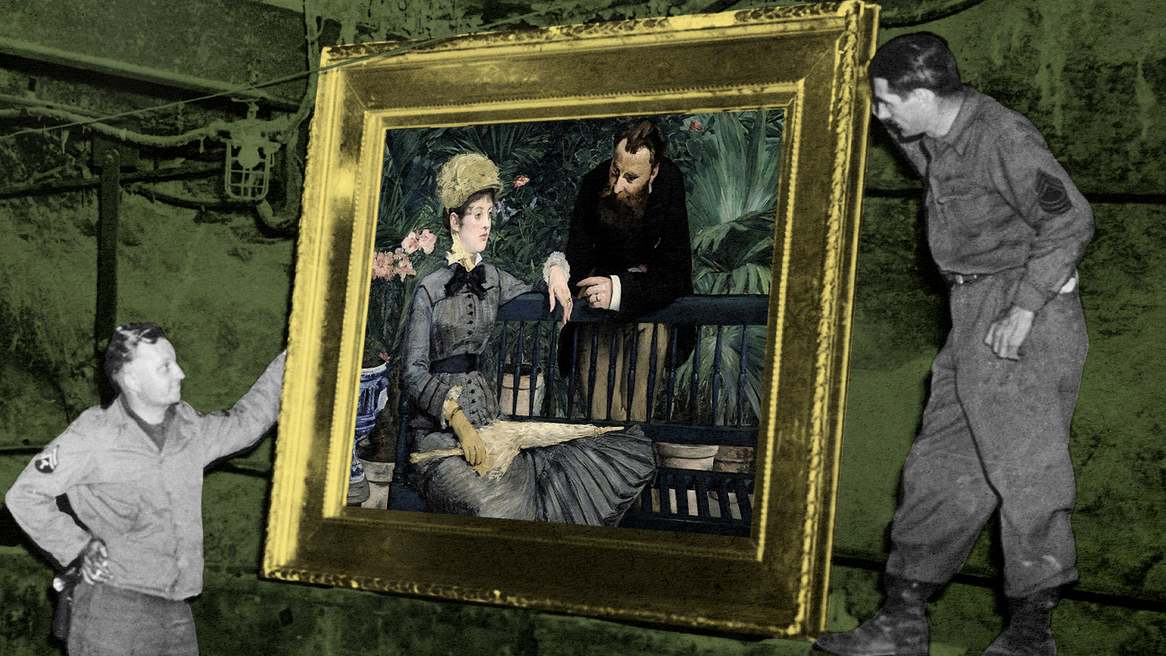
Some stolen artworks eventually resurface after long periods. Recovery often depends on chance discoveries. Hidden storage locations or raids reveal missing pieces. International cooperation plays a key role in success. Some stolen items appear briefly on online marketplaces before disappearing. Historical records help confirm authenticity during recovery. Documentation strengthens ownership claims in legal proceedings. Museums rely heavily on detailed archives. Without records, recovery becomes far more difficult. International databases and monitoring systems further narrow escape routes, linking suspicious sales across borders.Via Town And Country Magazine
Criminal networks sometimes abandon stored artworks. Law enforcement then locates them during unrelated investigations. These recoveries may occur decades after theft. Patience remains essential in such cases.
When Stolen Art Reaches Collectors
Stolen artwork sometimes enters legitimate collections unknowingly. Buyers may rely on incomplete verification. The issue surfaces only during later appraisal checks. This creates complex ownership disputes. Tracking them requires coordination between multiple agencies.Via The Art Newspaper
Financial compensation sometimes goes to innocent buyers. However, physical ownership usually reverts to the original holders. This discourages careless purchasing in the art market. Trust and verification remain essential. Some thefts go unnoticed for long periods.
Legal proceedings often follow the discovery of stolen property. Original owners or institutions file claims for return. Courts evaluate evidence from both sides. Cases may take years to resolve fully. Despite challenges, recovery efforts continue. Advances in technology and databases improve tracking.
Via Parametric Architect
The Role of International Laws
International agreements support the recovery of stolen cultural property. Countries collaborate through legal frameworks and shared databases. These systems improve tracking of stolen artifacts. Enforcement continues even after many years. This coordination also reduces the risk of artworks disappearing permanently into private collections or illegal markets. Cross-border cooperation strengthens enforcement outcomes. Art theft becomes a global legal issue. Coordination reduces the chances of permanent loss. Recovery remains possible long after theft. When countries share intelligence, databases, and recovery protocols, the chances of intercepting stolen works increase.Via CNN
Ownership laws often favor original creators or institutions. Descendants may also file claims under certain conditions. Strong documentation is required for validation. Legal systems prioritize cultural preservation. As a result, recovery remains possible even long after the initial theft, sometimes occurring years or even decades later.
How Museums Protect Their Collections?
Museums invest heavily in advanced security systems. Cameras, alarms, and controlled access points are standard tools. Staff undergoes strict training for risk prevention. Protection remains a continuous process. Criminal organizations sometimes play a role in these exchanges. Criminal gains remain uncertain and unstable. Outcomes rarely match expectations formed during the crime.Via Rolling Stone
Technology plays a major role in modern security. Digital tracking and inventory systems improve accuracy. Regular audits ensure accountability. Protection strategies evolve constantly. Stolen art can be used as collateral or bargaining tools within illegal networks.
Not all artworks are displayed at once. Large portions stay in storage facilities. These areas require additional protection measures. Internal monitoring systems help reduce vulnerabilities. Its value lies not just in money, but also in influence and leverage. Over time, stolen treasures often resurface unexpectedly. Hidden risks eventually lead to discovery.
Via Art Sentry
Inside Jobs and Transportation Risks
A significant number of thefts involve insider access. Employees may exploit knowledge of weak points. Trust becomes a critical security factor. Internal controls help reduce this risk. Popular culture often portrays art theft as glamorous and exciting. International agencies monitor suspicious sales. Some missing works disappear without immediate detection. Delayed discovery complicates investigations. Recovery chances decrease over time. Monitoring during transit remains crucial. Movies show carefully planned operations with smooth outcomes. Law enforcement maintains long-term investigations. Databases track missing artifacts globally.Via BBC
Transport stages also create opportunities for theft. Artworks are vulnerable during loading and shipping. Even brief lapses can lead to loss. Security protocols are essential during movement. The aftermath is also more complex than shown in films. Selling stolen items is difficult and risky. The rewards are often uncertain. Attention does not fade quickly. Digital platforms have added another layer to this underground trade.
The Impact of Public Attention
High-profile thefts attract global media attention quickly. Images of stolen artifacts circulate widely. This exposure limits resale opportunities. Criminals face increased pressure. Planning may be minimal compared to fictional portrayals. Pressure remains continuous.Via Facilitiesnet
Public awareness often assists investigations. Tips from viewers help identify stolen items. Authorities use this information to track leads. Collaboration increases recovery potential. Many stolen pieces eventually resurface. This increases the chance of linking them back to the crime. Selling stolen assets requires secrecy and constant movement. Each transaction carries the risk of exposure.
Heightened attention also increases risk for thieves. Any attempt to sell becomes more dangerous. Visibility reduces anonymity significantly. This creates long-term challenges for criminals. Over time, the risks often outweigh the rewards. Life after a major art heist becomes increasingly difficult for criminals.
Via The Week
As media coverage intensifies and law enforcement agencies increase scrutiny, any attempt to sell stolen works becomes far more dangerous and complex. The global art market, already tightly monitored, becomes even less accessible, with dealers, collectors, and institutions exercising extreme caution. This heightened visibility strips away the anonymity that thieves often rely on, making it increasingly difficult to operate without detection.