Unassigned
Optical Illusion - Seeing Red That Isn't There

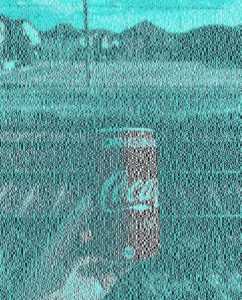
Optical illusions are tricks that fool your eyes and brain into seeing things that aren't really there. They show you how your vision can play games with us. One popular example is an image that looks like a bright red Coca-Cola can, but it has no red at all. Instead, it's made with black, white, and teal colors.
This illusion has gone viral online, making people around the world scratch their heads. It's a great way to learn about how you see colors and why your brains sometimes get it wrong. These illusions aren't just fun pictures. They teach you about science, like how light works and how your minds make sense of the world. When you look at something, your eyes catch light and send signals to your brain.
 Via Creative Bloq
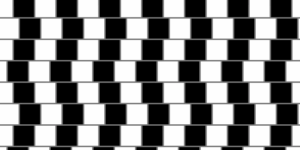
But the brain doesn't always see things exactly as they are. It uses clues from past experiences to fill in missing parts. That's why illusions can make straight lines look bent or still images seem to move. If you dive into this Coca-Cola can trick, you'll see why they're important and how they connect to everyday life.
 Via Reddit
This mix tricks your brain into seeing red where it doesn't exist. People share this on social media, and it shocks everyone who sees it. What makes this illusion so powerful is how it uses colors that are opposites. Teal is a blue-green shade, and red is its opposite on the color wheel.
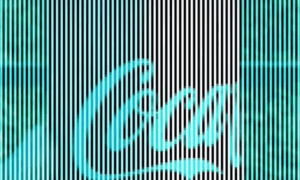
When gray is placed on teal, your eyes see it as red because of the contrast. This happens fast, without you thinking about it. Even knowing the truth, it's hard to stop seeing red. That's the magic of the illusion. It shows that seeing isn't always believing. Millions have viewed it, and it sparks talks about reality and perception.
 Via Daily Mail
 Via PNAS
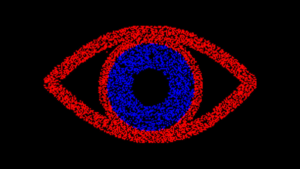
Our eyes have cells called cones that detect red, green, and blue light. When one color is strong, like teal (which has blue and green), the brain expects the opposite, red, to balance it. So, it "adds" red to the gray areas. This is automatic and helps you see in different lights. But illusions like this push it too far, showing the system's limits.
 Via Diamond Vision
But it's not just about the eyes. The brain uses context. If something looks like a banana, it might make it seem more yellow, even if the light is off. This is called color constancy. It helps you recognize objects in shade or sun. In illusions, though, context misleads. The Coca-Cola can uses familiar shapes and patterns, so the brain assumes red because that's what you know from real cans.
Problems can happen if cones don't work right, like in color blindness. Most color-blind people can't tell red from green well. Illusions like this might not work the same for them. Scientists study these to learn about brain wiring. Brain scans show activity in color areas even without real color input. It's proof that perception is half biology, half mind trick.
 Via Pantone
 Via Business Insider
Modern ones include the checker shadow illusion by Edward Adelson. Two squares on a checkerboard look different shades, but they're the same gray. A shadow tricks us. Or the impossible triangle by Roger Penrose, which can't exist in 3D but looks real in 2D. These show how illusions evolve with science and tech. Today, digital versions like the Coca-Cola can spread fast online.
 Via Live Science
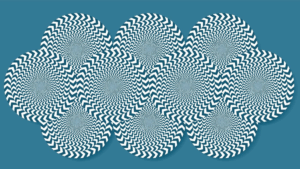
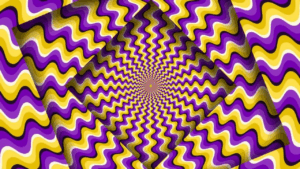
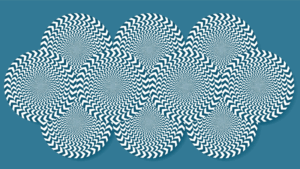
Illusions also reveal brain modularity. Different parts handle shape, motion, and color. When they conflict, you see weird things. For example, in motion illusions, still images move because motion detectors fire incorrectly. Stress or tiredness can make illusions stronger, as the brain is less sharp.
Psychologists use illusions to study disorders. In schizophrenia, people might see illusions differently, hinting at brain differences. Kids often see illusions less because their brains are still learning patterns. As you age, experience makes you more prone to some tricks. Understanding this helps in fields like aviation, where pilots train against visual errors.
 Via Kids News
 Via Bored Panda
Tech brings new illusions. Virtual reality can make you feel motion sick from fake movement. Phone screens trick eyes with high refresh rates. Augmented reality overlays digital on real, creating hybrid illusions. As AI makes better images, deepfakes could fool you more, raising questions about trust.
 Via New York Post
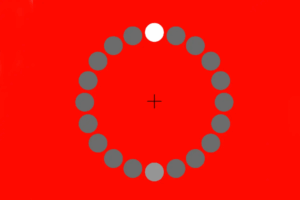
For color, put gray paper on colored backgrounds. Note how it changes tint. Use apps for more, like illusion generators. These experiments are safe and fun for kids, too. They teach science hands-on. Share results with friends to see if everyone sees the same. Differences highlight personal perception variations, like those from glasses or lighting.
 Via Artsy
In design, logos use negative space, like the FedEx arrow hidden in letters. It sticks in memory. Architects curve buildings subtly for grandeur. Video games use illusions for depth without real 3D. Think forced perspective in photos, making people look giant next to tiny towers. Illusions inspire creativity. They challenge norms and make you think.
 Via Live Science
Explore more illusions to sharpen your mind. They make science fun and relatable. In a world of filters and edits, knowing tricks helps spot fakes. Remember, seeing red might just be in your head. Keep looking deeper; reality has layers.
More in Unassigned
Via Creative Bloq
But the brain doesn't always see things exactly as they are. It uses clues from past experiences to fill in missing parts. That's why illusions can make straight lines look bent or still images seem to move. If you dive into this Coca-Cola can trick, you'll see why they're important and how they connect to everyday life.
The Viral Coca-Cola Can Illusion
At first, this image seems like a normal red soda can from Coca-Cola. The label looks bright red, the logo white, and everything pops against the background. But if you check closely with a color picker tool or zoom in, there's no red anywhere. The "red" parts are actually gray lines on a teal background.
Via Reddit
This mix tricks your brain into seeing red where it doesn't exist. People share this on social media, and it shocks everyone who sees it. What makes this illusion so powerful is how it uses colors that are opposites. Teal is a blue-green shade, and red is its opposite on the color wheel.
When gray is placed on teal, your eyes see it as red because of the contrast. This happens fast, without you thinking about it. Even knowing the truth, it's hard to stop seeing red. That's the magic of the illusion. It shows that seeing isn't always believing. Millions have viewed it, and it sparks talks about reality and perception.
Via Daily Mail
Understanding Simultaneous Color Contrast
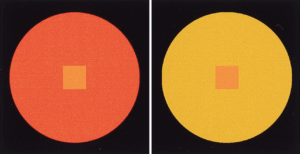
Simultaneous color contrast is the key behind this illusion. It's when two colors next to each other change how you see them both. For example, a gray spot on a light background looks darker, but on a dark background, it looks lighter. In the Coca-Cola can, the teal background makes the gray stripes look red. Your brains compare colors and adjusts them based on what's around. This effect was first studied by scientists in the 1800s. They found that colors aren't fixed; they depend on their neighbors. If you put orange next to blue, the orange seems brighter. The same goes for other pairs. In art, painters use this to make pictures more vivid. But in illusions, it's used to confuse us. Simultaneous contrast explains why the same dress can look blue and black to some, or white and gold to others.
Via PNAS
Our eyes have cells called cones that detect red, green, and blue light. When one color is strong, like teal (which has blue and green), the brain expects the opposite, red, to balance it. So, it "adds" red to the gray areas. This is automatic and helps you see in different lights. But illusions like this push it too far, showing the system's limits.
How the Eye and Brain Process Color
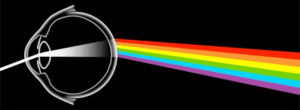
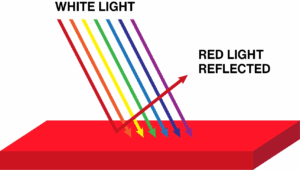
Color vision starts in the eyes. Light enters through the pupil and hits the retina at the back. There, millions of cones respond to different wavelengths: short for blue, medium for green, and long for red. These send electrical signals through the optic nerve to the brain. The brain's visual cortex puts it all together into the colors you see.
Via Diamond Vision
But it's not just about the eyes. The brain uses context. If something looks like a banana, it might make it seem more yellow, even if the light is off. This is called color constancy. It helps you recognize objects in shade or sun. In illusions, though, context misleads. The Coca-Cola can uses familiar shapes and patterns, so the brain assumes red because that's what you know from real cans.
Problems can happen if cones don't work right, like in color blindness. Most color-blind people can't tell red from green well. Illusions like this might not work the same for them. Scientists study these to learn about brain wiring. Brain scans show activity in color areas even without real color input. It's proof that perception is half biology, half mind trick.
Via Pantone
Famous Optical Illusions Through History
Optical illusions aren't new. Ancient Greeks used them in art, like in temple designs where columns look straight but are curved. In the 1800s, the Necker Cube became famous. It's a drawing of a cube that flips back and forth in your mind, seeming to face different ways. Another classic is the Müller-Lyer illusion. Two lines with arrows at the ends: one with arrows in, one out. They look different lengths, but they're the same. It fools you because of how you judge depth. Then there's the spinning dancer. A silhouette that seems to spin clockwise or counterclockwise, depending on how you look. It tests the brain hemispheres.
Via Business Insider
Modern ones include the checker shadow illusion by Edward Adelson. Two squares on a checkerboard look different shades, but they're the same gray. A shadow tricks us. Or the impossible triangle by Roger Penrose, which can't exist in 3D but looks real in 2D. These show how illusions evolve with science and tech. Today, digital versions like the Coca-Cola can spread fast online.
Why The Brain Gets Fooled by Illusions
Brains evolved to make quick decisions for survival. In the wild, guessing that a shadow is a predator could save your life. So, the brain takes shortcuts, called heuristics. These work most ttimebut fail in illusions. It assumes patterns based on experience, like expecting red on a Coke can.
Via Live Science
Illusions also reveal brain modularity. Different parts handle shape, motion, and color. When they conflict, you see weird things. For example, in motion illusions, still images move because motion detectors fire incorrectly. Stress or tiredness can make illusions stronger, as the brain is less sharp.
Psychologists use illusions to study disorders. In schizophrenia, people might see illusions differently, hinting at brain differences. Kids often see illusions less because their brains are still learning patterns. As you age, experience makes you more prone to some tricks. Understanding this helps in fields like aviation, where pilots train against visual errors.
Via Kids News
Optical Illusions in Everyday Life
Illusions aren't just lab stuff; they're everywhere. In fashion, stripes can make you look taller or slimmer due to line illusions. Road signs use colors that pop through contrast, keeping drivers safe. Makeup artists use shading to change face shapes, like contouring for higher cheekbones. In nature, animals use illusions too. Camouflage hides prey, like a stick insect looking like a twig. Predators use disruptive patterns to confuse. Even plants, like orchids, mimic bees to attract pollinators. Humans copy this in military camo or ads. Billboards use bold contrasts to grab attention fast.
Via Bored Panda
Tech brings new illusions. Virtual reality can make you feel motion sick from fake movement. Phone screens trick eyes with high refresh rates. Augmented reality overlays digital on real, creating hybrid illusions. As AI makes better images, deepfakes could fool you more, raising questions about trust.
Simple Experiments You Can Try at Home
Want to test illusions yourself? Start with the Coca-Cola one: find the image online and cover the teal parts. The "red" might vanish. Or try the afterimage effect. Stare at a red dot for 30 seconds, then look at white. You'll see a green dot. That's cones getting tired. Make a thaumatrope: draw a bird on one side of paper, a cage on the other. Spin it fast with a string; they merge. It shows persistence of vision, like movies.
Via New York Post
For color, put gray paper on colored backgrounds. Note how it changes tint. Use apps for more, like illusion generators. These experiments are safe and fun for kids, too. They teach science hands-on. Share results with friends to see if everyone sees the same. Differences highlight personal perception variations, like those from glasses or lighting.
The Role of Optical Illusions in Art and Design
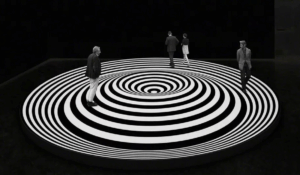
Artists love illusions for impact. M.C. Escher drew impossible stairs and waterfalls that loop forever. His work plays with perspective. Op art, like Bridget Riley's, uses lines and colors for movement illusions. It can make walls seem to wave.
Via Artsy
In design, logos use negative space, like the FedEx arrow hidden in letters. It sticks in memory. Architects curve buildings subtly for grandeur. Video games use illusions for depth without real 3D. Think forced perspective in photos, making people look giant next to tiny towers. Illusions inspire creativity. They challenge norms and make you think.
Explore the Illusion That Tricks Your Brain
Optical illusions like the Coca-Cola can teach you humility. Human senses are amazing but fallible. They mix biology, experience, and context into perception. Next time an illusion tricks you, smile, it's your brain working overtime.
Via Live Science
Explore more illusions to sharpen your mind. They make science fun and relatable. In a world of filters and edits, knowing tricks helps spot fakes. Remember, seeing red might just be in your head. Keep looking deeper; reality has layers.