Unassigned
New Visa Rule - $15,000 Bond Proposed for U.S. Visitors

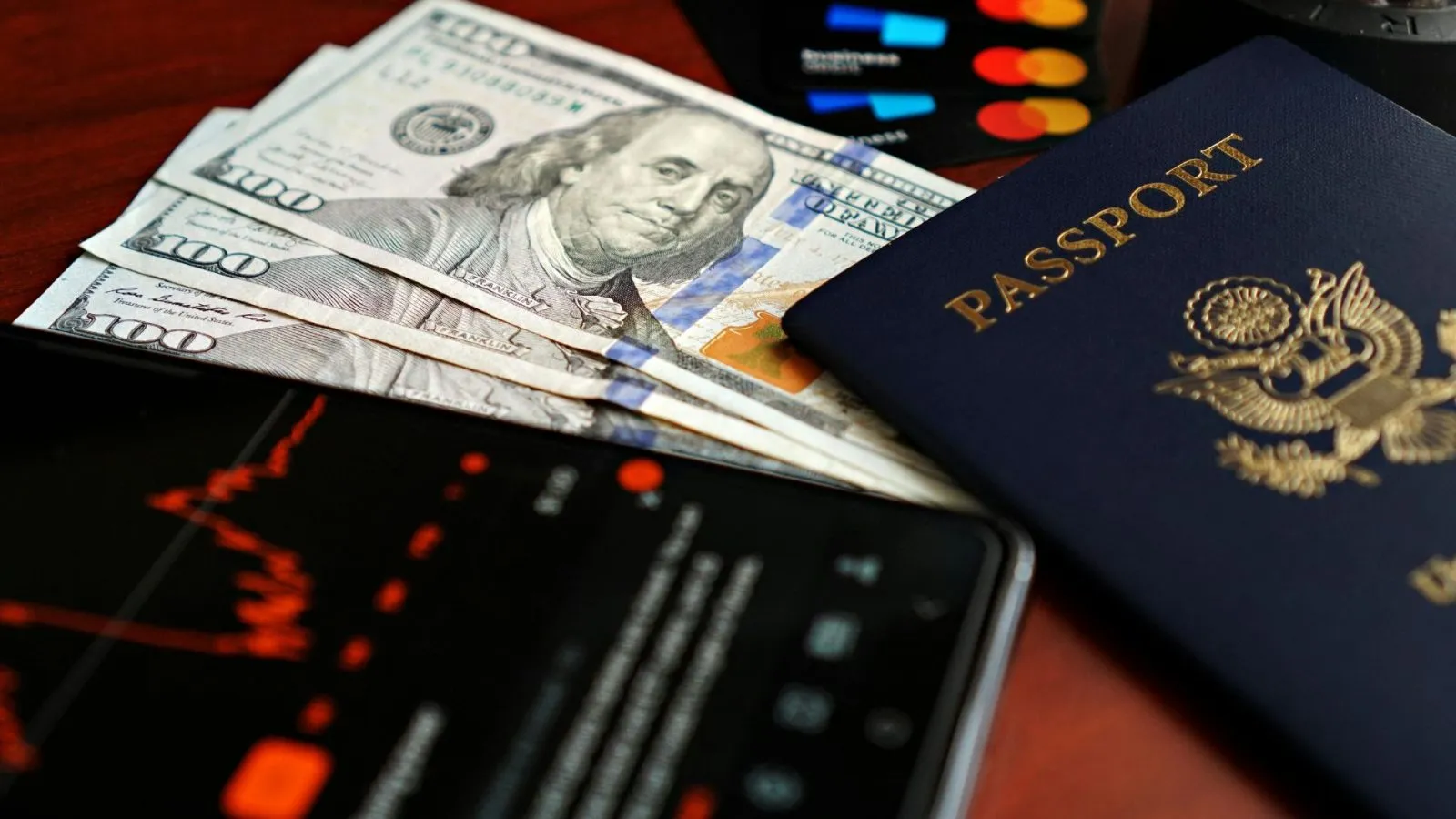
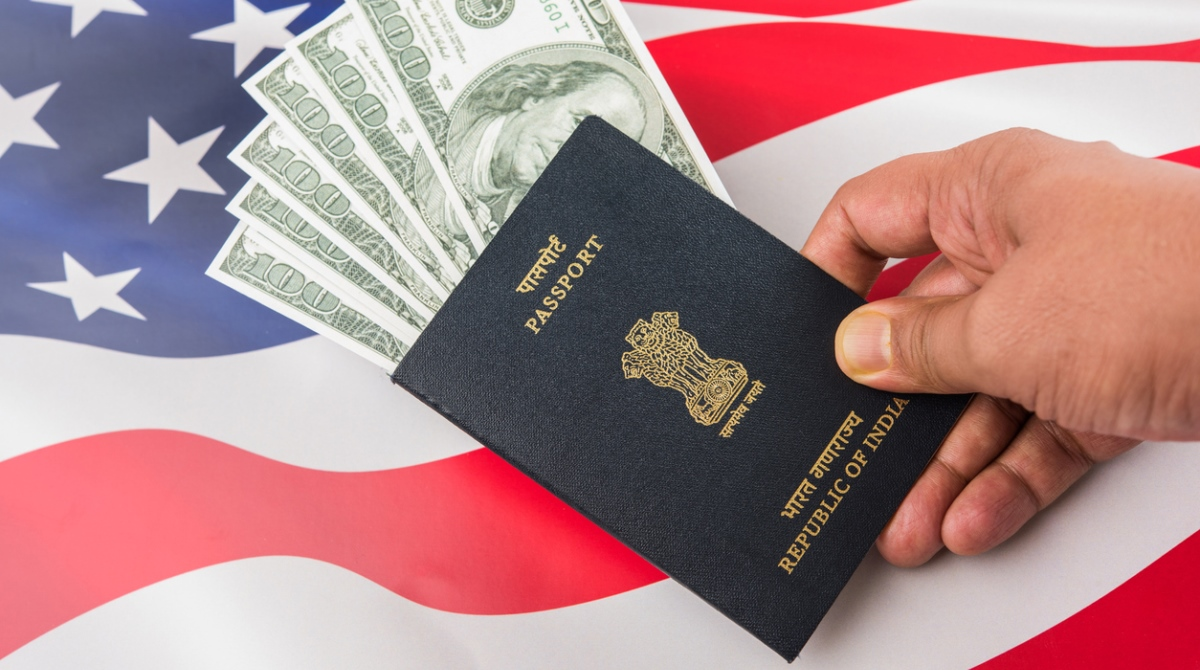
In a significant policy shift, the United States government is planning to implement a new visa regulation that would require certain foreign visitors to pay a bond of up to $15,000 before entering the country. This proposal, introduced by the State Department under the Trump administration, is part of a broader effort to reduce illegal immigration and address the issue of visa overstays.
If implemented, the policy could increase the cost of travel significantly for many applicants, particularly those from countries identified as high-risk for overstaying visas. The proposal outlines the launch of a 12-month pilot programme designed to test the effectiveness of this financial measure.
 Via Business Today
According to an official notice published in the Federal Register, this trial will focus on applicants for business and tourist visas originating from countries that have a history of high overstay rates and weak internal document security. The bond amount to be paid would vary depending on the applicant’s background, ranging from $5,000 to $15,000.
 Via Travel and Leisure Asia
Visitors who comply with all visa terms would have their bonds refunded. However, failure to leave the United States before the visa’s expiration would result in the forfeiture of the entire amount. A preview of the rule was posted on the Federal Register’s official website ahead of its formal release. It confirmed that the pilot programme is scheduled to begin within 15 days of publication.
The notice also stated that the policy is necessary to reinforce accountability and reduce instances of non-compliance among visitors. It specifically mentioned that the target group includes nationals from countries with unreliable vetting processes and those offering citizenship by investment with minimal or no residency requirements.
 Via Kanyi Daily News
 Via World Atlas
Most of the 42 nations currently in the programme are in Europe, while a few others are in Asia and the Middle East. For applicants who do fall under the new requirement, consular officers will evaluate individual circumstances and may waive the bond depending on the specifics of the case.
 Via CNN
This marked a reversal of earlier policies that had allowed for streamlined renewals without additional interviews, particularly for those who had previously complied with visa rules. Further, the administration is making changes to the Diversity Visa Lottery programme. Under the new proposal, individuals applying for the lottery would need to present a valid passport from their country of citizenship.
This requirement is intended to prevent fraudulent applications and ensure the authenticity of applicants’ national identity. These changes reflect a comprehensive approach to immigration reform, targeting both illegal entry and legal immigration channels.
 Via Reuters
 Via Expansion Solutions
Similar ideas have been discussed in the past, but were never fully implemented. The State Department previously resisted the adoption of visa bonds due to the complications involved in managing the process. Collecting, storing, and eventually returning the bond funds was seen as bureaucratically burdensome.
 Via Reuters
The proposed financial guarantee is a practical step to ensure compliance without significantly disrupting consular operations. Consular officers would have the authority to decide the bond amount in each case, with the guidelines recommending $10,000 as a standard figure.
The range allows flexibility, with lower or higher amounts considered based on risk factors and the applicant’s background. The bond funds will be returned to the traveller if they leave the United States within the timeframe permitted by their visa. However, those who violate the terms would forfeit the bond entirely.
 Via NPR
 Via SBNRI
Although it remains unclear how many people will be impacted by the programme, early estimates suggest that only a limited number of applicants, around 2,000 per year, would fall under its scope. Most of these are expected to come from a small number of countries with relatively low travel volumes to the United States.
 Via Travel Tomorrow
Many of these countries also feature in the travel bans previously issued under the Trump administration. Those bans, issued based on national security concerns, restricted or blocked entry from 19 countries either partially or fully. In parallel to the bond programme, a new provision was introduced in a spending package passed by the Republican-led Congress in July.
It adds a $250 “visa integrity fee” to non-immigrant visa applications. This fee, which becomes effective on October 1, is aimed at enhancing the verification processes involved in screening applicants. While the fee may be reimbursed for applicants who comply with visa terms, critics warn that it adds another layer of cost to an already expensive process.
 Via CNA
 Via The Washington Post
Others point out that targeting specific countries could raise diplomatic concerns and hinder international cooperation. The bond policy's possible repercussions have alarmed the U.S. Travel Association, which represents significant tourism-related businesses.
The organisation argues that implementing a bond system and additional fees could damage the appeal of the United States as a travel destination. Travel to the U.S. is already facing mounting challenges due to increased costs and policy uncertainty.
 Via The Jakarta Post
The travel sector has already experienced setbacks due to prior immigration restrictions and pandemic-related disruptions. For instance, transatlantic airfares dropped in May to rates not seen since before the pandemic, while cross-border travel from Canada and Mexico declined by 20 per cent year-over-year.
 Via bne intelliNews
This trial programme could shape future immigration policies and influence how the United States engages with visitors from around the world. If successful in its objectives, the bond system might become a permanent fixture in the visa process. If not, it may join the list of previous ideas that were tested and later abandoned.
More in Unassigned
Via Business Today
According to an official notice published in the Federal Register, this trial will focus on applicants for business and tourist visas originating from countries that have a history of high overstay rates and weak internal document security. The bond amount to be paid would vary depending on the applicant’s background, ranging from $5,000 to $15,000.
Visa Bonds Aimed at Ensuring Compliance with Immigration Rules
The State Department’s objective behind this new rule is to ensure that foreign visitors abide by the conditions of their temporary stay. By requiring a financial deposit, the government seeks to protect itself from the administrative and financial burdens of dealing with individuals who remain in the country illegally after their visa expires.
Via Travel and Leisure Asia
Visitors who comply with all visa terms would have their bonds refunded. However, failure to leave the United States before the visa’s expiration would result in the forfeiture of the entire amount. A preview of the rule was posted on the Federal Register’s official website ahead of its formal release. It confirmed that the pilot programme is scheduled to begin within 15 days of publication.
The notice also stated that the policy is necessary to reinforce accountability and reduce instances of non-compliance among visitors. It specifically mentioned that the target group includes nationals from countries with unreliable vetting processes and those offering citizenship by investment with minimal or no residency requirements.
Via Kanyi Daily News
Countries to Be Named After Implementation of the Program
While the policy is clear in its intention, the notice did not immediately specify which countries would be affected. Instead, it explained that the list of countries involved in the pilot programme would be made public only after the policy has been officially enacted. According to the State Department, the selection criteria are based on overstay data gathered by the Department of Homeland Security, although the exact methodology remains undisclosed. Applicants from countries participating in the Visa Waiver Program would be exempt from the bond requirement.
Via World Atlas
Most of the 42 nations currently in the programme are in Europe, while a few others are in Asia and the Middle East. For applicants who do fall under the new requirement, consular officers will evaluate individual circumstances and may waive the bond depending on the specifics of the case.
Policy Reflects Broader Immigration Crackdown Under Trump Administration
This proposed regulation is part of a wider strategy by the Trump administration to tighten immigration rules across the board. Just one week before the bond announcement, the State Department declared that a large number of visa renewal applicants would now be required to appear in person for interviews.
Via CNN
This marked a reversal of earlier policies that had allowed for streamlined renewals without additional interviews, particularly for those who had previously complied with visa rules. Further, the administration is making changes to the Diversity Visa Lottery programme. Under the new proposal, individuals applying for the lottery would need to present a valid passport from their country of citizenship.
This requirement is intended to prevent fraudulent applications and ensure the authenticity of applicants’ national identity. These changes reflect a comprehensive approach to immigration reform, targeting both illegal entry and legal immigration channels.
Via Reuters
Concerns Raised Over Affordability and Travel Impact
The introduction of the visa bond has drawn concern from various corners regarding its potential impact on international travel. Critics argue that the added financial burden could deter genuine tourists and business travellers from visiting the United States. Since the maximum bond amount of $15,000 represents a substantial sum for many people, the regulation may result in a sharp decline in travel applications from targeted countries. This is not the first time that visa bonds have been proposed as a solution.
Via Expansion Solutions
Similar ideas have been discussed in the past, but were never fully implemented. The State Department previously resisted the adoption of visa bonds due to the complications involved in managing the process. Collecting, storing, and eventually returning the bond funds was seen as bureaucratically burdensome.
State Department Says Previous Opposition Lacked Evidence
Despite these past reservations, the current administration believes that the time is right to move forward with a pilot programme. The latest notice claims that previous objections to visa bonds are not supported by any recent examples or evidence, especially since such measures have not been widely implemented in recent years.
Via Reuters
The proposed financial guarantee is a practical step to ensure compliance without significantly disrupting consular operations. Consular officers would have the authority to decide the bond amount in each case, with the guidelines recommending $10,000 as a standard figure.
The range allows flexibility, with lower or higher amounts considered based on risk factors and the applicant’s background. The bond funds will be returned to the traveller if they leave the United States within the timeframe permitted by their visa. However, those who violate the terms would forfeit the bond entirely.
Via NPR
Earlier Version of Programme Faced Setbacks During Pandemic
Interestingly, a similar bond programme was announced in November 2020, near the end of Trump’s first term in office. That earlier effort, however, did not advance beyond its initial stages due to the collapse of global travel brought on by the COVID-19 pandemic. With borders closed and flights cancelled worldwide, the policy lost its immediate relevance and was eventually shelved. Now, with international travel returning to pre-pandemic levels, the government is once again attempting to introduce the visa bond as a tool to regulate entry and stay.
Via SBNRI
Although it remains unclear how many people will be impacted by the programme, early estimates suggest that only a limited number of applicants, around 2,000 per year, would fall under its scope. Most of these are expected to come from a small number of countries with relatively low travel volumes to the United States.
Countries with High Overstay Rates Likely to Be Targeted
While the official list of affected nations has not been released, data from U.S. Customs and Border Protection provides clues. Several African nations, including Burundi, Djibouti, and Togo, as well as other nations including Haiti, Myanmar, Yemen, and Eritrea, have high overstay rates.
Via Travel Tomorrow
Many of these countries also feature in the travel bans previously issued under the Trump administration. Those bans, issued based on national security concerns, restricted or blocked entry from 19 countries either partially or fully. In parallel to the bond programme, a new provision was introduced in a spending package passed by the Republican-led Congress in July.
It adds a $250 “visa integrity fee” to non-immigrant visa applications. This fee, which becomes effective on October 1, is aimed at enhancing the verification processes involved in screening applicants. While the fee may be reimbursed for applicants who comply with visa terms, critics warn that it adds another layer of cost to an already expensive process.
Via CNA
A Policy That Signals Stricter Immigration Measures Ahead
The visa bond proposal underscores a broader shift in U.S. immigration policy that emphasises stricter entry controls, increased verification, and financial accountability. By requiring a significant financial deposit as a condition for visa approval, the government is placing the burden of compliance on the visitor. This approach reflects an increasing focus on reducing overstays through direct monetary consequences. At the same time, questions remain about the effectiveness and fairness of the policy. Critics argue that such a system might disproportionately affect applicants from poorer countries or those with legitimate reasons for visiting the United States.
Via The Washington Post
Others point out that targeting specific countries could raise diplomatic concerns and hinder international cooperation. The bond policy's possible repercussions have alarmed the U.S. Travel Association, which represents significant tourism-related businesses.
The organisation argues that implementing a bond system and additional fees could damage the appeal of the United States as a travel destination. Travel to the U.S. is already facing mounting challenges due to increased costs and policy uncertainty.
Via The Jakarta Post
The travel sector has already experienced setbacks due to prior immigration restrictions and pandemic-related disruptions. For instance, transatlantic airfares dropped in May to rates not seen since before the pandemic, while cross-border travel from Canada and Mexico declined by 20 per cent year-over-year.
Discover the U.S.’s Controversial $15K Visa Bond Plan.
As the pilot programme moves closer to implementation, all eyes are on how the State Department will manage the process and what outcomes will emerge. The bond requirement represents a dramatic shift in visa processing, blending immigration control with financial deterrence. Whether the policy will succeed in reducing visa overstays or simply discourage travel remains to be seen.
Via bne intelliNews
This trial programme could shape future immigration policies and influence how the United States engages with visitors from around the world. If successful in its objectives, the bond system might become a permanent fixture in the visa process. If not, it may join the list of previous ideas that were tested and later abandoned.