Unassigned
Nevada Supreme Court Sides With Gruden Over NFL

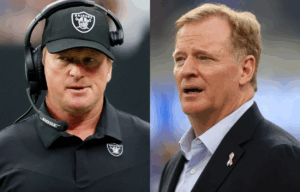
In his ongoing legal struggle with the NFL, Jon Gruden has emerged victorious. The Nevada Supreme Court decided in a 5-2 decision on August 11 that his complaint against the league could not be sent to private arbitration. This verdict overturns a previous finding by a panel of the same court that had favored the NFL and permits Gruden's case to proceed in public court.
Since Gruden was no longer employed at the time of the dispute, the court determined that an arbitration clause in the NFL's Constitution is "unconscionable" and does not apply to him. For Gruden, who has battled for years to have his claims publicly acknowledged, this ruling is important. It also challenges the league’s efforts to keep the matter behind closed doors through arbitration overseen by NFL Commissioner Roger Goodell.
 Via ublawsportsforum
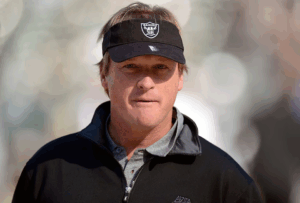
The victory is seen as a vindication for Gruden and raises questions about employer-imposed arbitration agreements across professional sports and other industries. The court highlighted the power disparity between the NFL and individual employees, particularly former ones like Gruden, by declaring the clause unconstitutional on both a procedural and substantive level.
 Via The Washington Post
Gruden’s legal team challenged the applicability and fairness of this clause. The court agreed, citing “procedural unconscionability” because Gruden had no opportunity to negotiate or remove the clause from his employment contract. The commissioner's authority to arbitrate conflicts involving himself was the source of the "substantive unconscionability." This undermines impartiality and due process.
The ability of the NFL to amend its constitution at any time without notifying affected individuals further compounded the unfairness. The court’s ruling made clear that the arbitration clause’s protections cannot extend to former employees, such as Gruden, who was no longer with the Raiders when the dispute arose. This interpretation removes the league’s ability to shield itself behind the clause in this particular lawsuit.
 Via Divorce Lawyers
By ruling this way, the court prevented the NFL from using the arbitration clause to silence Gruden through closed-door proceedings. This decision emphasizes the importance of transparency in cases involving public figures and high-profile organizations, especially when claims include allegations of misconduct by powerful leaders.
 Via Just Blog Baby
The emails were leaked to multiple media outlets, including The New York Times and The Wall Street Journal, sparking public outrage. Gruden was not an NFL employee when some of the emails were sent, but their exposure led to intense scrutiny and pressure, culminating in his departure from coaching.
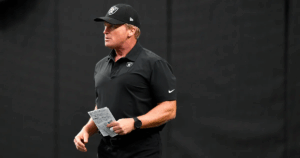
Gruden filed a lawsuit against the NFL and Commissioner Goodell in November 2021. He alleged the league engaged in a “malicious and orchestrated campaign” to leak the emails and destroy his reputation and career. The lawsuit contends that the NFL selectively targeted him, while emails from other league figures were withheld.
 Via New York Magazine
Gruden vowed that “the truth will come out” about others involved, suggesting that the league’s actions were part of a broader effort to damage him unfairly. The lawsuit became as much about exposing the NFL’s internal politics as it was about the content of the emails themselves.
 Via Sportico
The NFL has repeatedly attempted to dismiss the lawsuit or move it into arbitration. The league points to the broad arbitration clause in its constitution that binds all league employees. The NFL’s objective has been to avoid public exposure of the case by using arbitration overseen by the commissioner.
In 2022, Nevada’s Eighth Judicial District Court judge Nancy Allf ruled against the NFL’s motion to dismiss or compel arbitration, allowing the lawsuit to proceed publicly. The NFL immediately appealed the decision. In May 2024, a three-judge panel of the Nevada Supreme Court reversed the district court’s ruling and sided with the NFL, agreeing that arbitration was appropriate.
 Via FOX5 Vegas
Gruden’s attorneys challenged this by requesting a rehearing before the full court, which was initially denied. However, in October 2024, the court granted en banc reconsideration, meaning the full Nevada Supreme Court would review the case anew. This led to the current ruling in August 2025 that favored Gruden, overturning the prior panel decision.
 Via Wikipedia
The court noted that the NFL’s unilateral power to amend its constitution without notice further worsened the clause’s fairness. Such control enables the league to shape arbitration rules to its advantage, disadvantaging individual employees.
This ruling sets an important precedent, signaling that courts will scrutinize arbitration agreements that grant excessive power to employers, especially when those agreements extend beyond current employees. It highlights the dangers of private arbitration that can shield organizations and powerful individuals from public accountability.
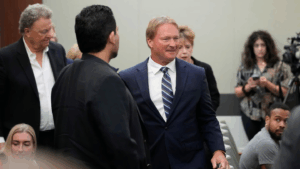 Via The Washington Post
The decision also underlines the importance of open courts for matters involving public interest and high-profile figures. In Gruden’s case, allowing the lawsuit to be heard publicly could expose how the NFL’s internal dynamics operate, potentially holding the league accountable for alleged misconduct.
 Via Front Office Sports
With the Nevada court ruling against arbitration, the NFL’s main recourse now is to petition the U.S. Supreme Court to review the case. However, the Supreme Court hears very few appeals, and it is uncertain if it will accept this one. If the NFL chooses not to appeal, or if the Supreme Court denies review, Gruden’s lawsuit will move forward in Nevada’s public courts.
This development could force the league to face discovery, depositions, and trial in an open setting, increasing public scrutiny. The NFL has reportedly hoped to avoid such an outcome, preferring to handle disputes privately to limit reputational damage. The court’s decision frustrates those efforts and potentially encourages others to challenge arbitration clauses in similar contracts.
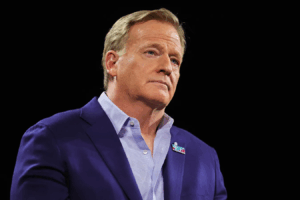 Via Forbes
 Via ABC7 News
He has publicly said he would "die to coach in the SEC," showing his willingness to rebuild his career outside the NFL spotlight. Gruden’s legal victory may help clear the way for this comeback by removing the legal cloud over his reputation. A public resolution of his claims could also restore some trust and open doors to new opportunities in football.
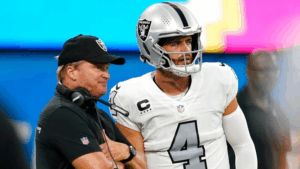 Via KOLO
As this case proceeds, it will likely attract widespread attention, shining a light on the inner workings of the NFL and its handling of controversial issues. The decision allows Gruden to publicly defend his character and seek justice. Beyond this case, the decision could influence how arbitration clauses are viewed in sports and other industries, encouraging more transparent legal processes.
It also underscores the importance of courts in balancing power between large organizations and individuals. Whether the NFL appeals to the U.S. Supreme Court remains to be seen, but for now, Gruden has won a significant legal battle that may shape the future of sports law and arbitration.
More in Unassigned
Via ublawsportsforum
The victory is seen as a vindication for Gruden and raises questions about employer-imposed arbitration agreements across professional sports and other industries. The court highlighted the power disparity between the NFL and individual employees, particularly former ones like Gruden, by declaring the clause unconstitutional on both a procedural and substantive level.
Recognizing the Arbitration Clause at the Case's Core
The NFL Constitution includes an arbitration clause that requires disputes involving league members, players, or employees to be settled through arbitration. This clause grants Commissioner Roger Goodell broad authority to arbitrate any conduct he deems detrimental to the league’s interests. The league has relied on this provision to argue that Gruden’s lawsuit should be resolved privately rather than in public court.
Via The Washington Post
Gruden’s legal team challenged the applicability and fairness of this clause. The court agreed, citing “procedural unconscionability” because Gruden had no opportunity to negotiate or remove the clause from his employment contract. The commissioner's authority to arbitrate conflicts involving himself was the source of the "substantive unconscionability." This undermines impartiality and due process.
The ability of the NFL to amend its constitution at any time without notifying affected individuals further compounded the unfairness. The court’s ruling made clear that the arbitration clause’s protections cannot extend to former employees, such as Gruden, who was no longer with the Raiders when the dispute arose. This interpretation removes the league’s ability to shield itself behind the clause in this particular lawsuit.
Via Divorce Lawyers
By ruling this way, the court prevented the NFL from using the arbitration clause to silence Gruden through closed-door proceedings. This decision emphasizes the importance of transparency in cases involving public figures and high-profile organizations, especially when claims include allegations of misconduct by powerful leaders.
Background - The Email Controversy and Gruden’s Resignation
Jon Gruden’s legal fight began in the wake of his resignation as Raiders head coach in October 2021. The resignation followed the release of private emails he sent during his years as an NFL analyst from 2011 to 2018. These emails contained racist, misogynistic, and homophobic language, which surfaced during an investigation into the Washington Football Team’s toxic workplace environment.
Via Just Blog Baby
The emails were leaked to multiple media outlets, including The New York Times and The Wall Street Journal, sparking public outrage. Gruden was not an NFL employee when some of the emails were sent, but their exposure led to intense scrutiny and pressure, culminating in his departure from coaching.
Gruden filed a lawsuit against the NFL and Commissioner Goodell in November 2021. He alleged the league engaged in a “malicious and orchestrated campaign” to leak the emails and destroy his reputation and career. The lawsuit contends that the NFL selectively targeted him, while emails from other league figures were withheld.
Via New York Magazine
Gruden vowed that “the truth will come out” about others involved, suggesting that the league’s actions were part of a broader effort to damage him unfairly. The lawsuit became as much about exposing the NFL’s internal politics as it was about the content of the emails themselves.
Legal Disputes Over Venue and Arbitration
Since the lawsuit’s inception, the legal battle has largely focused on where and how the case should be resolved. Gruden insists the dispute belongs in a public Nevada court rather than behind closed doors through arbitration. He argues that because he was no longer an employee, the NFL cannot compel him to arbitrate the case privately.
Via Sportico
The NFL has repeatedly attempted to dismiss the lawsuit or move it into arbitration. The league points to the broad arbitration clause in its constitution that binds all league employees. The NFL’s objective has been to avoid public exposure of the case by using arbitration overseen by the commissioner.
In 2022, Nevada’s Eighth Judicial District Court judge Nancy Allf ruled against the NFL’s motion to dismiss or compel arbitration, allowing the lawsuit to proceed publicly. The NFL immediately appealed the decision. In May 2024, a three-judge panel of the Nevada Supreme Court reversed the district court’s ruling and sided with the NFL, agreeing that arbitration was appropriate.
Via FOX5 Vegas
Gruden’s attorneys challenged this by requesting a rehearing before the full court, which was initially denied. However, in October 2024, the court granted en banc reconsideration, meaning the full Nevada Supreme Court would review the case anew. This led to the current ruling in August 2025 that favored Gruden, overturning the prior panel decision.
The Court’s Reasoning and Its Broader Implications
The Nevada Supreme Court’s ruling rests on the principle that arbitration clauses must be fair and mutually agreed upon. Since Gruden had no chance to negotiate the clause in the NFL Constitution, it was procedurally unconscionable. Moreover, allowing Commissioner Goodell to arbitrate disputes about his conduct was substantively unconscionable.
Via Wikipedia
The court noted that the NFL’s unilateral power to amend its constitution without notice further worsened the clause’s fairness. Such control enables the league to shape arbitration rules to its advantage, disadvantaging individual employees.
This ruling sets an important precedent, signaling that courts will scrutinize arbitration agreements that grant excessive power to employers, especially when those agreements extend beyond current employees. It highlights the dangers of private arbitration that can shield organizations and powerful individuals from public accountability.
Via The Washington Post
The decision also underlines the importance of open courts for matters involving public interest and high-profile figures. In Gruden’s case, allowing the lawsuit to be heard publicly could expose how the NFL’s internal dynamics operate, potentially holding the league accountable for alleged misconduct.
NFL’s Response and Possible Next Steps
Regarding the Nevada Supreme Court's decision, the NFL has not yet made a public statement. The league has consistently argued that Gruden's claim is without merit and that he was the only one responsible for the disparaging emails. In 2022, the league's spokesperson called the allegations "completely baseless" and promised a robust defense.
Via Front Office Sports
With the Nevada court ruling against arbitration, the NFL’s main recourse now is to petition the U.S. Supreme Court to review the case. However, the Supreme Court hears very few appeals, and it is uncertain if it will accept this one. If the NFL chooses not to appeal, or if the Supreme Court denies review, Gruden’s lawsuit will move forward in Nevada’s public courts.
This development could force the league to face discovery, depositions, and trial in an open setting, increasing public scrutiny. The NFL has reportedly hoped to avoid such an outcome, preferring to handle disputes privately to limit reputational damage. The court’s decision frustrates those efforts and potentially encourages others to challenge arbitration clauses in similar contracts.
Via Forbes
Jon Gruden’s Coaching Legacy and Future Ambitions
Jon Gruden’s coaching career spans more than 15 years in the NFL. He first served as head coach of the Oakland Raiders from 1998 to 2001. After that, he spent seven seasons coaching the Tampa Bay Buccaneers, which won a Super Bowl in 2002. After leaving coaching, Gruden worked as an analyst for ESPN before returning to the Raiders in 2018. His overall NFL coaching record stands at 117 wins and 112 losses, reflecting a long and mostly successful career. However, the email scandal and subsequent resignation in 2021 marked a dramatic and unexpected end to his latest coaching chapter. Despite the controversy, Gruden has expressed a strong desire to return to coaching, focusing now on the college level.
Via ABC7 News
He has publicly said he would "die to coach in the SEC," showing his willingness to rebuild his career outside the NFL spotlight. Gruden’s legal victory may help clear the way for this comeback by removing the legal cloud over his reputation. A public resolution of his claims could also restore some trust and open doors to new opportunities in football.
Discover the Hidden Strategy Behind Gruden’s Court Victory
The Nevada Supreme Court’s ruling represents a landmark moment in Jon Gruden’s ongoing legal conflict with the NFL. The court upheld Gruden's right to a public hearing by dismissing the league's attempt to compel arbitration. This decision challenges the NFL’s powerful arbitration framework and highlights the risks of allowing employers to control dispute resolution.
Via KOLO
As this case proceeds, it will likely attract widespread attention, shining a light on the inner workings of the NFL and its handling of controversial issues. The decision allows Gruden to publicly defend his character and seek justice. Beyond this case, the decision could influence how arbitration clauses are viewed in sports and other industries, encouraging more transparent legal processes.
It also underscores the importance of courts in balancing power between large organizations and individuals. Whether the NFL appeals to the U.S. Supreme Court remains to be seen, but for now, Gruden has won a significant legal battle that may shape the future of sports law and arbitration.