Unassigned
Intel Stock Falls as Trump Demands CEO's Immediate Resignation

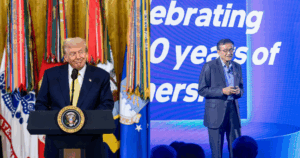
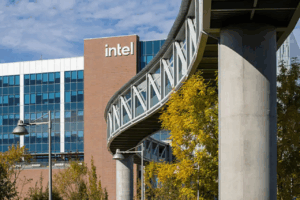
Intel Corporation is facing both political scrutiny and market pressure after former President Donald Trump called for the immediate resignation of Chief Executive Officer Lip-Bu Tan. The unusual intervention from a president targeting a corporate leader sent shockwaves through financial markets and reignited debates about the intersection of national security concerns and corporate governance.
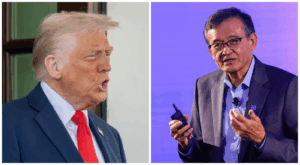
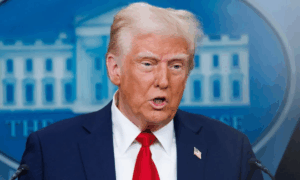
The controversy has also placed renewed attention on Intel’s efforts to recover its standing in the competitive semiconductor industry. Trump issued his statement on Thursday through a post on Truth Social, describing Tan as “highly conflicted” and insisting there was “no other solution” than his immediate resignation.
 Via Cybernews
His public remarks quickly drew widespread attention, not only for their direct nature but also for their timing, coming just days after a Republican senator raised formal concerns about Tan’s business connections to China. The statement marked one of the most confrontational between a U.S. president and the head of a major American technology company in recent years.
 Via PYMNTS
His letter also asked whether Tan had divested from these holdings to prevent conflicts of interest, a question to which no public answer has yet been provided. Tan's prior position as CEO of Cadence Design Systems was also a source of the senator's worries. Cadence recently entered a guilty plea to export control violations, according to the US Department of Justice.
The National University of Defense Technology in China was the buyer of the technology in question. The company agreed to pay significant criminal penalties, and the Department of Commerce’s Bureau of Industry and Security imposed additional fines. While Tan himself was not charged, his leadership during the period in question has been cited as a reason for political unease.
 Via Mothership
 Via Seeking Alpha
Analysts have long observed that Wall Street’s sentiment toward Intel remains cautious, with many maintaining hold or sell recommendations. The company’s recovery plan was already under significant strain from aggressive competition, particularly from Nvidia, as well as from shifts in technology trends that demand swift adaptation.
 Via Fast Company
The company emphasized that it is the only American firm currently investing in leading logic process node development within the United States. Intel also underscored that it, along with its board and leadership team, remains aligned with national interests and is actively engaged with the administration.
This public defense echoed comments made earlier in the year, when questions about Tan’s investments first surfaced. At the time, Intel stated that it manages potential conflicts by Securities and Exchange Commission requirements and that Tan had completed disclosure questionnaires addressing such matters.
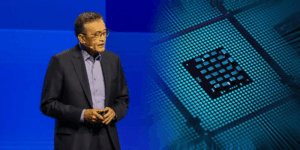 Via News az
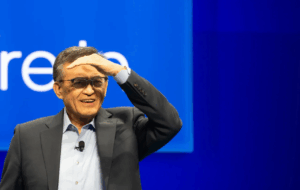 Via Stocktwits
Intel’s board saw his extensive industry experience as an asset in driving innovation and rebuilding market share. However, his business links to Asia, particularly China, have become a focal point for critics concerned about national security.
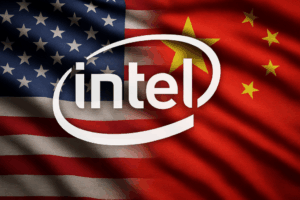 Via Igor’s Lab
These measures have been supported by both Republicans and Democrats, reflecting a rare bipartisan alignment on the need to reduce dependence on Chinese supply chains. Senator Cotton’s letter to Intel was not his first warning about potential vulnerabilities. He has also written to the Department of Defense urging a ban on non-U.S. citizens in roles that grant access to defense networks.
His broader argument is that Chinese intelligence operations seek to exploit corporate and technological access points, posing a threat to critical infrastructure and national defense systems. In support of Trump’s position, Republican Senators Bernie Moreno of Ohio and Rick Scott of Florida publicly backed the call for Tan’s resignation. Their endorsements signaled that the issue can develop into a sustained political campaign with policy implications for the semiconductor industry.
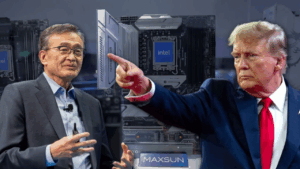 Via Vocal Media
 Via Rolling Out
This plan was described as necessary for “right-sizing” the company. The foundry division, which produces chips for other companies, reported an operating loss exceeding three billion dollars, leading to further cuts in that segment and further problems.
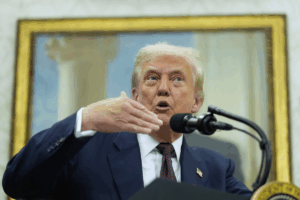 Via Newsweek
Critics argue that any perception of divided loyalties or conflicting interests could undermine the purpose of the government’s support. The White House has emphasized that President Trump’s stance is rooted in a commitment to safeguarding national and economic security.
In a statement, a White House official said that ensuring leadership at major American technology companies can be trusted is central to these goals. This perspective aligns with broader efforts to keep advanced manufacturing capabilities within the United States and limit technology transfers to geopolitical rivals.
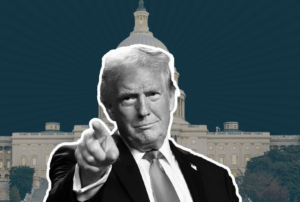 Via TechPowerUp
 Via Data Center Dynamics
Janet Egan, senior fellow at the Center for a New American Security, noted that continuity in leadership is critical for expanding domestic chip capacity, an area where Intel has struggled to meet its targets. She warned that political pressure, if mishandled, could exacerbate the company’s operational difficulties.
 Via Investing
Whether Tan remains in his position or steps down, the episode underscores the growing influence of geopolitical considerations in the technology sector. For Intel, the outcome will shape not only its leadership but also its ability to compete in a rapidly evolving market where both political and technological challenges are intertwined.
Intel continues to assert its dedication to U.S. economic and security interests, while political voices grow louder in demanding a change at the top. The company’s performance in the coming months, both in financial results and in managing its relationships with government stakeholders, will be closely watched by industry observers and policymakers alike.
More in Unassigned
Via Cybernews
His public remarks quickly drew widespread attention, not only for their direct nature but also for their timing, coming just days after a Republican senator raised formal concerns about Tan’s business connections to China. The statement marked one of the most confrontational between a U.S. president and the head of a major American technology company in recent years.
Political Concerns Intensify
Senator Tom Cotton of Arkansas, the chairman of the Senate Intelligence Committee, had earlier sent a letter to Intel’s board of directors questioning Tan’s investments in Chinese semiconductor companies. Cotton alleged that several of these firms have ties to the Chinese Communist Party and the People’s Liberation Army.
Via PYMNTS
His letter also asked whether Tan had divested from these holdings to prevent conflicts of interest, a question to which no public answer has yet been provided. Tan's prior position as CEO of Cadence Design Systems was also a source of the senator's worries. Cadence recently entered a guilty plea to export control violations, according to the US Department of Justice.
The National University of Defense Technology in China was the buyer of the technology in question. The company agreed to pay significant criminal penalties, and the Department of Commerce’s Bureau of Industry and Security imposed additional fines. While Tan himself was not charged, his leadership during the period in question has been cited as a reason for political unease.
Via Mothership
Market Impact and Investor Reactions
Following Trump’s statement, Intel’s shares experienced a sharp downturn in premarket trading, at one stage falling by as much as five percent. By midday in New York, the decline had moderated slightly, with the stock closing more than three percent lower. This performance stood in contrast to the broader market, where indexes such as the technology-focused Nasdaq registered gains on the same day, highlighting how specific the selloff was to Intel’s situation. Investor reaction reflected unease over the potential fallout from the public confrontation between the former president and the company’s leadership. The incident introduced a layer of political uncertainty that compounded existing operational and market pressures. At a time when the semiconductor industry is experiencing rapid changes in demand patterns, the prospect of leadership instability added further doubt about Intel’s short-term trajectory.
Via Seeking Alpha
Analysts have long observed that Wall Street’s sentiment toward Intel remains cautious, with many maintaining hold or sell recommendations. The company’s recovery plan was already under significant strain from aggressive competition, particularly from Nvidia, as well as from shifts in technology trends that demand swift adaptation.
Intel’s Public Response
In response to the growing criticism, Intel issued a statement affirming its commitment to advancing United States national and economic security. The company highlighted its multibillion-dollar investments in domestic semiconductor research, development, and manufacturing. Intel pointed specifically to its new fabrication facility in Arizona, which it says will operate the most advanced manufacturing process in the country.
Via Fast Company
The company emphasized that it is the only American firm currently investing in leading logic process node development within the United States. Intel also underscored that it, along with its board and leadership team, remains aligned with national interests and is actively engaged with the administration.
This public defense echoed comments made earlier in the year, when questions about Tan’s investments first surfaced. At the time, Intel stated that it manages potential conflicts by Securities and Exchange Commission requirements and that Tan had completed disclosure questionnaires addressing such matters.
Via News az
Background on Lip-Bu Tan
Lip-Bu Tan, a naturalized United States citizen born in Malaysia and raised in Singapore, is a well-known figure in the semiconductor and venture capital industries. He founded Walden International in 1987, a venture capital firm that has funded numerous technology start-ups, including chip manufacturers. His investment history includes stakes in both Taiwanese and Chinese semiconductor firms, among them the state-owned Semiconductor Manufacturing International Corporation. In March 2025, Tan was appointed Chief Executive Officer of Intel, succeeding Pat Gelsinger, with the task of steering the company through a period of declining sales and intense global competition.
Via Stocktwits
Intel’s board saw his extensive industry experience as an asset in driving innovation and rebuilding market share. However, his business links to Asia, particularly China, have become a focal point for critics concerned about national security.
Congressional Scrutiny and National Security Debate
The controversy has unfolded against a backdrop of heightened tensions between the United States and China over technology and trade. Since Trump’s first term, Washington has steadily tightened restrictions on business ties involving advanced technology sectors, citing security risks.
Via Igor’s Lab
These measures have been supported by both Republicans and Democrats, reflecting a rare bipartisan alignment on the need to reduce dependence on Chinese supply chains. Senator Cotton’s letter to Intel was not his first warning about potential vulnerabilities. He has also written to the Department of Defense urging a ban on non-U.S. citizens in roles that grant access to defense networks.
His broader argument is that Chinese intelligence operations seek to exploit corporate and technological access points, posing a threat to critical infrastructure and national defense systems. In support of Trump’s position, Republican Senators Bernie Moreno of Ohio and Rick Scott of Florida publicly backed the call for Tan’s resignation. Their endorsements signaled that the issue can develop into a sustained political campaign with policy implications for the semiconductor industry.
Via Vocal Media
Corporate Challenges Beyond Politics
While the political scrutiny has dominated headlines, Intel is already dealing with significant operational and financial challenges. The company has been forced to adapt quickly to changing market conditions and increased competition. In recent months, Intel announced cost-cutting measures, including thousands of job reductions and the scaling back of certain manufacturing projects. Planned fabrication facilities in Germany and Poland have been canceled, while testing and assembly operations in Vietnam and Malaysia have been consolidated. Construction on a new chip plant in Ohio has also been slowed. These measures reflect a strategy to adjust investment levels to the current market.
Via Rolling Out
This plan was described as necessary for “right-sizing” the company. The foundry division, which produces chips for other companies, reported an operating loss exceeding three billion dollars, leading to further cuts in that segment and further problems.
Government Support and Expectations
Intel has been a major beneficiary of the CHIPS and Science Act, signed into law in 2022, which aims to boost domestic semiconductor production. The company has received more than eight billion dollars in federal funding under the program. This public investment has heightened expectations that Intel will act in ways consistent with U.S. security and economic goals.
Via Newsweek
Critics argue that any perception of divided loyalties or conflicting interests could undermine the purpose of the government’s support. The White House has emphasized that President Trump’s stance is rooted in a commitment to safeguarding national and economic security.
In a statement, a White House official said that ensuring leadership at major American technology companies can be trusted is central to these goals. This perspective aligns with broader efforts to keep advanced manufacturing capabilities within the United States and limit technology transfers to geopolitical rivals.
Via TechPowerUp
Industry Perspectives and Speculation
Some industry analysts suggest that the public confrontation between Trump and Tan may be connected to broader negotiations over Intel’s strategic direction. Patrick Moorhead, founder of Moor Insights & Strategy, speculated that Trump could be leveraging the controversy to influence Intel’s investment decisions or its reported interest in partnerships with foreign semiconductor companies. According to Moorhead, other technology leaders have responded to similar presidential pressure by making visible commitments to domestic investment, and Intel may have underestimated the importance of maintaining strong political alignment. However, experts also caution that abrupt leadership changes could disrupt Intel’s turnaround plans.
Via Data Center Dynamics
Janet Egan, senior fellow at the Center for a New American Security, noted that continuity in leadership is critical for expanding domestic chip capacity, an area where Intel has struggled to meet its targets. She warned that political pressure, if mishandled, could exacerbate the company’s operational difficulties.
Discover How One Tweet Sent Intel’s Market Value Tumbling
The clash between political priorities and corporate governance leaves Intel in a delicate position. On one hand, the company must reassure investors, customers, and employees that it can navigate the controversy without derailing its long-term strategy. It faces sustained scrutiny from policymakers who are increasingly willing to intervene in corporate matters when national security is at stake.
Via Investing
Whether Tan remains in his position or steps down, the episode underscores the growing influence of geopolitical considerations in the technology sector. For Intel, the outcome will shape not only its leadership but also its ability to compete in a rapidly evolving market where both political and technological challenges are intertwined.
Intel continues to assert its dedication to U.S. economic and security interests, while political voices grow louder in demanding a change at the top. The company’s performance in the coming months, both in financial results and in managing its relationships with government stakeholders, will be closely watched by industry observers and policymakers alike.