Unassigned
Inside NYC’s Best Vegetarian Italian Hero Sandwich
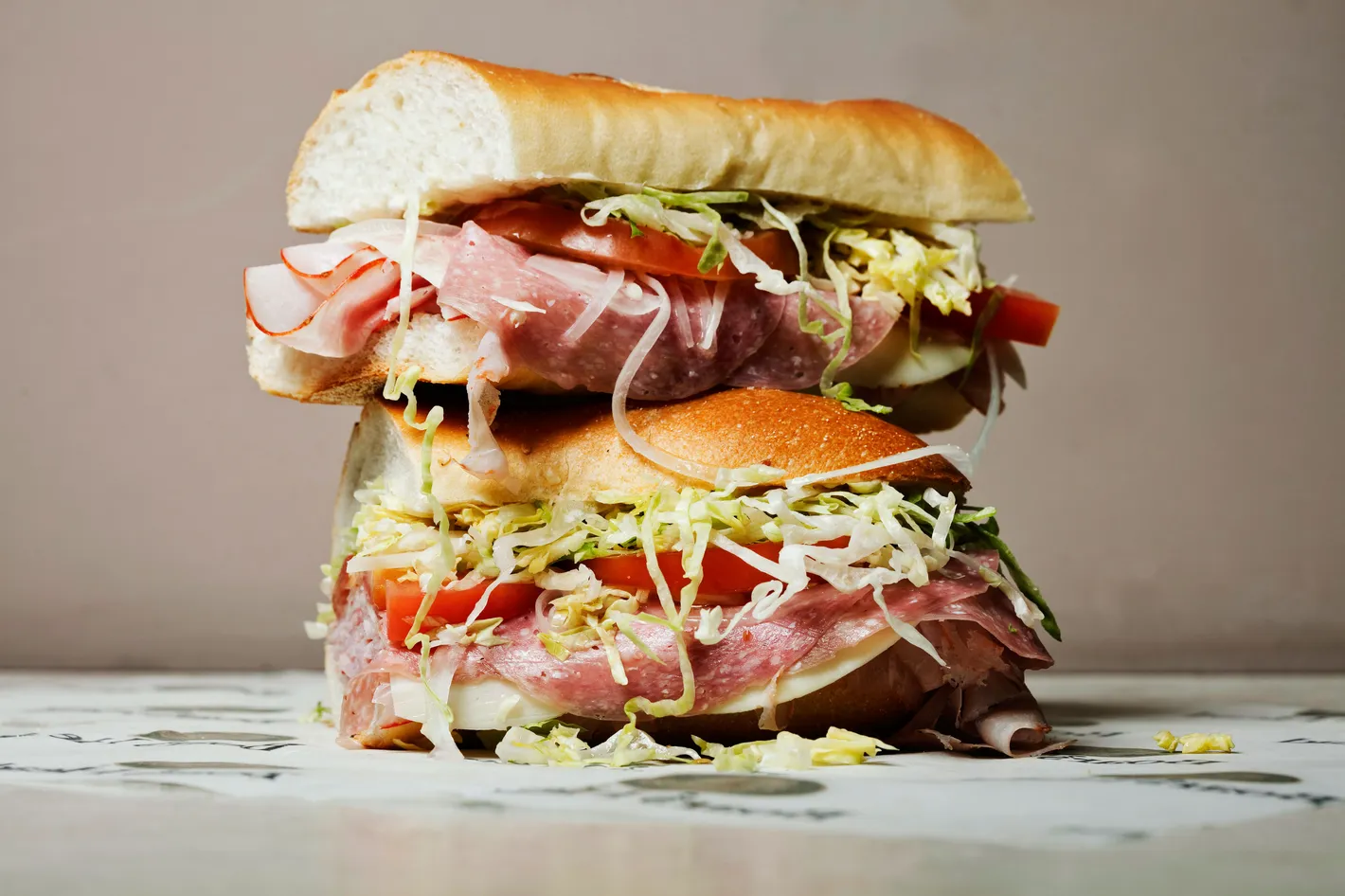
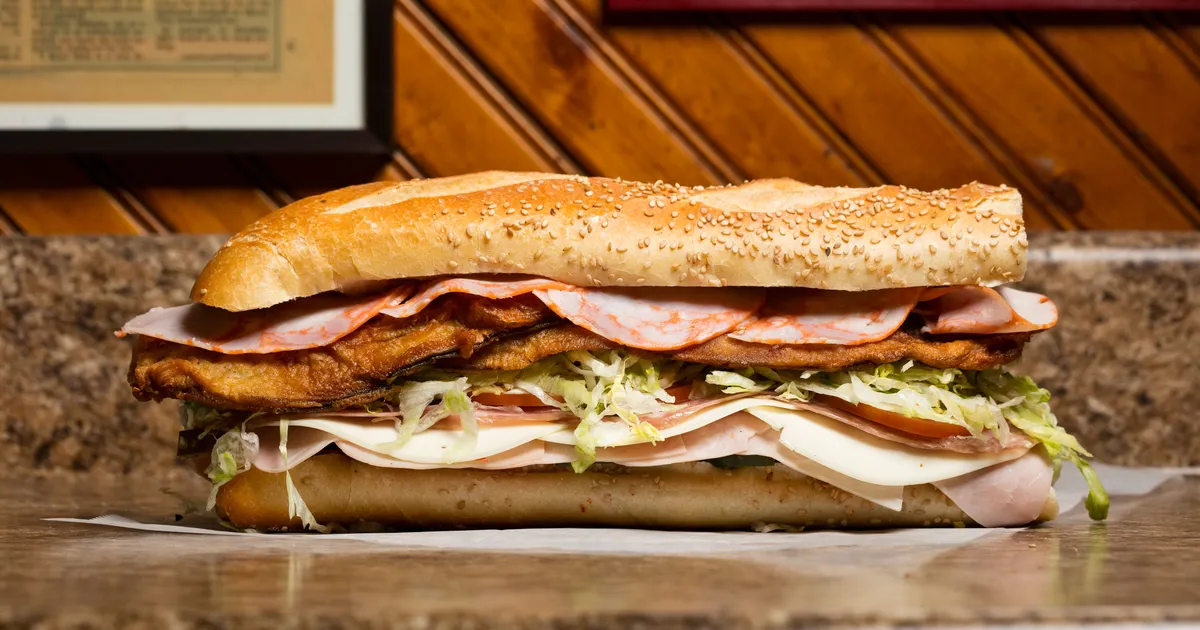
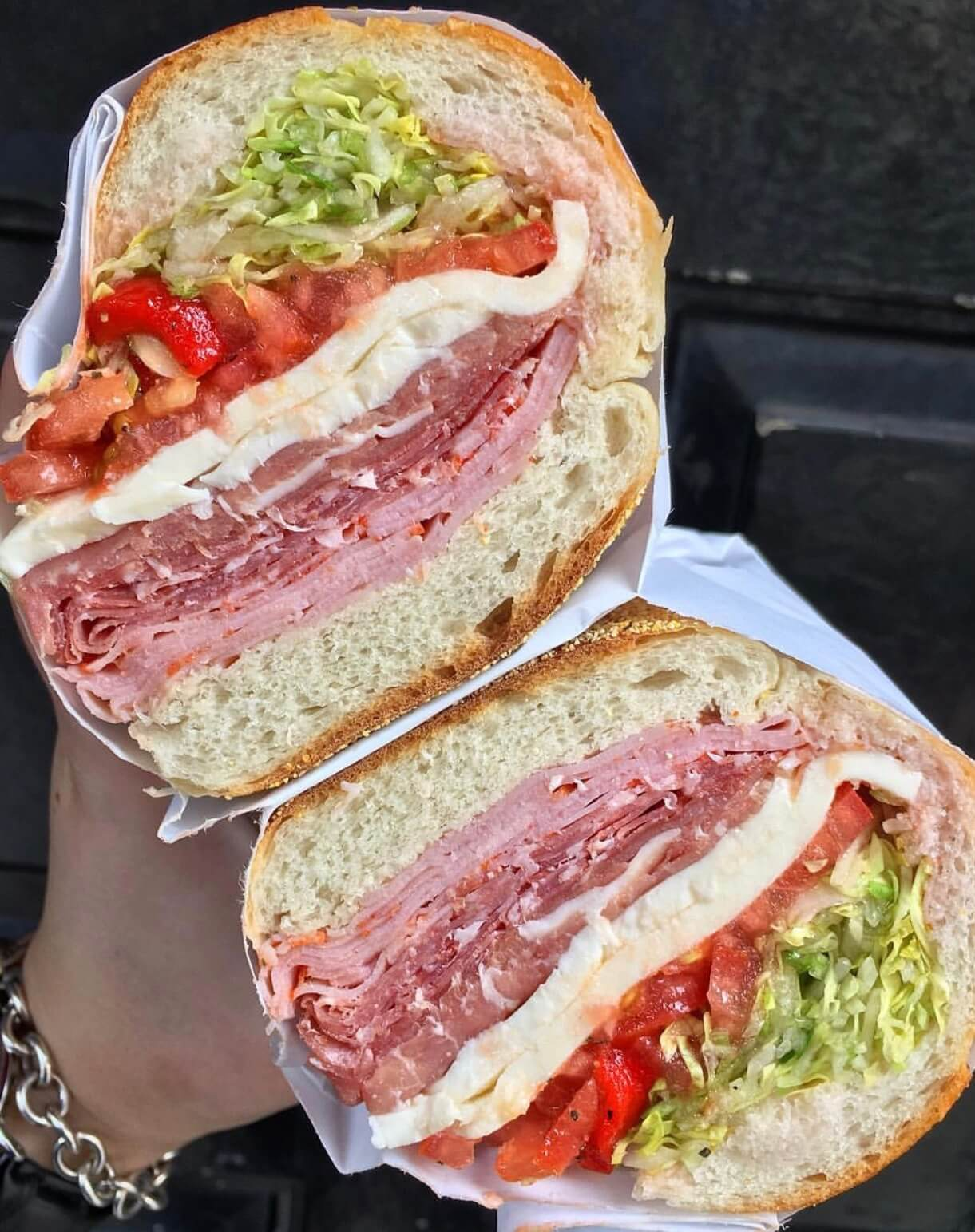
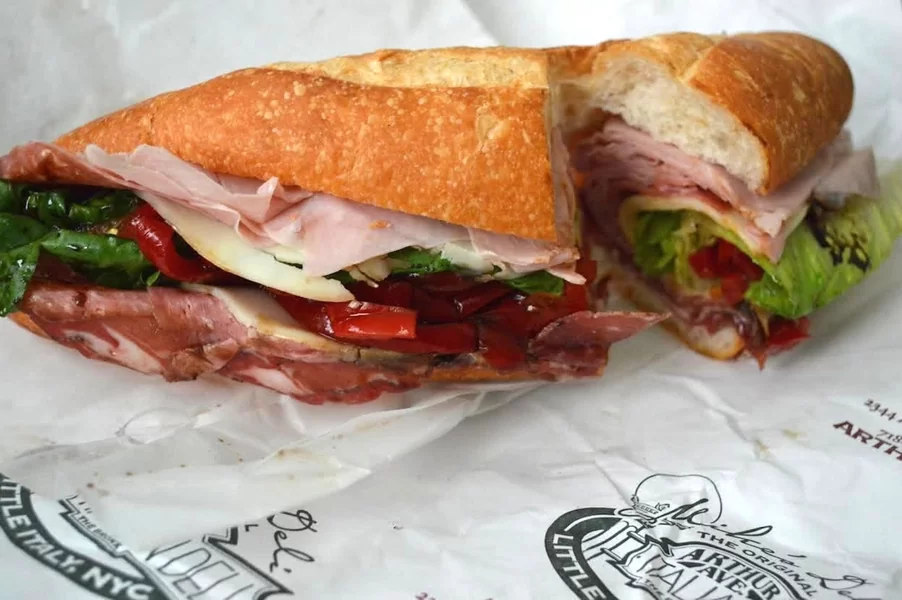
The Italian combo holds a strong place in New York’s deli culture. A classic version includes cured meats, cheese, lettuce, onions, oil, and vinegar layered inside a long hero roll. The combination delivers salt, fat, acid, and crunch in a way that defines sandwich craftsmanship across the city. Many delis treat it as a benchmark for quality and tradition.
Italian American food culture plays a key role in shaping this sandwich. Soppressata, capicola, mortadella, and prosciutto each add distinct flavor profiles that build complexity. Some versions focus on heavier meat stacks, while others balance lighter cuts with sharper cheeses and briny toppings. This flexibility has kept the sandwich relevant across generations.
 Via Grab’s Street
New York’s deli scene treats the Italian combo as more than food. It represents identity, migration history, and neighborhood pride. Each shop builds its own version, leading to ongoing debates about authenticity. These conversations continue across boroughs where sandwiches often define local reputation.
 Via The Kitchen Girl
The approach to sandwich-making is highly structured. Every ingredient is selected for a specific purpose rather than decoration. Flavor balance, texture contrast, and visual appeal all influence final construction. This careful method gives even simple sandwiches a layered and thoughtful identity.
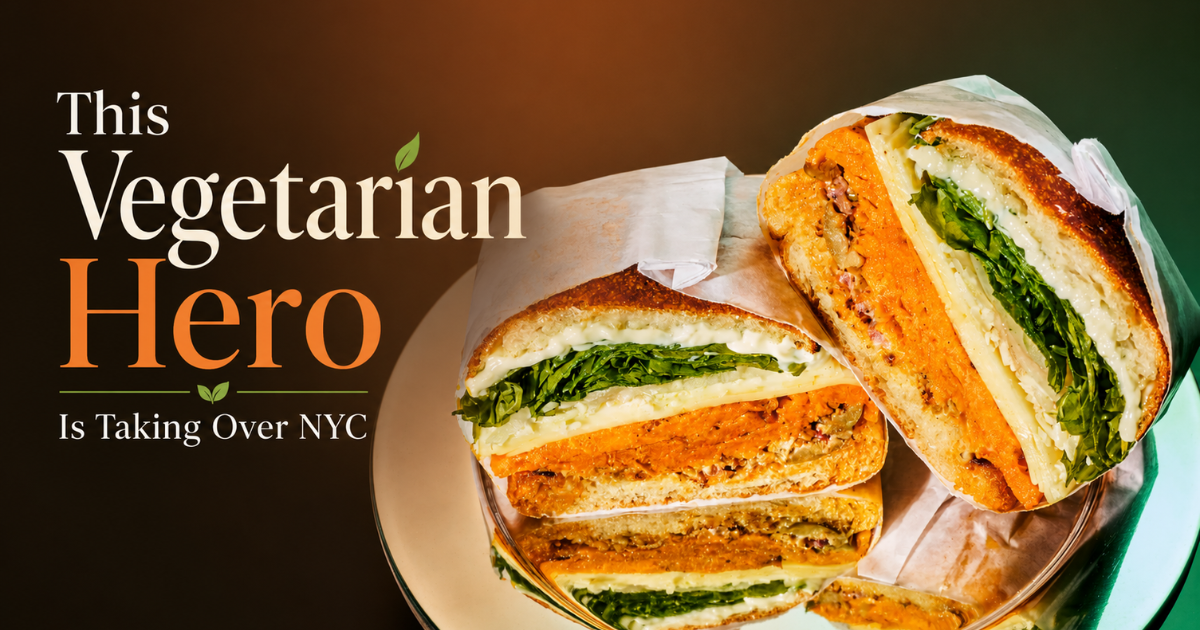
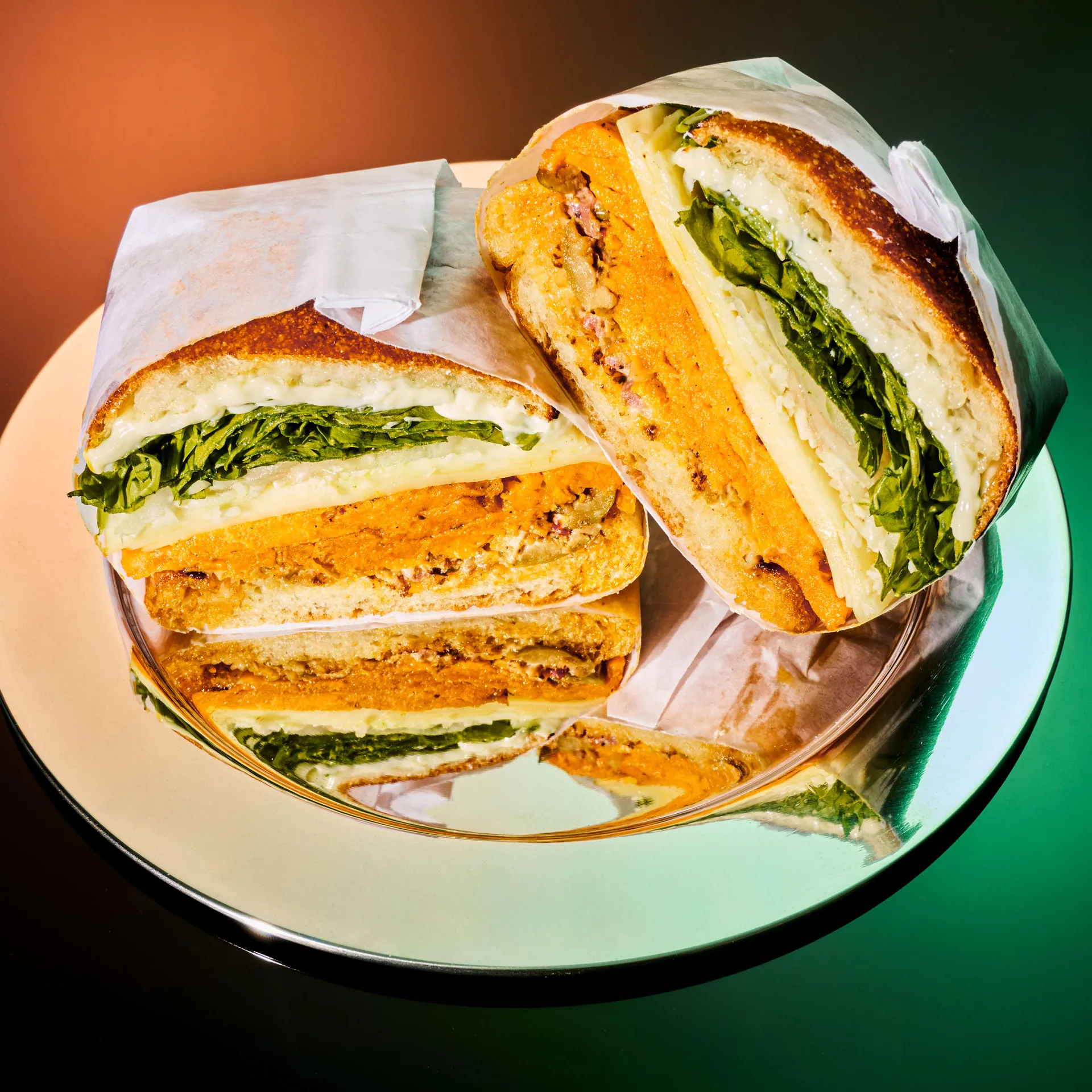
The Vegitalian emerged from this experimental philosophy. It takes inspiration from the Italian combo but removes meat entirely. Instead of being a substitute for dietary reasons alone, it functions as a complete reinterpretation of how an Italian sandwich can be built. The goal is not imitation but reconstruction through ingredients that perform similar roles.
 Via The New Yorker
 Via Grub Street
Cheese also plays a major role in building depth. Fresh mozzarella adds creaminess and stretch, while Swiss cheese introduces a mild savory note. Pecorino contributes a sharper, saltier edge that enhances overall complexity. Together, these cheeses replace the layered richness normally provided by multiple meats.
 Via Eatry NY
A signature hoagie-style spread combines olives, cauliflower, carrots, and other pickled elements. This mixture replaces the traditional splash of red-wine vinegar found in classic Italian sandwiches. It delivers briny depth and tang, adding complexity to every bite.
Mayo adds smoothness and moisture, helping bind ingredients together. While some traditionalists avoid mayonnaise in Italian sandwiches, its inclusion enhances texture and prevents dryness. The seeded roll contributes structure, with a crisp crust and soft interior that holds the filling securely.
 Via Eating NYC
 Via Thrillist
Balance remains central to the sandwich’s success. Sweetness from vegetables, saltiness from cheese, acidity from pickles, and fat from mayo work together in controlled proportions. No single flavor dominates, allowing harmony to develop across all layers.
 Via The Pioneer Women
By focusing on roles rather than ingredients, the sandwich becomes a study in composition. Each element performs a task similar to its meat-based counterpart. Sweet potato replaces heft, cheese replaces fat and richness, and pickled vegetables replace acidity from vinegar and cured meats.
This approach transforms how sandwiches are understood by shifting the focus from fixed rules to creative interpretation. Instead of treating sandwiches as something defined strictly by tradition or a narrow set of ingredients, it opens the concept up to flexibility, experimentation, and personal expression.
 Via Little Orange Bean
 Via NYT Cooking
Innovation in delis often comes from rethinking constraints. Removing meat from an Italian combo could have weakened its identity, yet the Vegitalian strengthens it by emphasizing structure over ingredient tradition. This reversal demonstrates how creativity can redefine expectations.
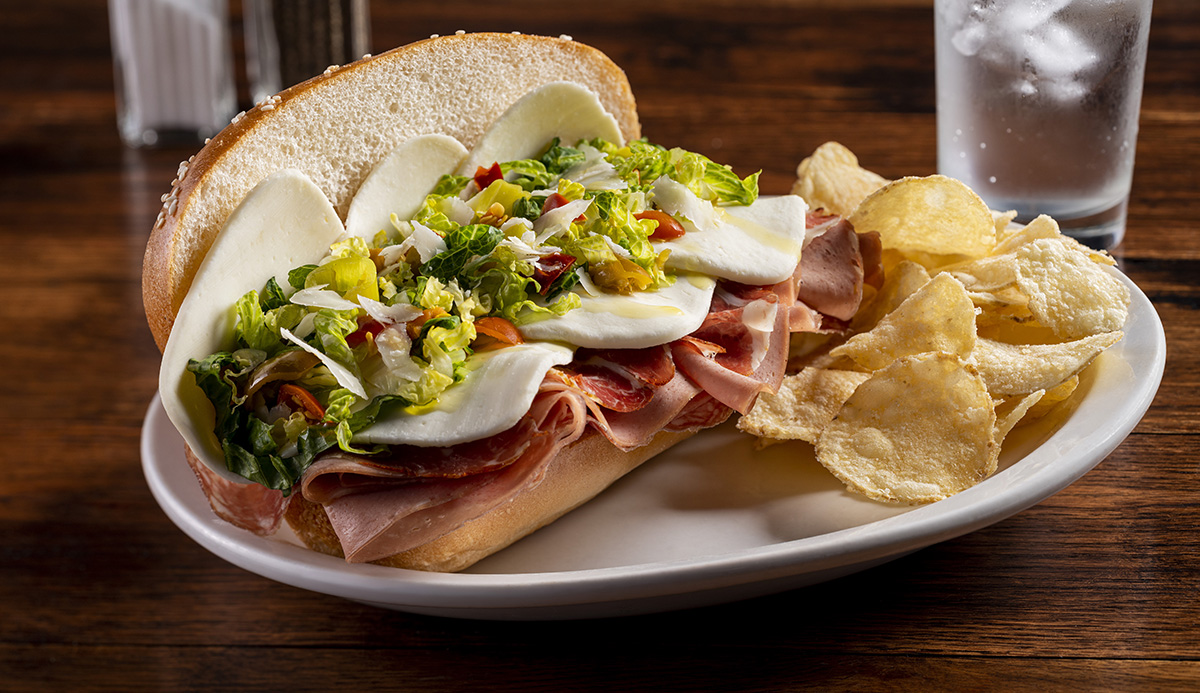 Via NYT Cooking
Flavor perception shifts throughout the sandwich. Early bites feel creamy and mild, while later bites become sharper and more acidic. This progression keeps the experience engaging and prevents monotony. Each layer reveals itself gradually rather than all at once.
Aromatic elements also contribute significantly to the depth of the Vegitalian experience, shaping not only how the sandwich tastes but how it is perceived as a whole. Smell works closely with taste, and these carefully chosen components elevate even simple ingredients into something more expressive and memorable.
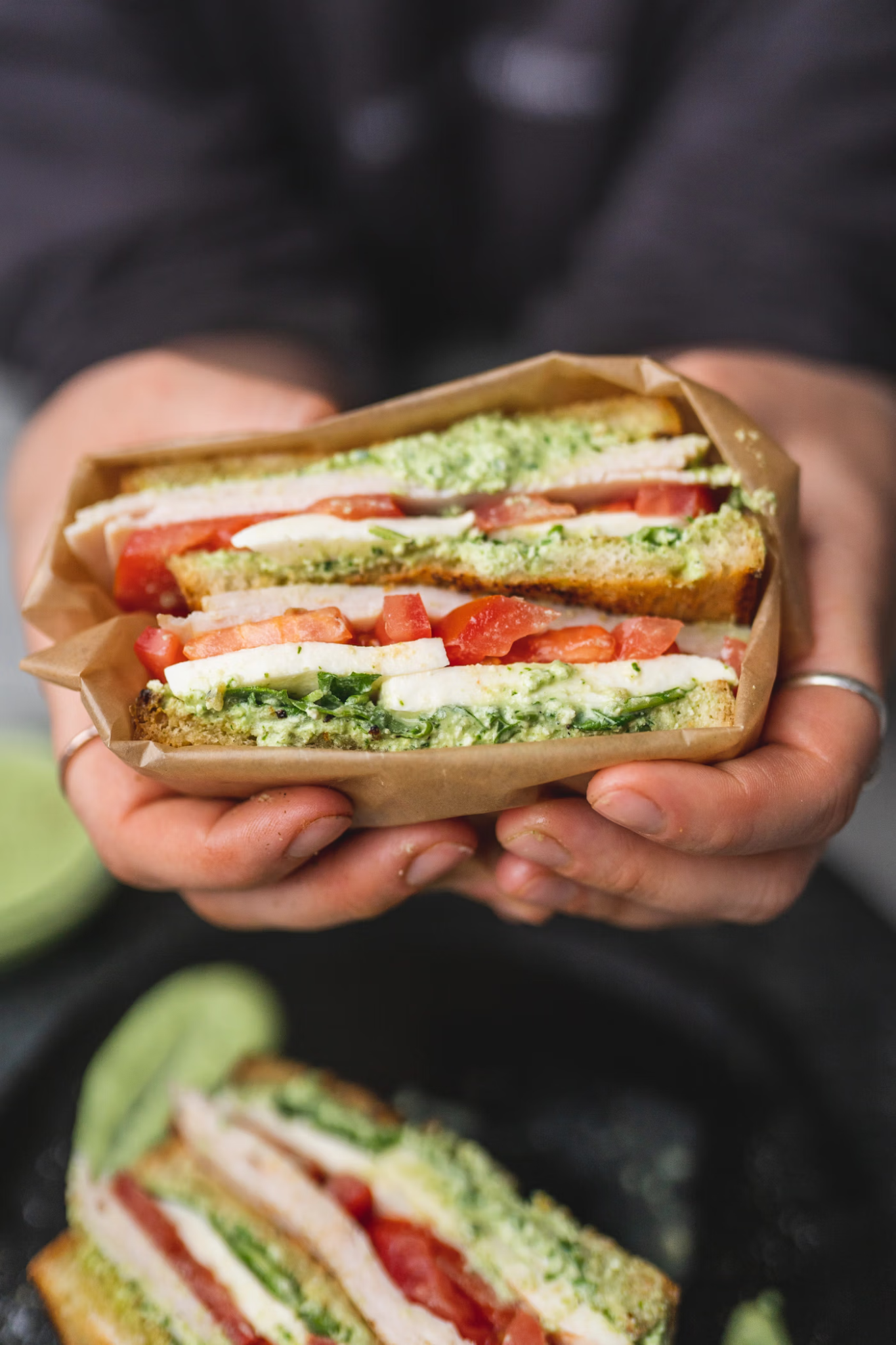 Via The New Yorker
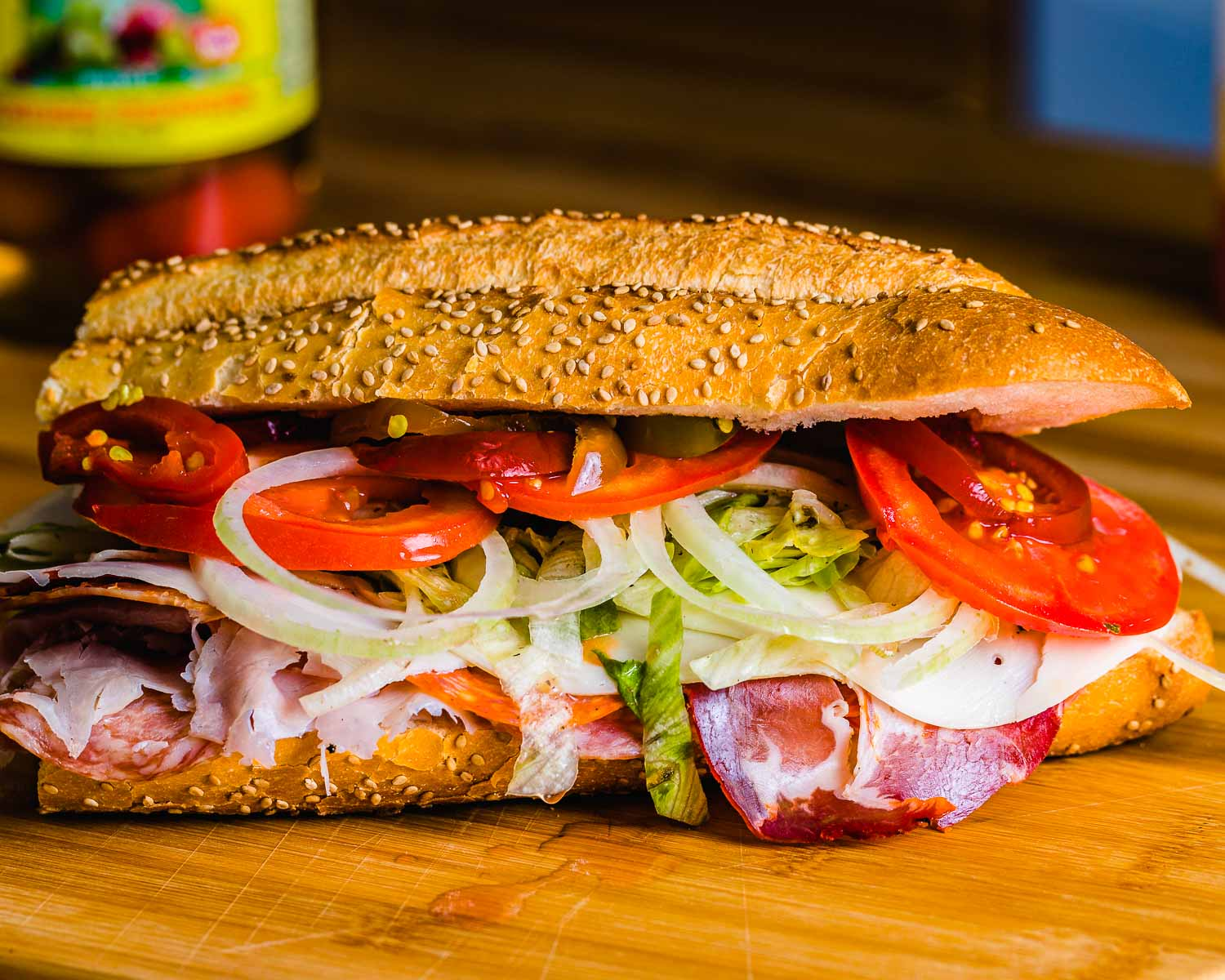 Via Grande Cheese
The final result is a cohesive sandwich that feels complete. Each bite delivers a consistent experience while still offering variation. This stability is a key reason the Vegitalian stands out among modern deli offerings. This method expands possibilities within sandwich culture and highlights how familiar dishes can evolve while preserving identity.
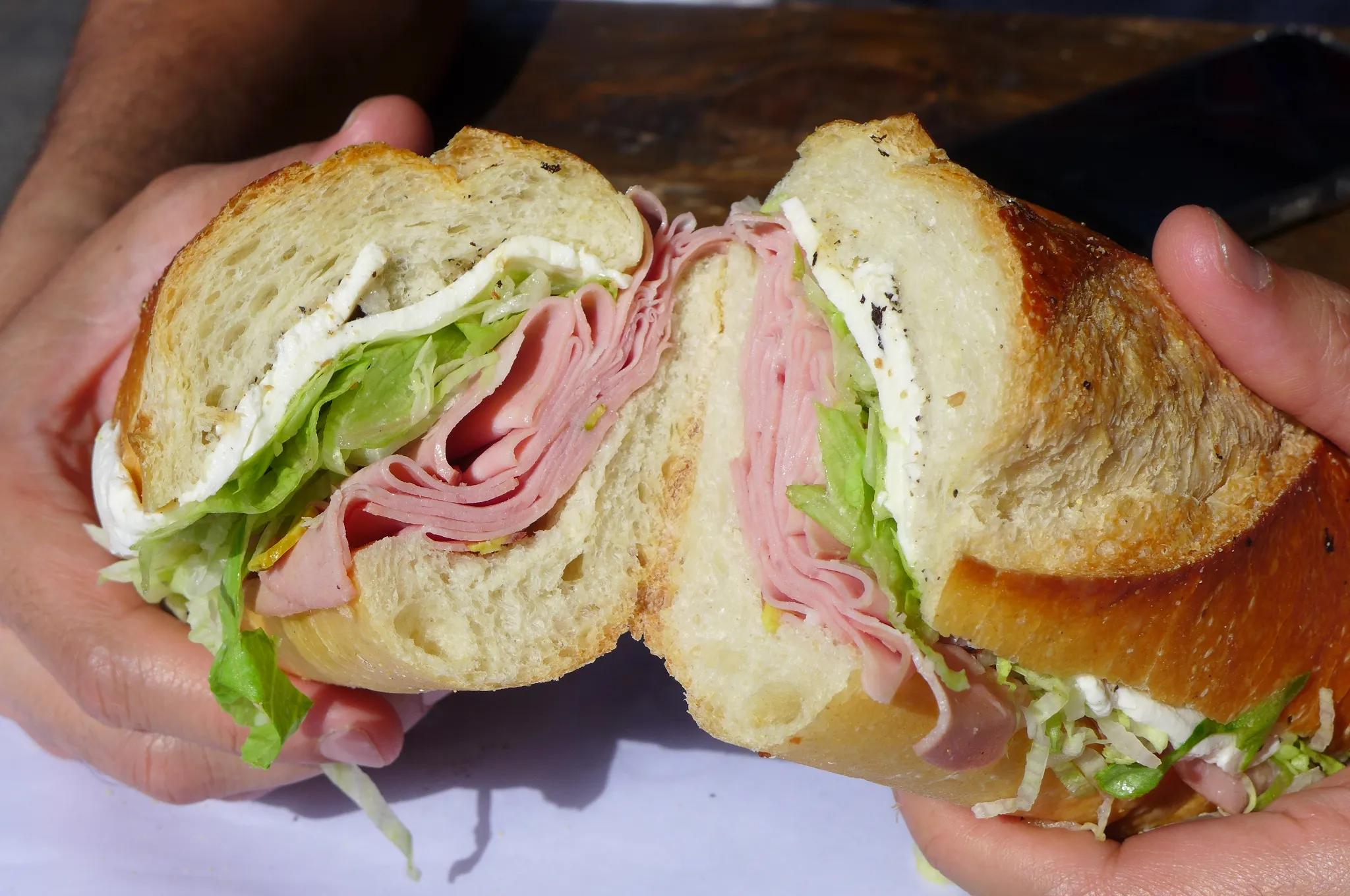 Via Hero Bread
Instead of relying on historical ingredients, the sandwich focuses on functional roles. Every component replaces something essential from the original format, ensuring nothing feels missing. This approach allows the sandwich to remain recognizable while also evolving.
The result is a reimagined Italian combo that feels both familiar and new. It maintains the spirit of the deli tradition while opening space for reinterpretation. The absence of meat does not weaken identity; it strengthens focus on construction and creativity.
The final experience leaves a strong impression due to its clarity of purpose. Each ingredient serves a function, and every layer contributes to a unified whole. The absence of meat does not diminish impact; instead, it reveals how composition alone can define excellence in a sandwich structure.
More in UnassignedVia Grab’s Street
New York’s deli scene treats the Italian combo as more than food. It represents identity, migration history, and neighborhood pride. Each shop builds its own version, leading to ongoing debates about authenticity. These conversations continue across boroughs where sandwiches often define local reputation.
Court Street Grocers and the Evolution of Sandwich Craft
Court Street Grocers in Brooklyn has become known for creative sandwich design. Since opening in 2010, the shop has expanded into multiple locations, including Williamsburg and Manhattan. Its menu features both classic deli-style sandwiches and experimental creations that challenge traditional expectations.Via The Kitchen Girl
The approach to sandwich-making is highly structured. Every ingredient is selected for a specific purpose rather than decoration. Flavor balance, texture contrast, and visual appeal all influence final construction. This careful method gives even simple sandwiches a layered and thoughtful identity.
The Vegitalian emerged from this experimental philosophy. It takes inspiration from the Italian combo but removes meat entirely. Instead of being a substitute for dietary reasons alone, it functions as a complete reinterpretation of how an Italian sandwich can be built. The goal is not imitation but reconstruction through ingredients that perform similar roles.
Via The New Yorker
The Concept Behind the Vegitalian Sandwich
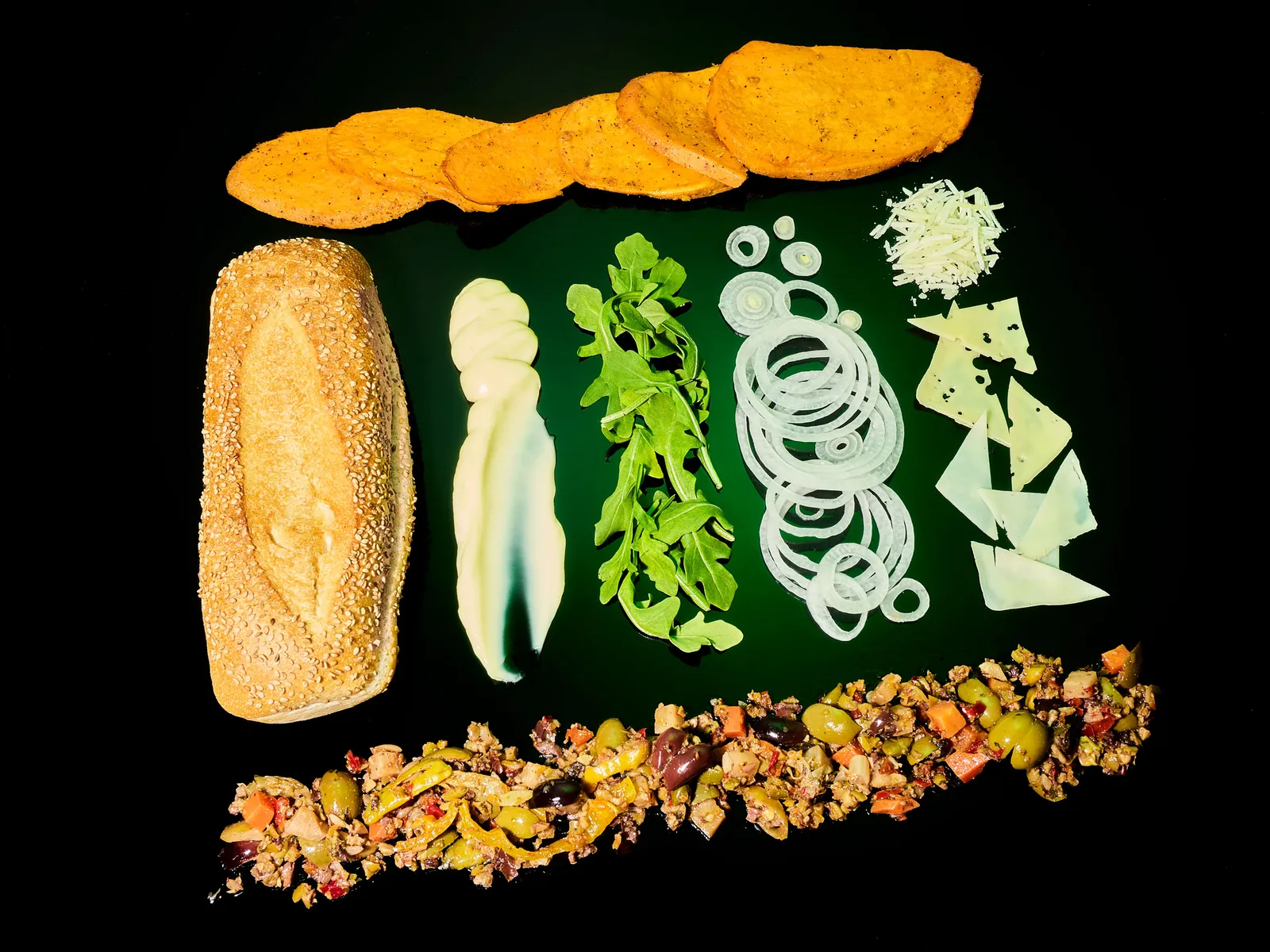
The Vegitalian replaces cured meats with plant-based and dairy components that replicate structure and depth. Roasted sweet potato becomes the central element. Its soft texture and natural sweetness provide weight and richness similar to stacked deli meats. Earlier versions of the sandwich used butternut squash for a firmer bite, showing how ingredient evolution shapes the recipe. This substitution is not random. Each replacement ingredient serves a defined role. Instead of focusing on imitation of meat flavor, the design emphasizes texture, moisture, and balance. The result is a sandwich that feels complete without relying on traditional deli proteins.Via Grub Street
Cheese also plays a major role in building depth. Fresh mozzarella adds creaminess and stretch, while Swiss cheese introduces a mild savory note. Pecorino contributes a sharper, saltier edge that enhances overall complexity. Together, these cheeses replace the layered richness normally provided by multiple meats.
Flavor Architecture and Ingredient Function
The Vegitalian uses carefully selected ingredients to recreate the structure of an Italian combo. Arugula replaces iceberg lettuce, adding a peppery bite that lifts the flavor profile. Pickled vegetables bring acidity and brightness, balancing the richness of cheese and sweet potato.Via Eatry NY
A signature hoagie-style spread combines olives, cauliflower, carrots, and other pickled elements. This mixture replaces the traditional splash of red-wine vinegar found in classic Italian sandwiches. It delivers briny depth and tang, adding complexity to every bite.
Mayo adds smoothness and moisture, helping bind ingredients together. While some traditionalists avoid mayonnaise in Italian sandwiches, its inclusion enhances texture and prevents dryness. The seeded roll contributes structure, with a crisp crust and soft interior that holds the filling securely.
Via Eating NYC
Texture, Balance, and Eating Experience
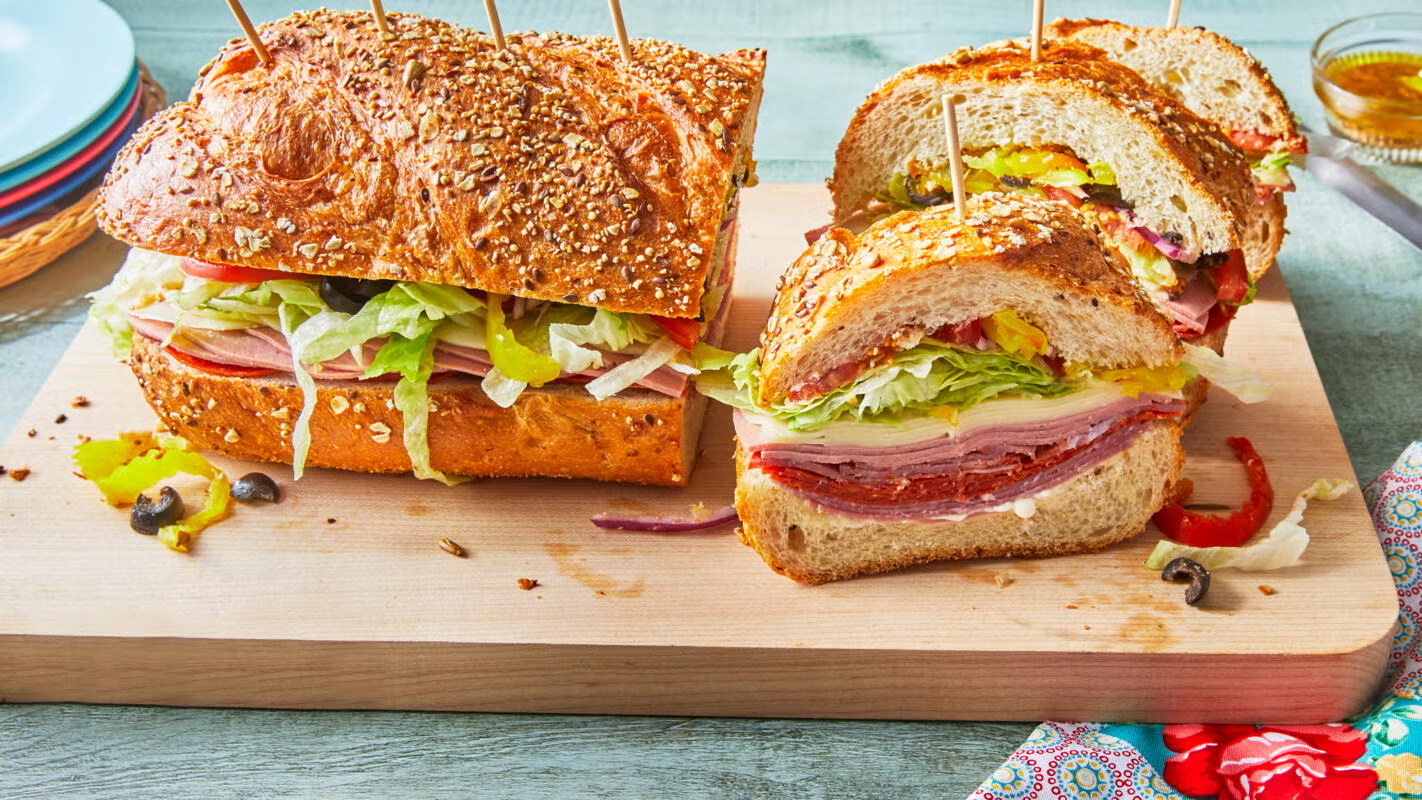
Texture plays a defining role in the Vegitalian experience, shaping how each element of the sandwich is perceived and enjoyed. Rather than relying only on flavor combinations, the construction places equal emphasis on mouthfeel, creating a more engaging and satisfying eating experience. Cheese adds elasticity and richness, while pickled elements introduce bursts of acidity. The combination of soft, crunchy, creamy, and crisp textures creates a multidimensional eating experience. This complexity mirrors the structure of traditional Italian combos in a new form.Via Thrillist
Balance remains central to the sandwich’s success. Sweetness from vegetables, saltiness from cheese, acidity from pickles, and fat from mayo work together in controlled proportions. No single flavor dominates, allowing harmony to develop across all layers.
Redefining the Idea of an Italian Sandwich
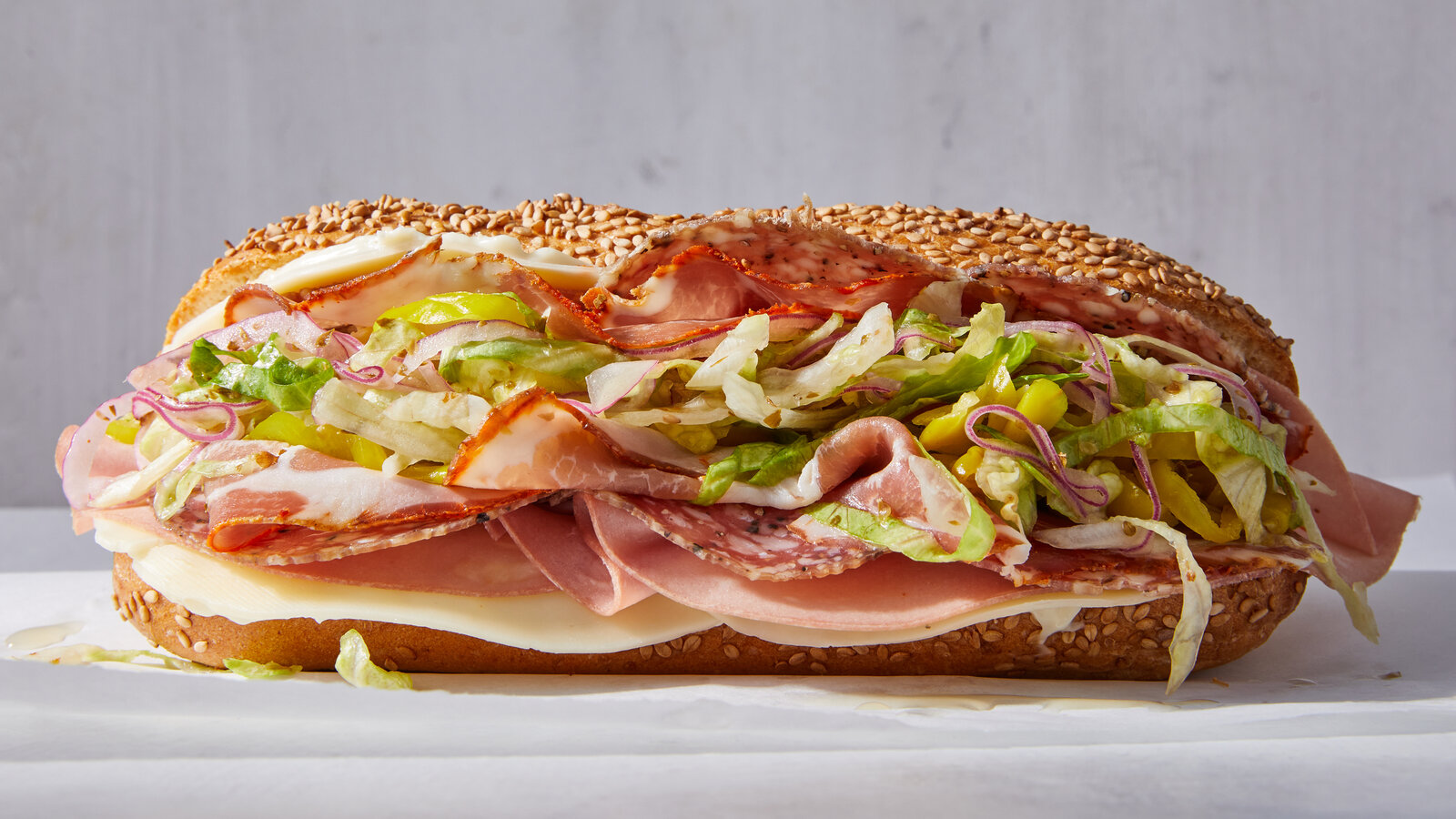
The Vegitalian challenges the assumption that meat defines an Italian sandwich. Instead, it demonstrates that structure, balance, and ingredient function matter more than specific components. This shift opens new possibilities for reinterpretation within sandwich culture.Via The Pioneer Women
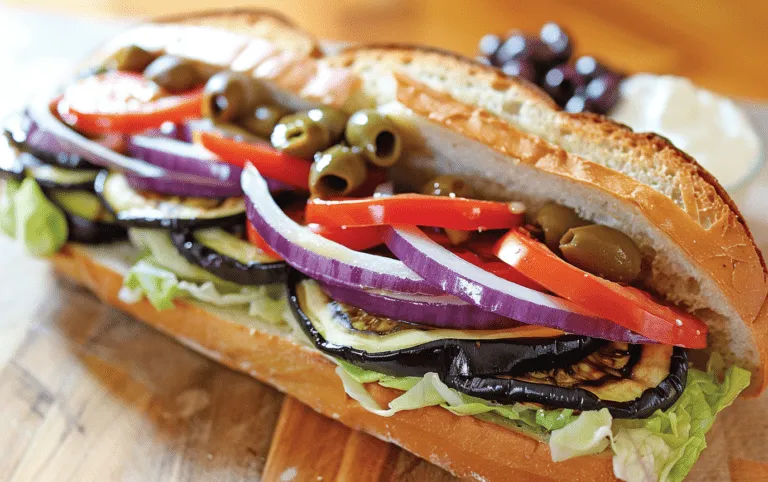
By focusing on roles rather than ingredients, the sandwich becomes a study in composition. Each element performs a task similar to its meat-based counterpart. Sweet potato replaces heft, cheese replaces fat and richness, and pickled vegetables replace acidity from vinegar and cured meats.
This approach transforms how sandwiches are understood by shifting the focus from fixed rules to creative interpretation. Instead of treating sandwiches as something defined strictly by tradition or a narrow set of ingredients, it opens the concept up to flexibility, experimentation, and personal expression.
Via Little Orange Bean
Culinary Creativity and Modern Deli Innovation
Modern sandwich culture increasingly values experimentation. Shops like Court Street Grocers represent a shift toward culinary creativity within everyday food. Sandwiches are no longer seen as simple meals but as structured dishes that require balance and intention. The Vegitalian reflects this evolution. It shows how familiar food formats can be redesigned without losing identity. Instead of relying on meat as the foundation, it builds complexity through vegetables, cheese, and condiments. This method highlights the adaptability of classic food structures.Via NYT Cooking
Innovation in delis often comes from rethinking constraints. Removing meat from an Italian combo could have weakened its identity, yet the Vegitalian strengthens it by emphasizing structure over ingredient tradition. This reversal demonstrates how creativity can redefine expectations.
Sensory Depth and Flavor Perception
Eating the Vegitalian involves layered sensory changes. The initial bite introduces soft sweetness from roasted vegetables, followed by sharpness from cheese and acidity from pickles. Bread texture anchors the experience, preventing overload and maintaining structure.Via NYT Cooking
Flavor perception shifts throughout the sandwich. Early bites feel creamy and mild, while later bites become sharper and more acidic. This progression keeps the experience engaging and prevents monotony. Each layer reveals itself gradually rather than all at once.
Aromatic elements also contribute significantly to the depth of the Vegitalian experience, shaping not only how the sandwich tastes but how it is perceived as a whole. Smell works closely with taste, and these carefully chosen components elevate even simple ingredients into something more expressive and memorable.
Via The New Yorker
The Role of Balance in Sandwich Construction
Balance defines success in sandwich making. The Vegitalian achieves this by assigning clear roles to each ingredient. No element exists without purpose, and every layer contributes to overall harmony. This method reflects a disciplined approach to food design. Even without meat, the sandwich maintains structural integrity. Sweet, salty, tangy, and creamy elements interact in controlled proportions. This balance ensures that richness does not overwhelm freshness and that acidity does not overpower softness.Via Grande Cheese
The final result is a cohesive sandwich that feels complete. Each bite delivers a consistent experience while still offering variation. This stability is a key reason the Vegitalian stands out among modern deli offerings. This method expands possibilities within sandwich culture and highlights how familiar dishes can evolve while preserving identity.
Redefining Completeness in the Italian Combo Concept
The Vegitalian expands the definition of what makes an Italian sandwich complete. Traditionally, completeness was tied to cured meats and their layered flavors. This version shifts that definition toward balance, structure, and sensory satisfaction. Olive-based spreads provide a rich, savory aroma that immediately signals intensity and complexity.Via Hero Bread
Instead of relying on historical ingredients, the sandwich focuses on functional roles. Every component replaces something essential from the original format, ensuring nothing feels missing. This approach allows the sandwich to remain recognizable while also evolving.
The result is a reimagined Italian combo that feels both familiar and new. It maintains the spirit of the deli tradition while opening space for reinterpretation. The absence of meat does not weaken identity; it strengthens focus on construction and creativity.
The final experience leaves a strong impression due to its clarity of purpose. Each ingredient serves a function, and every layer contributes to a unified whole. The absence of meat does not diminish impact; instead, it reveals how composition alone can define excellence in a sandwich structure.