News / Politics
How Young Organizers Shaped Mississippi’s Tight Senate Race
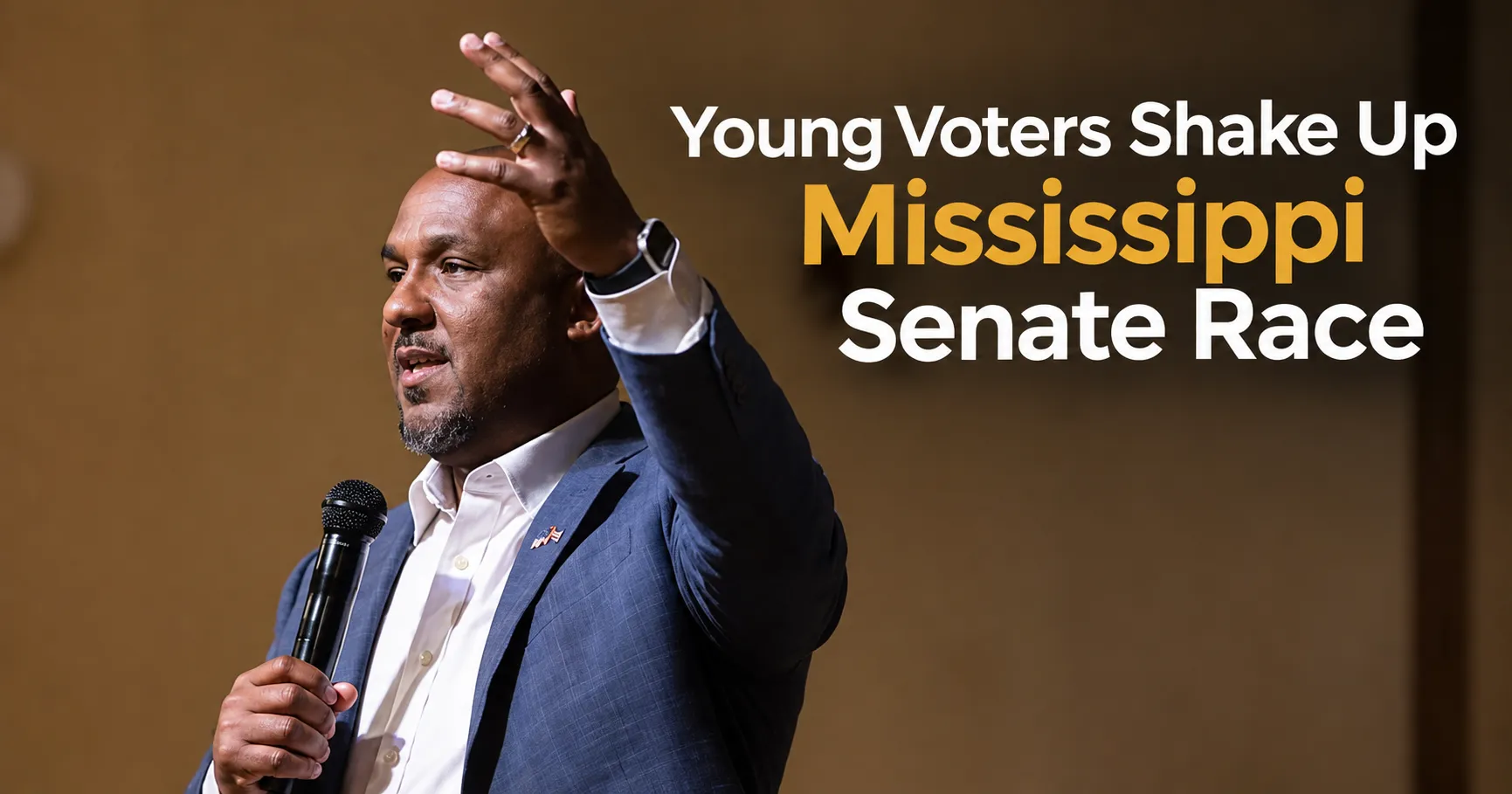
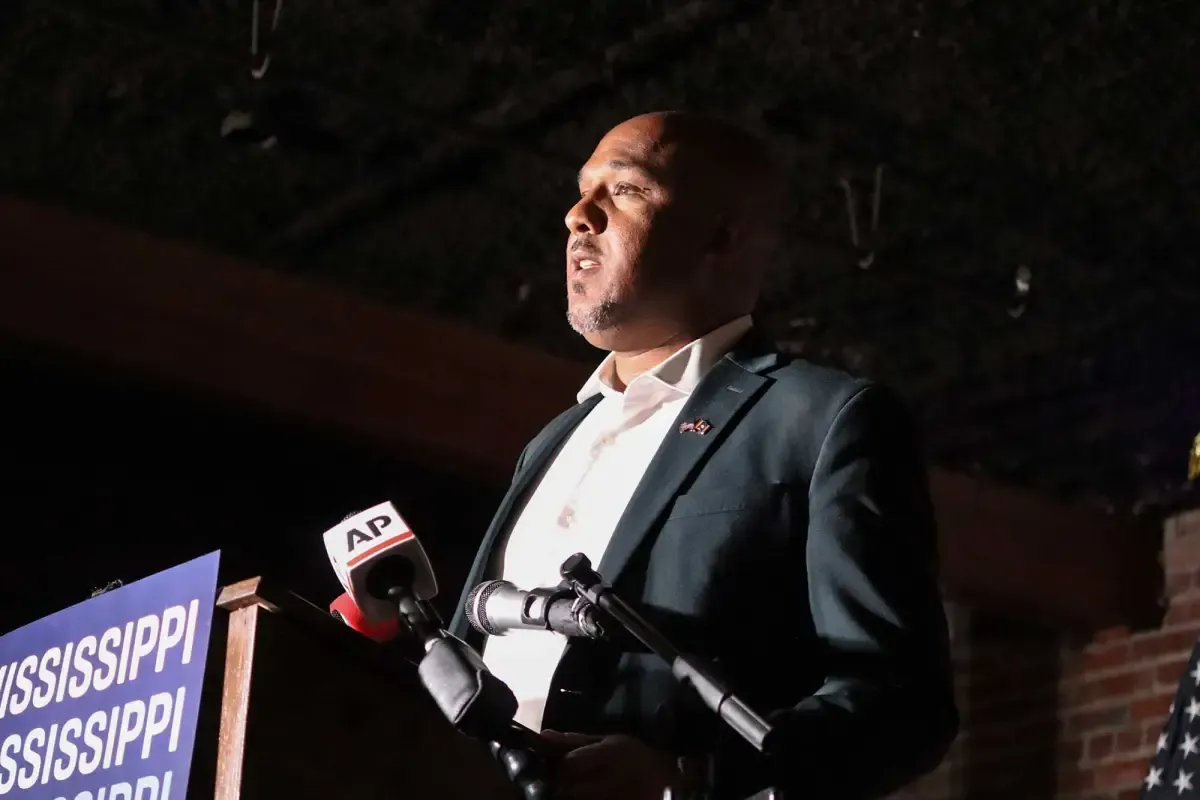
Mississippi has long been seen as one of the most conservative states in the country, so few people expected its 2026 Senate race to become one of the closest contests of the midterm elections. Democrat Scott Colom, an African American prosecutor, found himself within reach of unseating Republican Sen. Cindy Hyde-Smith.
About 2,500 votes separated the two candidates in the days after the election, and political watchers across the country were left asking how the race had become so tight. Part of the answer could be found in the Mississippi Delta, a poor, rural, and largely Black region. In a small house in Holmes County, organizer Kameisha Smith, 31, spent hours at a folding table studying a spreadsheet of local voters.
Via NPR
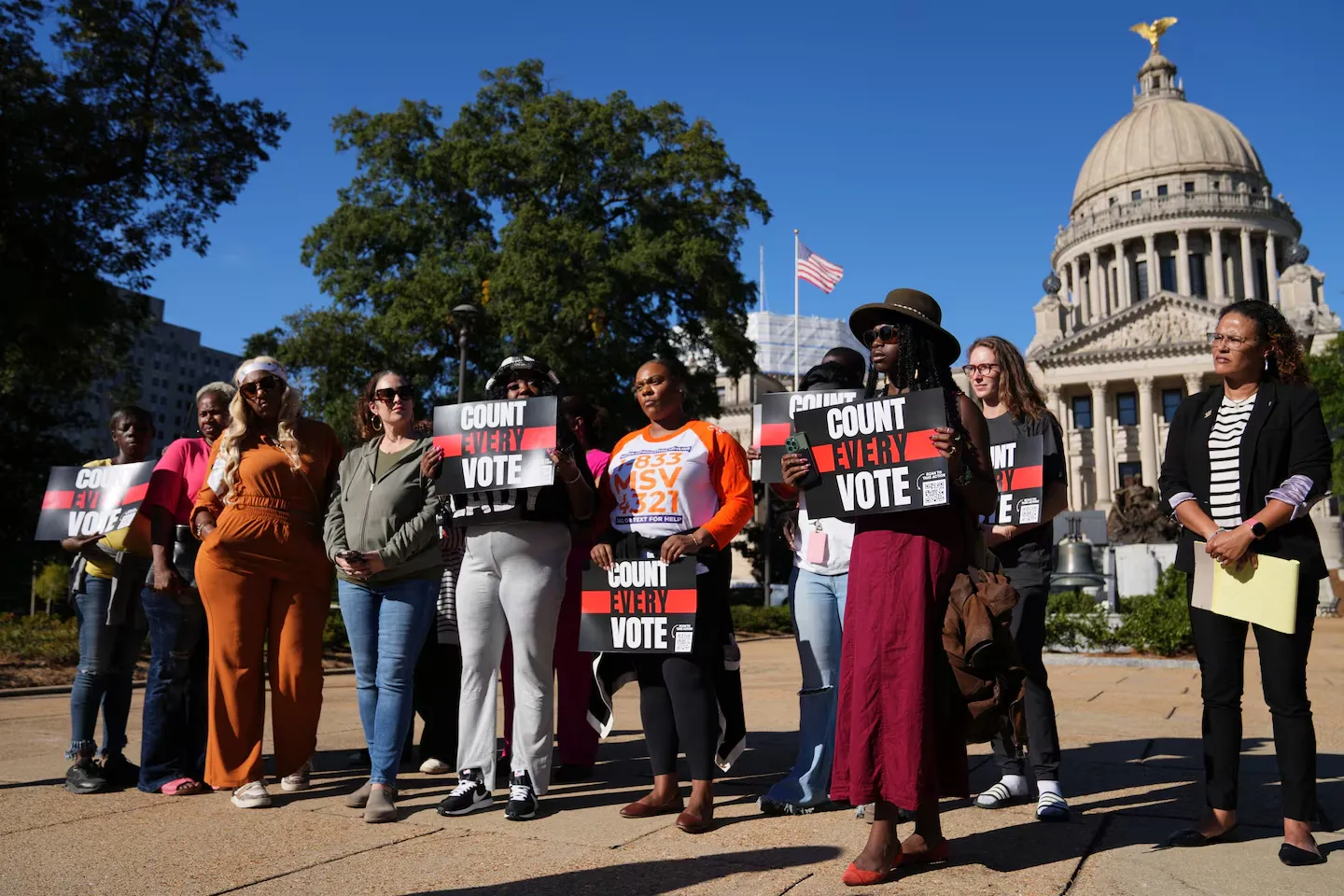
The wood-paneled walls around her held quotes from Maya Angelou and photos of Harriet Tubman. Thirty-six hours after the polls closed, she was still working hard to make sure every vote from her community would be counted. Smith said the race had left everyone on edge and that young people in the area had never been so engaged in an election.
Many of them kept asking why the results were taking so long. Colom’s sharp campaign ads and public frustration with Hyde-Smith, who had brushed off worries about the high cost of beef, played a part. Much of the energy behind the record turnout, though, came from months of quiet, local organizing across the Delta.
Via The New York Times
Campaign Built on History and “Mississippi Values”
As Colom planned the final message of his campaign, he and his team chose to close with a commercial about Medgar Evers. Evers was an African American veteran who was killed by white supremacists while running voter registration drives. Colom told reporters that the campaign could not simply ask people to vote for him.
He said it needed to talk about sacrifice and about why casting a ballot matters so much to the people of the state. Colom tied this message to what he called “Mississippi Values.” He pointed to the courage Evers showed when he stood up to abusive power.
Via The Clarion Ledger
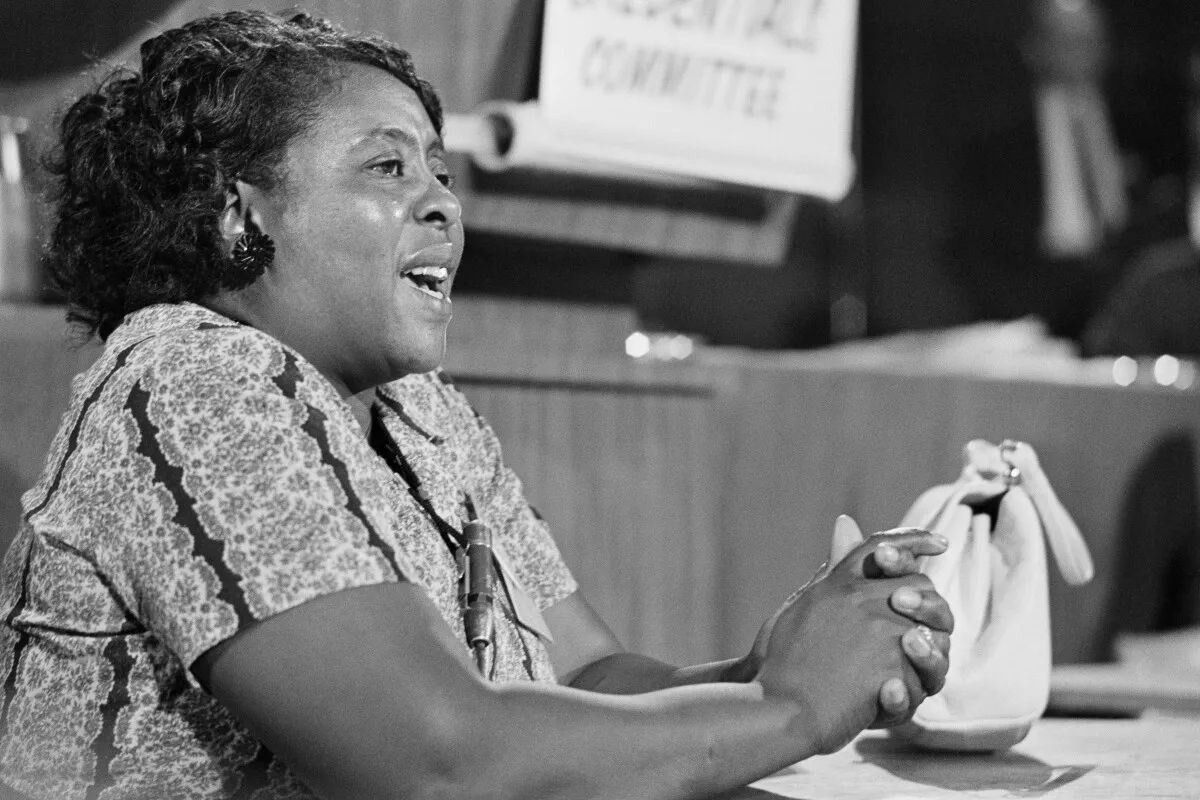
Those same values, he suggested, could be seen in the work of Fannie Lou Hamer and the Mississippi Freedom Party, along with other activists of the Civil Rights Era. These leaders fought to break down some of the most racist policies in the South and opened doors for future generations of voters.
Colom knew the road ahead would not be easy. Mississippi had not elected a Black politician to statewide office since the fall of Reconstruction. Winning would require strong turnout in places where many people had stopped voting or had never voted at all. That challenge put a spotlight on counties like Holmes, where a large turnout could help balance out votes from Whiter and more conservative parts of the state.
Via AP News
Inside the Holmes County Turnout Push
Holmes County is one of the smaller counties in Mississippi, with about 15,000 residents. Around 80 percent of the population is Black, and about 34 percent of people live below the poverty line. Smith grew up there and focused her energy on reaching anyone who might be willing to vote.
She hired canvassers and paid them an hourly wage that was far higher than what they could earn working at the local Sonic or DG Market. The effort was part of a wider push across the South. After the Supreme Court weakened the Voting Rights Act in April, groups such as Black Voters Matter, the NAACP, and regional nonprofits began sending money into majority-Black areas with low turnout.
Via Ideastream Media
Holmes County sat near the top of their list. National organizations asked Smith and other local leaders to help plan new ways to bring activism back to life in their communities. The results were striking. An expected 58 percent of eligible voters in the county cast ballots this year, the biggest increase since 2024 of any county in the state.
Holmes County also saw a 16-point jump in turnout compared with 2018, the last midterm with a similarly competitive Senate race. Even with those numbers, the work was far from finished once the polls closed and the counting began.
Via The Washington Post
Why Young Voters Had Stayed Home
Smith has been organizing since she was in second grade, when she started a petition asking the school board for new playground equipment. That early experience stayed with her, and she later left college to focus on community organizing and youth training around Holmes County.
During planning meetings this year, she grew tired of hearing older community leaders complain that young people simply did not care about the future. Since nobody seemed to be asking young people why they stayed away from the polls, Smith decided to find out for herself.
Via The Conversation
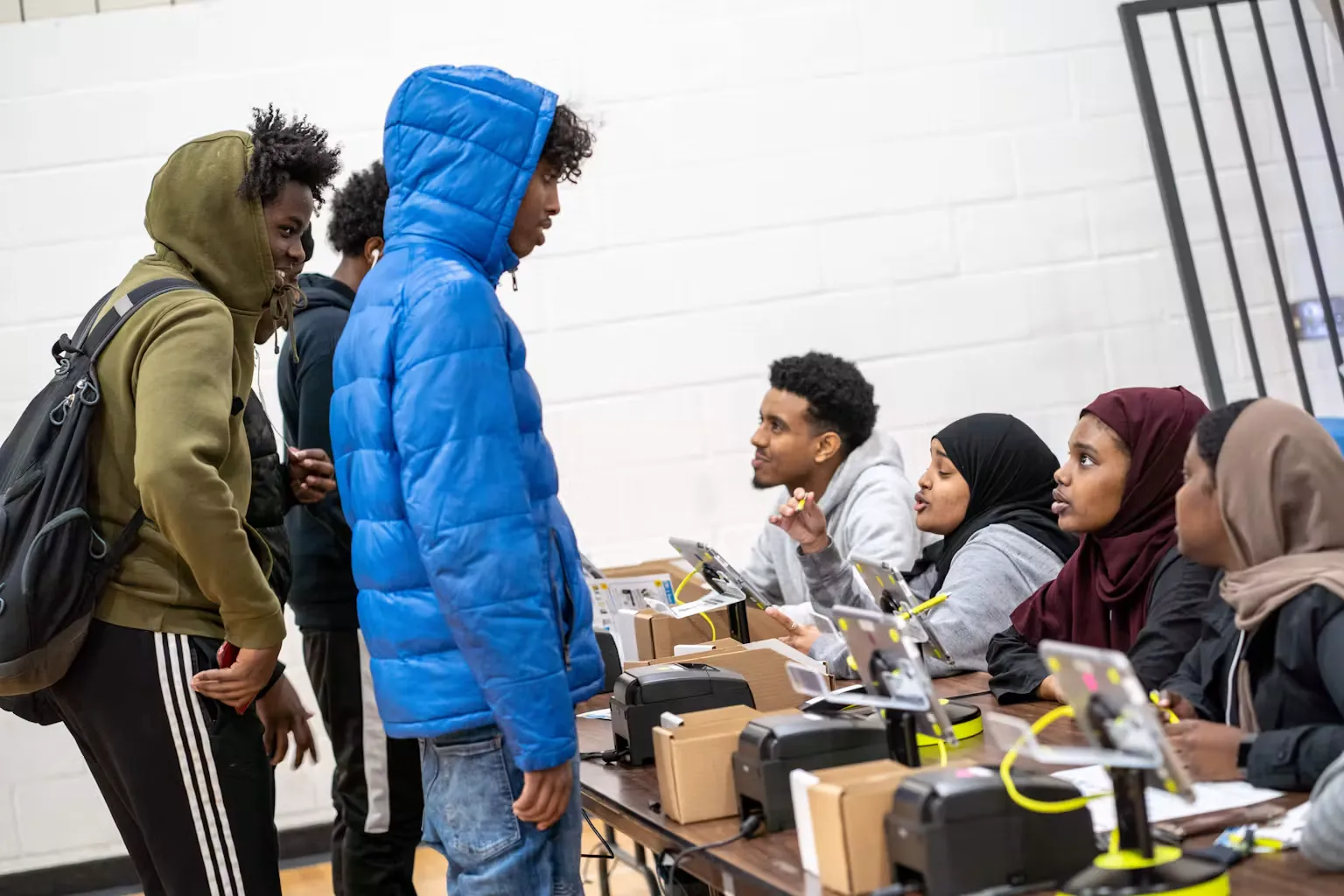
She created a survey for people under 35 and shared it online and at local churches. About 75 people responded. Most said they worried about the high cost of insurance and violence in their neighborhoods. Some said they were unsure what elected officials could actually do to make their lives better.
Others admitted they avoided voting because they did not want to be called for jury duty. Smith used these answers to shape her plan. She typed up simple four-by-six index cards that explained the difference between a senator and a member of the House. She also raised money to pay canvassers $20 an hour to register voters, giving young people both steady work and a real reason to get involved.
Via KGOU
Canvassers Who Met Voters Where They Were
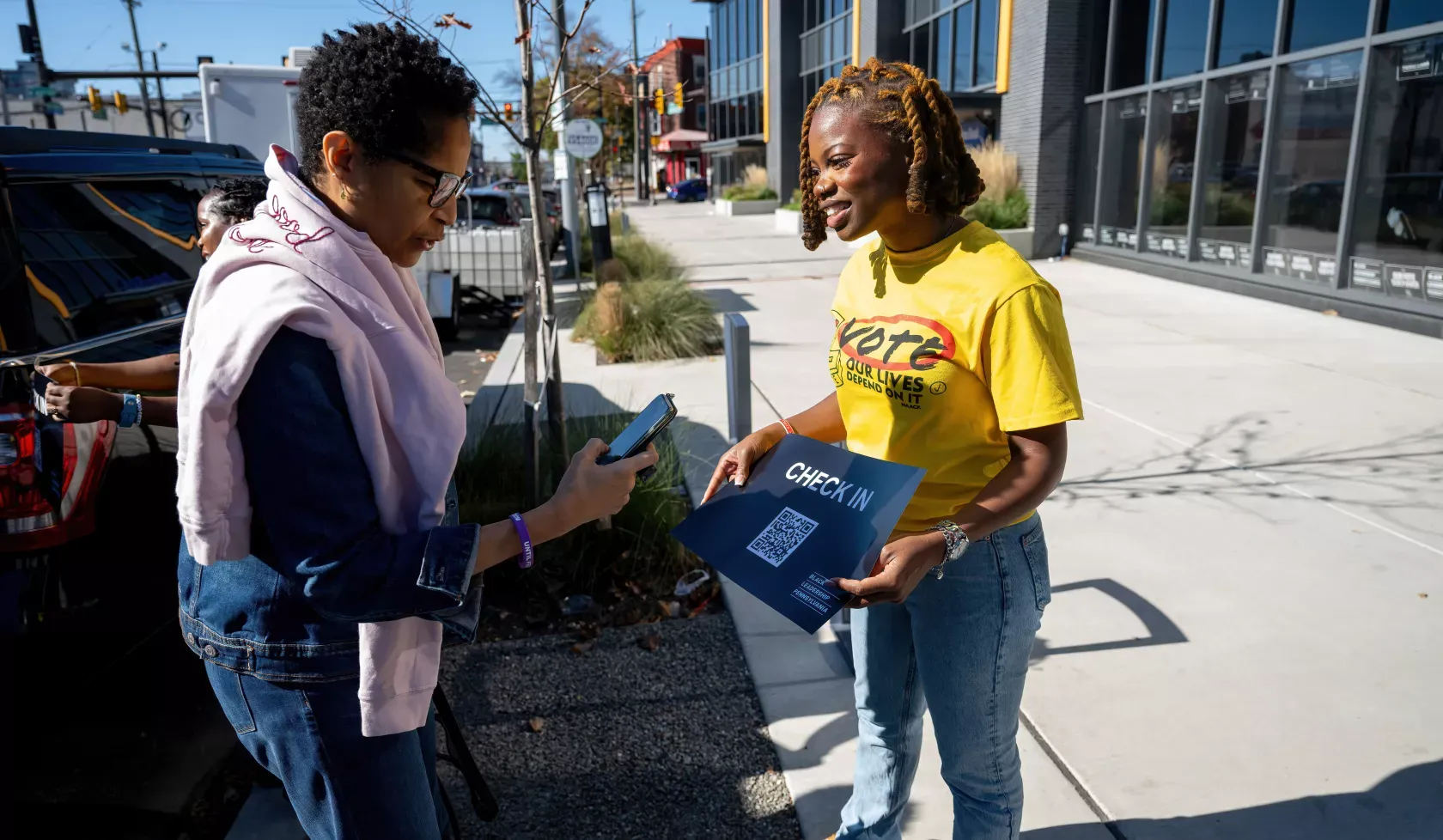
Smith wanted her team to be young. She signed up 15 canvassers, 11 of them under the age of 40, and trained them to stay nonpartisan while registering voters. She encouraged them to start with their own families. One canvasser, Shan’terrius Sly, a 19-year-old honors student at Jackson State, persuaded about two dozen relatives to sign up.
Sly said she had always wanted to be an activist and believed Gen Z was paying close attention to what was happening. The team knocked on doors in housing projects and drove down long dirt roads to reach people. They showed up at community events where young people gathered to ride dirt bikes, and if there was a house party, a canvasser was usually there too.
Via NAACP
Smith said the group brought in 12 to 13 registration forms a day, which was a lot for such a small county. In total, they registered 283 new voters in a county of about 12,000 voters. Smith also printed guides showing the candidates and their positions.
She handed them out to men gathered on the street and set up stations at “Trunk or Treat” Halloween events, where neighbors decorate their cars and hand out candy from their trunks. On Election Day, canvassers met at the Nollie Jenkins Family Center before checking on precincts. When a polling place looked empty, they drove through the neighborhood offering rides. Smith alone drove 15 people to vote.
Via NAACP
An Election Night Twist and a Long Count
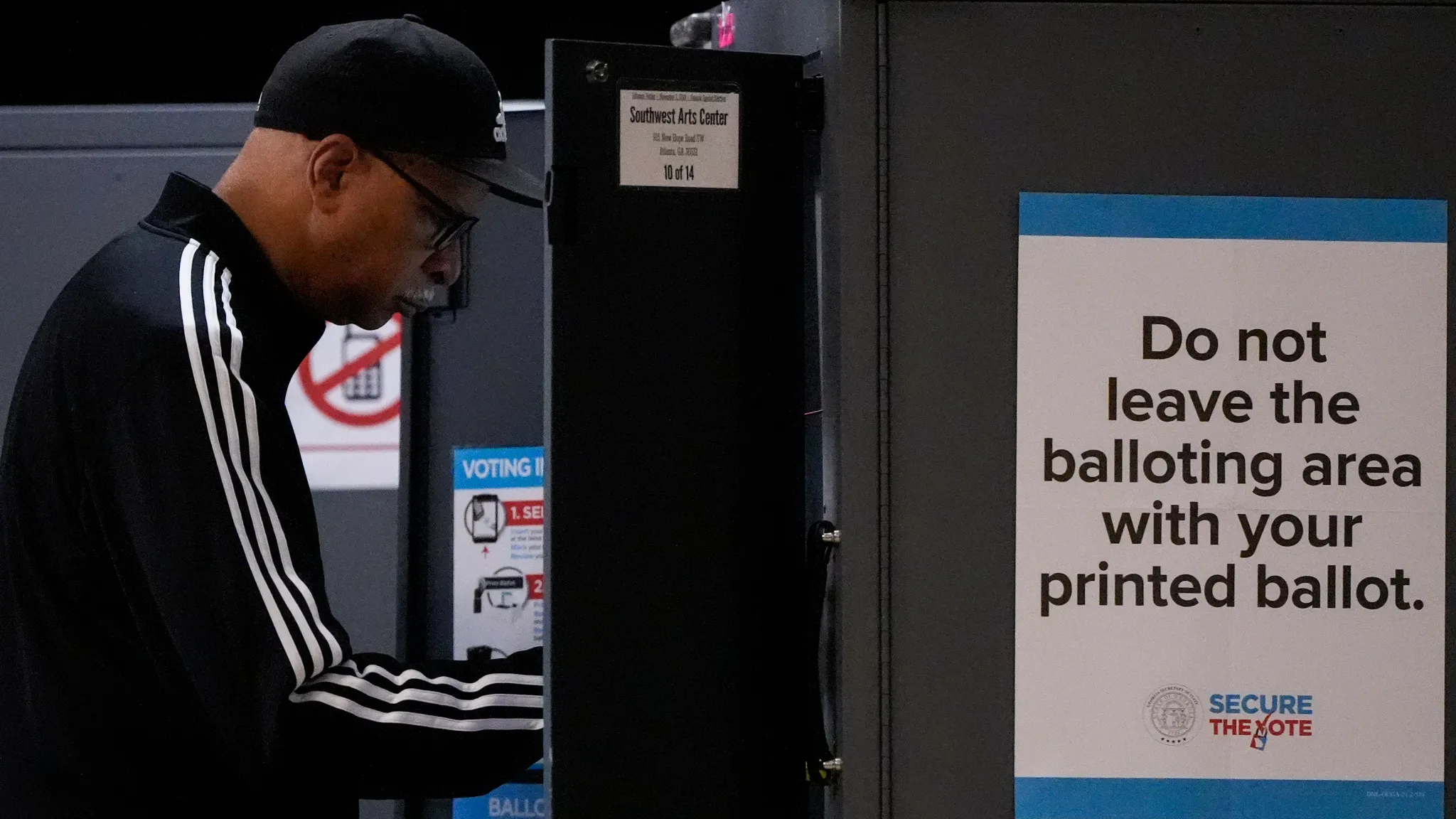
Around 6:50 p.m., just before the 7 p.m. deadline, Smith finally stood in line to cast her own ballot. When she handed over her ID, the poll worker shook her head. Smith had been purged from the voter rolls because she had not updated her address. She said she had been so busy registering others that she forgot to check her own status.
Her ballot was one of 2,443 purged in the county, and her vote would not count. Later that night, the canvassers gathered at the house to watch the returns. Hyde-Smith held a small early lead, but Holmes County’s votes had not yet been reported. Close to midnight, the county’s numbers came in, and Colom moved ahead by 28 votes.
Via ABC 13
Smith said she could hardly believe it and felt the moment showed that the community’s votes truly mattered. Over the following days, his lead grew to about 2,000 votes, though the race was still uncalled at the time of reporting. The tight margin turned attention to affidavit ballots, which are set aside when something goes wrong at the polls.
A voter might forget an ID, show up at the wrong precinct, or move without changing an address. An election committee reviews these ballots by hand, and in some cases voters have five business days to fix the problem. The campaigns estimated there were originally as many as 20,000 such ballots, while Hyde-Smith and the governor both said they expected her to win.
What the Race Means for Mississippi
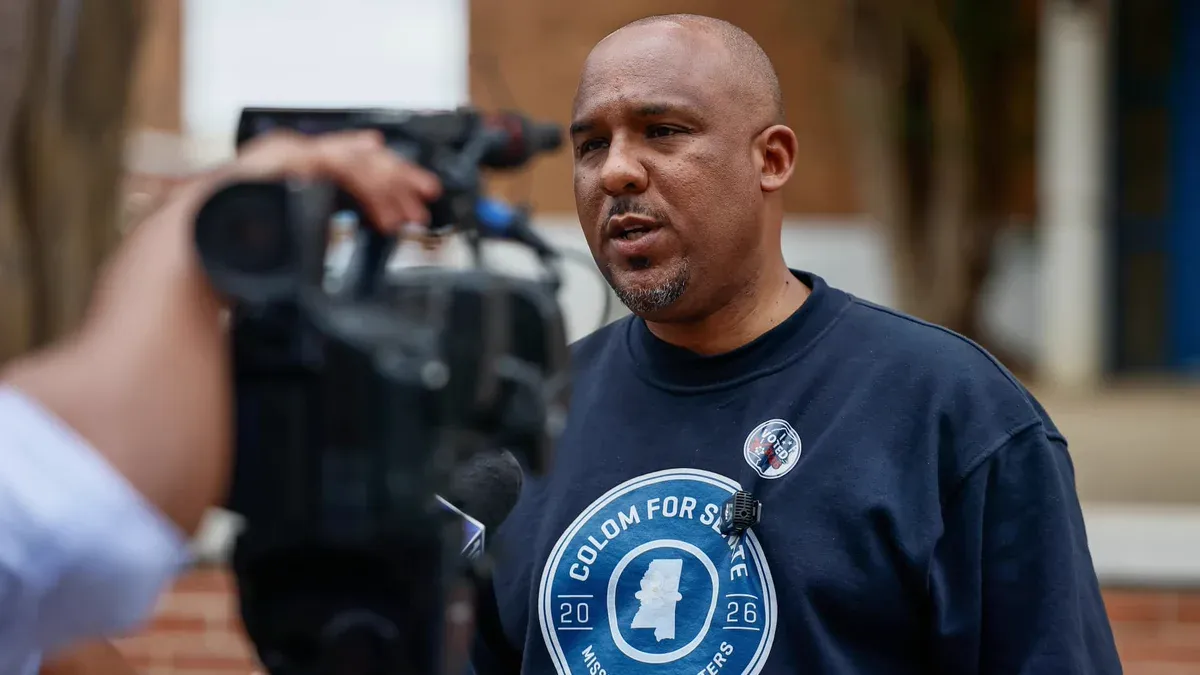
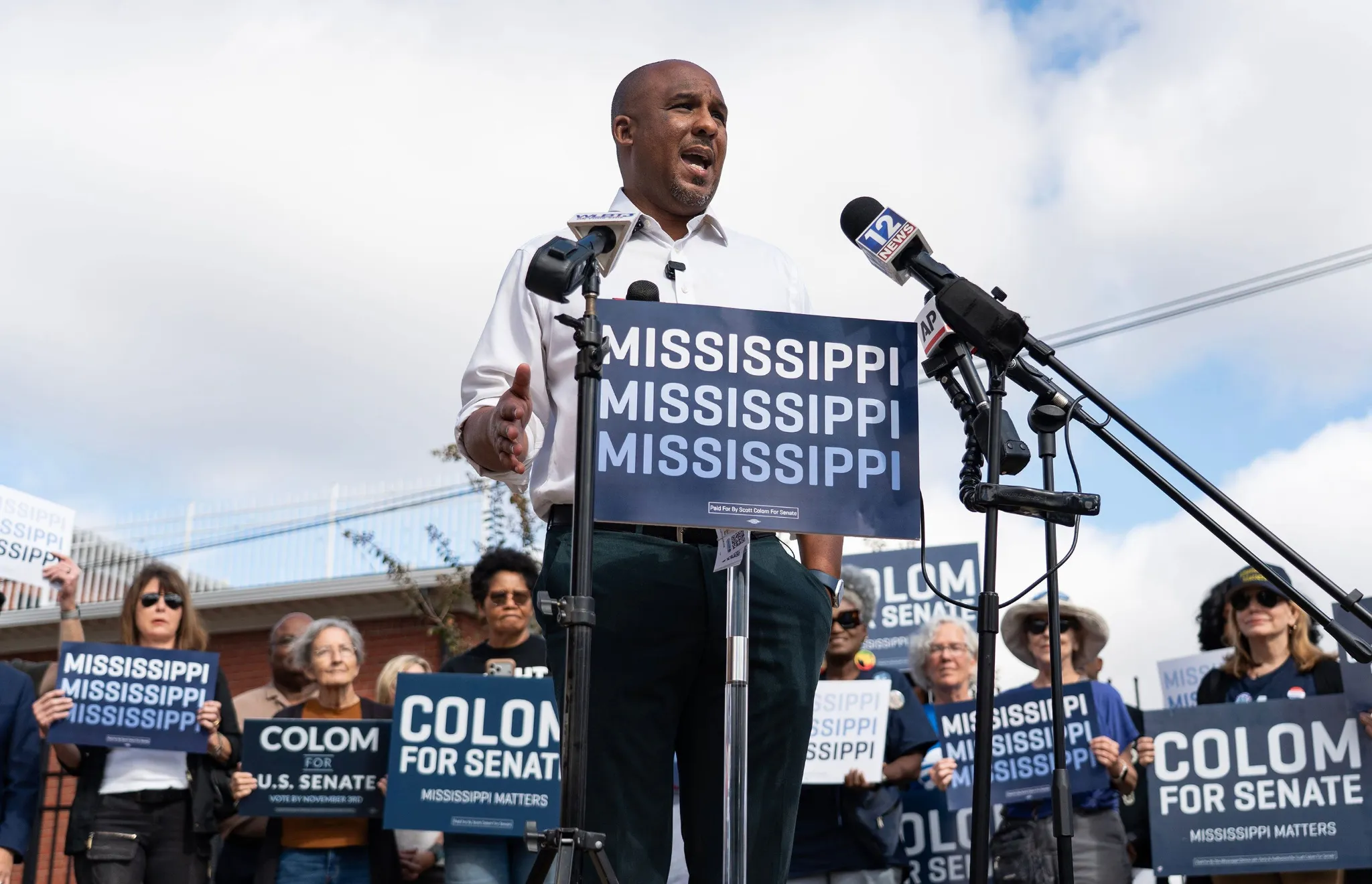
Colom’s background helped shape his campaign. At 28, he became the youngest and first Black judge appointed in Lowndes County, and later the first Black city prosecutor for Columbus. In 2015, he won the district attorney race for Circuit Court District 16, beating a nearly 30-year incumbent with a reform plan focused on diversion programs for nonviolent offenders.
Via CNN
Following advice from Rep. Bennie Thompson to be known as a listener, he held events in all 82 counties. His campaign also pointed out that Hyde-Smith had not held a town hall in six years. Colom’s ads, including a parody of “Sinners” written by his twin brother and another poking fun at Hyde-Smith’s comments about beef prices, drew national attention.
He also visited a Trump rally in Corinth to ask people about tariffs and gas prices, and the video went viral. Alexis York, 29, a first-time voter in Jackson, said she recognized a man in one ad from the gas station where she once sold him lunch. At Brent’s Drugs in Jackson, volunteers shared what a Colom win could mean.
Via Mississippi Media Press
Nickie Gray, 57, hoped it might change how relatives outside the state see Mississippi, and Lee Parrott, 68, said White residents had shown they were more willing to listen. Jackie Washington, 73, remembered a time when Black people could not eat at that same counter and said the state could still change. For organizers like Smith and Sly, the work goes on, one ballot and one voter at a time.