Unassigned
How Mark Cuban Views Elon Musk’s Trillionaire Rise

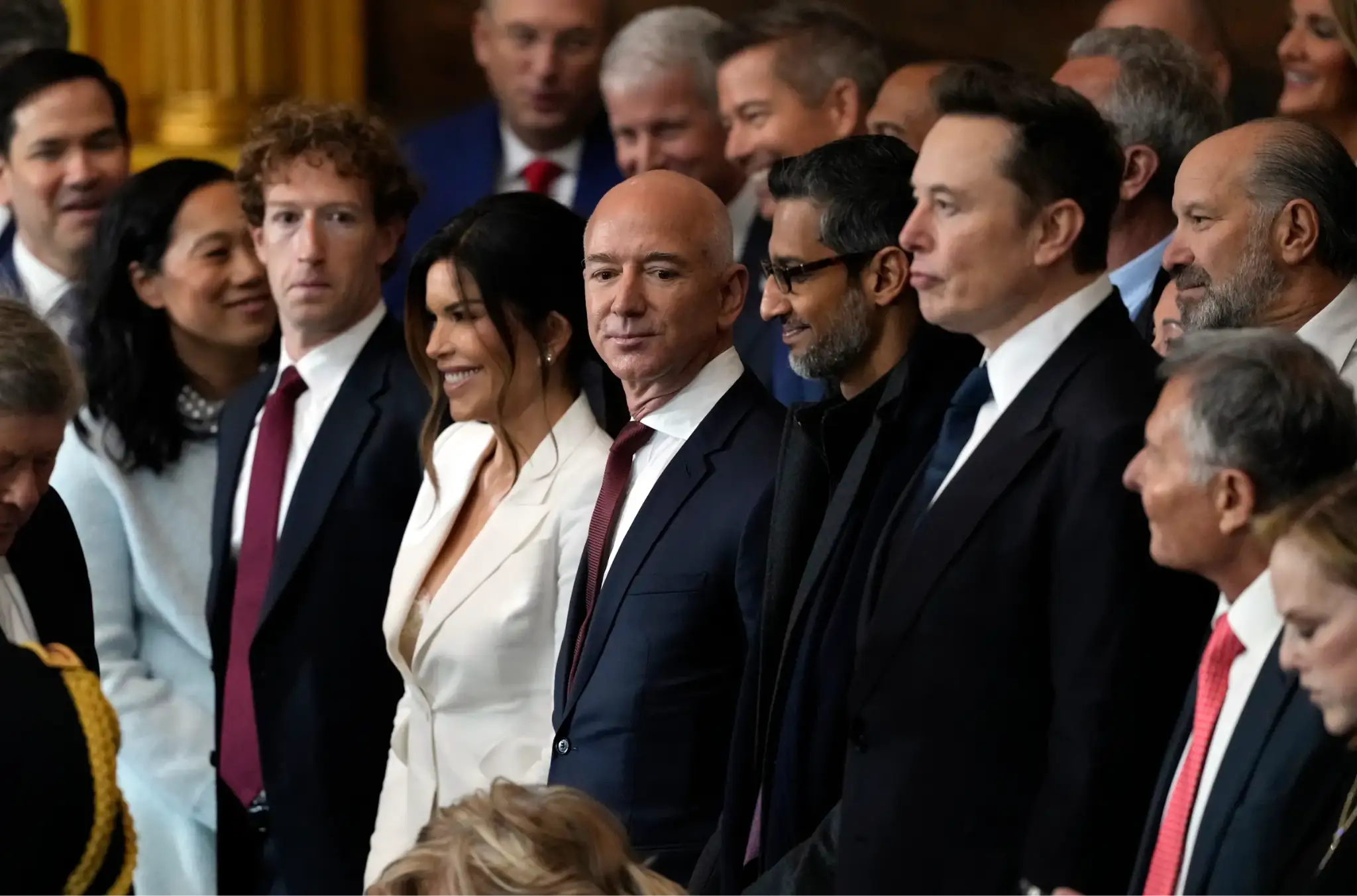
Mark Cuban has stepped into a heated public debate about Elon Musk, billionaire wealth, and the power of the stock market. The discussion grew louder after SpaceX went public in June 2026 and became one of the biggest financial events in modern U.S. market history.
The IPO pushed Musk’s fortune above the trillion-dollar mark and turned him into the main example in a wider argument about wealth, fairness, and capitalism. Many people focused on the question of whether one person should have that much money while millions still face high healthcare costs, rising bills, and job pressure.
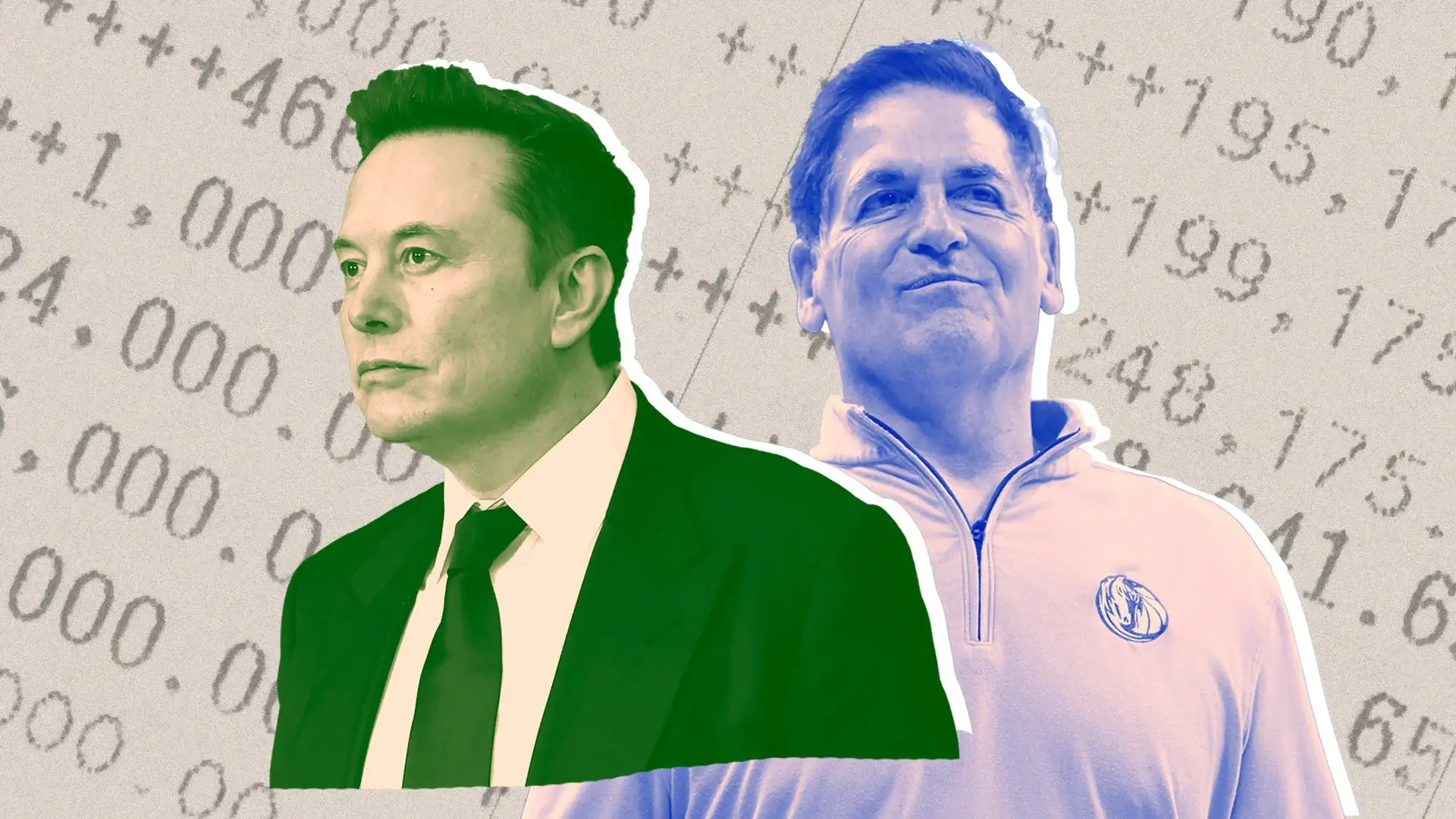 Via Inc. Magazine
Cuban did not answer the debate with a simple defense of billionaires. He also did not join those calling for Musk’s fortune to be taken down by force. Instead, he pointed toward the system that helps create fortunes like this. His message was clear: the stock market is the main reason people like Musk become extremely rich.
Cuban argued that Musk’s fortune did not appear out of nowhere. It grew because investors, retirement savers, and funds kept buying shares in companies connected to his success. That idea adds a deeper layer to the debate because it connects billionaire wealth with ordinary people’s savings.
 Via Yahoo Finance
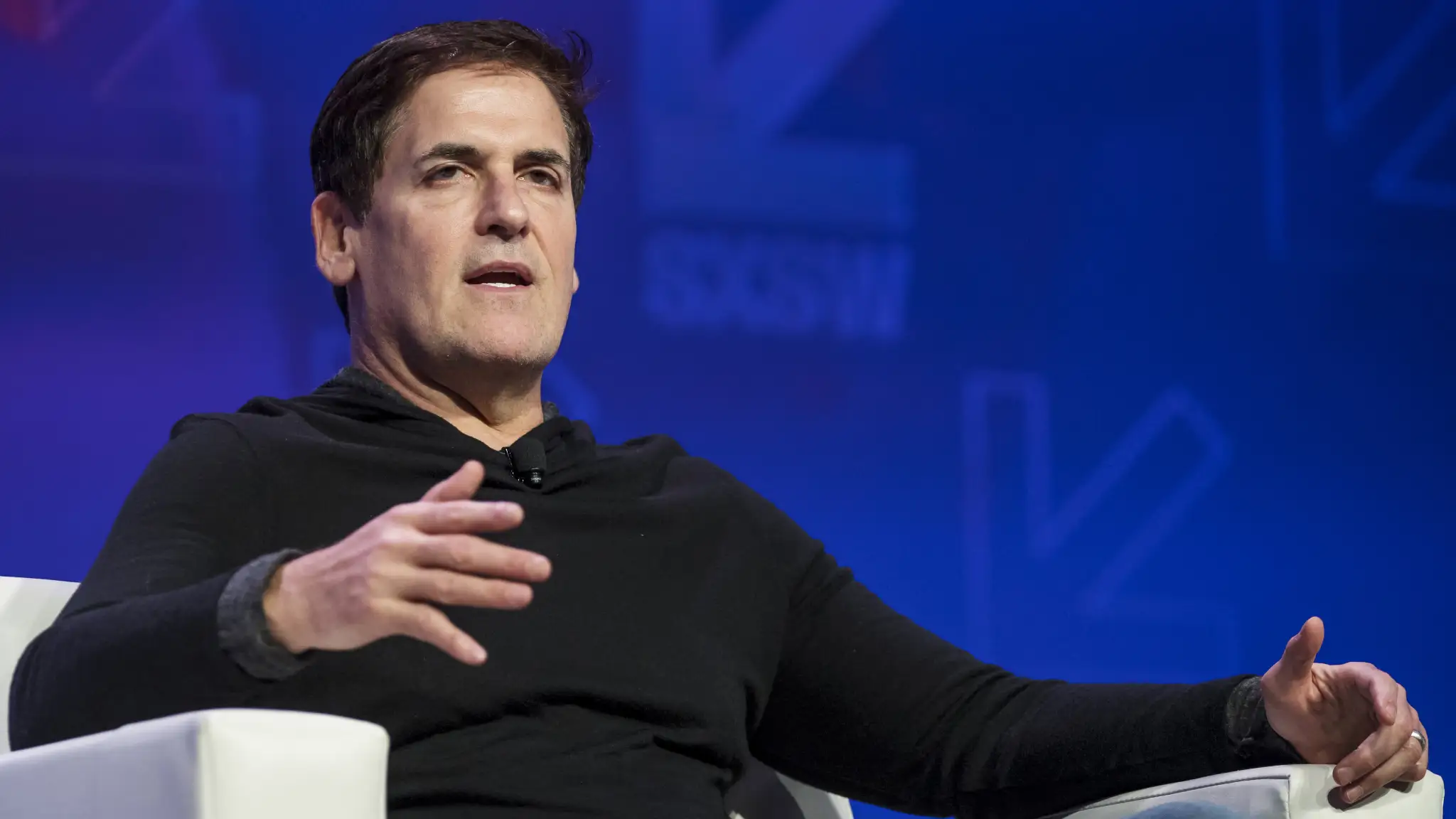 Via CNBC
They saw it as a major player in space travel, satellite internet, defense, artificial intelligence, and future technology. That excitement gave the company a huge market value, and Musk’s large ownership stake grew with it. Cuban’s point was not only about Musk.
It also applied to many founders who became extremely rich through public markets. The stock market rewards ownership, and founders usually own large parts of their companies before they become public. When public investors raise the value of those companies, the founders’ wealth rises with the same market force that lifts the value of stocks in retirement plans.
 Via The Street
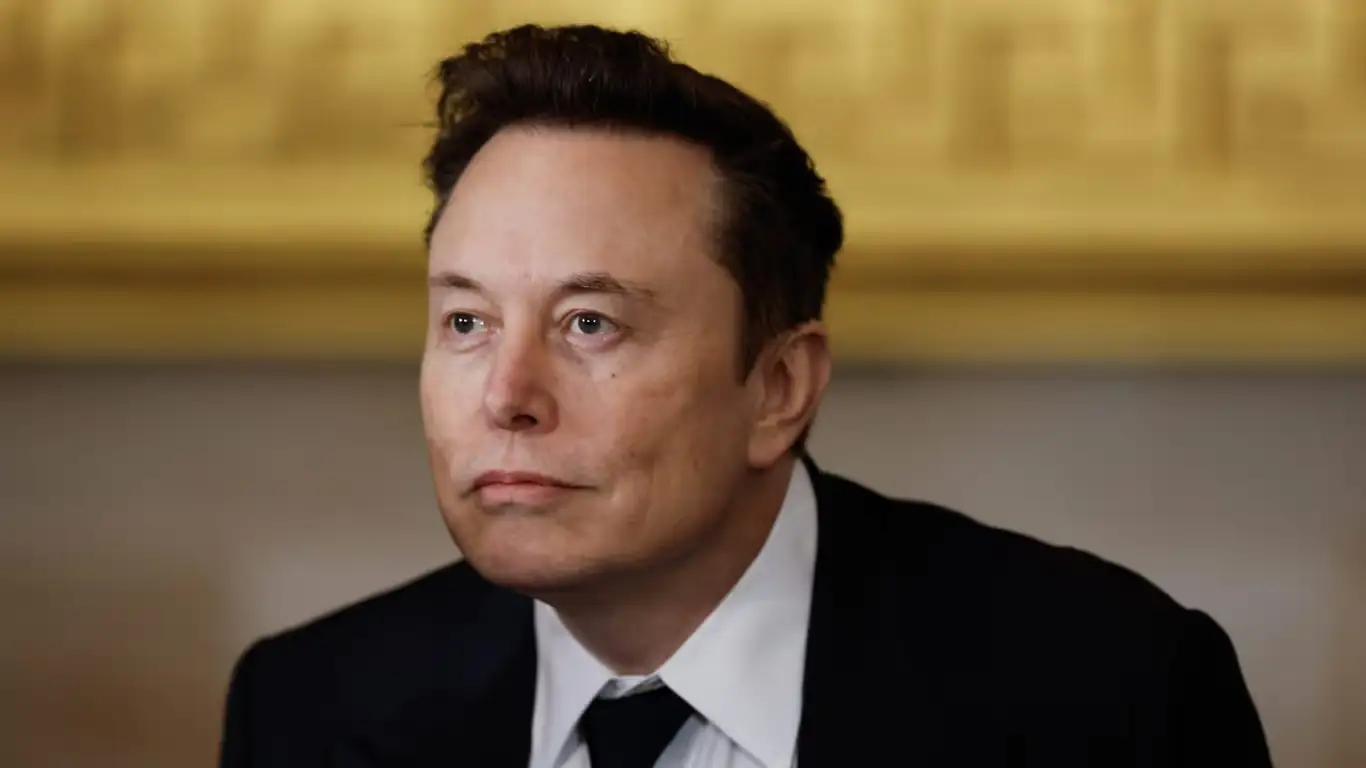 Via Money Lion
A person with a small retirement account is not in the same position as a billionaire founder. The difference in wealth is huge. Still, Cuban argued that both are linked by the same market engine. When investors buy shares, prices can rise. When prices rise, wealthy founders benefit the most because they own the largest stakes, but smaller investors may also see gains in their accounts.
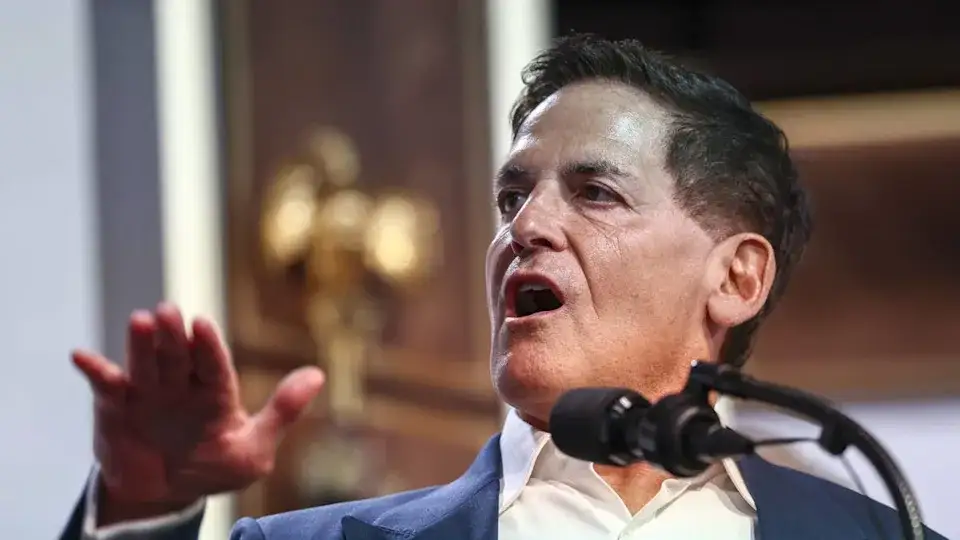 Via AOL
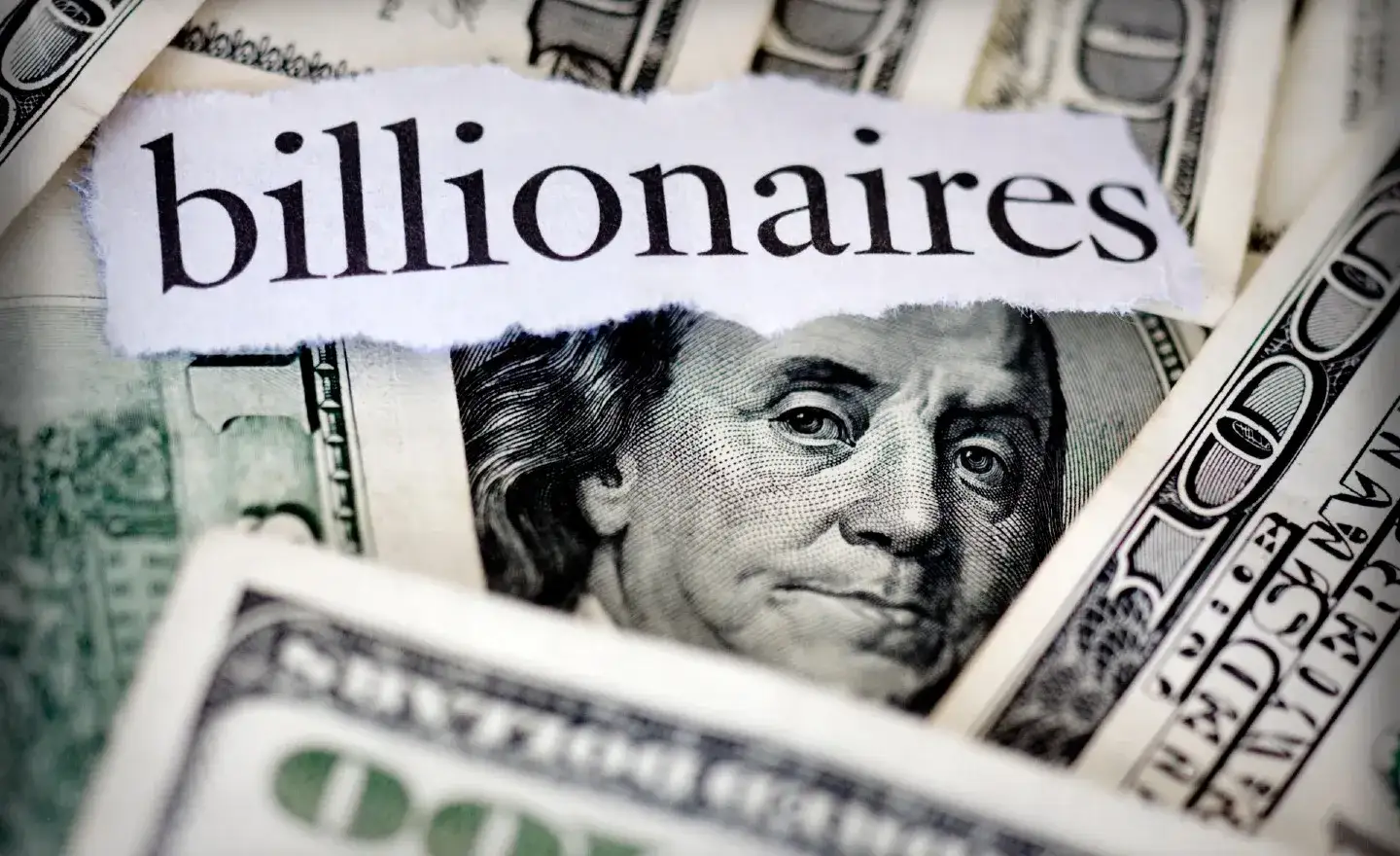
This number matters because it shows how wide the stock market’s reach has become. The market is not only a game for Wall Street firms and billionaire investors. It has become part of everyday financial life for many families. Paychecks feed retirement accounts, retirement accounts buy funds, and those funds often buy shares in the biggest companies.
Cuban used this point to show why attacking billionaire wealth through the stock market could hurt more than just billionaires. If the goal is to crash the value of companies connected to ultra-rich founders, ordinary investors may also feel the damage. Their retirement balances, college savings, and long-term financial plans could fall at the same time.
 Via The Hill
 Via Public Discourse
Cuban seemed to accept this imbalance while still warning against simple answers. He did not say the system is perfect or fair. His main idea was that the market is connected. Trying to destroy wealth at the top through a major selloff could also damage people in the middle who depend on stocks for future security.
 Via Shark Tank Blog
A mass selloff could damage retirement accounts first because those accounts hold broad market funds. Workers who saved for decades could see their balances fall. Families saving for homes, education, or retirement could lose value quickly. Businesses could also face lower market values, weaker confidence, and harder access to capital.
Cuban described this kind of crash as a path toward a deep economic depression. That warning may sound dramatic, but the basic idea is simple. Stock markets are tied to confidence. If confidence breaks across the whole system, the damage can spread from wealthy investors to workers, companies, banks, and households.
 Via CFI Trading
 Via The Independent
Cuban’s warning uses that same memory. If a market collapse were used as a tool to cut billionaire wealth, the damage would not stop with the richest people. It would reach retirement savers, pension funds, small investors, and businesses. That is why he framed the issue as a system problem, not just a billionaire problem.
 Via Vox
Supporters of the market argue that wealth often grows from building companies that create products, jobs, and new industries. They say founders are rewarded because investors believe their companies will produce value. From that view, Musk’s fortune is not only personal wealth. It is also a reflection of what the market thinks SpaceX and its other companies may become.
Cuban’s view sits between these arguments. He does not deny inequality, but he pushes people to understand how the system works before calling for simple fixes. His message suggests that any serious debate about billionaire wealth must also include retirement plans, market structure, investor behavior, and the risks of crashing asset values.
 Via Al Jazeera
 Via Bar chart
Cuban’s warning is that breaking the market to cut down billionaires could harm many people who are far from rich. Retirement savers, workers, and families may feel the pain before billionaires do. The better debate is not only about Musk’s fortune. It is about how people can build a fairer economy without destroying the savings many families depend on.
More in UnassignedVia Inc. Magazine
Cuban did not answer the debate with a simple defense of billionaires. He also did not join those calling for Musk’s fortune to be taken down by force. Instead, he pointed toward the system that helps create fortunes like this. His message was clear: the stock market is the main reason people like Musk become extremely rich.
Cuban argued that Musk’s fortune did not appear out of nowhere. It grew because investors, retirement savers, and funds kept buying shares in companies connected to his success. That idea adds a deeper layer to the debate because it connects billionaire wealth with ordinary people’s savings.
Via Yahoo Finance
Why Cuban Says Market Creates Huge Fortunes
Cuban explained that the stock market often turns founders into billionaires because public investors place a high value on the companies they build. A founder may start with a large ownership stake, but that stake becomes far more valuable when millions of investors believe the company will grow. When share prices rise, the founder’s net worth can rise fast, even without selling those shares. This is what happened with Musk after the SpaceX public listing. Investors rushed toward the company because they saw SpaceX as more than a rocket business.Via CNBC
They saw it as a major player in space travel, satellite internet, defense, artificial intelligence, and future technology. That excitement gave the company a huge market value, and Musk’s large ownership stake grew with it. Cuban’s point was not only about Musk.
It also applied to many founders who became extremely rich through public markets. The stock market rewards ownership, and founders usually own large parts of their companies before they become public. When public investors raise the value of those companies, the founders’ wealth rises with the same market force that lifts the value of stocks in retirement plans.
Via The Street
Role Of Everyday Investors In Musk’s Rise
Cuban said millions of Americans helped create fortunes like Musk’s by investing in stocks directly or through retirement accounts. Many people may not think of themselves as stock market players, but their 401(k), IRA, mutual fund, or ETF often holds shares in large public companies. That means their savings are tied to the same system that makes founders wealthy. This connection matters because it changes the way people look at billionaire wealth. Musk’s fortune did not grow only because a small group of wealthy people supported him. It also grew because ordinary workers, savers, and long-term investors put money into the market. Their choices helped push demand toward companies that seemed likely to grow over time.Via Money Lion
A person with a small retirement account is not in the same position as a billionaire founder. The difference in wealth is huge. Still, Cuban argued that both are linked by the same market engine. When investors buy shares, prices can rise. When prices rise, wealthy founders benefit the most because they own the largest stakes, but smaller investors may also see gains in their accounts.
The 150 Million Investor Figure
Cuban’s argument centered on the idea that around 150 million Americans own stocks in some form. That includes people who own individual shares, people with retirement plans, and people invested in funds. Many of them may never trade stocks directly, yet their money still flows into the market through automatic workplace plans and long-term savings accounts.
Via AOL
This number matters because it shows how wide the stock market’s reach has become. The market is not only a game for Wall Street firms and billionaire investors. It has become part of everyday financial life for many families. Paychecks feed retirement accounts, retirement accounts buy funds, and those funds often buy shares in the biggest companies.
Cuban used this point to show why attacking billionaire wealth through the stock market could hurt more than just billionaires. If the goal is to crash the value of companies connected to ultra-rich founders, ordinary investors may also feel the damage. Their retirement balances, college savings, and long-term financial plans could fall at the same time.
Via The Hill
Wealth Gains Are Still Not Shared Equally
Cuban’s argument does not erase the fact that stock market wealth is deeply unequal. The richest households own most of the market’s value. People with higher incomes can invest more money, hold stocks for longer periods, and take more risks. Lower-income families often have little left to invest after paying rent, food, healthcare, and other basic costs. This creates a hard truth in the debate. A rising stock market can make the rich much richer while giving smaller benefits to everyone else. A worker may gain a few thousand dollars in a retirement account, while a founder may gain tens or hundreds of billions. Both gains come from the same market, but they do not change lives in the same way.Via Public Discourse
Cuban seemed to accept this imbalance while still warning against simple answers. He did not say the system is perfect or fair. His main idea was that the market is connected. Trying to destroy wealth at the top through a major selloff could also damage people in the middle who depend on stocks for future security.
Cuban About Forced Market Crash
Cuban warned that removing billionaire wealth by forcing a market collapse would have severe consequences. His argument was direct: if people want Musk and other billionaires to lose much of their wealth, they would need investors to sell their stocks, funds, and ETFs. Such a move would not only reduce billionaire fortunes. It would also pull down the savings of millions.Via Shark Tank Blog
A mass selloff could damage retirement accounts first because those accounts hold broad market funds. Workers who saved for decades could see their balances fall. Families saving for homes, education, or retirement could lose value quickly. Businesses could also face lower market values, weaker confidence, and harder access to capital.
Cuban described this kind of crash as a path toward a deep economic depression. That warning may sound dramatic, but the basic idea is simple. Stock markets are tied to confidence. If confidence breaks across the whole system, the damage can spread from wealthy investors to workers, companies, banks, and households.
Via CFI Trading
2008 Crash Shows Why Market Trust Matters
The 2008 financial crisis showed how quickly falling markets can affect normal families. Stock values dropped, retirement accounts shrank, jobs disappeared, and many people lost trust in the financial system. Even people who did not own many stocks felt the impact through layoffs, wage pressure, home losses, and tighter credit. After that crisis, many Americans stepped back from the market. Stock ownership dropped and took years to recover. People who watched their savings fall became more careful, even when markets later climbed again. The lesson was clear: market crashes do not stay inside Wall Street. They move into homes, workplaces, and long-term family plans.Via The Independent
Cuban’s warning uses that same memory. If a market collapse were used as a tool to cut billionaire wealth, the damage would not stop with the richest people. It would reach retirement savers, pension funds, small investors, and businesses. That is why he framed the issue as a system problem, not just a billionaire problem.
Bigger Debate About Billionaires
Musk’s trillion-dollar moment restarted a larger argument about whether extreme wealth should exist. Critics argue that no single person should hold that much wealth while many people struggle with medical bills, housing costs, and basic living expenses. They see billionaire fortunes as a sign that the system rewards ownership far more than labor.Via Vox
Supporters of the market argue that wealth often grows from building companies that create products, jobs, and new industries. They say founders are rewarded because investors believe their companies will produce value. From that view, Musk’s fortune is not only personal wealth. It is also a reflection of what the market thinks SpaceX and its other companies may become.
Cuban’s view sits between these arguments. He does not deny inequality, but he pushes people to understand how the system works before calling for simple fixes. His message suggests that any serious debate about billionaire wealth must also include retirement plans, market structure, investor behavior, and the risks of crashing asset values.
Via Al Jazeera
Cuban’s Point Is About The System
Mark Cuban’s comments about Elon Musk and the stock market add a serious angle to a loud debate. Instead of only asking whether Musk should be worth more than $1 trillion, Cuban asked how that fortune was created. His answer was the stock market, supported by millions of investors who want their own savings to grow. This does not mean the system is fair for everyone. Stock wealth is still heavily concentrated, and the richest investors gain far more from market growth than most families. Many people still face real financial pressure even when major indexes rise. That gap is one reason the debate around billionaires remains so emotional.Via Bar chart
Cuban’s warning is that breaking the market to cut down billionaires could harm many people who are far from rich. Retirement savers, workers, and families may feel the pain before billionaires do. The better debate is not only about Musk’s fortune. It is about how people can build a fairer economy without destroying the savings many families depend on.