Unassigned
Shadows in Paradise - UAE Hotel Sparks Seychelles Fears
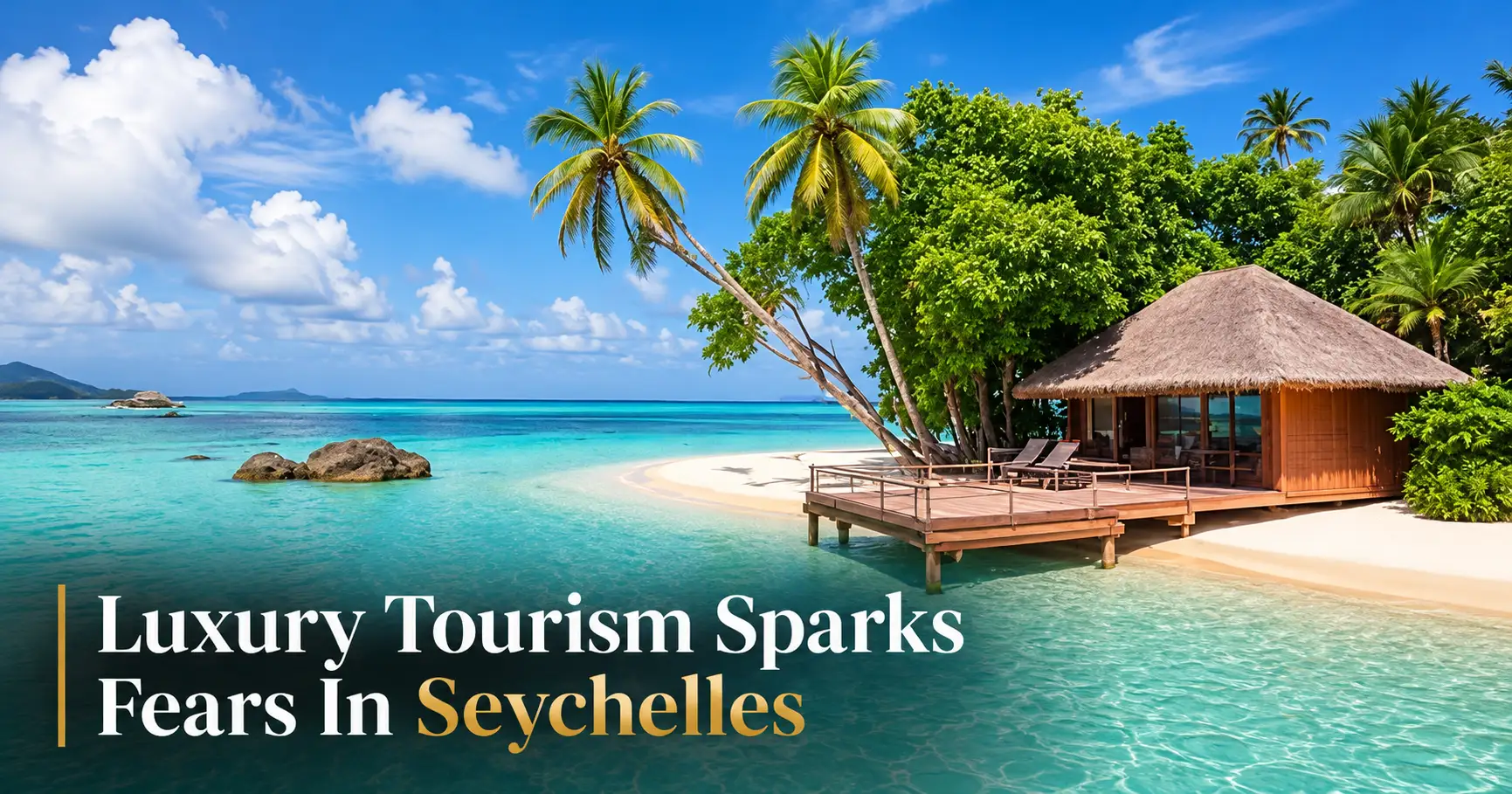
The Seychelles is admired worldwide for its crystal-clear waters, lush tropical forests, and remarkable biodiversity. The island nation has built a global reputation as a destination where nature and luxury exist together. Its commitment to conservation continues attracting visitors while protecting unique ecosystems and extraordinary natural beauty.
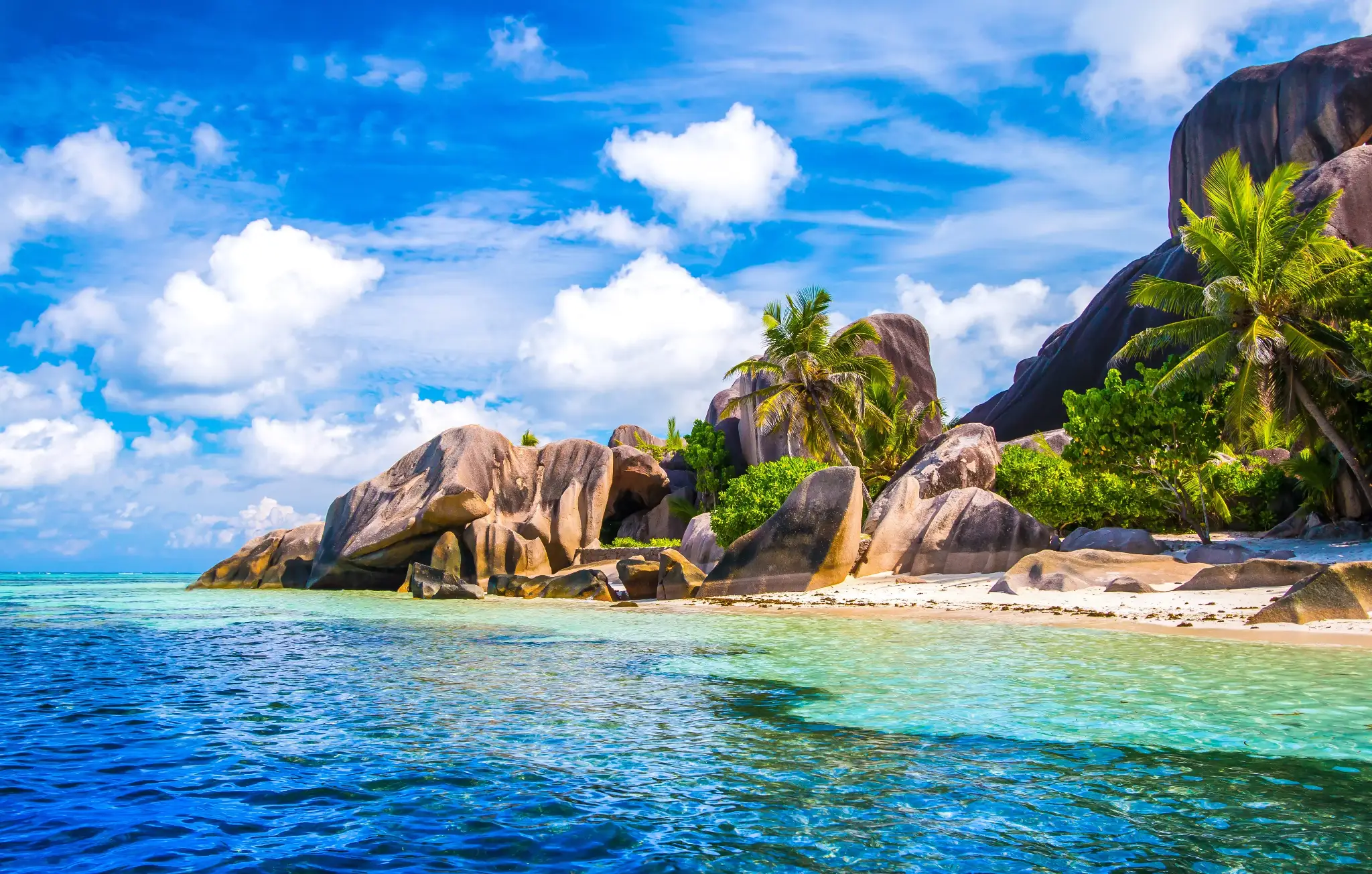
Mahé, the largest island in the archipelago, attracts travelers with its untouched beaches and peaceful atmosphere. These landscapes are also home to rare wildlife that depend on healthy coastal ecosystems for survival, making environmental protection increasingly important alongside expanding tourism development.
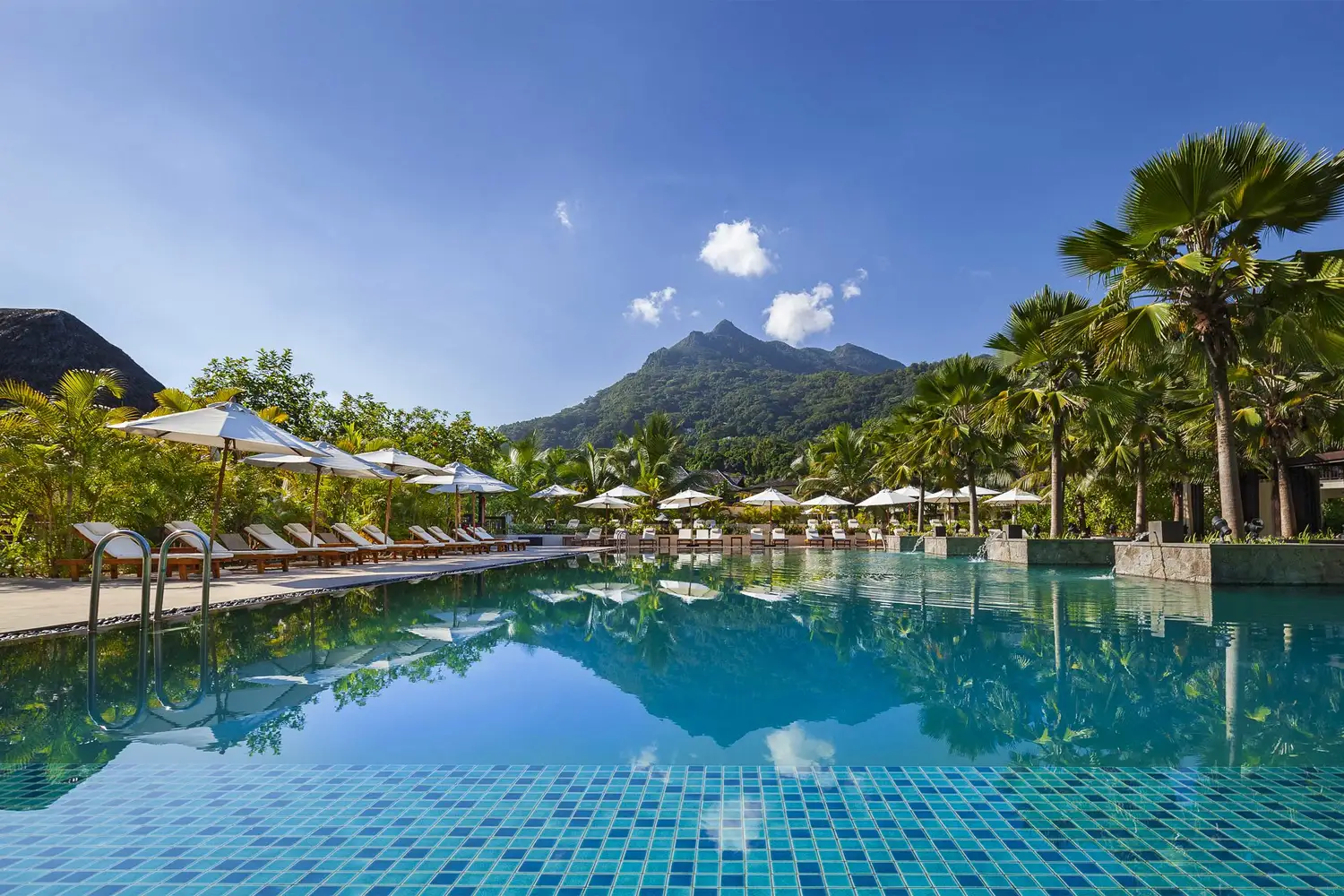 Via Hotelier Middle East
As luxury tourism continues expanding, conservation groups and residents are questioning whether rapid development is placing excessive pressure on fragile environments that have taken centuries to flourish. They warn that balancing economic growth with long-term environmental protection is crucial.
 Via Panda.org
Researchers carefully inspect nests hidden beneath the sand, documenting successful hatchings while recording eggs that failed to develop. Every discovery helps scientists understand the health of turtle populations across the islands.
The survival of these ancient marine creatures depends heavily on undisturbed beaches, making coastal protection a top conservation priority in the Seychelles. Protecting nesting habitats helps preserve biodiversity, supports healthy marine ecosystems, and ensures these remarkable species continue thriving for future generations.
 Via Conscious Explorer
 Via Al Mithaq Institute
Conservation advocates believe stronger enforcement is necessary to ensure environmental regulations are followed whenever new tourism projects are approved near sensitive habitats. They argue that careful planning, regular monitoring, and responsible development can protect wildlife.
 Via CNN
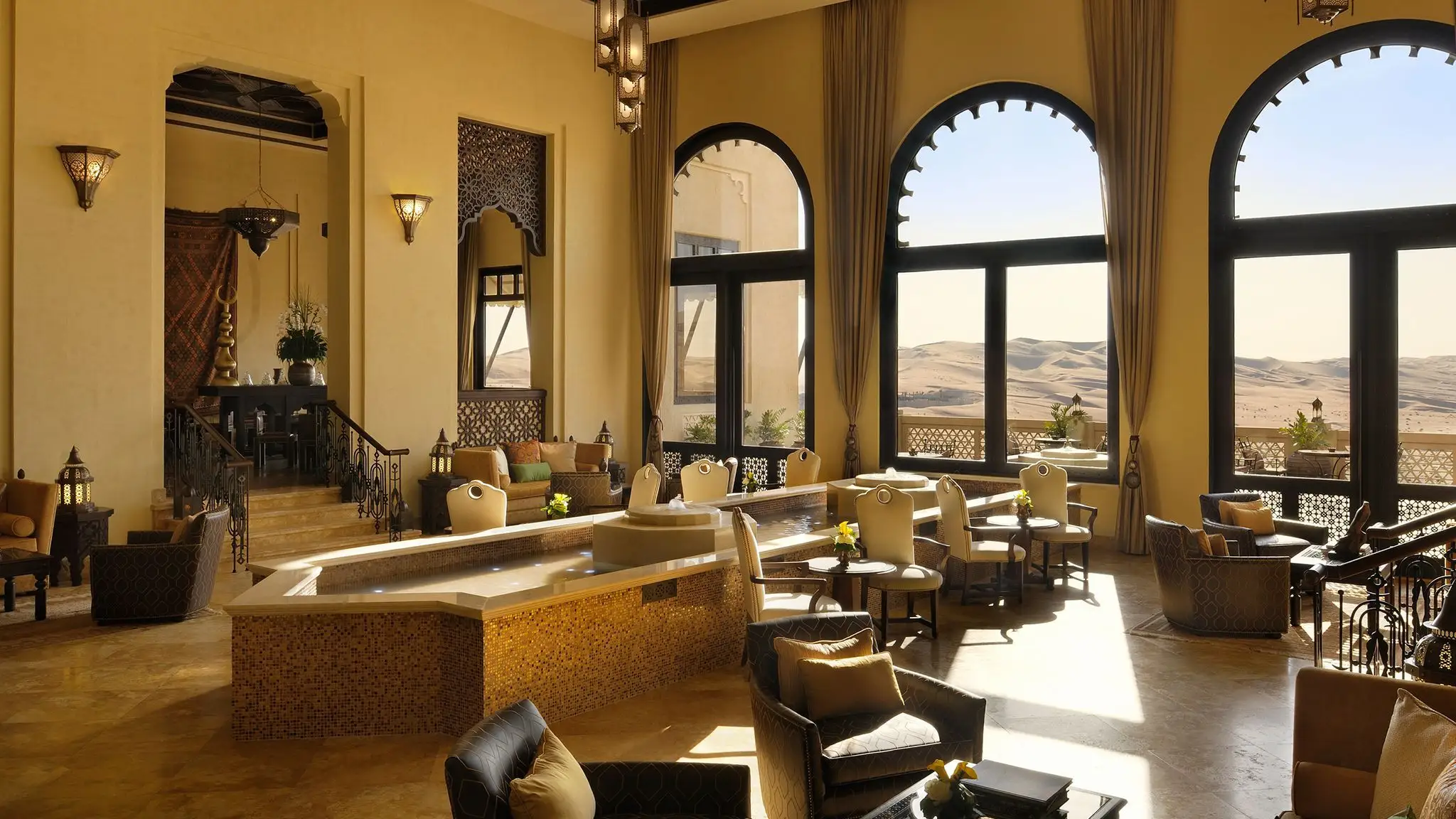
Abu Dhabi-based National Corporation for Tourism and Hotels owns and operates the project under the Cheval Blanc luxury hospitality brand. Accommodation prices reach several thousand dollars per night, reflecting its premium positioning and exclusive appeal among affluent international travelers.
Its location beside environmentally significant beaches has turned the development into one of the country's most debated tourism projects, with conservation concerns continuing after construction was completed despite ongoing scrutiny.
 Via Conde Nest Travels
 Via Caricular Economy Month
Economic planners hoped sustainability initiatives and partnerships with local suppliers would spread tourism benefits beyond the hotel sector. They believed these efforts could create jobs, support small businesses, and strengthen local economies.
 Via KNPR
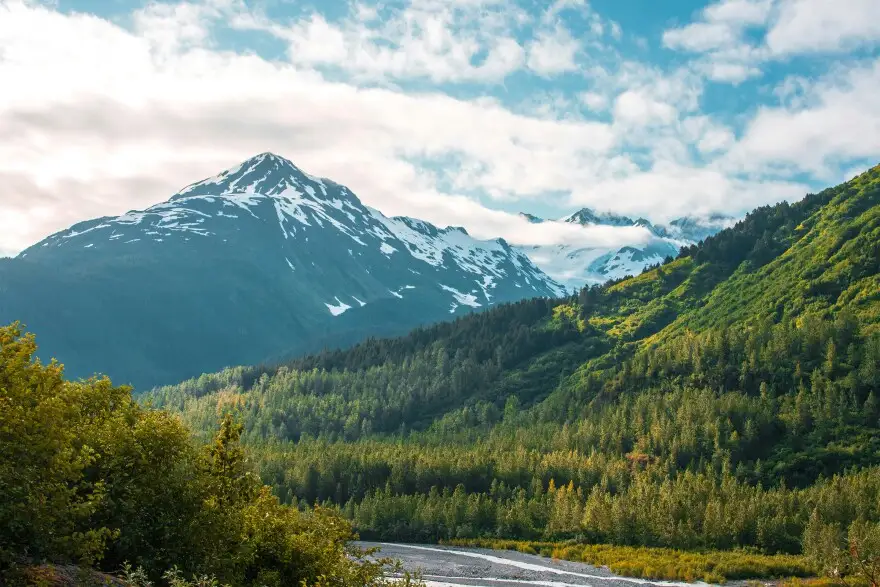
Critics argue that important environmental concerns were not fully investigated before the resort opened. They also claim developers were not required to publicly respond to every allegation raised by conservation groups, leaving questions about transparency and environmental accountability unresolved.
These unresolved concerns have fueled ongoing debate about whether economic ambitions are receiving greater priority than long-term environmental protection across the islands. Many believe balanced policies are essential to support responsible development while preserving biodiversity.
 Via News Center Maine
 Via Seychelles
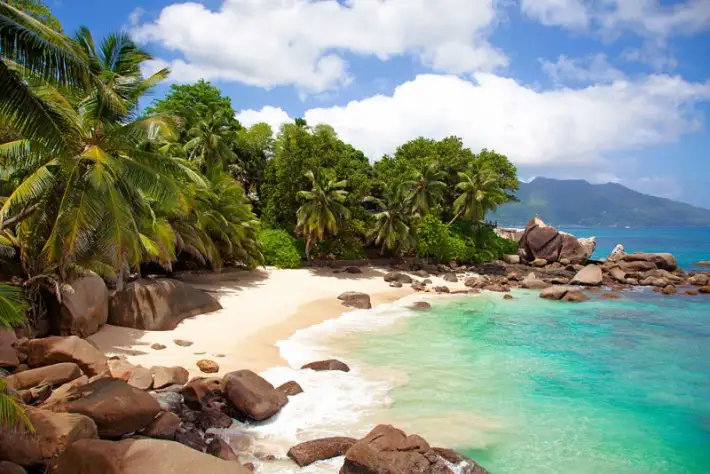
Growing development along sensitive coastlines now challenges that reputation, prompting calls for stricter oversight to maintain global confidence in the Seychelles' conservation achievements. Many believe stronger environmental safeguards are essential to protect fragile ecosystems while supporting sustainable tourism and responsible economic development.
 Via Sustainable Travel International
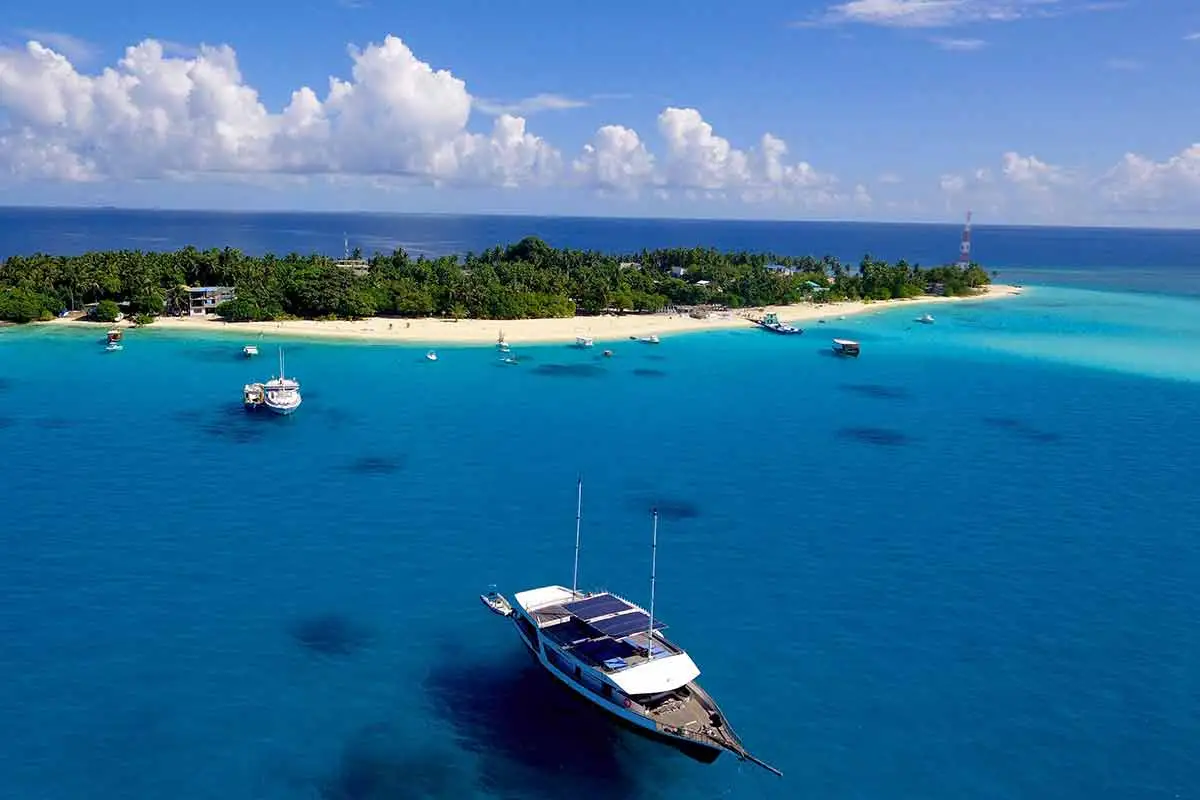
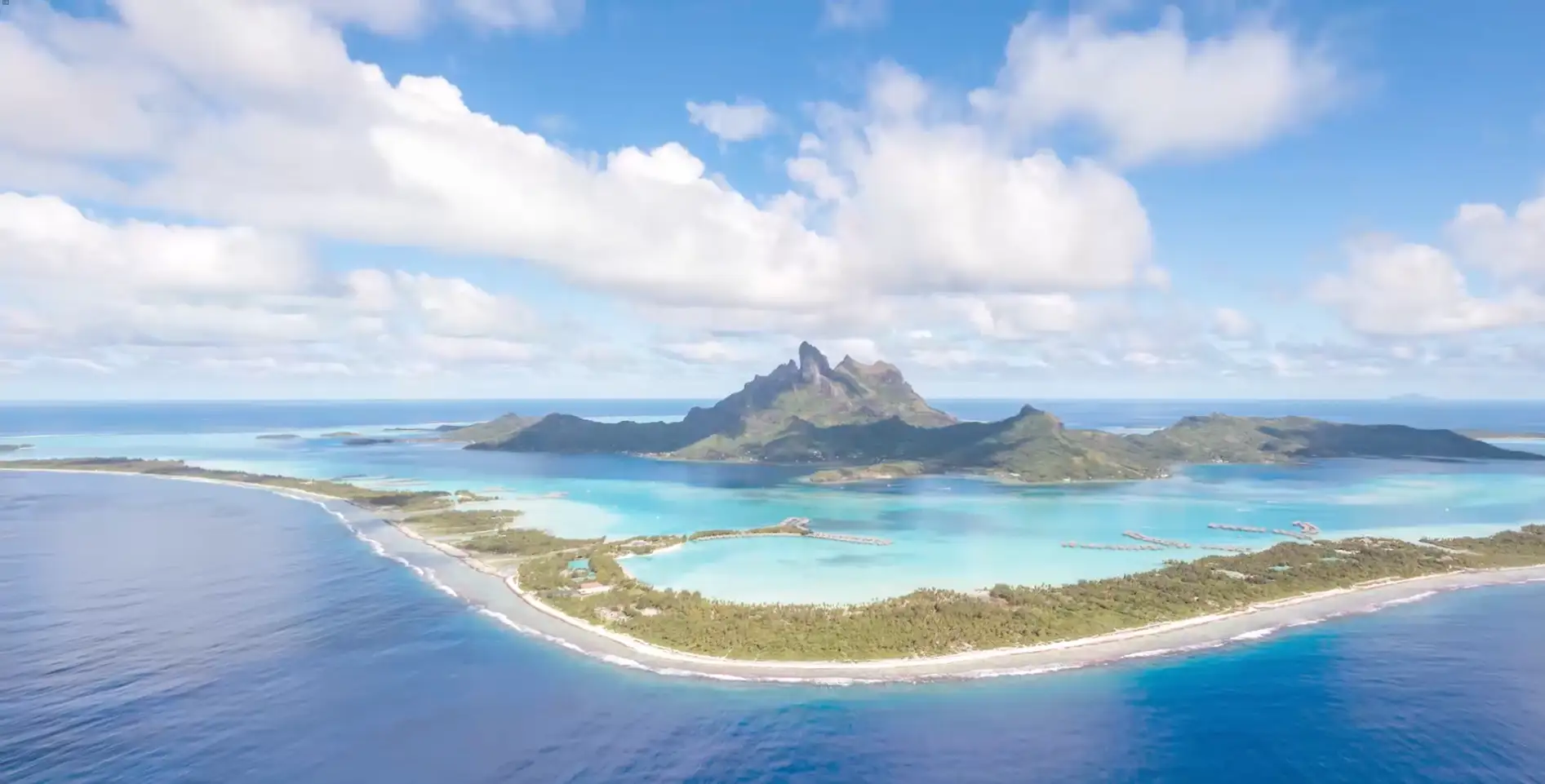
Rather than encouraging mass tourism, the country traditionally focused on upscale experiences offering privacy and exclusive surroundings. That strategy attracted premium travelers willing to pay for exceptional natural settings.
Many residents believe the rapid pace of construction is transforming familiar coastlines, raising concerns about how much future development the islands can sustainably support. They continue urging careful planning to protect natural landscapes while allowing responsible economic growth.
 Via The Guardian
 Via KazakhstanToday
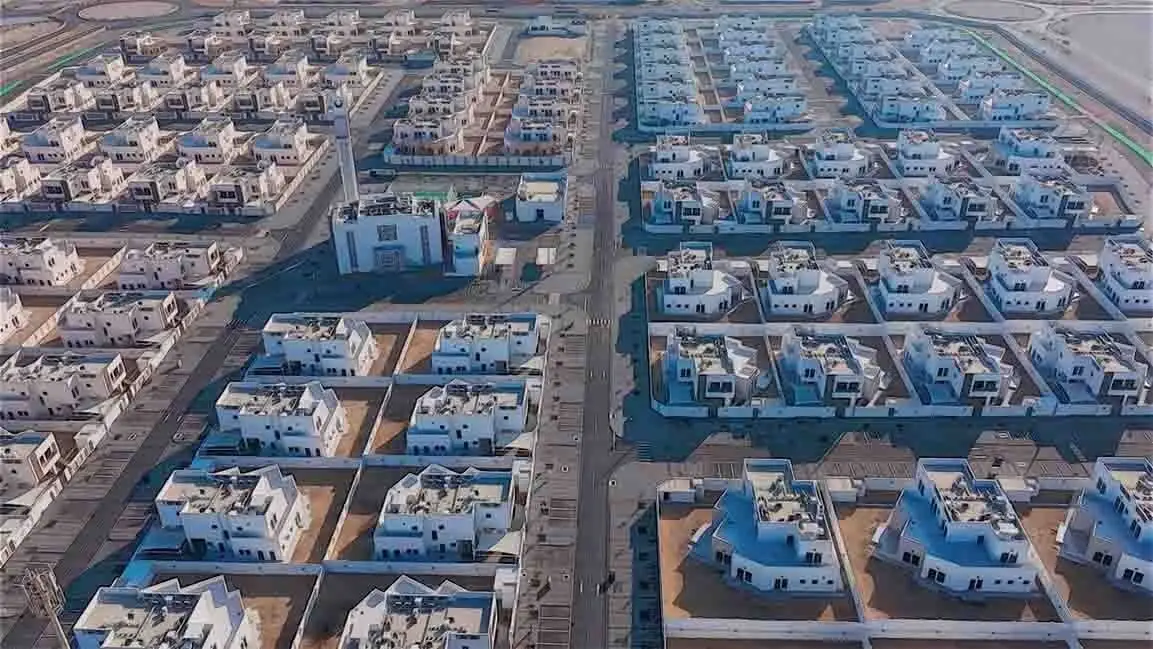
Opponents argue that overseas investors sometimes receive favorable treatment, raising concerns about transparency and the consistent enforcement of environmental protections. They believe stronger oversight and accountability are essential to ensure fair decisions and safeguard natural resources.
 Via Fast Company Middle East
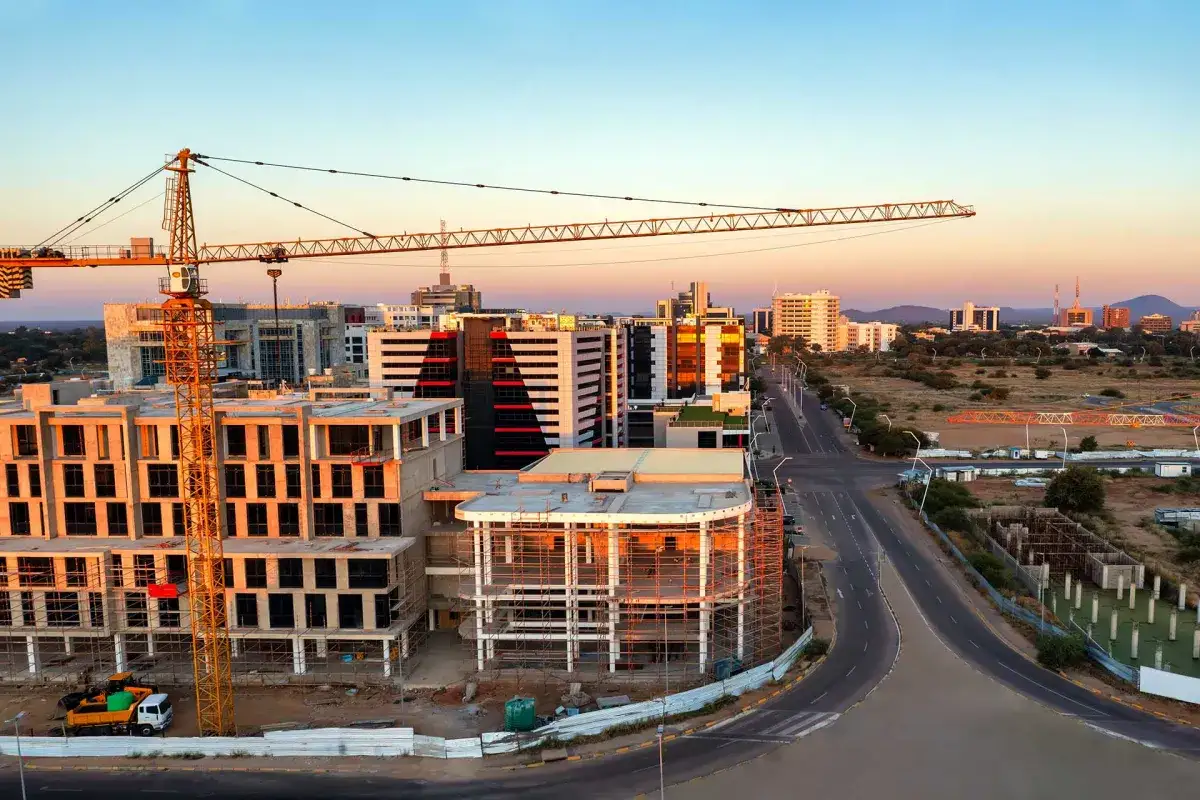
Thousands of people sought compensation after alleging contamination caused by runoff from a major construction site connected to a mountaintop palace project. The dispute highlighted tensions between development and environmental safety.
These earlier incidents continue to shape public opinion whenever large foreign-funded projects are proposed, especially in ecologically sensitive coastal or forested areas. Many residents call for greater transparency, careful environmental assessments, and stronger safeguards before approval is granted.
 Via EnterPriseAM
 Via Australian Water Association
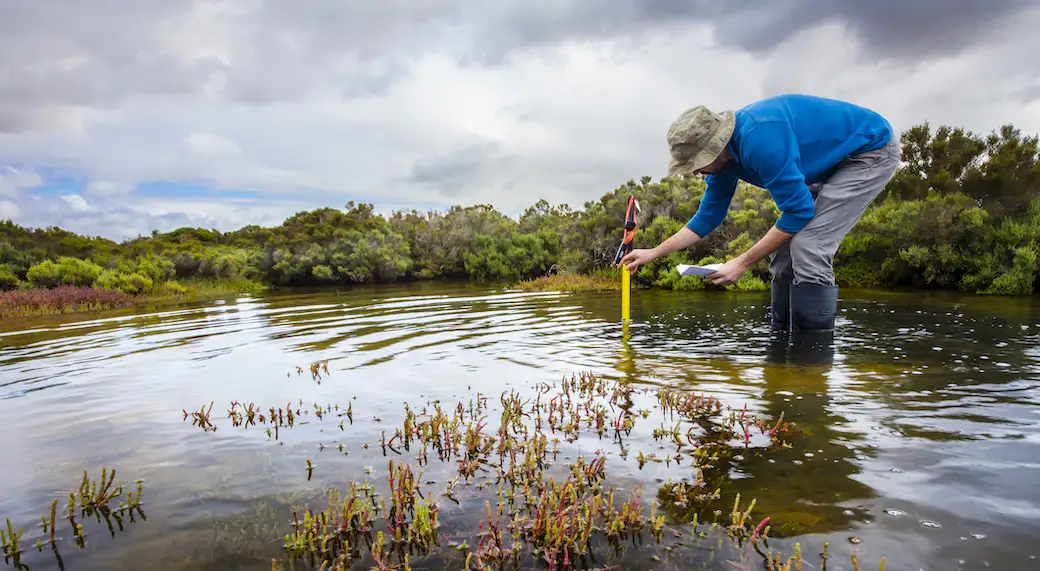
The decision reinforced ongoing discussions about how authorities should evaluate future developments near environmentally significant habitats. Conservation experts emphasized the importance of thorough environmental assessments, transparent decision-making, and balanced planning.
 Via Pattens Group
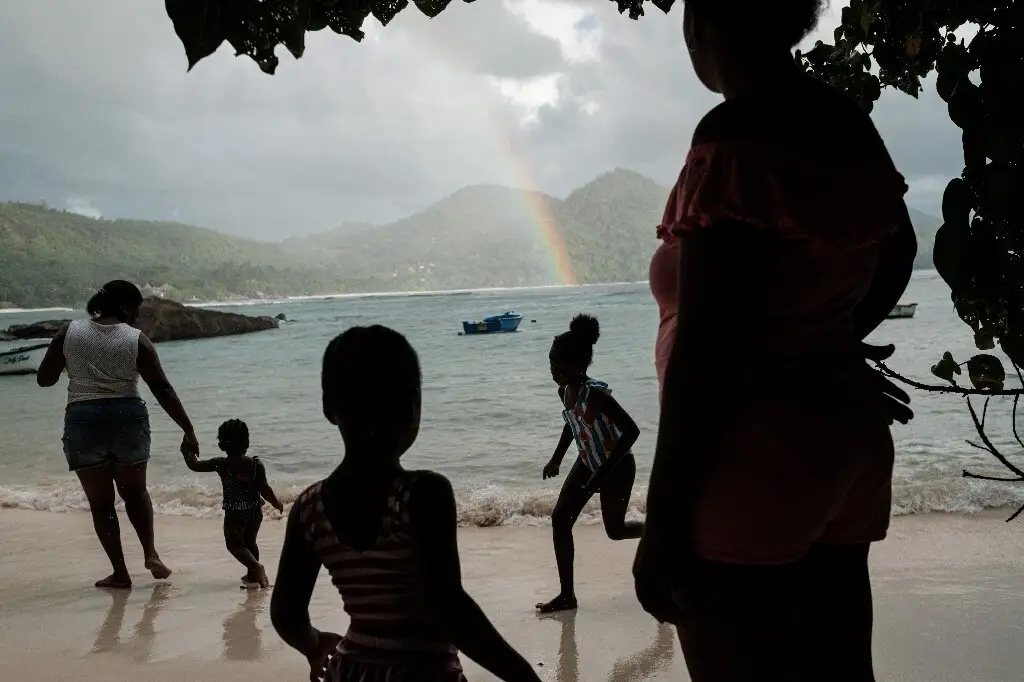
Critics argue that construction work frequently relies on imported labor rather than on employing large numbers of local workers. Foreign employees now represent a substantial share of the country's overall population, fueling debate about workforce policies and economic priorities nationwide.
Some community members believe greater emphasis should be placed on creating meaningful employment opportunities and long-term career development for Seychellois citizens within the tourism sector. They argue that stronger local participation would deliver broader economic benefits while reducing dependence on foreign workers.
 Via Phys.org
 Via Creative Images Institute Of Cosmetology
Community voices continue emphasizing that economic partnerships should protect national interests while preserving the environmental heritage that makes the Seychelles globally distinctive. Achieving both goals remains vital for the country's sustainable future.
 Via CNN
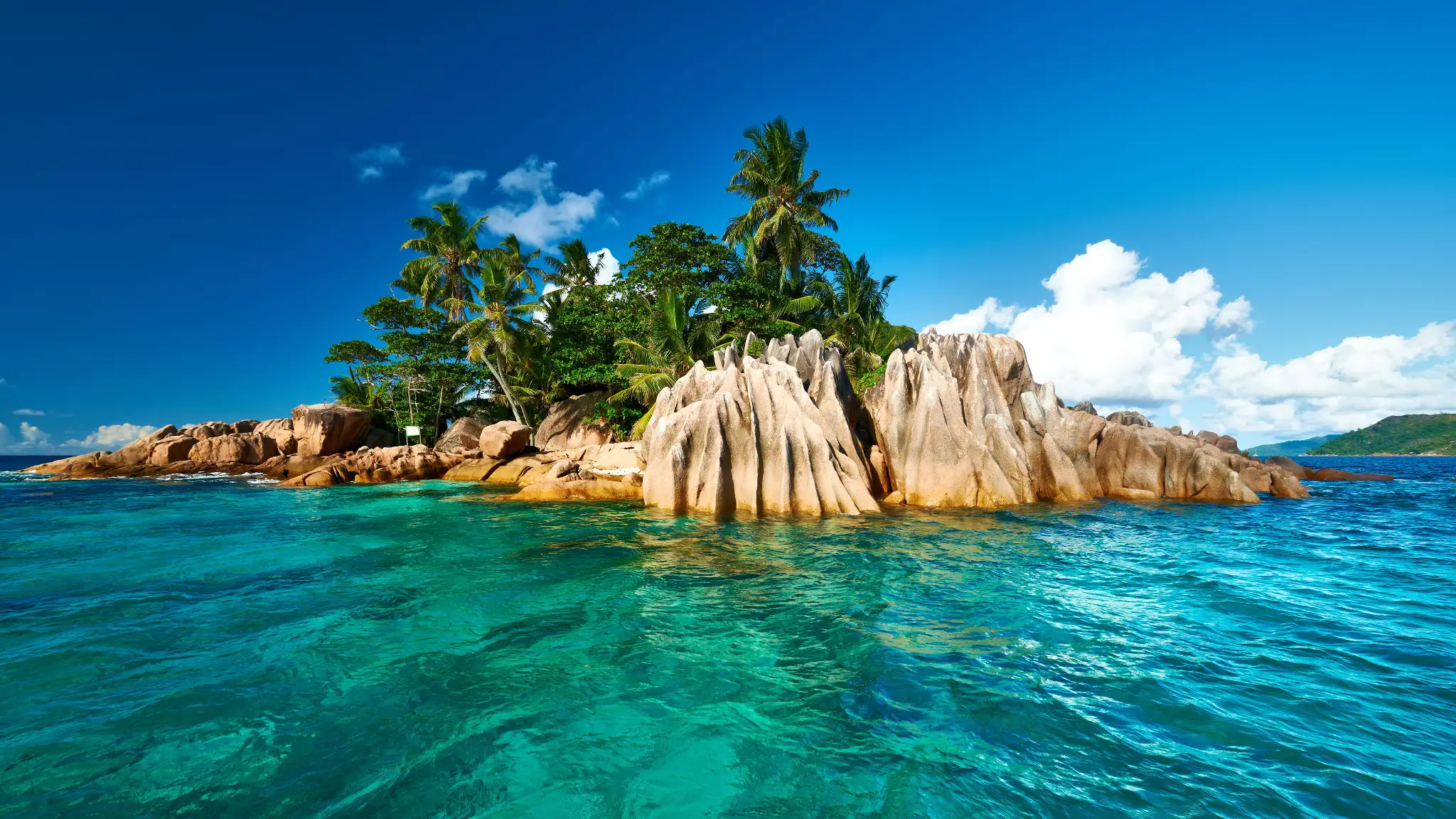
The future of the Seychelles may depend on achieving a lasting balance between luxury tourism, responsible investment, and environmental protection. Preserving its unique landscapes while supporting sustainable economic growth will remain essential to maintaining the islands' natural beauty, biodiversity, and global appeal for future generations.
More in UnassignedVia Hotelier Middle East
As luxury tourism continues expanding, conservation groups and residents are questioning whether rapid development is placing excessive pressure on fragile environments that have taken centuries to flourish. They warn that balancing economic growth with long-term environmental protection is crucial.
Sea Turtles Face Increasing Habitat Loss
Along Mahé's sandy coastline, conservation workers regularly monitor nesting sites used by endangered sea turtles. These beaches support critically endangered hawksbill turtles and endangered green turtles that return every year to lay eggs.
Via Panda.org
Researchers carefully inspect nests hidden beneath the sand, documenting successful hatchings while recording eggs that failed to develop. Every discovery helps scientists understand the health of turtle populations across the islands.
The survival of these ancient marine creatures depends heavily on undisturbed beaches, making coastal protection a top conservation priority in the Seychelles. Protecting nesting habitats helps preserve biodiversity, supports healthy marine ecosystems, and ensures these remarkable species continue thriving for future generations.
Via Conscious Explorer
Environmental Laws Meet Development Challenges
Sea turtles have received full legal protection in the Seychelles since 1994. National laws prohibit harming turtles, disturbing nests, or interfering with any stage of their breeding cycle, helping safeguard vulnerable marine populations for generations through stronger nationwide conservation efforts. Despite these protections, environmental organizations argue that expanding coastal construction has damaged important nesting areas. Clearing native vegetation reduces suitable places where female turtles naturally lay their eggs, increasing pressure on already vulnerable populations.Via Al Mithaq Institute
Conservation advocates believe stronger enforcement is necessary to ensure environmental regulations are followed whenever new tourism projects are approved near sensitive habitats. They argue that careful planning, regular monitoring, and responsible development can protect wildlife.
A Luxury Resort at the Center of Debate
Near one of Mahé's well-known turtle nesting beaches stands the newly opened Cheval Blanc Seychelles resort. The luxury property offers exclusive beachfront villas designed to attract wealthy international travelers seeking privacy and exceptional comfort year-round.Via CNN
Abu Dhabi-based National Corporation for Tourism and Hotels owns and operates the project under the Cheval Blanc luxury hospitality brand. Accommodation prices reach several thousand dollars per night, reflecting its premium positioning and exclusive appeal among affluent international travelers.
Its location beside environmentally significant beaches has turned the development into one of the country's most debated tourism projects, with conservation concerns continuing after construction was completed despite ongoing scrutiny.
Via Conde Nest Travels
Promised Economic Benefits Raise Expectations.
Government officials initially viewed the luxury hotel as an important investment for the national economy. Estimates suggested the project could generate nearly $150 million while creating hundreds of employment opportunities, strengthening tourism revenues, and supporting broader economic development. Forecasts also anticipated millions of dollars in yearly revenue after the resort became fully operational. Supporters believed these financial gains could strengthen tourism while supporting local businesses through increased visitor spending.Via Caricular Economy Month
Economic planners hoped sustainability initiatives and partnerships with local suppliers would spread tourism benefits beyond the hotel sector. They believed these efforts could create jobs, support small businesses, and strengthen local economies.
Conservation Groups Voice Serious Concerns
Environmental organizations have questioned whether the project complied with national ecological standards during construction. Allegations include destruction of nesting habitats, damage to wetlands, and potential impacts on protected wildlife species.
Via KNPR
Critics argue that important environmental concerns were not fully investigated before the resort opened. They also claim developers were not required to publicly respond to every allegation raised by conservation groups, leaving questions about transparency and environmental accountability unresolved.
These unresolved concerns have fueled ongoing debate about whether economic ambitions are receiving greater priority than long-term environmental protection across the islands. Many believe balanced policies are essential to support responsible development while preserving biodiversity.
Via News Center Maine
Seychelles' Reputation for Environmental Leadership
Internationally, the Seychelles has earned praise for its commitment to conservation. Nearly half of the country's ecosystems receive some form of legal protection, covering coral reefs, mangrove forests, marine reserves, and other valuable habitats. This reputation has helped attract visitors seeking destinations that value environmental responsibility alongside luxury experiences. Preserving natural beauty remains central to the country's tourism identity, reinforcing its global appeal while supporting sustainable travel and long-term conservation efforts.
Via Seychelles
Growing development along sensitive coastlines now challenges that reputation, prompting calls for stricter oversight to maintain global confidence in the Seychelles' conservation achievements. Many believe stronger environmental safeguards are essential to protect fragile ecosystems while supporting sustainable tourism and responsible economic development.
Tourism Expansion Changes the Islands
Tourism has grown steadily over the past decade, bringing increasing numbers of international visitors to the Seychelles. Luxury accommodation continues expanding as investors seek prime beachfront locations across the archipelago, fueling economic growth while increasing pressure on sensitive coastal environments.Via Sustainable Travel International
Rather than encouraging mass tourism, the country traditionally focused on upscale experiences offering privacy and exclusive surroundings. That strategy attracted premium travelers willing to pay for exceptional natural settings.
Many residents believe the rapid pace of construction is transforming familiar coastlines, raising concerns about how much future development the islands can sustainably support. They continue urging careful planning to protect natural landscapes while allowing responsible economic growth.
Via The Guardian
Foreign Investment Continues to Grow
Several new tourism projects have been financed or managed by companies and investors from the United Arab Emirates. Their involvement has significantly increased through hotel construction, real estate projects, and infrastructure investments. Supporters view foreign investment as essential for maintaining economic growth and improving tourism facilities. Large-scale developments also generate international attention that can strengthen the country's position in competitive travel markets.
Via KazakhstanToday
Opponents argue that overseas investors sometimes receive favorable treatment, raising concerns about transparency and the consistent enforcement of environmental protections. They believe stronger oversight and accountability are essential to ensure fair decisions and safeguard natural resources.
Earlier Projects Sparked Similar Disputes
Environmental controversies linked to Emirati-backed developments are not new in the Seychelles. Earlier construction projects generated complaints from nearby residents who reported pollution affecting local water supplies and surrounding communities.Via Fast Company Middle East
Thousands of people sought compensation after alleging contamination caused by runoff from a major construction site connected to a mountaintop palace project. The dispute highlighted tensions between development and environmental safety.
These earlier incidents continue to shape public opinion whenever large foreign-funded projects are proposed, especially in ecologically sensitive coastal or forested areas. Many residents call for greater transparency, careful environmental assessments, and stronger safeguards before approval is granted.
Via EnterPriseAM
Wetlands Become Another Conservation Focus
Another disputed tourism development involved plans for a hotel near the important wetland beside Anse à la Mouche. Environmental organizations warned that construction could threaten valuable ecosystems supporting diverse wildlife, intensifying concerns about balancing economic development with environmental conservation priorities. Despite public criticism, government approval allowed the project to proceed after leaders emphasized the importance of balancing environmental conservation with economic development. Officials argued that responsible investment remained necessary for national prosperity.Via Australian Water Association
The decision reinforced ongoing discussions about how authorities should evaluate future developments near environmentally significant habitats. Conservation experts emphasized the importance of thorough environmental assessments, transparent decision-making, and balanced planning.
Jobs and Local Participation Remain Key Issues
Tourism remains one of the Seychelles' most important economic sectors, making investment attractive for policymakers seeking long-term financial stability. Luxury resorts also create demand for hospitality services and supporting industries.
Via Pattens Group
Critics argue that construction work frequently relies on imported labor rather than on employing large numbers of local workers. Foreign employees now represent a substantial share of the country's overall population, fueling debate about workforce policies and economic priorities nationwide.
Some community members believe greater emphasis should be placed on creating meaningful employment opportunities and long-term career development for Seychellois citizens within the tourism sector. They argue that stronger local participation would deliver broader economic benefits while reducing dependence on foreign workers.
Via Phys.org
Concerns Over National Influence
Some local observers worry that increasing foreign investment extends beyond economics into broader political influence. They believe repeated development projects gradually strengthen external control over important national assets, raising concerns about sovereignty, decision-making, and long-term national interests. These concerns have encouraged wider public discussions about ownership, land use, and decision-making surrounding valuable coastal property. Many residents want greater transparency throughout approval processes for future investments.Via Creative Images Institute Of Cosmetology
Community voices continue emphasizing that economic partnerships should protect national interests while preserving the environmental heritage that makes the Seychelles globally distinctive. Achieving both goals remains vital for the country's sustainable future.
Global Competition and Environmental Responsibility
Following the departure of earlier foreign military facilities, new international partners expanded their presence through construction projects, public infrastructure, healthcare, education, and tourism investment. Gulf nations have become particularly active participants in this transformation. These partnerships have supported economic growth while strengthening international relationships. At the same time, every major development increases expectations that environmental safeguards will remain central to national planning decisions.Via CNN
The future of the Seychelles may depend on achieving a lasting balance between luxury tourism, responsible investment, and environmental protection. Preserving its unique landscapes while supporting sustainable economic growth will remain essential to maintaining the islands' natural beauty, biodiversity, and global appeal for future generations.