Unassigned
How Flight 571 Changed Plane Crash Survival

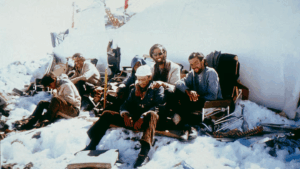
On October 13, 1972, Uruguayan Air Force Flight 571 took off carrying 45 people, mostly young rugby players, their friends, and family, toward a weekend match in Chile. Ninety minutes later, the plane lay broken at 11,700 feet in the frozen Andes. Only 16 would ever see home again.
For 72 days, the survivors fought cold that dropped to −22 °F (−30 °C), starvation, injury, and avalanches. Their story of courage and desperate choices shocked the world and forced aviation to change forever. More than fifty years later, almost nothing about flying is the same.
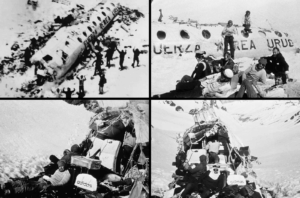 Via Rare Historical Photos
Planes, rules, equipment, training, and rescue operations have all been rebuilt with the Andes in mind. Here are the five biggest ways crash survival odds are dramatically better today, and why a repeat of Flight 571 is almost unthinkable in 2025.
 Via Conde Nast Traveler
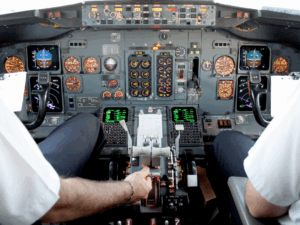
Today, that trap has been dismantled piece by piece. Every commercial airliner carries at least two independent GPS receivers that pinpoint location to within a few feet, 24 hours a day, in any weather. On top of that, a system called Enhanced Ground Proximity Warning (EGPWS) has detailed 3-D maps of every mountain on Earth stored inside the plane’s computers.
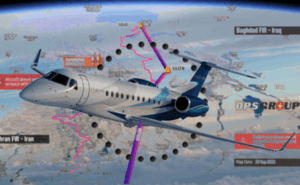
If the flight path gets within about 30 seconds of hitting terrain, loud voices scream “TERRAIN! PULL UP!” while red lights flash across the cockpit. Pilots literally cannot ignore it. Air traffic controllers watch the same GPS data on giant screens. Planes fly precise satellite highways in the sky called RNAV or RNP routes that are drawn miles away from the tallest peaks.
 Via Globalair
In the Andes, the minimum safe altitude for most routes is now 25,000 feet or higher, thousands of feet above what Flight 571 was attempting. Even small private planes and charter flights that once slipped through the cracks now have cheap moving-map tablets and ADS-B transmitters that broadcast their position to the world. The days of “we think we’re somewhere over there” are gone.
 Via CNN
Every commercial route today has detailed performance planning. Computers calculate exactly how much runway is needed, how fast the plane can climb, and whether it can clear the highest obstacle even if one engine quits right after takeoff. These numbers must be checked and signed off by both the pilots and a licensed dispatcher on the ground.
If the plane is too heavy, too hot, or the winds are wrong, passengers wait, fuel is removed, or bags are left behind. Aircraft certification is tougher, too. New or modified planes have to prove they can fly “engine-out” escape routes over places like the Andes, Himalayas, or Greenland ice cap. Engines themselves are far more powerful and reliable.
 Via Autoevolution
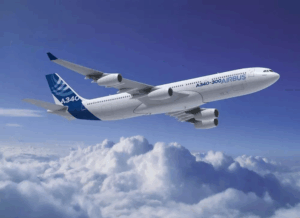
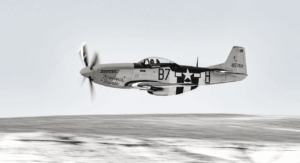
A modern twin-engine jet like the Boeing 787 or Airbus A350 makes almost twice the thrust at 15,000 feet that the old FH-227 made at sea level. Charter companies face the same strict rules. The same flight plan the rugby team took in 1972 would be rejected today by any licensed operator in South America or anywhere else.
 Via My Aircraft Management
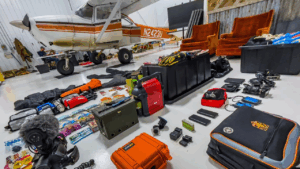
Cold-weather kits include insulated blizzard suits that work down to −40 °F, high-calorie food bars (9,000 calories per person for several days), stainless-steel water boilers, collapsible shovels, mountain tents, ice axes, and even lightweight sleeping bags rated for extreme cold. Some kits have small wood stoves and chemical hand warmers.
Emergency locator transmitters have changed the most. The old 121.5 MHz beacons were weak and hard to find. Today’s 406 MHz beacons with built-in GPS blast a distress signal plus exact latitude and longitude to satellites within seconds of a crash. The signal is accurate to within 100 yards and works even if the plane is upside down or underwater.
 Via YouTube
Flight crews train for these scenarios in realistic simulators. They practice rationing food and water, treating frostbite and broken bones, building snow caves, and signaling rescue helicopters with mirrors and flares. Some airlines send crews to week-long wilderness survival schools in places like Colorado or Patagonia. Passengers on long over-water or over-mountain flights now see safety videos that explain the gear and what to do if the plane goes down in snow.
 Via The Telegraph
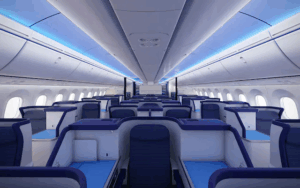
Seats must withstand 16G forward forces, twice the 1970s standard. They are anchored to reinforced floor tracks with giant bolts. Seatbacks have energy-absorbing designs that bend instead of snapping. Most new aircraft have three-point or even four-point harnesses in every class, not just first class.
The fuselage skin is stronger, and the way seats are grouped creates “survival cells” that stay intact longer. Fire-resistant materials give passengers up to four extra minutes to escape smoke and flames. Overhead bins lock tighter, so luggage does not become deadly missiles.
 Via CNN
Crash studies after the Andes disaster also led to better bracing positions. Flight attendants now teach the exact posture that saved lives in survivable crashes: head down, hands over head, feet flat on the floor. That simple change alone reduces head and spinal injuries by huge percentages.
 Via Skies Mag
Every commercial airliner broadcasts its position via ADS-B satellites every second. If the signal stops suddenly, controllers know within 30 seconds that a crash has occurred and the last exact location. The new generation of 406 MHz ELTs activates on impact and sends GPS coordinates even if the pilots are unconscious.
Space-based infrared satellites can spot a crash site at night from orbit. Within an hour, high-resolution images are sent to rescue centers. Countries in South America now have joint mountain-rescue teams with helicopters based in the Andes year-round. Chile and Argentina train together regularly for exactly this kind of high-altitude crash.
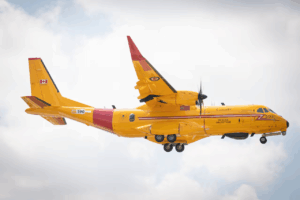 Via CBC
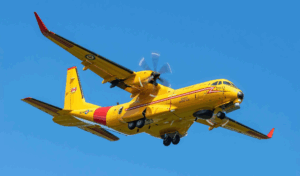
Drones carrying thermal cameras can search huge areas of snow in minutes. Rescue climbers carry satellite phones and portable hyperbaric chambers for altitude sickness. Once survivors are found, helicopters with hoists can lift them out even in bad weather. In short, the ten-day search of 1972 has been replaced by a global system that usually finds a downed airliner within two to six hours anywhere on the planet.
The 16 young men who staggered out of the Andes on Christmas week 1972 did more than survive; they changed aviation forever. Their suffering forced regulators, engineers, pilots, and rescuers to fix problems no one wanted to admit existed. Flying is not perfect. Planes still crash. But when they do, far more people live through the impact, stay warm and fed for days if needed, and are found quickly by teams who will never give up.
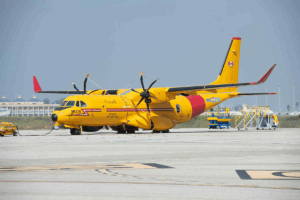 Via Helicopters Magazine
 Via NZ Herald
The snow that buried their plane in 1972 melted long ago, but the changes it forced remain frozen in place: stronger regulations, smarter technology, and an unbreakable promise that no one will ever again be left behind in the wilderness. Sixteen young men walked out of the Andes carrying the weight of 29 lost friends. They also carried the future of aviation safety on their shoulders, quietly, courageously, and forever.
More in Unassigned
Via Rare Historical Photos
Planes, rules, equipment, training, and rescue operations have all been rebuilt with the Andes in mind. Here are the five biggest ways crash survival odds are dramatically better today, and why a repeat of Flight 571 is almost unthinkable in 2025.
Navigation Errors Like the One That Downed Flight 571 Are Now Practically Impossible
The official report was blunt: the co-pilot thought the plane had already passed the mountains when it was still 40 miles east of safety. He told the captain it was okay to descend. Minutes later, they flew straight into a ridge. In 1972, pilots used stopwatches, basic radio beacons, and paper maps. Clouds hid the ground, winds were stronger than forecast, and the instruments had no way to “see” the peaks ahead. It was a perfect trap.
Via Conde Nast Traveler
Today, that trap has been dismantled piece by piece. Every commercial airliner carries at least two independent GPS receivers that pinpoint location to within a few feet, 24 hours a day, in any weather. On top of that, a system called Enhanced Ground Proximity Warning (EGPWS) has detailed 3-D maps of every mountain on Earth stored inside the plane’s computers.
If the flight path gets within about 30 seconds of hitting terrain, loud voices scream “TERRAIN! PULL UP!” while red lights flash across the cockpit. Pilots literally cannot ignore it. Air traffic controllers watch the same GPS data on giant screens. Planes fly precise satellite highways in the sky called RNAV or RNP routes that are drawn miles away from the tallest peaks.
Via Globalair
In the Andes, the minimum safe altitude for most routes is now 25,000 feet or higher, thousands of feet above what Flight 571 was attempting. Even small private planes and charter flights that once slipped through the cracks now have cheap moving-map tablets and ADS-B transmitters that broadcast their position to the world. The days of “we think we’re somewhere over there” are gone.
No Airline Can Legally Send an Underpowered Plane Across Tall Mountains
The Fairchild FH-227D that carried the rugby team was nicknamed “El Plomo”, the lead sled, by pilots who flew it. Its engines lost so much power in thin mountain air that it sometimes climbed only 200–300 feet per minute with a full load. On the day of the crash, the temperature was warmer than normal, making the air even thinner. The plane simply could not get high enough, fast enough. Modern regulations would have grounded that flight before it left the gate.
Via CNN
Every commercial route today has detailed performance planning. Computers calculate exactly how much runway is needed, how fast the plane can climb, and whether it can clear the highest obstacle even if one engine quits right after takeoff. These numbers must be checked and signed off by both the pilots and a licensed dispatcher on the ground.
If the plane is too heavy, too hot, or the winds are wrong, passengers wait, fuel is removed, or bags are left behind. Aircraft certification is tougher, too. New or modified planes have to prove they can fly “engine-out” escape routes over places like the Andes, Himalayas, or Greenland ice cap. Engines themselves are far more powerful and reliable.
Via Autoevolution
A modern twin-engine jet like the Boeing 787 or Airbus A350 makes almost twice the thrust at 15,000 feet that the old FH-227 made at sea level. Charter companies face the same strict rules. The same flight plan the rugby team took in 1972 would be rejected today by any licensed operator in South America or anywhere else.
Survival Equipment and Crew Training Are Built for the Worst Places on Earth
When the fuselage of Flight 571 finally stopped sliding, the survivors had light jackets, a few chocolate bars, and one small medical kit. They melted snow in soda bottles for water and slept packed together inside the broken tail section. Avalanches later buried them alive inside that same shelter. Modern planes that fly over polar routes, oceans, deserts, or high mountains carry survival kits most people would call expedition-grade gear.
Via My Aircraft Management
Cold-weather kits include insulated blizzard suits that work down to −40 °F, high-calorie food bars (9,000 calories per person for several days), stainless-steel water boilers, collapsible shovels, mountain tents, ice axes, and even lightweight sleeping bags rated for extreme cold. Some kits have small wood stoves and chemical hand warmers.
Emergency locator transmitters have changed the most. The old 121.5 MHz beacons were weak and hard to find. Today’s 406 MHz beacons with built-in GPS blast a distress signal plus exact latitude and longitude to satellites within seconds of a crash. The signal is accurate to within 100 yards and works even if the plane is upside down or underwater.
Via YouTube
Flight crews train for these scenarios in realistic simulators. They practice rationing food and water, treating frostbite and broken bones, building snow caves, and signaling rescue helicopters with mirrors and flares. Some airlines send crews to week-long wilderness survival schools in places like Colorado or Patagonia. Passengers on long over-water or over-mountain flights now see safety videos that explain the gear and what to do if the plane goes down in snow.
Airplane Cabins and Seats Are Designed to Keep You Inside and Alive
The Fairchild hit the snow, flipped, and was ripped apart. Entire rows of seats tore loose and flew out with passengers still strapped in. Those who stayed inside the fuselage had the best chance, yet even they suffered terrible injuries from weak seats and lap belts only. Today’s cabins are engineered like race-car cockpits.
Via The Telegraph
Seats must withstand 16G forward forces, twice the 1970s standard. They are anchored to reinforced floor tracks with giant bolts. Seatbacks have energy-absorbing designs that bend instead of snapping. Most new aircraft have three-point or even four-point harnesses in every class, not just first class.
The fuselage skin is stronger, and the way seats are grouped creates “survival cells” that stay intact longer. Fire-resistant materials give passengers up to four extra minutes to escape smoke and flames. Overhead bins lock tighter, so luggage does not become deadly missiles.
Via CNN
Crash studies after the Andes disaster also led to better bracing positions. Flight attendants now teach the exact posture that saved lives in survivable crashes: head down, hands over head, feet flat on the floor. That simple change alone reduces head and spinal injuries by huge percentages.
Search and Rescue Can Find You Almost Anywhere Within Hours, Not Months
For eight days in 1972, search planes flew directly over the white wreckage but never saw it against the snow. Officials assumed everyone was dead and called off the effort. The survivors heard the planes leave and knew they had been abandoned. That abandonment could not happen in 2025.
Via Skies Mag
Every commercial airliner broadcasts its position via ADS-B satellites every second. If the signal stops suddenly, controllers know within 30 seconds that a crash has occurred and the last exact location. The new generation of 406 MHz ELTs activates on impact and sends GPS coordinates even if the pilots are unconscious.
Space-based infrared satellites can spot a crash site at night from orbit. Within an hour, high-resolution images are sent to rescue centers. Countries in South America now have joint mountain-rescue teams with helicopters based in the Andes year-round. Chile and Argentina train together regularly for exactly this kind of high-altitude crash.
Via CBC
Drones carrying thermal cameras can search huge areas of snow in minutes. Rescue climbers carry satellite phones and portable hyperbaric chambers for altitude sickness. Once survivors are found, helicopters with hoists can lift them out even in bad weather. In short, the ten-day search of 1972 has been replaced by a global system that usually finds a downed airliner within two to six hours anywhere on the planet.
The 16 young men who staggered out of the Andes on Christmas week 1972 did more than survive; they changed aviation forever. Their suffering forced regulators, engineers, pilots, and rescuers to fix problems no one wanted to admit existed. Flying is not perfect. Planes still crash. But when they do, far more people live through the impact, stay warm and fed for days if needed, and are found quickly by teams who will never give up.
Via Helicopters Magazine
Explore 5 Survival Changes After Flight 571
The 16 survivors of Flight 571 did not just beat impossible odds; they rewrote the rules of survival itself. Because of them, pilots no longer guess their position over jagged peaks, no underpowered plane is ever cleared to cross the Andes, and every seat is built to keep passengers inside a protective shell. Because of them, cold-weather survival kits, satellite beacons, and global tracking systems are now standard on aircraft that fly remote routes. Because of them, search teams will hunt for days, not hours, using satellites, drones, and mountain rescue units that never quit. Their story is no longer just a tale of suffering; it is the reason millions of travelers today land safely after flying over the same frozen mountains.
Via NZ Herald
The snow that buried their plane in 1972 melted long ago, but the changes it forced remain frozen in place: stronger regulations, smarter technology, and an unbreakable promise that no one will ever again be left behind in the wilderness. Sixteen young men walked out of the Andes carrying the weight of 29 lost friends. They also carried the future of aviation safety on their shoulders, quietly, courageously, and forever.