Unassigned
Easy Potato Salad Recipe for Fresh Summer Meals
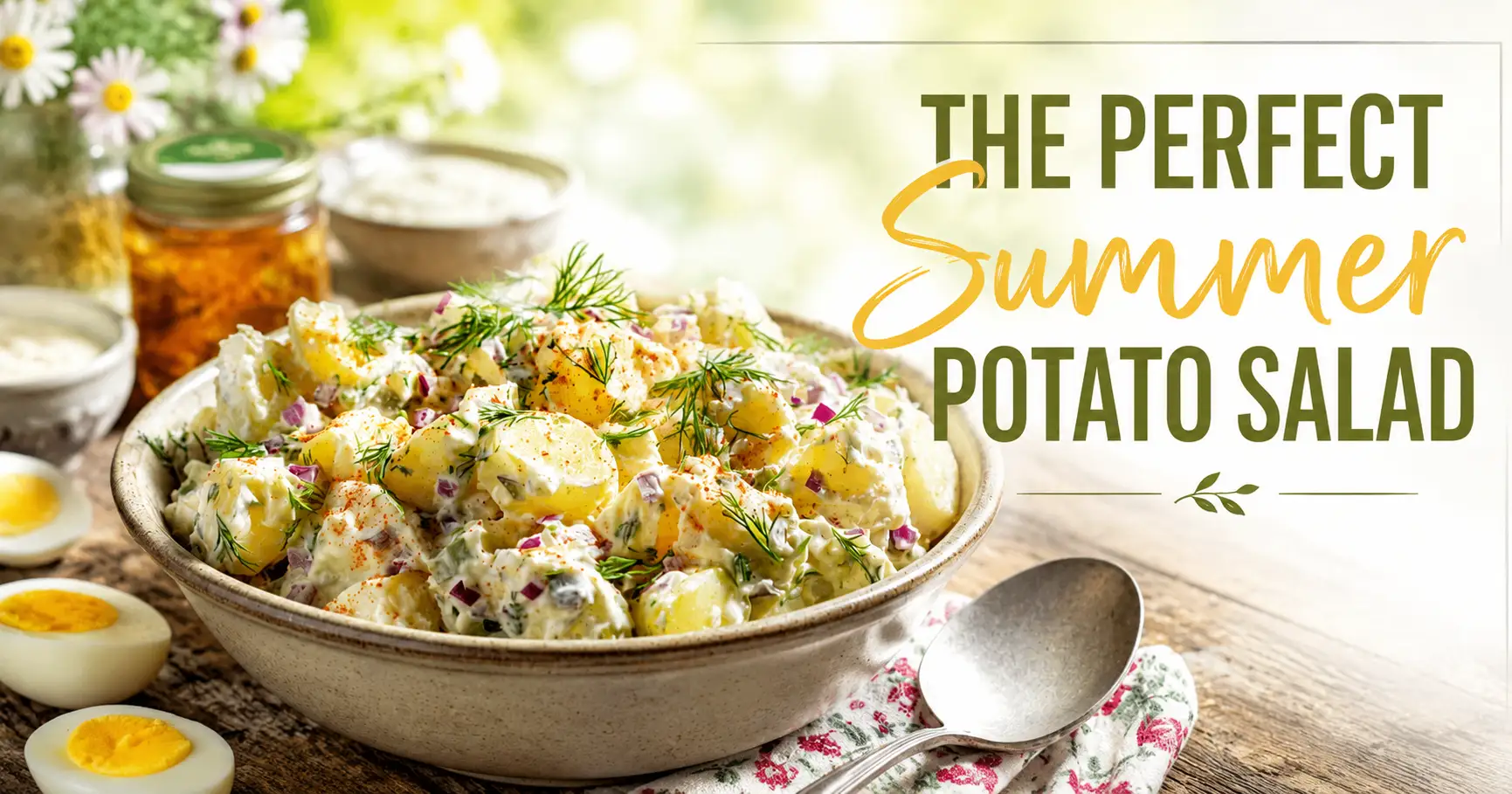
A great potato salad starts with the right potatoes. Waxy potatoes are the best choice because they stay firm after boiling and do not fall apart easily. Their smooth texture makes every bite soft, creamy, and pleasant without turning the salad into mash. New potatoes, Jersey Royals, fingerling potatoes, and other small waxy types are excellent options for this classic summer side dish.
Fresh potatoes with thin skins bring more flavor to the salad. Their skins are usually delicate, light, and easy to eat, so peeling is not needed. The skin also helps protect the potato flesh while it cooks, which keeps the texture better. This simple detail can make a big difference in the final dish because potatoes cooked in their skins often taste richer and hold their shape well.
 Via Simply Recipe
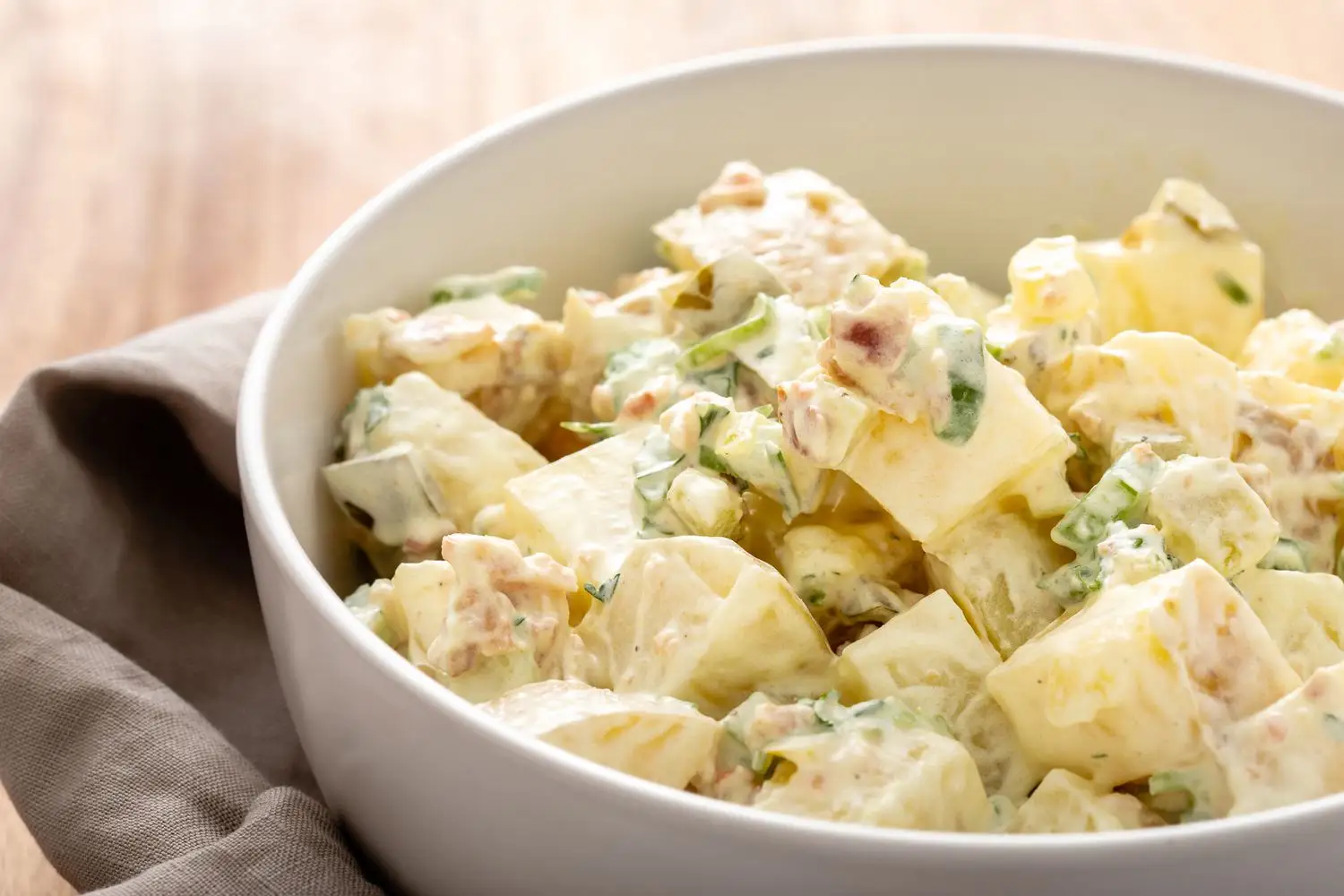
Small potatoes are also easier to cook evenly. When potatoes are close in size, they become tender at nearly the same time. Larger potatoes can be cut in half, but it is better to keep them whole when possible. Whole potatoes absorb less water during cooking, which helps the salad stay firm, fresh, and full of natural potato flavor.
 Via Betty Crocker
After washing, place the potatoes in a pot that is large enough to hold them comfortably. They should not be packed too tightly because even cooking needs enough space. Add cold water until the potatoes are just covered. Starting with cold water allows the potatoes to cook slowly and evenly from the inside to the outside.
Salt should be added generously to the cooking water. Most of the salt will be drained away after boiling, but enough will season the potatoes while they cook. This step prevents the salad from tasting flat later. Well-seasoned potatoes create a better base, especially when they are mixed with mustard, vinegar, mayonnaise, herbs, and other fresh ingredients.
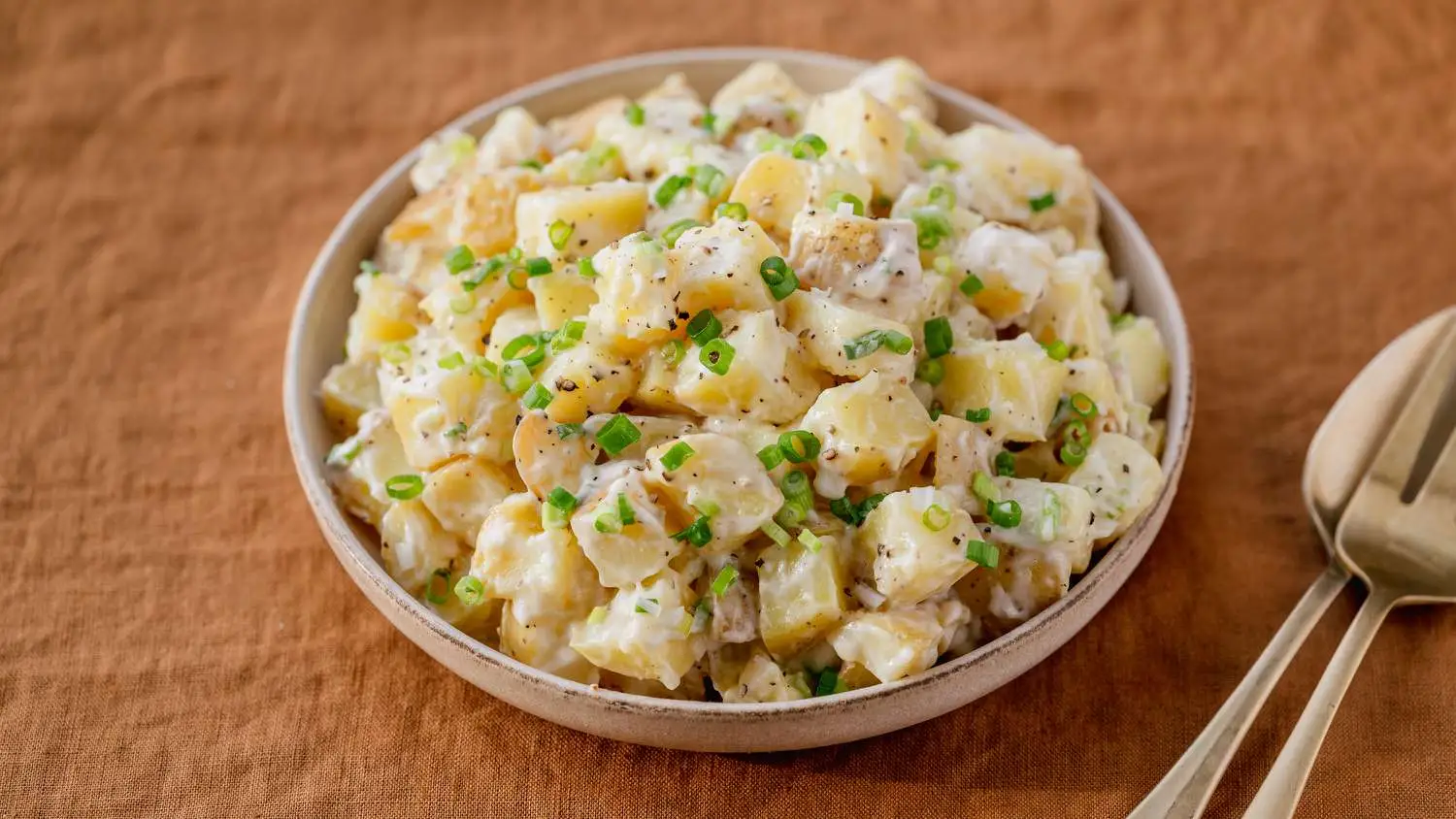 Via Martha Stewart
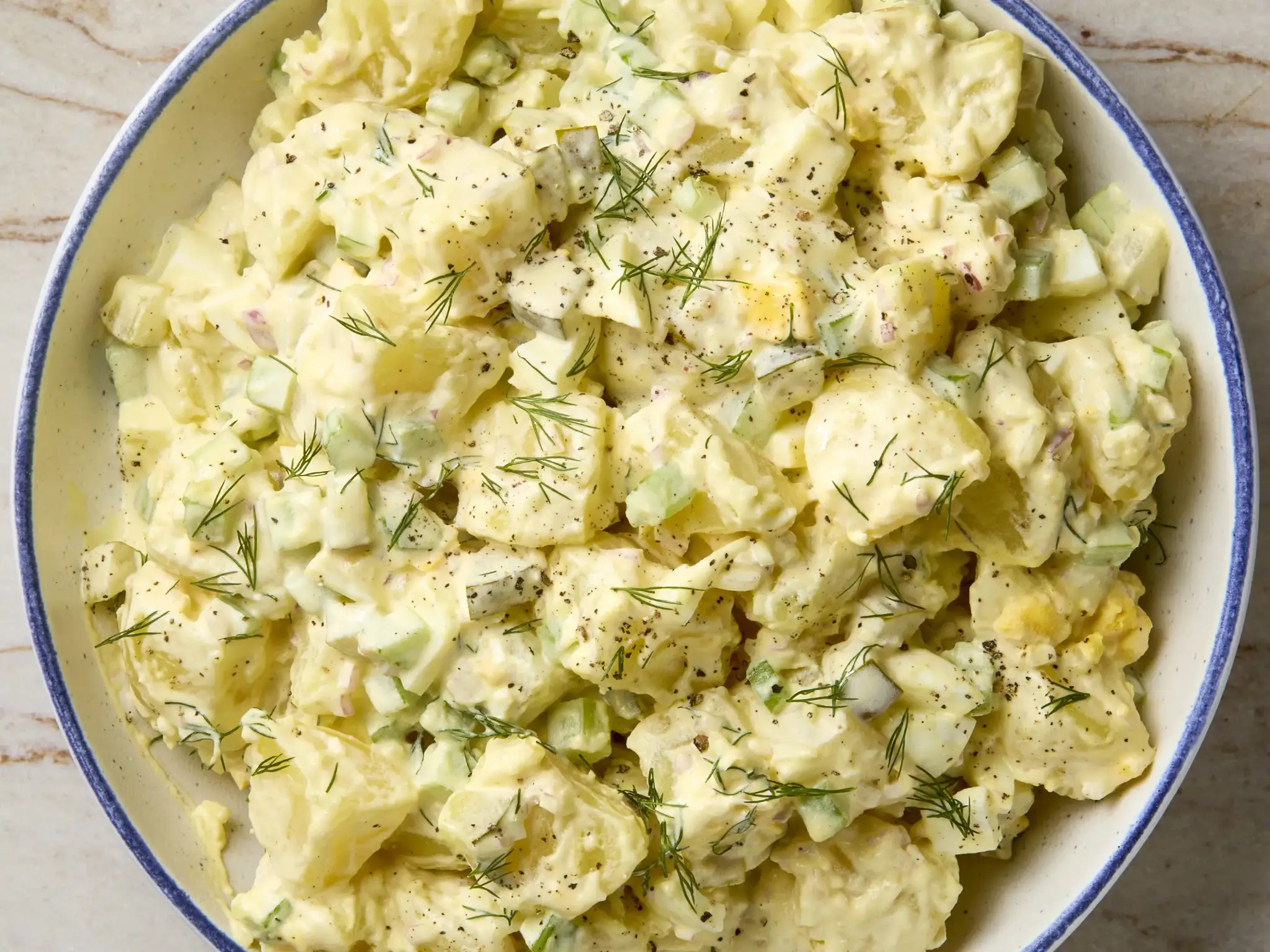 Via The Kitchen
Once cooked, the potatoes should be drained right away. Returning them to the warm pan for a short time helps them steam dry. This removes extra moisture and improves the way they absorb dressing. Dry potatoes hold flavor better, which is important when building a bright, fresh, and creamy potato salad.
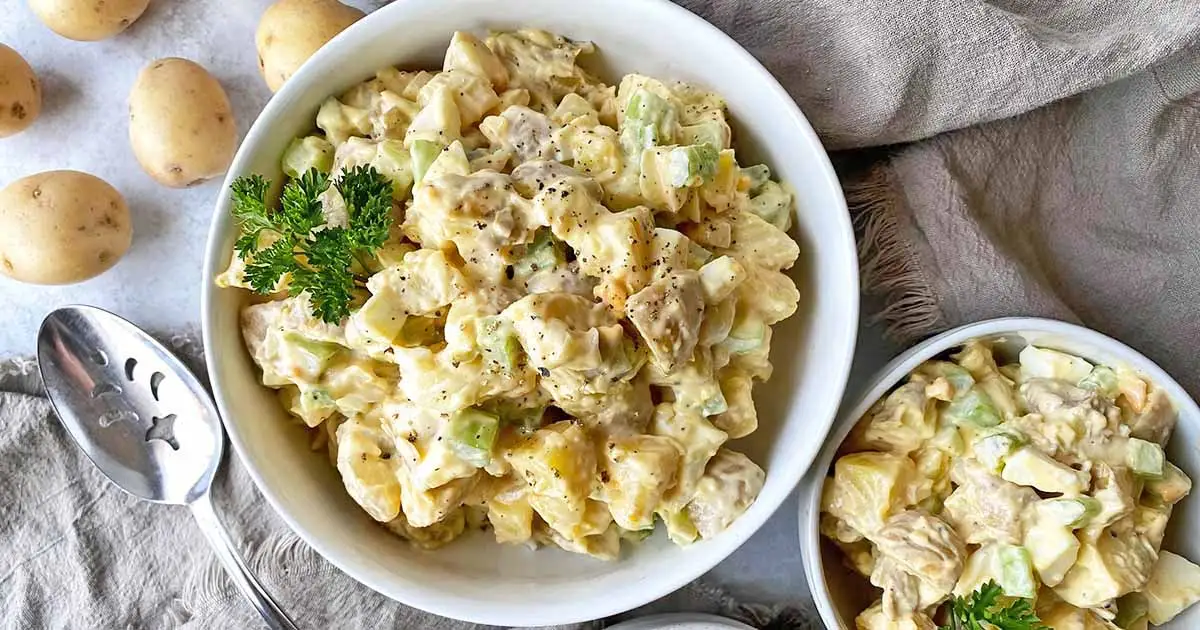 Via Foodal
Oil should be added slowly while whisking the dressing. A neutral oil, such as sunflower oil, gives a light texture without taking over the flavor. Extra virgin olive oil adds a deeper taste and a richer finish. Using both oils creates a balanced dressing that feels fresh, smooth, and flavorful.
Warm potatoes should be tossed with this dressing after they are cut into halves or quarters. The warmth helps the potatoes soak up the mustard and vinegar mixture. This step gives the salad flavor from the inside, not just on the surface. Letting the potatoes cool in the dressing also helps the taste develop before the creamy layer is added.
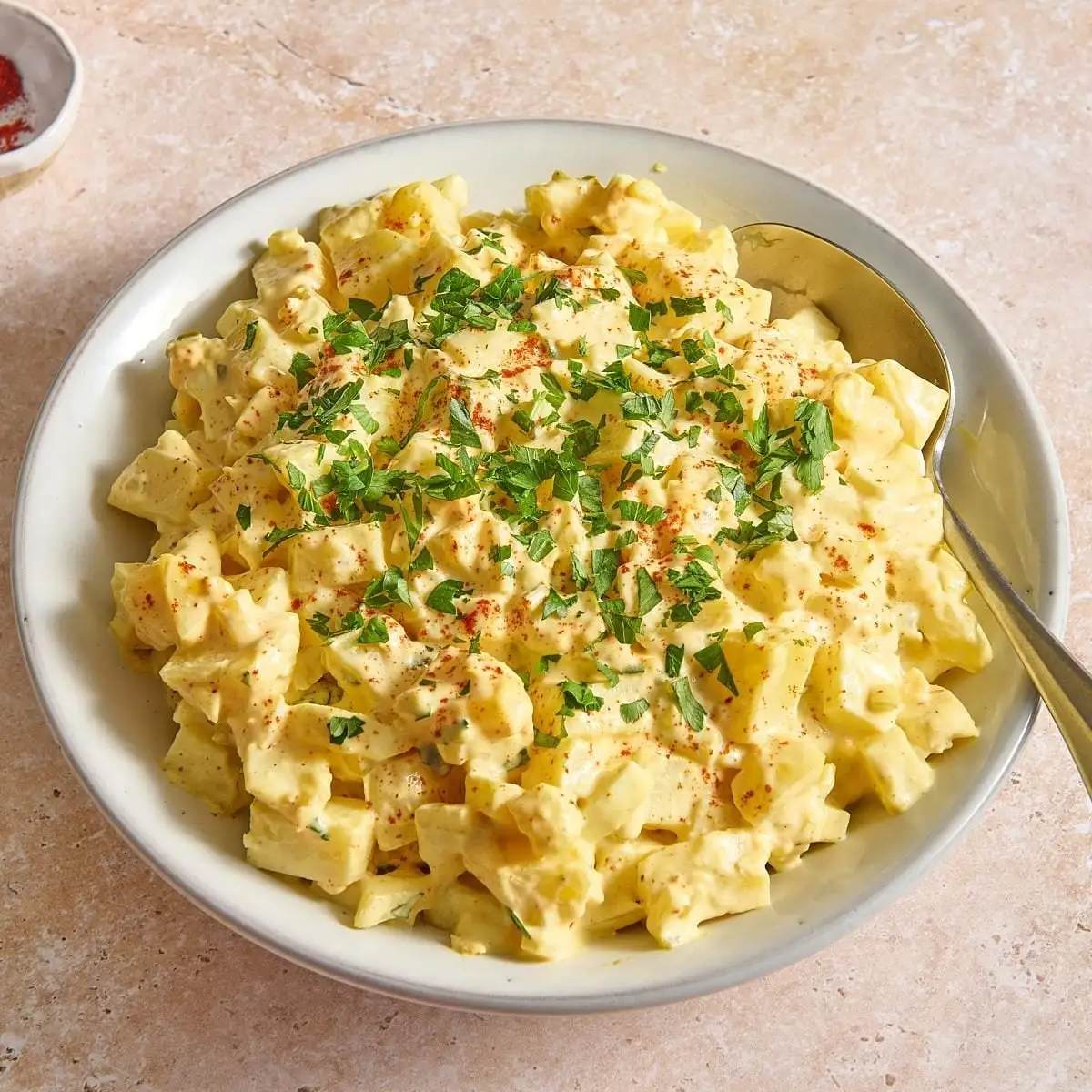 Via Taste of Home
 Via The Mom 101
Seasoning is important after the mayonnaise is made. A small amount of salt, lemon juice, or vinegar can brighten the taste. The mayonnaise should taste rich but not too heavy. Once mixed with herbs, mustard, capers, and spring onions, it becomes a flavorful coating that brings the whole potato salad together.
 Via Kikkoman
Spring onions add crunch and gentle sharpness. Both the white and green parts can be sliced thinly and mixed into the mayonnaise. Their fresh flavor works well with the soft potatoes and creamy dressing. They also make the salad look brighter and more appealing on the table.
Capers and gherkins add tangy, salty flavor that balances the richness of the mayonnaise. They should be chopped roughly before being stirred into the dressing. Anchovies can also be added for a deeper flavor, though they are optional. These small ingredients make the salad more interesting and help each bite taste fresh instead of plain.
 Via BBC
 Via Zestful Kitchen
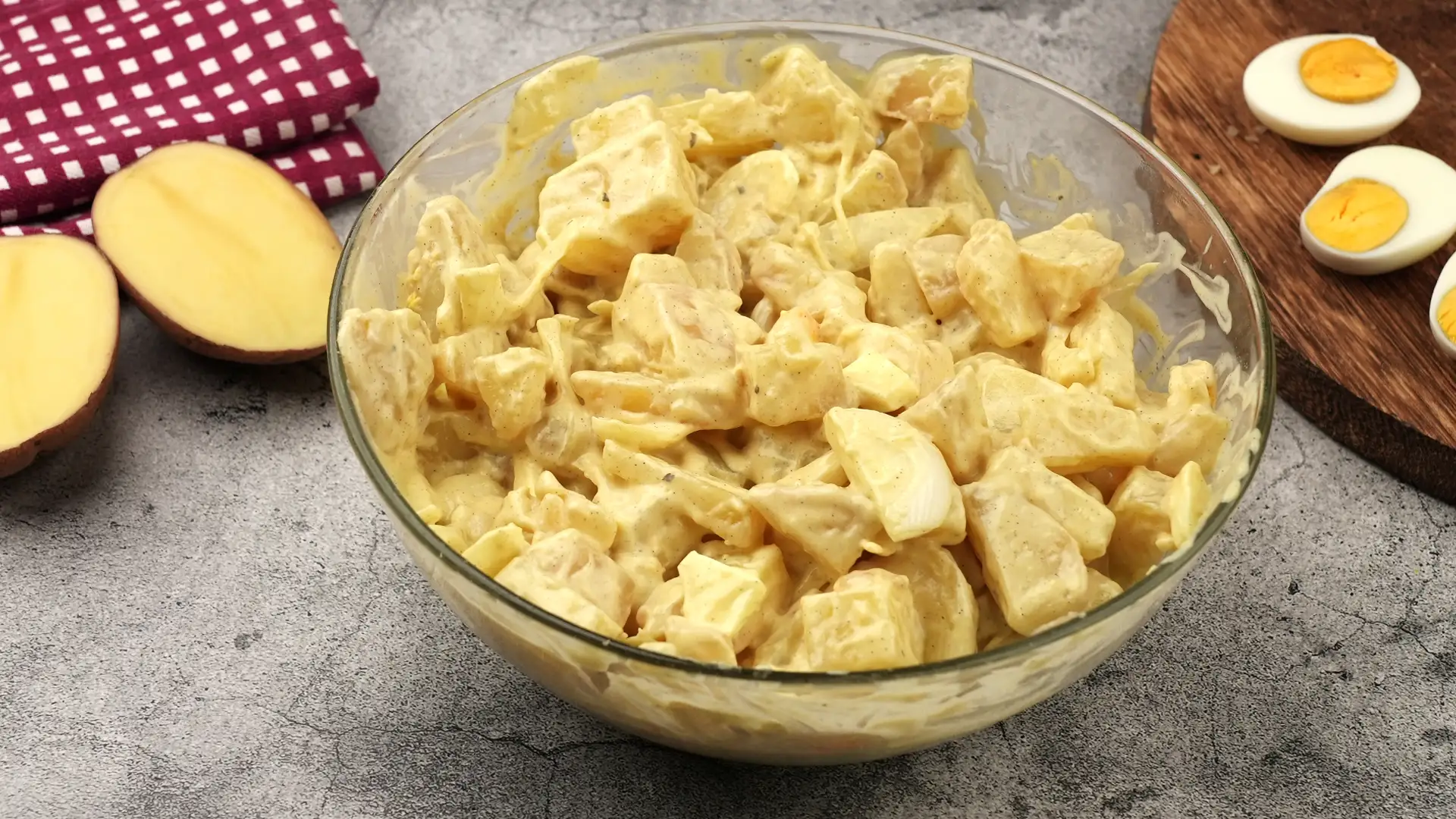
Gentle mixing is important because cooked potatoes can break if handled roughly. A large spoon or spatula works well for folding the ingredients together. The potatoes should stay in chunky pieces with the herbs and dressing spread evenly. This gives the salad a homemade look and a better texture when served.
 Via WikiHow
The salad can be spooned into a serving bowl and finished with reserved chives. This small garnish adds color and freshness. A simple presentation works best because potato salad is a comfort dish. It does not need fancy decoration to look inviting when the ingredients are fresh and well prepared.
This dish pairs well with grilled chicken, fried chicken, roasted vegetables, sandwiches, fish, halloumi, and barbecue meals. Its creamy texture and tangy flavor help balance rich or smoky foods. That is why potato salad remains one of the most useful side dishes for warm-weather meals and casual dinners.
 Via The Wine Lover Kitchen
 Via Melissa K. Norris
If serving at a picnic or barbecue, potato salad should not sit out for too long in warm weather. Keeping it cool until serving time helps maintain quality. A chilled bowl or cooler can help during outdoor meals. Safe storage is just as important as good preparation, especially when mayonnaise is part of the recipe.
 Via BBC
This recipe can also be changed to match different tastes. More herbs can be added for freshness, extra mustard can make it sharper, and plant-based mayonnaise can make it suitable for more people. Gherkins, capers, spring onions, or anchovies can add a stronger flavor. These choices make potato salad flexible without making it difficult.
A well-made potato salad proves that simple food can still feel special. Fresh waxy potatoes, careful cooking, bright dressing, and creamy mayonnaise create a dish that works for many meals. With the right steps, this classic side becomes lighter, fresher, and far better than ready-made versions.
More in UnassignedVia Simply Recipe
Small potatoes are also easier to cook evenly. When potatoes are close in size, they become tender at nearly the same time. Larger potatoes can be cut in half, but it is better to keep them whole when possible. Whole potatoes absorb less water during cooking, which helps the salad stay firm, fresh, and full of natural potato flavor.
Washing and Preparing the Potatoes
Potatoes should be washed well before cooking. New potatoes often have a little dirt on their thin skins, so gentle scrubbing is enough to clean them. Strong peeling is not needed because the skins contain flavor and help the potatoes keep their shape. A clean potato with its skin still attached gives the salad a more rustic and homemade feel.Via Betty Crocker
After washing, place the potatoes in a pot that is large enough to hold them comfortably. They should not be packed too tightly because even cooking needs enough space. Add cold water until the potatoes are just covered. Starting with cold water allows the potatoes to cook slowly and evenly from the inside to the outside.
Salt should be added generously to the cooking water. Most of the salt will be drained away after boiling, but enough will season the potatoes while they cook. This step prevents the salad from tasting flat later. Well-seasoned potatoes create a better base, especially when they are mixed with mustard, vinegar, mayonnaise, herbs, and other fresh ingredients.
Via Martha Stewart
Cooking Potatoes for the Right Texture
The potatoes should be brought to a boil gently and then simmered until tender. A slow simmer works better than a hard boil because it protects the skins and keeps the potatoes from breaking. If the heat is too high, the outside may become too soft before the center is fully cooked. Careful cooking helps create a firm and creamy potato salad texture. Cooking time usually takes about 15 to 20 minutes, depending on the size of the potatoes. The largest potato should be tested with a fork or skewer. It should feel tender, but it should not fall apart. Potatoes that are too soft can make the salad heavy and messy, while undercooked potatoes can taste hard and unpleasant.Via The Kitchen
Once cooked, the potatoes should be drained right away. Returning them to the warm pan for a short time helps them steam dry. This removes extra moisture and improves the way they absorb dressing. Dry potatoes hold flavor better, which is important when building a bright, fresh, and creamy potato salad.
Making a Bright Mustard Dressing
A simple mustard dressing adds freshness before the mayonnaise is added. Dijon mustard gives the dressing a sharp and lively taste. Red wine vinegar adds tang, while a little salt helps bring the flavors together. This mixture gives the potatoes a fresh base and keeps the salad from feeling too heavy.Via Foodal
Oil should be added slowly while whisking the dressing. A neutral oil, such as sunflower oil, gives a light texture without taking over the flavor. Extra virgin olive oil adds a deeper taste and a richer finish. Using both oils creates a balanced dressing that feels fresh, smooth, and flavorful.
Warm potatoes should be tossed with this dressing after they are cut into halves or quarters. The warmth helps the potatoes soak up the mustard and vinegar mixture. This step gives the salad flavor from the inside, not just on the surface. Letting the potatoes cool in the dressing also helps the taste develop before the creamy layer is added.
Via Taste of Home
Preparing a Creamy Mayonnaise Base
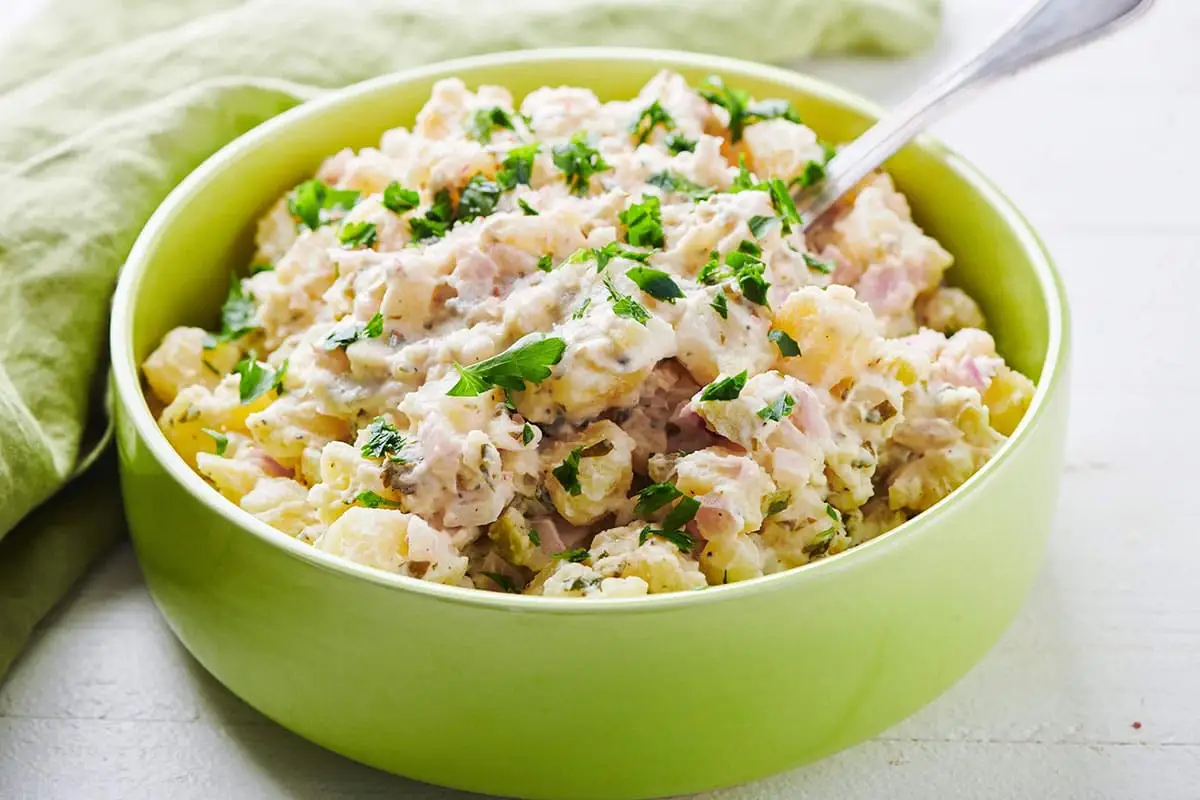
Good mayonnaise gives potato salad its classic creamy finish. Store-bought mayonnaise can be used for convenience, but homemade mayonnaise gives a fresher taste. A quick homemade version can be made with egg, mustard, vinegar or lemon juice, and oil. Plant-based mayonnaise can also be made using aquafaba for people who prefer an egg-free option. A stick blender makes homemade mayonnaise simple. The egg or aquafaba mixture should sit at the bottom of a narrow container, with oil poured on top. Blending from the bottom helps the mixture thicken slowly. As the ingredients combine, the texture changes into a smooth and creamy mayonnaise.Via The Mom 101
Seasoning is important after the mayonnaise is made. A small amount of salt, lemon juice, or vinegar can brighten the taste. The mayonnaise should taste rich but not too heavy. Once mixed with herbs, mustard, capers, and spring onions, it becomes a flavorful coating that brings the whole potato salad together.
Adding Herbs, Onions, Capers, and Gherkins
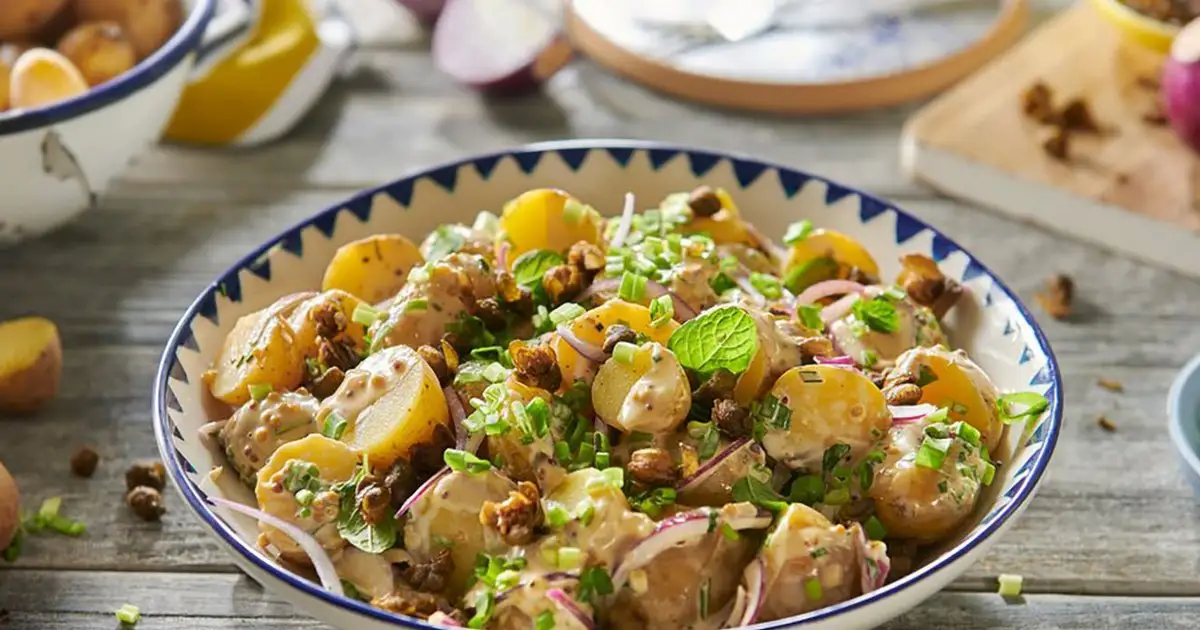
Fresh herbs make potato salad taste lighter and more colorful. Chives add a mild onion flavor, parsley brings freshness, and mint adds a cool summer note. These herbs should be chopped finely so they spread evenly through the salad. A small amount of chives can be saved for garnish before serving.Via Kikkoman
Spring onions add crunch and gentle sharpness. Both the white and green parts can be sliced thinly and mixed into the mayonnaise. Their fresh flavor works well with the soft potatoes and creamy dressing. They also make the salad look brighter and more appealing on the table.
Capers and gherkins add tangy, salty flavor that balances the richness of the mayonnaise. They should be chopped roughly before being stirred into the dressing. Anchovies can also be added for a deeper flavor, though they are optional. These small ingredients make the salad more interesting and help each bite taste fresh instead of plain.
Via BBC
Mixing the Potato Salad Carefully
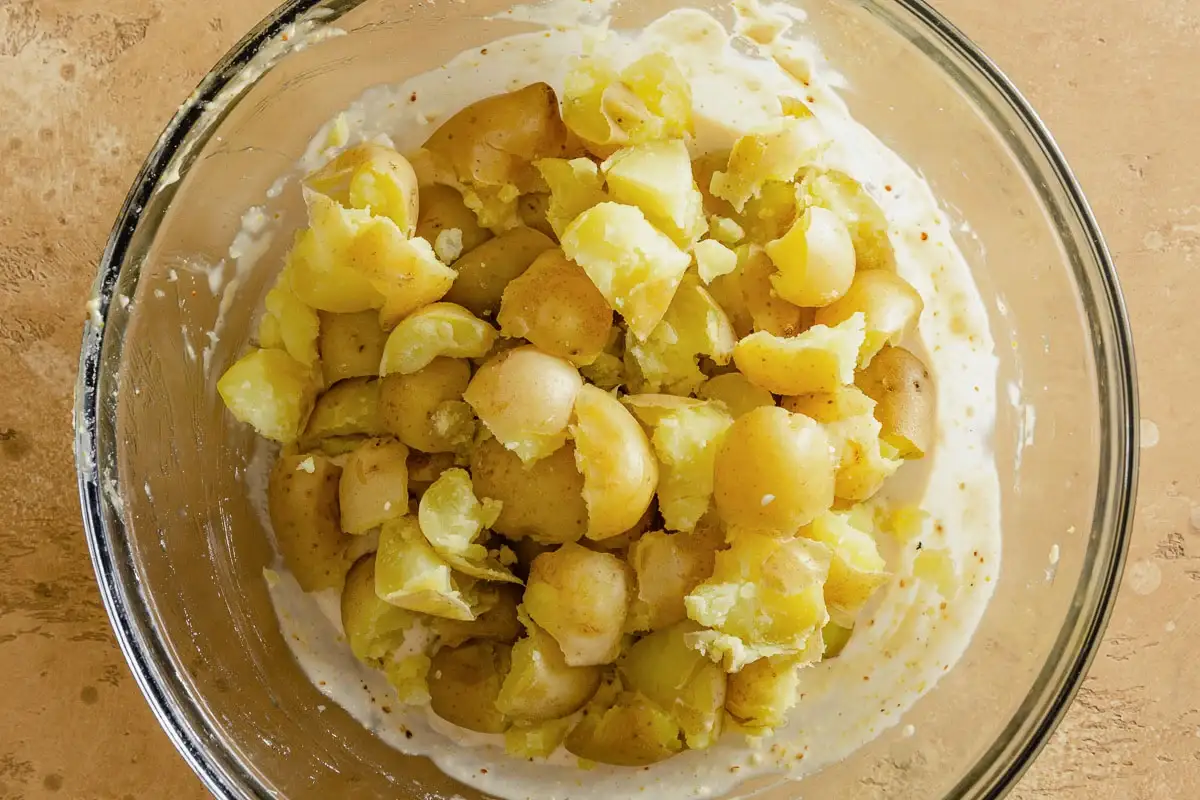
The cooled potatoes should be checked before the mayonnaise is added. Any extra vinaigrette at the bottom of the bowl can be drained away. This keeps the salad from becoming watery. The leftover dressing can be used later on tomatoes, green salad, or roasted vegetables, so nothing goes to waste. Mayonnaise should be added gradually. The goal is to coat the potatoes, not bury them. Too much mayonnaise can hide the flavor of the potatoes and herbs. A lighter coating keeps the salad fresh while still giving it the creamy texture people expect from a classic potato salad recipe.Via Zestful Kitchen
Gentle mixing is important because cooked potatoes can break if handled roughly. A large spoon or spatula works well for folding the ingredients together. The potatoes should stay in chunky pieces with the herbs and dressing spread evenly. This gives the salad a homemade look and a better texture when served.
Serving Potato Salad the Fresh Way
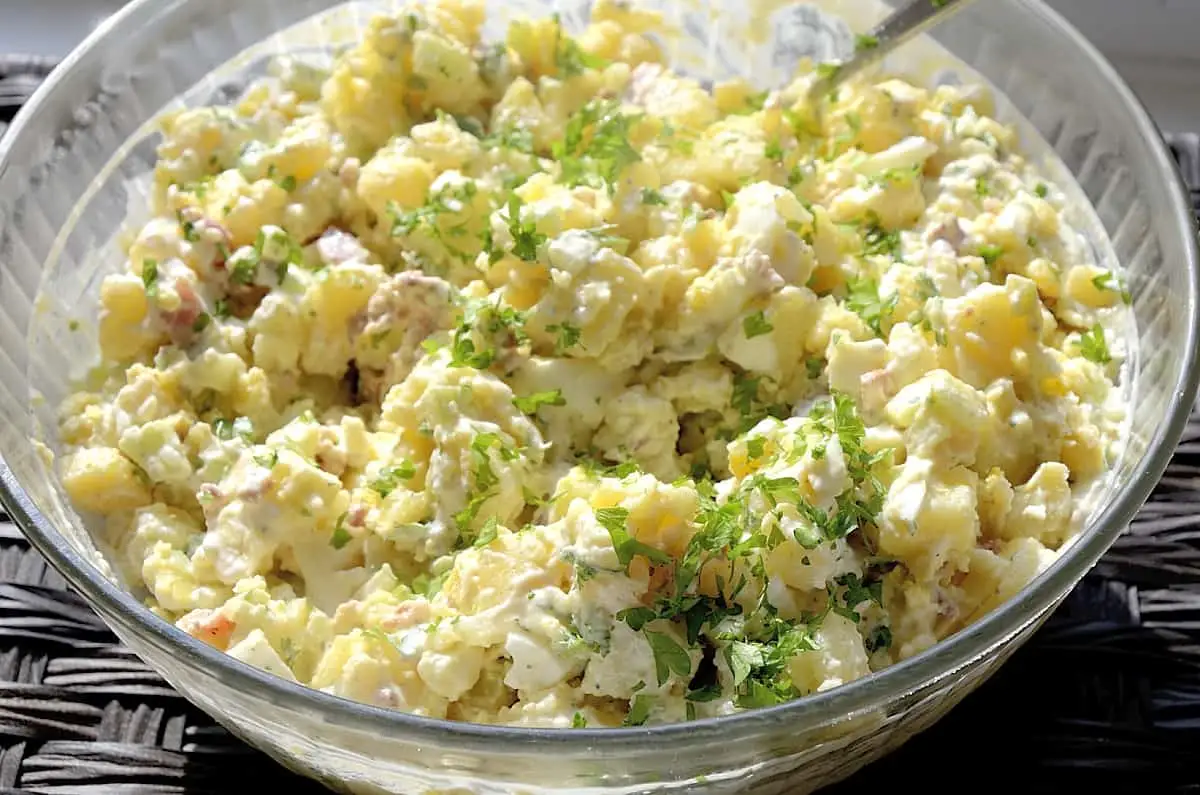
Potato salad tastes best when served slightly chilled or at room temperature. A very cold salad can lose some of its flavor, while room temperature allows the herbs, mustard, and vinegar to stand out more clearly. This makes it a perfect side dish for summer meals, picnics, barbecues, and family gatherings.Via WikiHow
The salad can be spooned into a serving bowl and finished with reserved chives. This small garnish adds color and freshness. A simple presentation works best because potato salad is a comfort dish. It does not need fancy decoration to look inviting when the ingredients are fresh and well prepared.
This dish pairs well with grilled chicken, fried chicken, roasted vegetables, sandwiches, fish, halloumi, and barbecue meals. Its creamy texture and tangy flavor help balance rich or smoky foods. That is why potato salad remains one of the most useful side dishes for warm-weather meals and casual dinners.
Via The Wine Lover Kitchen
Storing Potato Salad Before Serving
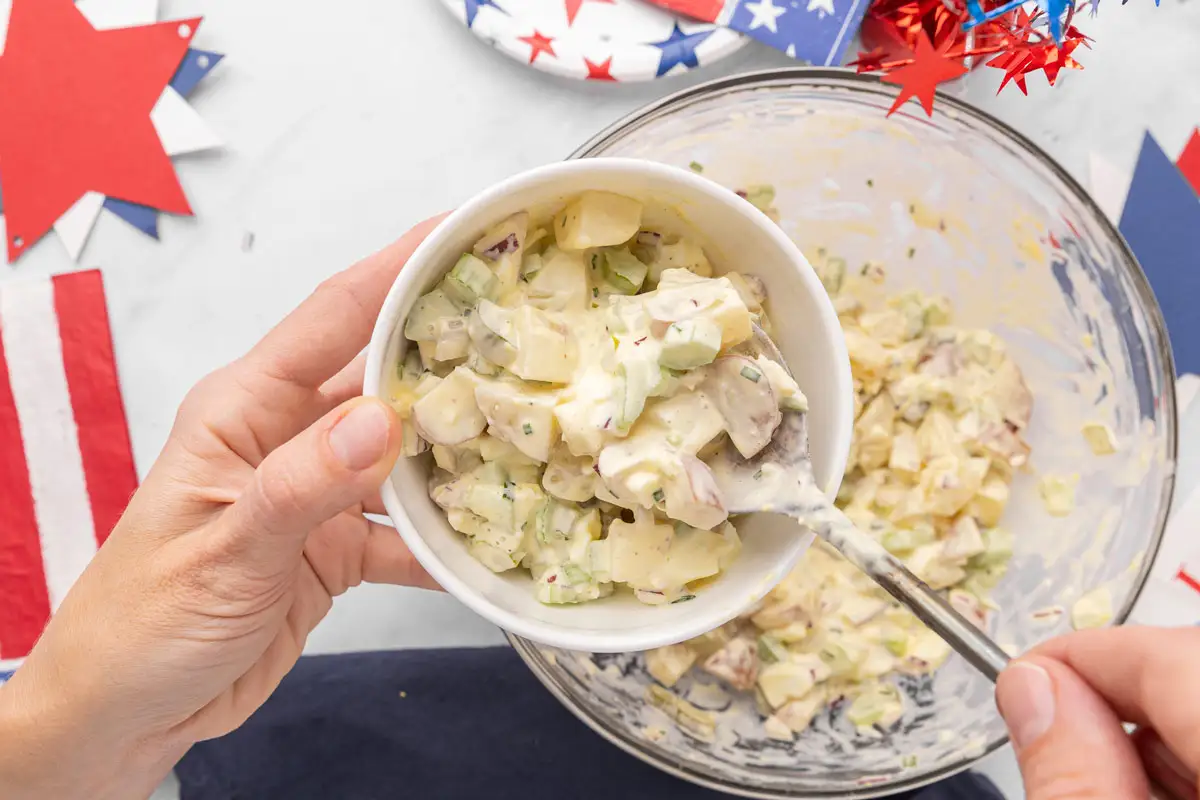
Potato salad can be made ahead, but it should be stored carefully. For the best texture, the potatoes can be kept in the vinaigrette and mixed with mayonnaise shortly before serving. This keeps the potatoes flavorful without making the salad too soft or heavy. It also helps the herbs taste fresher. Once mayonnaise is added, the salad should be kept covered in the refrigerator. An airtight container helps protect the flavor and prevents the salad from drying out. It is best enjoyed within a short time for the freshest taste. Proper storage keeps the dish safe, creamy, and pleasant to eat.Via Melissa K. Norris
If serving at a picnic or barbecue, potato salad should not sit out for too long in warm weather. Keeping it cool until serving time helps maintain quality. A chilled bowl or cooler can help during outdoor meals. Safe storage is just as important as good preparation, especially when mayonnaise is part of the recipe.
Why Homemade Potato Salad Stays a Summer Favorite
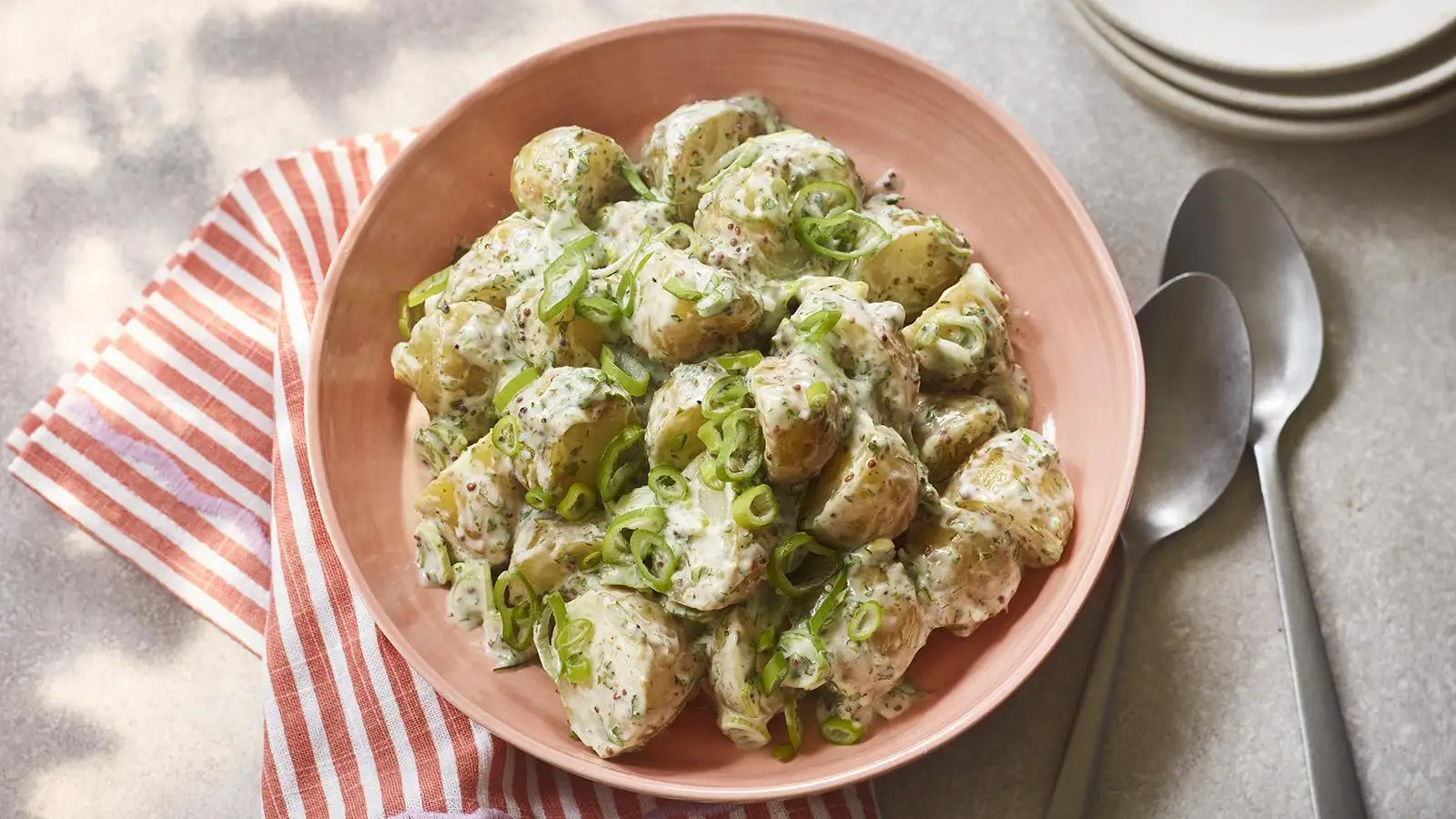
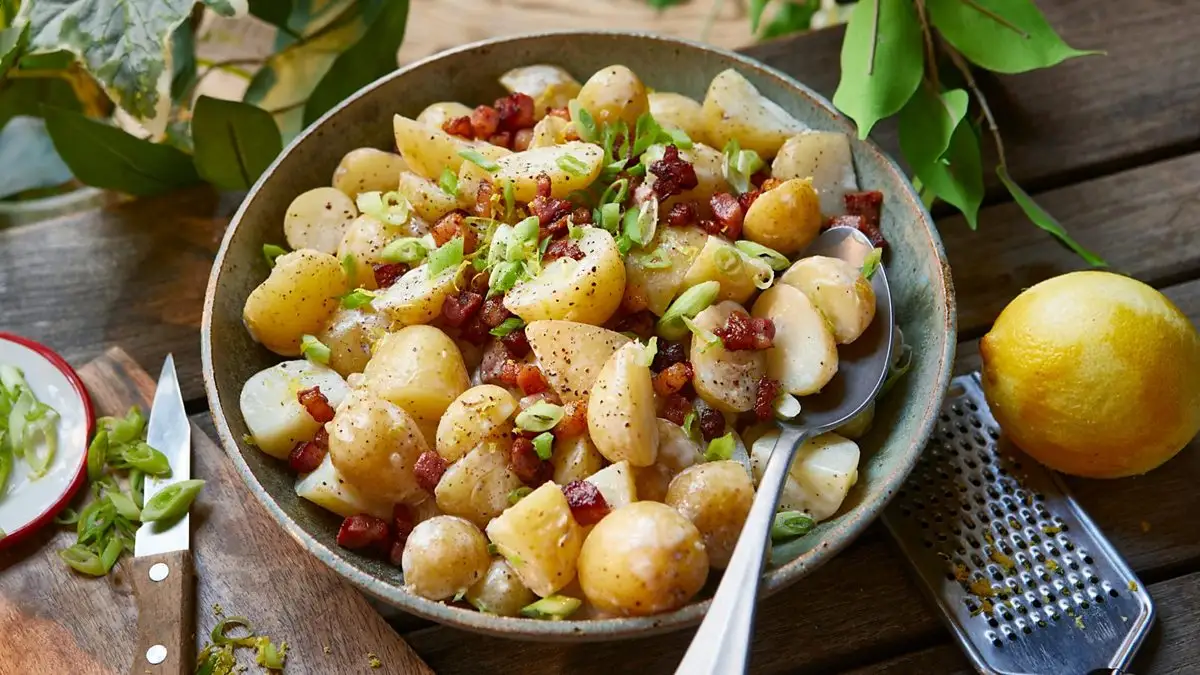
Homemade potato salad remains popular because it is simple, filling, and easy to adjust. The basic recipe uses potatoes, dressing, mayonnaise, herbs, and a few sharp ingredients for balance. These everyday items come together to create a side dish that feels fresh, creamy, and comforting at the same time.Via BBC
This recipe can also be changed to match different tastes. More herbs can be added for freshness, extra mustard can make it sharper, and plant-based mayonnaise can make it suitable for more people. Gherkins, capers, spring onions, or anchovies can add a stronger flavor. These choices make potato salad flexible without making it difficult.
A well-made potato salad proves that simple food can still feel special. Fresh waxy potatoes, careful cooking, bright dressing, and creamy mayonnaise create a dish that works for many meals. With the right steps, this classic side becomes lighter, fresher, and far better than ready-made versions.