Unassigned
China’s Amazon Founder Plans AI Shift For 700K Workers
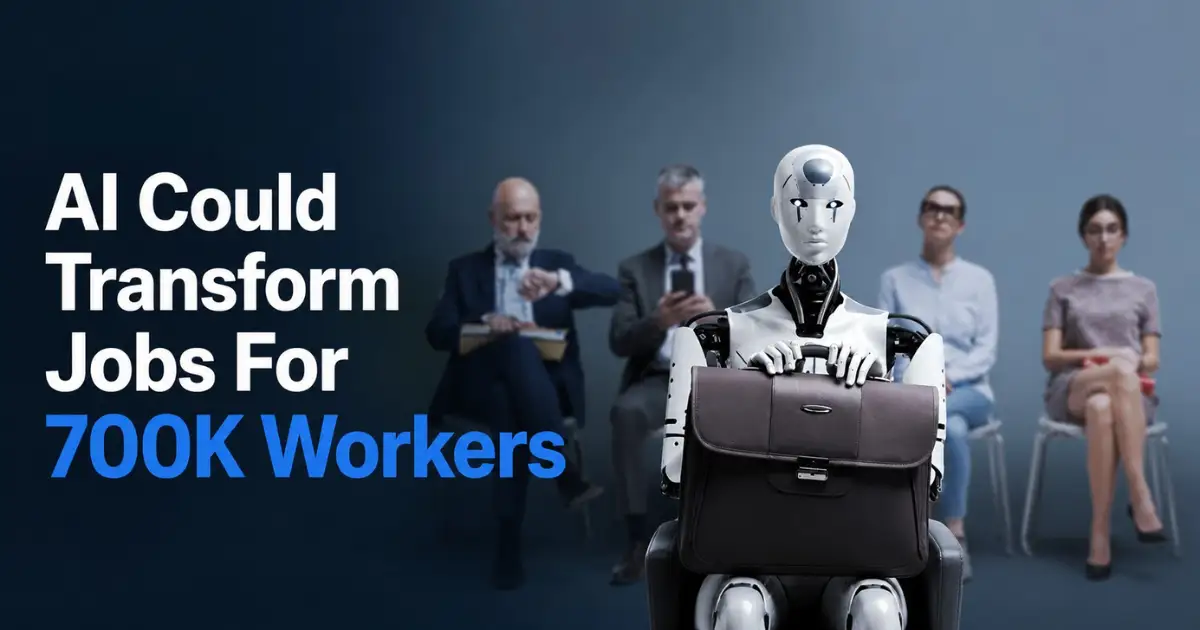
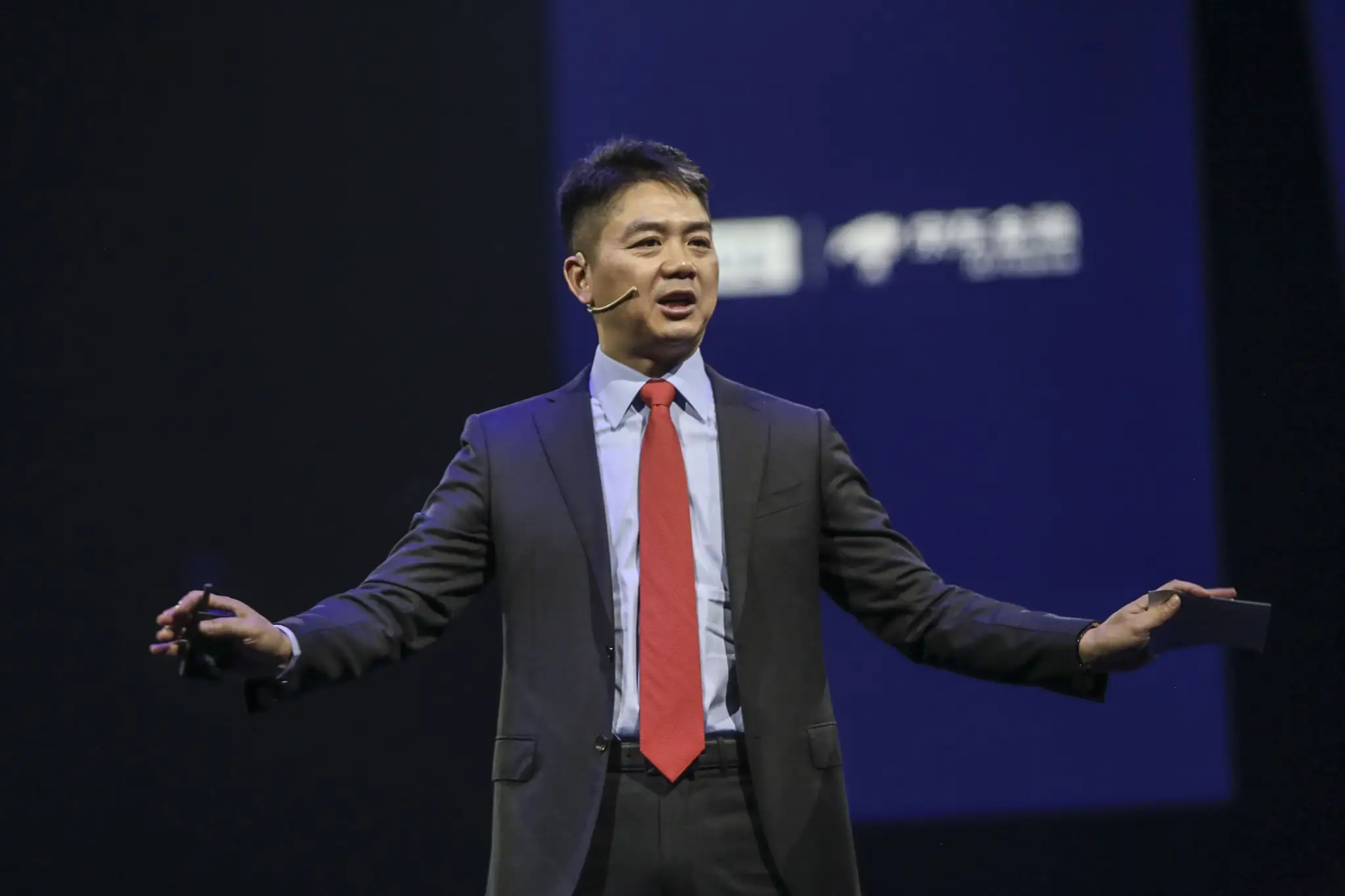
Richard Liu Qiangdong, the billionaire founder of a major Chinese e-commerce company, has shared a big plan for workers in the age of artificial intelligence. He said around 700,000 blue-collar workers, including delivery riders, may move into more office-style jobs as robots handle more physical delivery tasks. This plan shows how fast the workplace is changing because of AI, automation, and smart machines.
The company has built one of China’s largest online shopping and delivery systems. Its success depends heavily on fast logistics, large warehouses, and a huge delivery network. As robots, drones, and automated systems become more useful, the company is now preparing workers for new roles instead of leaving them behind.
 Via CNN
Liu’s idea is built around retraining. Workers who once carried packages may one day repair robots, monitor delivery systems, or solve technical problems from offices and service centers. This shift could change the meaning of delivery work and create a new path for blue-collar employees.
 Via South China Morning Post
Delivery work can be very hard on the body. Riders often deal with traffic, bad weather, long hours, heavy pressure, and strict delivery times. Many workers spend most of the day outside, moving quickly from one order to the next. Robot delivery could reduce some of this physical burden if workers are trained for better roles.
Office-style roles may offer more stability and skill growth. Workers who understand delivery routes, customer problems, and real street-level challenges already have valuable knowledge. With the right training, this experience can help them manage the robots and systems that may run future delivery networks.
 Via Business Insider
 Via China Daily
Training gives workers a chance to adjust before major job changes happen. Many delivery workers may not have deep technical knowledge today, but they already understand the delivery business. Practical school programs can help turn that experience into new skills that match the AI economy.
 Via Tomorrow’s World Today
Humans also bring judgment that machines do not always have. Delivery systems must deal with customers, buildings, traffic, weather, damaged goods, and unexpected problems. Workers with real delivery experience can help improve robot systems because they know what can go wrong during daily operations.
This is why Liu’s plan matters. It shows that automation does not always have to remove people from work. In many cases, it can change the type of work people do. Workers who learn new skills early may have stronger chances in a future shaped by robots and AI tools.
 Via The Information
 Via Amazon Careers
This plan will only work if training leads to real jobs. Workers need clear courses, useful skills, fair pay, and real career paths. A promise to retrain employees must be supported by strong action, or workers may still feel uncertain about the future.
 Via Nikki Asia
Food delivery giant Meituan has tested drone delivery for difficult locations. In 2024, the company said drones could deliver packages to hikers on the Great Wall of China. This example shows how drones may help in places where normal delivery is slow, hard, or unsafe.
This growth shows why workers need new skills. As robots and drones become more common, companies will need people who can manage, repair, and guide these systems. Delivery may not disappear, but the role of delivery workers could change in a major way.
 Via KR Asia
 Via Penn LDI
Some companies are also testing small delivery robots on city streets and college campuses. DoorDash has tested red Dot robots in Phoenix that can carry small loads along footpaths. These examples show that robot delivery is becoming a serious business idea, not just a future dream.
 Via Bernard Marr
Some companies have already linked AI to workforce changes. Firms such as Snap, Wix, and Cisco have mentioned AI while discussing job cuts or restructuring. These moves show how automation is becoming part of business planning in many industries.
Liu’s plan stands out because it focuses on retraining workers at a large scale. Instead of only talking about machines replacing people, the plan looks at how people can move into new jobs. This kind of thinking may become more important as AI spreads through the global economy.
 Via The Independent
 Via LinkedIn
This kind of training can also protect families. Many blue-collar workers depend on a steady income, and sudden job loss can cause serious pressure. When companies train workers before jobs disappear, they can reduce fear and help people build better futures.
 Via Grupo Castilla
Clear rules may help companies use AI in a fairer way. Governments, schools, and business leaders may need to work together on training programs, safety standards, and worker protection. Without planning, some people could be left behind while companies become more automated.
The future of work will likely include both humans and machines. The challenge is to make sure people still have value, income, and dignity in that future. Retraining workers is one way to make that change less harmful and more balanced.
 Via Clever X
 Via Victoria University
AI will keep changing business, delivery, and office work around the world. Companies that prepare workers early may handle the change better than those that only cut jobs. People, businesses, and governments will need smart plans so technology creates progress without leaving workers behind.
More in UnassignedVia CNN
Liu’s idea is built around retraining. Workers who once carried packages may one day repair robots, monitor delivery systems, or solve technical problems from offices and service centers. This shift could change the meaning of delivery work and create a new path for blue-collar employees.
Blue-Collar Workers May Move Into White-Collar Roles
Liu said the goal is to “white-collarize” blue-collar workers. This means helping delivery riders and other manual workers move into jobs that involve technical support, office work, robot maintenance, and system management. The idea is not only about changing job names. It is also about giving workers safer, easier, and more future-ready careers.Via South China Morning Post
Delivery work can be very hard on the body. Riders often deal with traffic, bad weather, long hours, heavy pressure, and strict delivery times. Many workers spend most of the day outside, moving quickly from one order to the next. Robot delivery could reduce some of this physical burden if workers are trained for better roles.
Office-style roles may offer more stability and skill growth. Workers who understand delivery routes, customer problems, and real street-level challenges already have valuable knowledge. With the right training, this experience can help them manage the robots and systems that may run future delivery networks.
Via Business Insider
China’s E-Commerce Giant Is Building Training Plans
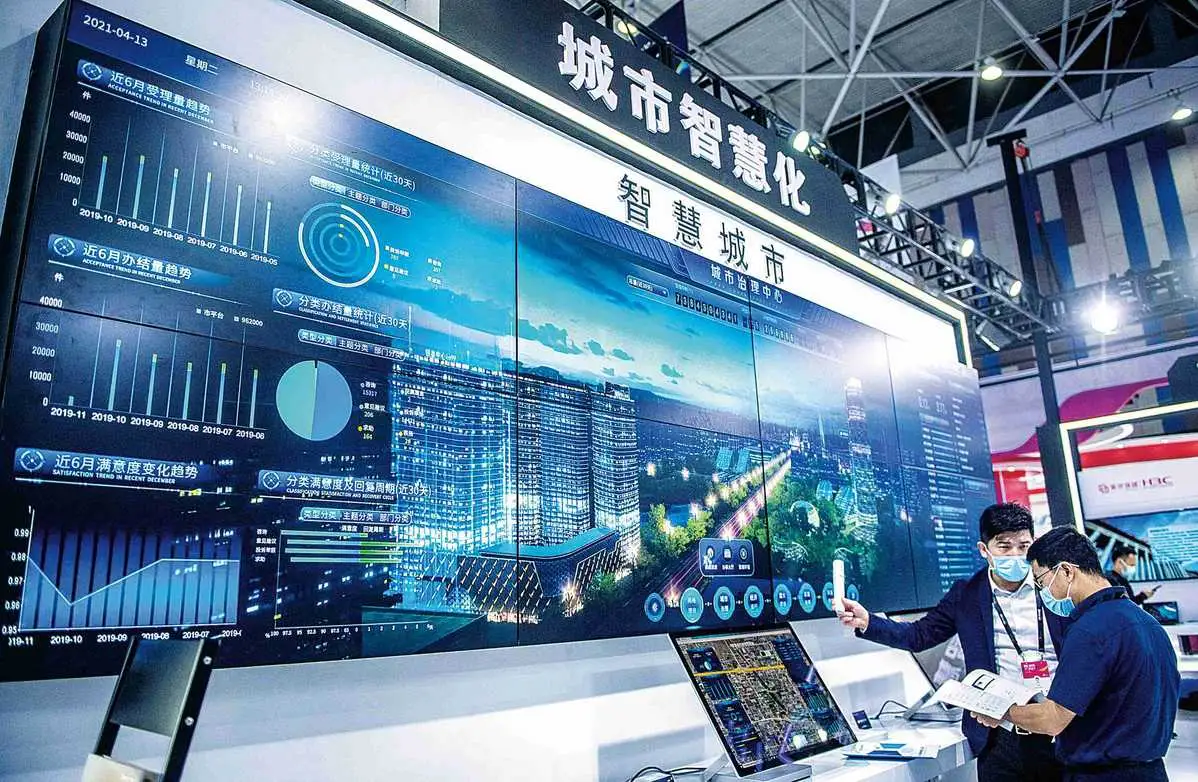
Liu said the company has several major training plans to help workers prepare for the AI future. These plans are designed to move workers from manual roles into technical and support-based jobs. The goal is to make sure employees can still work even when machines take over some daily tasks. One important part of the plan involves education. The company has signed contracts with 120 schools across China to train workers for new roles. These schools are expected to teach skills linked to robot repair, robot maintenance, troubleshooting, and smart delivery systems. This kind of training may become very important as automation grows.Via China Daily
Training gives workers a chance to adjust before major job changes happen. Many delivery workers may not have deep technical knowledge today, but they already understand the delivery business. Practical school programs can help turn that experience into new skills that match the AI economy.
Robots May Deliver Packages, But Humans Still Matter
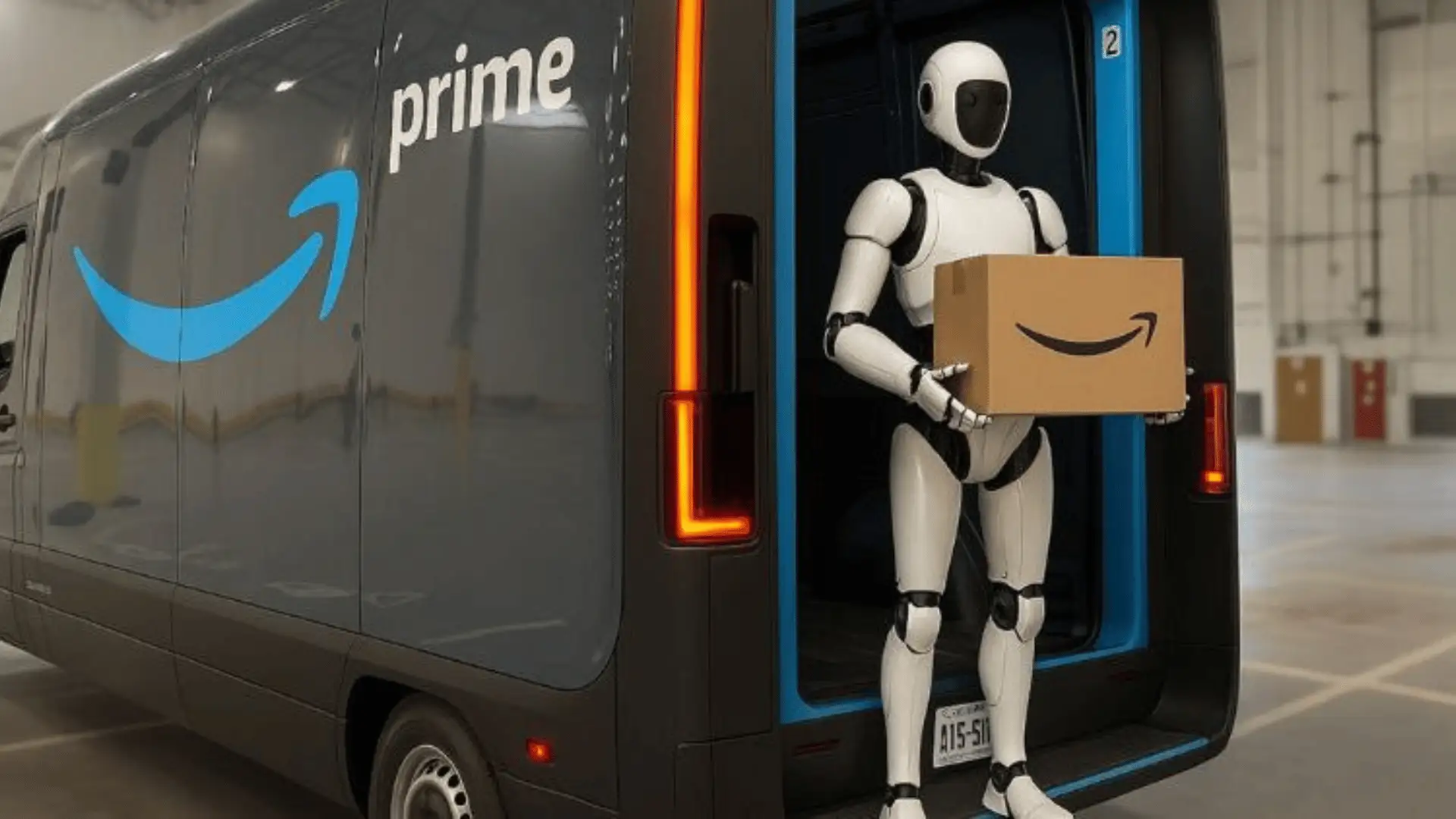
AI and robots can handle many physical tasks, but they still need human support. A delivery robot may move packages, follow routes, and complete simple tasks. It can also break down, lose connection, face road problems, or need repairs. Skilled workers will be needed to keep these machines running safely.Via Tomorrow’s World Today
Humans also bring judgment that machines do not always have. Delivery systems must deal with customers, buildings, traffic, weather, damaged goods, and unexpected problems. Workers with real delivery experience can help improve robot systems because they know what can go wrong during daily operations.
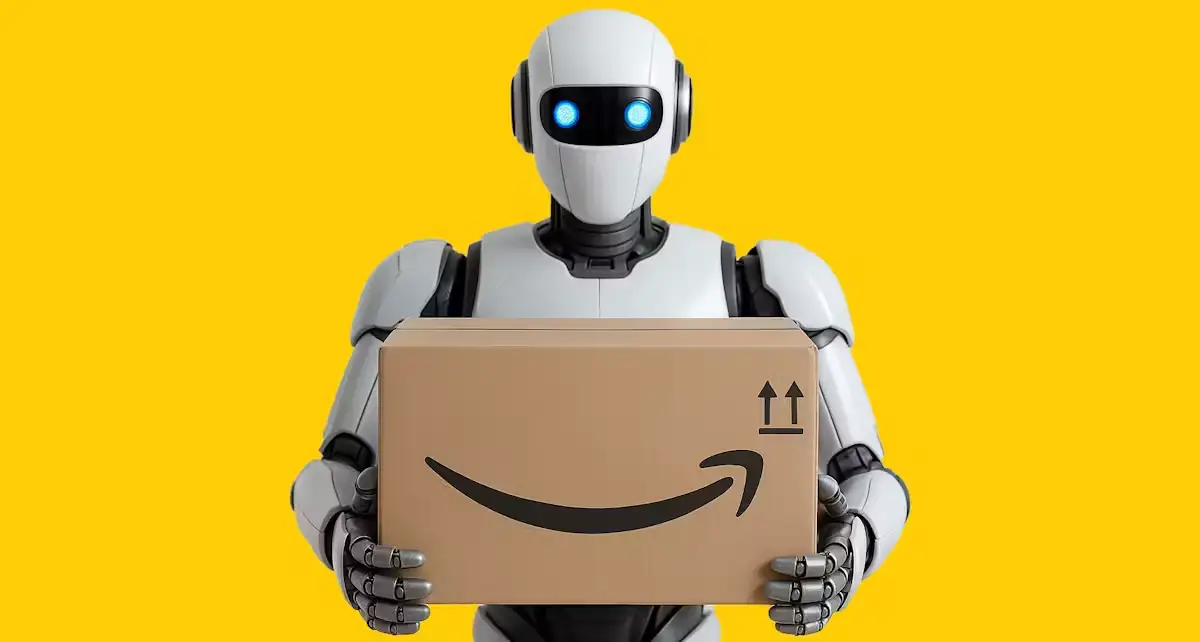
This is why Liu’s plan matters. It shows that automation does not always have to remove people from work. In many cases, it can change the type of work people do. Workers who learn new skills early may have stronger chances in a future shaped by robots and AI tools.
Via The Information
Workers Could Be Reassigned Instead Of Fired
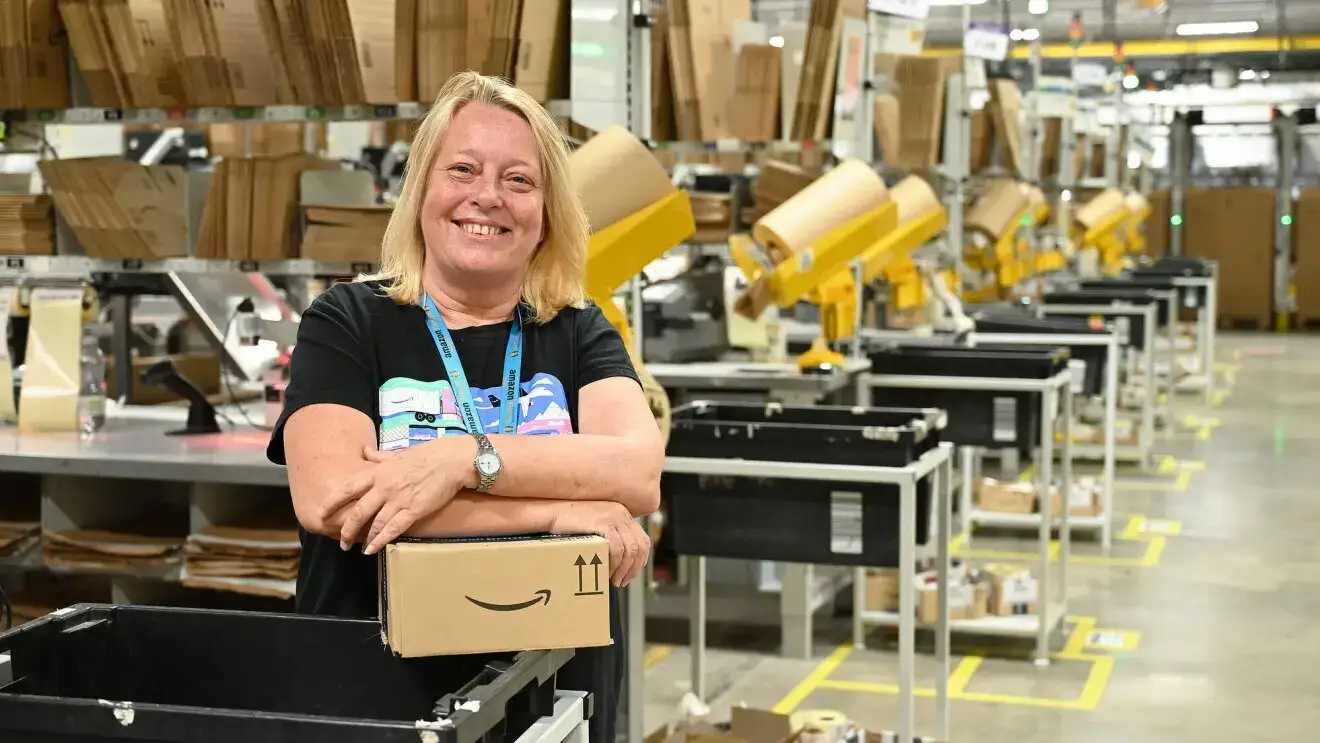
Liu has said workers whose jobs are replaced by robots will not simply be fired. The plan is to retrain them and move them into other roles inside the company. This message is important because many people fear that AI will mainly lead to layoffs and fewer jobs. Reassignment can help protect workers during a time of fast change. It also helps the company keep experienced employees who already understand logistics, delivery systems, and customer service. Training existing staff may be smarter than hiring only new technical workers from outside.Via Amazon Careers
This plan will only work if training leads to real jobs. Workers need clear courses, useful skills, fair pay, and real career paths. A promise to retrain employees must be supported by strong action, or workers may still feel uncertain about the future.
Robot Delivery Is Already Growing Across China
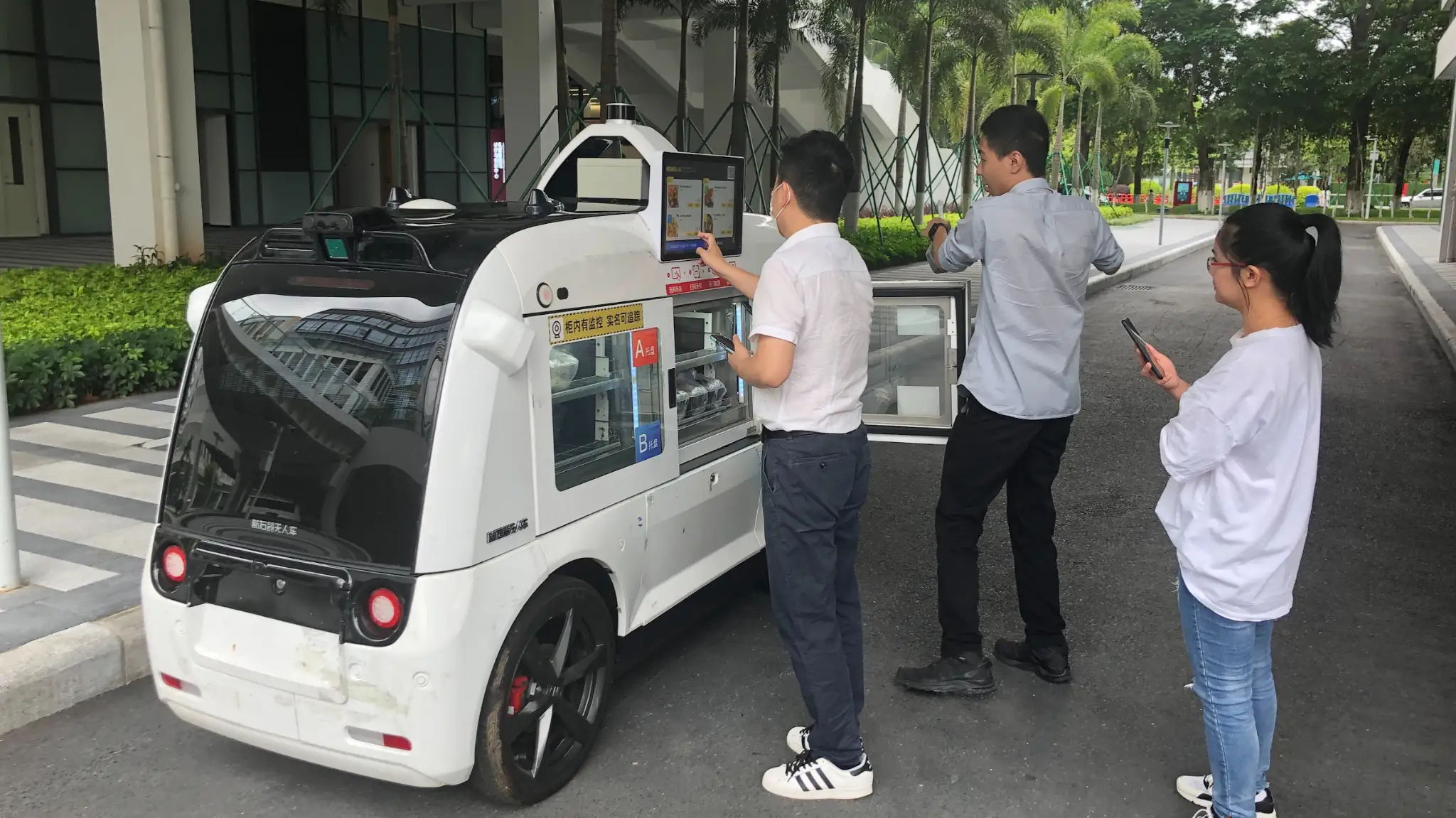
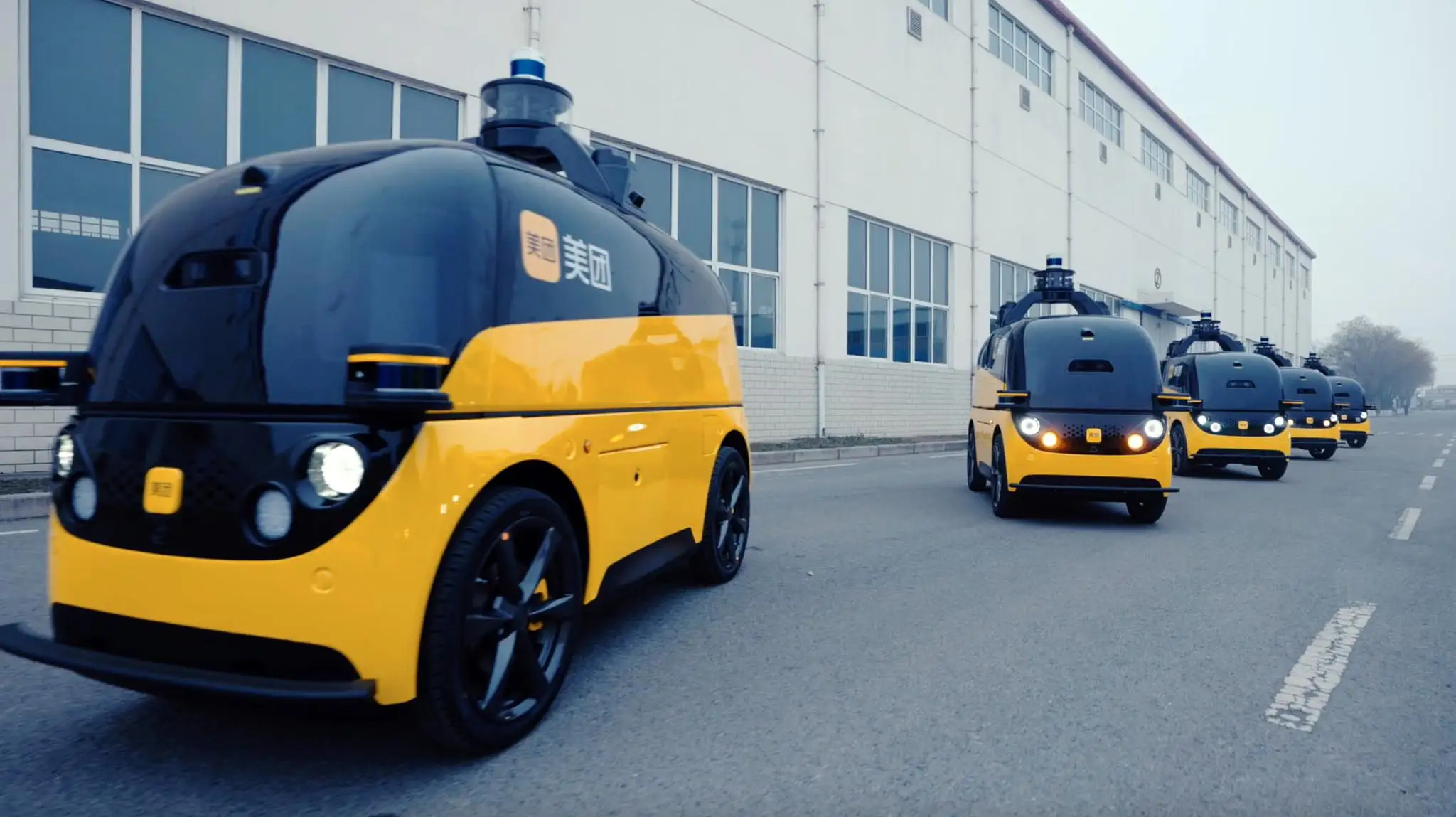
Robot and drone delivery is already becoming more common in China. Several food, retail, and logistics companies are testing machines that can move packages with less human effort. These systems are designed to make deliveries faster, cheaper, and easier in busy areas.Via Nikki Asia
Food delivery giant Meituan has tested drone delivery for difficult locations. In 2024, the company said drones could deliver packages to hikers on the Great Wall of China. This example shows how drones may help in places where normal delivery is slow, hard, or unsafe.
This growth shows why workers need new skills. As robots and drones become more common, companies will need people who can manage, repair, and guide these systems. Delivery may not disappear, but the role of delivery workers could change in a major way.
Via KR Asia
Global Companies Are Racing Toward Automation
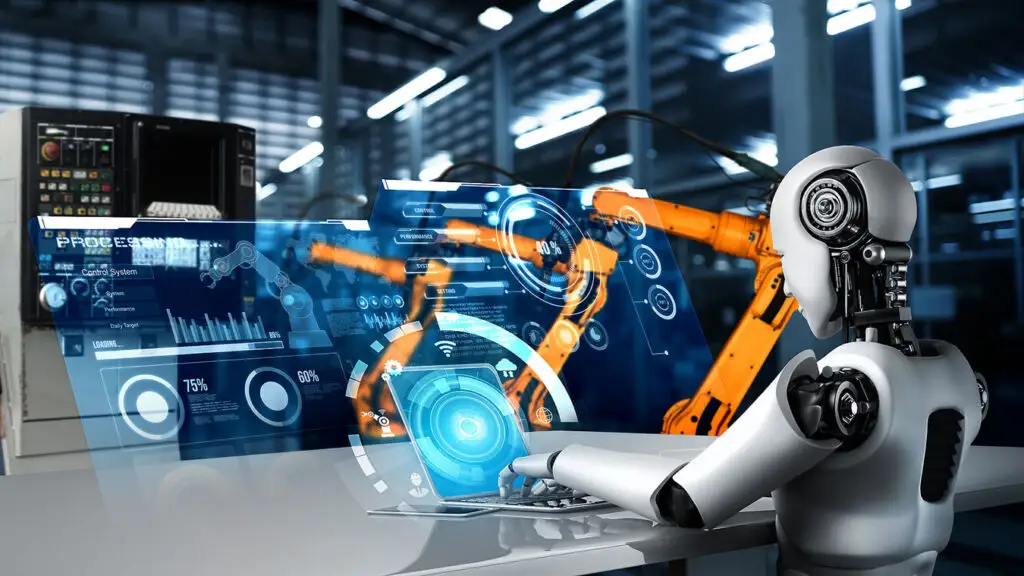
Large e-commerce and delivery companies across the world are investing in automation. Amazon has already built a huge robot fleet inside its fulfillment centers. These robots help move goods, support warehouse teams, and speed up order processing. Automation can improve productivity, but it also changes the workplace. Workers may do less lifting, walking, and sorting. They may spend more time checking screens, managing systems, or handling machine-related problems. This shift creates a need for workers who understand both technology and real operations.Via Penn LDI
Some companies are also testing small delivery robots on city streets and college campuses. DoorDash has tested red Dot robots in Phoenix that can carry small loads along footpaths. These examples show that robot delivery is becoming a serious business idea, not just a future dream.
AI Is Changing Jobs Across Many Industries
AI is not only changing delivery work. It is also affecting tech companies, customer service, design, marketing, coding, retail, and office jobs. Many businesses now use AI tools to complete tasks faster and reduce costs. This has created both excitement and fear.
Via Bernard Marr
Some companies have already linked AI to workforce changes. Firms such as Snap, Wix, and Cisco have mentioned AI while discussing job cuts or restructuring. These moves show how automation is becoming part of business planning in many industries.
Liu’s plan stands out because it focuses on retraining workers at a large scale. Instead of only talking about machines replacing people, the plan looks at how people can move into new jobs. This kind of thinking may become more important as AI spreads through the global economy.
Via The Independent
Future Workers Need New Technical Skills
The AI economy will reward workers who can adapt. Many future jobs may not need advanced degrees, but they will need basic comfort with machines, software, repair tools, and digital systems. Delivery workers may need to learn how robots move, how sensors work, and how automated routes are managed. Training must be simple and practical. Workers need real practice with robots, repair tasks, safety checks, and system alerts. Classroom lessons alone may not be enough. Strong programs should connect learning directly to real workplace duties.
Via LinkedIn
This kind of training can also protect families. Many blue-collar workers depend on a steady income, and sudden job loss can cause serious pressure. When companies train workers before jobs disappear, they can reduce fear and help people build better futures.
AI Raises Big Questions About The Right To Work
Liu has also called for international rules on how AI and robots should be used as society changes. He said robots should not take away people’s right to work. This point is important because automation affects more than business profits. It affects workers, families, cities, and entire economies.Via Grupo Castilla
Clear rules may help companies use AI in a fairer way. Governments, schools, and business leaders may need to work together on training programs, safety standards, and worker protection. Without planning, some people could be left behind while companies become more automated.
The future of work will likely include both humans and machines. The challenge is to make sure people still have value, income, and dignity in that future. Retraining workers is one way to make that change less harmful and more balanced.
Via Clever X
The Future Of AI Delivery
Richard Liu’s plan for 700,000 blue-collar workers shows how serious the AI shift has become. Robots and drones are no longer only future ideas. They are becoming part of real delivery and logistics systems, especially in large e-commerce businesses. The plan to retrain workers through school partnerships could help many delivery employees move into robot repair, maintenance, and support roles. This approach may protect jobs while helping the company prepare for a more automated future. Success will depend on strong training, real job placement, and long-term support.
Via Victoria University
AI will keep changing business, delivery, and office work around the world. Companies that prepare workers early may handle the change better than those that only cut jobs. People, businesses, and governments will need smart plans so technology creates progress without leaving workers behind.