Unassigned
Brooklyn Meets Malaysia at Kelang’s Bold New Menu Style
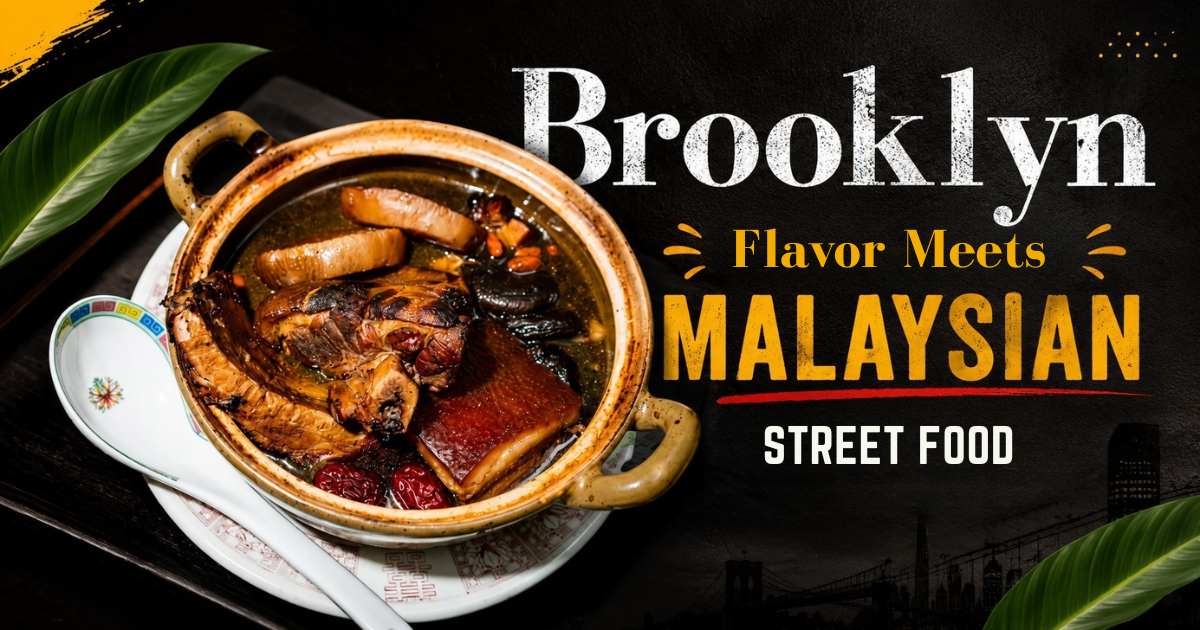
Kelang in Greenpoint represents a modern shift in how Malaysian cuisine is interpreted in a global city. The restaurant does not attempt to preserve food as a fixed cultural artifact. Instead, it reflects how culinary identity evolves when traditions move across borders and settle into new urban environments like Brooklyn. Haitian, Jamaican, and American neighborhood cooking influenced his palate just as much as traditional Malaysian home cooking did.
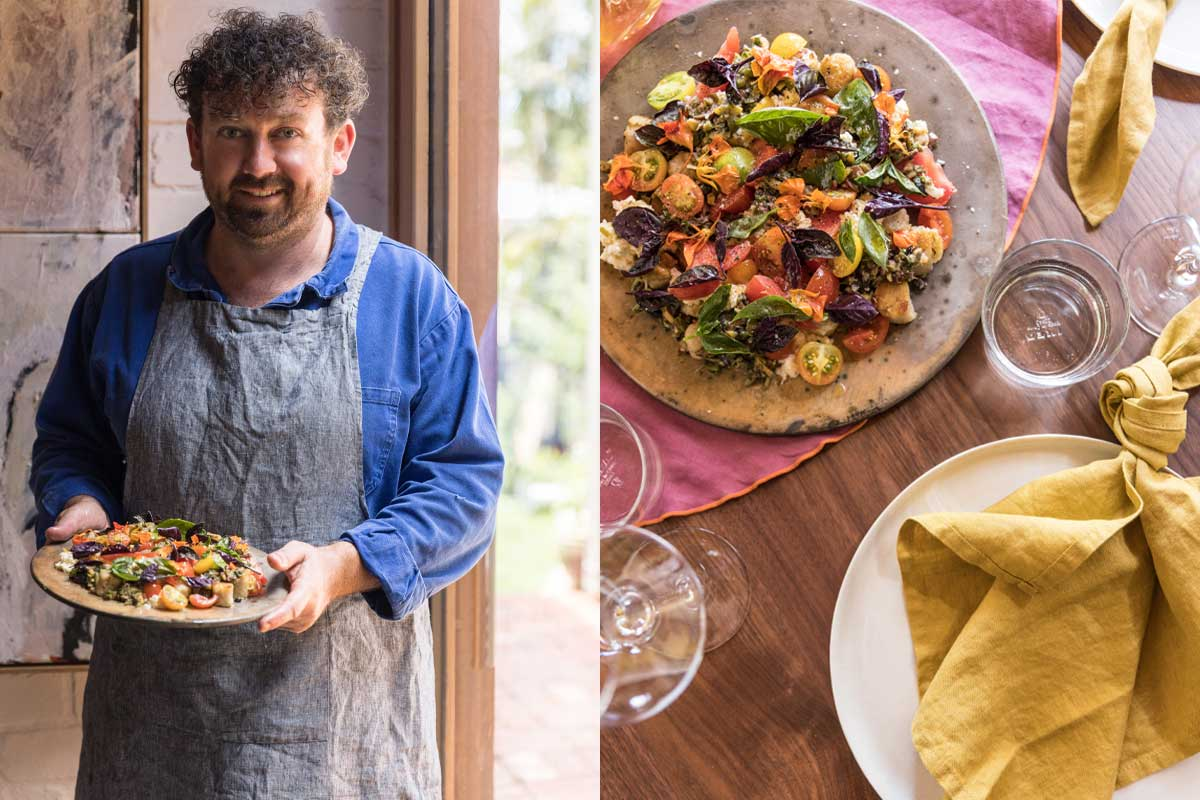
Chef-owner Christopher Low builds this identity through lived experience rather than strict culinary rules. Growing up in Brooklyn with Malaysian family roots, exposure to multiple food cultures shaped a flexible understanding of flavor and technique. The result is a dining style shaped by memory, migration, and everyday cultural interaction within a diverse neighborhood.
 Via The New Yorker
The restaurant reflects a broader movement in contemporary dining where cultural expression becomes layered instead of singular. Food becomes a narrative of shared spaces rather than isolated origins. Kelang stands as an example of how immigrant cuisines continue to evolve naturally when shaped by urban diversity and second-generation creativity. These overlapping influences form the foundation of Kelang’s approach.
 Via The New Yorker
Rice dishes also play an important role in the menu structure. Herbed rice infused with mushrooms draws inspiration from multiple cultural traditions, including Malaysian nasi ulam and Haitian seasoning techniques.
 Via Carlotta+Gee
 Via Brooklyn Magazine
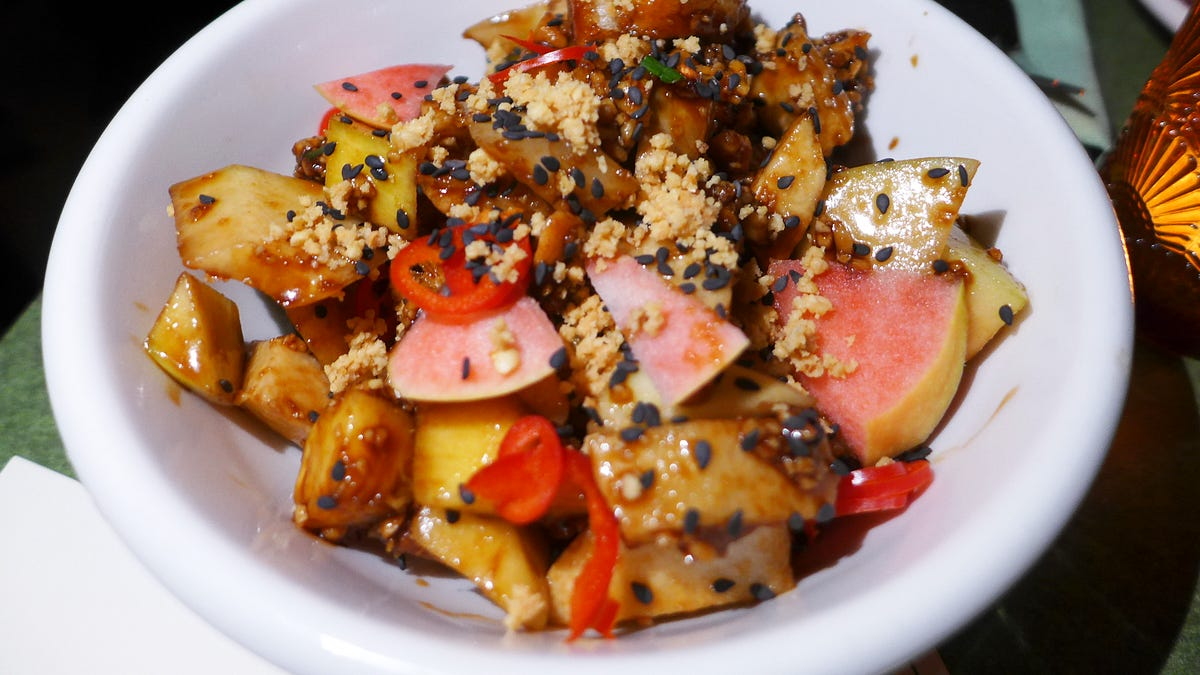
Rojak offers a refreshing contrast to heavier dishes. Seasonal fruits like pineapple and guava are combined with cucumbers and coated in a tangy dressing made from fermented shrimp paste. Hainanese chicken remains a central offering, known for its delicate texture, aromatic rice, and carefully balanced sauces that bring together simplicity and precision.
 Via Resy Blog
Caribbean influences are especially visible in certain preparation methods used at Kelang. Smoking techniques applied to meat dishes such as rendang introduce a depth that complements Malaysian spice blends. This combination highlights how culinary practices from different regions can complement each other when applied thoughtfully.
Italian, Southeast Asian, and Caribbean influences often appear within the same menu structure. Rather than creating separation, these elements form a unified culinary language. Kelang transforms this diversity into a dining experience that reflects the everyday cultural blending that defines modern Brooklyn life.
 Via Resy Blog
 Via Robert Sietsema's New York
Every design choice contributes to the overall dining experience. The atmosphere encourages slower engagement with food, allowing guests to focus on both taste and environment. Kelang becomes not only a place to eat but also a space where visual and sensory elements work together to enhance emotional connection.
 Via Quill of Grubs
Dishes like Hainanese chicken and kway teow connect directly to this street food heritage. Preparation methods prioritize balance, repetition, and technique developed through years of informal culinary practice. Kelang translates these street-level traditions into a sit-down dining experience while maintaining their original spirit.
Street food influence also appears in the layering of sauces and textures. Bold flavors such as fermented shrimp paste, dark soy reduction, and herbal broths reflect the intensity found in hawker environments. These elements ensure that the food remains grounded even when reinterpreted through a modern lens.
 Via The New Yorker
 Via Robert Sietsema's New York
The drink list reinforces Kelang’s identity as a place where boundaries between cultures and flavors remain flexible. Each beverage contributes to the overall narrative of blending tradition with innovation, ensuring that the dining experience extends beyond the plate.
 Via Brooklyn Magazine
Diners respond to the restaurant’s hybrid identity with curiosity and openness. Some dishes challenge expectations of what Malaysian food should be, while others provide familiar comfort through classic techniques. This balance helps the restaurant appeal to both traditionalists and adventurous diners.
The presence of Kelang contributes to Greenpoint’s transformation into a hub for culturally layered dining experiences. Restaurants in the area increasingly reflect hybrid identities shaped by migration and urban living. Kelang stands as part of this shift, where food becomes a reflection of shared cultural space rather than a fixed origin.
 Via Robert Sietsema's New York
 Via Eatery NY
Kelang’s role in Greenpoint is both reflective and forward-looking. It mirrors the neighborhood’s diversity while also helping to shape its future as a space where culinary boundaries are fluid and inclusive. As the final note in this narrative, Kelang stands as a testament to how food can unite cultures, spark curiosity, and create meaningful connections in an ever-changing urban landscape.
More in UnassignedVia The New Yorker
The restaurant reflects a broader movement in contemporary dining where cultural expression becomes layered instead of singular. Food becomes a narrative of shared spaces rather than isolated origins. Kelang stands as an example of how immigrant cuisines continue to evolve naturally when shaped by urban diversity and second-generation creativity. These overlapping influences form the foundation of Kelang’s approach.
Signature Dishes That Define Kelang’s Menu Style
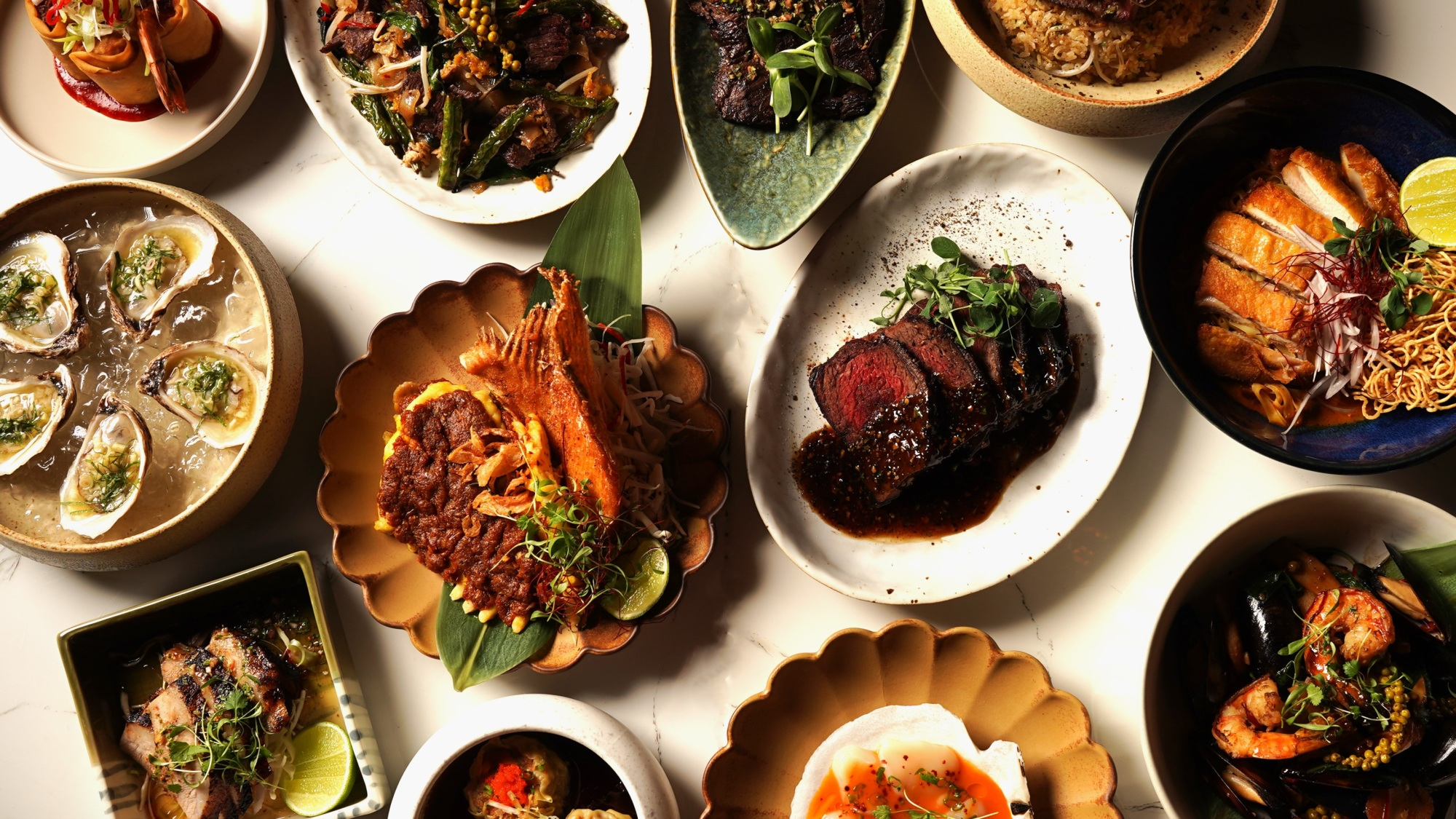
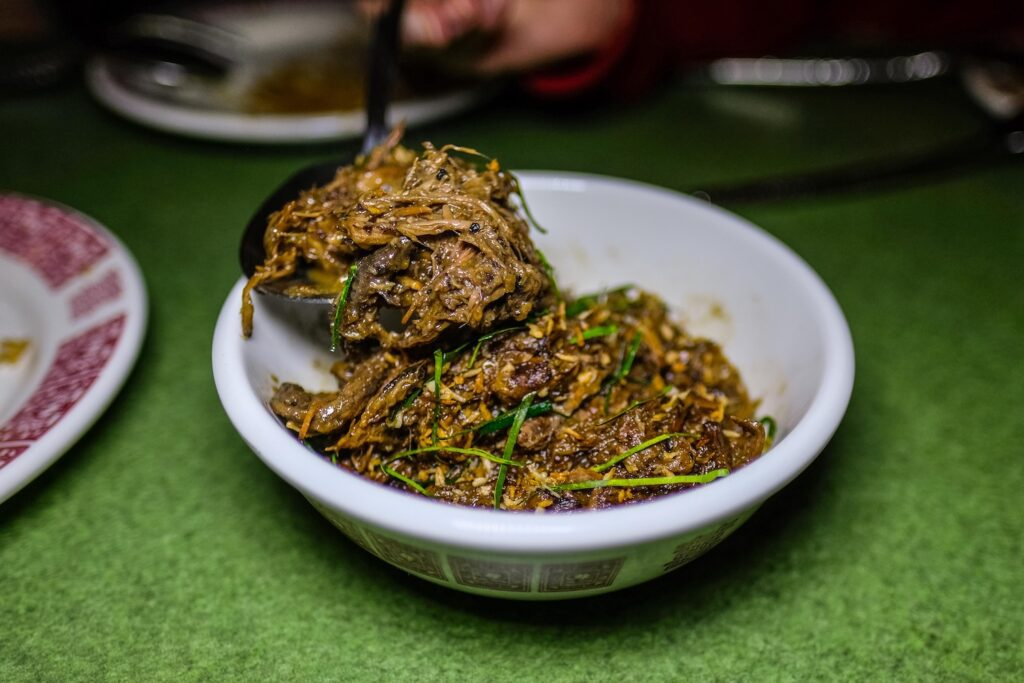
The menu at Kelang is built around dishes that combine Malaysian foundations with global influences. One of the most recognizable creations is a puffy paratha served over spiced red-lentil dal and topped with creamy stracciatella cheese. Via The New Yorker The dish blends South Asian comfort food with Italian dairy richness, resulting in a layered texture that balances warmth, creaminess, and subtle spice. The sauce reduces into a thick glaze that clings to each piece, intensifying the spice profile and enhancing the richness of the dish. Another highlight is the oxtail rendang, which reflects a fusion of Malaysian and Caribbean cooking methods. The meat is slow-cooked until tender, then finished with a smoky depth that comes from Caribbean-style preparation.Via The New Yorker
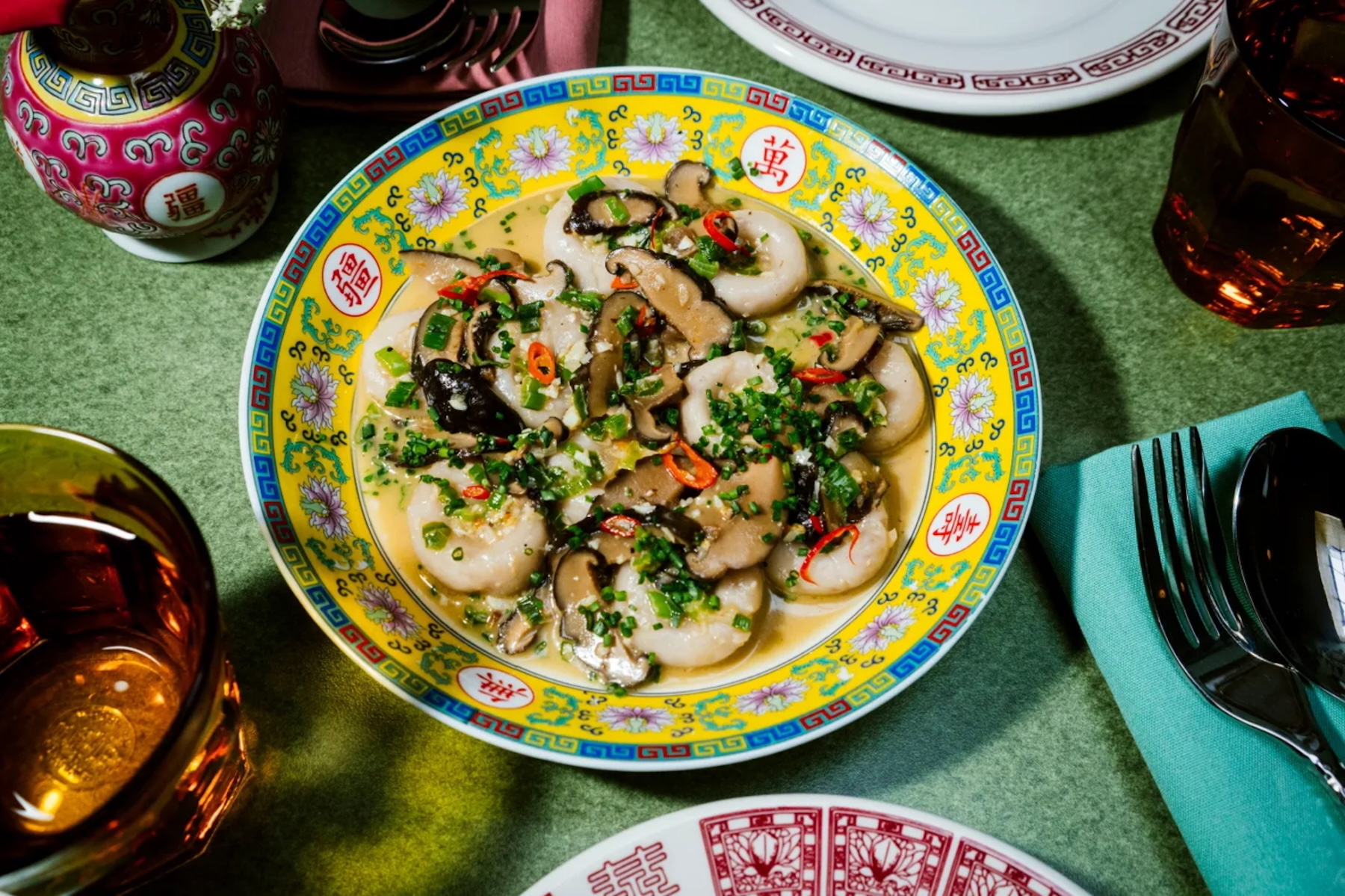
Rice dishes also play an important role in the menu structure. Herbed rice infused with mushrooms draws inspiration from multiple cultural traditions, including Malaysian nasi ulam and Haitian seasoning techniques.
Second-Generation Influence in Modern Malaysian Cooking
Kelang reflects a growing trend driven by second-generation chefs who navigate multiple cultural identities. These chefs often grow up between traditional home cooking and the diverse food environments of their cities. This dual exposure leads to an instinctive blending of flavors that feels natural rather than forced or experimental. Christopher Low’s cooking style is shaped by this experience of cultural duality. Malaysian dishes prepared by family members formed an early foundation, while Brooklyn’s multicultural food scene expanded his understanding of seasoning, texture, and presentation. The combination of these influences results in food that does not attempt to replicate a single origin but instead reflects lived reality. This approach allows traditional recipes to transform without losing their essence. Instead of strict reproduction, dishes become reinterpretations that reflect contemporary life. Kelang uses this philosophy to create food that resonates with both cultural memory and modern urban identity.Via Carlotta+Gee
Standout Malaysian Classics Reimagined
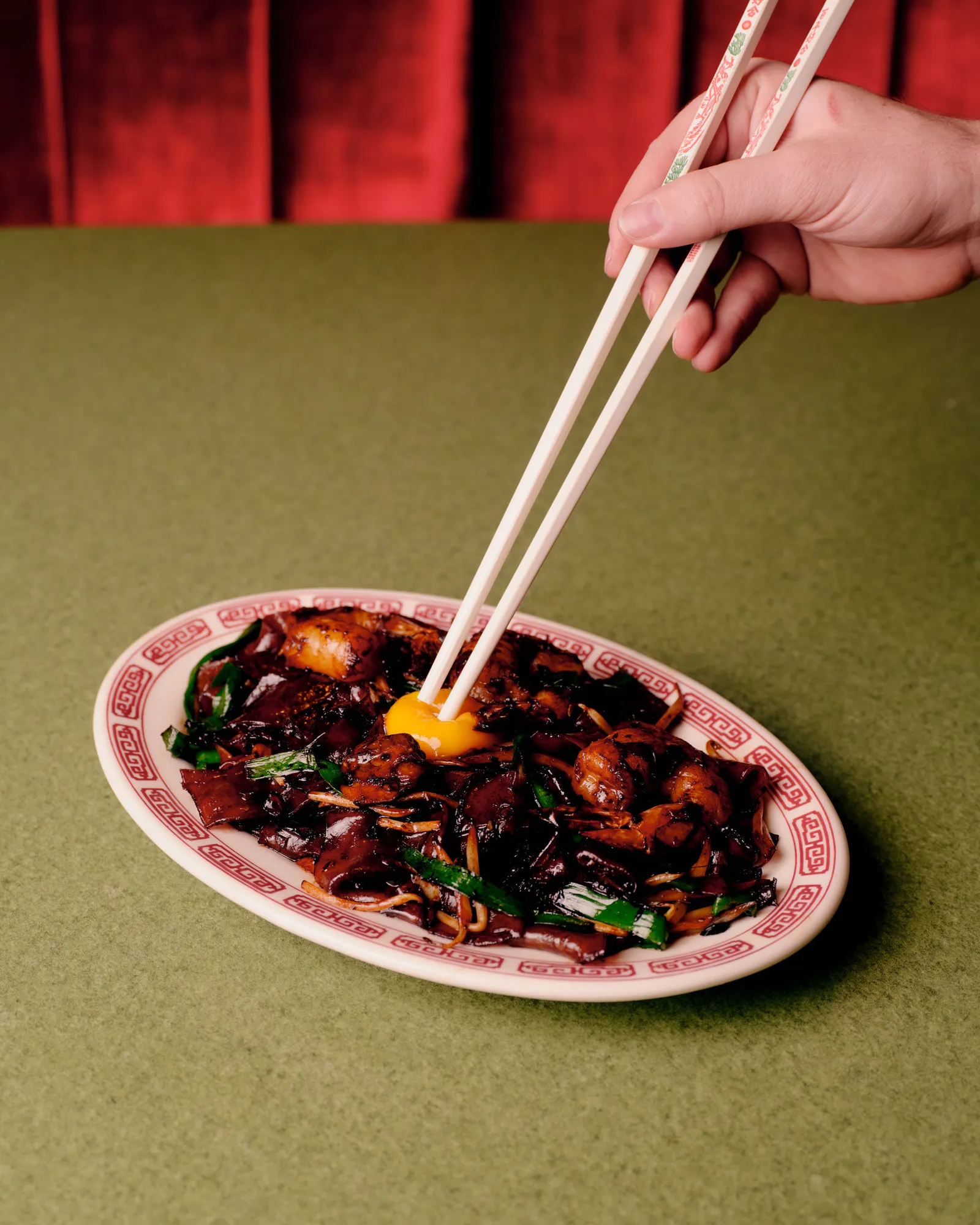
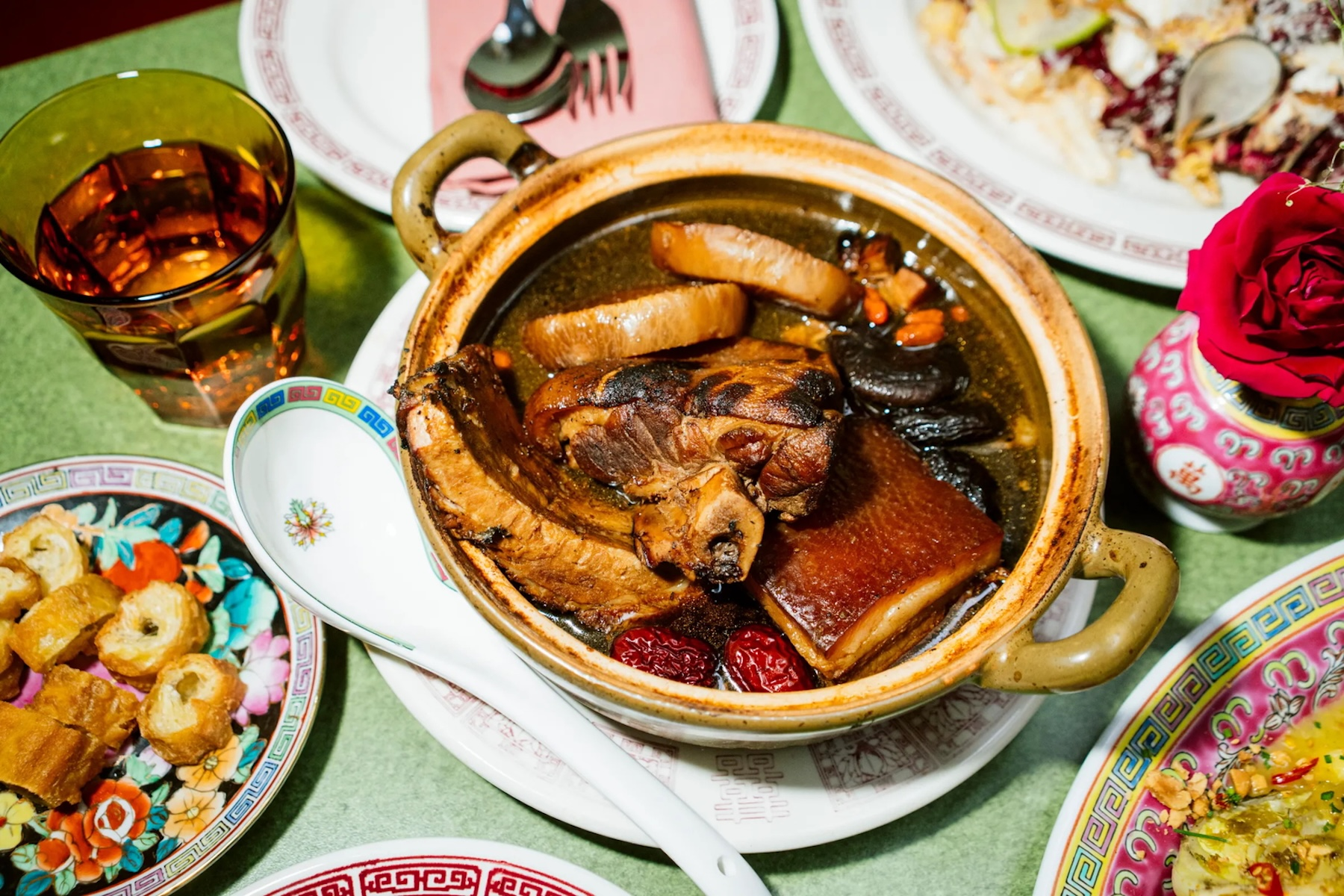
Kelang’s menu includes several Malaysian classics that are reinterpreted through a creative lens. Clay-pot bak kut teh is one of the most prominent examples, featuring pork cuts simmered in a deeply herbal broth. The long cooking process develops rich, layered flavors that highlight both spice complexity and comforting warmth. The “moonlight kway teow” is another signature dish that captures attention through its bold presentation. Wide rice noodles are cooked in dark soy sauce until nearly black, creating a smoky base flavor. A raw egg yolk placed in the center adds a silky richness that blends into the noodles, enhancing texture and depth.Via Brooklyn Magazine
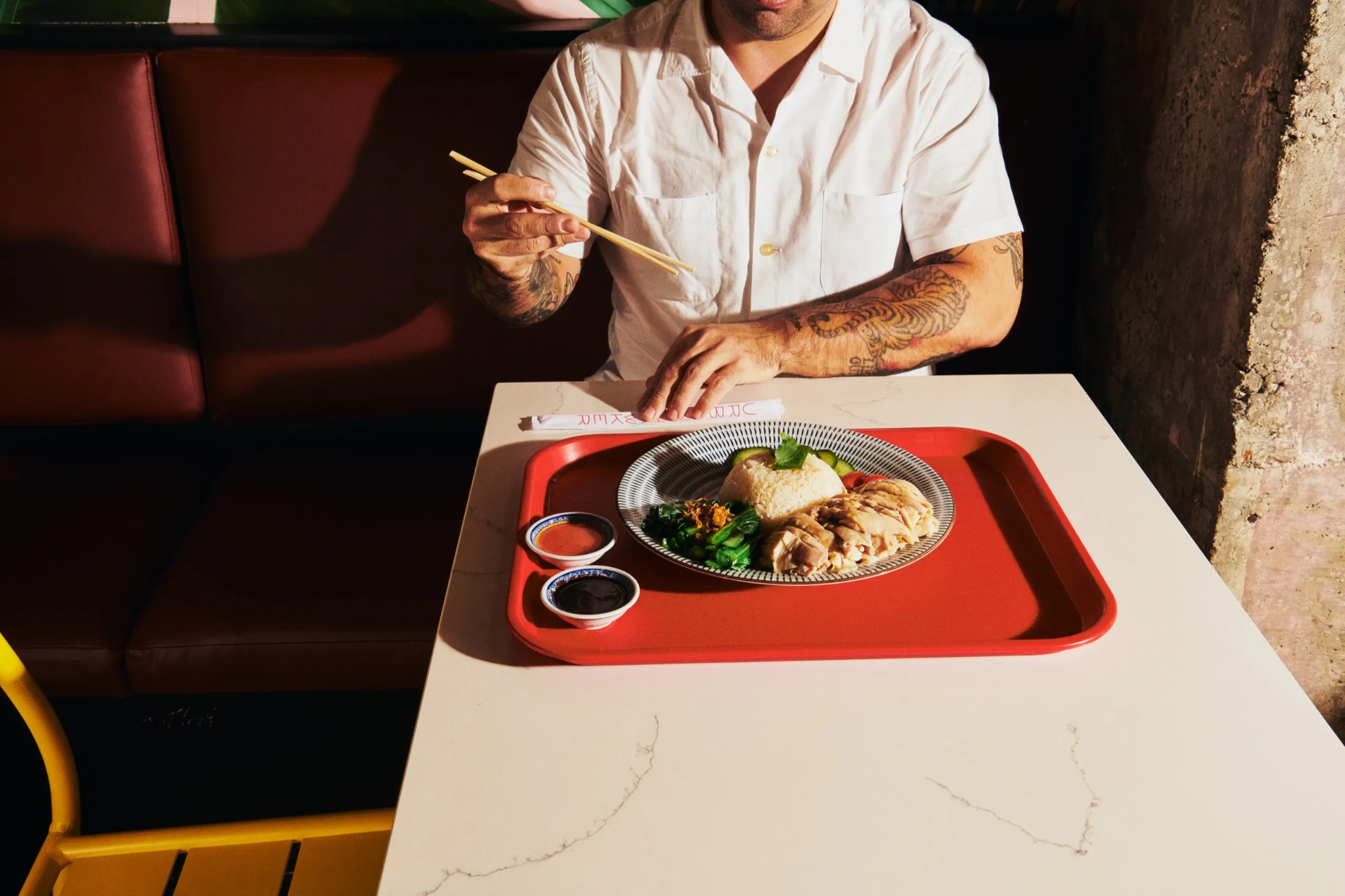
Rojak offers a refreshing contrast to heavier dishes. Seasonal fruits like pineapple and guava are combined with cucumbers and coated in a tangy dressing made from fermented shrimp paste. Hainanese chicken remains a central offering, known for its delicate texture, aromatic rice, and carefully balanced sauces that bring together simplicity and precision.
Culinary Crossroads of Brooklyn and Malaysia
Kelang sits at the intersection of multiple culinary traditions that naturally converge in Brooklyn. The city’s diverse population creates an environment where different food cultures exist side by side. This proximity allows chefs to draw inspiration from a wide range of cooking styles without losing connection to their roots.Via Resy Blog
Caribbean influences are especially visible in certain preparation methods used at Kelang. Smoking techniques applied to meat dishes such as rendang introduce a depth that complements Malaysian spice blends. This combination highlights how culinary practices from different regions can complement each other when applied thoughtfully.
Italian, Southeast Asian, and Caribbean influences often appear within the same menu structure. Rather than creating separation, these elements form a unified culinary language. Kelang transforms this diversity into a dining experience that reflects the everyday cultural blending that defines modern Brooklyn life.
Via Resy Blog
Interior Design Inspired by Cinematic Emotion
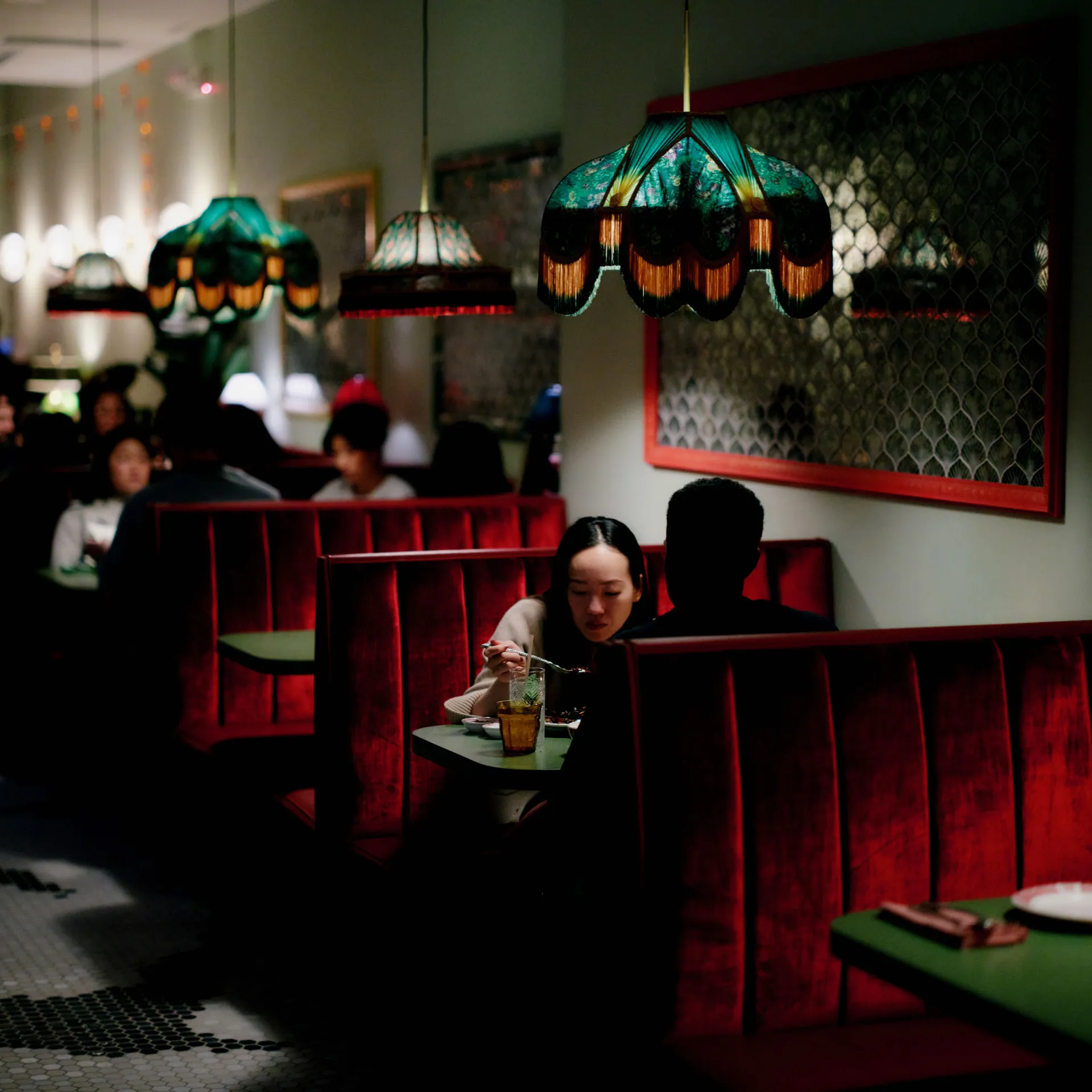
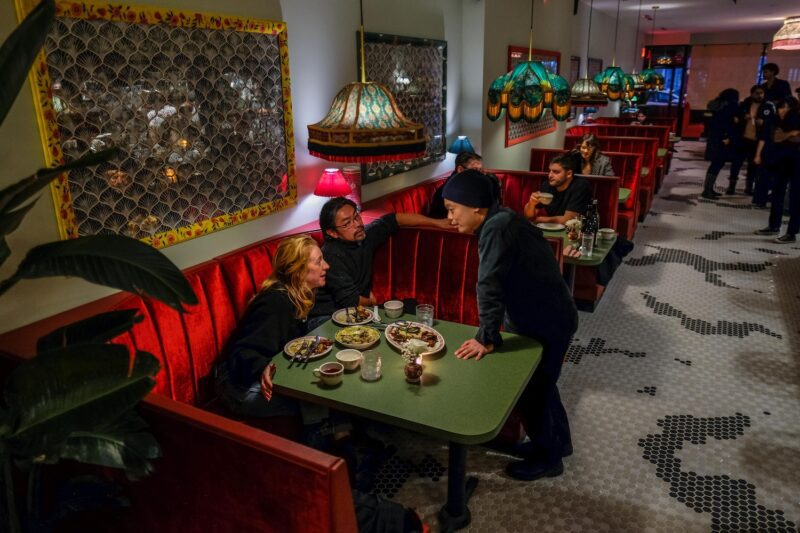
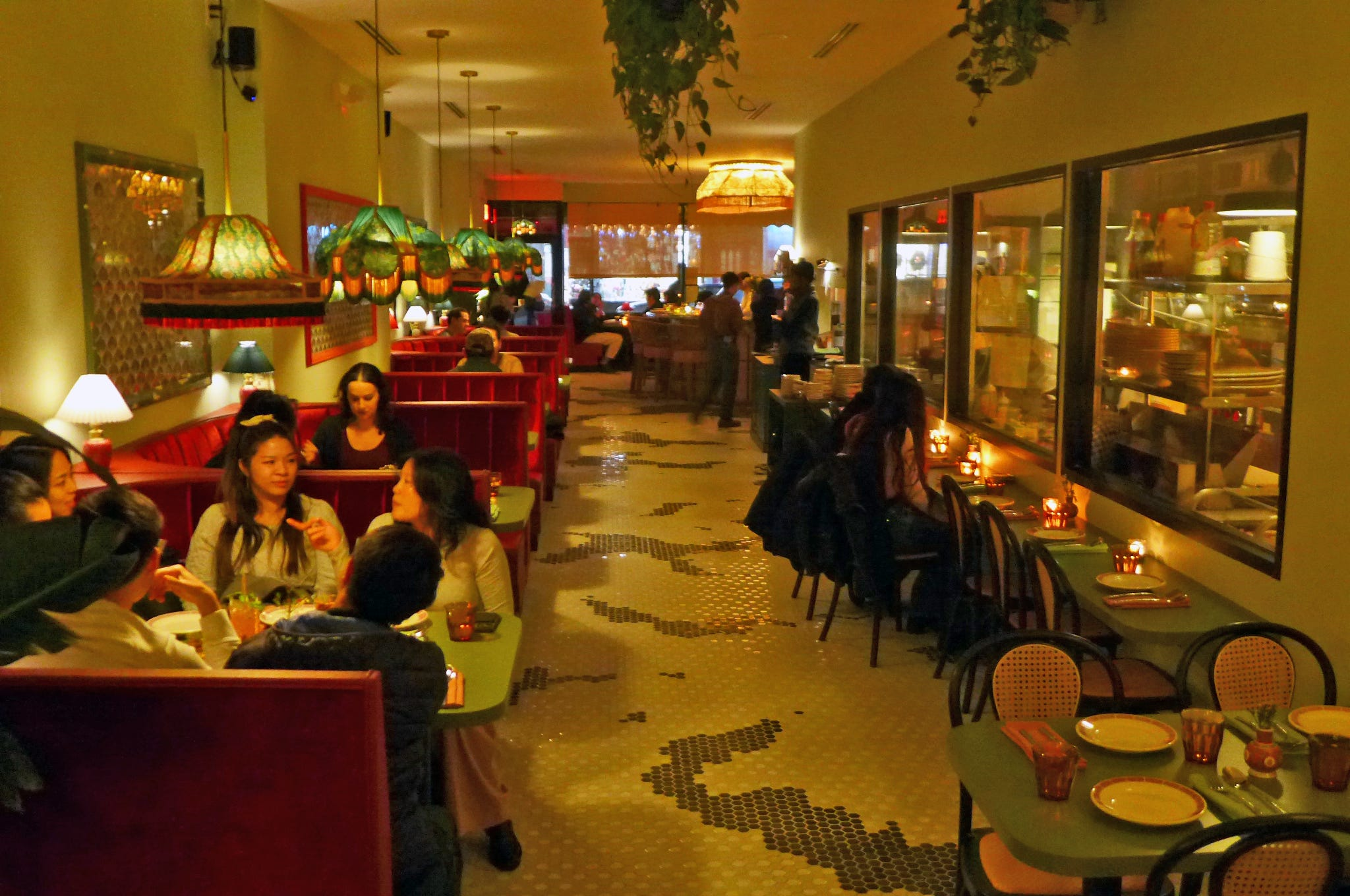
The interior of Kelang is designed to evoke emotional depth and cinematic atmosphere. Inspired by the visual storytelling style associated with Wong Kar Wai films, the space uses lighting, color, and texture to create a mood-driven environment. Deep red tones, soft shadows, and reflective surfaces contribute to an intimate and immersive dining setting. The restaurant was previously a medical office, which provided a structural foundation that felt minimal and open. This space was transformed using design elements that introduce warmth and personality. Velvet seating, tropical plants, and vintage-inspired decor help soften the architectural rigidity and create a sense of layered visual storytelling.Via Robert Sietsema's New York
Every design choice contributes to the overall dining experience. The atmosphere encourages slower engagement with food, allowing guests to focus on both taste and environment. Kelang becomes not only a place to eat but also a space where visual and sensory elements work together to enhance emotional connection.
Hawker Culture and Street Food Roots in the Menu
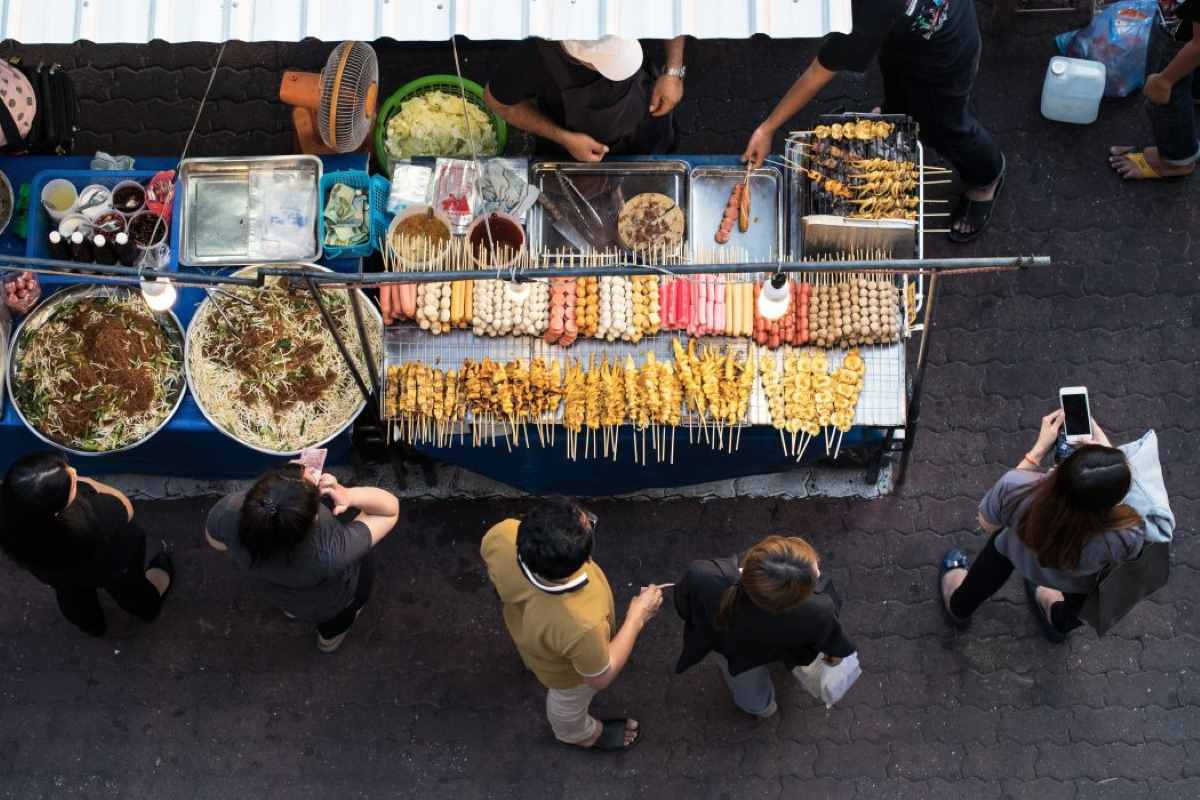
Malaysian hawker culture plays a strong role in shaping the foundation of Kelang’s menu. Hawker stalls in Malaysia are known for affordable, fast, and deeply flavorful dishes that reflect everyday cooking traditions. These influences appear throughout the restaurant in both structure and seasoning style.Via Quill of Grubs
Dishes like Hainanese chicken and kway teow connect directly to this street food heritage. Preparation methods prioritize balance, repetition, and technique developed through years of informal culinary practice. Kelang translates these street-level traditions into a sit-down dining experience while maintaining their original spirit.
Street food influence also appears in the layering of sauces and textures. Bold flavors such as fermented shrimp paste, dark soy reduction, and herbal broths reflect the intensity found in hawker environments. These elements ensure that the food remains grounded even when reinterpreted through a modern lens.
Via The New Yorker
Signature Drinks and Beverage Program Identity
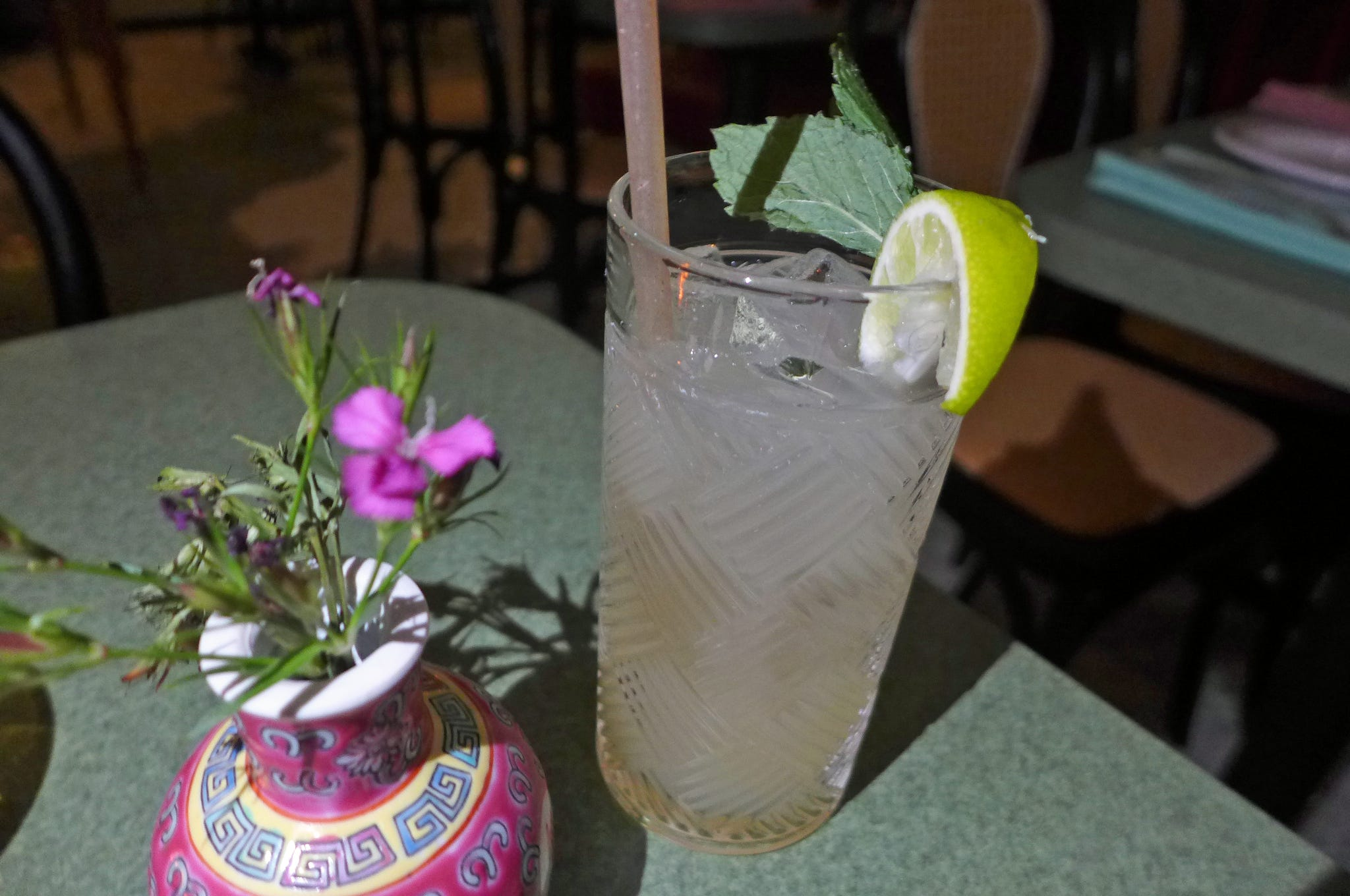
The beverage program at Kelang extends the same creative philosophy found in the kitchen. Cocktails are designed with unexpected combinations that reflect the restaurant’s fusion identity. Drinks such as martinis infused with savory elements or Negronis enhanced with floral notes highlight this experimental approach. Non-alcoholic options receive equal attention, focusing on complexity rather than simplicity. Smoky tea, fruit blends, and subtle spice elements create layered drinks that stand alongside the main menu. These beverages are designed to complement food rather than serve as background additions.Via Robert Sietsema's New York
The drink list reinforces Kelang’s identity as a place where boundaries between cultures and flavors remain flexible. Each beverage contributes to the overall narrative of blending tradition with innovation, ensuring that the dining experience extends beyond the plate.
Community Reception and Changing Greenpoint Food Scene
Kelang operates within Greenpoint’s evolving food landscape, where global cuisines increasingly intersect. The neighborhood has become known for restaurants that reflect immigrant diversity and creative reinterpretation of traditional dishes. This environment allows Kelang to fit naturally into a larger culinary movement.Via Brooklyn Magazine
Diners respond to the restaurant’s hybrid identity with curiosity and openness. Some dishes challenge expectations of what Malaysian food should be, while others provide familiar comfort through classic techniques. This balance helps the restaurant appeal to both traditionalists and adventurous diners.
The presence of Kelang contributes to Greenpoint’s transformation into a hub for culturally layered dining experiences. Restaurants in the area increasingly reflect hybrid identities shaped by migration and urban living. Kelang stands as part of this shift, where food becomes a reflection of shared cultural space rather than a fixed origin.
Via Robert Sietsema's New York
Lasting Impression - Food as a Bridge Between Cultures
As the Greenpoint food scene continues to grow and transform, Kelang leaves a lasting impression that extends beyond its menu. It demonstrates how cuisine can act as a bridge, connecting people through shared experiences while honoring diverse cultural roots. The restaurant’s approach highlights the idea that food is not static but constantly evolving, shaped by movement, memory, and creativity. In its ability to balance tradition with innovation, Kelang captures the essence of modern dining in a globalized world. It invites diners to reconsider familiar flavors and embrace new interpretations without losing sight of authenticity. This delicate balance reflects a broader cultural conversation about identity, belonging, and the ways in which traditions adapt over time.Via Eatery NY
Kelang’s role in Greenpoint is both reflective and forward-looking. It mirrors the neighborhood’s diversity while also helping to shape its future as a space where culinary boundaries are fluid and inclusive. As the final note in this narrative, Kelang stands as a testament to how food can unite cultures, spark curiosity, and create meaningful connections in an ever-changing urban landscape.