Unassigned
8 Wonders of the World - Must-See or Overrated?

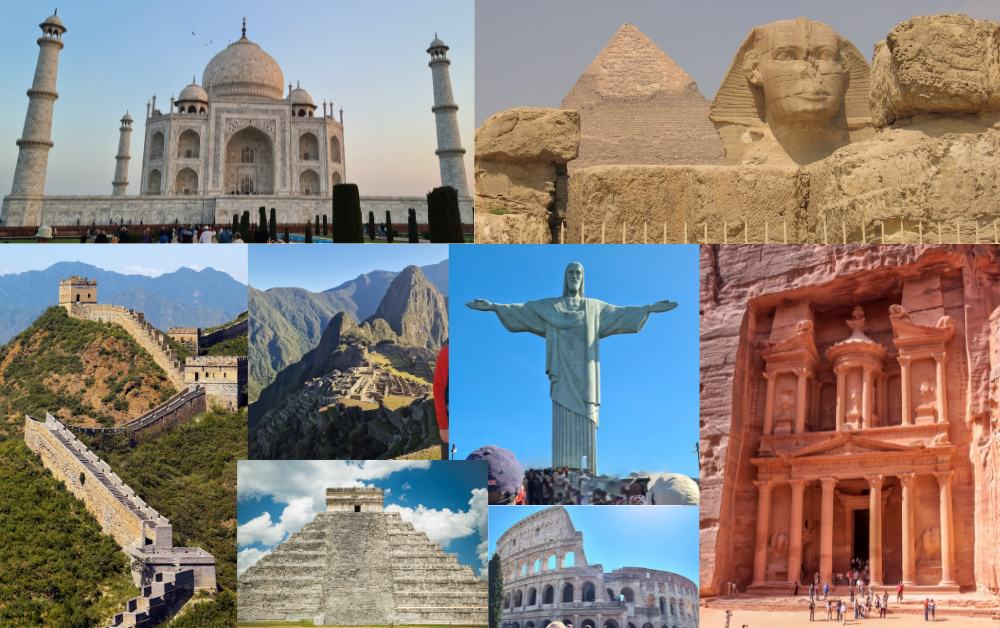
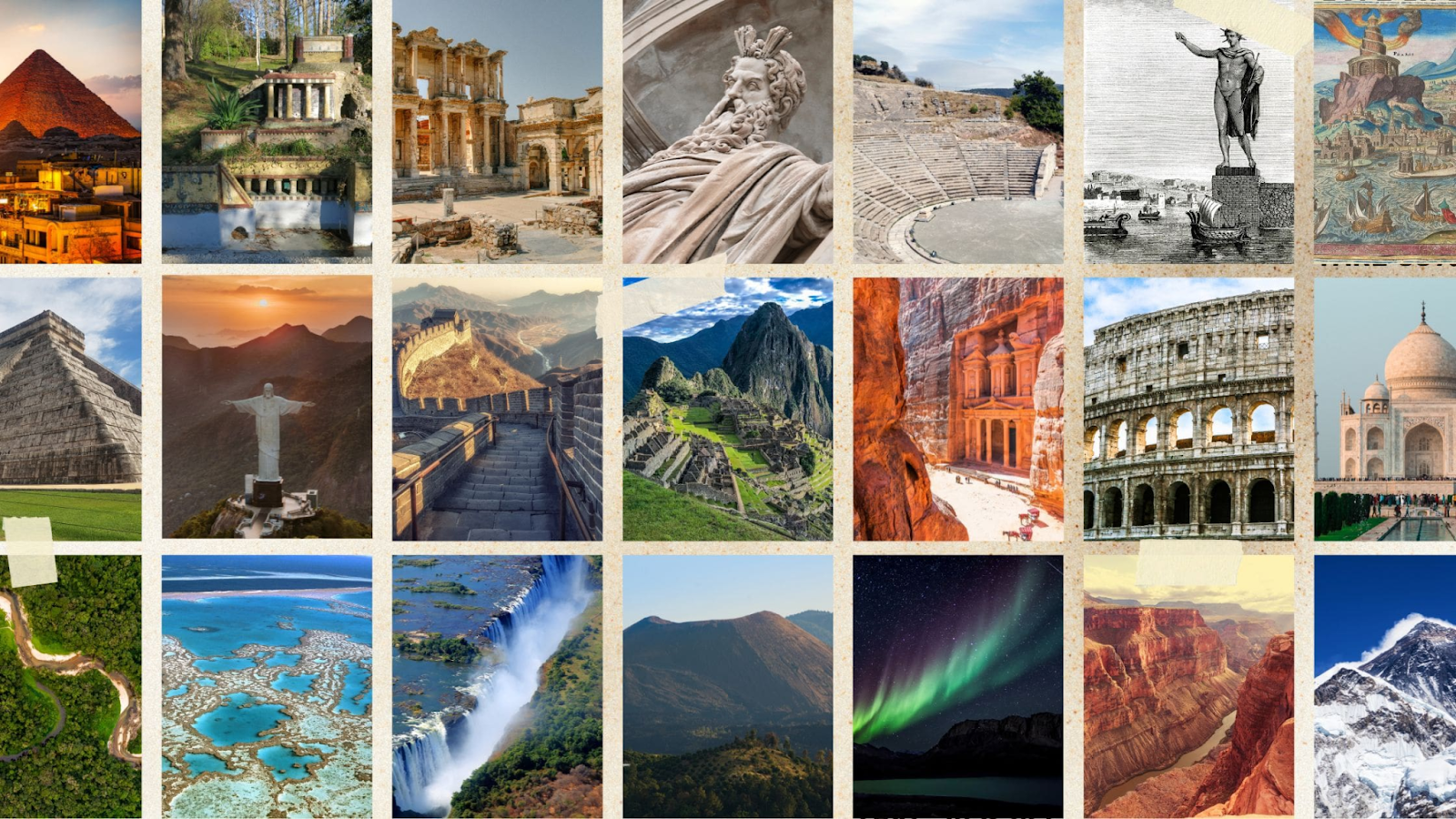
The phrase “8 Wonders of the World” often sparks images of grand ruins, iconic statues, and architectural feats that have captivated generations. Whether derived from the original Seven Wonders of the Ancient World or the revised New Seven Wonders created in 2007, these locations continue to intrigue modern travelers.
 Via Trekking The Dream!
One additional site, Angkor Wat, is frequently included as an unofficial eighth wonder, making the list even more compelling for curious explorers. The 8 wonders are often celebrated for their significance, but questions linger about whether they live up to their reputation. Are they truly worth the effort, time, and cost, or are they simply overhyped destinations packed with tourists and logistical headaches?
 Via Rome Tickets
Spring and autumn are ideal seasons to visit the Colosseum, with moderate temperatures and fewer crowds. Booking in advance is highly recommended, as daily visitor numbers remain high. For families, guided tours provide essential context, transforming stone walls into a vivid story of ambition and survival.
 Via Live Science
Due to its elevation and climate, the dry season from May to October is the most suitable for visits. Early mornings are best to experience the sunrise without heavy foot traffic. Although costs can be high due to permits and transportation, the emotional and visual impact of the site is often worth the investment.
 Via Destinationless Travel
The best time to go is between June and September, when the skies are clearer. Late afternoons are usually less crowded, offering sweeping views of the city below. Despite its grandeur, some visitors have found it more impressive from a distance than up close due to limited interaction and accessibility.
 Via Skift
Sunrise visits are particularly moving, as the light transforms the marble surface into glowing shades of gold and pink. Visiting between October and March is ideal due to milder weather. While crowds are expected, especially during holidays, the site’s beauty makes the early wake-up worthwhile for many visitors.
 Via The Times
Spring and autumn provide the most comfortable weather for hiking sections of the wall. Starting early in the day helps avoid tour groups and allows time for longer treks. Despite its popularity, the wall retains a sense of grandeur and offers a humbling reminder of human determination and skill.
 Via Britannica
The ideal seasons for a visit are spring and autumn when the temperatures are manageable. Arriving early rewards visitors with the warm hues of sunrise casting light across the sandstone. While not the most visited of the eight wonders, Petra’s mystique and grandeur often leave a lasting impression.
 Via Britannica
Traveling between November and April avoids the intense summer heat. Arriving early allows visitors to explore with fewer people and enjoy the pyramid’s unique light play. While costs and crowds may increase during special events, Chichen Itza remains a cultural and historical gem.
 Via Lonely Planet
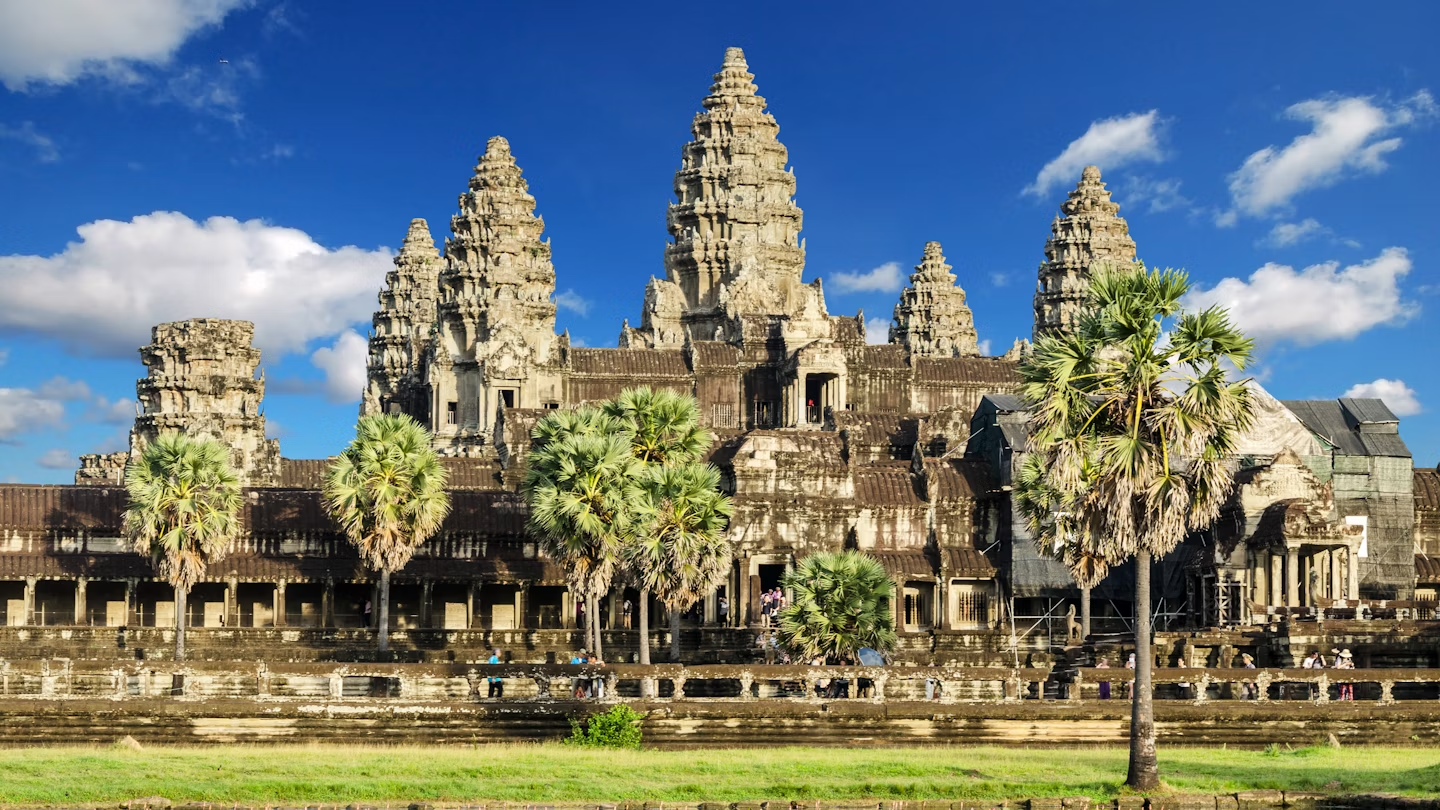
The best time to visit is from November to March when the weather is cooler. Watching the sunrise over the temple’s spires is a moving experience. Families often spend multiple days exploring the various structures, each filled with symbolic carvings and architectural brilliance.
 Via Lonely Planet
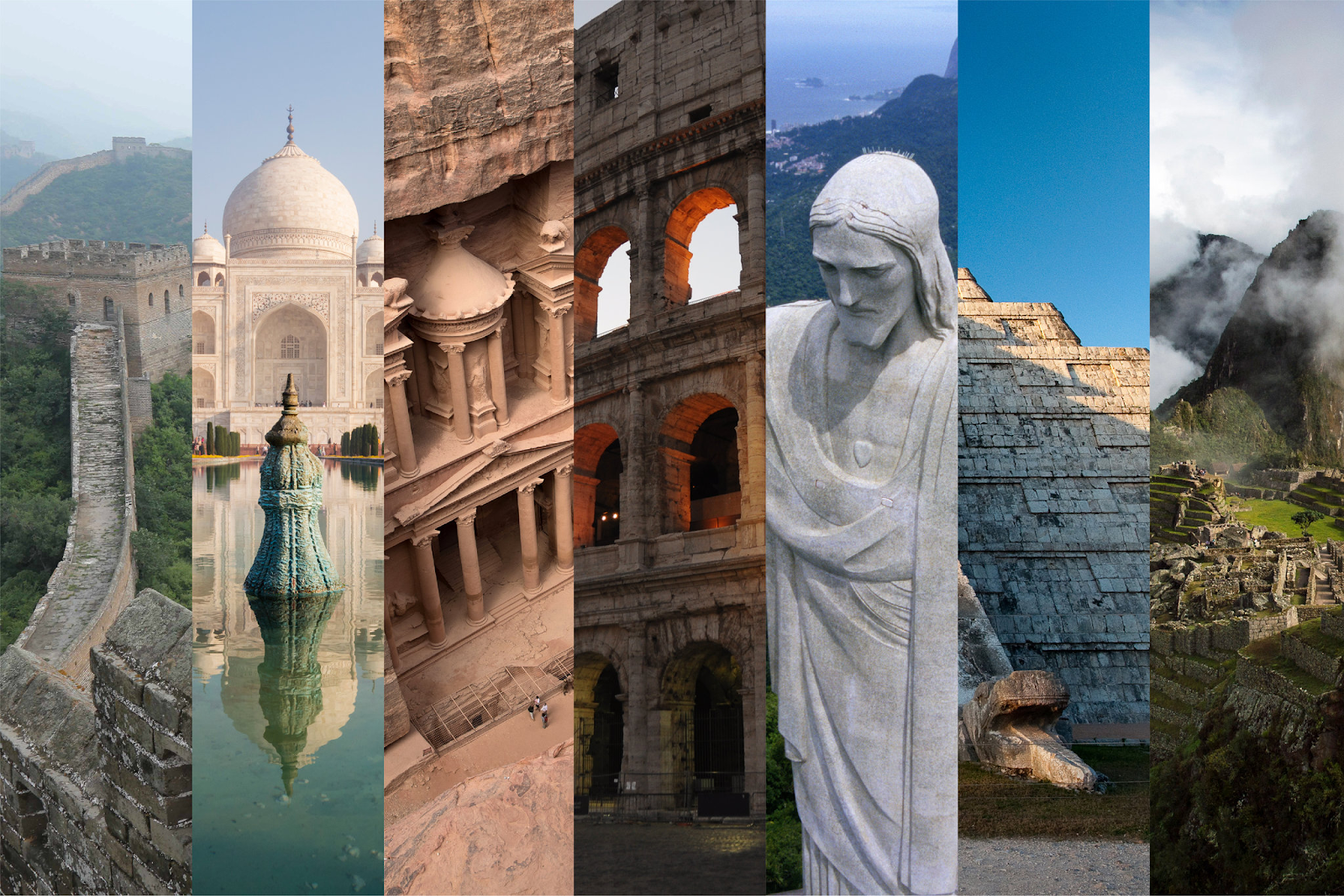
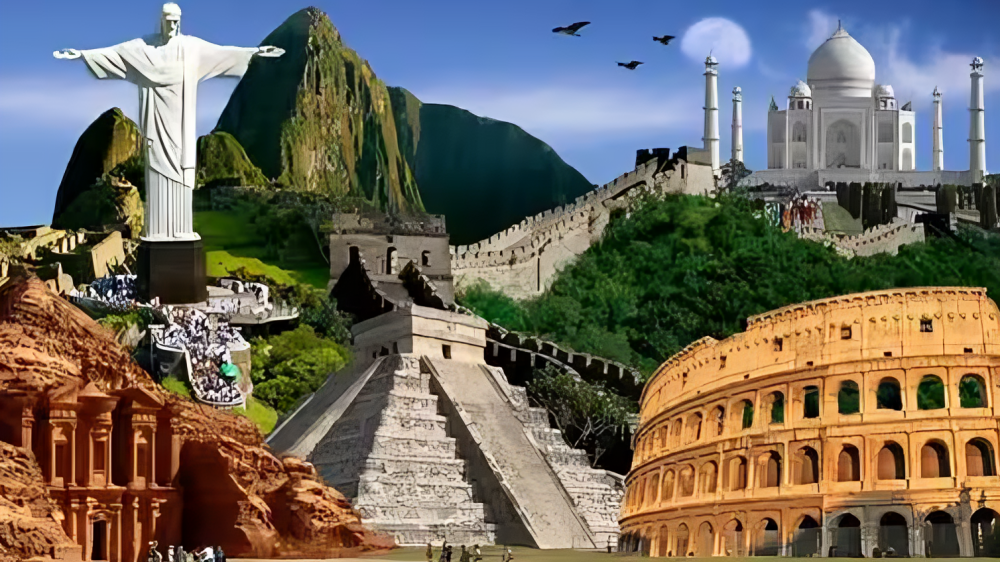
In 2007, a global poll introduced a modern list to reflect contemporary values and surviving landmarks. These New Seven Wonders include the Great Wall of China, Chichen Itza, Christ the Redeemer, the Colosseum, Machu Picchu, Petra, and the Taj Mahal. Later, Angkor Wat was unofficially added as the eighth wonder by public support, earning widespread recognition as one of the most majestic religious structures in the world.
 Via The New York Times
Each destination offers something distinctive. Some celebrate religious devotion, and others commemorate empire-building or ancient innovation. Despite the challenges, millions of people visit these locations every year, indicating their continued appeal and cultural importance.
 Via ABP Live
These places also offer valuable educational experiences. Whether you are a history enthusiast or simply curious, witnessing these landmarks in person can spark a deeper understanding of global heritage. Children, in particular, can benefit from seeing what they might only read about in textbooks, turning abstract concepts into tangible memories.
 Via Scb co th
Costs are another consideration. Traveling to these global landmarks often includes international flights, accommodation, entry fees, and guide expenses. For families trying to see multiple wonders, the cumulative cost can be significant. Planning is essential to managing budgets and avoiding unnecessary spending.
 Via Family Fun Canada
Despite mixed reactions, the experience of traveling as a family to these destinations builds shared memories. Standing together at sunrise before Angkor Wat or trekking the Inca Trail to reach Machu Picchu forms emotional bonds that outlast the journey. Even if the sites themselves do not meet every expectation, the adventure of reaching them holds its rewards.
 Via Planet of the Paul
With thoughtful planning and realistic expectations, these sites can deliver powerful memories and insights. Whether you are drawn to history, architecture, or simply the joy of discovery, the world’s wonders await. Just remember, the true value lies not only in the destination but also in the journey and what you take from it.
More in Unassigned
Via Trekking The Dream!
One additional site, Angkor Wat, is frequently included as an unofficial eighth wonder, making the list even more compelling for curious explorers. The 8 wonders are often celebrated for their significance, but questions linger about whether they live up to their reputation. Are they truly worth the effort, time, and cost, or are they simply overhyped destinations packed with tourists and logistical headaches?
The Colosseum - Rome’s Grand Stage of History
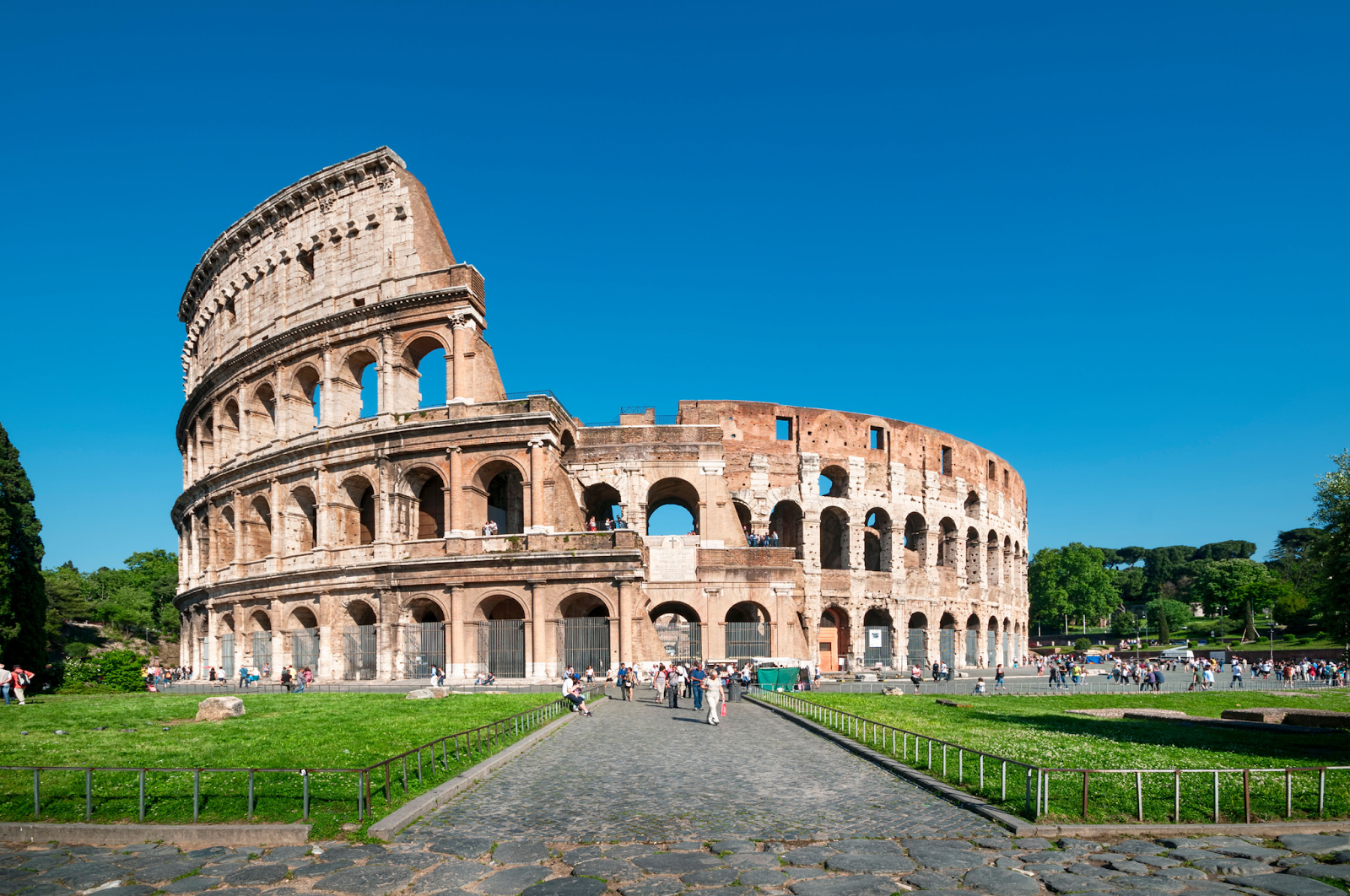
The Colosseum, located in the heart of Rome, is a monument to imperial grandeur and ancient engineering. Built nearly 2,000 years ago, it once hosted gladiator battles and theatrical performances. Stepping into its massive arena offers a glimpse into the daily lives and entertainment of Roman citizens.
Via Rome Tickets
Spring and autumn are ideal seasons to visit the Colosseum, with moderate temperatures and fewer crowds. Booking in advance is highly recommended, as daily visitor numbers remain high. For families, guided tours provide essential context, transforming stone walls into a vivid story of ambition and survival.
Machu Picchu - A Remote Treasure in the Andes
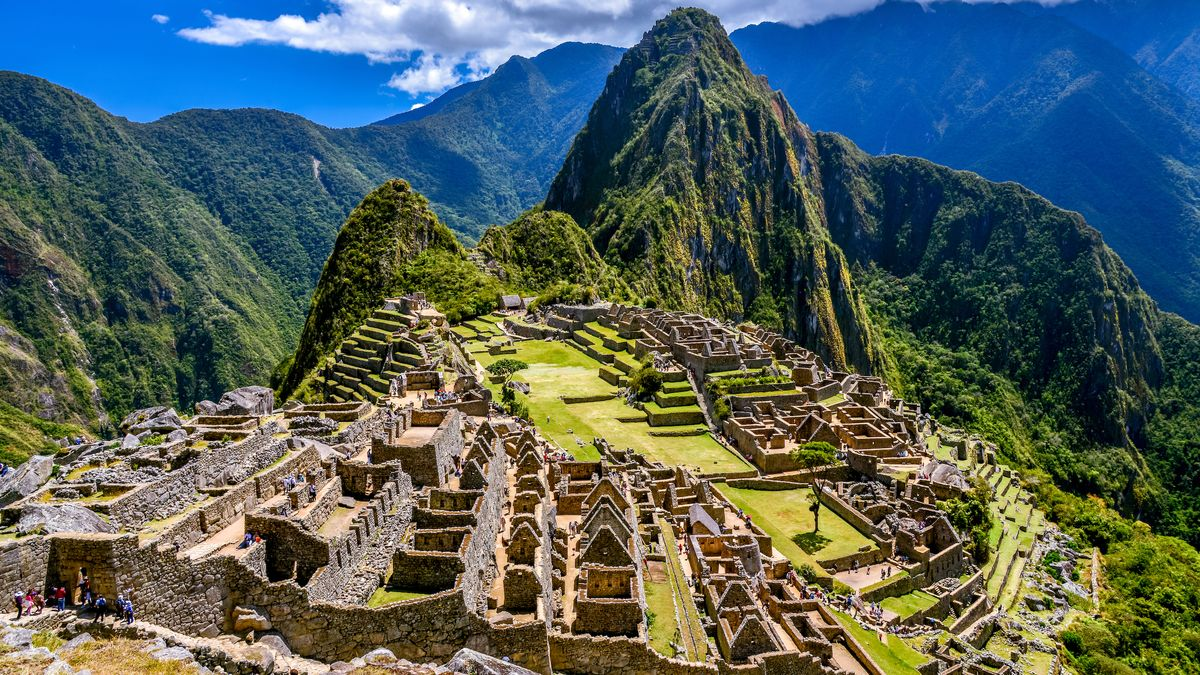
Hidden in the highlands of Peru, Machu Picchu is one of the most magical destinations on Earth. This former Incan stronghold reveals breathtaking views and intricate stonework. Reaching the site by hiking the Inca Trail or taking the train from Cusco delivers a sense of journey and discovery.
Via Live Science
Due to its elevation and climate, the dry season from May to October is the most suitable for visits. Early mornings are best to experience the sunrise without heavy foot traffic. Although costs can be high due to permits and transportation, the emotional and visual impact of the site is often worth the investment.
Christ the Redeemer - Iconic Yet Restrictive
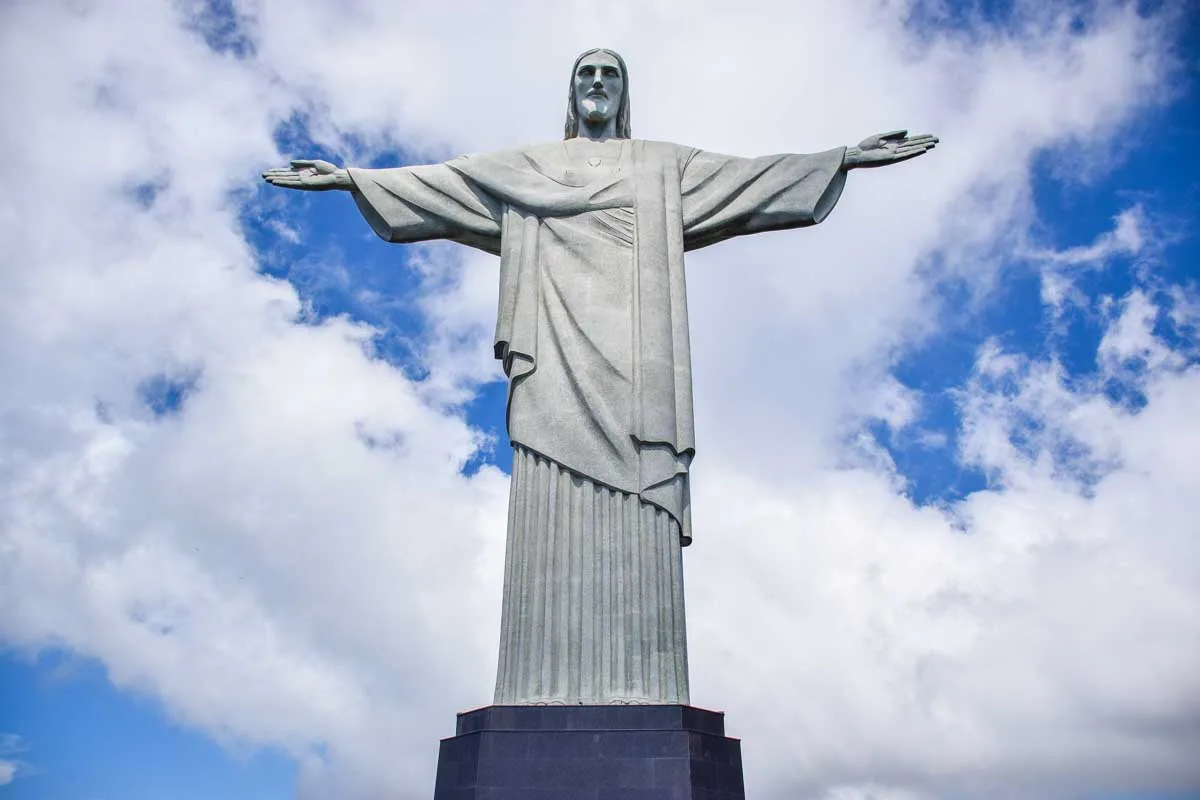
Towering over Rio de Janeiro, Christ the Redeemer is one of the most recognizable monuments in the world. As a symbol of peace and unity, it draws millions each year. However, for some travelers, the experience may feel less engaging because visitors cannot explore the inside of the statue.
Via Destinationless Travel
The best time to go is between June and September, when the skies are clearer. Late afternoons are usually less crowded, offering sweeping views of the city below. Despite its grandeur, some visitors have found it more impressive from a distance than up close due to limited interaction and accessibility.
The Taj Mahal - A Monument to Love and Precision
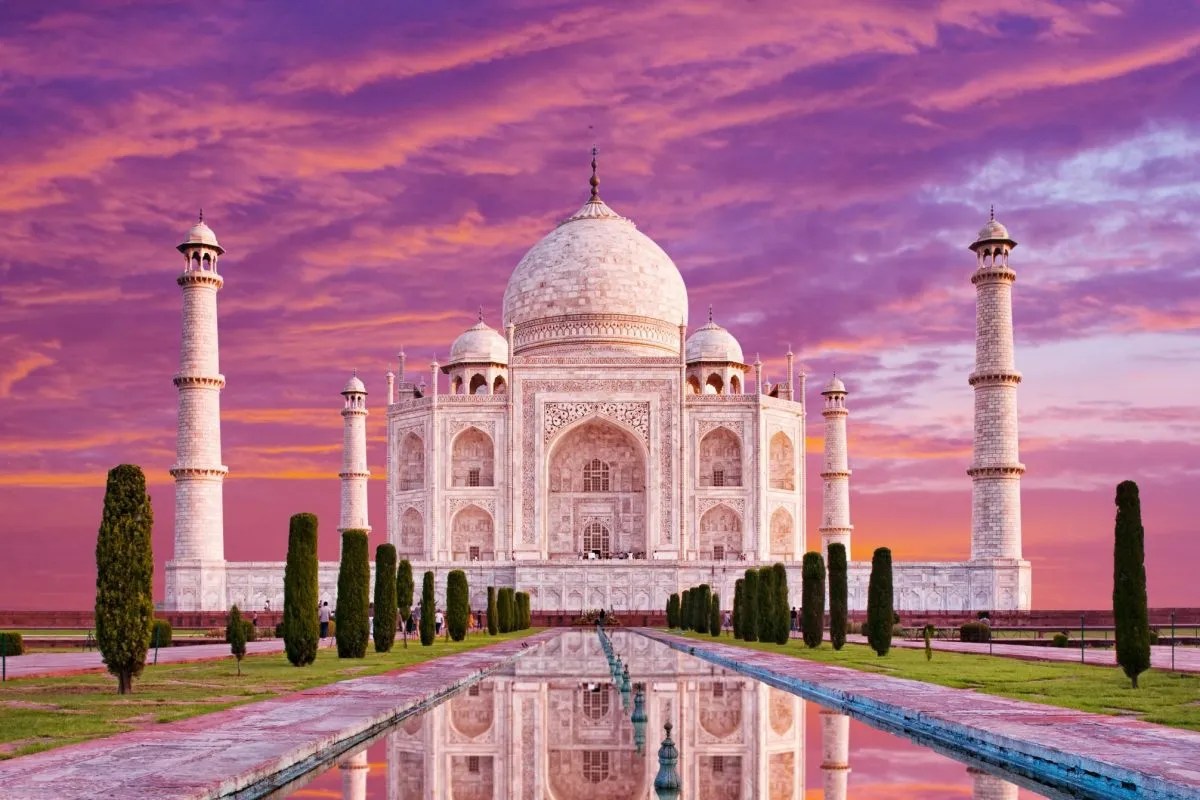
Built in the 17th century by Emperor Shah Jahan, the Taj Mahal is one of the most celebrated architectural masterpieces in the world. Located in Agra, India, it serves as a symbol of eternal love, carved from shimmering white marble and decorated with delicate details.
Via Skift
Sunrise visits are particularly moving, as the light transforms the marble surface into glowing shades of gold and pink. Visiting between October and March is ideal due to milder weather. While crowds are expected, especially during holidays, the site’s beauty makes the early wake-up worthwhile for many visitors.
The Great Wall of China - Stretching Across Time
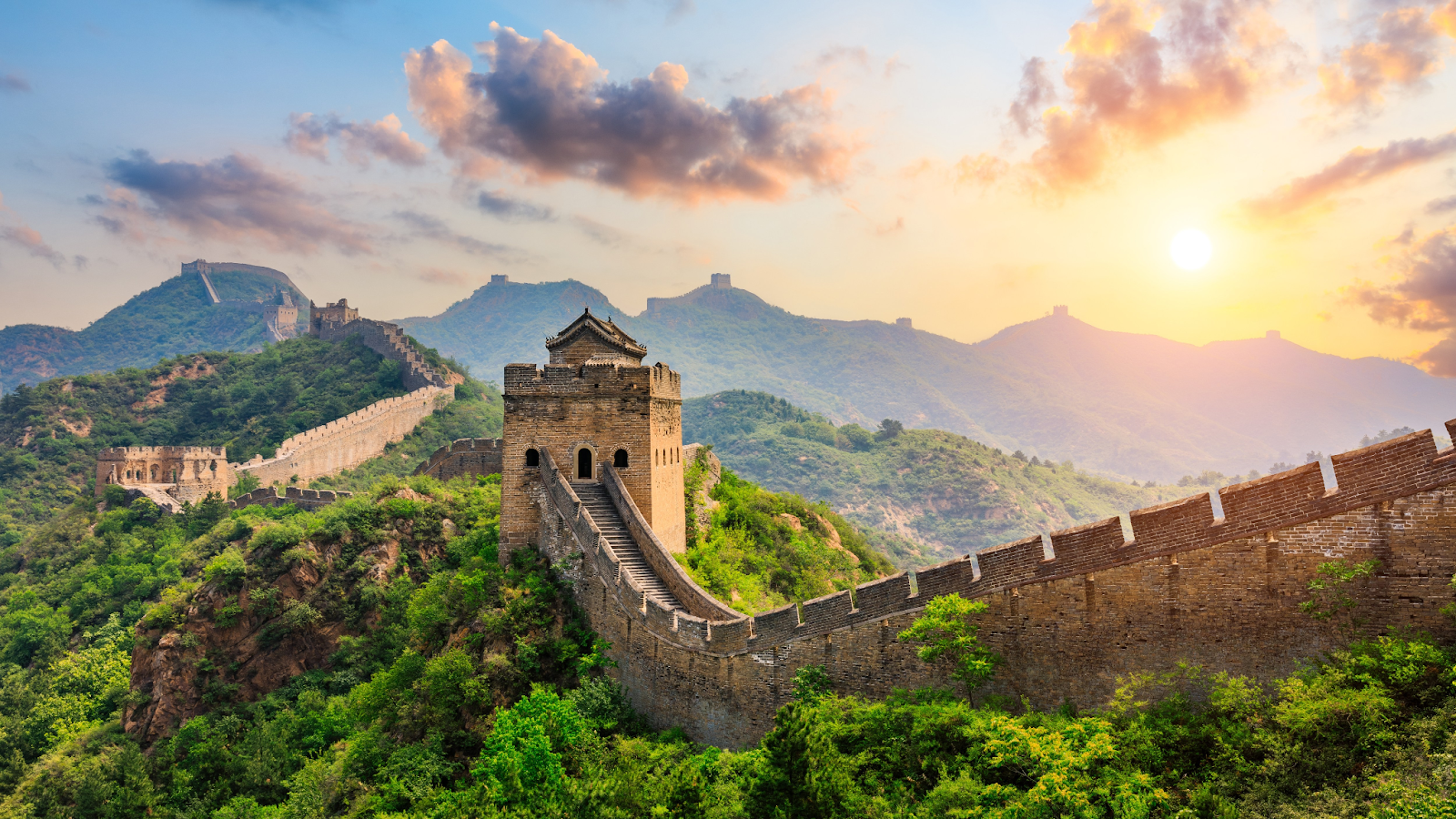
Spanning thousands of miles across northern China, the Great Wall represents one of the most ambitious construction projects in human history. Its winding paths, defensive towers, and mountain views make it one of the most visited and recognized wonders.
Via The Times
Spring and autumn provide the most comfortable weather for hiking sections of the wall. Starting early in the day helps avoid tour groups and allows time for longer treks. Despite its popularity, the wall retains a sense of grandeur and offers a humbling reminder of human determination and skill.
Petra - The Rose City of Jordan
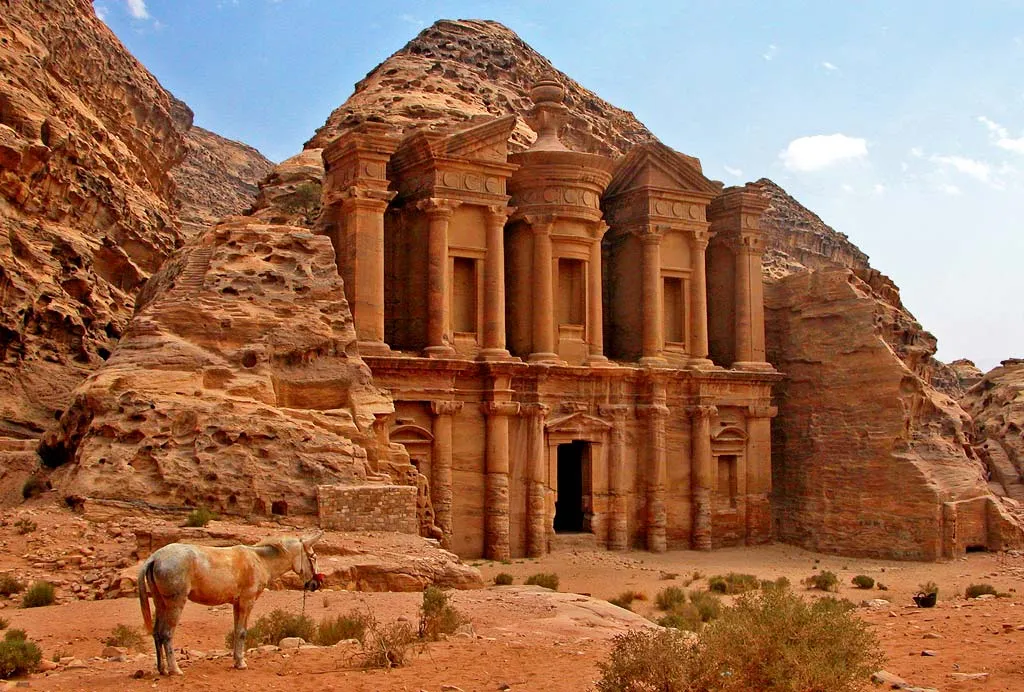
Carved directly into red sandstone cliffs, Petra stands as a lasting symbol of ancient craftsmanship and trade. Hidden within the Jordanian desert, its Treasury and Monastery draw travelers eager to explore its intricate designs and hidden passageways.
Via Britannica
The ideal seasons for a visit are spring and autumn when the temperatures are manageable. Arriving early rewards visitors with the warm hues of sunrise casting light across the sandstone. While not the most visited of the eight wonders, Petra’s mystique and grandeur often leave a lasting impression.
Chichen Itza - A Maya Civilization’s Legacy
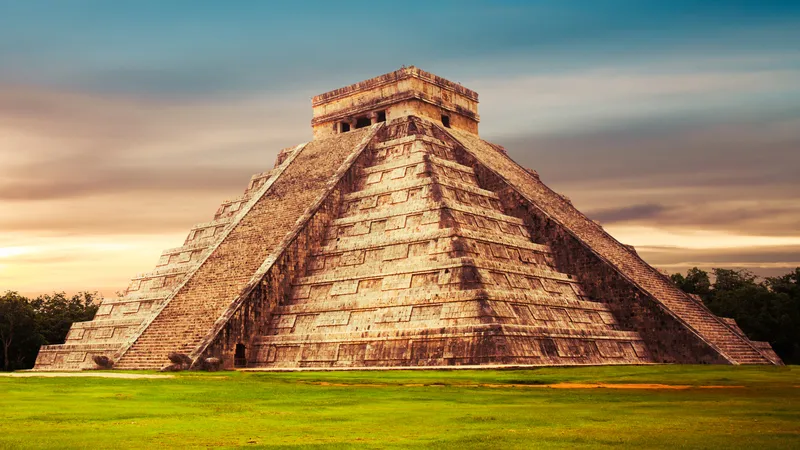
Located on the Yucatán Peninsula in Mexico, Chichen Itza showcases the intelligence and astronomical knowledge of the Maya civilization. The pyramid of El Castillo, aligned with solar patterns, draws large crowds during the spring and autumn equinoxes when shadow illusions appear.
Via Britannica
Traveling between November and April avoids the intense summer heat. Arriving early allows visitors to explore with fewer people and enjoy the pyramid’s unique light play. While costs and crowds may increase during special events, Chichen Itza remains a cultural and historical gem.
Angkor Wat - The Eighth Wonder’s Sacred Beauty
Although not part of the original list, Angkor Wat in Cambodia is often regarded as the eighth wonder due to its size, detail, and significance. Built in the 12th century, this temple complex offers an in-depth journey through Khmer history and spiritual devotion.
Via Lonely Planet
The best time to visit is from November to March when the weather is cooler. Watching the sunrise over the temple’s spires is a moving experience. Families often spend multiple days exploring the various structures, each filled with symbolic carvings and architectural brilliance.
Ancient and Modern Lists That Inspire Global Journeys
The original Seven Wonders of the Ancient World highlighted human creativity and innovation long before modern machinery existed. The only remaining site from that list is the Great Pyramid of Giza in Egypt. The rest, including the Hanging Gardens of Babylon and the Lighthouse of Alexandria, have faded into historical memory.
Via Lonely Planet
In 2007, a global poll introduced a modern list to reflect contemporary values and surviving landmarks. These New Seven Wonders include the Great Wall of China, Chichen Itza, Christ the Redeemer, the Colosseum, Machu Picchu, Petra, and the Taj Mahal. Later, Angkor Wat was unofficially added as the eighth wonder by public support, earning widespread recognition as one of the most majestic religious structures in the world.
Are These Wonders Truly Worth the Journey?
Determining whether these wonders are worth visiting depends largely on individual travel preferences. For some, standing before ancient ruins or gazing at massive statues is an unforgettable emotional experience. For others, the crowds, heat, or high costs may reduce the sense of wonder. Still, the value of these sites cannot be denied when it comes to historical and cultural education.
Via The New York Times
Each destination offers something distinctive. Some celebrate religious devotion, and others commemorate empire-building or ancient innovation. Despite the challenges, millions of people visit these locations every year, indicating their continued appeal and cultural importance.
What You Gain From Visiting the Wonders of the World
The benefits of exploring these famous locations stretch far beyond capturing stunning photographs. They provide a rare opportunity to connect with the past in a direct and immersive way. Many of these sites, such as the Colosseum and Petra, allow visitors to walk the same paths as historical figures and civilizations long gone.
Via ABP Live
These places also offer valuable educational experiences. Whether you are a history enthusiast or simply curious, witnessing these landmarks in person can spark a deeper understanding of global heritage. Children, in particular, can benefit from seeing what they might only read about in textbooks, turning abstract concepts into tangible memories.
Challenges That Can Diminish the Experience
While these destinations inspire awe, they are not without their drawbacks. Overcrowding remains one of the biggest concerns, especially during peak travel seasons. Locations like the Great Wall of China and Machu Picchu often receive overwhelming numbers of visitors, which can affect the atmosphere and limit opportunities for reflection.
Via Scb co th
Costs are another consideration. Traveling to these global landmarks often includes international flights, accommodation, entry fees, and guide expenses. For families trying to see multiple wonders, the cumulative cost can be significant. Planning is essential to managing budgets and avoiding unnecessary spending.
How the Wonders Compare Through Family Travel
Families who have made the effort to visit many of the eight wonders often have varying opinions. While the architectural brilliance of the Taj Mahal and the mystery of Petra left strong impressions, others, such as Christ the Redeemer, felt underwhelming due to restrictions and limited interaction. Younger children may not grasp the importance of these sites, so engaging them through stories or activities can help.
Via Family Fun Canada
Despite mixed reactions, the experience of traveling as a family to these destinations builds shared memories. Standing together at sunrise before Angkor Wat or trekking the Inca Trail to reach Machu Picchu forms emotional bonds that outlast the journey. Even if the sites themselves do not meet every expectation, the adventure of reaching them holds its rewards.
Discover the Truth About the 8 Wonders - Worth the Trip?
Visiting the eight wonders of the world is not merely about ticking boxes on a travel list. It is about exploring humanity’s capacity for imagination, devotion, and resilience. While some may feel underwhelmed by a particular location, others may find inspiration that stays with them for life.
Via Planet of the Paul
With thoughtful planning and realistic expectations, these sites can deliver powerful memories and insights. Whether you are drawn to history, architecture, or simply the joy of discovery, the world’s wonders await. Just remember, the true value lies not only in the destination but also in the journey and what you take from it.