Unassigned
8 Cooking Rules Chefs Ignore In Real Kitchens
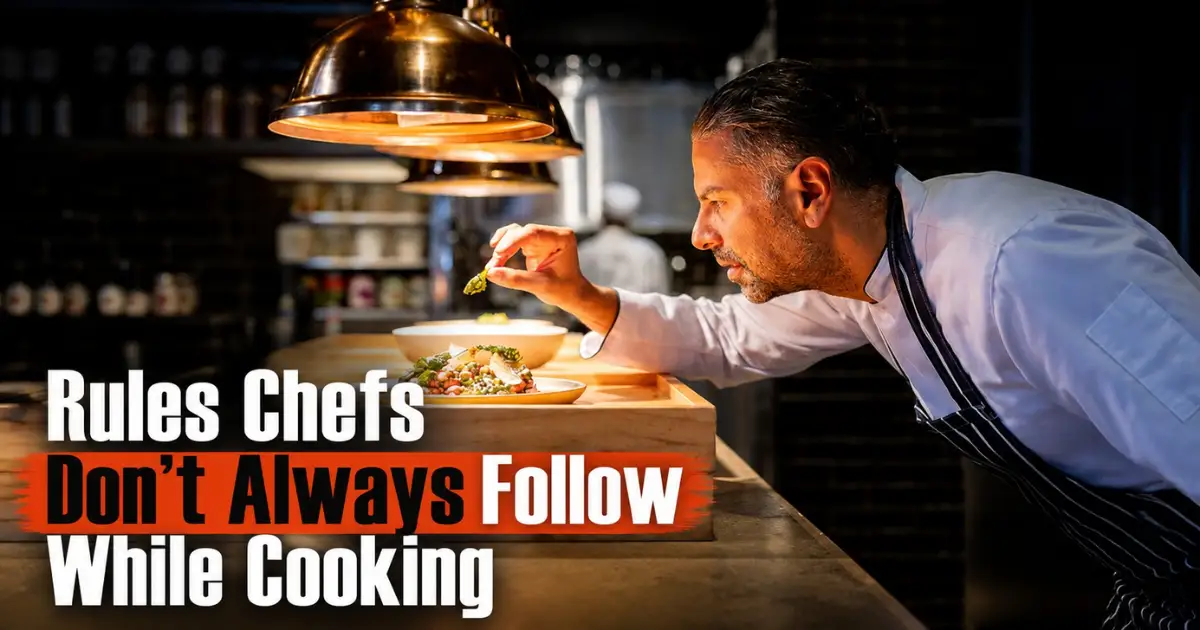
Cooking rules can help beginners feel safe in the kitchen. They give structure, direction, and a clear path when a recipe feels confusing. Many people learn these rules from family, cookbooks, cooking shows, or online videos, then follow them for years without asking if they still make sense.
Professional chefs often see kitchen rules in a different way. They understand that food changes with heat, time, salt, fat, and texture. A rule may work in one recipe but fail in another. That is why skilled cooks often bend old advice when flavor, timing, or technique calls for it.
 Via Food & Wine
Some classic kitchen tips are useful, but others are outdated or too strict. Good cooking is not only about following directions. It is also about learning why a method works and when another method may work better. These eight cooking rules are the ones many chefs do not always follow.
 Via Olive Wellness Institute
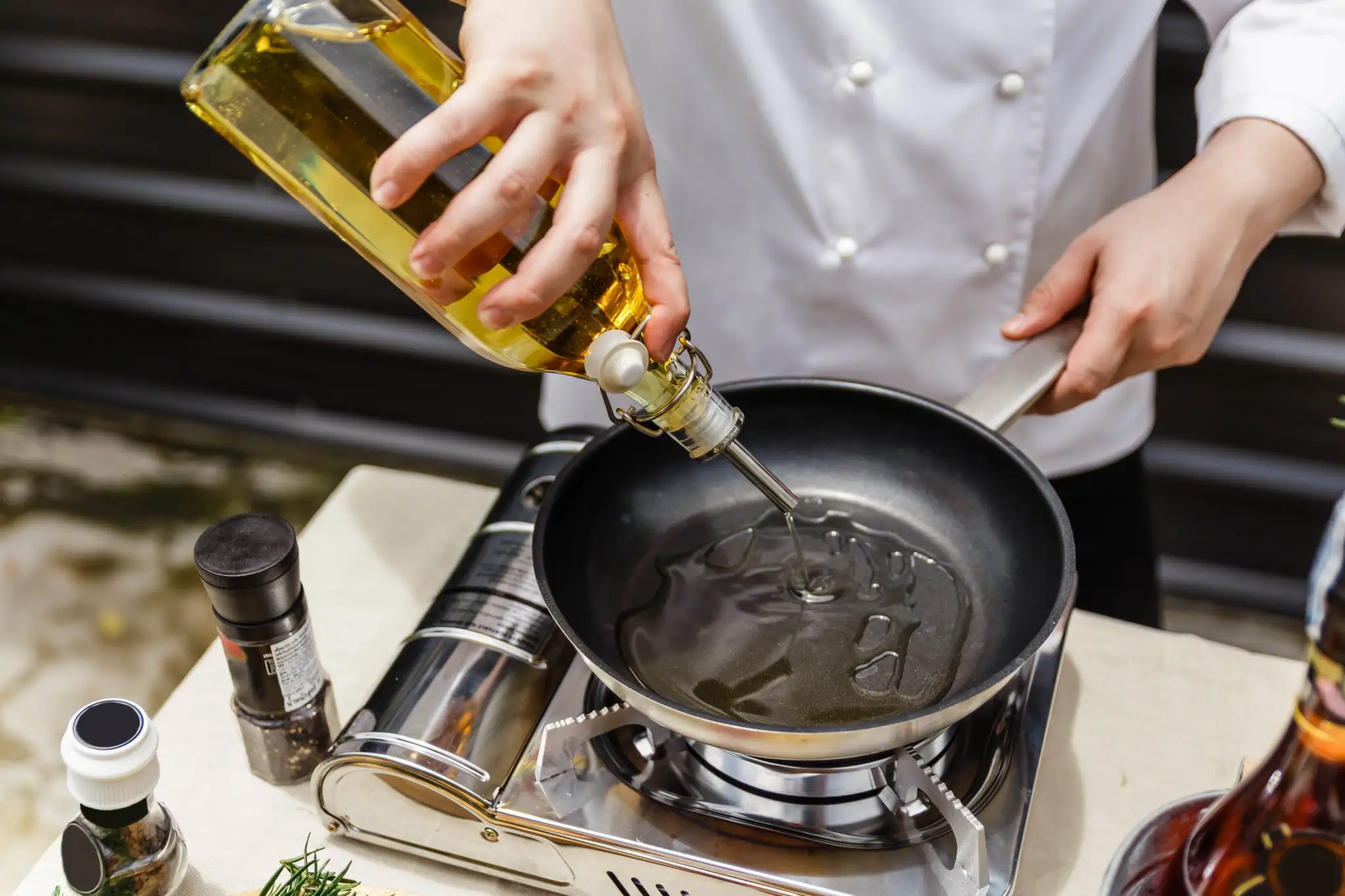
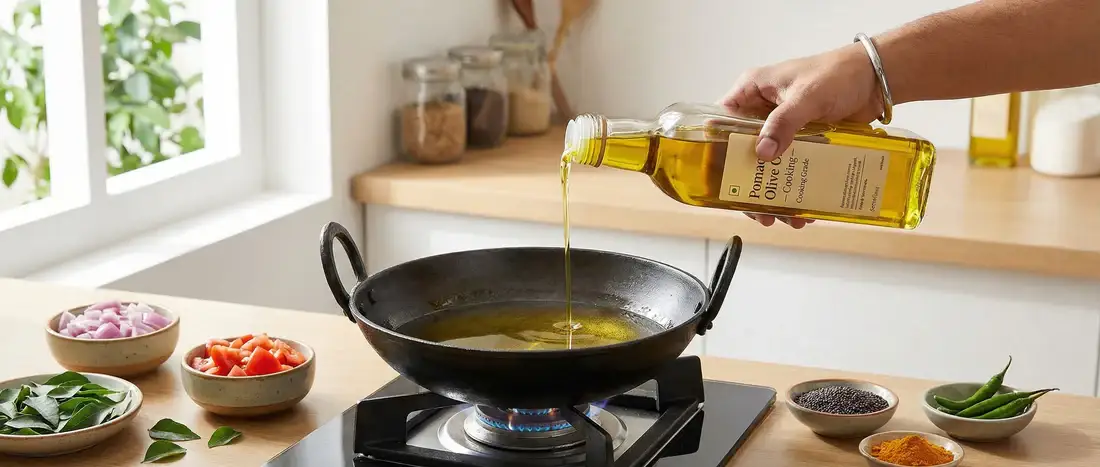
The smoke point of extra-virgin olive oil is usually high enough for everyday cooking. It also brings a rich flavor that plain oils do not offer. Chefs often use it because it is already available, tastes good, and works well with vegetables, eggs, fish, chicken, and many quick pan dishes.
Very high heat still needs care. A hard steak sear or long high-temperature frying may work better with a neutral oil. For most normal meals, fresh extra-virgin olive oil is not a kitchen mistake. It can be a smart choice when flavor matters as much as heat control.
 Via Pure Nutrition
 Via Simply Recipes
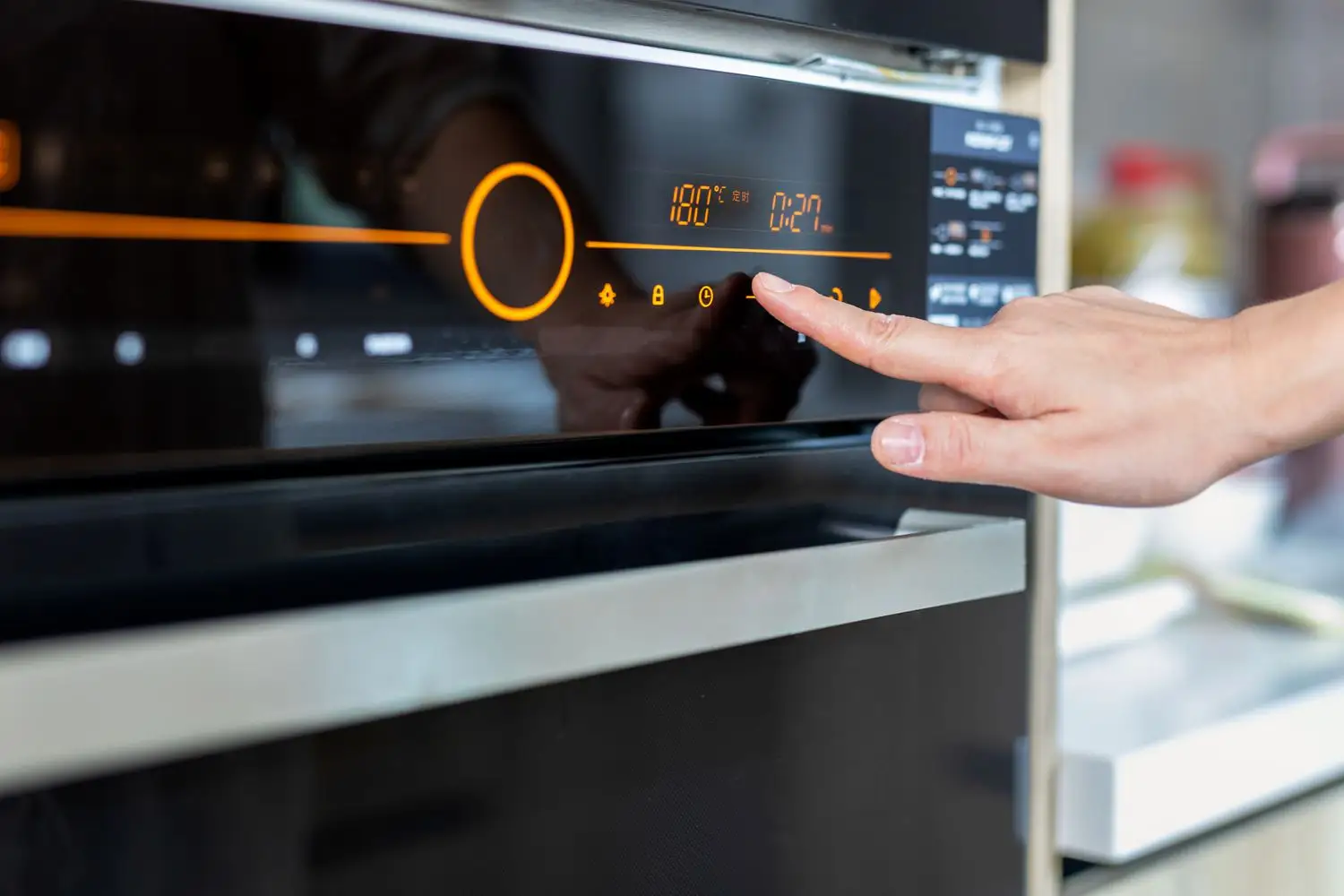
Preheating should match the recipe goal. Fast browning, crisp edges, and baked goods usually need a hot oven from the start. Slow-cooked foods often have more room for flexibility. Chefs care less about the rule itself and more about what the food needs during cooking.
 Via 100 Days of Real Food
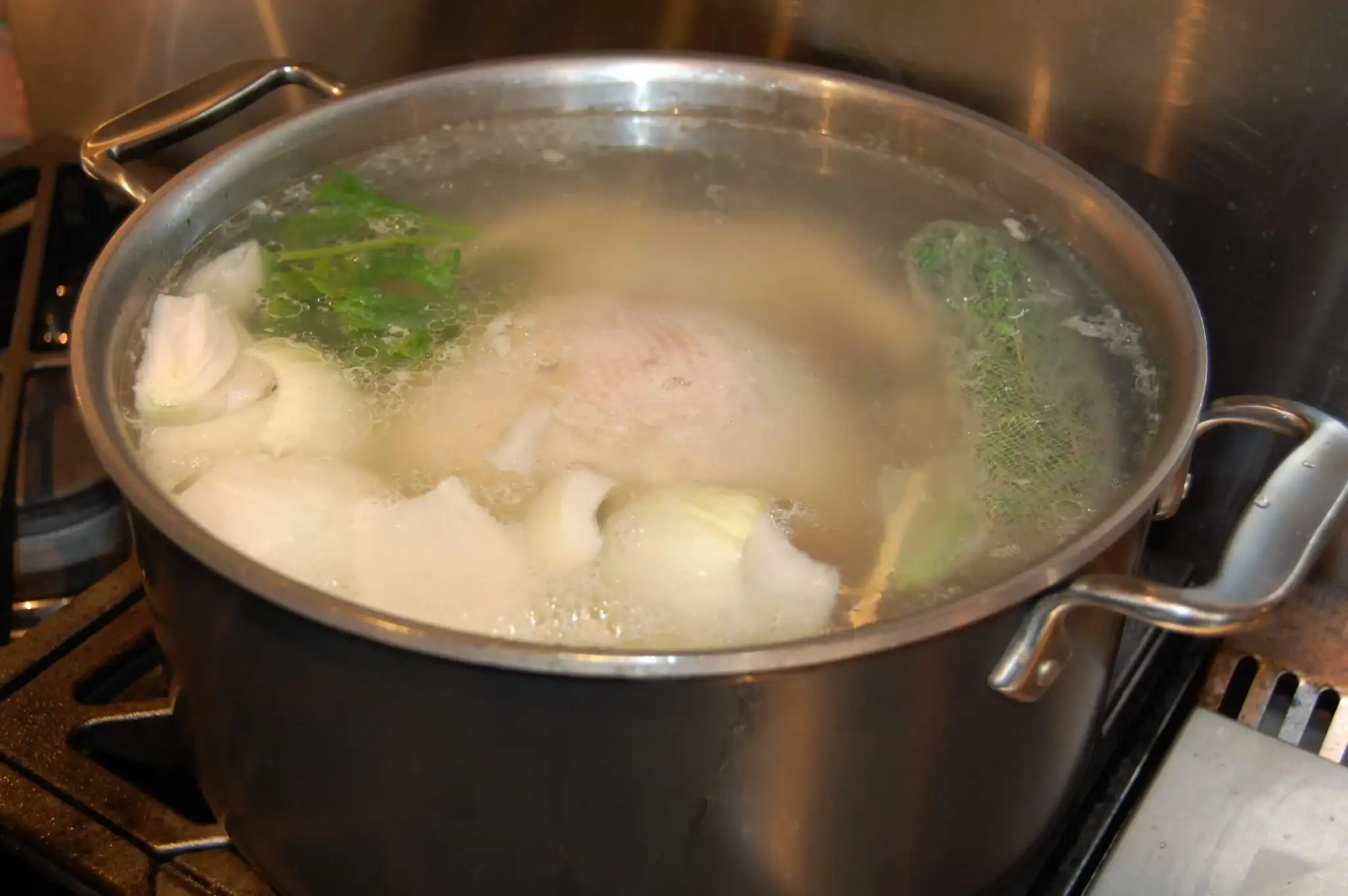
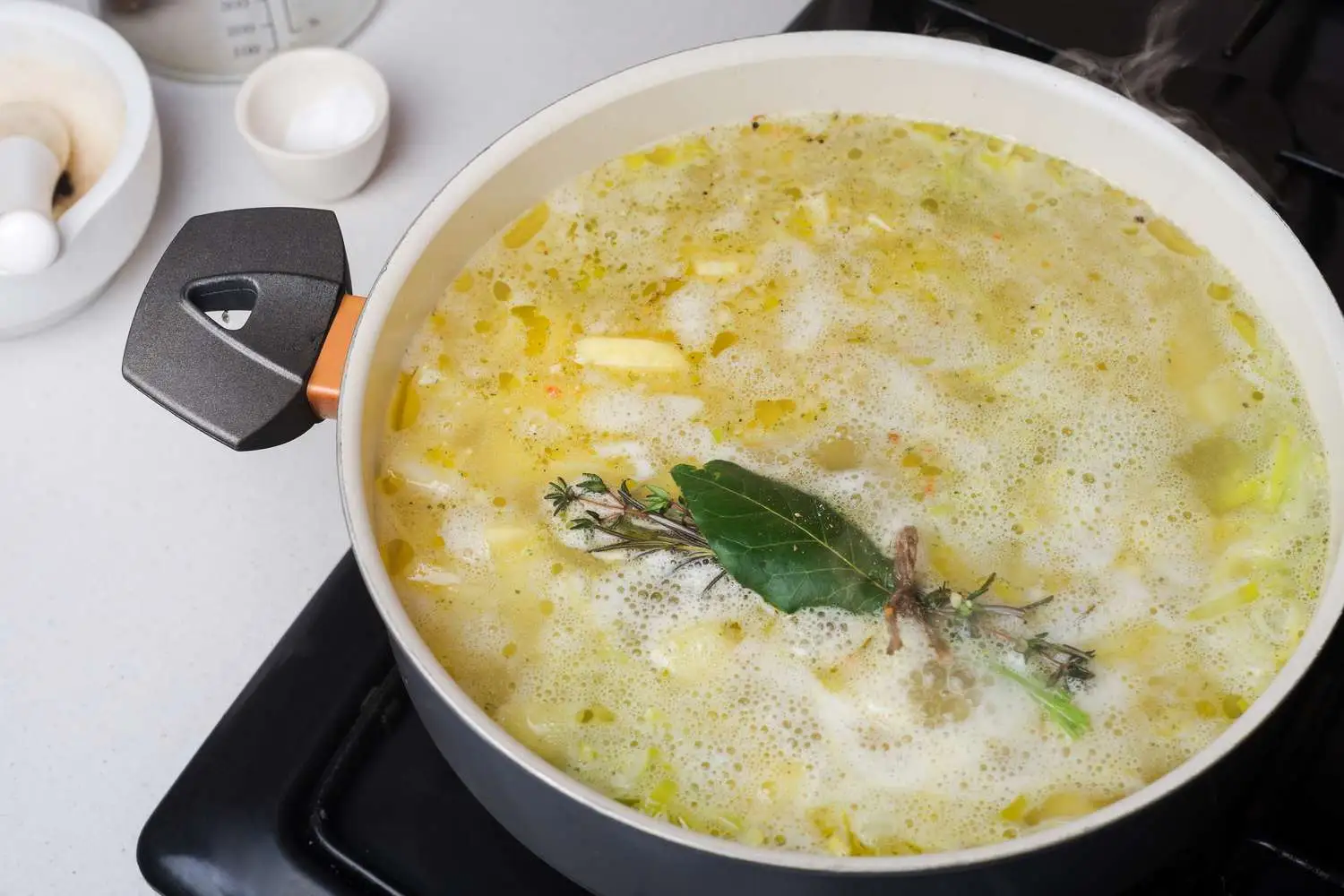
Some rich broths are better when boiled. Korean bone broths, such as seolleongtang, are cooked for hours to create a creamy, milky texture. The strong boil helps fat, marrow, and collagen blend into the liquid. The result is a deeper, thicker, and more comforting broth.
Boiling stock is not wrong. It simply creates a different style of broth. A clear chicken soup and a cloudy bone broth can both be excellent. The best method depends on the final dish. Chefs choose gentle simmering or steady boiling based on flavor, body, and texture.
 Via The Spruce Eats
 Via Bon Appetit
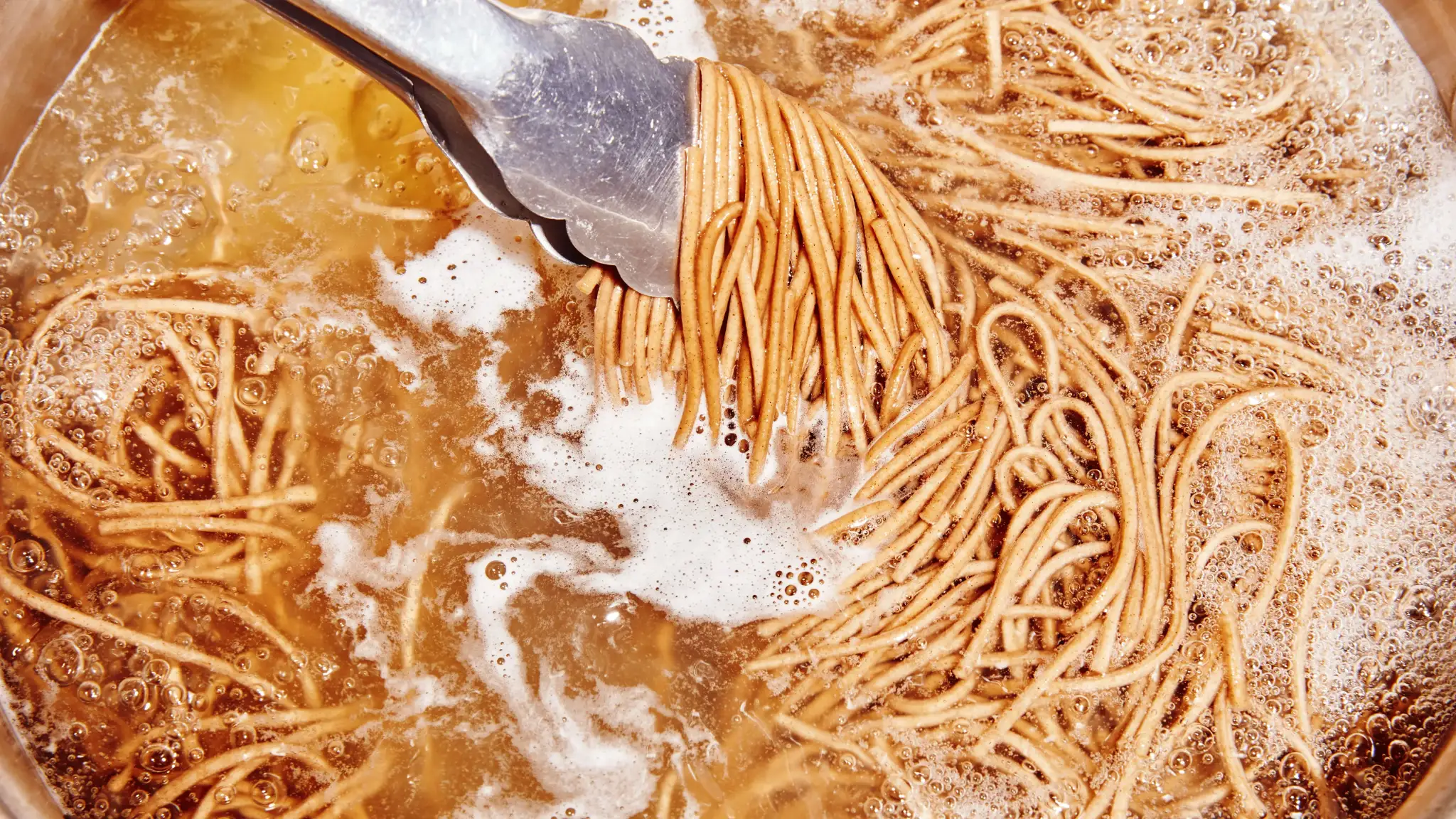
A good pasta dish should taste unified, not like salty noodles with sauce on top. The sauce, pasta water, fat, cheese, herbs, and starch should come together. Less salt in the water gives more control later, especially when the sauce already contains salty ingredients like cheese, olives, or cured meat.
 Via Renpho
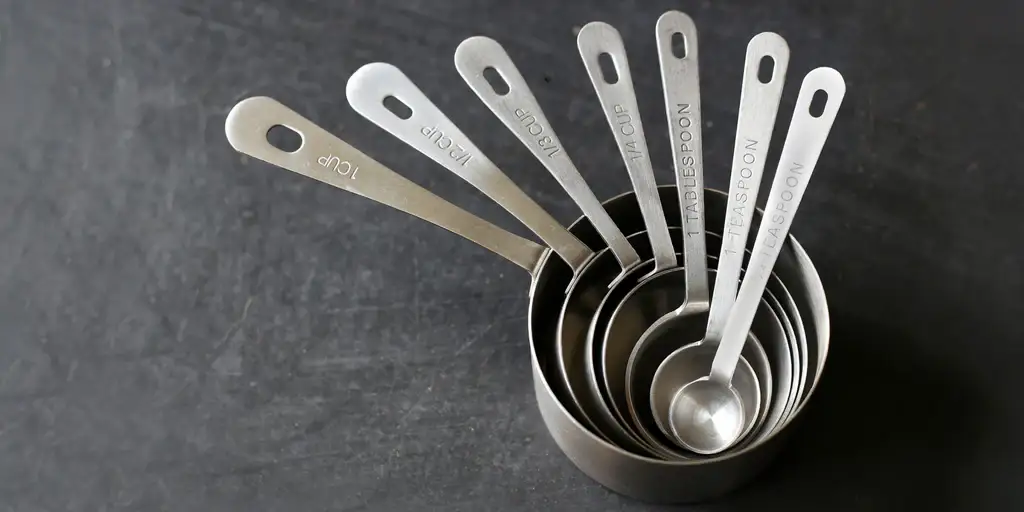
Every day cooking allows more freedom. Soups, stews, sauces, salads, stir-fries, marinades, and roasted dishes can often be adjusted by taste. Chefs focus on the purpose of each ingredient. Salt brings flavor, acid adds brightness, fat gives richness, and herbs bring freshness.
Experience helps cooks move beyond exact measurements. A recipe can become a guide instead of a strict rule. The safest way is to follow the recipe first, then make notes for next time. Over time, cooking becomes easier because flavor, smell, color, and texture start giving better signals.
 Via Dr Otker
 Via Tasting Table
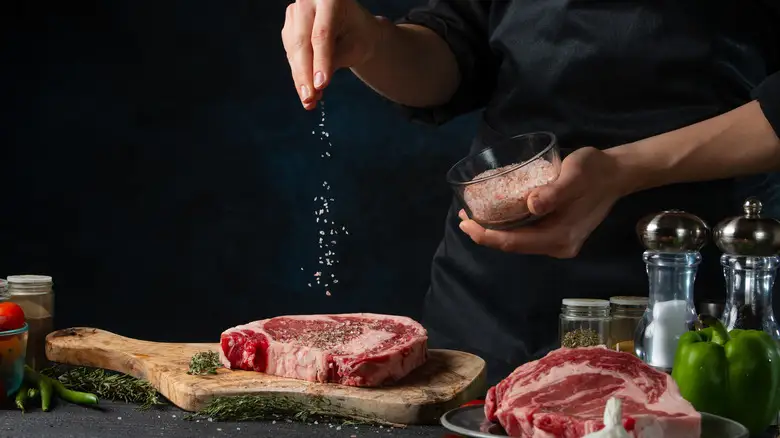
Both methods have value. Early salting can improve depth and structure, while late salting can keep a fresher meat texture. The best choice depends on the cut, cooking method, and goal of the dish. A thin steak, roast turkey, burger, and slow-smoked brisket may each need different seasoning and timing.
 Via The Kitchen
Salting beans early allows seasoning to move through the beans as it cooks. This creates a more even flavor than adding salt only at the end. Beans cooked without salt can taste flat inside, even when the broth around them is seasoned. Early seasoning helps solve that problem.
A few issues can still make beans tough. Very old beans, hard water, or poor storage can affect texture. Those problems are often blamed on salt, but salt is not usually the main cause. Fresh beans, steady cooking, and proper seasoning can create soft, flavorful results.
 Via NYT Cooking
 Via Seafood Factory
The key is balance. Strong cheese can cover gentle seafood, while mild cheese can add body without hiding the main flavor. Fresh mozzarella, chèvre, Parmesan, cream cheese, and light cream sauces can work when used with care. Chefs break this rule when the texture and flavor make sense together.
 Via Magnific
Good cooking depends on attention. A cook who watches the pan, tastes the sauce, checks texture, and adjusts heat can often make better choices than someone who follows a rule blindly. Skill grows when cooks learn the reason behind each method instead of memorizing steps only.
Rules still matter for learning. They give beginners a safe base and help avoid common mistakes. Once the basics become clear, those same rules can become flexible. Chefs know when to follow tradition and when to use a different path for better flavor, texture, and control.
 Via The New York Times
 Via The Gourmandise School
Better food comes from smart choices, not strict fear of mistakes. People can follow rules when they help and bend them when the dish needs something different. Confidence grows when cooking feels less like a test and more like a skill that improves with practice.
More in Unassigned
Via Food & Wine
Some classic kitchen tips are useful, but others are outdated or too strict. Good cooking is not only about following directions. It is also about learning why a method works and when another method may work better. These eight cooking rules are the ones many chefs do not always follow.
Extra-Virgin Olive Oil Can Be Used For Cooking
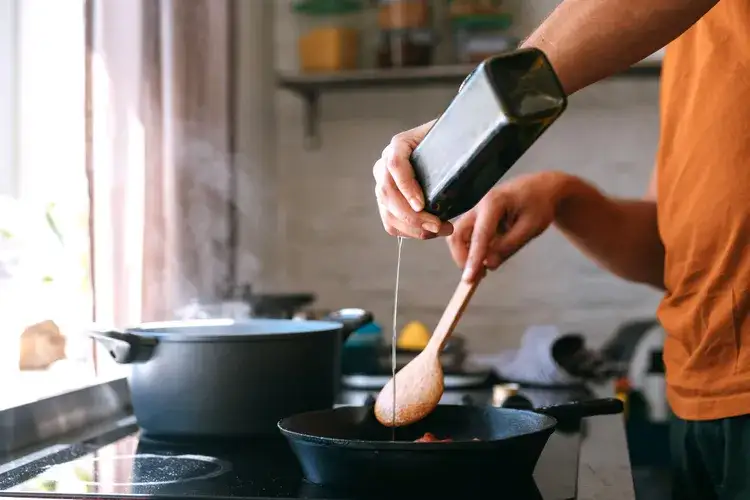
Many home cooks believe extra-virgin olive oil should never touch a hot pan. This idea often comes from the belief that olive oil burns too quickly. Fresh extra-virgin olive oil can handle many common cooking tasks, including sautéing, roasting, and light frying at normal kitchen temperatures.Via Olive Wellness Institute
The smoke point of extra-virgin olive oil is usually high enough for everyday cooking. It also brings a rich flavor that plain oils do not offer. Chefs often use it because it is already available, tastes good, and works well with vegetables, eggs, fish, chicken, and many quick pan dishes.
Very high heat still needs care. A hard steak sear or long high-temperature frying may work better with a neutral oil. For most normal meals, fresh extra-virgin olive oil is not a kitchen mistake. It can be a smart choice when flavor matters as much as heat control.
Via Pure Nutrition
The Oven Does Not Always Need Preheating
Preheating the oven is one of the most repeated cooking rules. It is important for cakes, cookies, bread, pizza, and foods that need instant heat for proper rise or texture. Starting those foods in a cold oven can change the final shape, crust, and cooking time. Some dishes do not need that quick burst of heat. Braised meats, slow-roasted vegetables, casseroles, and some covered dishes can begin in a cooler oven. As the heat slowly rises, the food warms more gently. This can help tough cuts of meat soften without drying out too quickly.Via Simply Recipes
Preheating should match the recipe goal. Fast browning, crisp edges, and baked goods usually need a hot oven from the start. Slow-cooked foods often have more room for flexibility. Chefs care less about the rule itself and more about what the food needs during cooking.
Stock Does Not Always Need A Gentle Simmer
Clear stock is often made with gentle heat. A soft simmer helps reduce cloudiness and keeps small particles from moving too much through the liquid. This method works well for clean broths, delicate soups, and recipes where a clear finish is part of the dish.Via 100 Days of Real Food
Some rich broths are better when boiled. Korean bone broths, such as seolleongtang, are cooked for hours to create a creamy, milky texture. The strong boil helps fat, marrow, and collagen blend into the liquid. The result is a deeper, thicker, and more comforting broth.
Boiling stock is not wrong. It simply creates a different style of broth. A clear chicken soup and a cloudy bone broth can both be excellent. The best method depends on the final dish. Chefs choose gentle simmering or steady boiling based on flavor, body, and texture.
Via The Spruce Eats
Pasta Water Does Not Need To Taste Like The Ocean
Salting pasta water is useful because it seasons the noodles while they cook. Salt can also help the pasta taste balanced before the sauce is added. The common advice says pasta water should taste like the ocean, but that can lead to water that is far too salty. Chefs often use a more controlled amount of salt. Pasta can be cooked slightly underdone, then finished in the sauce. This step helps the noodles absorb the sauce while reaching the right texture. It also lets the flavor of the sauce season the pasta more naturally.Via Bon Appetit
A good pasta dish should taste unified, not like salty noodles with sauce on top. The sauce, pasta water, fat, cheese, herbs, and starch should come together. Less salt in the water gives more control later, especially when the sauce already contains salty ingredients like cheese, olives, or cured meat.
Exact Recipe Measurements Are Not Always Needed
Recipes are helpful, especially for new cooks. Measurements give a clear starting point and reduce mistakes. They are important when a dish depends on balance, texture, or chemistry. Baking, candy making, and restaurant cooking often require careful amounts because small changes can affect the final result.Via Renpho
Every day cooking allows more freedom. Soups, stews, sauces, salads, stir-fries, marinades, and roasted dishes can often be adjusted by taste. Chefs focus on the purpose of each ingredient. Salt brings flavor, acid adds brightness, fat gives richness, and herbs bring freshness.
Experience helps cooks move beyond exact measurements. A recipe can become a guide instead of a strict rule. The safest way is to follow the recipe first, then make notes for next time. Over time, cooking becomes easier because flavor, smell, color, and texture start giving better signals.
Via Dr Otker
Meat Does Not Always Need Salt At The Start
Many people season meat before cooking because salt improves flavor and can help build a good crust. Early seasoning works well in many cases. Large cuts, barbecue, turkey, and cured meats often benefit from salt sitting on the surface or moving deeper into the meat. Some chefs prefer seasoning certain proteins after cooking. Salt can draw out moisture and change texture when it sits too long. For delicate cuts or quick-cooked meats, seasoning later can protect the natural bite and clean flavor. Resting the meat first also helps juices settle before final seasoning.
Via Tasting Table
Both methods have value. Early salting can improve depth and structure, while late salting can keep a fresher meat texture. The best choice depends on the cut, cooking method, and goal of the dish. A thin steak, roast turkey, burger, and slow-smoked brisket may each need different seasoning and timing.
Beans Can Be Salted Before They Finish Cooking
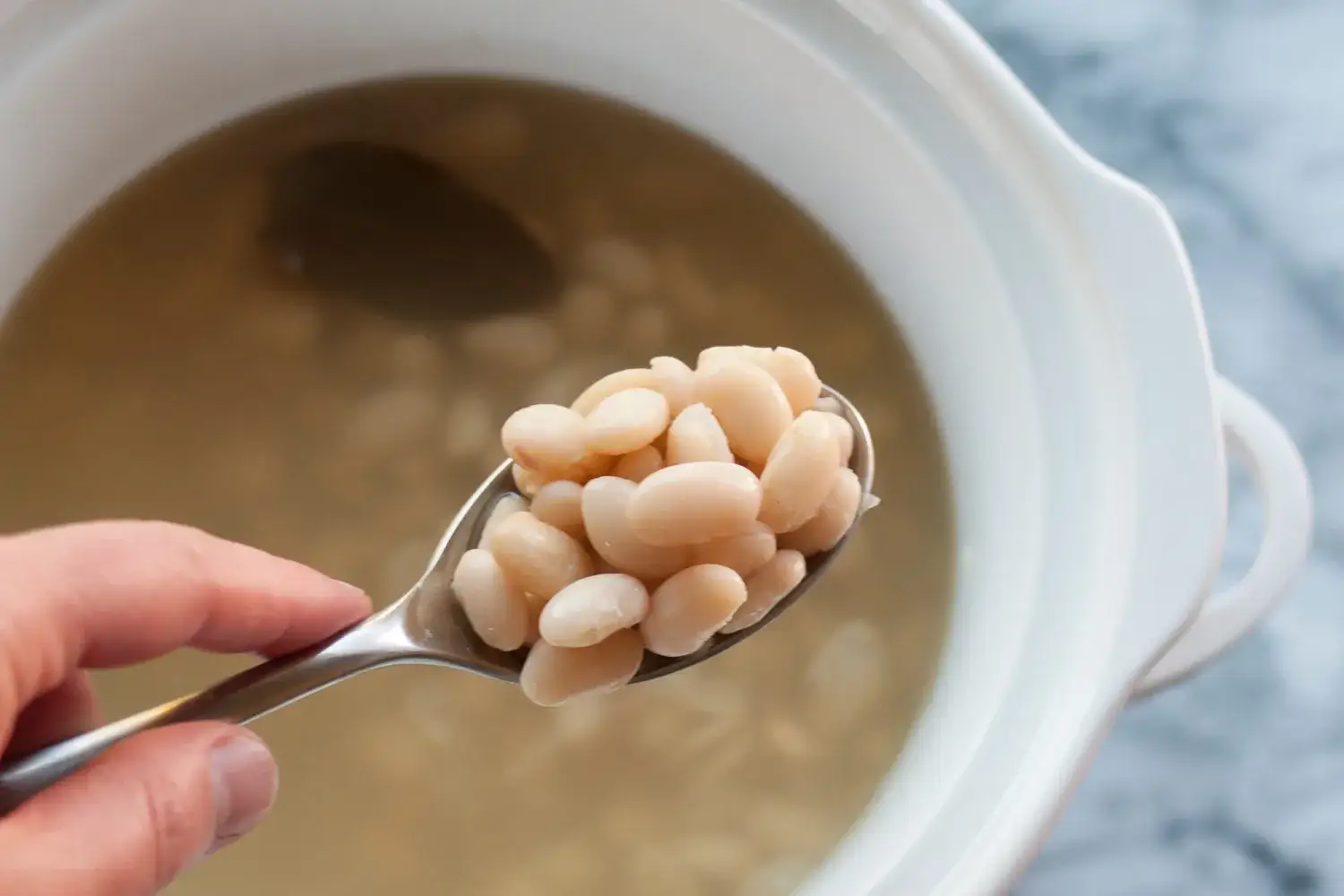
An old kitchen rule says beans should only be salted after they become tender. Many cooks still follow this advice because they fear salt will make beans tough. In most kitchens, that rule is not needed. Salt can actually help beans taste better from the inside out.Via The Kitchen
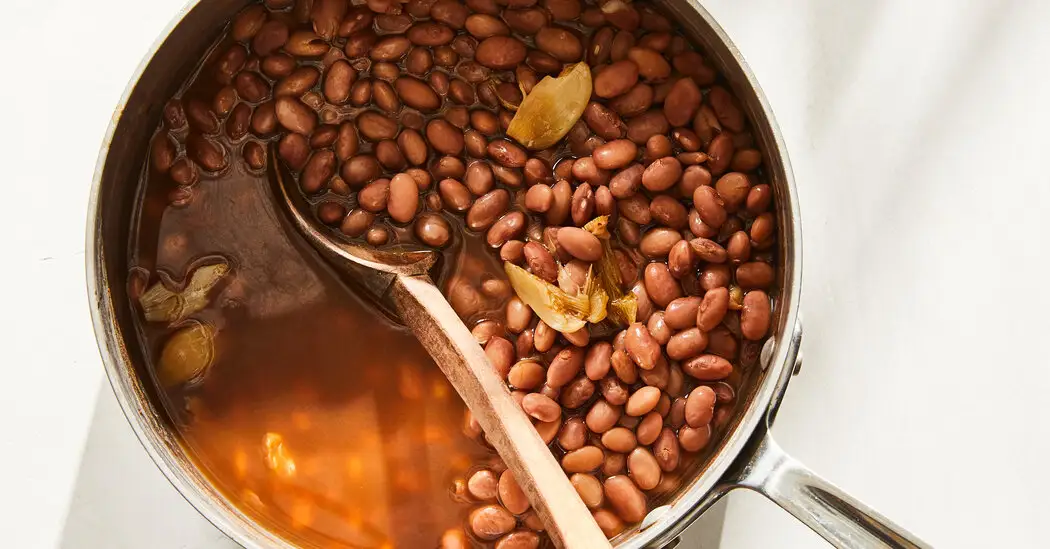
Salting beans early allows seasoning to move through the beans as it cooks. This creates a more even flavor than adding salt only at the end. Beans cooked without salt can taste flat inside, even when the broth around them is seasoned. Early seasoning helps solve that problem.
A few issues can still make beans tough. Very old beans, hard water, or poor storage can affect texture. Those problems are often blamed on salt, but salt is not usually the main cause. Fresh beans, steady cooking, and proper seasoning can create soft, flavorful results.
Via NYT Cooking
Shellfish And Cheese Can Work Together
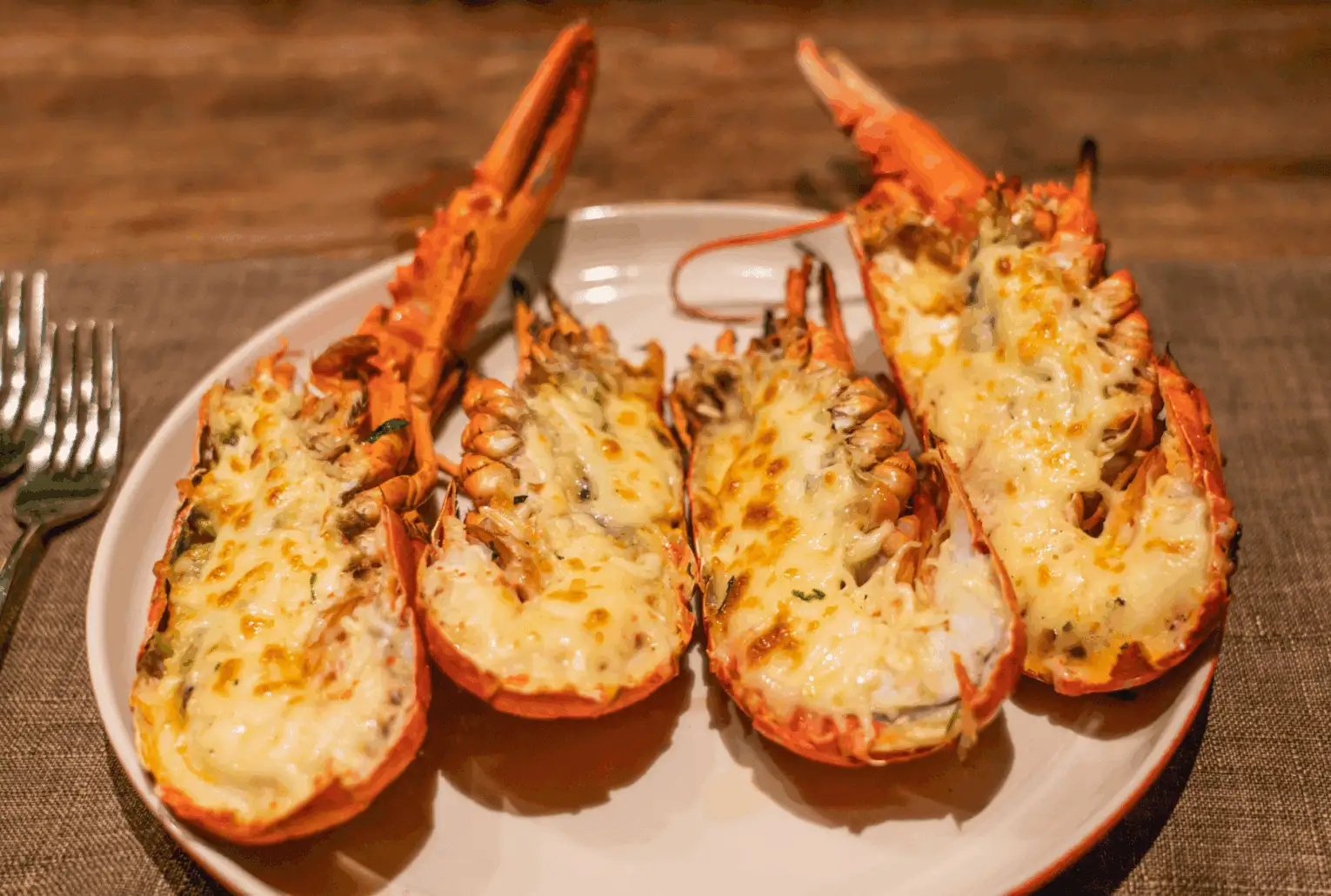
Many food lovers have heard that seafood and cheese should never be served together. This rule is common in some cooking traditions, especially with delicate fish. The concern is that cheese can overpower the seafood or make the dish feel heavy. That can happen when the pairing is careless. Shellfish can handle cheese better than many people expect. Shrimp, scallops, clams, crab, and lobster often have sweet, rich flavors that pair well with creamy or salty cheese. Pasta, pizza, lasagna, baked seafood dishes, and some small bites can all use this match successfully.Via Seafood Factory
The key is balance. Strong cheese can cover gentle seafood, while mild cheese can add body without hiding the main flavor. Fresh mozzarella, chèvre, Parmesan, cream cheese, and light cream sauces can work when used with care. Chefs break this rule when the texture and flavor make sense together.
Why Chefs Break Kitchen Rules
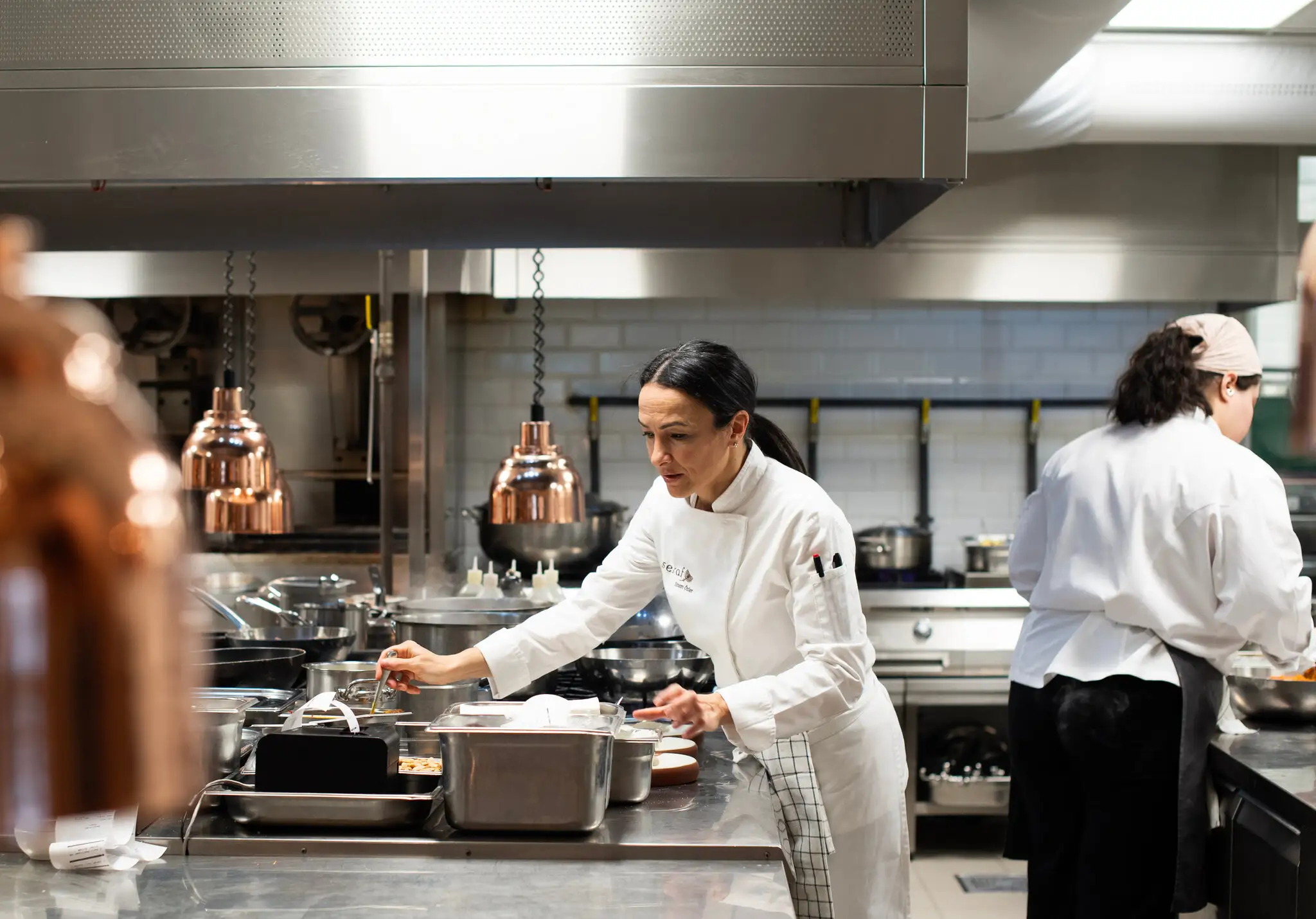
Chefs do not break rules just to be different. They break them because food is not the same in every situation. Heat level, ingredient quality, freshness, size, moisture, and cooking time all change the final result. A fixed rule cannot cover every dish.
Via Magnific
Good cooking depends on attention. A cook who watches the pan, tastes the sauce, checks texture, and adjusts heat can often make better choices than someone who follows a rule blindly. Skill grows when cooks learn the reason behind each method instead of memorizing steps only.
Rules still matter for learning. They give beginners a safe base and help avoid common mistakes. Once the basics become clear, those same rules can become flexible. Chefs know when to follow tradition and when to use a different path for better flavor, texture, and control.
Via The New York Times
Smart Cooking Means Knowing When To Bend Rules
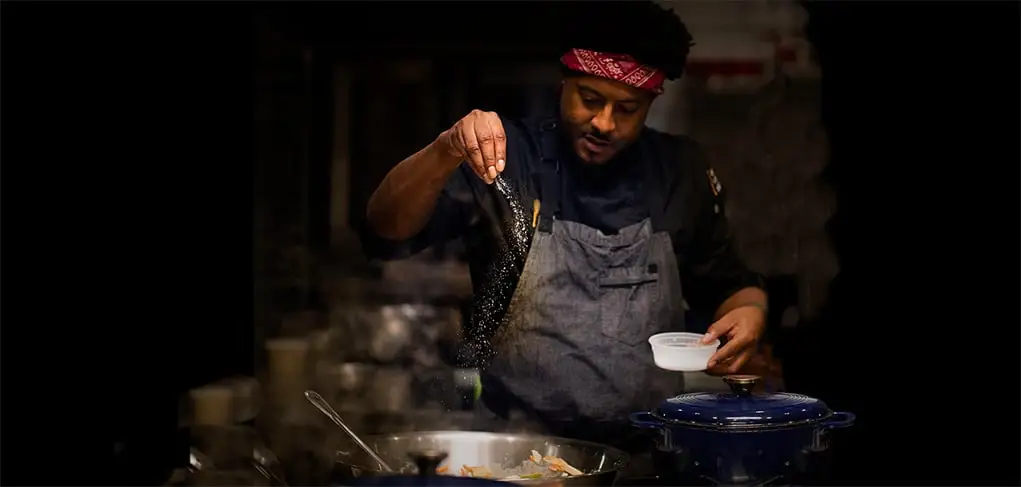
Kitchen rules are useful, but they should not stop creativity. Extra-virgin olive oil can cook beautifully, ovens do not always need preheating, stock can be boiled, and pasta water does not need to taste extremely salty. Each rule depends on the dish. Cooking becomes easier when people understand the reason behind each step. A recipe can guide the process, but taste, smell, color, and texture often give the best answers. Chefs trust those signals because they show what is happening in real time.Via The Gourmandise School
Better food comes from smart choices, not strict fear of mistakes. People can follow rules when they help and bend them when the dish needs something different. Confidence grows when cooking feels less like a test and more like a skill that improves with practice.