Animals
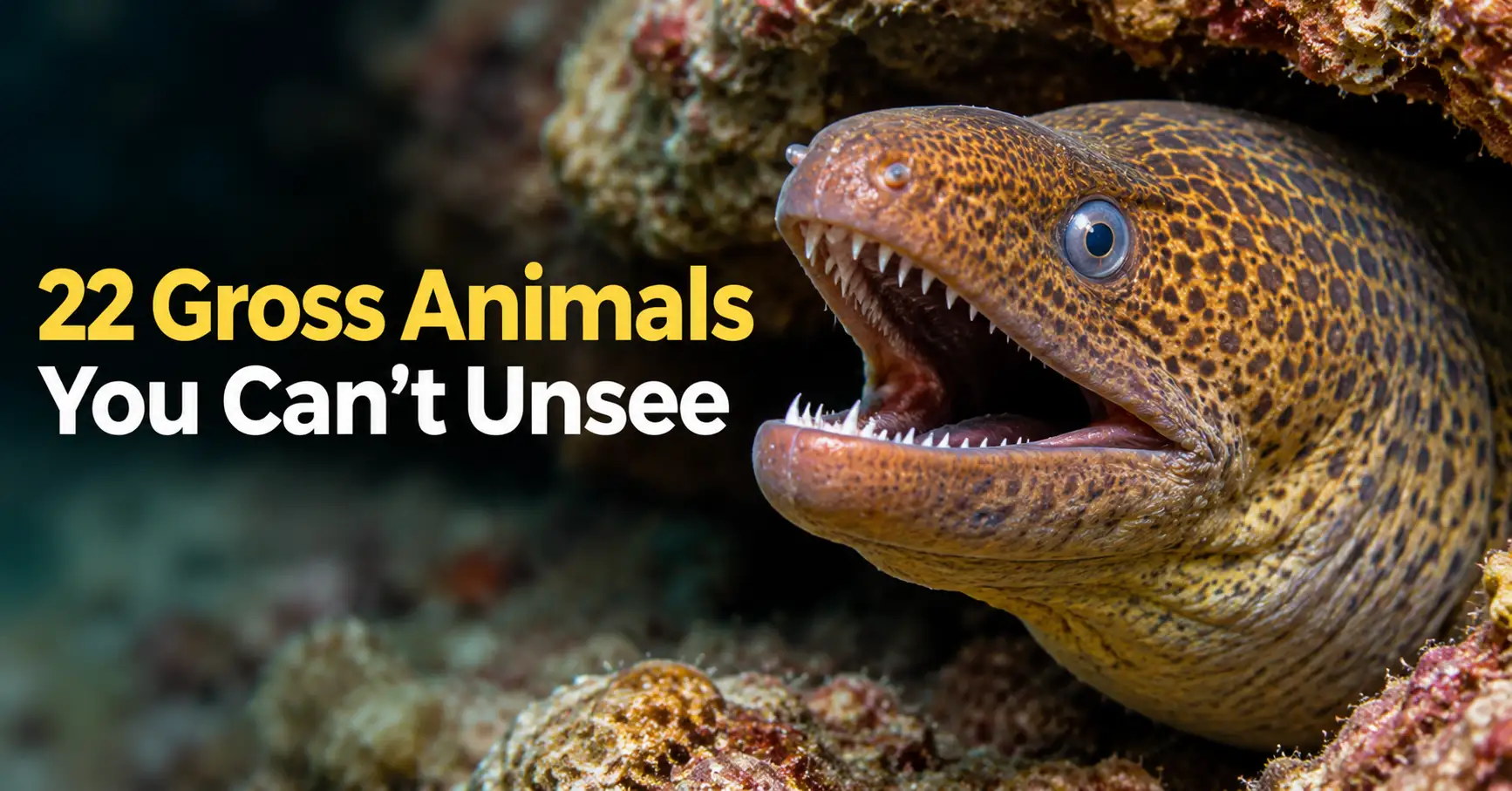
22 Gross Creatures That Will Make Your Skin Crawl
Nature is often praised for bright colors, graceful animals, and peaceful landscapes, but the wild world also has a much stranger side. Some creatures survive by producing foul smells, spraying hot chemicals, exposing sharp bones, or releasing body parts when danger arrives. Others look unsettling because of unusual faces, transparent shells, glowing bodies, or shapes that seem almost unreal. These features may appear disgusting from a human point of view, yet many serve clear purposes. A bad smell can stop a predator, a strange body can improve camouflage, and a shocking defense can create enough time for escape. Even the most unpleasant-looking species can reveal how inventive survival becomes when food, safety, and reproduction are always uncertain.
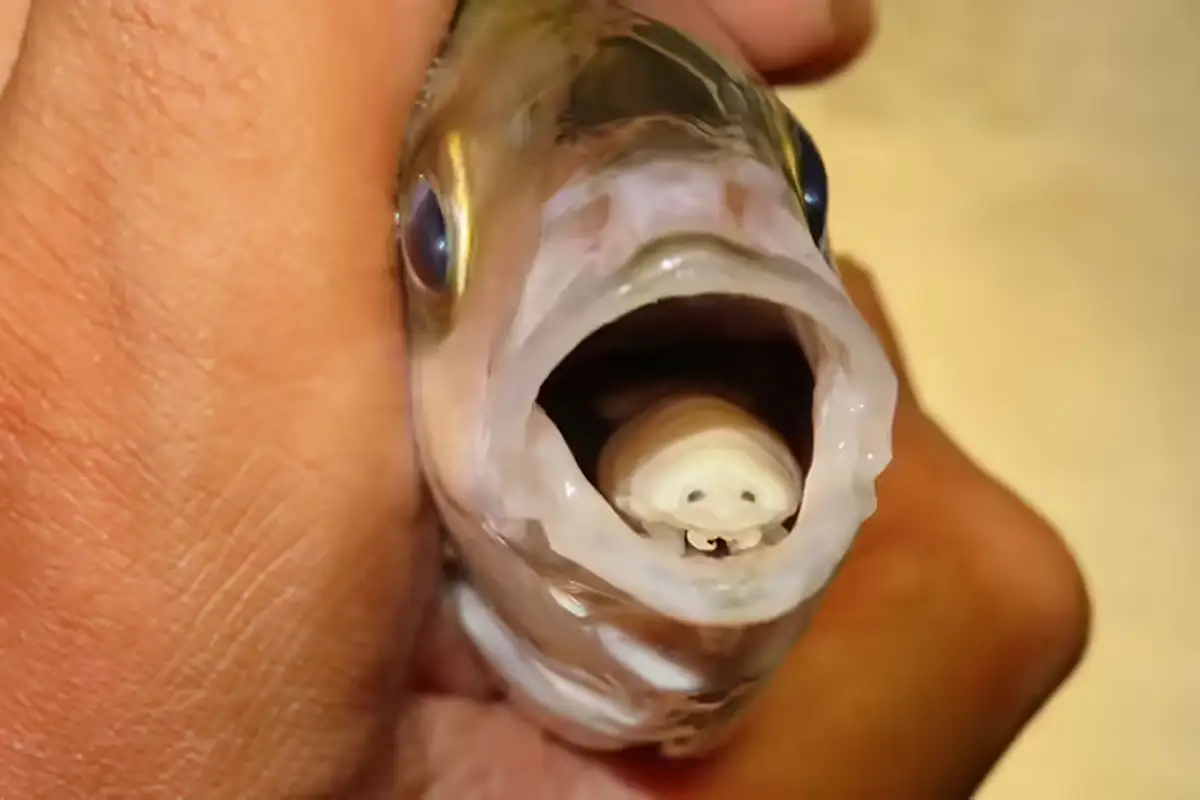
Several creatures on this list turn ordinary ideas about animal behavior upside down. Sea cucumbers can eject internal organs and later replace them. Young Eurasian roller birds produce foul fluid when threatened. Bombardier beetles combine chemicals inside their bodies and release a hot defensive spray. Hairy frogs can force sharp bones through their toes, while horned lizards may squirt blood toward attackers. Parasites add another layer of horror by changing the behavior of hosts, and certain wasps develop inside other insects. Such traits sound like scenes from science fiction, but they reflect real survival strategies shaped over long periods of evolution. What seems gross, creepy, or disturbing often works because predators hesitate, retreat, or become distracted.
Via Outdoors With Bear Grylls
Appearance can be just as unsettling as behavior. Tiny chameleons, translucent cave snails, skeleton-like crustaceans, long-snouted mammals, and flat gelatinous octopuses challenge familiar ideas about what animals should look like. Some species are rare, difficult to study, or limited to small habitats, making them even more mysterious. Others live near people yet hide remarkable defenses behind ordinary bodies. This collection explores 22 unusual organisms and animals from land, sea, caves, and forests. Each one shows a different answer to the same basic problem: staying alive in a dangerous world. Their methods may inspire disgust rather than admiration, but their strange biology makes them difficult to ignore.
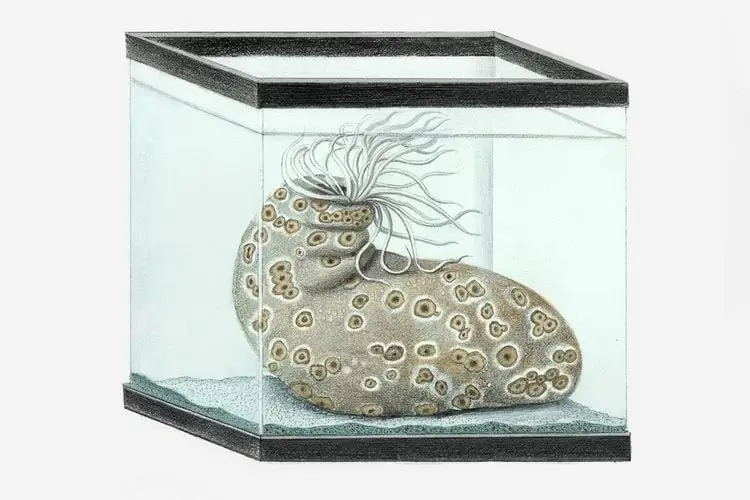
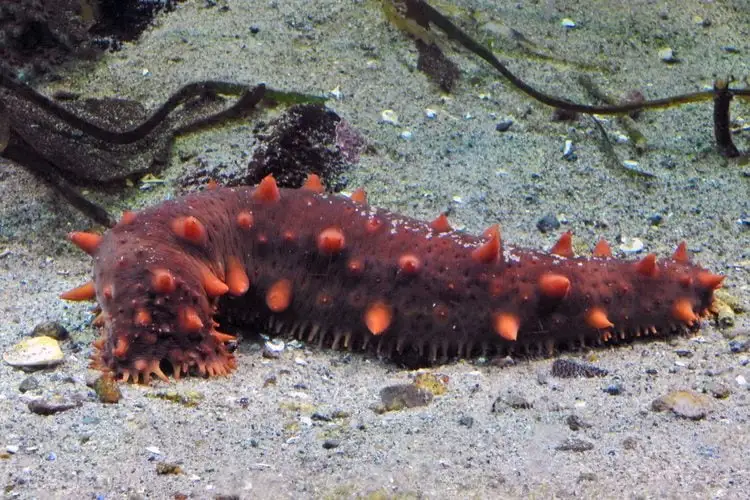
Sea Cucumber
Via Reader’s Digest
Some sea cucumbers eject internal organs when threatened, distracting predators while escaping. Lost tissues can later regenerate, making this defense especially bizarre.
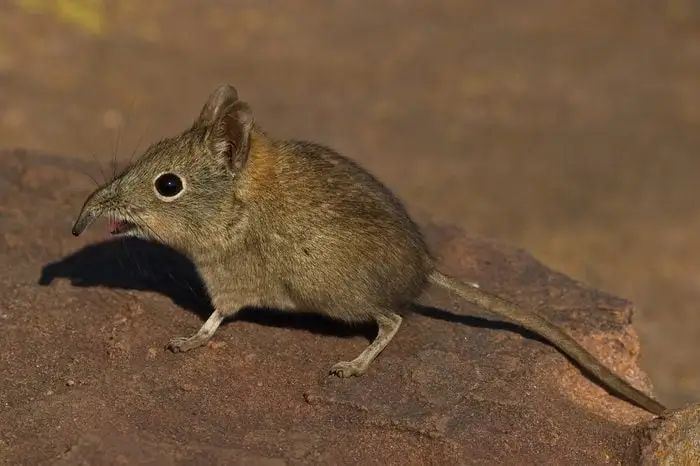
Elephant Shrew
Via Reader’s Digest
Elephant shrews are small African mammals with long, flexible snouts used to search for insects, creating an odd mouse-like appearance.
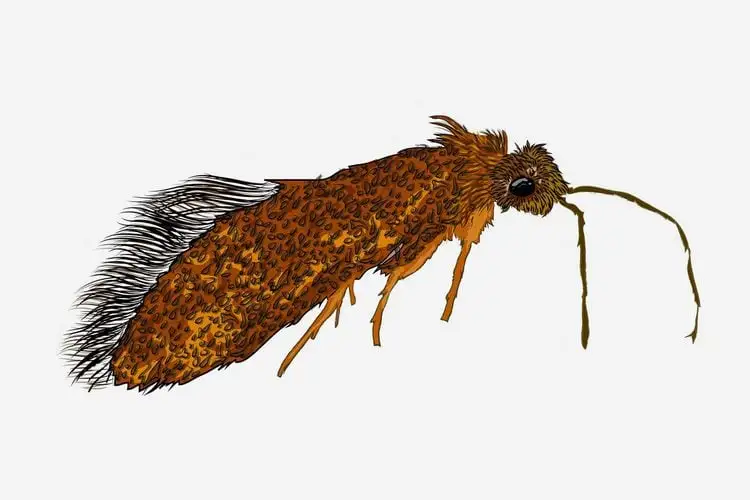
Enigma Moth
Via Reader’s Digest
The enigma moth has reduced mouthparts and an extremely brief adult stage, making its feeding behavior and life cycle especially mysterious.
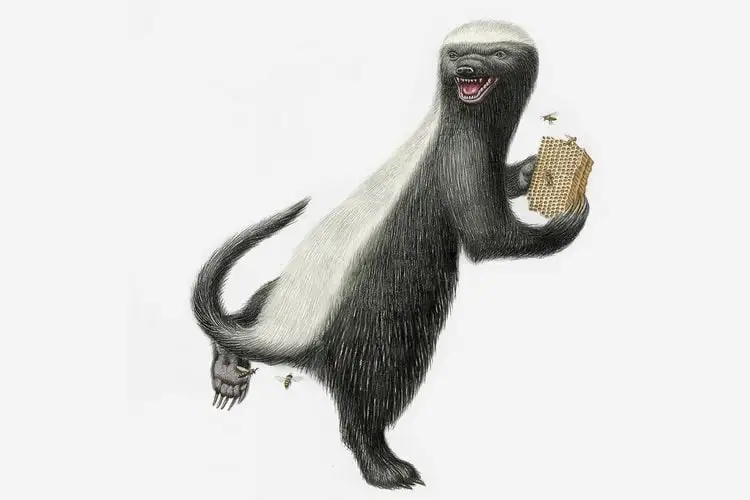
Honey Badger
Via Reader’s Digest
Honey badgers combine powerful jaws, tough skin, and strong scent defenses. Rear scent glands can release an intensely unpleasant odor against threats.
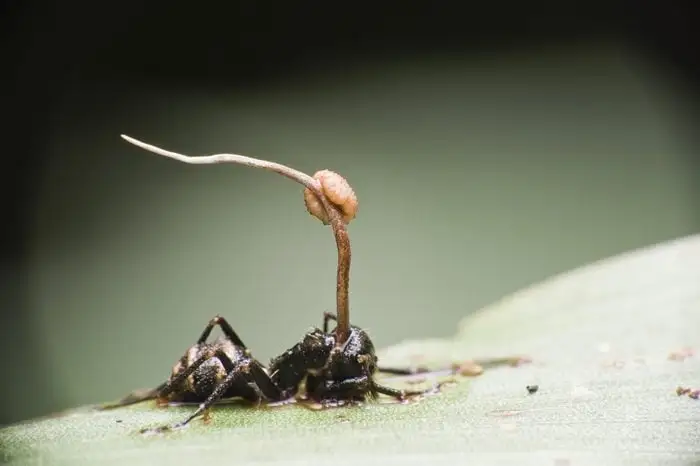
Zombie Fungus
Via Reader’s Digest
Certain parasitic fungi infect ants and alter their behavior before producing spores, creating a disturbing example of natural host manipulation.
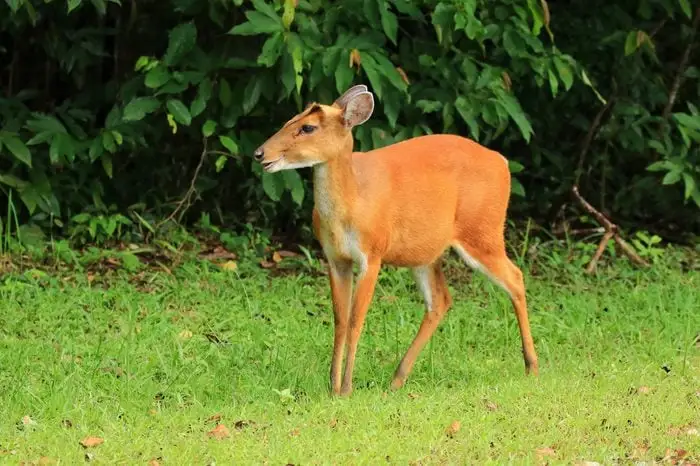
Leaf Deer
Via Reader’s Digest
The tiny leaf deer, a small muntjac from Myanmar, earned its name from claims that its body could fit within one leaf.
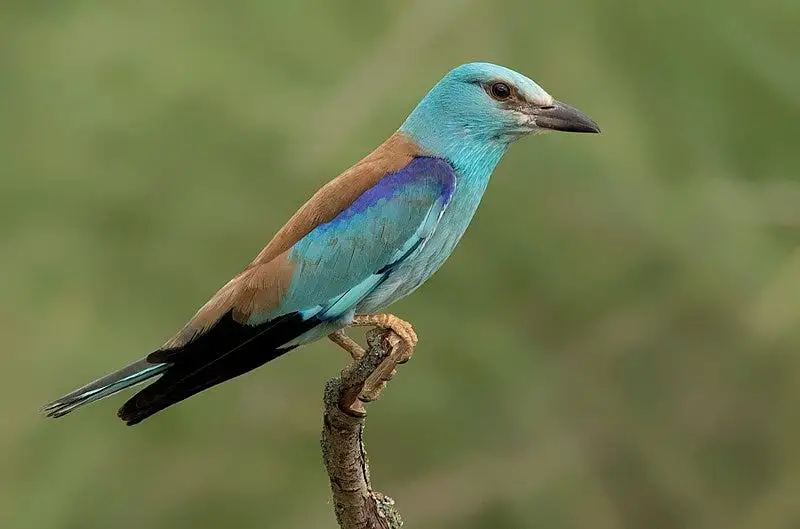
Eurasian Roller Bird
Via Medium
Young Eurasian rollers can release foul-smelling orange fluid when threatened, discouraging predators and warning returning parents about danger near the nest.
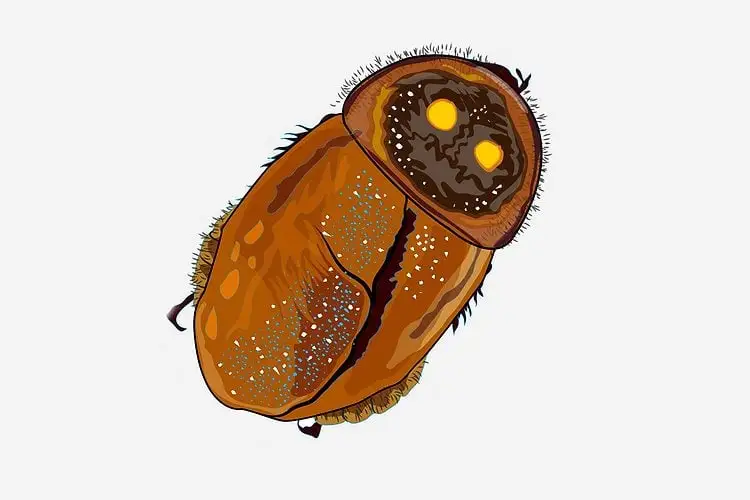
Glowing Cockroach
Via Medium
Some cockroaches have been reported with luminous markings, creating an eerie appearance that may resemble unpalatable insects and confuse potential predators.
Bombardier Beetle
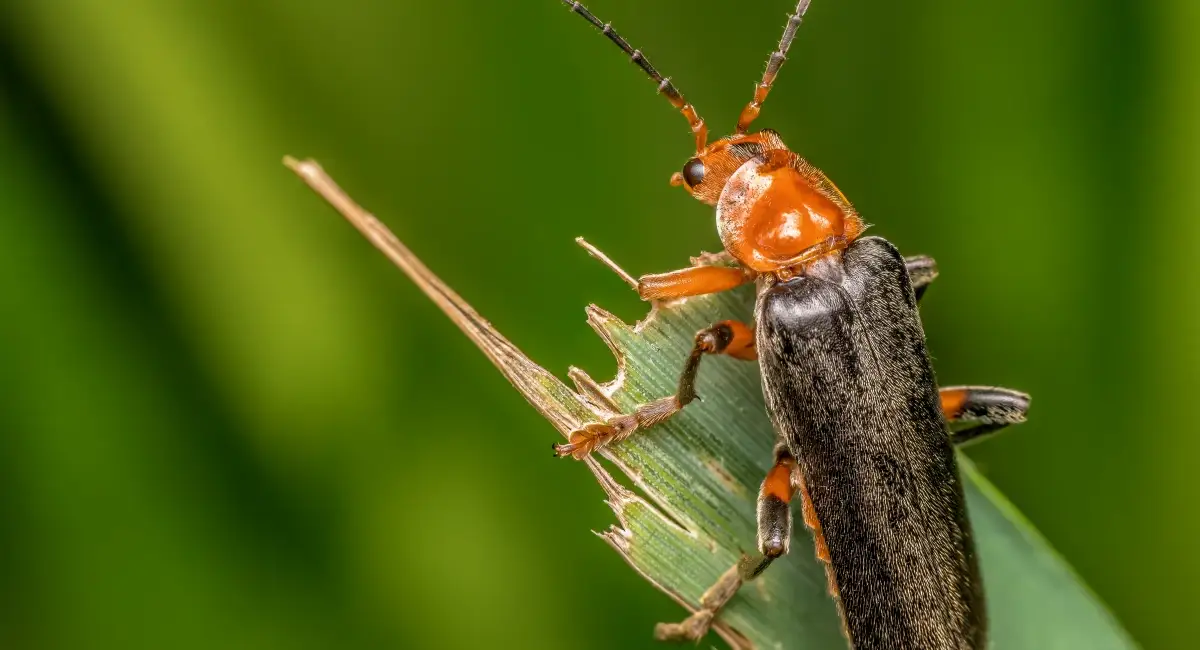
Via Western Exterminator
Bombardier beetles mix stored chemicals in a reaction chamber, then fire a hot, irritating spray with remarkable speed and directional control.
Fanged Frog
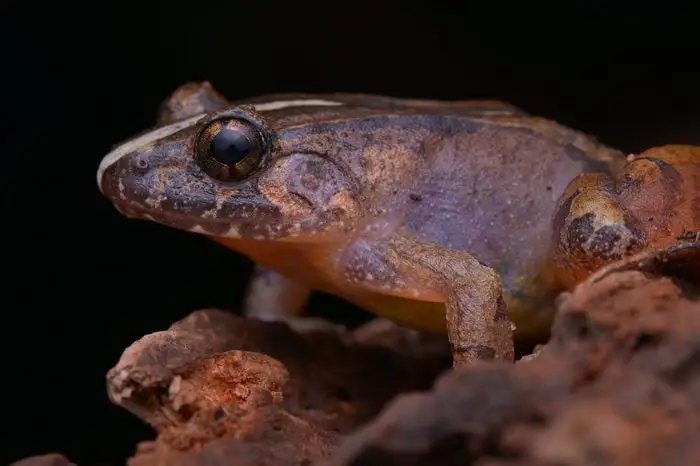
Via Reader’s Digest
Some Limnonectes frogs carry tooth-like projections on the lower jaw, while one unusual species gives birth directly to live tadpoles.
Massive Eel
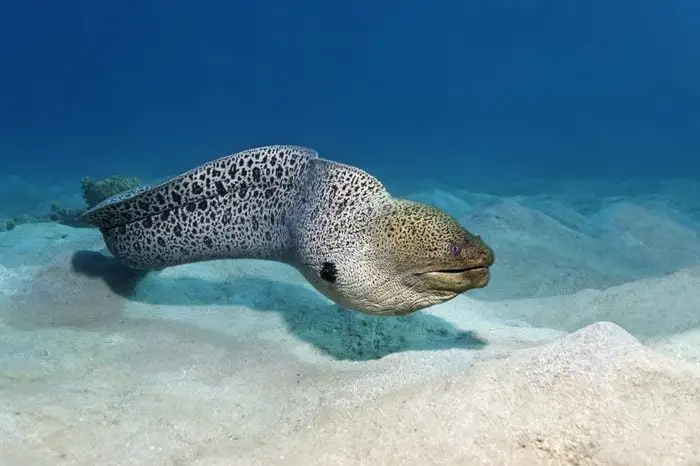
Via Reader’s Digest
Long worm eels appear unsettling because of narrow bodies, hidden lifestyles, and snake-like movement through marine mud or soft sediment.
Horned Lizard
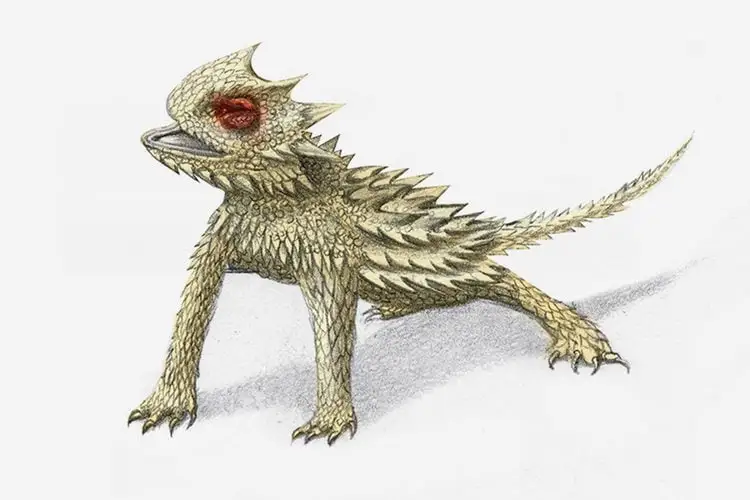
Via Reader’s Digest
Several horned lizards can squirt blood from around their eyes when threatened, creating a shocking defense that may repel canine predators.
Carnivorous Sponge
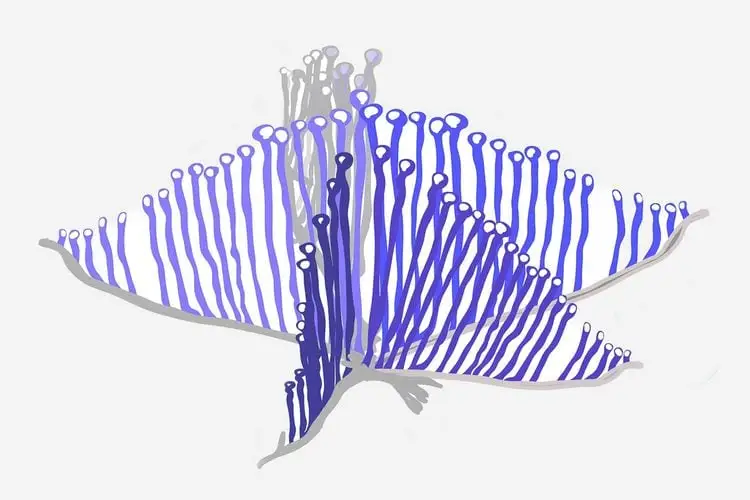
Via Reader’s Digest
Carnivorous sponges use hook-like structures to trap tiny passing animals, replacing ordinary filter feeding with an unusual form of slow predation.
Hairy Frog
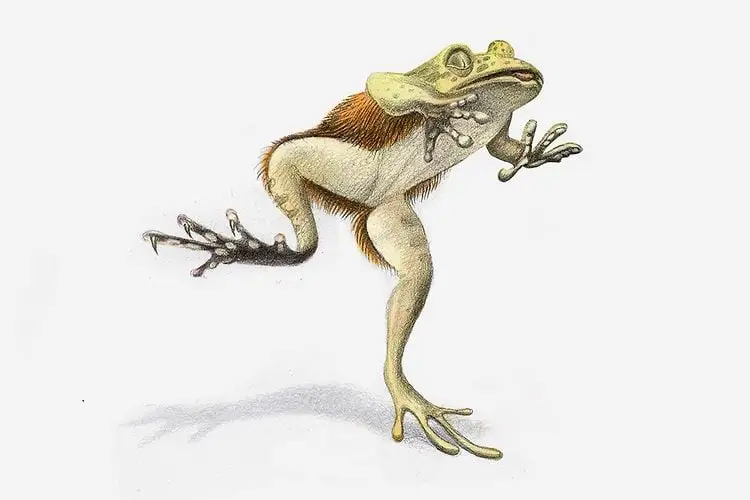
Via Reader’s Digest
The hairy frog can break toe bones and push sharp points through skin, forming temporary claw-like weapons when seriously threatened.
Tiniest Chameleon
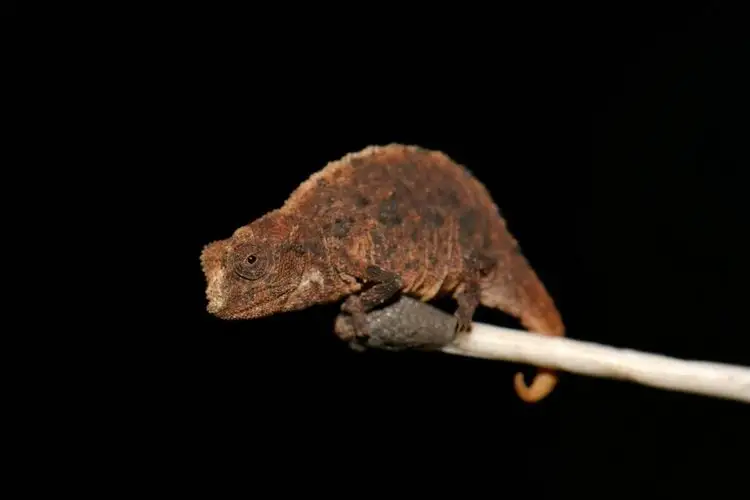
Via Reader’s Digest
Some Brookesia chameleons from Madagascar are astonishingly small, with miniature bodies that can rest on fingertips while remaining difficult to spot.
Transparent Shell Snail
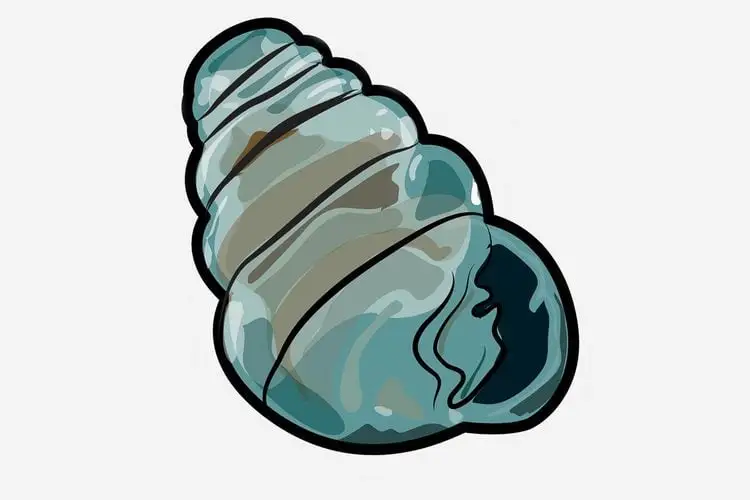
Via Reader’s Digest
Rare cave snails can have translucent shells and tiny bodies, giving them a ghostly look suited to dark, isolated underground environments.
Xenomorph Wasp
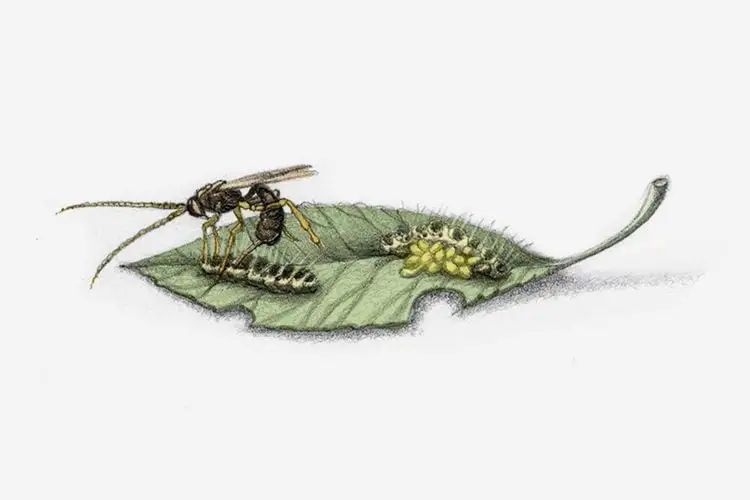
Via Reader’s Digest
Certain parasitoid wasps lay eggs inside caterpillars, where developing young consume host tissues before emerging, creating a brutally alien life cycle.
Snub-Nosed Monkey
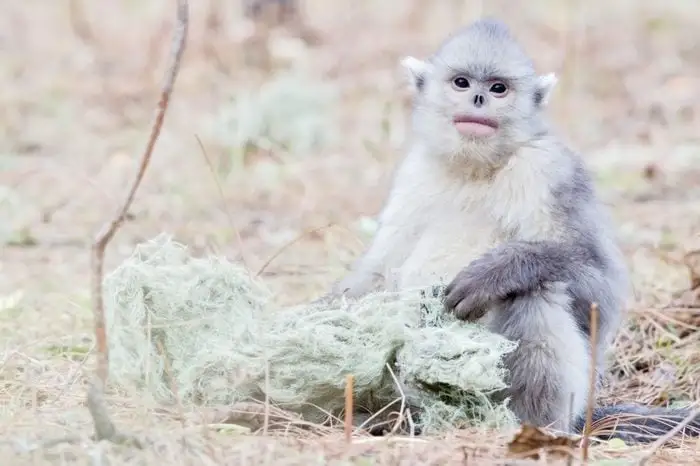
Via Reader’s Digest
Snub-nosed monkeys have flattened faces and exposed nostrils that create a striking appearance, while rare populations survive in remote Asian forests.
Skeleton Shrimp
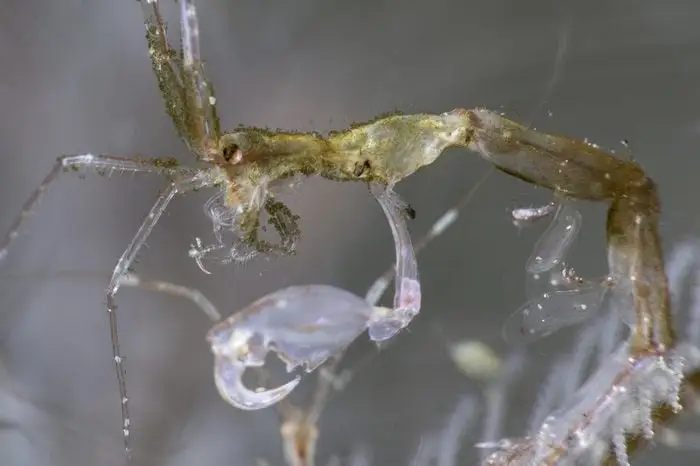
Via Reader’s Digest
Skeleton shrimp are thin, nearly transparent crustaceans with grasping front limbs, producing an eerie shape that resembles a tiny sea monster.
Flapjack Octopus
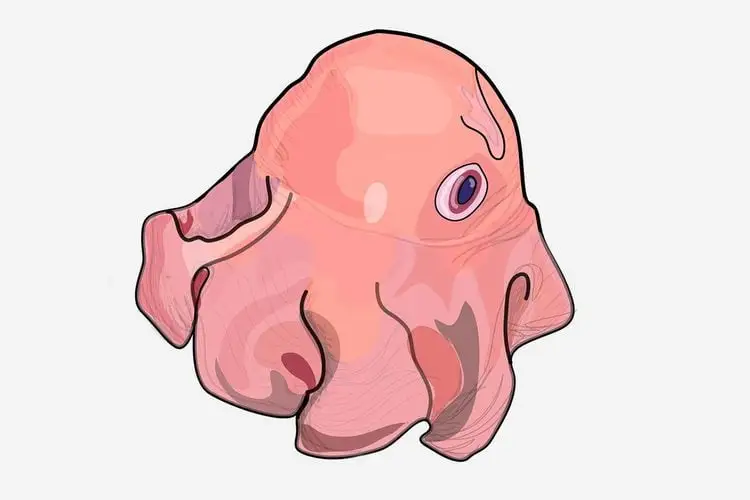
Via Reader’s Digest
Flapjack octopuses have soft, flattened bodies and small fins, moving through deep water with a rounded shape often compared with pancakes.
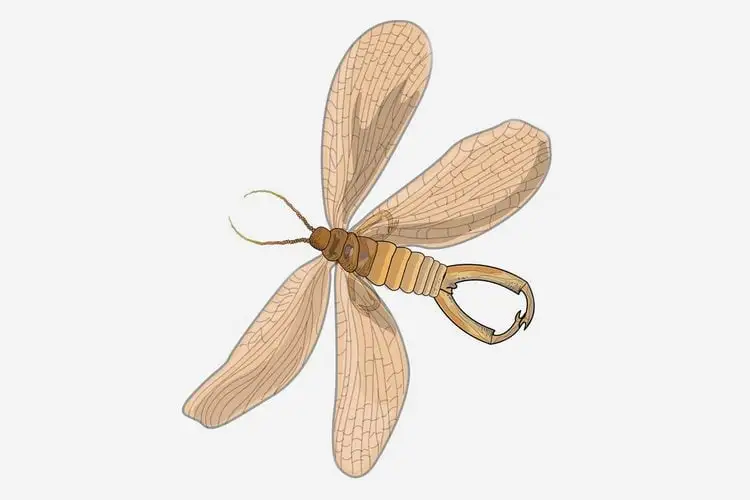
Eyelash-Winged Wasp
Via Reader’s Digest
Tiny fairy wasps can carry narrow, fringed wings resembling eyelashes, giving these minute insects a delicate yet distinctly strange overall appearance.
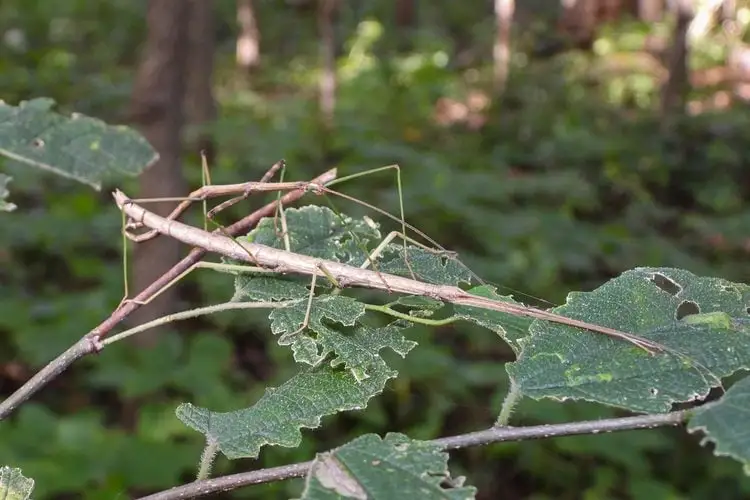
Stick Bug
Via Reader’s Digest
Large stick insects rely on camouflage, but some species also release foul-smelling defensive chemicals when disturbed, making close encounters surprisingly unpleasant.
Why Strange Creatures Matter
These creatures show that disgust and survival often meet in unexpected ways. A defense does not need to look graceful when its only job is to keep an animal alive. Sea cucumbers sacrifice organs, horned lizards use blood, bombardier beetles release heated chemicals, and roller chicks produce foul-smelling fluid. Each strategy can interrupt an attack long enough to create an advantage. Even features that seem ugly or awkward may serve useful roles.
Long snouts help locate food, transparent bodies reduce visibility, strange limbs improve hunting, and tiny size opens habitats larger animals cannot use. Nature does not design species for human comfort. It rewards traits that help organisms survive, reproduce, and pass successful features to later generations. Some entries also reveal how easily dramatic claims can hide more complex biology. Parasites that influence ants, wasps that develop inside caterpillars, and sponges that capture animals may sound fictional, yet similar systems are well documented across nature. Their details matter because each species has its own limits, habitat, and behavior. Not every cockroach glows, not every frog uses exposed bones, and not every sea cucumber ejects the same organs. Broad labels can make wildlife seem simpler than it is. Careful observation shows a world filled with specialized solutions, many of which evolved under very different pressures. The disturbing part is often the same feature that makes a species scientifically valuable.
Via Reader’s Digest
Rare and unusual animals also deserve attention beyond their shock value. Tiny chameleons, cave snails, remote monkeys, and other specialized species can be vulnerable when habitats change. Losing them could erase unique branches of natural history before their biology is fully understood. Gross appearance is a poor measure of importance. Creatures that inspire fear, discomfort, or revulsion can still recycle nutrients, control populations, feed predators, or reveal valuable information about evolution. The wild world includes beauty, danger, decay, smell, slime, and countless forms that challenge familiar expectations. These 22 examples prove that some of nature’s most memorable creatures are unforgettable precisely because they are so strange.