Animals
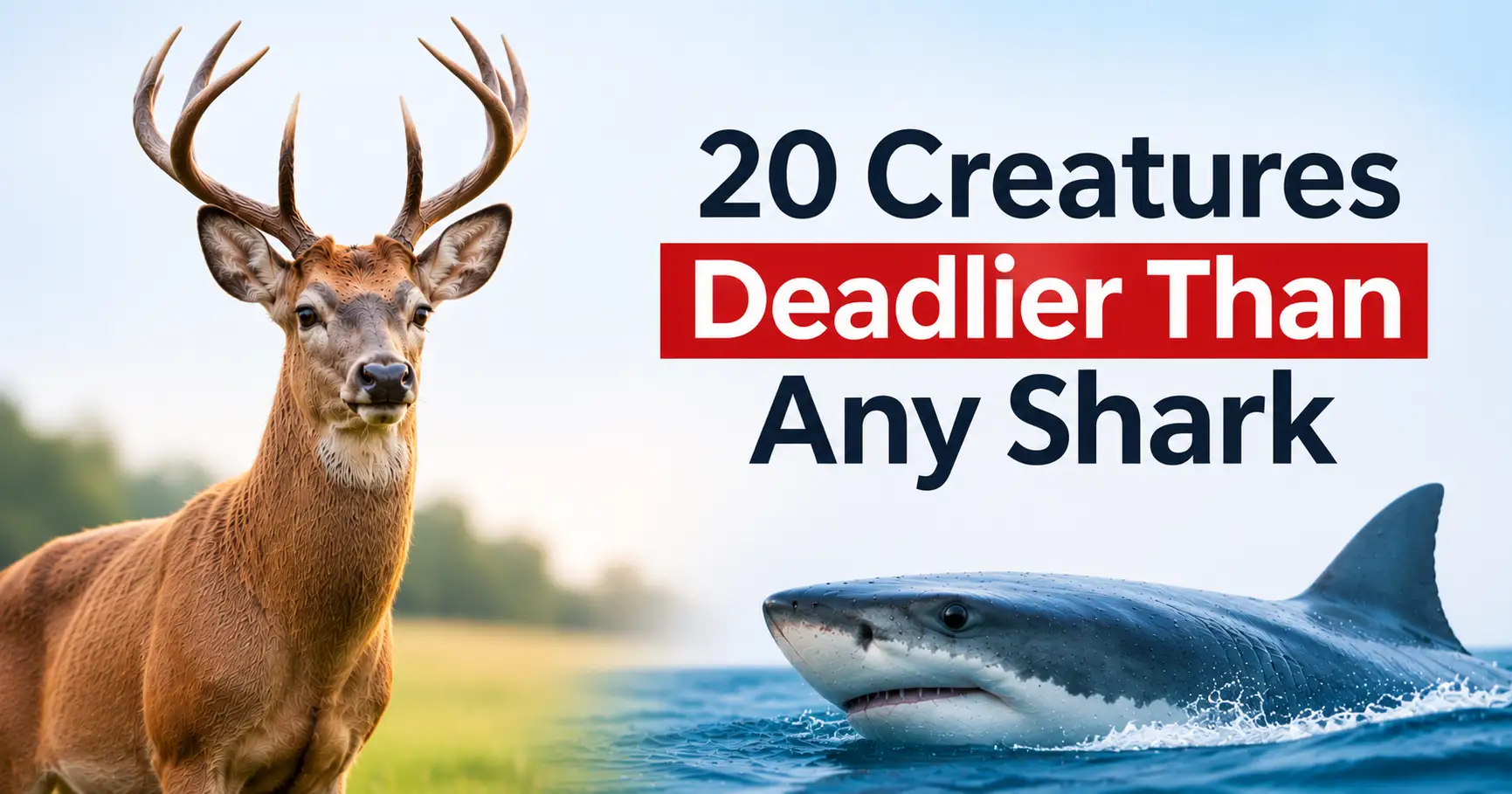
20 Animals That Can Be Deadlier Than Sharks
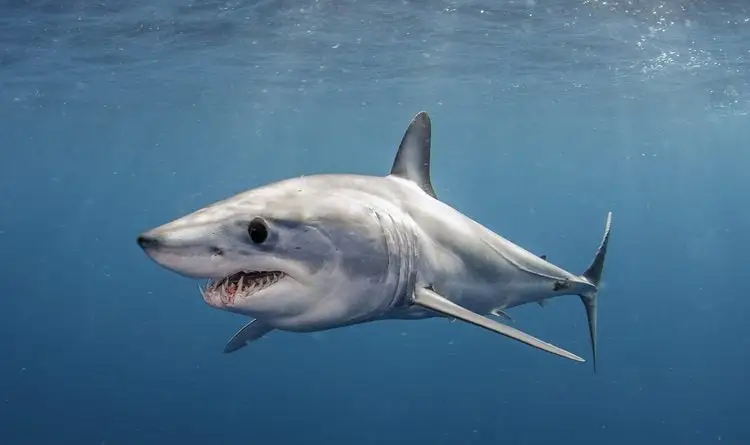
Sharks have a powerful place in popular culture because films, news reports, and dramatic survivor stories make ocean attacks feel common. The reality is far less simple. Many animals that look ordinary, familiar, or even harmless are linked to far more human deaths than sharks. Some cause direct injuries through bites, stings, trampling, or attacks. Others become dangerous because they spread diseases, carry parasites, trigger severe allergic reactions, or cause road crashes. Risk also changes by location, occupation, health status, and level of exposure. A farmworker faces different animal hazards than a swimmer, traveler, driver, or person living in a malaria-prone region. This difference matters because raw fear often grows from memorable images, while actual danger depends on how often people meet a hazard and what happens after contact.
The most dangerous animals are not always the largest or most frightening. Mosquitoes spread infections that affect millions of people, while freshwater snails can transmit parasites that cause serious disease. Deer rarely attack people, yet collisions involving deer can be deadly. Bees, wasps, and hornets can become life-threatening for people with severe allergies. Dogs, horses, cattle, hippos, snakes, jellyfish, and elephants create very different kinds of danger, showing why appearance alone is a poor guide to real risk. Even tiny creatures such as fire ants, roundworms, and kissing bugs can cause major health problems under the right conditions.
Via Reader’s Digest
Understanding these risks does not mean treating wildlife or familiar animals with fear. Most species avoid people when given enough space, and many incidents happen because of surprise encounters, unsafe handling, disease exposure, poor sanitation, or human activity in animal habitats. Practical awareness matters more than panic. Safe driving in deer country, careful food and water hygiene, protective clothing in mosquito areas, respect for livestock, and distance from wild animals can lower danger. The following animals and animal groups show how death risk can come from many sources, often in ways that receive less attention than shark attacks. Clear knowledge can also help communities improve prevention, emergency response, and public health education without turning every animal encounter today into a reason for alarm.
Deer
Via Reader’s Digest
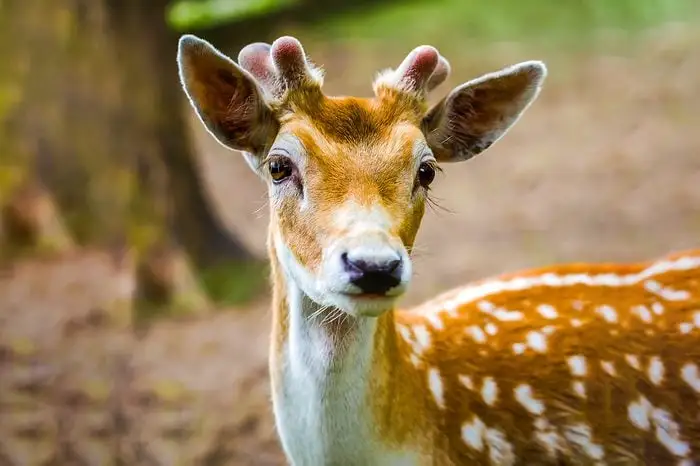
Deer are especially dangerous on roads, where sudden crossings can cause severe vehicle crashes, serious injuries, and deaths without any direct animal attack.
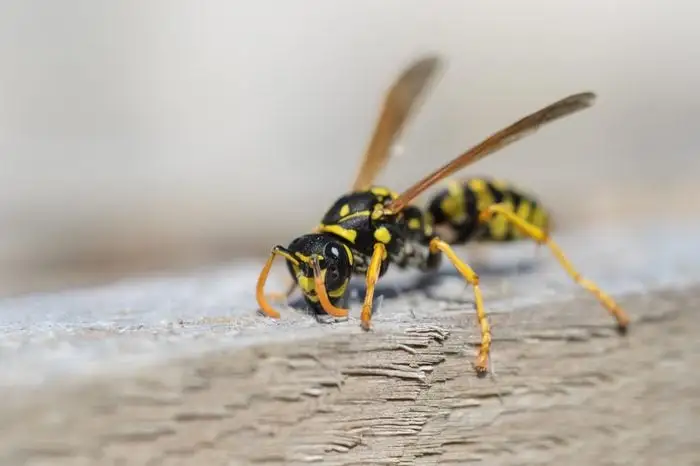
Bees, Wasps, and Hornets
Via Reader’s Digest
Stings are usually minor, but people with severe allergies can develop anaphylaxis quickly, making rapid emergency treatment essential after a dangerous reaction.
Dogs

Via Reader’s Digest
Dogs live closely with people, yet serious bites and attacks can become fatal, especially when animals are poorly controlled, frightened, or mistreated.
Horses

Via Reader’s Digest
Horse-related deaths often result from falls, kicks, crushing injuries, or riding accidents, showing that familiar working animals still require careful handling.
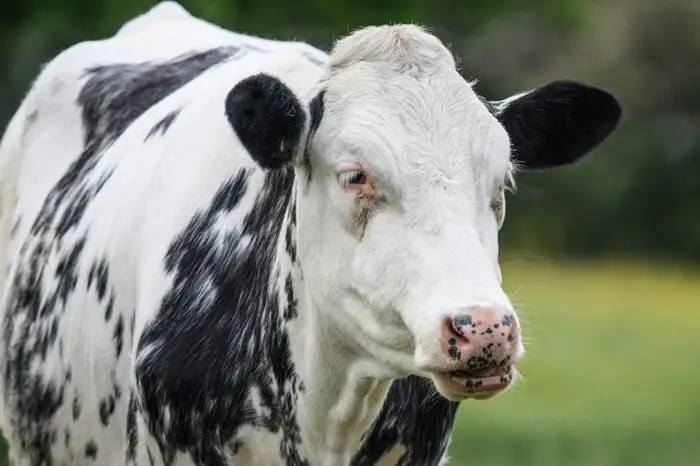
Cows
Via Reader’s Digest
Cattle can injure people through kicks, trampling, charging, or herd movement, particularly when stressed, protecting calves, or approached within a blind spot.
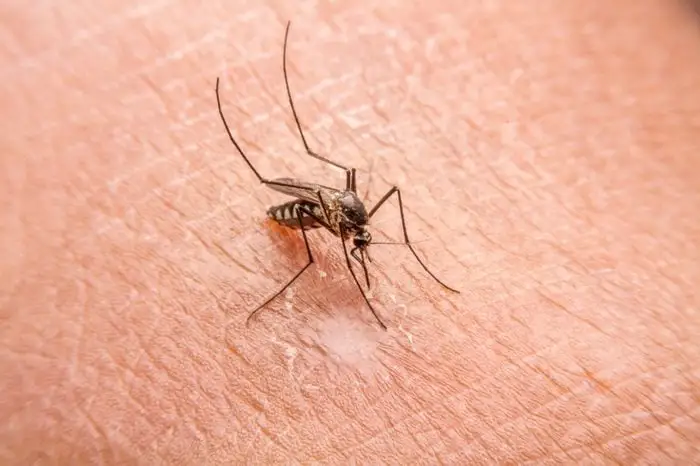
Mosquitoes
Via Reader’s Digest
Mosquitoes are among the deadliest animals because they spread malaria and other diseases, creating an enormous global health burden far beyond direct attacks.
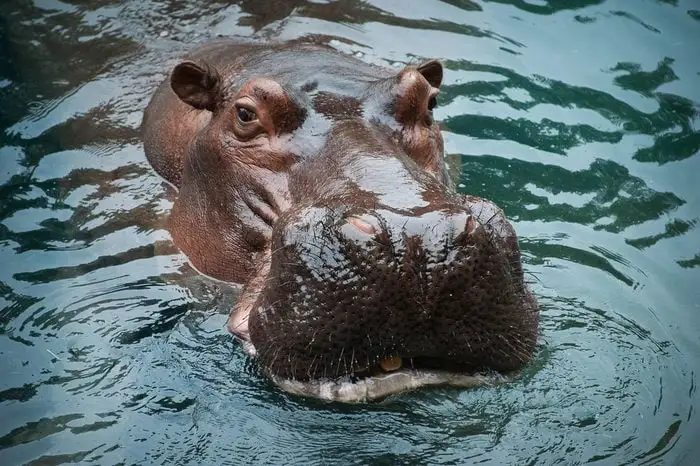
Hippos
Via Reader’s Digest
Hippos are highly territorial, extremely powerful, and surprisingly fast on land, making close encounters dangerous around rivers, boats, shorelines, and feeding areas.
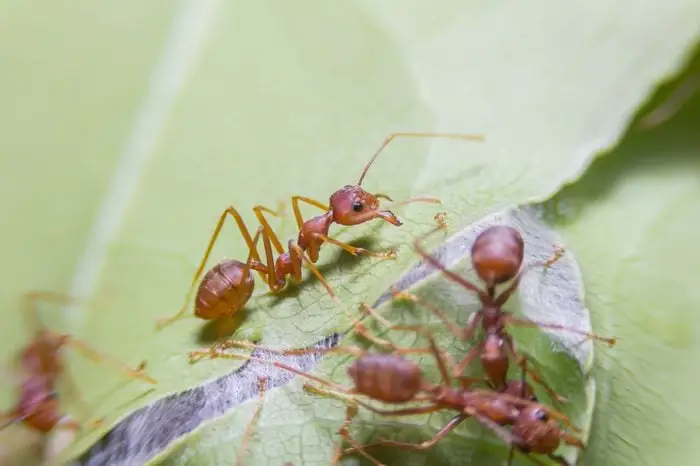
Fire Ants
Via Reader’s Digest
Fire ant stings can cause intense pain and, in sensitive people, severe allergic reactions that may progress to life-threatening anaphylaxis without prompt care.
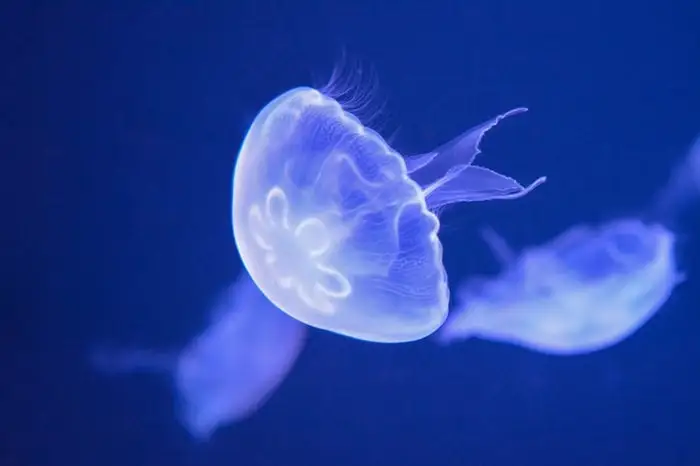
Jellyfish
Via Reader’s Digest
Certain jellyfish, especially box jellyfish, carry potent venom that can cause extreme pain, heart problems, and rapid medical emergencies after a serious sting.
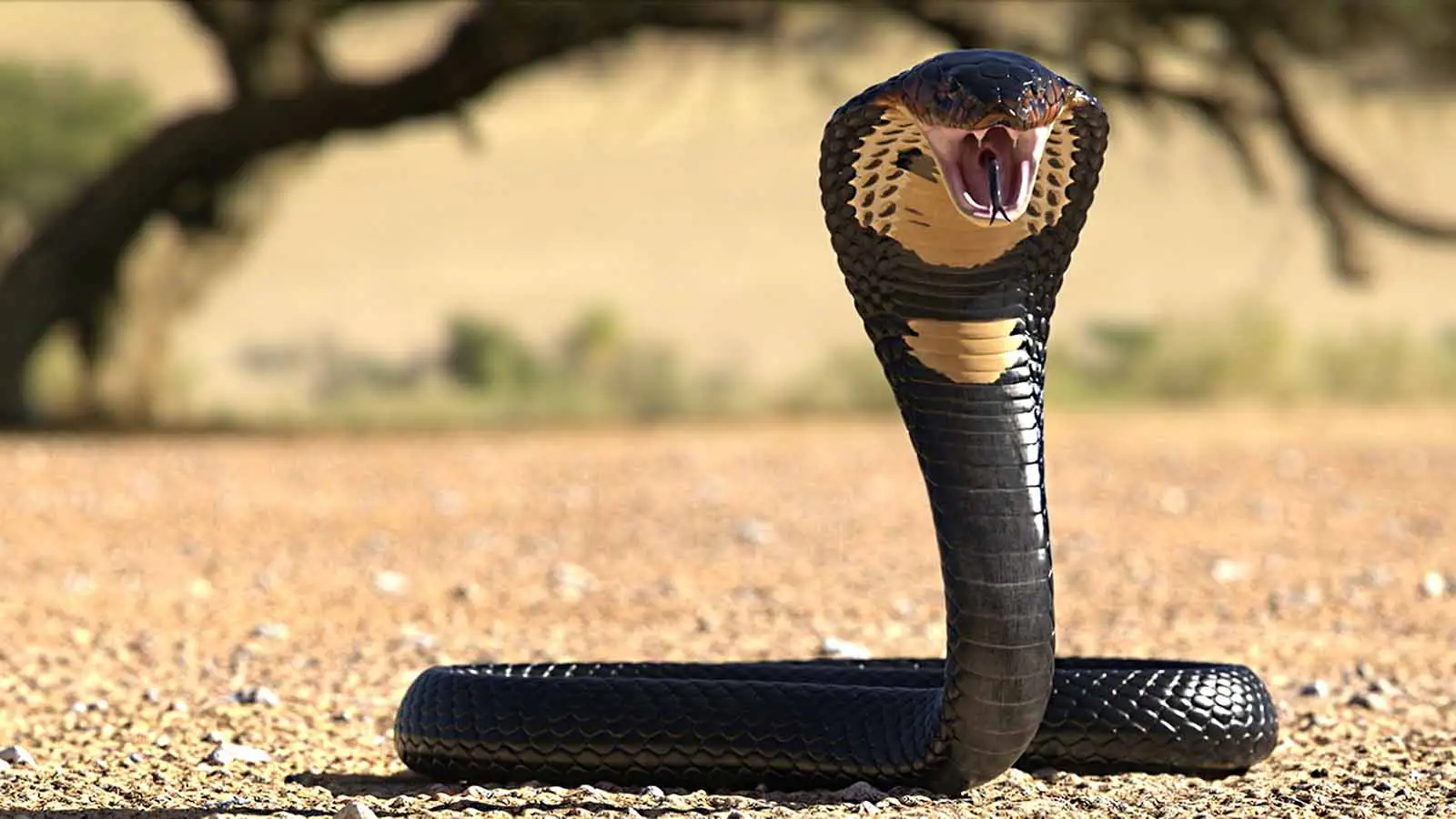
Snakes
Via Reader’s Digest
Venomous snakebites cause tens of thousands of deaths worldwide, with severe cases leading to bleeding, paralysis, organ damage, shock, or other deadly complications.
People

Via Reader’s Digest
Humans cause hundreds of thousands of homicide deaths globally, making human violence a far greater direct threat to people than shark attacks.
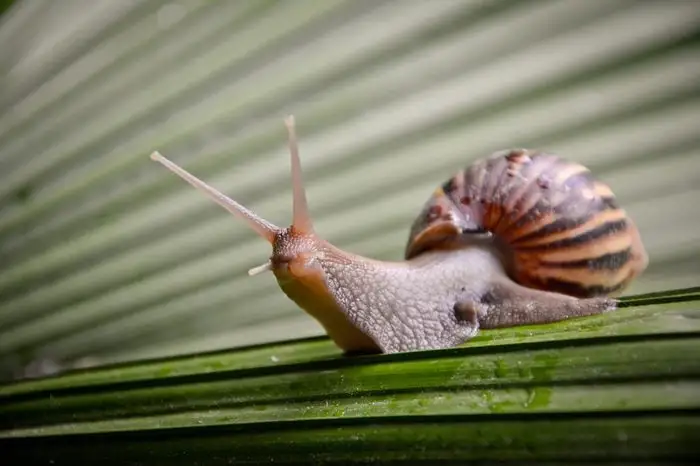
Freshwater Snails
Via Reader’s Digest
Freshwater snails can transmit parasites that cause schistosomiasis, a serious disease linked to contaminated water and major health burdens in affected regions.
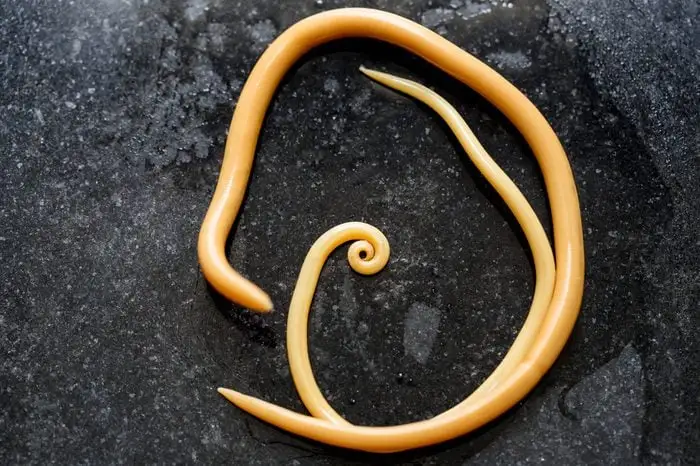
Ascaris Roundworms
Via Reader’s Digest
Ascaris roundworms spread through contaminated food, soil, or water and can cause serious intestinal disease, especially where sanitation and healthcare access are limited.
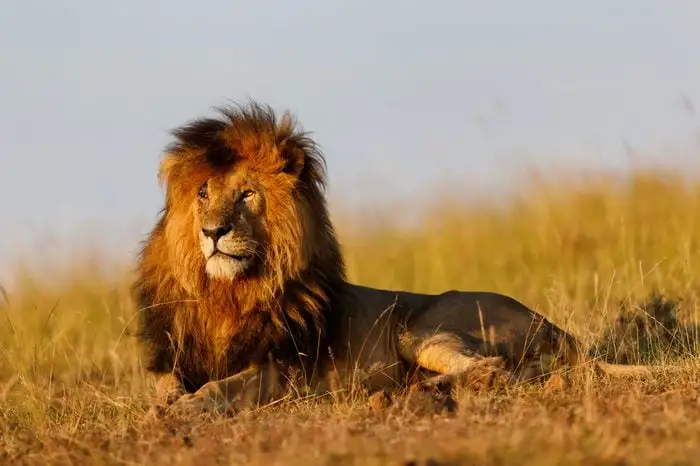
Lions
Via Reader’s Digest
Lions usually hunt wild prey, but attacks on people can occur near shared habitats, livestock areas, or situations where the animals feel threatened.
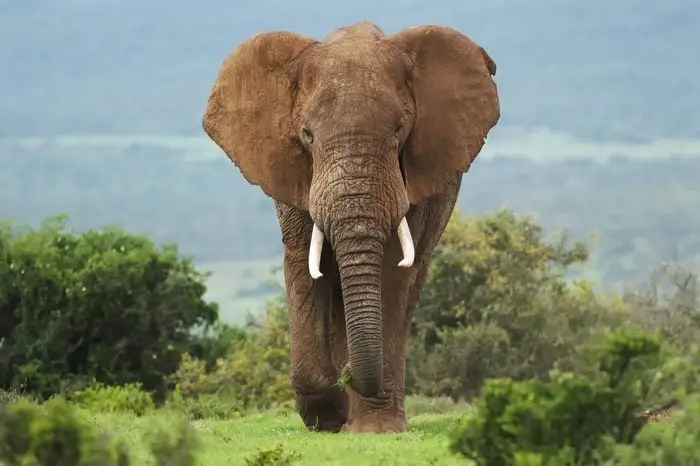
Elephants
Via Reader’s Digest
Elephants can become deadly when stressed, blocked from resources, surprised, or forced into close contact with people, using immense size and strength.
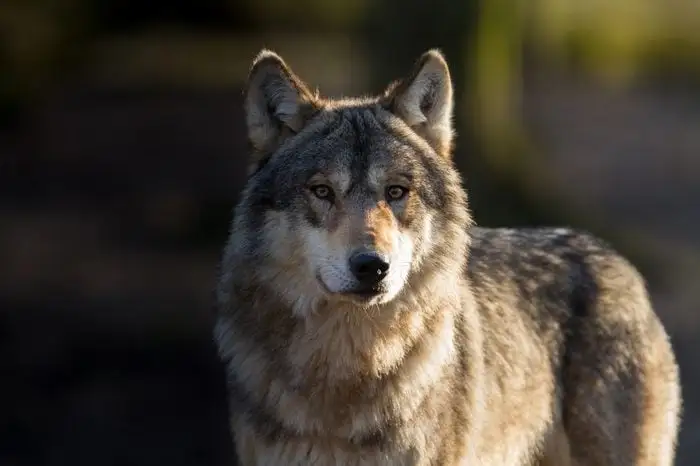
Wolves
Via Reader’s Digest
Fatal wolf attacks are rare, but risk can rise with rabies, food conditioning, defensive behavior, or unusually close contact with wild packs.
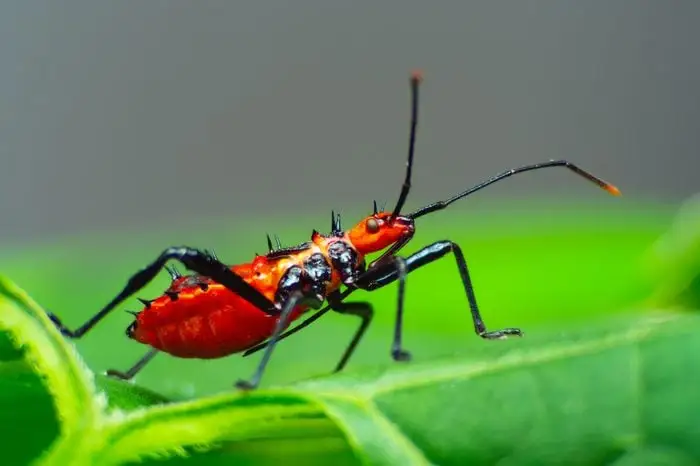
Assassin Bugs
Via Reader’s Digest
Kissing bugs can spread the parasite that causes Chagas disease, a potentially serious infection that may damage the heart and digestive system.
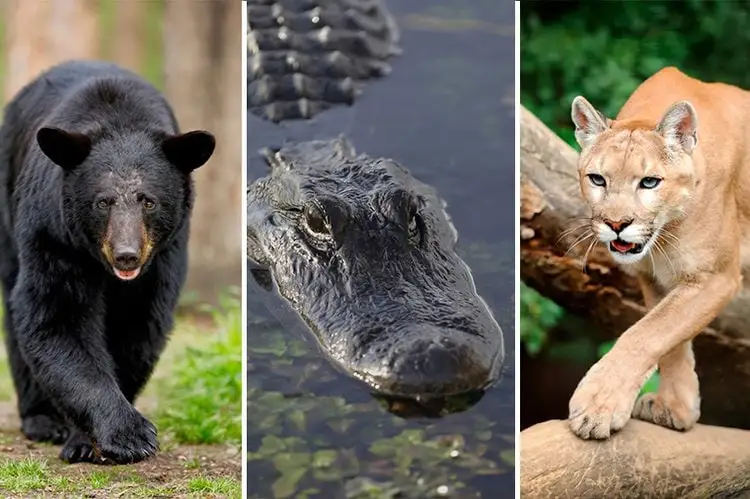
Bears, Alligators, and Mountain Lions
Via Reader’s Digest
These large predators can kill people, but fatal attacks are uncommon and usually receive far more attention than their actual frequency suggests.
Why Real Risk Matters
The comparison between sharks and other animals reveals an important lesson about risk: the most feared threat is not always the most common one. Dramatic attacks are easy to remember, especially when they involve large predators, but everyday exposure often creates greater danger. A mosquito spreading malaria, a deer crossing a highway, a dog involved in a serious attack, or a bee sting triggering anaphylaxis can be more relevant to daily safety than a rare shark encounter. Disease-carrying parasites and insects add another layer because harm may develop after exposure rather than during a visible attack. This is why animal danger should be judged by frequency, exposure, health effects, and local conditions, not only by size, teeth, speed, or frightening reputation.
Location remains one of the biggest factors. Hippos, lions, elephants, and venomous snakes are major concerns in regions where people share space with them. Freshwater snails become dangerous where schistosomiasis is present, while kissing bugs matter most in areas where Chagas disease circulates. Farm settings bring risks from cattle and horses, and roads near wildlife habitats increase the chance of deer collisions. Some animals are dangerous mainly when threatened, cornered, protecting young, or handled carelessly. Others create risk through germs, venom, parasites, or allergic reactions rather than aggression. Climate, housing, sanitation, transportation, access to treatment, and wildlife management can all change how serious a particular threat becomes for a community.
Via Animals
Better safety starts with realistic understanding instead of fear. People can reduce danger by respecting warning signs, avoiding close contact with wild animals, using insect protection, seeking urgent care after severe stings or bites, and following local public health advice. Drivers can slow down in wildlife zones, farmworkers can use safer livestock practices, and travelers can learn about regional disease risks before entering unfamiliar environments. Animal-related deaths also reflect wider issues such as sanitation, access to treatment, habitat pressure, and public education. Sharks deserve caution, but they should not dominate every discussion of dangerous animals. A balanced view helps people focus on the threats most likely to affect them and respond with practical, informed choices. These habits protect lives.