Animals
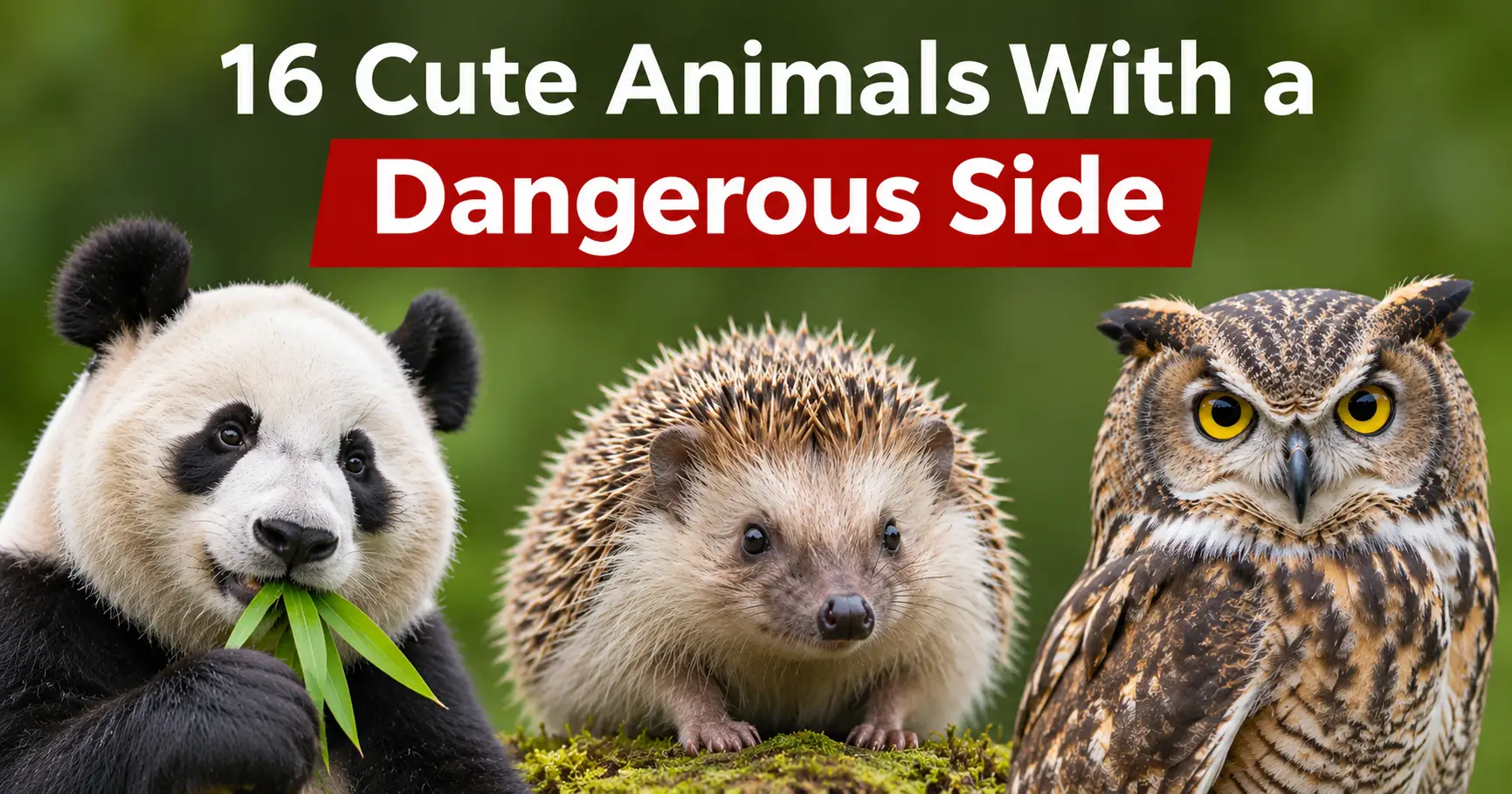
16 Cute Animals That Can Be Surprisingly Dangerous
Soft fur, round eyes, slow movements, and playful behavior often make wild animals seem harmless. Photos and short videos can strengthen that impression because they usually show calm moments rather than warning signs. A panda chewing bamboo, a swan gliding across a lake, or a slow loris staring toward a camera can look gentle enough to approach. Nature does not judge danger by appearance, though. Many animals have powerful jaws, sharp claws, venom, defensive spines, strong kicks, or large bodies that can cause serious harm when they feel threatened. Some species rarely attack people, yet their natural defenses still deserve respect.
Wild animals usually do not act aggressively without a reason. Fear, hunger, mating season, nest defense, protection of young, competition, injury, and loss of habitat can all change behavior. Human activity also brings people into closer contact with species that once had more space. Expanding farms, roads, towns, tourism, and outdoor recreation can increase unexpected encounters. A calm animal may suddenly charge when escape routes feel blocked. A parent may defend nearby young. A predator may react to food, movement, or stress. Even smaller creatures can cause painful injuries through bites, spines, or venom.
Via Reader’s Digest
Understanding these risks is not meant to create fear or make wildlife seem cruel. Animals rely on natural tools that help them survive, find food, protect territory, and avoid predators. The safest response is to enjoy wildlife from a sensible distance and learn the warning signs of each species. Cute appearance should never replace careful judgment. The following animals show how easily looks can hide strength, speed, defensive weapons, or unpredictable behavior. Some pose only limited danger in normal situations, while others can be deadly. Each example offers the same lesson: wild animals deserve space, caution, and respect, no matter how friendly they may appear on a screen. Online popularity can blur the line between appreciation and unsafe contact. Tourists may seek close selfies, visitors may offer food, and pet owners may assume a wild species behaves like a domestic animal. Better knowledge helps prevent injuries without turning natural behavior into sensational fear.
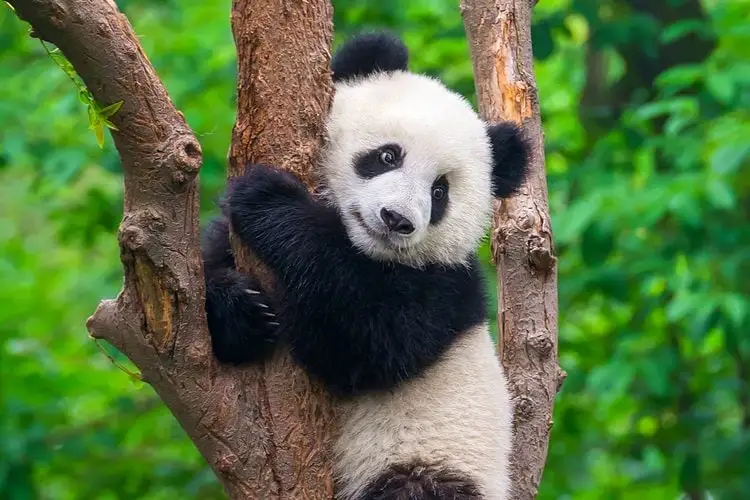
Panda Bears
Via Reader’s Digest
Pandas spend much of the day eating bamboo, but powerful jaws, strong teeth, and heavy bodies can cause severe injuries when threatened or cornered.
Hedgehogs
Via Reader’s Digest
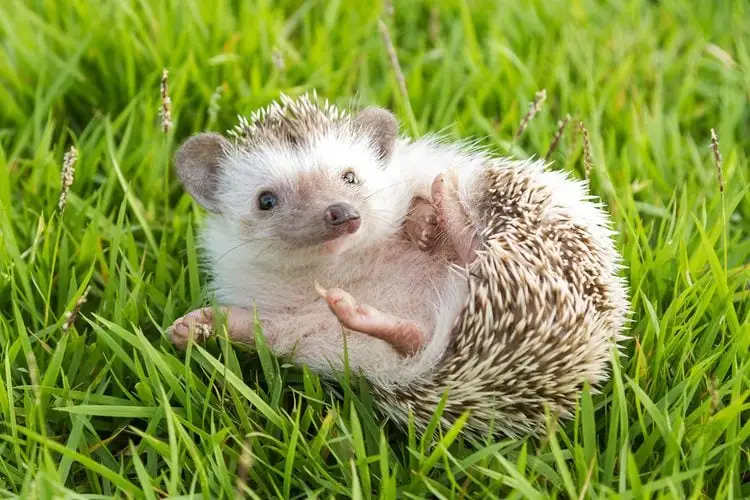
Hedgehogs are small and often kept as pets, yet their stiff defensive spines can puncture skin and make careless handling painful when they feel unsafe.
Swans
Via Reader’s Digest
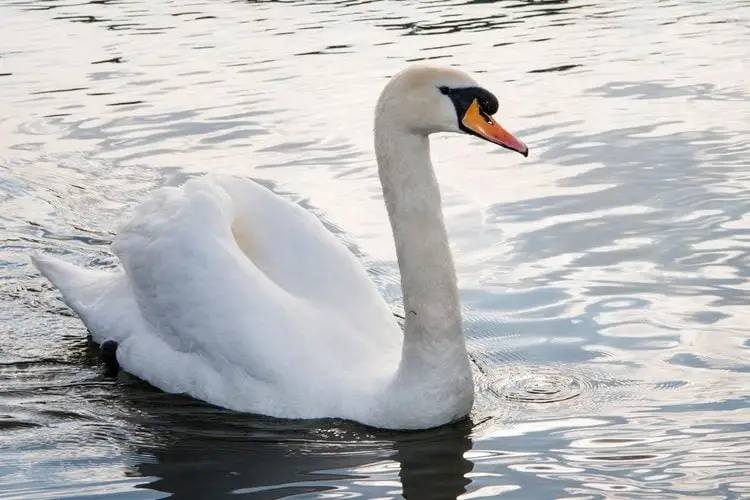
Swans look graceful on water, but nesting adults can hiss, strike, flap, and rush toward perceived threats, especially when protecting eggs or young cygnets.
Polar Bears
Via Reader’s Digest
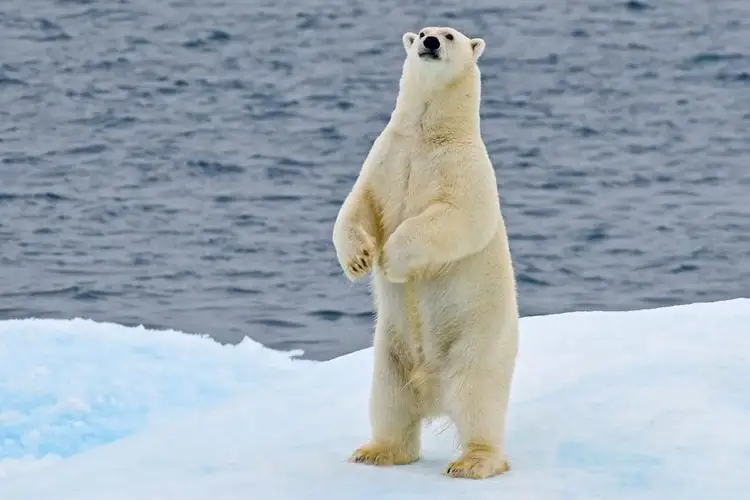
Polar bears may look soft and playful, but they are massive Arctic predators with great strength, sharp claws, and the ability to seriously injure people.
Owls
Via Reader’s Digest
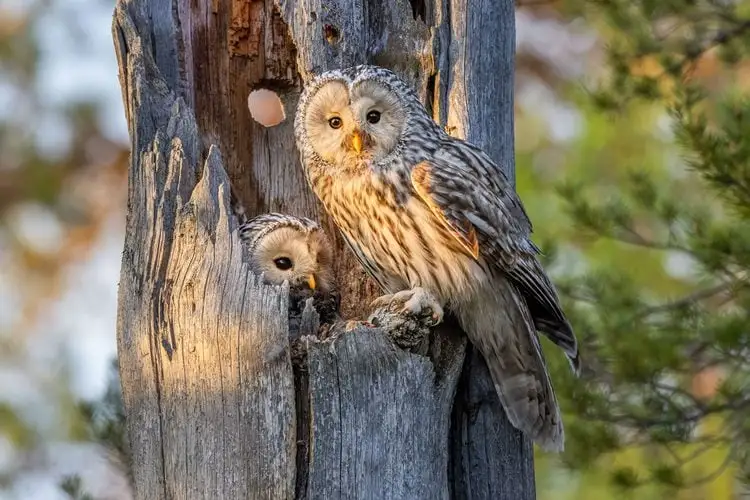
Owls usually avoid humans, yet sharp talons can cause deep wounds when a bird defends a nest, feels trapped, or reacts to unusual food shortages.
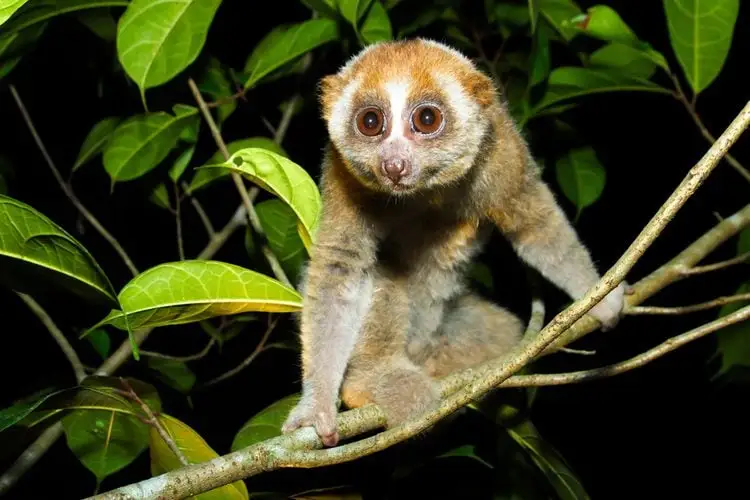
Slow Lorises
Via Reader’s Digest
Slow lorises have large, gentle-looking eyes, but their bite can deliver venom created from gland secretions and saliva, sometimes causing severe allergic reactions.
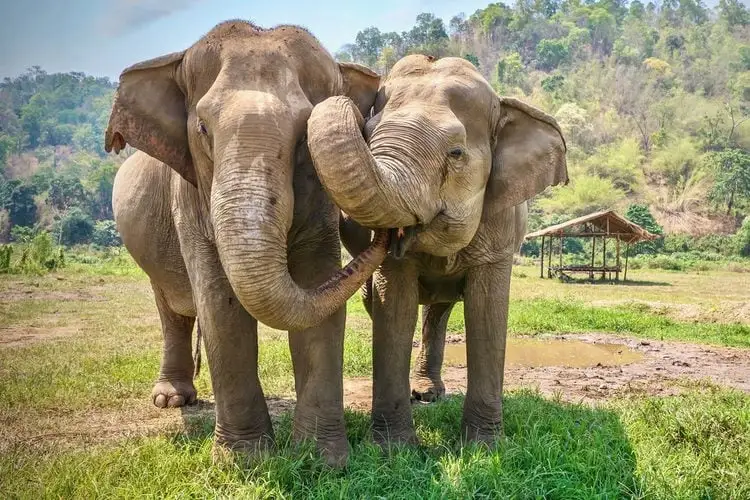
Elephants
Via Reader’s Digest
Elephants are intelligent and social, yet their huge size, tusks, trunks, and strength make defensive charges extremely dangerous during conflict, stress, or habitat pressure.
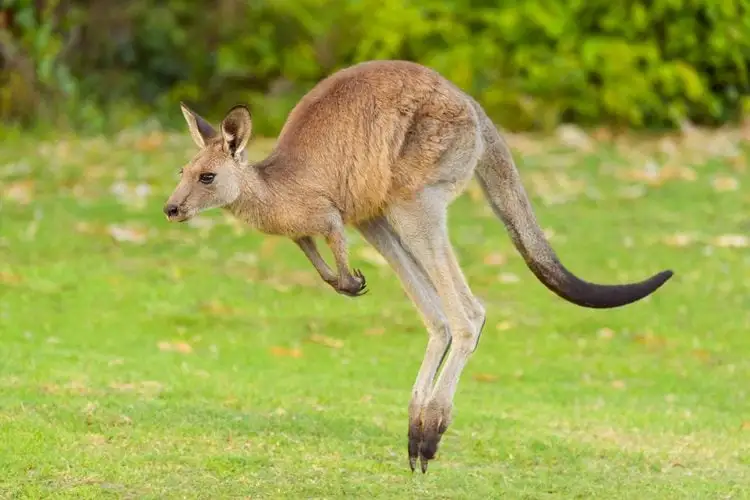
Kangaroos
Via Reader’s Digest
Kangaroos usually avoid conflict, but strong hind legs, sharp claws, and powerful kicks can cause serious injuries when an animal feels trapped, challenged, or provoked.
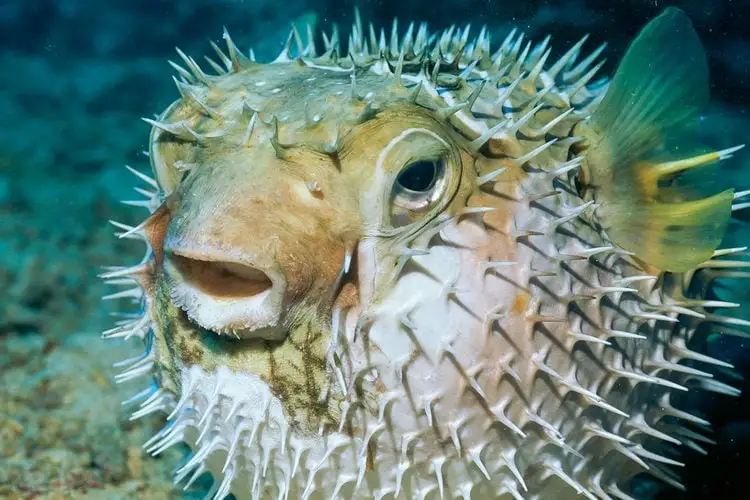
Pufferfish
Via Reader’s Digest
Pufferfish look unusual rather than fierce, yet many contain tetrodotoxin in their tissues, a potent poison that can cause paralysis and may be fatal.
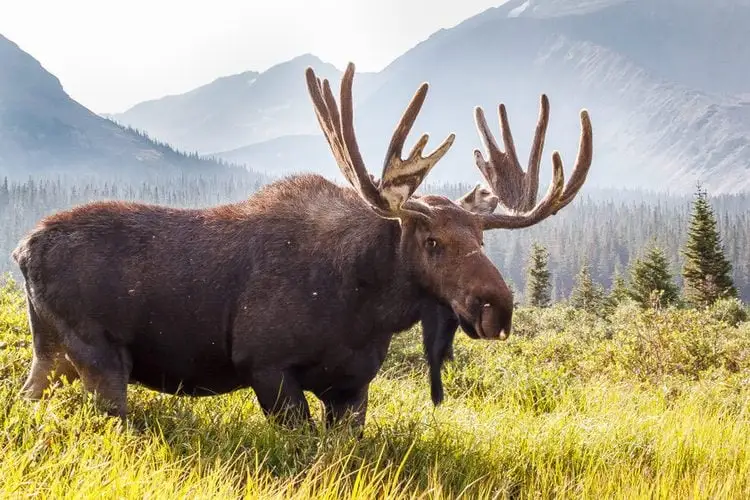
Moose
Via Reader’s Digest
Moose are large and fast, and they may charge when stressed, cornered, protecting calves, or reacting aggressively during the breeding season in autumn.
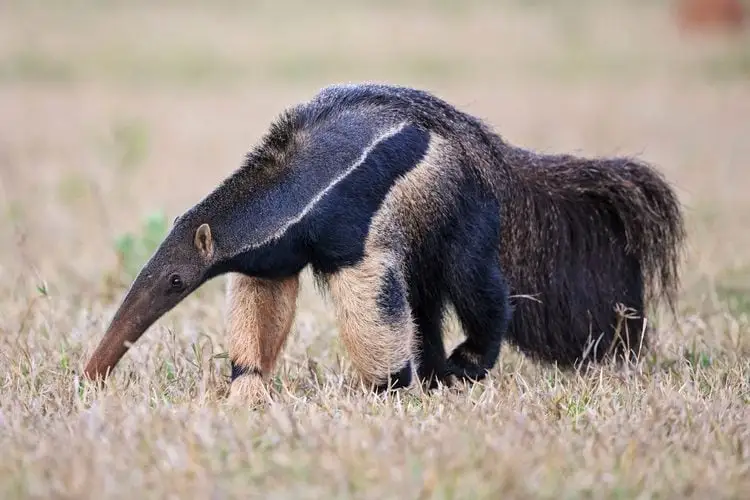
Giant Anteaters
Via Reader’s Digest
Giant anteaters have no teeth, but long foreclaws built for tearing nests can inflict deep wounds when the animal rises defensively and grapples a threat.
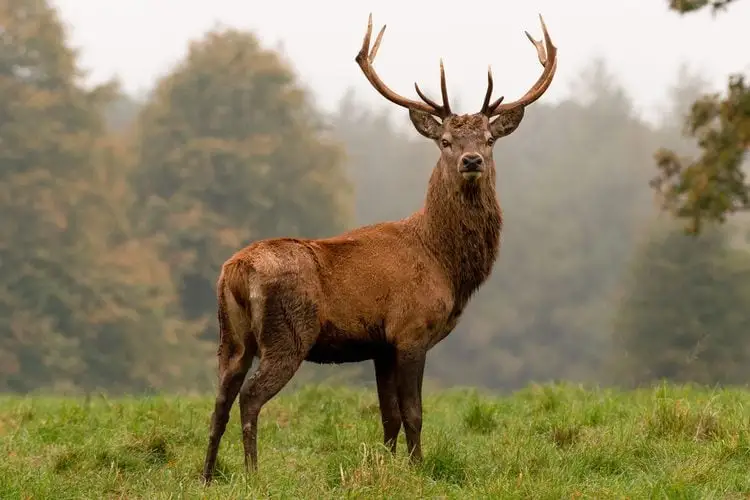
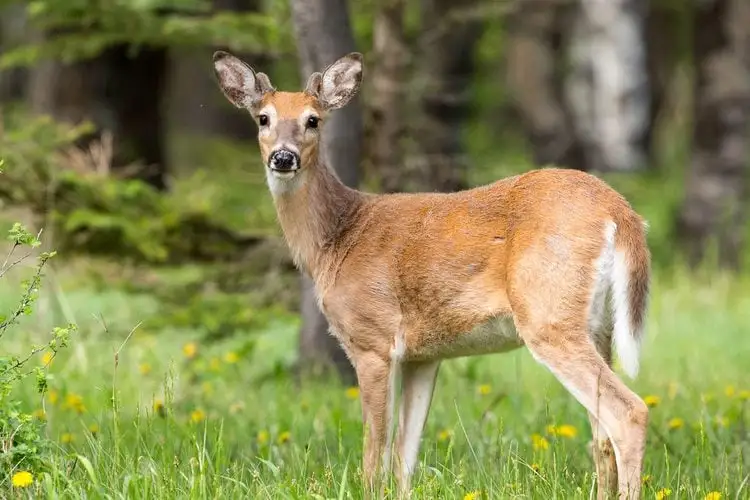
Deer
Via Reader’s Digest
Deer usually flee from danger, yet bucks, trapped animals, and protective mothers may charge, kick, or strike when close contact removes a safe escape route.
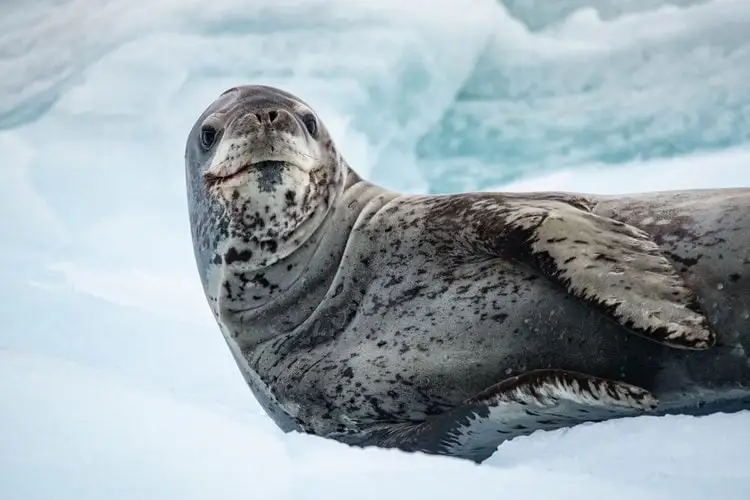
Leopard Seals
Via Reader’s Digest
Leopard seals are powerful Antarctic predators with large jaws and strong bodies, and rare human encounters can become dangerous around water, prey, or territorial behavior.
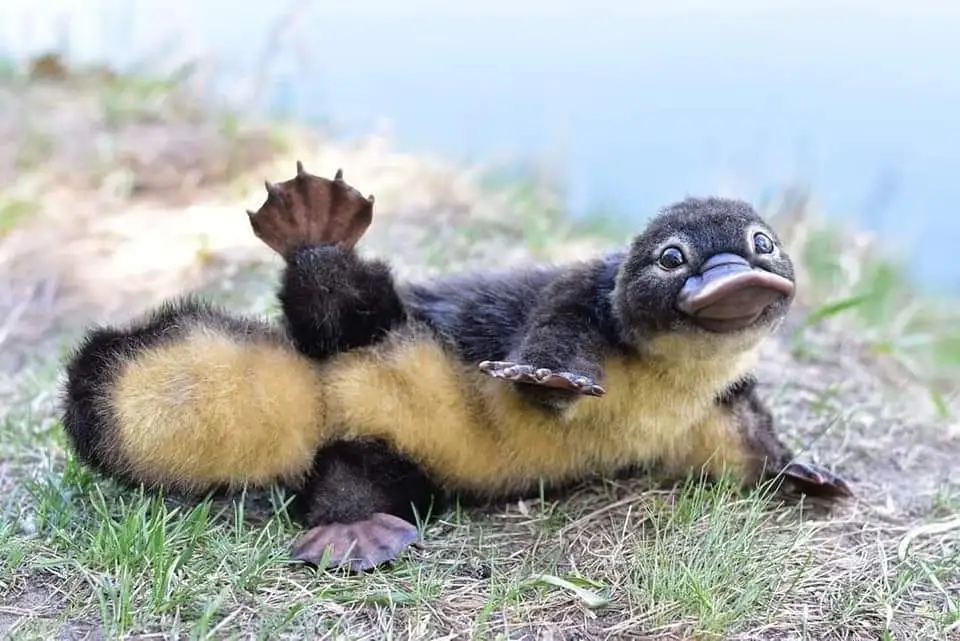
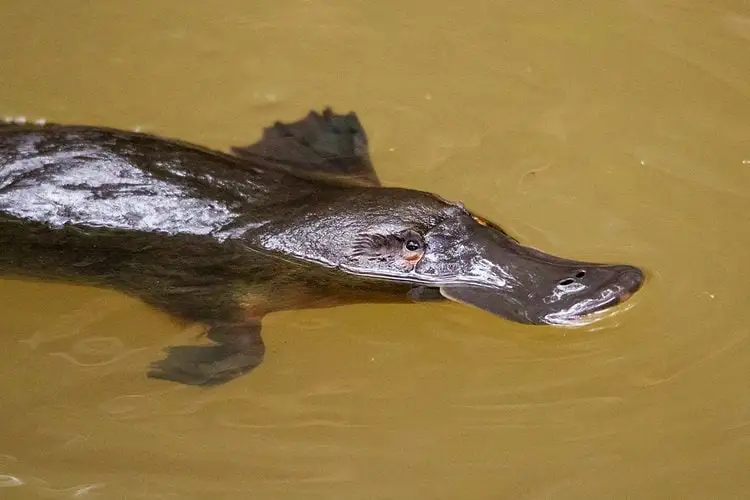
Platypuses
Via Reddit
Male platypuses carry venomous heel spurs on hind legs, and a strike can cause intense pain and swelling even though human deaths are extremely rare.
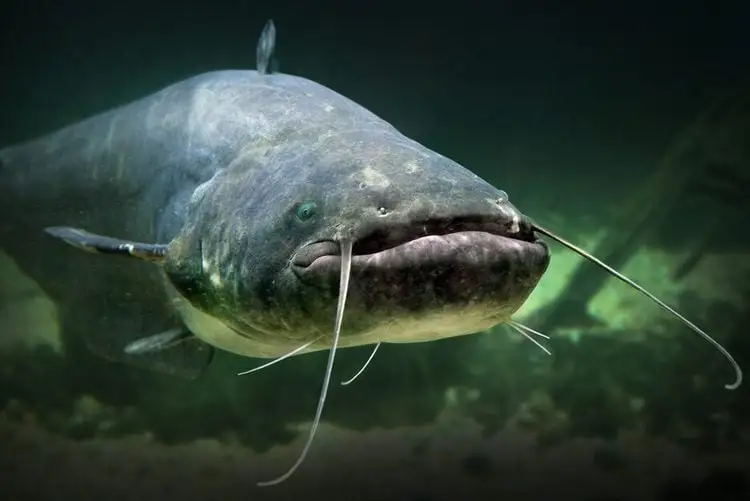
Catfish
Via Reader’s Digest
Many catfish species have sharp fin spines, and some are venomous, causing pain, swelling, numbness, or other symptoms when handled carelessly or stepped on.
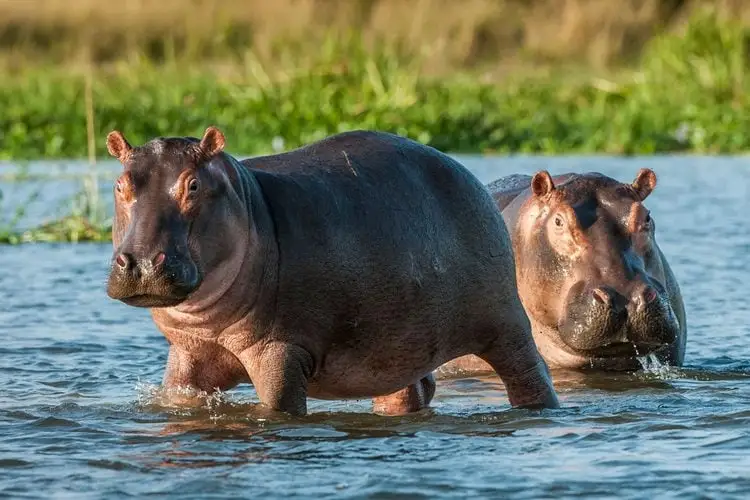
Hippos
Via Reader’s Digest
Hippos can appear calm while resting in water, but their speed, territorial behavior, huge jaws, and powerful bodies make close encounters especially dangerous.
Respect Wildlife From a Distance
The most important lesson from these animals is simple: appearance is a poor guide to risk. A species can look soft, slow, playful, or peaceful while still carrying effective defenses. Teeth, claws, venom, spines, speed, size, and protective instincts developed for survival, not for human entertainment. Many incidents happen because people move too close, block an animal’s path, approach young, attempt to feed wildlife, or mistake stillness for friendliness. Safe behavior starts with distance. Wildlife should not be touched, chased, cornered, or encouraged to approach for photographs.
Different settings require different precautions. Hikers in moose country should watch for warning behavior and leave room for the animal to move away. Visitors near polar bear habitat need local safety guidance because these bears are active predators. People around swans, deer, elephants, or kangaroos should avoid crowding animals and should take extra care during breeding or parenting seasons. Venomous or toxic species create another kind of risk. Pufferfish should be prepared only under proper food-safety systems, while unfamiliar catfish and wild mammals should not be handled casually. Even animals kept as pets, such as hedgehogs, require informed care and gentle handling.
Via Reader’s Digest
Respect also supports conservation. Fear can lead to needless hostility toward animals, while careless fascination can encourage dangerous contact. A balanced view recognizes that wildlife is neither evil nor automatically friendly. Each species behaves according to biology, environment, experience, and immediate pressure. Learning about those patterns helps people reduce conflict and protect both human safety and animal welfare. Social media may turn a hippo, panda, owl, or slow loris into a lovable star, but a viral image never removes instincts. The safest form of admiration keeps wild animals wild, gives them enough space, and treats warning signs seriously. Cute creatures can remain fascinating without becoming close companions. Knowledge, distance, and calm behavior offer the best protection when beauty and danger exist in the same animal. Responsible observation also protects animals from stress, capture, injury, and punishment after avoidable encounters. Clear rules, trained guides, secure food storage, and respect for protected habitats can make shared spaces safer for nearby communities.