Animals

16 Signs Dogs Are Smarter Than Most People Realize
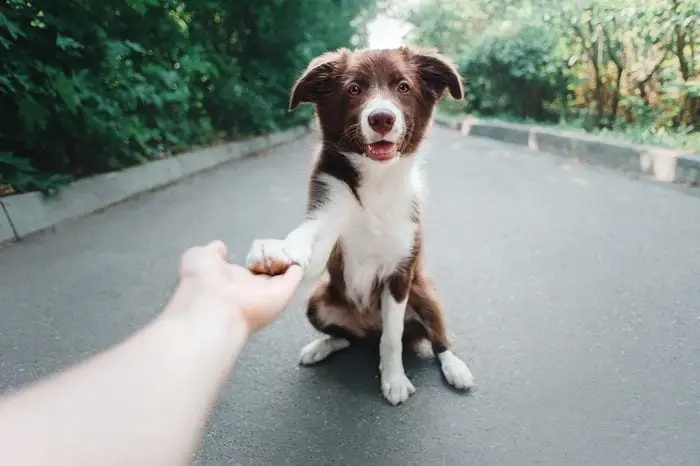
Dogs have lived beside humans for thousands of years, and that long partnership has shaped more than simple companionship. Many dogs can read body language, follow gestures, remember routines, learn words, and adjust behavior after watching people. These skills may look ordinary because they happen at home every day, yet they reveal a flexible kind of intelligence built around social life. A dog waiting near a food bowl at the usual hour, responding differently to several tones of voice, or finding a hidden toy after a pointing gesture is doing more than following instinct. Such actions can involve memory, attention, learning, expectation, and careful observation.
Canine intelligence is not measured by a single test. Breed, age, training, health, motivation, and past experience can all affect performance. Some dogs excel at learning commands, while others are better at scent work, problem solving, cooperation, or reading emotional signals. Working dogs may perform highly specialized tasks because natural abilities have been strengthened through careful training. Family pets can also show impressive mental skills in quieter ways, such as recognizing familiar words, noticing changes in mood, or choosing a behavior that has earned a reward before. These differences make dog intelligence broad, practical, and closely tied to real situations.
Via Reader’s Digest
Research on dog behavior has explored vocabulary learning, facial expressions, scent expectations, brain activity, gesture reading, play signals, and social bonding. Findings do not mean every dog has the same abilities or that canine minds work exactly like human minds. They do show that dogs are unusually skilled at paying attention to people and adapting to shared environments. Domestication, learning, and daily contact have helped make dogs strong social partners. Intelligence can also appear through persistence and choice. A dog may try several actions to open a simple puzzle, return to a location where food was found earlier, or seek help from a person when a task becomes difficult. Looking closely at these everyday behaviors can change the common idea that dogs simply react without thinking.
1. Masters of Communication
Via Reader’s Digest
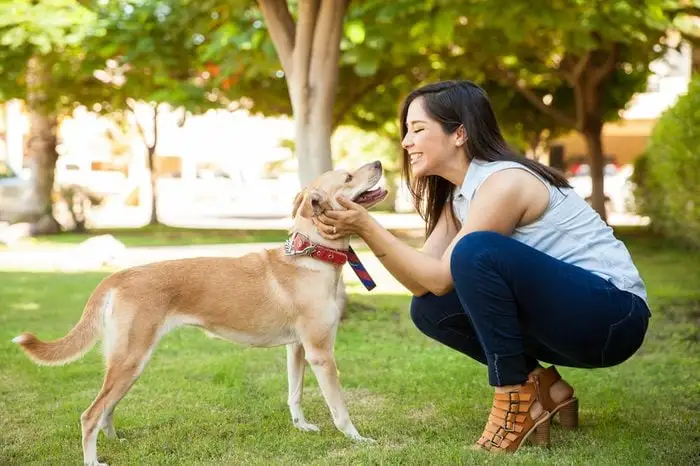
Dogs can learn which barks, whines, looks, or movements bring certain responses, making everyday communication with people more flexible and purposeful.
2. Large Learned Vocabularies

Via Reader’s Digest
Many dogs learn words for actions, objects, and routines, while exceptional individuals can remember hundreds of spoken labels through repeated training and play.
3. Responsive to Dog-Directed Speech

Via Reader’s Digest
Dogs often pay closer attention when friendly, emotional speech includes familiar dog-related words, showing sensitivity to both tone and meaningful language.
4. Mental Pictures From Scent

Via Reader’s Digest
While following a scent trail, dogs can form expectations about the hidden object and react with surprise when the result differs.
5. More Cortical Neurons Than Cats

Via Reader’s Digest
Research comparing brain cells found dogs have more neurons in the cerebral cortex than cats, though neuron counts alone do not define intelligence.
6. Facial Expressions for Attention

Via Reader’s Digest
Dogs change some facial movements when people are watching, suggesting expressions can be influenced by human attention rather than excitement alone.
7. Reading Happy and Angry Faces
Via Reader’s Digest
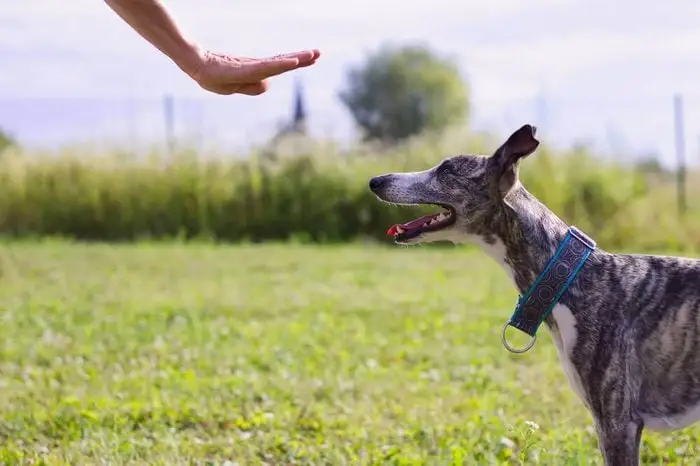
Experiments show dogs can distinguish happy human expressions from angry ones, even when viewing unfamiliar faces rather than only familiar people.
8. Processing Words and Tone

Via Reader’s Digest
Brain imaging suggests dogs respond to word meaning and vocal tone through partly different brain processes, helping them interpret spoken praise.
9. Following Human Gestures

Via Reader’s Digest
Dogs are unusually skilled at using pointing and other human gestures to locate food or objects, supporting cooperation and social problem solving.
10. Catching Contagious Yawns
Via Reader’s Digest
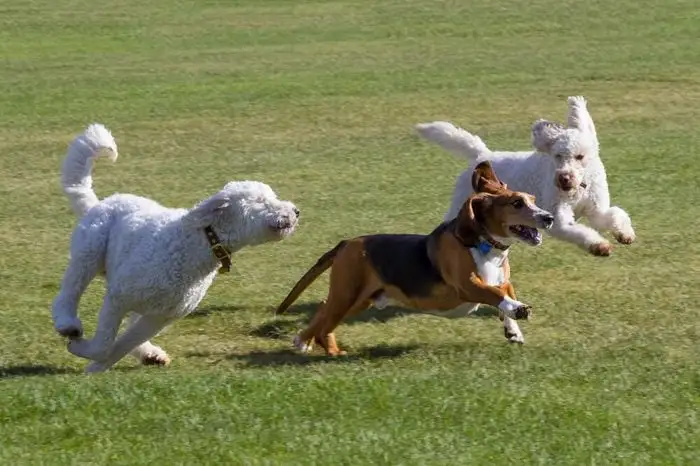
Some dogs yawn after seeing or hearing humans yawn, a social response linked with attention and possibly emotional connection, though interpretations vary.
11. Making Play-Pant Sounds

Via Reader’s Digest
During play, dogs produce special breathy panting sounds that researchers have compared with laughter because the sounds can encourage positive social behavior.
12. Showing Rapid Social Mimicry

Via Reader’s Digest
Dogs sometimes copy another dog's play bow or relaxed facial expression within seconds, helping friendly play continue longer and more smoothly.
13. Performing Life-Saving Tasks

Via Reader’s Digest
Trained service dogs can guide, assist, retrieve, respond to medical changes, and use powerful scent abilities for tasks that protect human safety.
14. Learning From Bad Experiences

Via CDC
Dogs can remember frightening events and avoid similar situations later, showing how past experience shapes future choices, caution, and learned behavior.
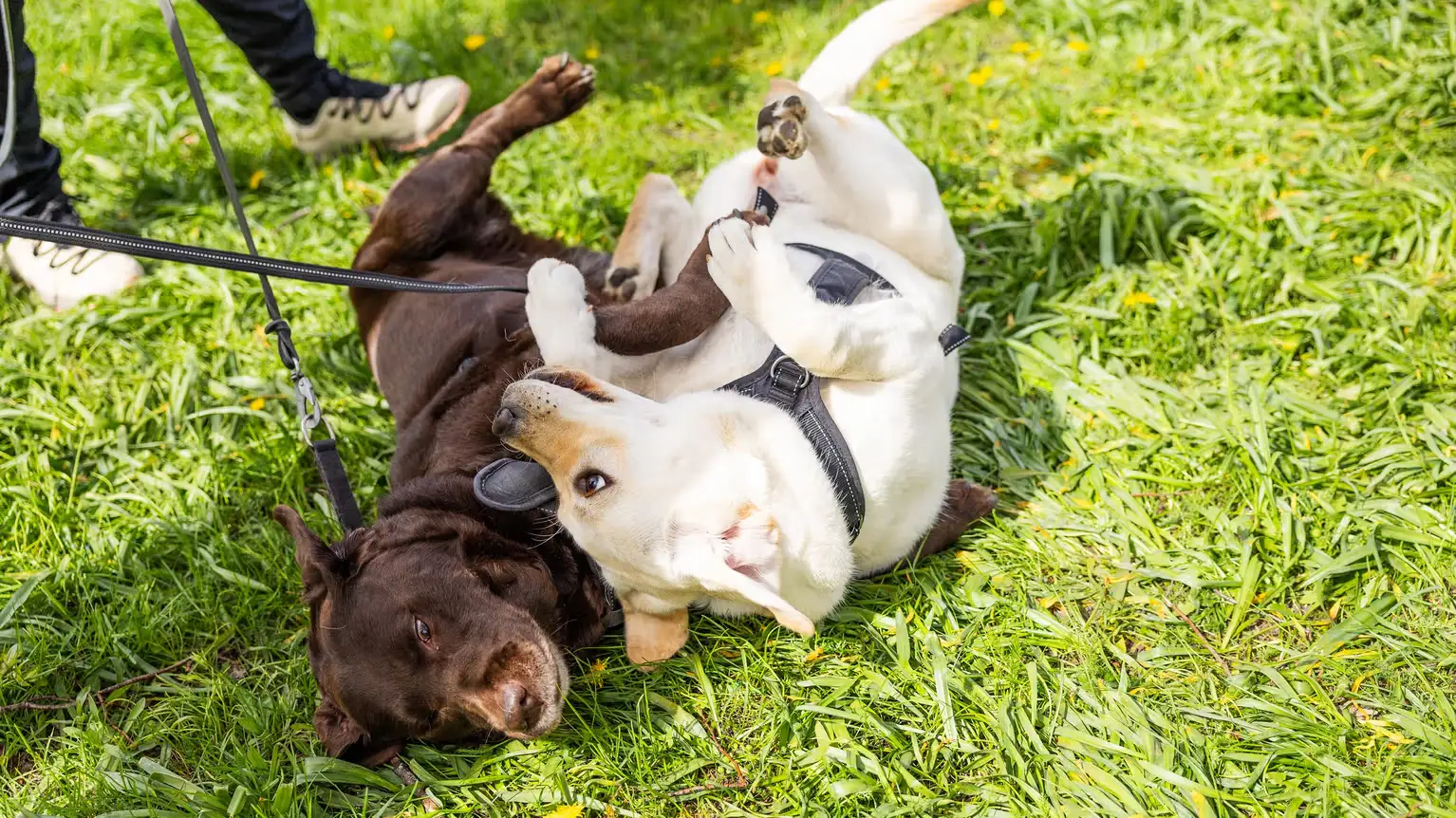
15. Working to Earn Approval
Via YLE
Many dogs repeat behaviors that bring praise, rewards, or social contact, showing strong learning skills shaped by cooperation and close relationships.
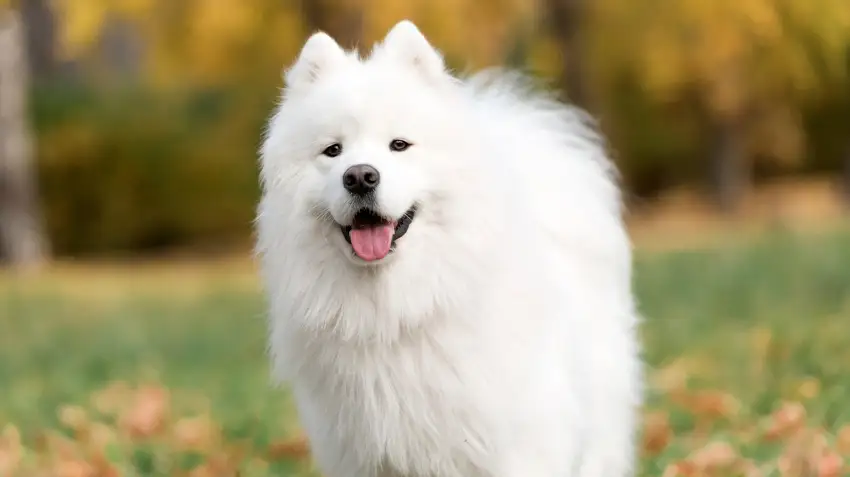
16. Sensing Weather Changes Early
Via Nationwide Pet Insurance
Sensitive hearing, smell, and awareness of pressure or electrical changes may help dogs notice approaching storms before many people detect them.
What Dog Intelligence Reveals
Dog intelligence becomes easier to appreciate when attention moves beyond obedience scores or flashy tricks. Communication, memory, scent, emotional awareness, gesture reading, and learning from experience all reveal different parts of canine thinking. A dog that watches a face, follows a pointing hand, remembers a frightening event, or changes behavior to earn praise is using information from the surrounding world. These abilities developed through a mix of biology, domestication, individual experience, and repeated contact with humans. No single example proves that every dog thinks in the same way, but together they show why dogs can adapt so successfully to homes, workplaces, farms, rescue teams, and service roles.
The strongest lesson is that intelligence has many forms. One dog may learn object names quickly, another may excel at scent tracking, and another may be especially skilled at reading social signals. Breed tendencies can matter, but training history, age, health, confidence, and motivation also shape what a dog can show. Some research findings remain open to debate, especially when scientists try to connect behaviors such as contagious yawning with empathy or compare overall intelligence across species. Careful wording matters because a clever behavior does not always have one simple explanation. Still, the growing body of dog-cognition research supports a clear idea: canine minds are active, responsive, and highly tuned to social information.

Via Tails
Recognizing these abilities can improve the way people live with dogs. Clear signals, patient training, mental challenges, safe exploration, and consistent routines give dogs more chances to use natural skills. Puzzle toys, scent games, reward-based lessons, and calm social contact can support learning without turning every moment into a test. Paying attention to body language also helps people notice fear, excitement, confusion, or interest before behavior becomes difficult. Dogs may never use human language or solve problems exactly as humans do, yet their intelligence is valuable on its own terms. From reading expressions to detecting subtle changes in the environment, dogs continue to show that familiar companions can possess surprisingly complex ways of understanding the world. That combination of awareness, memory, and cooperation makes canine intelligence both practical and remarkable.