Unassigned
2025 Fashion Trends - What to Expect in Style and Sustainability

To redefine style for a forward-thinking society, the fashion industry is undergoing a revolutionary transformation as we enter 2025. This movement combines sustainability, cutting-edge technology, and daring self-expression. These trends strike a deep chord in Vancouver, a city teeming with progressive ideals and inventiveness, creating a vibrant fashion culture that strikes a balance between responsibility and innovation.
 Via trendrouge
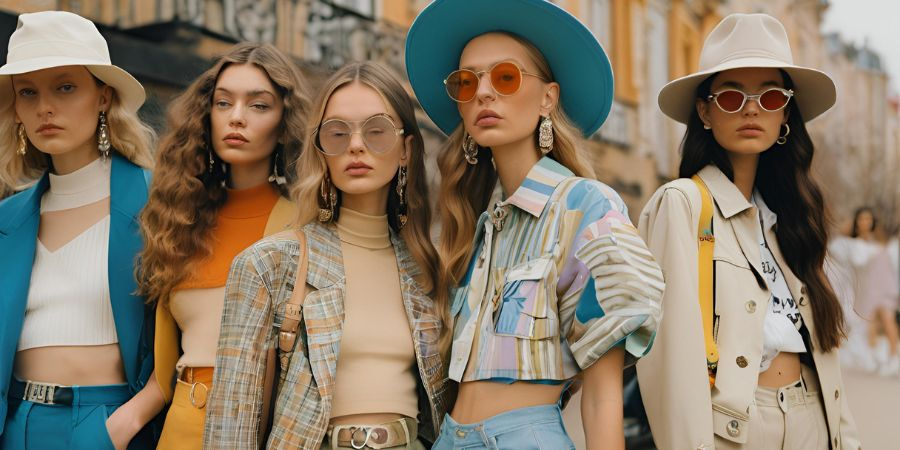
With designers using eco-friendly materials like organic cotton, recycled textiles, and biodegradable textiles to create collections that prioritise the environment without sacrificing style, sustainability is no longer a niche idea but rather a driving force. Smart fabrics, 3D-printed clothing, and augmented reality fashion experiences are examples of how technology is pushing the envelope while fusing style and utility, all of which are in perfect harmony with Vancouver's booming tech scene.
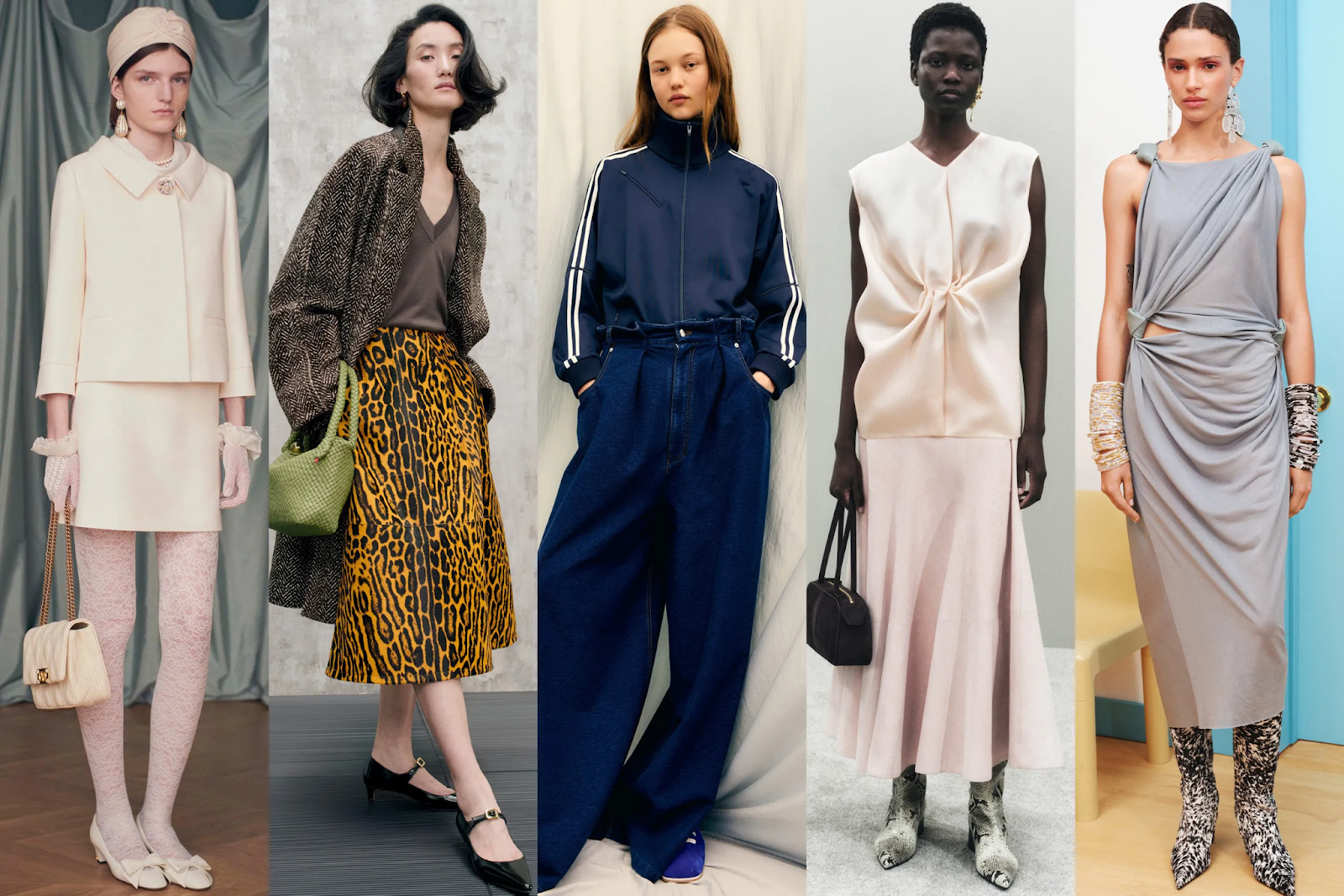
While gender-neutral designs and customised creations appeal to a wide audience seeking uniqueness over convention, bold colours, large silhouettes, and a nostalgic Y2K revival are bringing vitality and amusement to wardrobes. 2025 honours fashion as a vehicle for both individual expression and social transformation, from avant-garde sculptures that can be worn as art to sophisticated streetwear that blends luxury and informal comfort.
 Via Vogue
At the forefront of these changes are Vancouver's designers, who are driven by the city's artistic vibrancy and commitment to diversity. They are rethinking digital fashion for virtual platforms such as the metaverse and vintage-inspired designs.
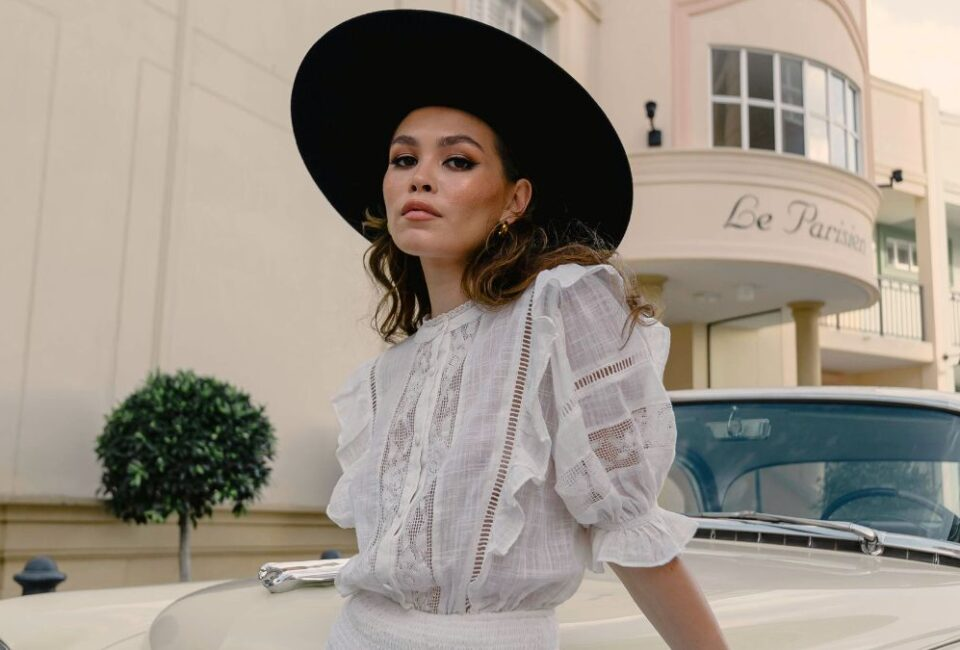 Via Vocal Media
Brands in Vancouver, where environmental awareness is high, apply circular fashion concepts when creating clothing that can be reused or recycled. Transparent production methods foster confidence, while upcycled designs turn used materials into new products. Green certifications that demonstrate a dedication to sustainability, such as Fair Trade or the Global Organic Textile Standard, become essential components of corporate identity.
Durability is a top priority for consumers; thus, designers should prioritise quality above quantity. It is crucial to source eco-friendly materials like recycled cotton or biodegradable fibres. To lessen their carbon footprints, local Vancouver designers use locally available resources like recycled ocean plastics or organic linen. Modular designs and plant-based dyes are two examples of innovations that enable clothing to change over time and prolong its lifespan.
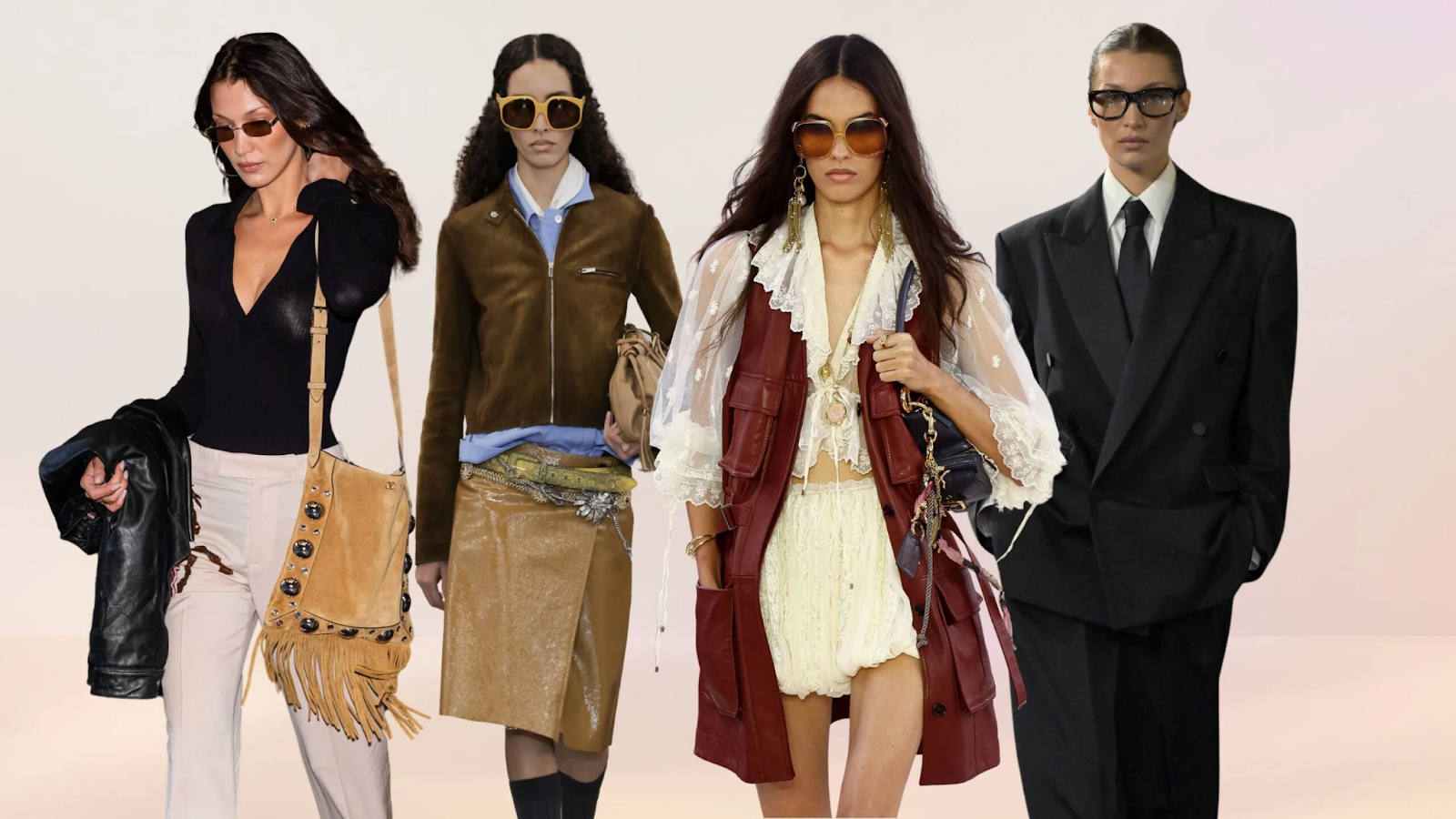 Via ELLE Australia
Minimal fabric waste is ensured by using digital technologies to help create zero-waste patterns. Community-driven sustainability is strengthened through cooperation with ethical manufacturers and regional craftspeople. Vancouver's environmentally concerned culture encourages thoughtful consumption through upcycled apparel pop-up markets and repair programs. To be in line with this movement, aspiring designers need to give sustainable sourcing and creative methods top priority.
Transparency and certifications not only draw in environmentally conscious customers, but they also establish industry standards. By adopting circularity and designing with purpose, designers help create a more environmentally friendly future by making sure that fashion meets the demands of the world.
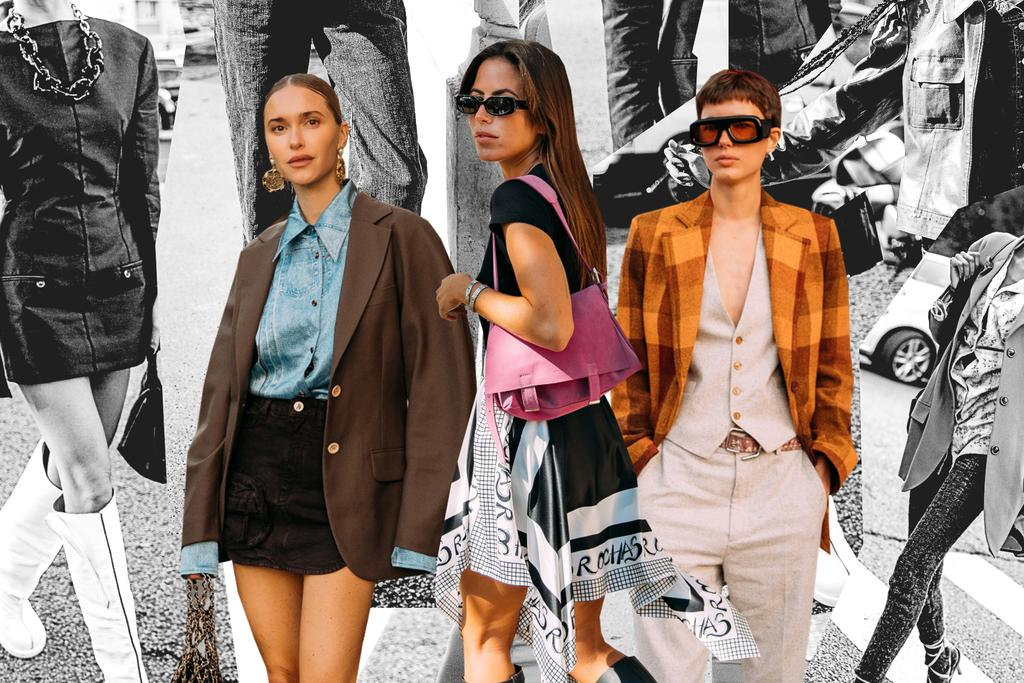 Via Vogue
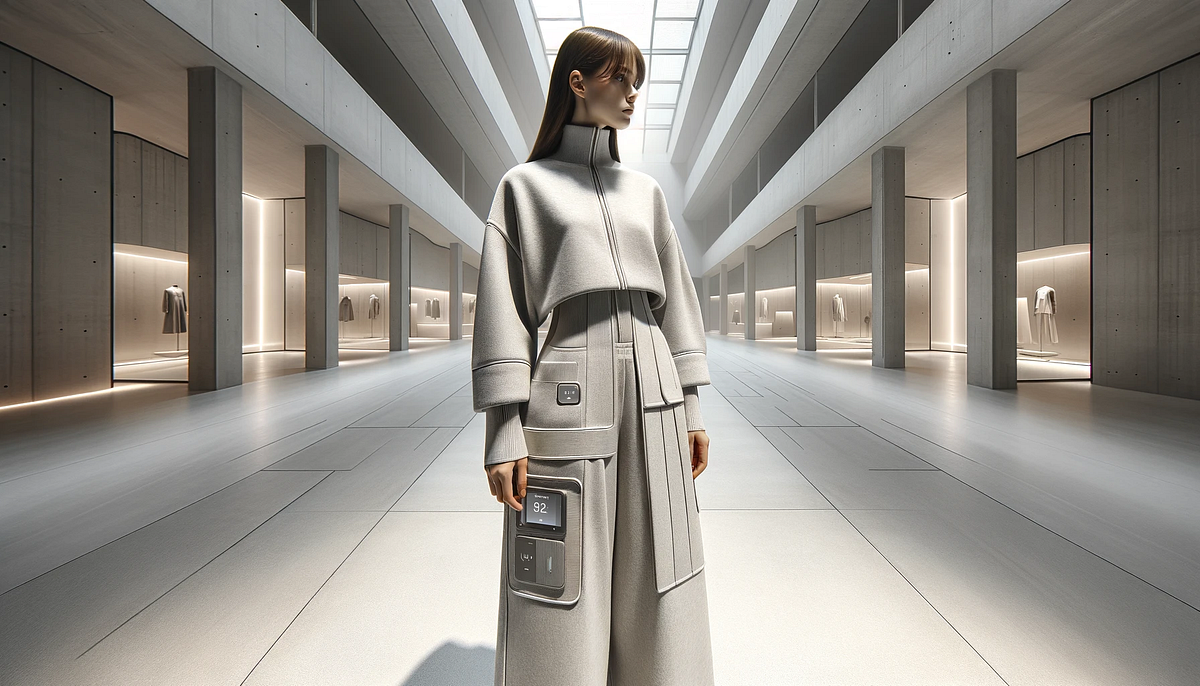 Via Medium
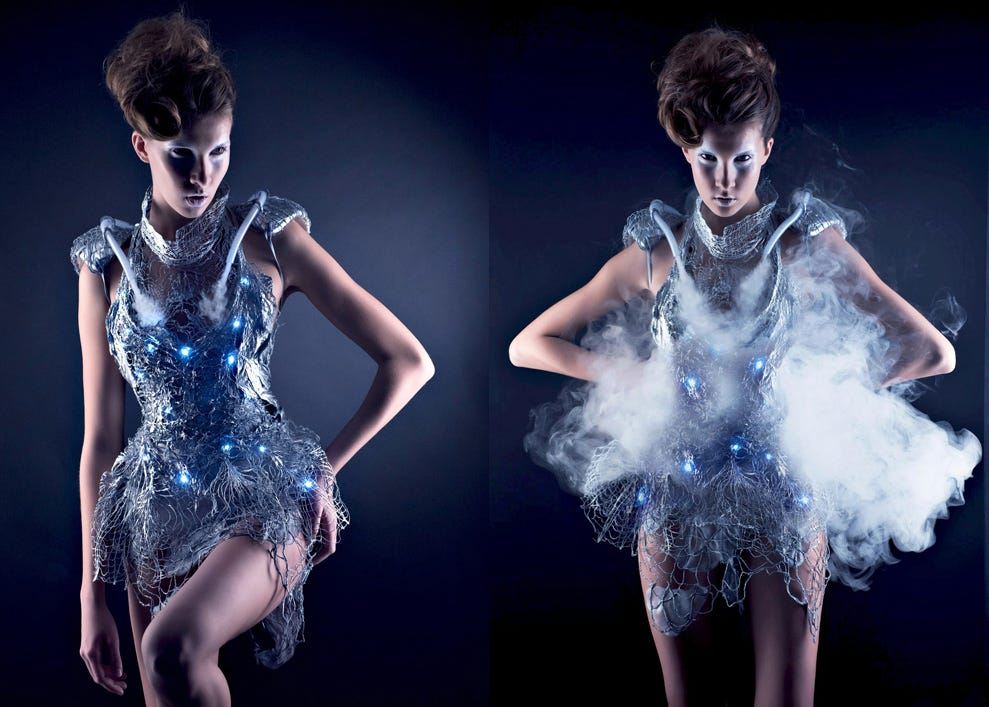
While 3D printing reduces waste and enables precise production, smart textiles improve user experience with features like temperature regulation or moisture-wicking, and Vancouver's thriving tech scene encourages designers to incorporate digital elements like blockchain for supply chain transparency or augmented reality fitting rooms. To push the bounds of creativity, designers experiment with responsive materials like electrical threads or shape-memory textiles.
Tech hubs and local startups work together to create prototypes that combine fashion with AI-powered customisation. Digital wardrobes and virtual try-ons transform shopping experiences by making them accessible and sustainable. To produce hybrid designs, aspiring designers should collaborate with tech innovators or try their hand at coding.
 Via Medium
Using digital tools such as wearable sensors or 3D modelling software brings up new creative possibilities. Vancouver is at the forefront of this trend thanks to its innovative blend of technology and fashion, which inspires designers to reimagine the future of fashion.
 Via The Guardian
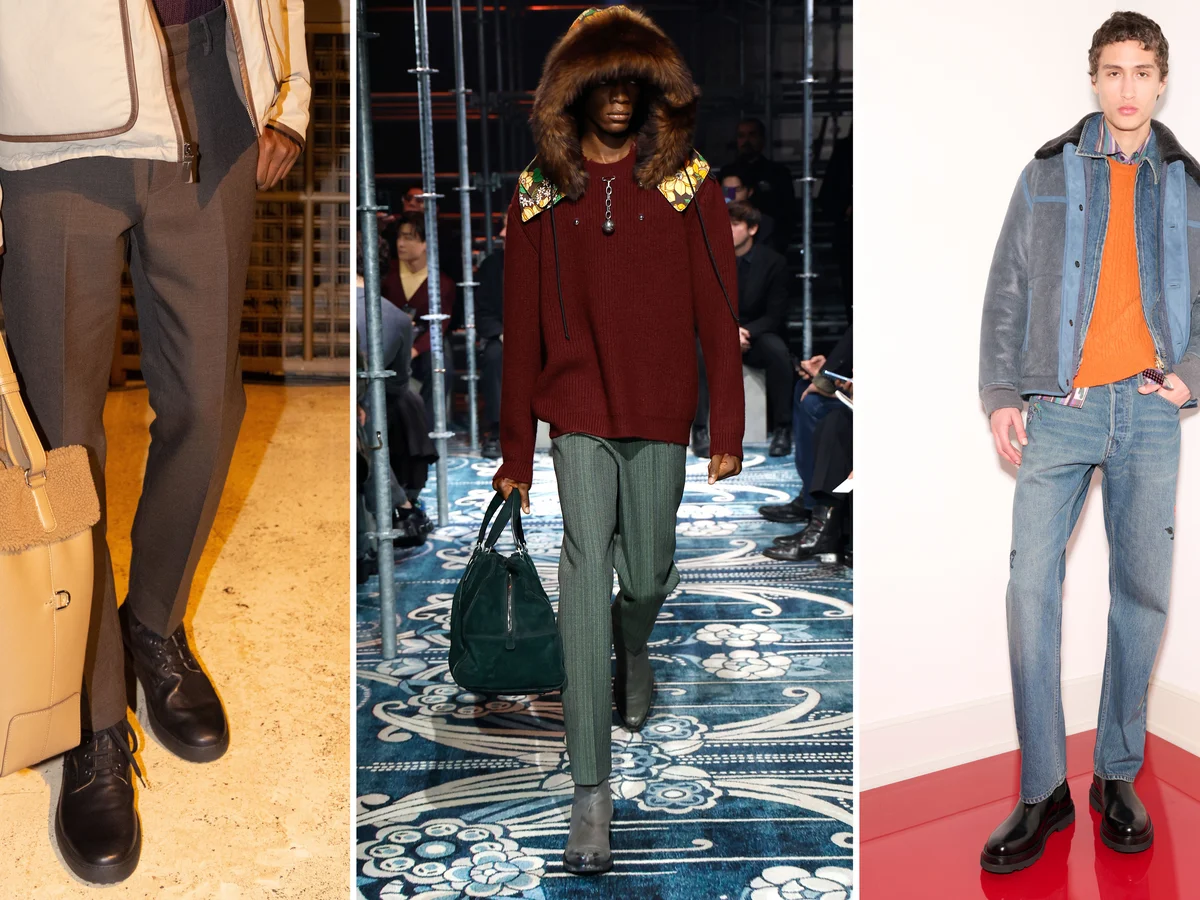
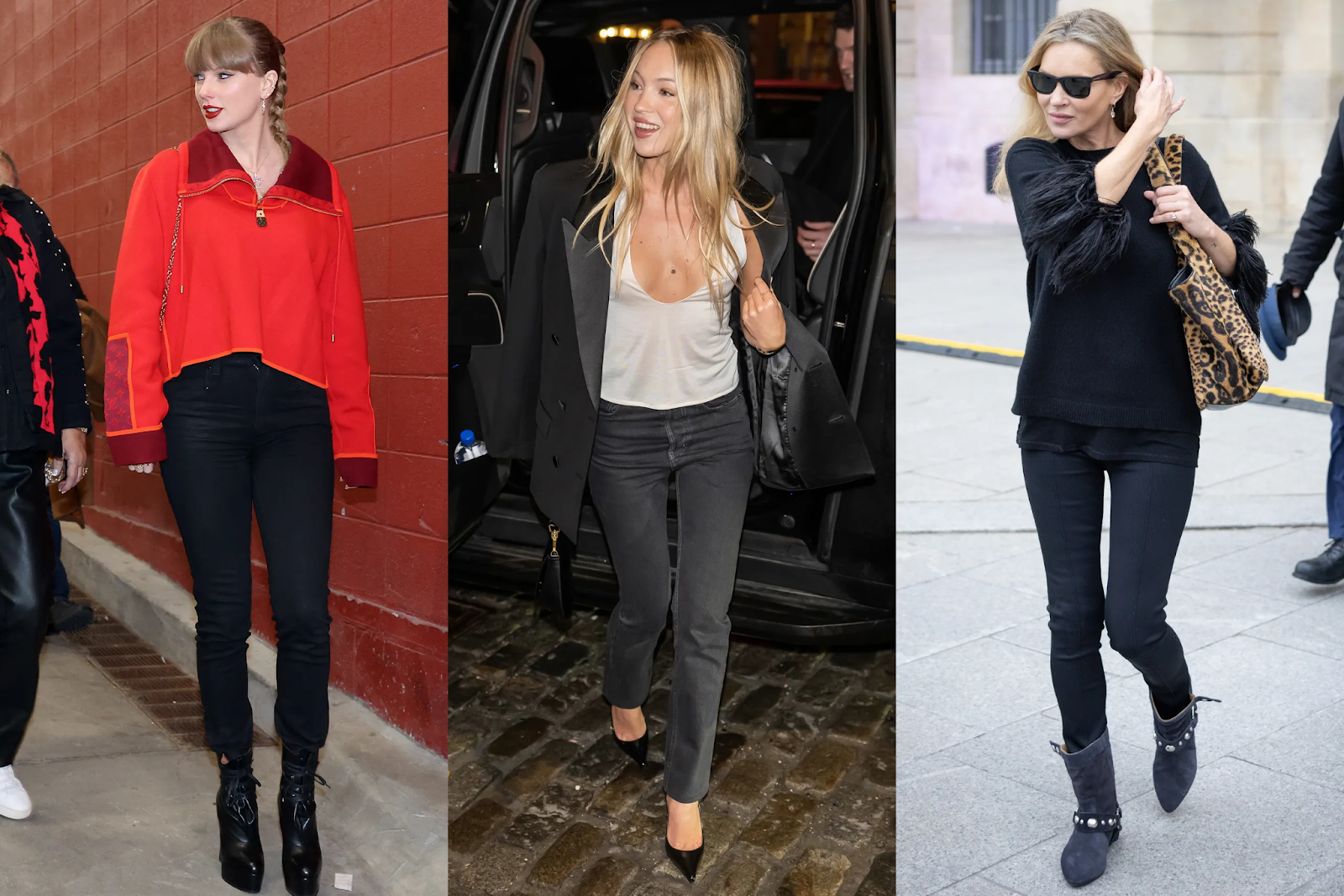
Vancouver designers are embracing this comeback by fusing the classic style with contemporary fashions like clunky sneakers, flowy tops, and big coats. The end effect is a multipurpose style that respects the jeans' classic origins while seeming both nostalgic and modern, appealing to a new generation. In order to ensure inclusion in this comeback, high-waisted cuts and fitted fits accommodate a variety of body types.
Wearers can show their individuality through the use of distinctive finishes, like delicate needlework or distressed hems, as well as dark washes. This trend is ideal for Vancouver's fashion sector, which is renowned for its inventive spirit. To improve the look, local designers are experimenting with striking colour schemes and unusual combinations like bohemian scarves or leather coats.
 Via Vogue
Sustainability is crucial, as many brands place a high value on biodegradable materials and ethical production practices. This revival aims to redefine a classic for the contemporary moment rather than merely re-examining the past. Designers in Vancouver have a special chance to spearhead this movement by creating items that combine classic style with cutting-edge innovation, guaranteeing that slim jeans will be a wardrobe staple for many years to come.
 Via Forbes
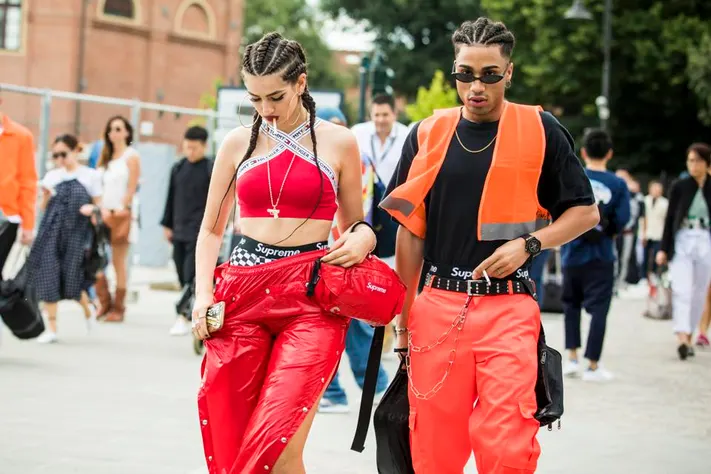
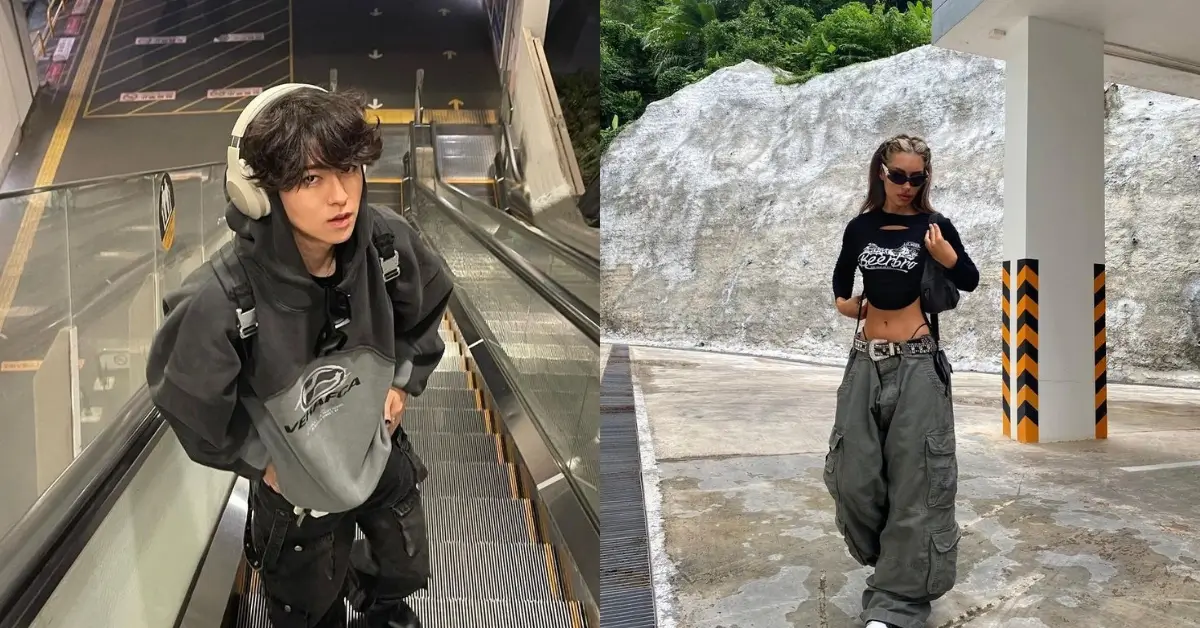
The end effect is a vibrant blend that is both new and recognisable. Using premium sustainable materials and creative cuts like asymmetrical crop tops or fitted low-rise pants, designers are reimagining Y2K classics. Bold accessories like massive chains and large sunglasses provide drama, while metallic finishes in pastel colours and silver give a futuristic edge.
The varied fashion scene in Vancouver is combining these retro elements with structured bags or simple outerwear to create well-balanced outfits that appeal to modern preferences. With eco-conscious manufacturers reusing old textiles or employing organic cotton for Y2K-inspired designs, sustainability is still a top priority.
 Via My Look
 Via Vogue
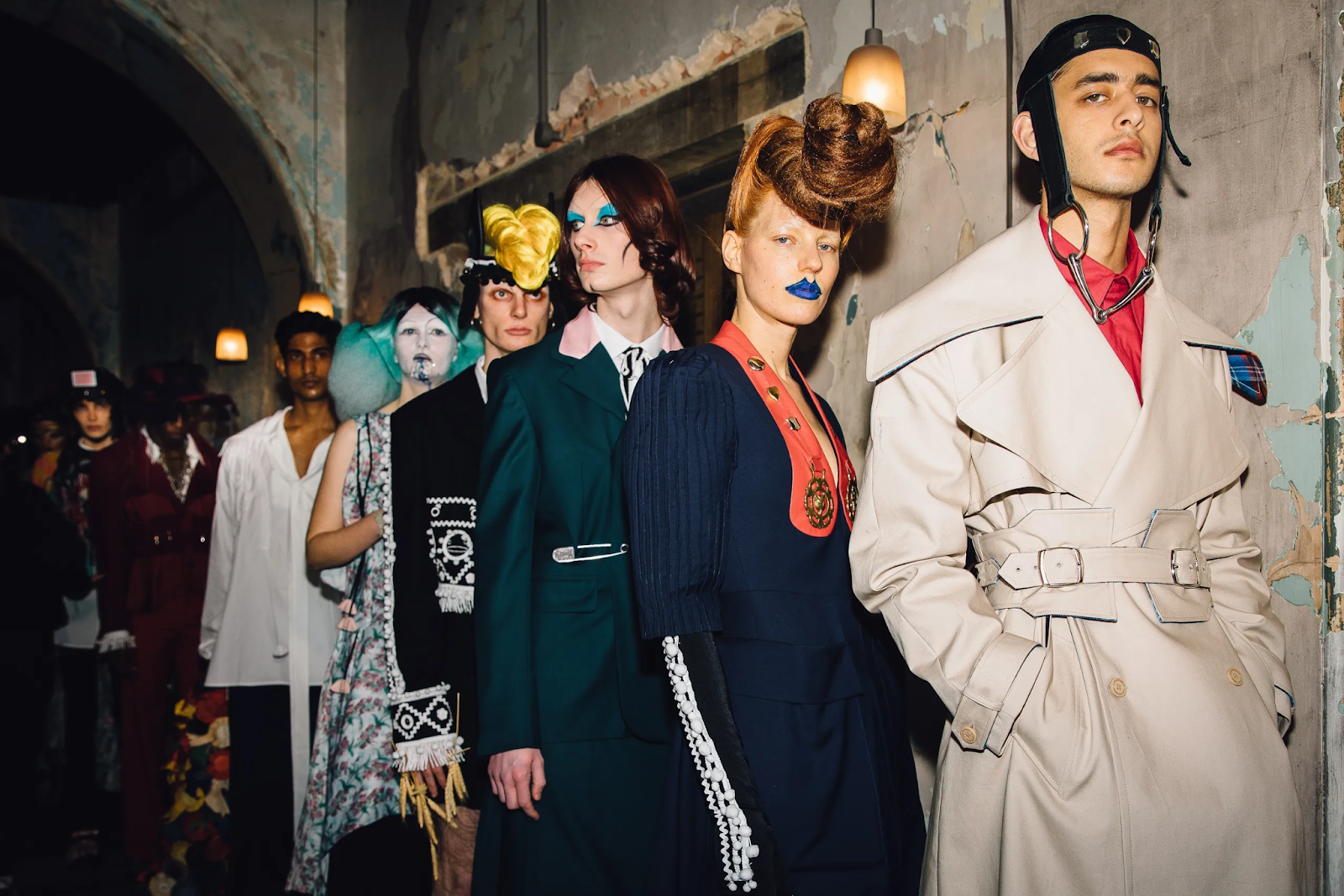
In addition to increasing market attractiveness, this strategy supports inclusive cultural trends. Popular textiles that combine sustainability and style include organic cotton, linen, and recycled fabrics. This philosophy is the lifeblood of Vancouver's fashion sector, as local manufacturers showcase gender-neutral creations in runway events and pop-up stores.
These collections frequently include reversible clothing or changeable fits like drawstring waists, which let users personalise their style. In order to include cultural narratives in designs, the movement also promotes cooperation with artists and communities.
 Via Number Analytics
This is a critical time for designers to develop and engage with audiences looking for meaningful, fashionable apparel that reflects their identities and values in a world that is changing quickly. Customers are drawn to businesses that promote diversity and authenticity.
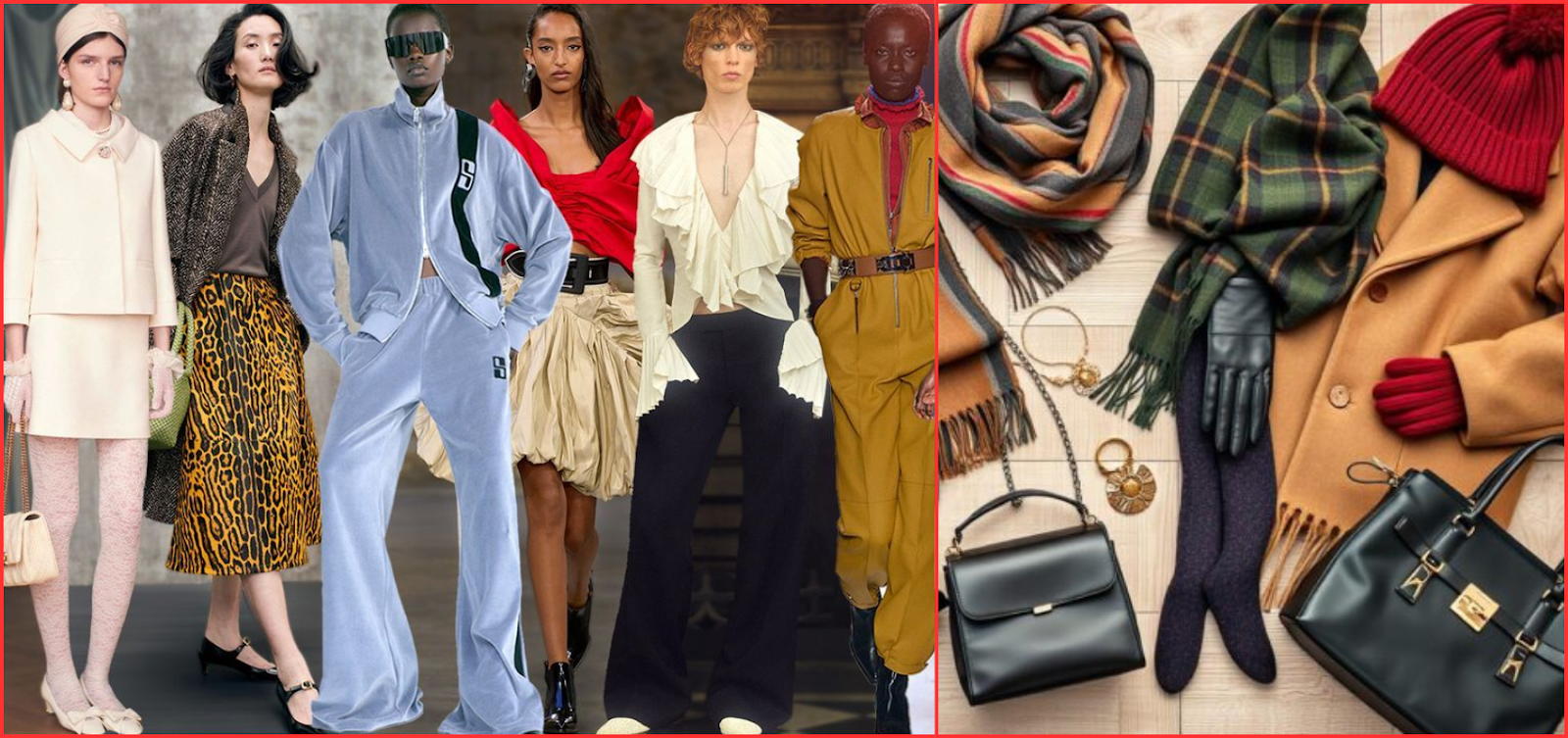 These trends drive creatives to push limits while maintaining authenticity, in addition to reflecting changing consumer values. Enrolling in our fashion design courses in Vancouver will provide you with practical experience, industry knowledge, and the self-assurance to turn your concepts into reality.
These courses enable you to stay competitive in this rapidly evolving industry by guiding you through the intricacies of contemporary fashion, from digital design tools to sustainable sourcing. Now is the moment to capitalise on current trends and leave your mark, regardless of your level of experience as a creative.
More in Unassigned
Via trendrouge
With designers using eco-friendly materials like organic cotton, recycled textiles, and biodegradable textiles to create collections that prioritise the environment without sacrificing style, sustainability is no longer a niche idea but rather a driving force. Smart fabrics, 3D-printed clothing, and augmented reality fashion experiences are examples of how technology is pushing the envelope while fusing style and utility, all of which are in perfect harmony with Vancouver's booming tech scene.
While gender-neutral designs and customised creations appeal to a wide audience seeking uniqueness over convention, bold colours, large silhouettes, and a nostalgic Y2K revival are bringing vitality and amusement to wardrobes. 2025 honours fashion as a vehicle for both individual expression and social transformation, from avant-garde sculptures that can be worn as art to sophisticated streetwear that blends luxury and informal comfort.
Via Vogue
At the forefront of these changes are Vancouver's designers, who are driven by the city's artistic vibrancy and commitment to diversity. They are rethinking digital fashion for virtual platforms such as the metaverse and vintage-inspired designs.
Sustainable Fashion Designing for a Greener Future
In 2025, sustainability will influence fashion as consumer demand propels morally and environmentally responsible behaviour. Designers use zero-waste pattern-making, organic textiles like hemp and bamboo, and recycled materials to produce collections that have as little of an impact on the environment as possible.
Via Vocal Media
Brands in Vancouver, where environmental awareness is high, apply circular fashion concepts when creating clothing that can be reused or recycled. Transparent production methods foster confidence, while upcycled designs turn used materials into new products. Green certifications that demonstrate a dedication to sustainability, such as Fair Trade or the Global Organic Textile Standard, become essential components of corporate identity.
Durability is a top priority for consumers; thus, designers should prioritise quality above quantity. It is crucial to source eco-friendly materials like recycled cotton or biodegradable fibres. To lessen their carbon footprints, local Vancouver designers use locally available resources like recycled ocean plastics or organic linen. Modular designs and plant-based dyes are two examples of innovations that enable clothing to change over time and prolong its lifespan.
Via ELLE Australia
Minimal fabric waste is ensured by using digital technologies to help create zero-waste patterns. Community-driven sustainability is strengthened through cooperation with ethical manufacturers and regional craftspeople. Vancouver's environmentally concerned culture encourages thoughtful consumption through upcycled apparel pop-up markets and repair programs. To be in line with this movement, aspiring designers need to give sustainable sourcing and creative methods top priority.
Transparency and certifications not only draw in environmentally conscious customers, but they also establish industry standards. By adopting circularity and designing with purpose, designers help create a more environmentally friendly future by making sure that fashion meets the demands of the world.
Via Vogue
Tech-Infused Fashion Where Innovation Meets Style
In 2025, fashion and technology come together to redefine creativity through innovative breakthroughs. Wearable technology, such as clothing with built-in LED lights or fabrics that can adapt to changes in their surroundings, is becoming more and more popular. Designers explore with 3D-printed apparel in Vancouver's tech-forward environment, producing elaborate, adaptable designs. Through immersive experiences provided by augmented reality fashion shows, viewers from around the world can interact with collections of virtually smart materials that add functionality and style while monitoring health data or changing colour in response to temperature. Tech-savvy consumers find these advancements intriguing because they combine design and functionality.
Via Medium
While 3D printing reduces waste and enables precise production, smart textiles improve user experience with features like temperature regulation or moisture-wicking, and Vancouver's thriving tech scene encourages designers to incorporate digital elements like blockchain for supply chain transparency or augmented reality fitting rooms. To push the bounds of creativity, designers experiment with responsive materials like electrical threads or shape-memory textiles.
Tech hubs and local startups work together to create prototypes that combine fashion with AI-powered customisation. Digital wardrobes and virtual try-ons transform shopping experiences by making them accessible and sustainable. To produce hybrid designs, aspiring designers should collaborate with tech innovators or try their hand at coding.
Via Medium
Using digital tools such as wearable sensors or 3D modelling software brings up new creative possibilities. Vancouver is at the forefront of this trend thanks to its innovative blend of technology and fashion, which inspires designers to reimagine the future of fashion.
Skinny Jeans Revival - A Modern Take on a Classic
In 2025, skinny jeans will make a dramatic comeback, revitalising a beloved classic with cutting-edge materials and modern design. Stretch, eco-friendly fabrics like recycled denim and an eco-friendly blend are used to reinterpret the classic form-fitting silhouette, providing unparalleled comfort without compromising style.
Via The Guardian
Vancouver designers are embracing this comeback by fusing the classic style with contemporary fashions like clunky sneakers, flowy tops, and big coats. The end effect is a multipurpose style that respects the jeans' classic origins while seeming both nostalgic and modern, appealing to a new generation. In order to ensure inclusion in this comeback, high-waisted cuts and fitted fits accommodate a variety of body types.
Wearers can show their individuality through the use of distinctive finishes, like delicate needlework or distressed hems, as well as dark washes. This trend is ideal for Vancouver's fashion sector, which is renowned for its inventive spirit. To improve the look, local designers are experimenting with striking colour schemes and unusual combinations like bohemian scarves or leather coats.
Via Vogue
Sustainability is crucial, as many brands place a high value on biodegradable materials and ethical production practices. This revival aims to redefine a classic for the contemporary moment rather than merely re-examining the past. Designers in Vancouver have a special chance to spearhead this movement by creating items that combine classic style with cutting-edge innovation, guaranteeing that slim jeans will be a wardrobe staple for many years to come.
Y2K Nostalgia Retro Vibes with a Modern Twist
2025 fashion is dominated by the Y2K look, which is a light-hearted homage to the early 2000s with a modern twist. Crop tops and low-rise jeans. The fashion is characterised by oversized accessories and metallic textiles that evoke the colourful age of pop culture. The street style culture in Vancouver is embracing this comeback wholeheartedly, with designers and influencers fusing sleek current pieces with vintage pieces like glittering bodysuits and velour tracksuits with butterfly clips.
Via Forbes
The end effect is a vibrant blend that is both new and recognisable. Using premium sustainable materials and creative cuts like asymmetrical crop tops or fitted low-rise pants, designers are reimagining Y2K classics. Bold accessories like massive chains and large sunglasses provide drama, while metallic finishes in pastel colours and silver give a futuristic edge.
The varied fashion scene in Vancouver is combining these retro elements with structured bags or simple outerwear to create well-balanced outfits that appeal to modern preferences. With eco-conscious manufacturers reusing old textiles or employing organic cotton for Y2K-inspired designs, sustainability is still a top priority.
Via My Look
Gender-Neutral Fashion Inclusivity in Design
In 2025, gender-neutral apparel is revolutionising fashion by valuing individuality and inclusivity. People are liberated from conventional gender conventions by being able to wear what feels authentic, thanks to fluid cutting, unisex tailoring, and adaptable designs. Designers in Vancouver, a city renowned for its progressive culture, are creating collections that put an emphasis on style and versatility. By encouraging creativity and connections with a wide range of people, this movement pushes the industry to produce works that speak to everyone. Clothing now emphasises uniqueness through common aesthetics rather than being limited to binary groupings. Designers are experimenting with neutral colour schemes, large silhouettes, and modular pieces that can be tailored to fit different body shapes and tastes.
Via Vogue
In addition to increasing market attractiveness, this strategy supports inclusive cultural trends. Popular textiles that combine sustainability and style include organic cotton, linen, and recycled fabrics. This philosophy is the lifeblood of Vancouver's fashion sector, as local manufacturers showcase gender-neutral creations in runway events and pop-up stores.
These collections frequently include reversible clothing or changeable fits like drawstring waists, which let users personalise their style. In order to include cultural narratives in designs, the movement also promotes cooperation with artists and communities.
Via Number Analytics
This is a critical time for designers to develop and engage with audiences looking for meaningful, fashionable apparel that reflects their identities and values in a world that is changing quickly. Customers are drawn to businesses that promote diversity and authenticity.
Top Fashion Trends for 2025 - Focusing on Style and Sustainability
By 2025, the fashion industry will be a vibrant place where technology, sustainability, and audacious innovation come together to give designers unmatched chances to influence the future. Designers can create collections that have an impact and set trends by adopting eco-friendly practices, using wearable technology, or reinventing classic aesthetics.
These trends drive creatives to push limits while maintaining authenticity, in addition to reflecting changing consumer values. Enrolling in our fashion design courses in Vancouver will provide you with practical experience, industry knowledge, and the self-assurance to turn your concepts into reality.
These courses enable you to stay competitive in this rapidly evolving industry by guiding you through the intricacies of contemporary fashion, from digital design tools to sustainable sourcing. Now is the moment to capitalise on current trends and leave your mark, regardless of your level of experience as a creative.