Entertainment
17 Strange Dating Rules People Followed in the 1950s
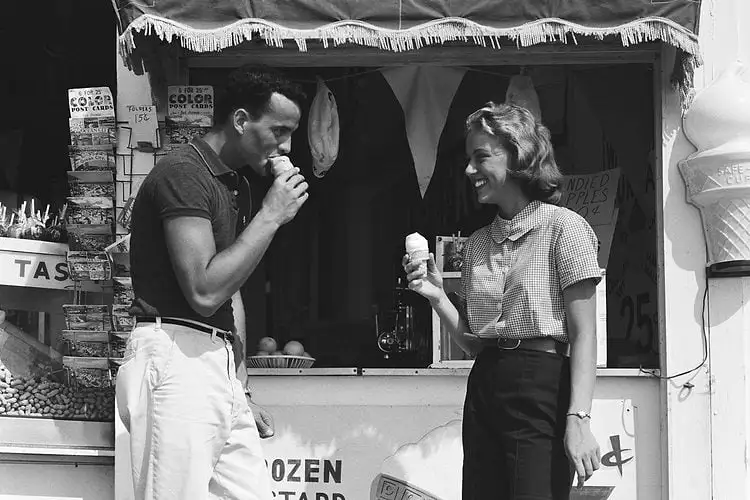
Dating in the 1950s often followed a strict social script that made romance look organized, polite, and predictable. Popular etiquette advice expected men and women to play clearly defined roles from the moment a date was planned. Men were usually expected to ask for the date, arrive at the front door, meet the family, pay the bill, open doors, and make sure the evening ended on time. Women were expected to answer invitations quickly, be ready when the date arrived, avoid appearing too forward, and follow standards of appearance and behavior that were considered proper. These customs created a dating culture that could look polished from the outside, yet many of the rules placed far more pressure on one gender than the other.
The era is sometimes remembered as a simpler time for romance, but simplicity often came from having fewer accepted choices. Dating advice was heavily shaped by ideas about respectability, gender, family approval, and public behavior. A woman asking a man out could be judged harshly, while a man who failed to pay might be seen as inconsiderate or unprepared. Even small details, such as ordering dinner, applying makeup, walking beside the curb, or wearing a watch, could become part of the social rulebook. Some customs, including punctuality and basic courtesy, still sound reasonable today. Others feel restrictive, outdated, or surprisingly formal by modern standards.
Via Pinterest
Looking back at these expectations offers more than a laugh at old-fashioned manners. The rules show how dating reflected wider beliefs about adulthood, reputation, money, and gender roles during the period. Not every couple followed every rule, and real experiences varied by family, community, class, and personal values. Still, etiquette guides and popular culture helped spread a recognizable model of what a “proper” date was supposed to look like. The following 17 rules capture that world in a lighter way, with fresh headings that highlight just how carefully romance could be managed before texting, dating apps, and casual meetups changed the pace of modern relationships. The result was a highly structured courtship style where manners could matter almost as much as attraction itself.
Who Makes the First Move?
Via Reader’s Digest
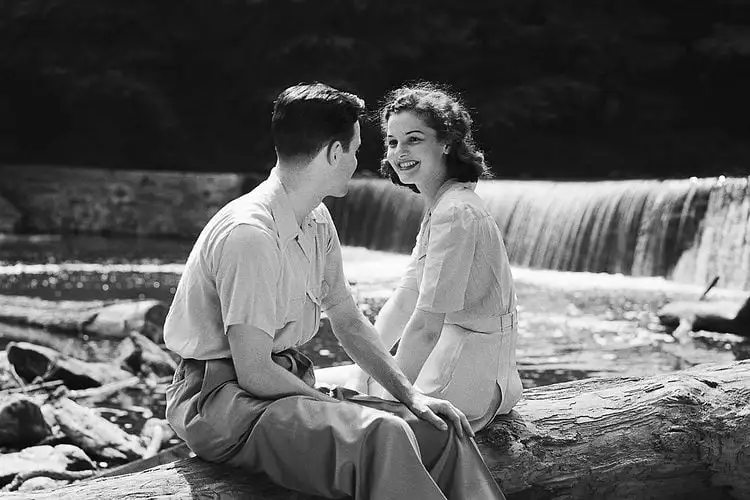
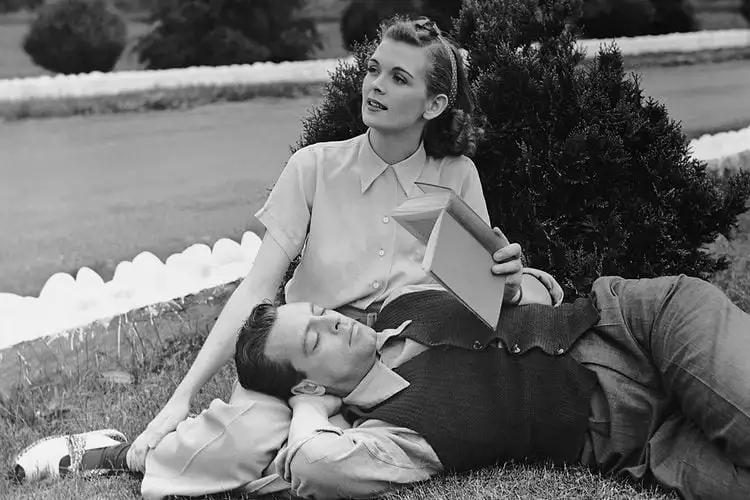
Dating advice expected men to make the first move, while women who asked directly risked being judged as too forward.
Answer Right Away
Via Reader’s Digest
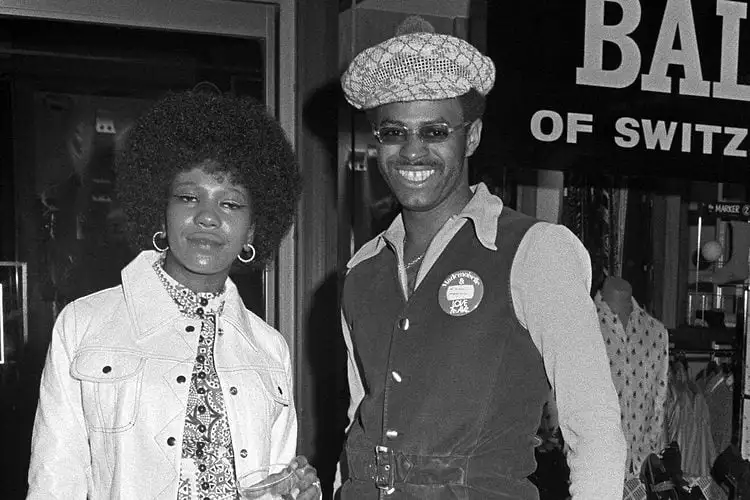
Quick answers were considered polite, so leaving an invitation unanswered for days looked rude instead of mysterious or attractively unavailable.
Excuses Better Be Good
Via Reader’s Digest
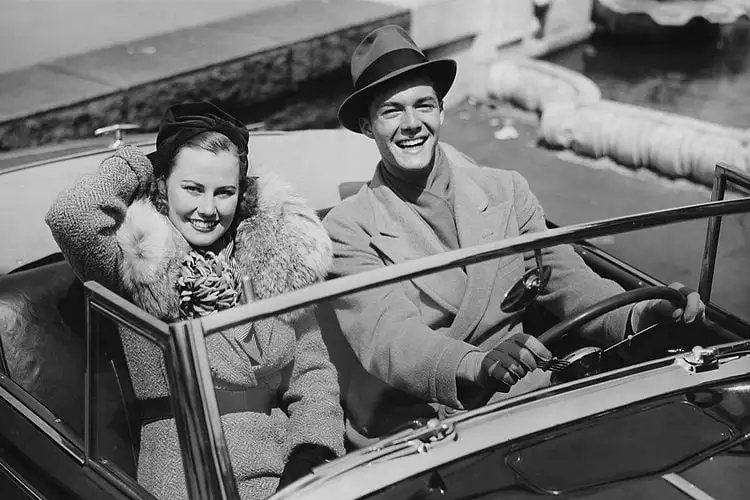
Breaking a date without a believable reason could hurt someone’s reputation, making honesty and advance notice part of proper behavior.
Never Keep a Date Waiting
Via Reader’s Digest
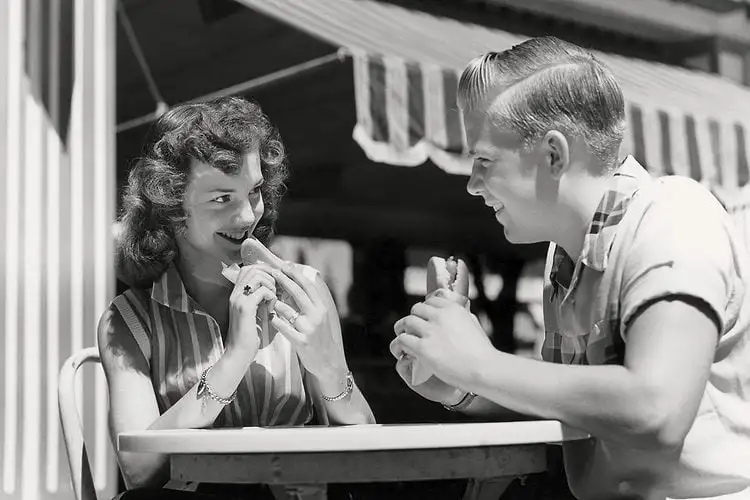
Women were expected to be ready when a date arrived, avoiding delays and awkward waiting with parents in the living room.
Meet the Family First
Via Reader’s Digest
Meeting a woman’s parents before leaving was common etiquette, turning even an early date into a surprisingly formal home introduction.
Makeup Stays at Home
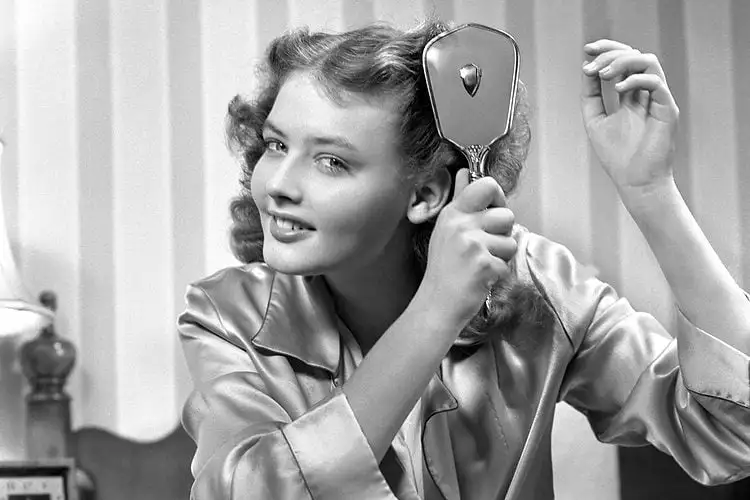
Via Reader’s Digest
Applying or fixing makeup in public was considered improper, so beauty preparation was expected to happen before the date officially began.
Let Him Order
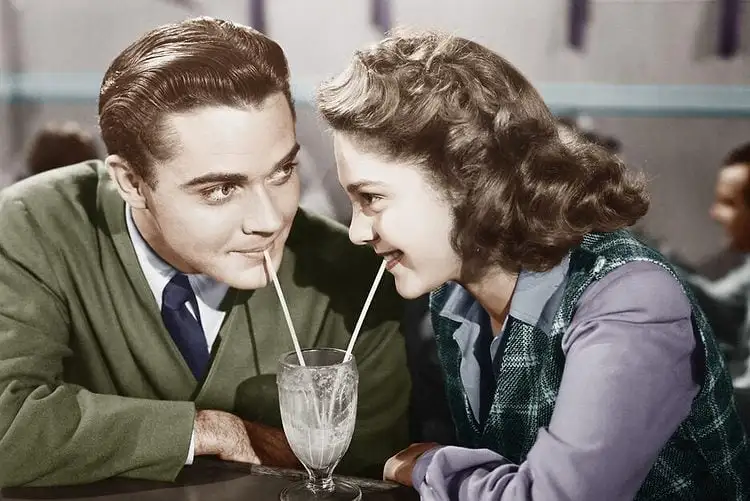
Via Reader’s Digest
Women often told their dates what they wanted, allowing men to place the restaurant order on their behalf at dinner.
Who Picks Up the Check?
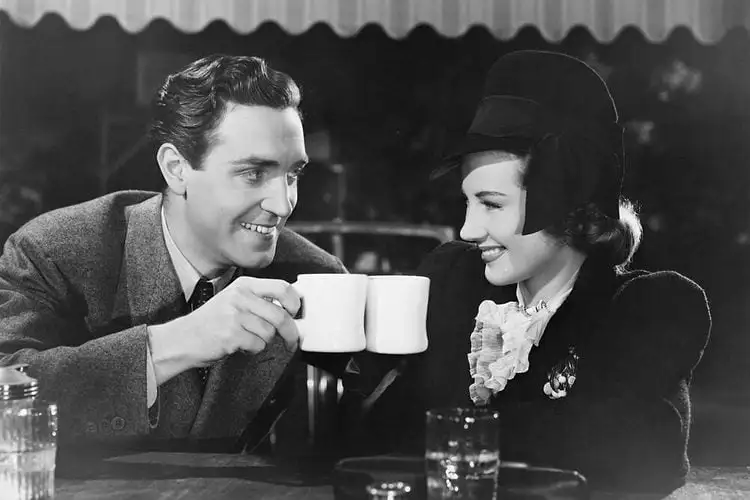
Via Reader’s Digest
Men were generally expected to pay for the entire date, while women offering money could make the situation socially awkward.
Don’t Wait Too Long
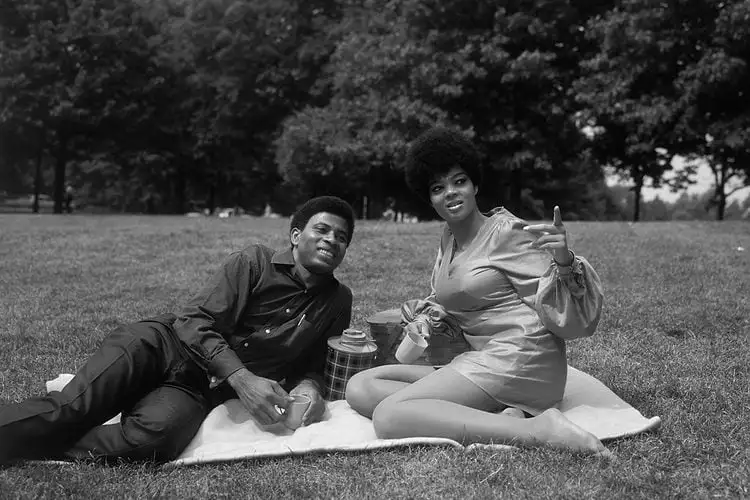
Via Reader’s Digest
Men were encouraged to ask women out without endless delay, since hesitation could suggest weak interest, uncertainty, or poor confidence.
Come to the Front Door
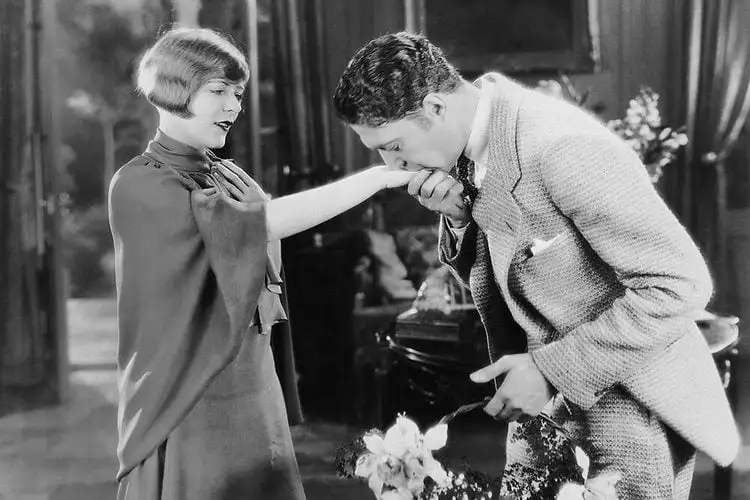
Via Reader’s Digest
Proper pickup meant walking to the front door and calling for a date rather than honking from the driveway and waiting.
Watch the Curfew
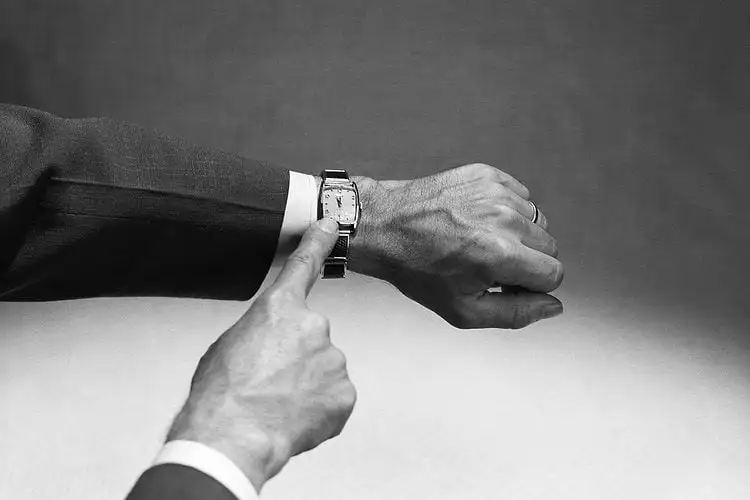
Via Reader’s Digest
Men were expected to learn a woman’s return time and watch the clock carefully if another date was ever desired afterward.
Coat Duty Matters
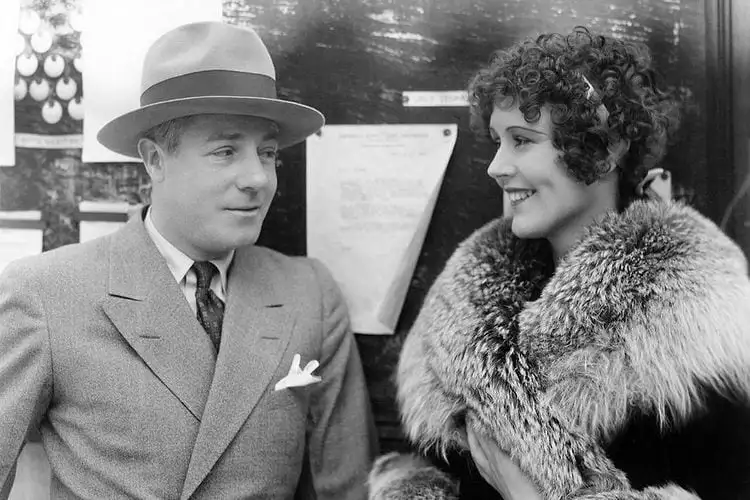
Via Reader’s Digest
Helping a woman with her coat was treated as polite, while offering personal outerwear earned even more gentleman points socially.
Doors Come First
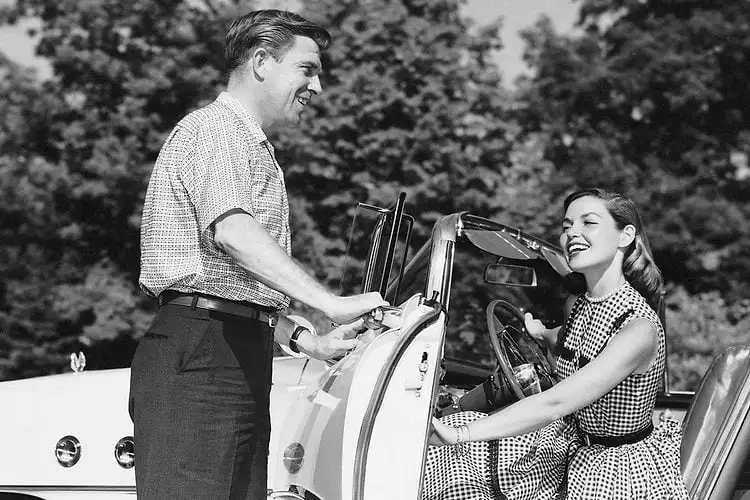
Via Reader’s Digest
Opening car, restaurant, and other doors for women was considered standard gentlemanly behavior and a strong sign of good manners.
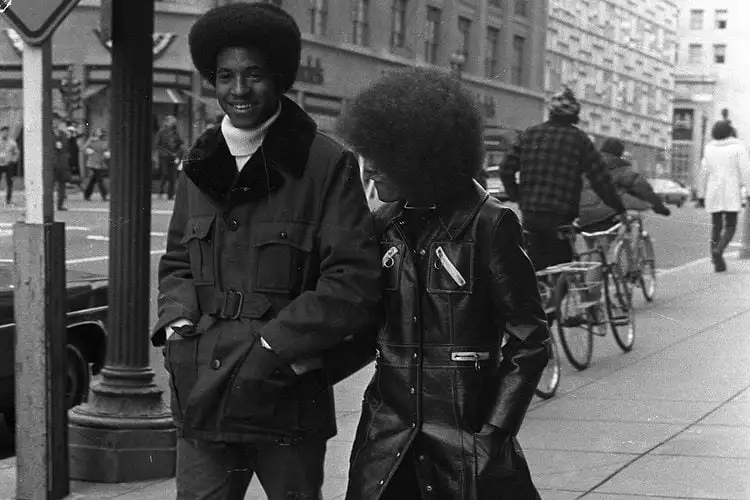
Take the Curb Side
Via Reader’s Digest
Men were encouraged to walk nearest the curb, supposedly shielding women from mud, road debris, traffic, and other street hazards.
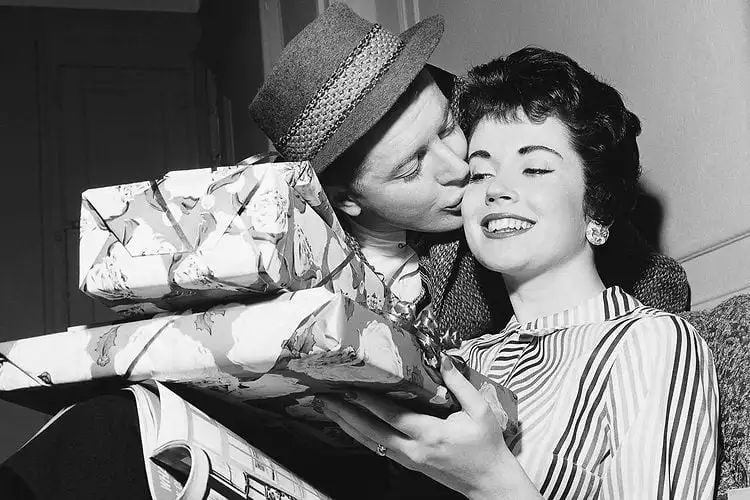
Bring Enough Cash
Via Reader’s Digest
A man was expected to carry enough money for every expense, preventing his date from needing to contribute during the evening.
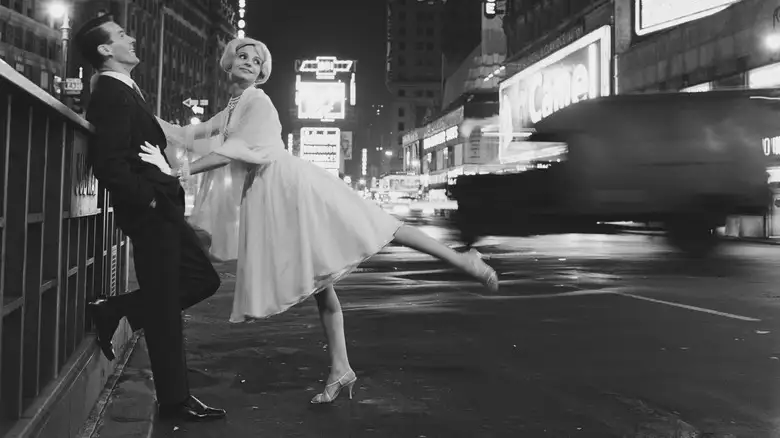
Save the Kiss
Via Grunge
Even when attraction was obvious, kissing on a first date could be considered too forward under more conservative dating standards then.
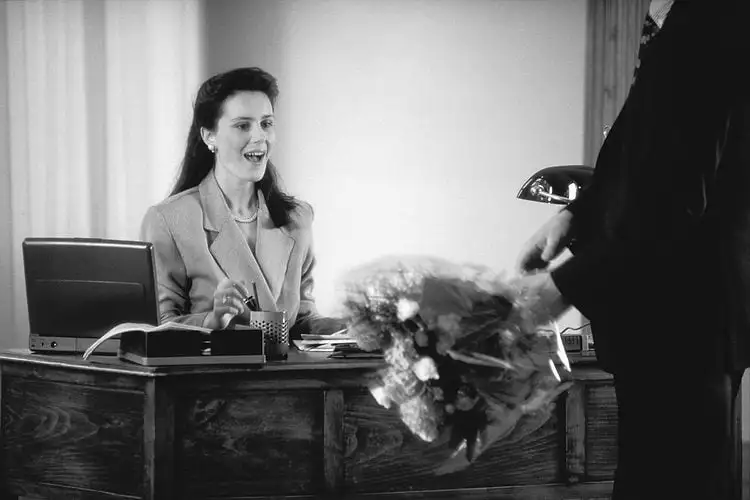
Flowers Were Expected
Via Reader’s Digest
Arriving with flowers was a familiar romantic gesture, while formal dances often made corsages feel more expected than optional accessories.
How Dating Rules Changed With the Times
Dating etiquette from the 1950s can feel theatrical today because so many small actions came with social meaning. Asking someone out, arriving at the house, greeting parents, paying for dinner, opening a car door, and returning home on time were not simply personal choices in social settings. They were treated as signs of character, respectability, and good upbringing. That structure could make expectations easier to understand, but it also created narrow roles. Men were expected to lead, pay, protect, and plan, while women were often expected to appear agreeable, modest, polished, and carefully supervised.
Some of these habits have value when separated from the rigid gender rules behind them. Showing up on time, giving a clear answer, avoiding last-minute cancellations, walking to the door, and treating a date with courtesy can still signal respect. The difference is that modern dating generally allows those gestures to move in both directions. Either person can ask for the date, pay the bill, open the door, bring flowers, or decide what feels comfortable. That flexibility gives couples more room to build relationships around mutual preferences instead of following a fixed script written by social expectations.
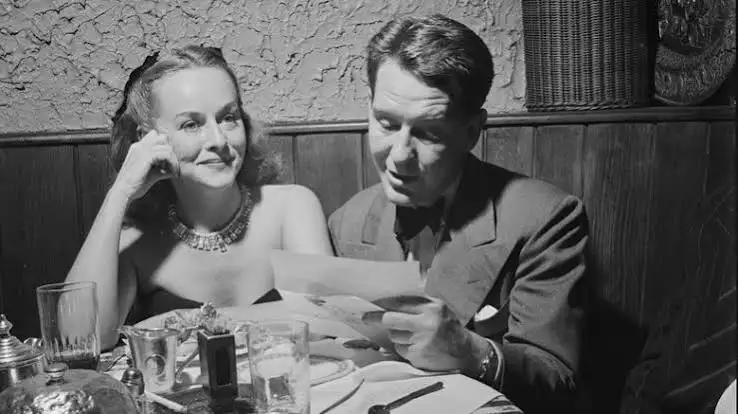
Via Grunge
The strangest rules are also useful reminders of how quickly social norms can change. A behavior once described as improper can become completely ordinary within a few generations. Women now commonly ask people out, order their own meals, split checks, apply makeup wherever convenient, and decide for themselves whether a first-date kiss feels right.
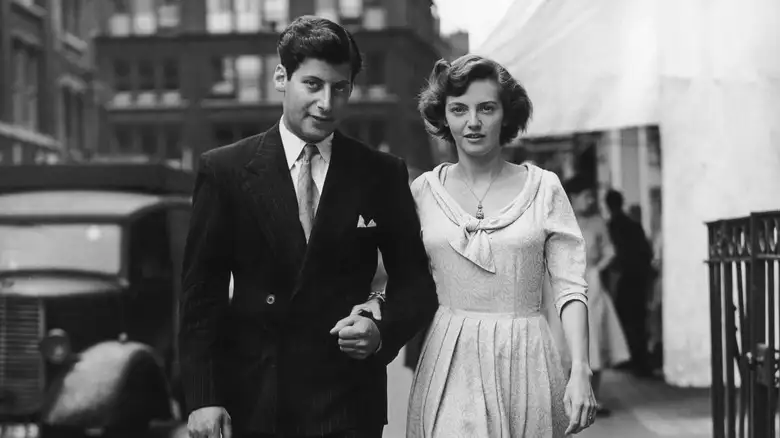
Via Grunge
Parents are not automatically part of every early date, and a text saying “outside” has replaced many formal doorstep arrivals. Even so, the basic idea behind good dating manners has not disappeared. Respect, honesty, consideration, and clear communication still matter. The biggest shift is that those qualities no longer need to follow one narrow set of gender-based instructions. Looking back at 1950s dating etiquette is funny because the rules can seem extreme, but it also shows how romance changes when society changes. What once looked normal can later look ridiculous, while a few simple courtesies continue to survive because kindness rarely goes out of style.