
Lifestyle / Automotive Care
Top 10 Classic Cars That Never Go Out of Style: Timeless Icons of Automotive History

Classic cars are unique in the hearts of enthusiasts, collectors, and casual admirers alike. These vehicles transcend mere transportation, embodying art, history, and engineering brilliance that captivate generations. While automotive trends come and go, certain cars possess a timeless appeal—designs so iconic, performances so legendary, and cultural impacts so profound that they never fade from relevance. From American muscle to European elegance, these automotive masterpieces remain as desirable today as they were decades ago.
 Via Honest John Classics
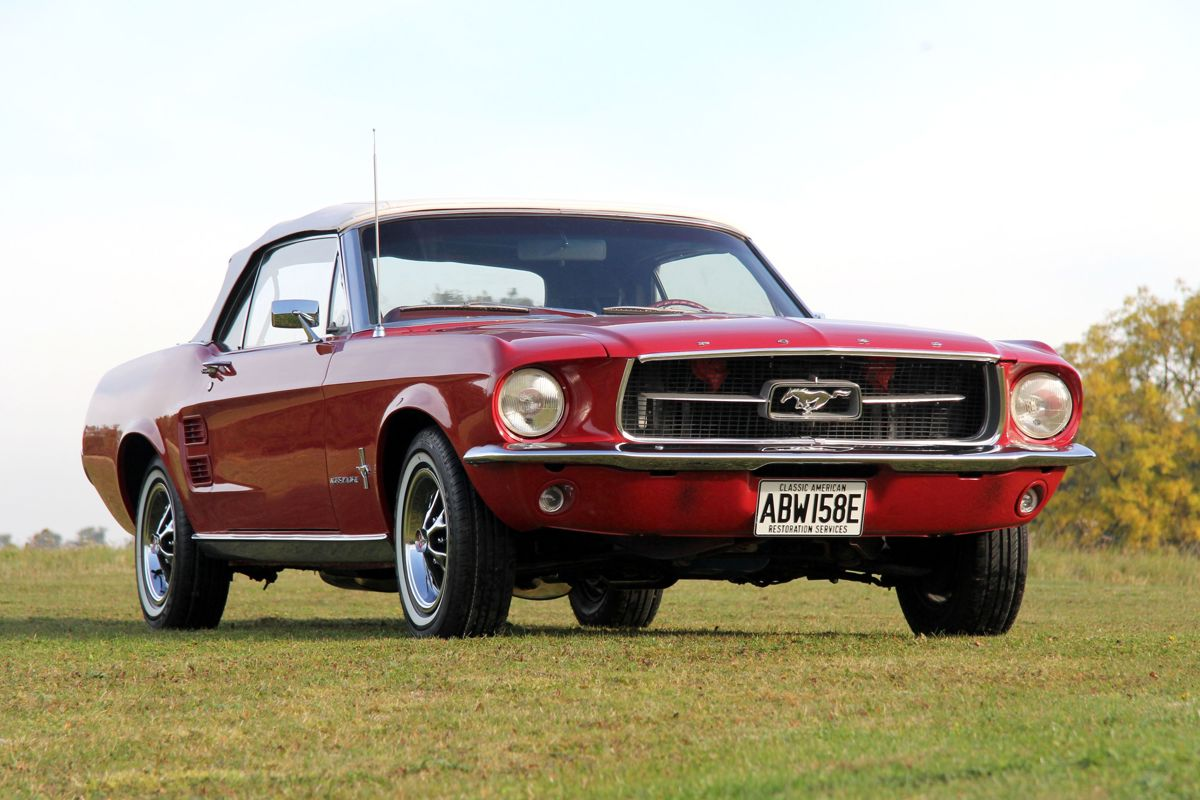
Why It’s Timeless: The Ford Mustang, introduced in 1964, is the quintessential American pony car—a term it coined. Its sleek design, affordable price, and powerful performance options made it an instant hit, selling over a million units in its first 18 months.
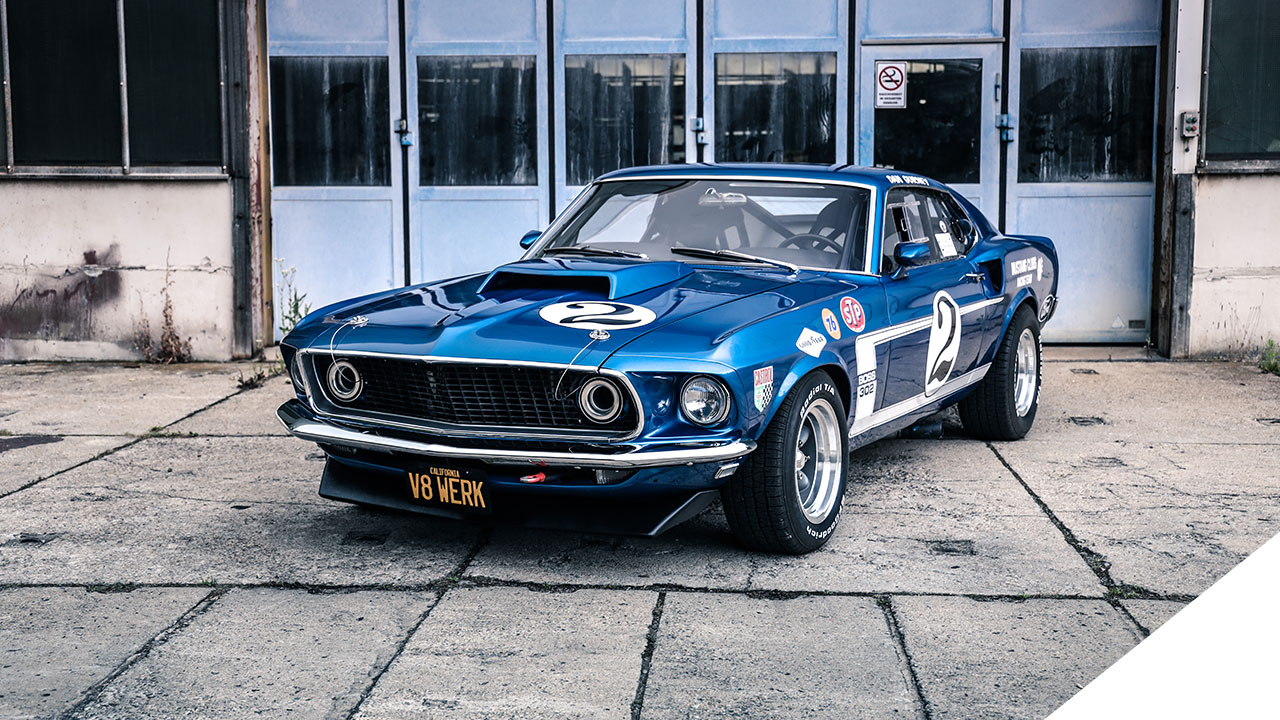
History and Design: Launched at the New York World’s Fair, the Mustang’s long hood, short deck, and galloping pony emblem became symbols of freedom and rebellion. Early models like the 1965 Mustang Fastback and the 1969 Mach 1 featured aggressive styling and a range of engines, from modest inline-sixes to the thunderous 429 Cobra Jet V8. Its versatility allowed buyers to customize it for cruising or racing, cementing its status as a cultural icon.
 Via V8 Werk
Performance: The Mustang’s performance peaked with models like the 1969 Boss 429, boasting 375 horsepower (underrated for insurance purposes) and a top speed exceeding 120 mph. Its handling, while not as refined as European sports cars, suited its raw, unapologetic character.
Legacy: Featured in films like Bullitt (1968) and countless car shows, the Mustang’s influence endures. Modern iterations pay homage to the original, but the first-generation models remain collector favorites, with pristine examples fetching six figures at auctions.
 Via Wikipedia
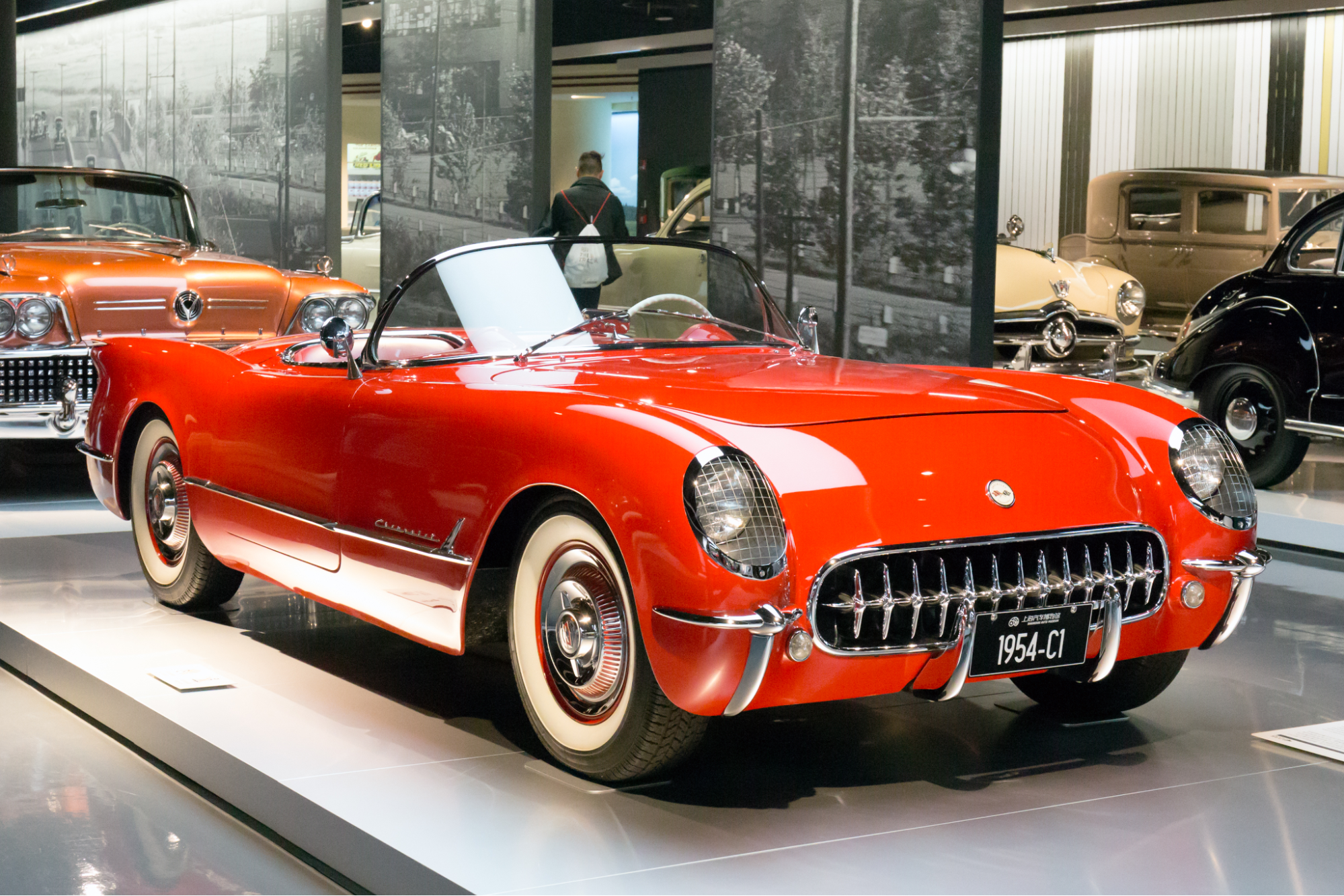
Why It’s Timeless: The Chevrolet Corvette, America’s first true sports car, debuted in 1953 and evolved into an icon by the 1960s. Its blend of striking design and track-ready performance ensures its everlasting appeal.
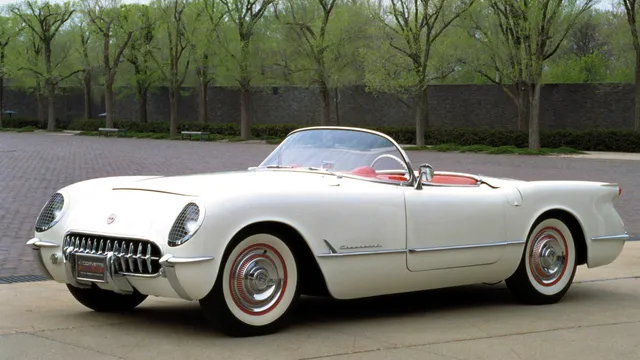
History and Design: Initially a fiberglass-bodied roadster, the Corvette matured with the C2 (1963-1967), known as the Sting Ray. The 1963 Split-Window Coupe, with its distinctive rear glass, is often hailed as one of the most beautiful cars ever made. Designer Larry Shinoda’s curves and chrome accents gave it a futuristic yet timeless look.
 Via CNET
Performance: The C2 offered engines like the 327 cubic-inch V8 (up to 375 hp) and the rare 427 L88 (officially 430 hp, though closer to 500). The 1967 Sting Ray could hit 0-60 mph in under 5 seconds—a feat for its era.
Legacy: The Corvette’s racing pedigree, including wins at Le Mans, and its role in American car culture keep it relevant. Today, C1 and C2 models are prized possessions, with values soaring past $200,000 for rare variants.
 Via wittwer
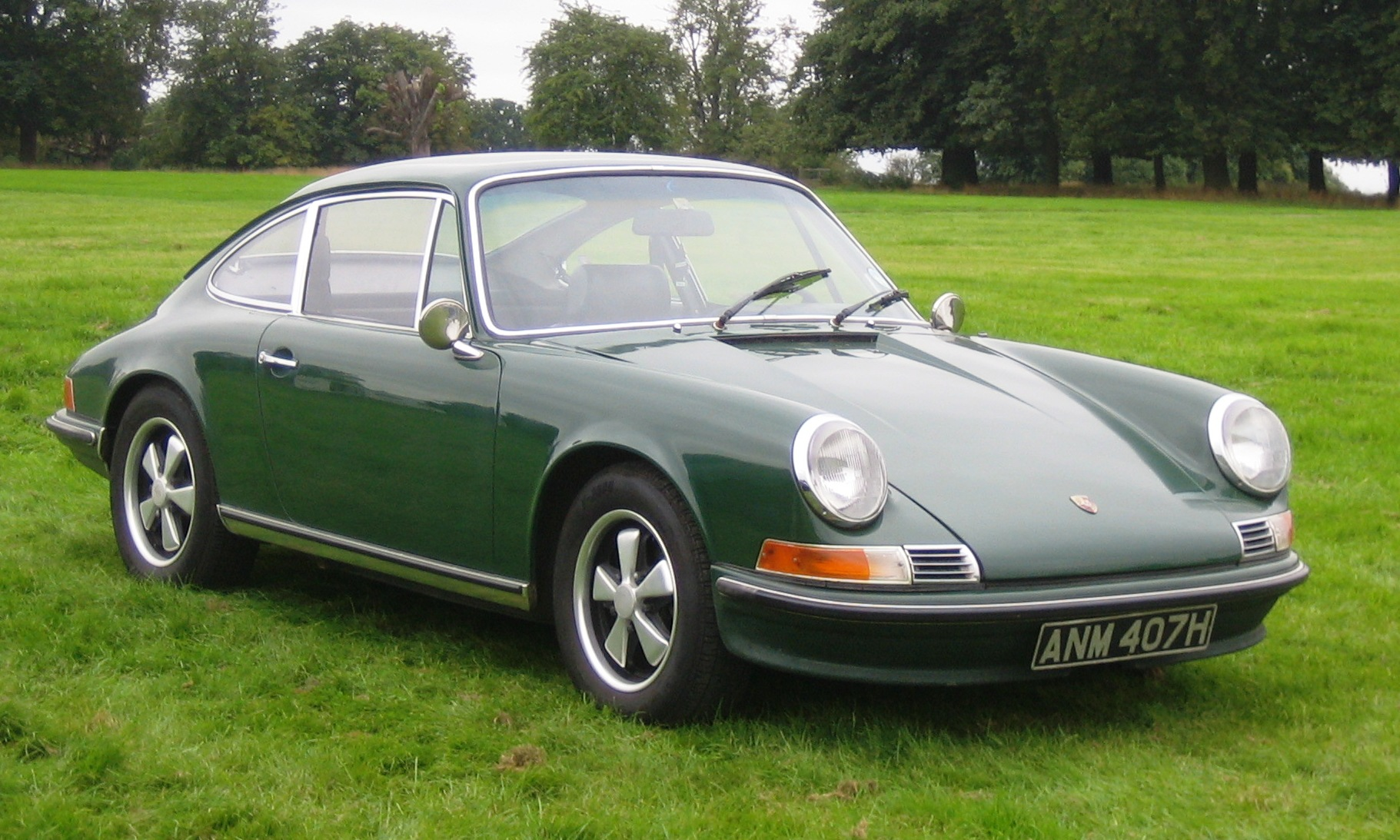
Why It’s Timeless: The Porsche 911’s unmistakable silhouette and rear-engine layout have made it a sports car legend since 1963. Early models, especially pre-1974, embody pure driving joy.
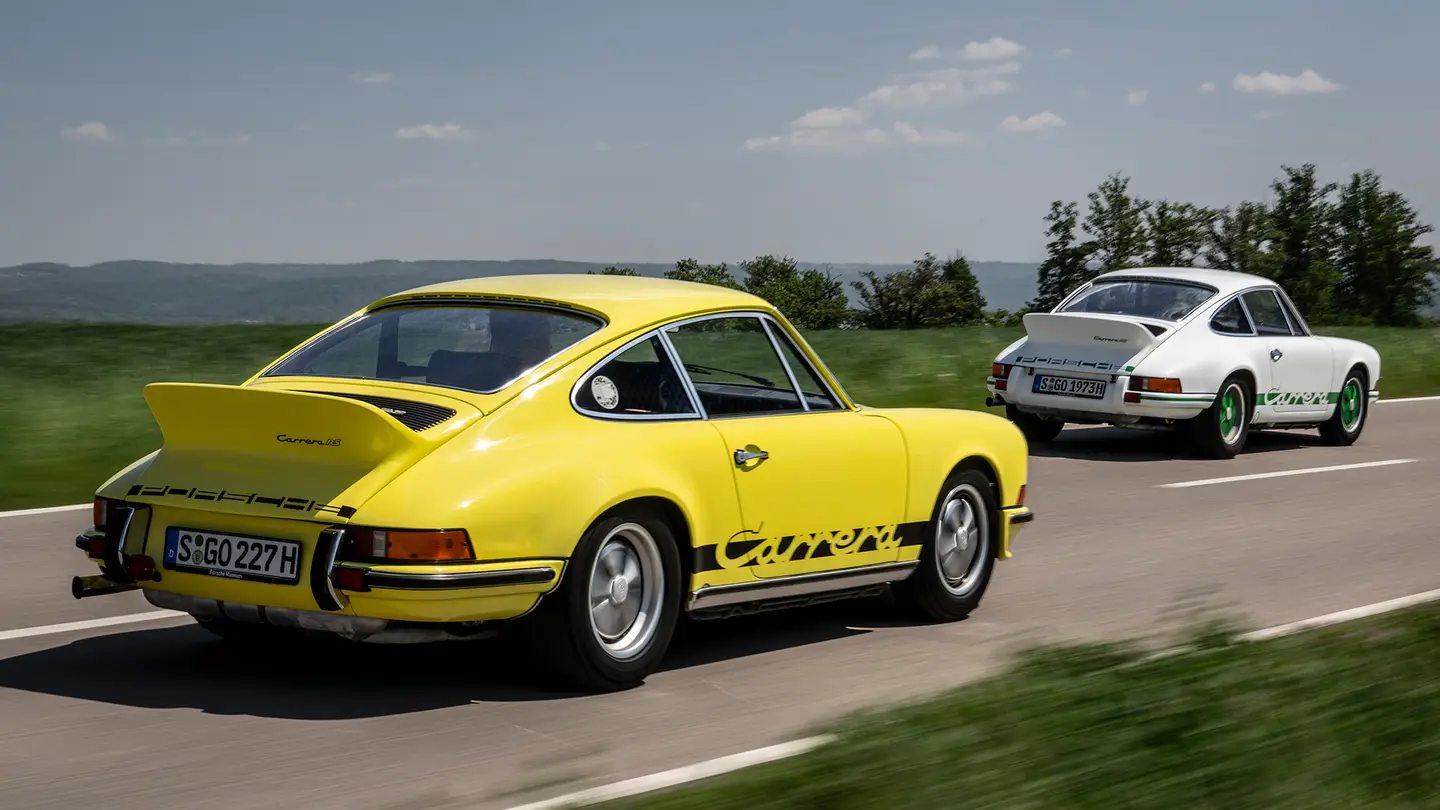
History and Design: Designed by Ferdinand “Butzi” Porsche, the 911 replaced the 356 with a more powerful, refined package. Its rounded nose, sloping roofline, and circular headlights remain largely unchanged, a testament to its perfect proportions. The 1973 911 Carrera RS, with its ducktail spoiler, is a standout.
 Via frazerpart
Performance: Early 911s featured air-cooled flat-six engines, starting at 130 hp and climbing to 210 hp in the RS. The rear-engine design offered unique handling—tricky but rewarding—making it a favorite among purists.
Legacy: The 911’s continuous evolution hasn’t diminished the allure of its early years. Models like the 930 Turbo (1975) added power, but the original’s simplicity and elegance ensure its timeless status, with prices often exceeding $150,000.
 Via beverlyhillscarclub
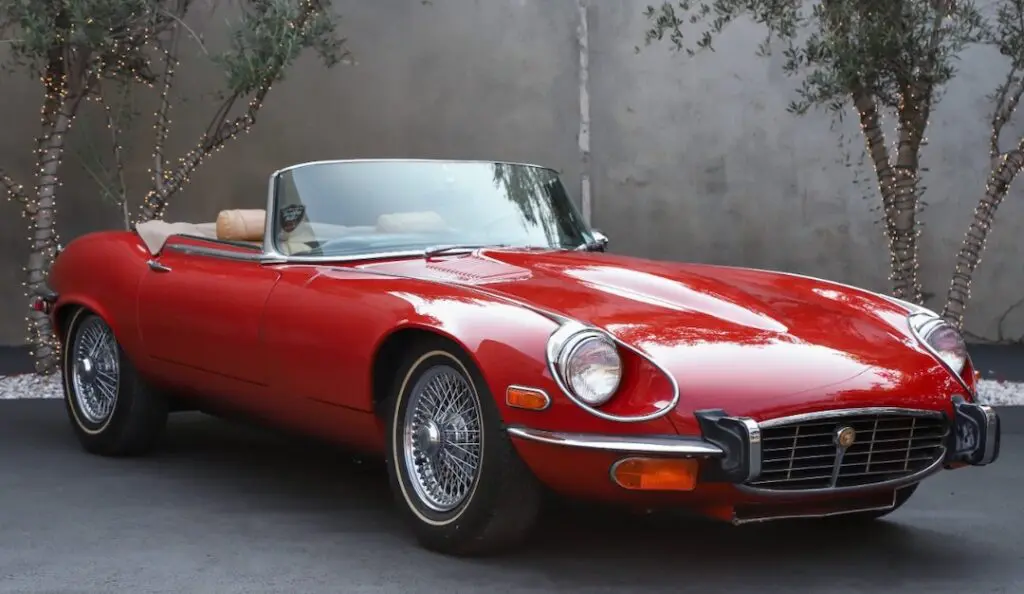
Why It’s Timeless: Hailed by Enzo Ferrari as “the most beautiful car ever made,” the Jaguar E-Type combines breathtaking aesthetics with thrilling performance, securing its place in automotive lore.
History and Design: Unveiled in 1961, the E-Type’s long hood, sleek profile, and covered headlights exude elegance and aggression. Designer Malcolm Sayer drew inspiration from Jaguar’s Le Mans-winning D-Type, blending aerodynamics with artistry.
 Via beverlyhillscarclub
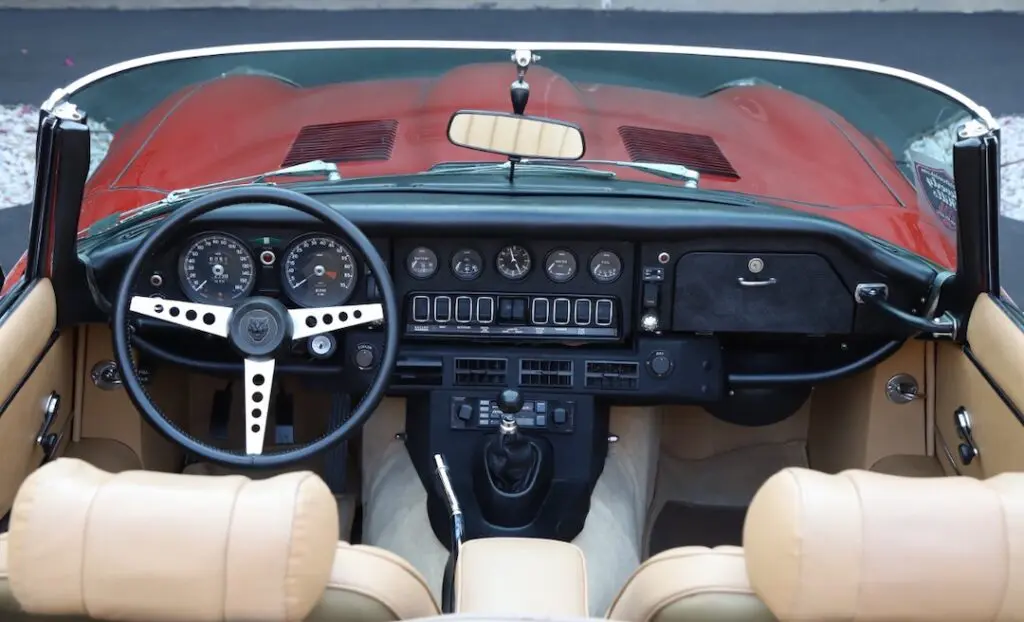
Performance: Powered by a 3.8-liter (later 4.2-liter) inline-six, the E-Type delivered 265 hp and a top speed of 150 mph—remarkable for the time. The Series 1 models (1961-1968) are the most coveted for their purity.
Legacy: Featured in films like The Italian Job, the E-Type remains a symbol of 1960s sophistication. Restored Series 1 coupes and roadsters routinely sell for $100,000-$300,000, reflecting their undying appeal.
 Via ultimatecarpage
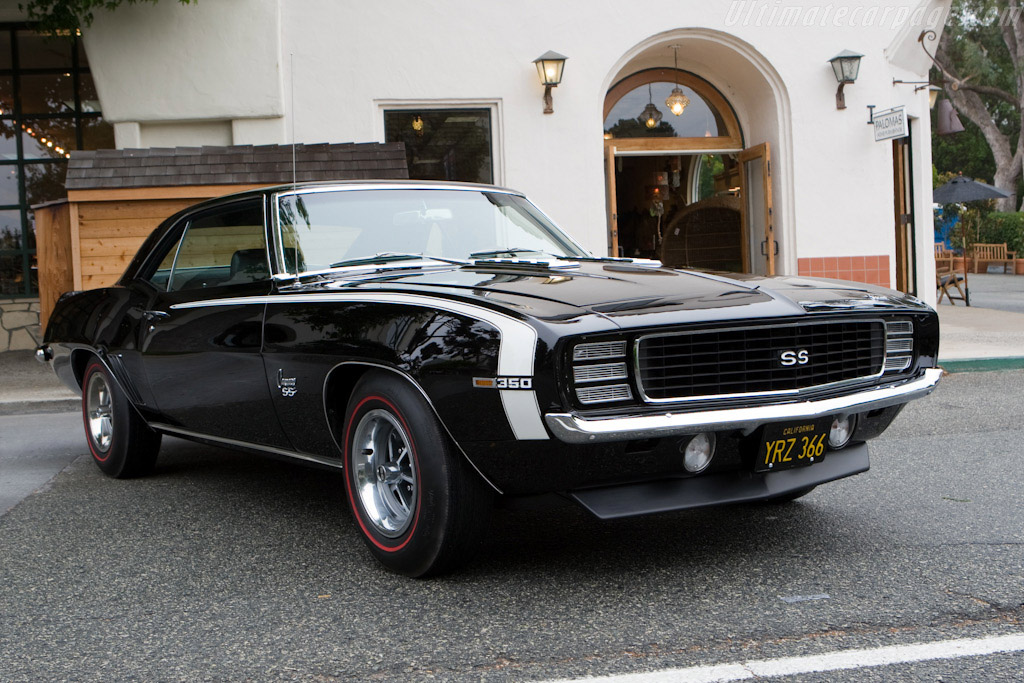
Why It’s Timeless: Introduced to rival the Mustang, the Chevrolet Camaro carved its own niche with bold styling and muscular performance, becoming a staple of American car culture.
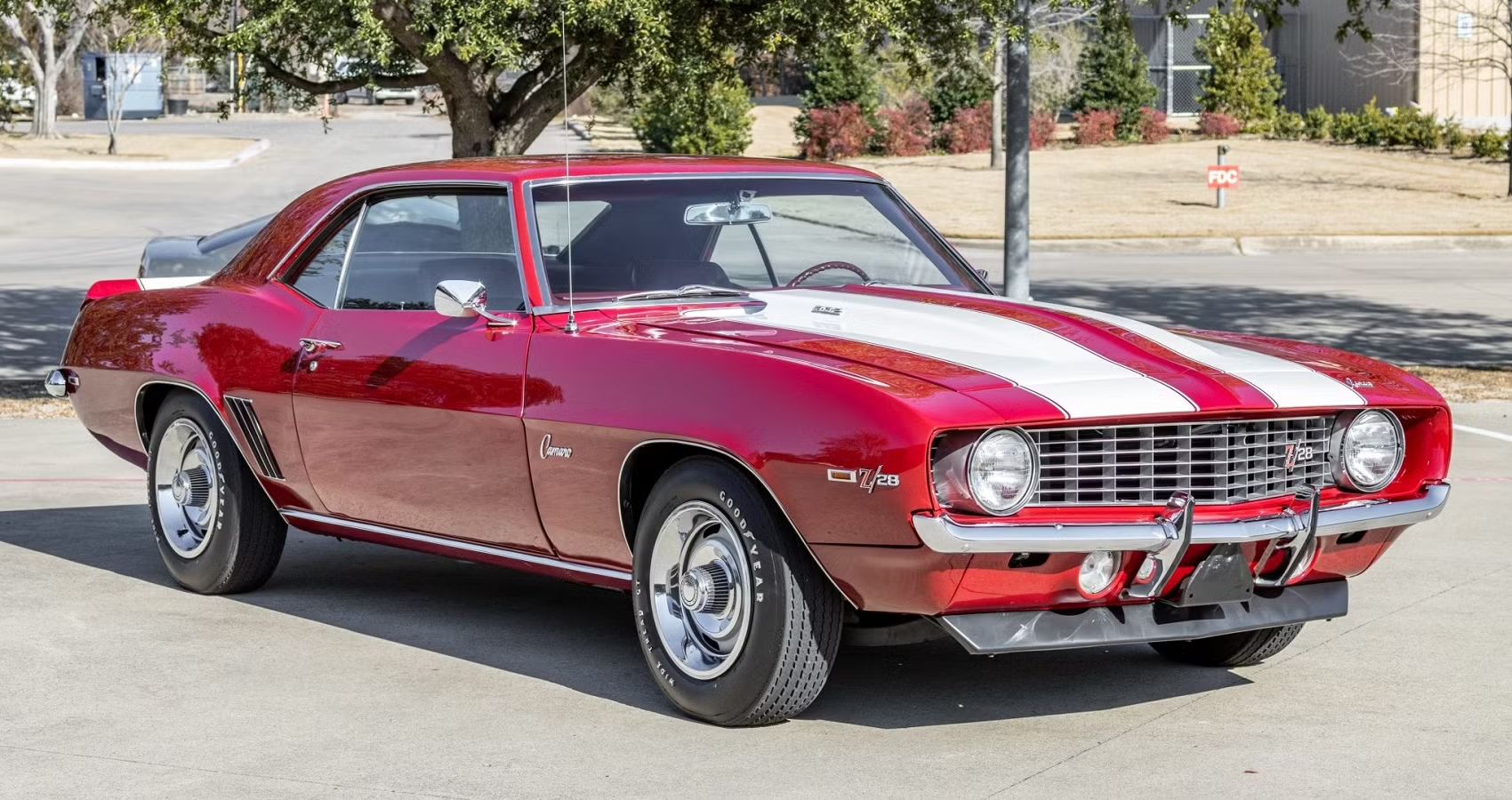
History and Design: Launched in 1967, the Camaro’s sculpted body, wide stance, and hidden headlights (on RS models) gave it a predatory look. The 1969 model, with its restyled grille and sharper lines, is a fan favorite.
 Via Hot Cars
Performance: Options ranged from a 230 cubic-inch inline-six to the monstrous 427 V8 in the COPO ZL1, producing over 500 hp. The 1969 Z/28, with a 302 V8, was a Trans-Am racing star, hitting 0-60 mph in 5.1 seconds.
Legacy: Immortalized as Bumblebee in the Transformers franchise, the first-generation Camaro’s aggressive charm endures. Prices for well-maintained examples range from $50,000 to over $100,000 for rare variants.
 Via Amaglam Collection
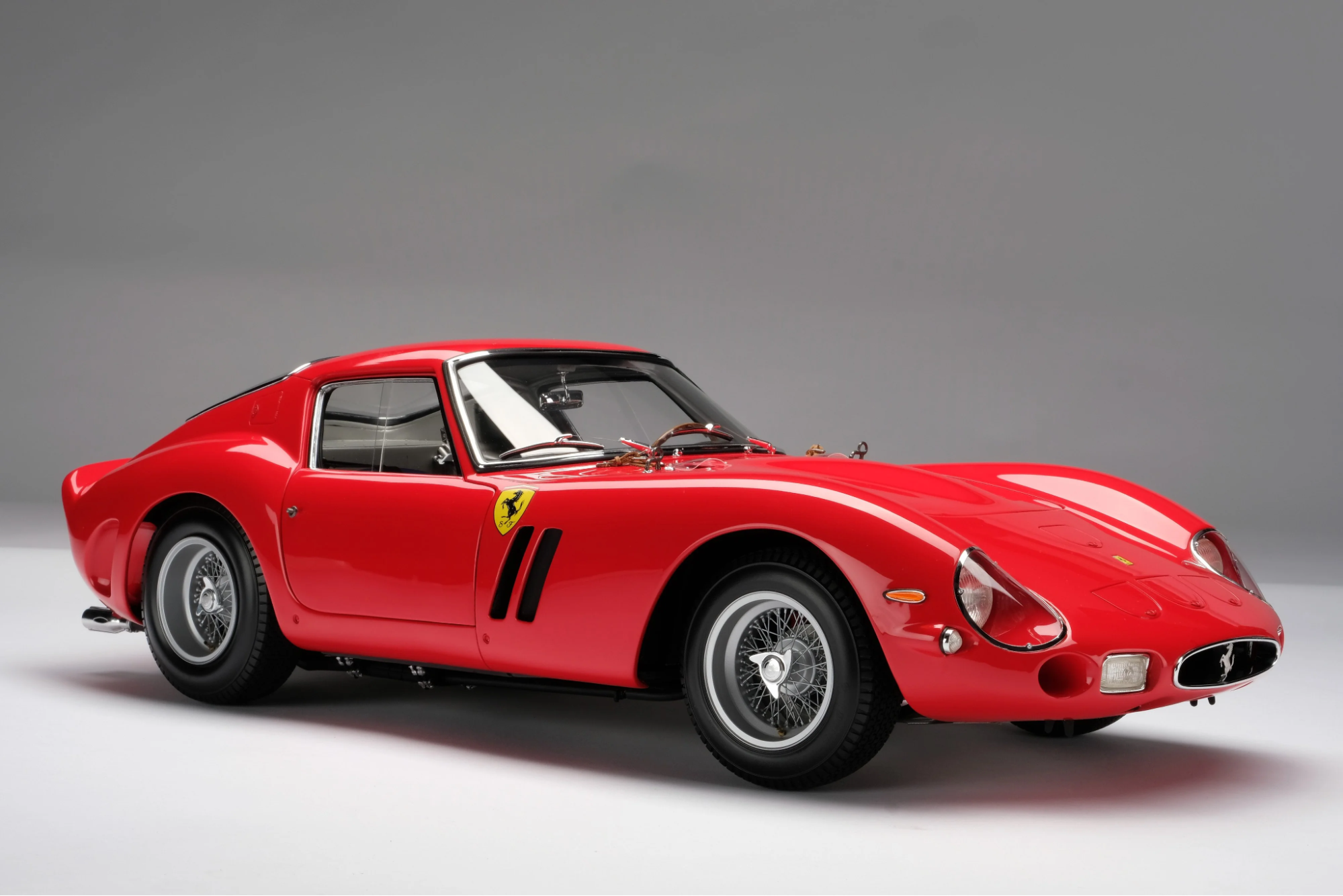
Why It’s Timeless: The Ferrari 250 GTO is the pinnacle of classic car royalty—stunningly beautiful, race-proven, and exorbitantly rare, with only 36 ever built.
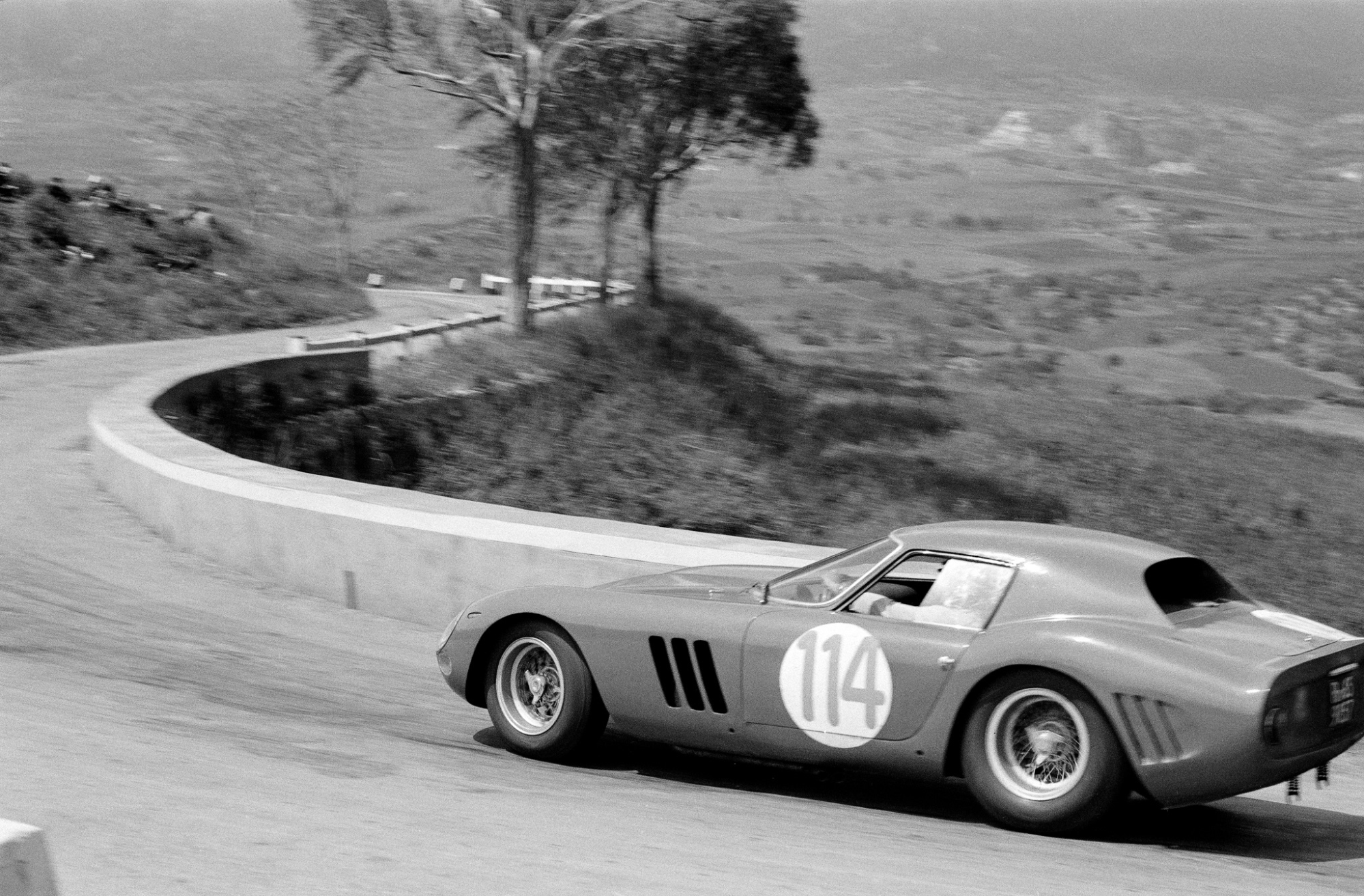
History and Design: Crafted by Giotto Bizzarrini and styled by Scaglietti, the 250 GTO’s low-slung body, flowing curves, and functional vents were designed for speed and stability. Its hand-built nature adds to its mystique.
 Via Motor Treand
Performance: A 3.0-liter V12 churned out 300 hp, propelling the GTO to 174 mph and a 0-60 mph time of 5.4 seconds. It dominated races like the Tour de France Automobile, blending road and track prowess.
Legacy: With auction prices topping $70 million, the 250 GTO is the ultimate collector’s car. Its scarcity and racing heritage ensure it remains a timeless masterpiece.
 Via Autopolis
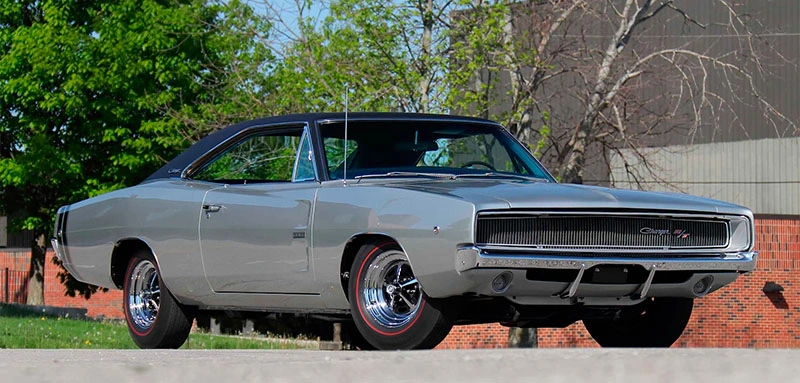
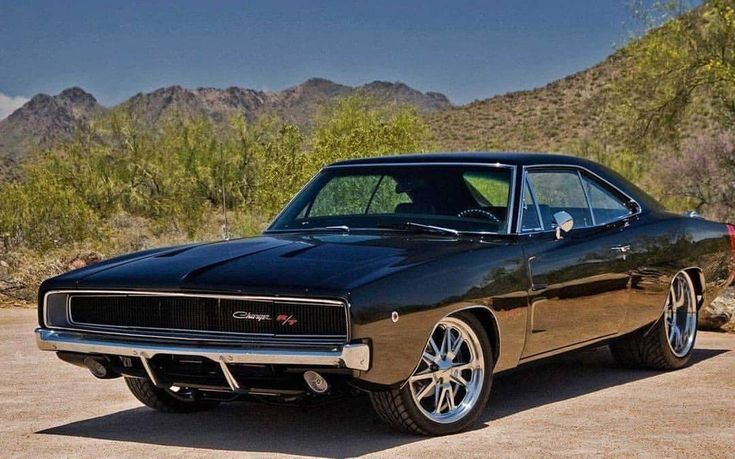
Why It’s Timeless: The Dodge Charger’s muscular stance and Hollywood fame make it an enduring symbol of American power and rebellion.
History and Design: The 1968 redesign introduced a fastback roofline, hidden headlights, and a bold grille, epitomizing the late-1960s muscle car style. The 1969 model, featured in The Dukes of Hazzard as the General Lee, is iconic.
 Via Pinterest
Performance: Engines ranged from a 318 V8 to the legendary 426 Hemi, delivering 425 hp and a 0-60 mph time of 5.2 seconds. Its brawny character shone on drag strips and streets alike.
Legacy: The Charger’s aggressive design and pop culture status keep it in demand, with restored examples fetching $80,000-$150,000, especially Hemi-equipped models.
 Via forums.forza
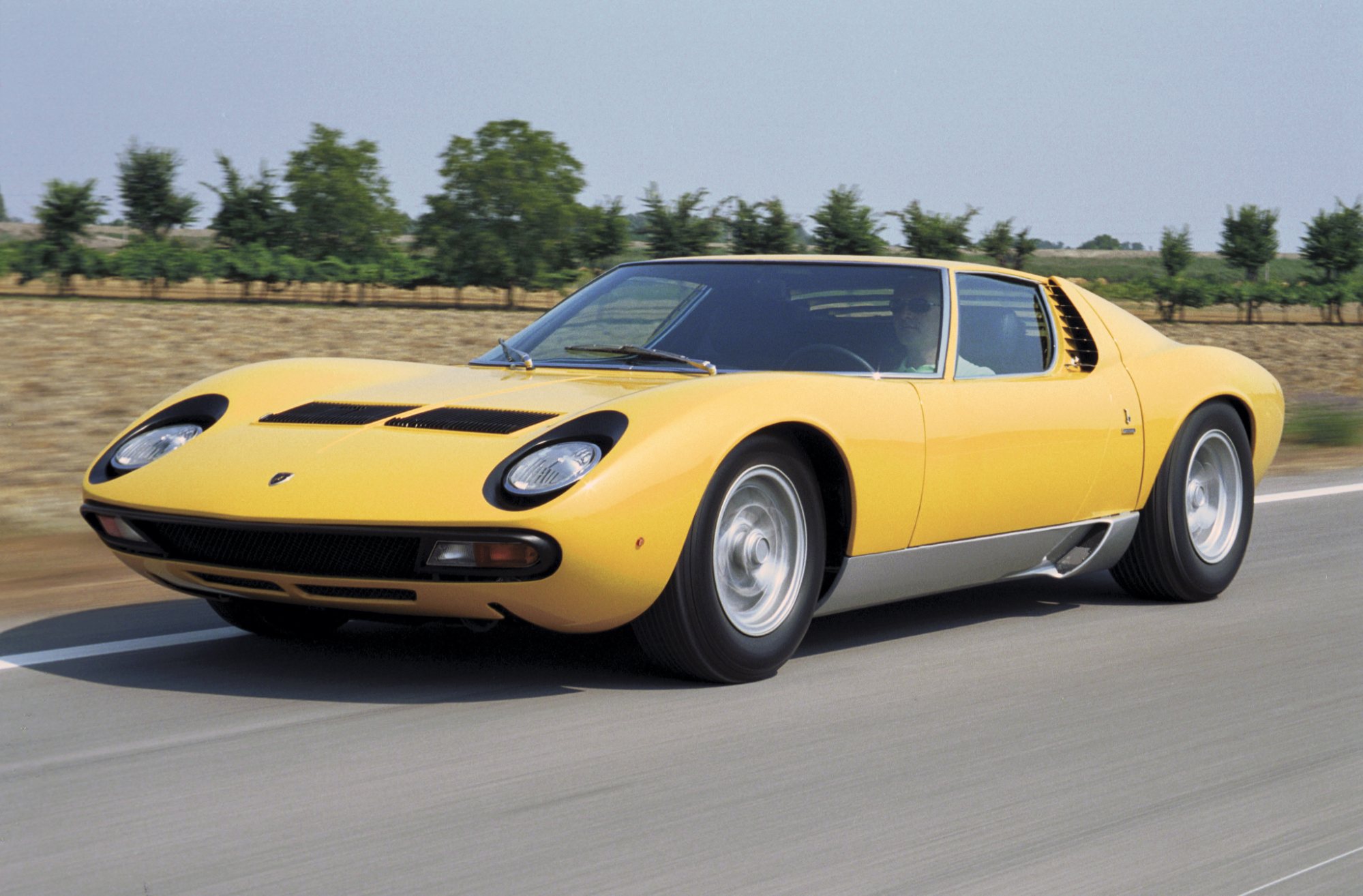
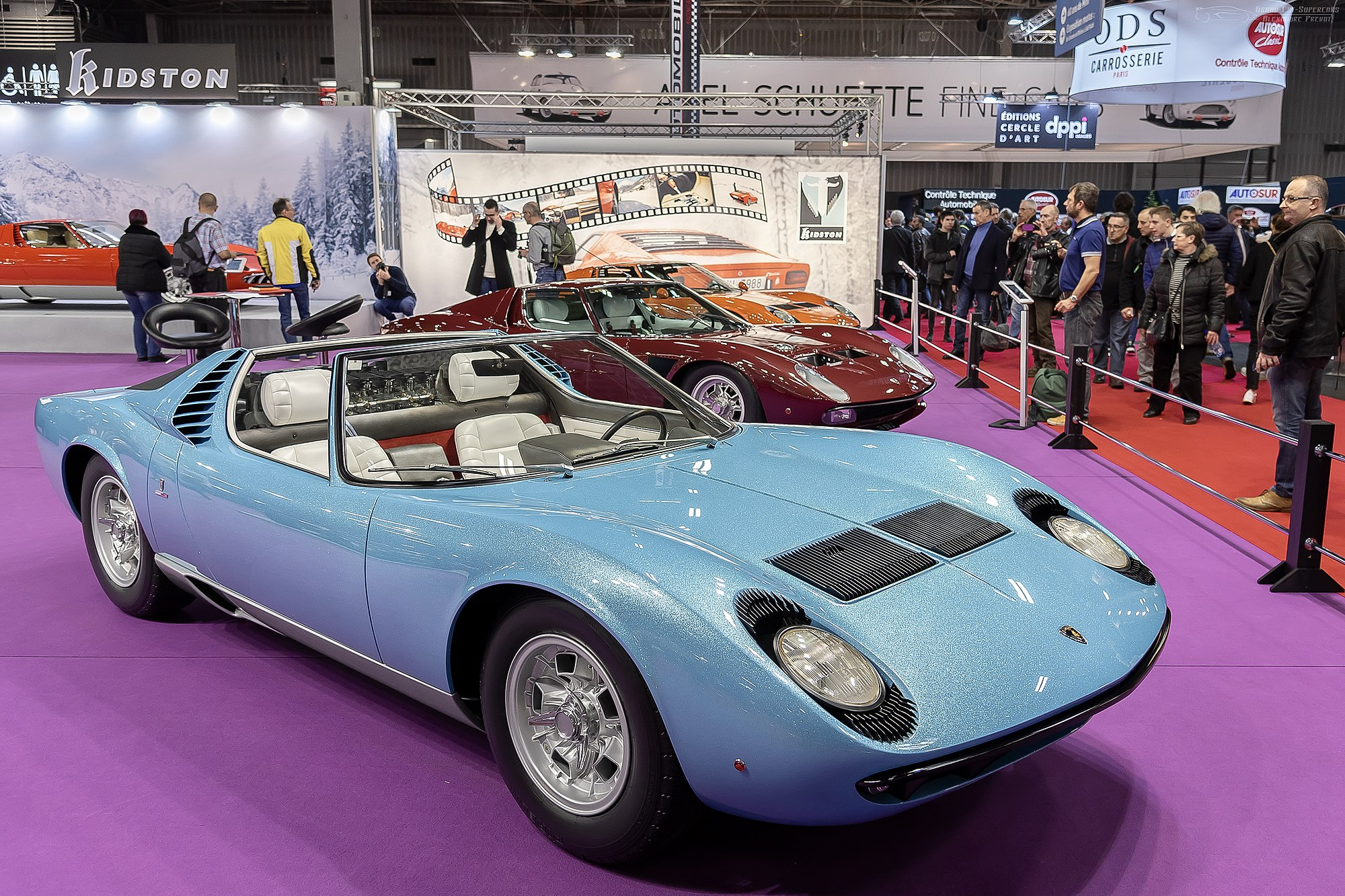
Why It’s Timeless: Often called the world’s first supercar, the Lamborghini Miura redefined performance and style with its mid-engine layout and jaw-dropping looks.
History and Design: Designed by Marcello Gandini at Bertone, the Miura’s low profile, pop-up headlights, and sweeping lines were revolutionary. Unveiled in 1966, it shocked the automotive world.
 Via forums.forza
Performance: A 3.9-liter V12 produced 350 hp (later 385 hp in the SV), achieving 170 mph and 0-60 mph in 6.7 seconds. Its mid-engine design influenced countless supercars to follow.
Legacy: With fewer than 800 built, the Miura’s rarity and beauty drive prices above $1 million. Its pioneering spirit ensures its timeless allure.
 Via eMercedesBenz
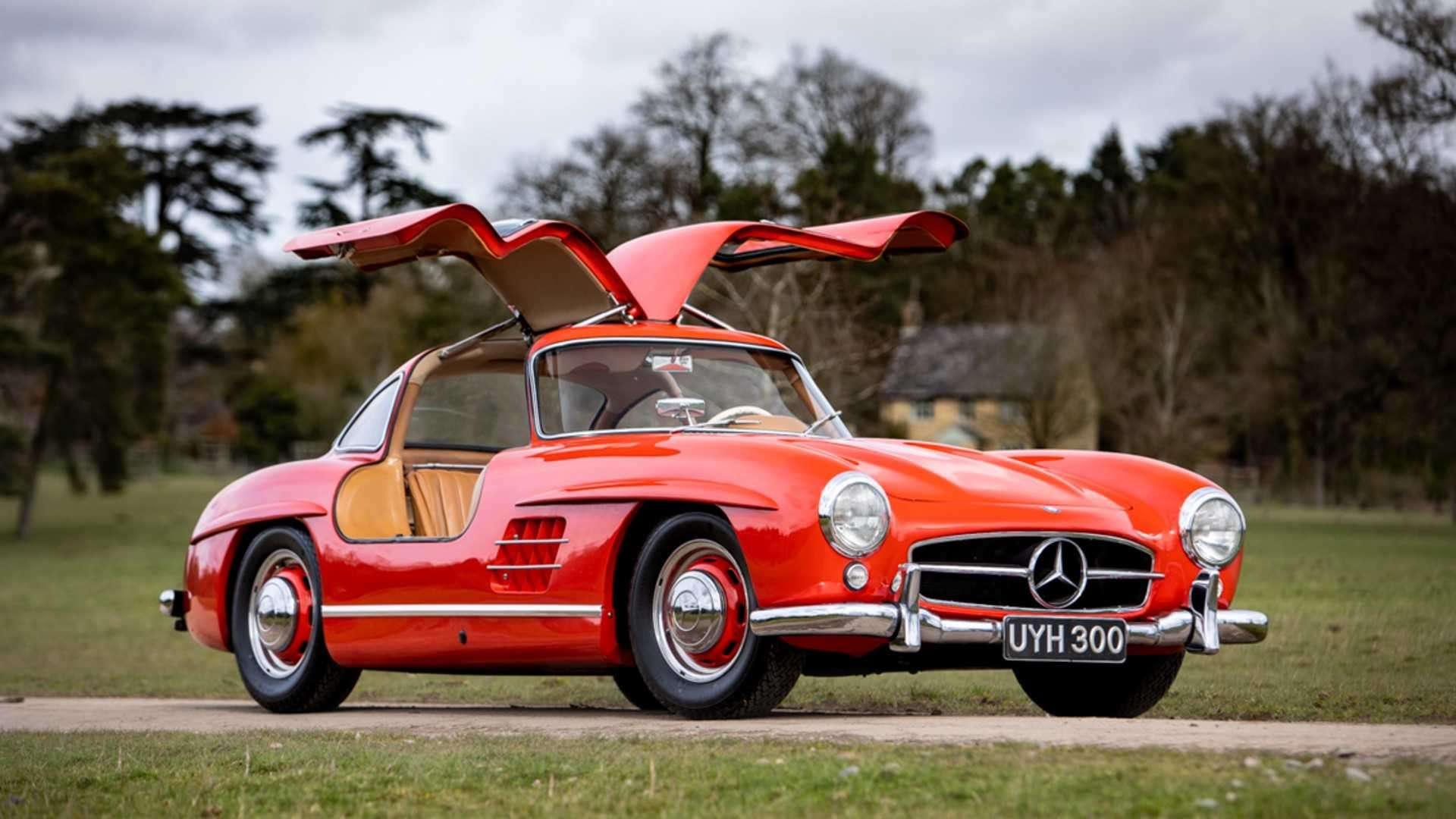
Why It’s Timeless: The 300SL Gullwing’s iconic doors, sleek design, and racing pedigree make it a standout classic that never ages.
History and Design: Born from Mercedes’ 1952 Le Mans racer, the 300SL debuted in 1954 with gullwing doors necessitated by its tubular frame. Its streamlined body and chrome accents exude elegance.
 Via Mercedes Benz
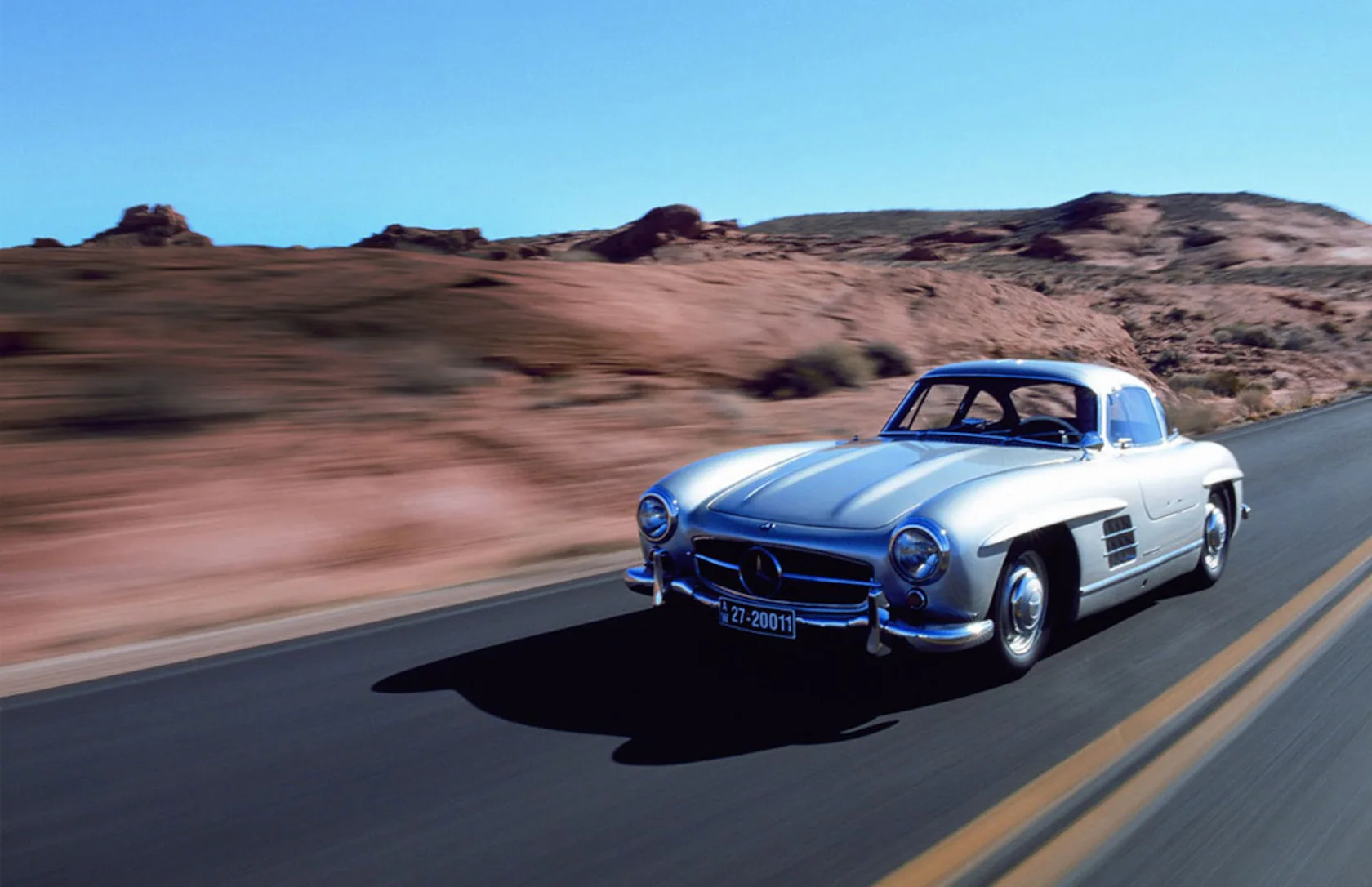
Performance: The 3.0-liter inline-six, with direct fuel injection, produced 215 hp, hitting 163 mph—making it the fastest production car of its time.
Legacy: Only 1,400 coupes were made, and their value now exceeds $1 million. The 300SL’s blend of luxury and speed keeps it eternally stylish.
 Via Mecum
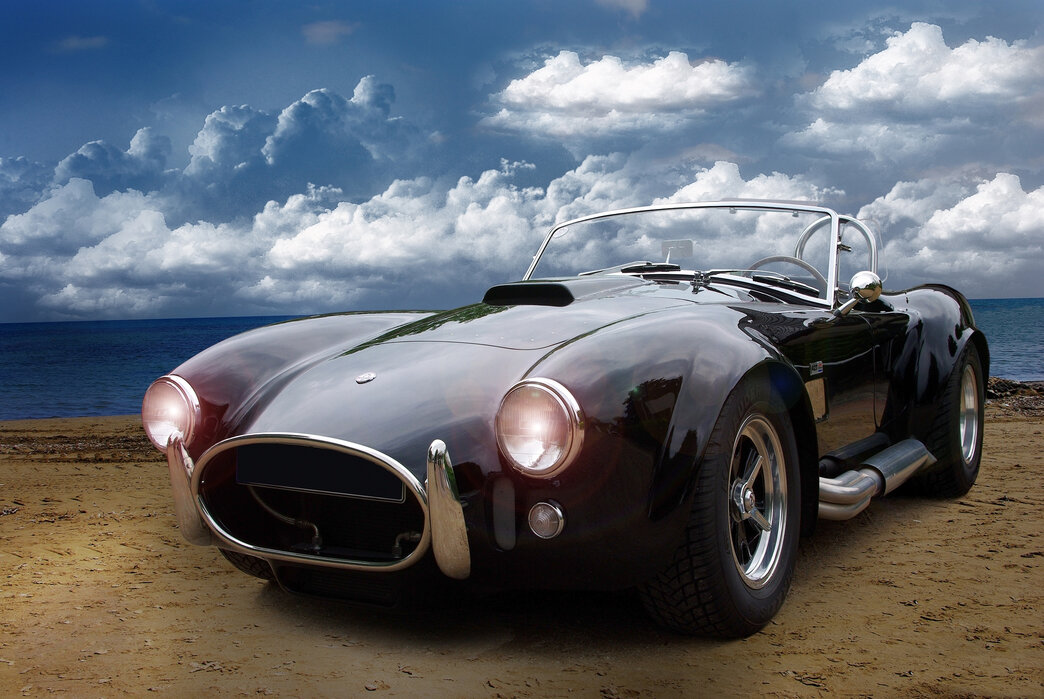
Why It’s Timeless: The Shelby Cobra, brainchild of Carroll Shelby, merges British roadster charm with American V8 power, creating an ageless legend.
History and Design: Starting with the AC Ace chassis, Shelby added a Ford 289 (later 427) V8, resulting in a lightweight, muscular beast. Its minimalist design—low, wide, and curvaceous—oozes raw appeal.
 Via Motor Authority
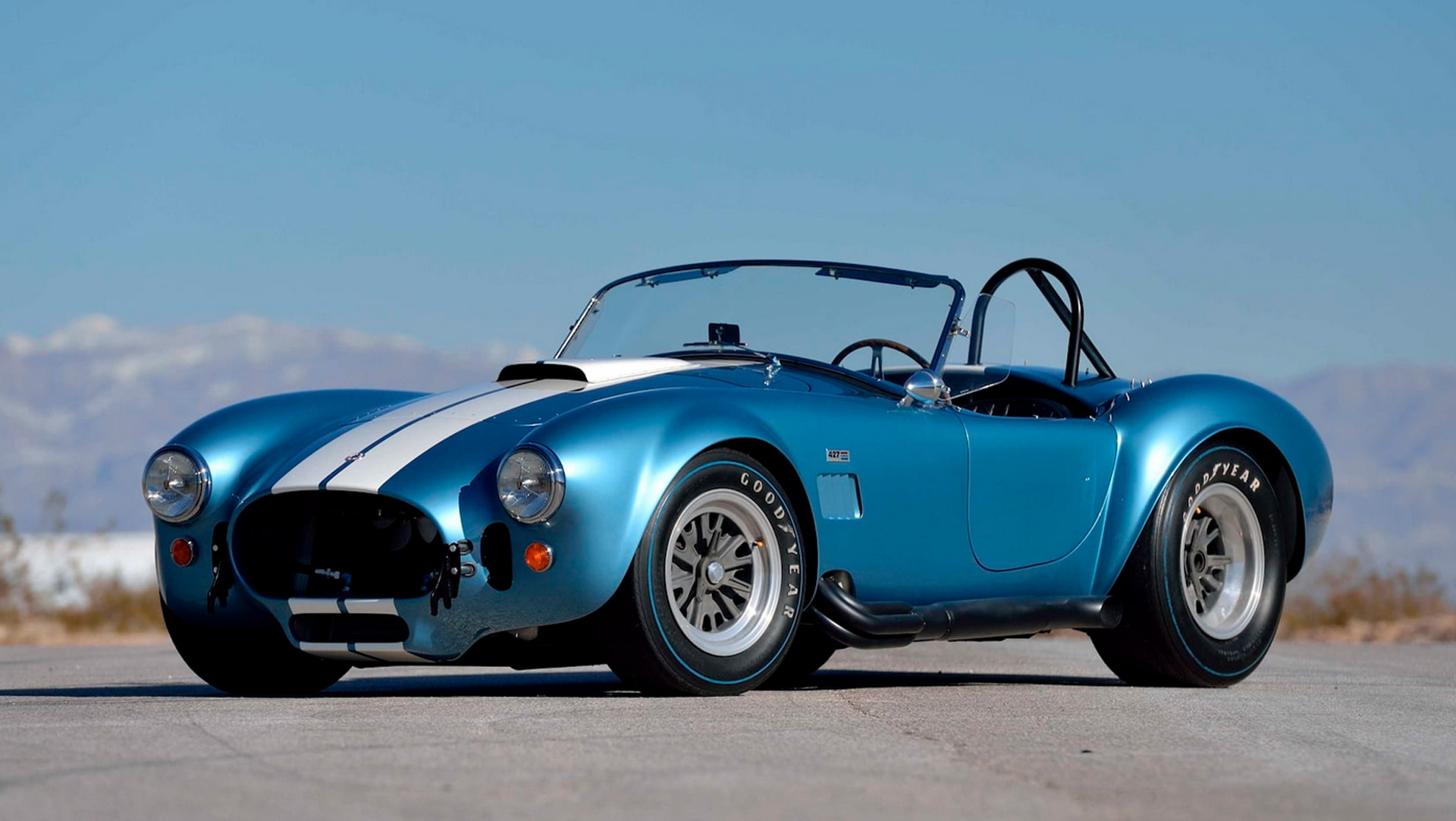
Performance: The 427 Cobra unleashed 425 hp, rocketing from 0-60 mph in 4.3 seconds and topping 165 mph. Its brutal acceleration remains unmatched in spirit.
Legacy: Original Cobras command $1 million-plus, while replicas keep the dream alive for enthusiasts. Its simplicity and power ensure its everlasting cool factor.
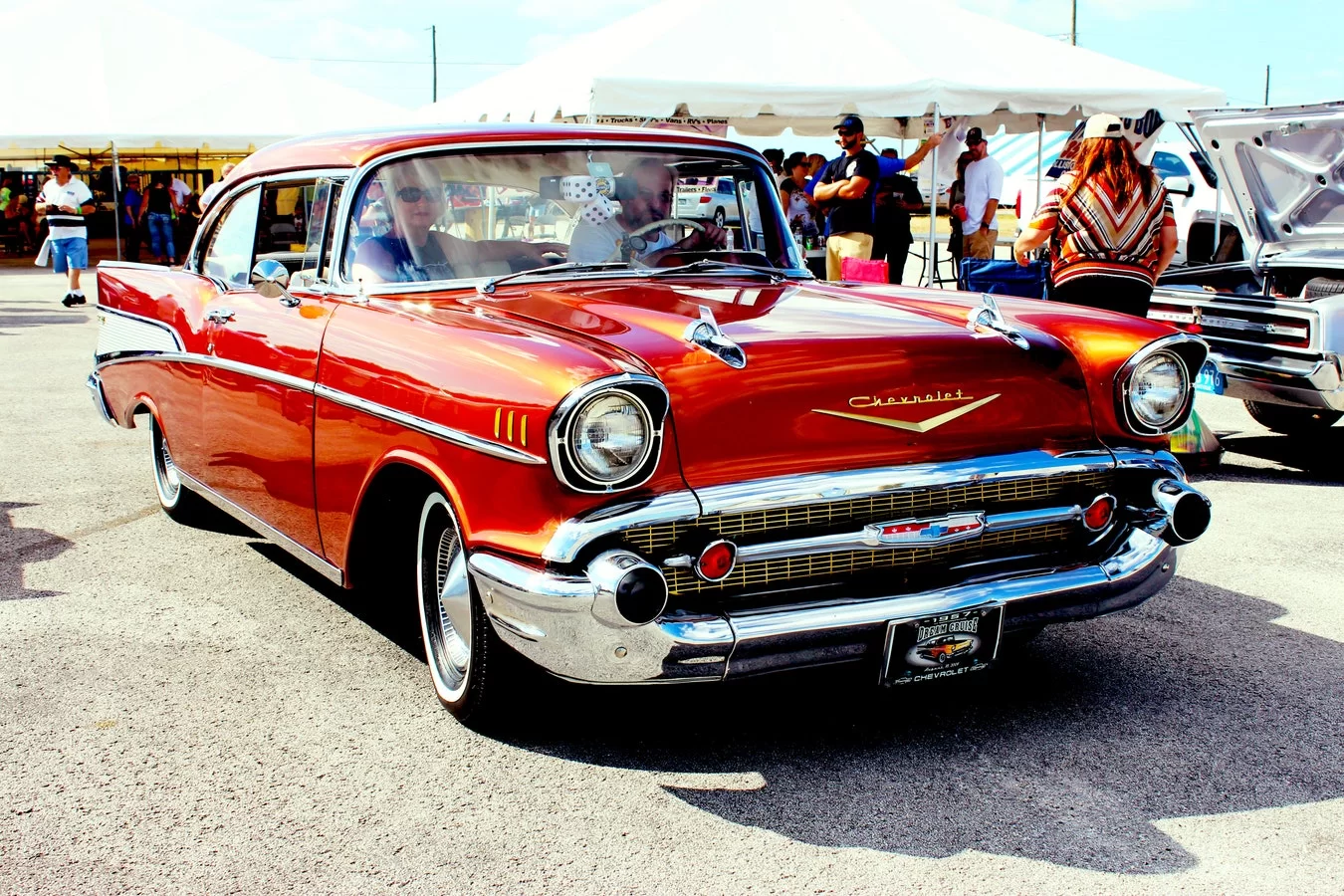 Via Downtown
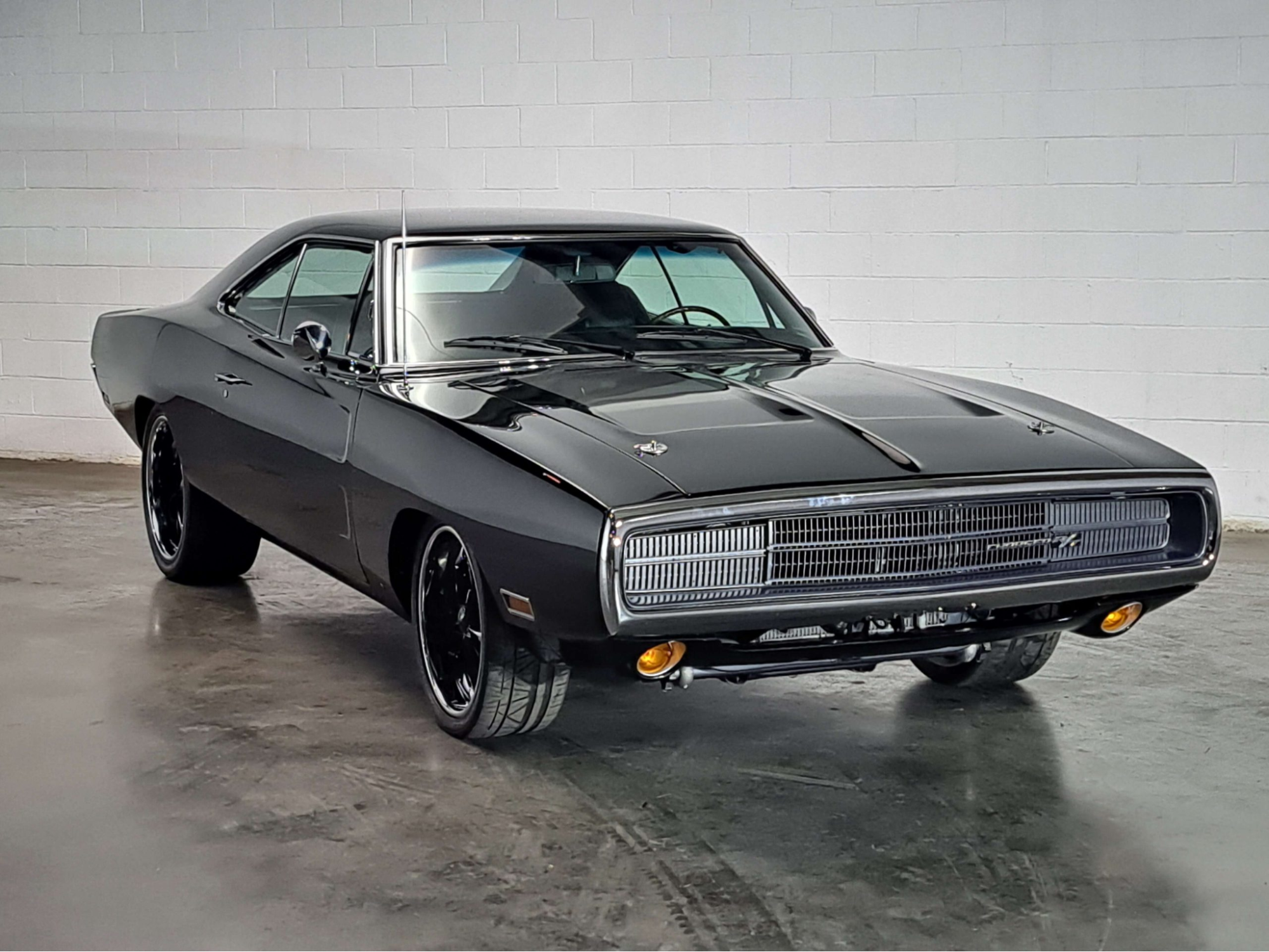 Via The Vault MS
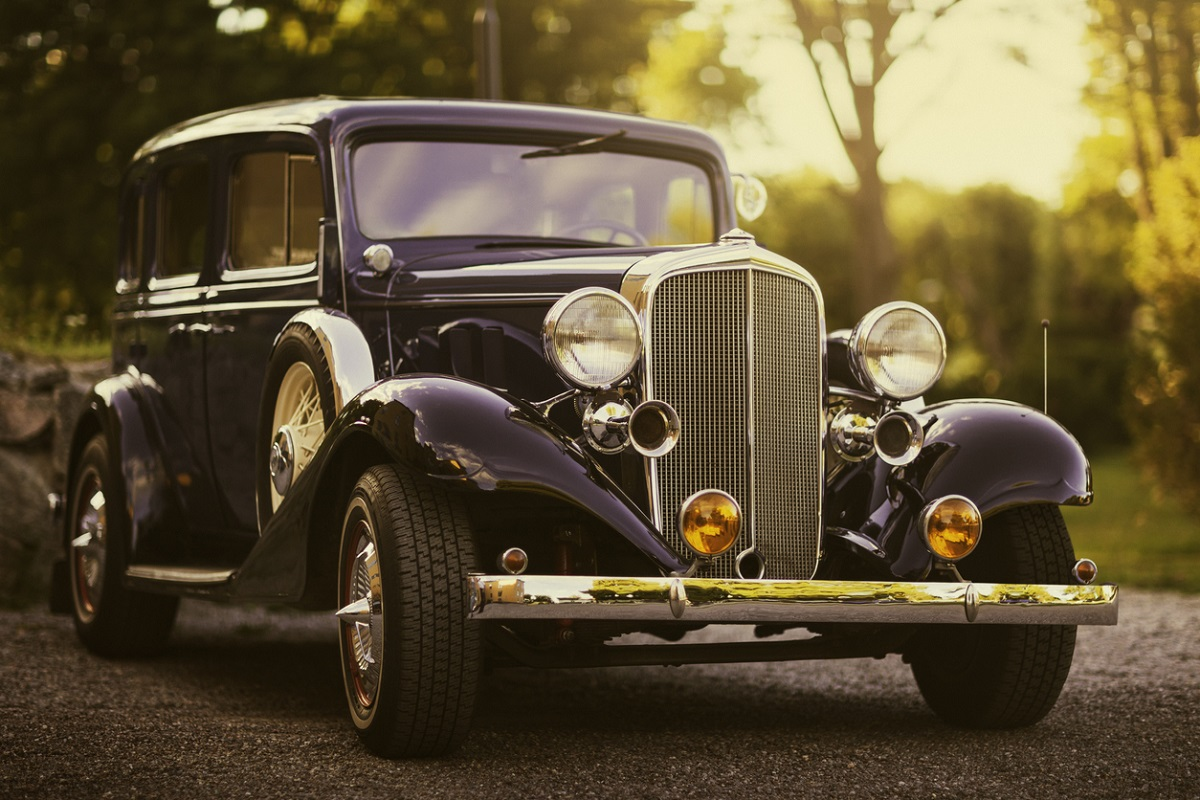 Via The Stateman
Via Photowall
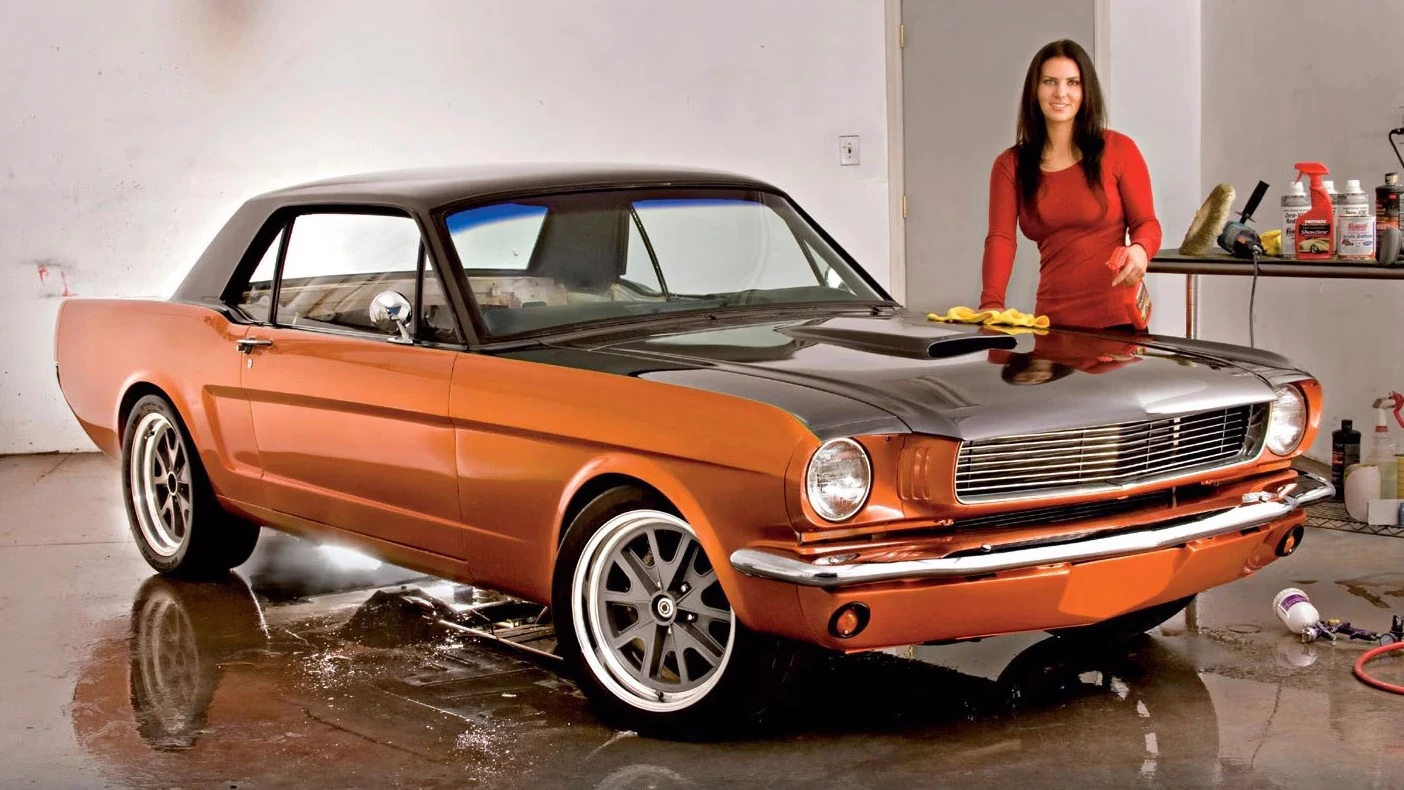 Via Tyre Point
Their designs inspire awe, their performances thrill and their legacies grow stronger with time. Whether you’re a collector, a dreamer, or simply an admirer, these cars remind us why the golden age of motoring remains unmatched. As long as there are roads to drive and stories to tell, these timeless icons will never fade from the spotlight.
More in Lifestyle / Automotive Care1. Ford Mustang (1964-1969)
Via Honest John Classics
Why It’s Timeless: The Ford Mustang, introduced in 1964, is the quintessential American pony car—a term it coined. Its sleek design, affordable price, and powerful performance options made it an instant hit, selling over a million units in its first 18 months.
History and Design: Launched at the New York World’s Fair, the Mustang’s long hood, short deck, and galloping pony emblem became symbols of freedom and rebellion. Early models like the 1965 Mustang Fastback and the 1969 Mach 1 featured aggressive styling and a range of engines, from modest inline-sixes to the thunderous 429 Cobra Jet V8. Its versatility allowed buyers to customize it for cruising or racing, cementing its status as a cultural icon.
Via V8 Werk
Performance: The Mustang’s performance peaked with models like the 1969 Boss 429, boasting 375 horsepower (underrated for insurance purposes) and a top speed exceeding 120 mph. Its handling, while not as refined as European sports cars, suited its raw, unapologetic character.
Legacy: Featured in films like Bullitt (1968) and countless car shows, the Mustang’s influence endures. Modern iterations pay homage to the original, but the first-generation models remain collector favorites, with pristine examples fetching six figures at auctions.
2. Chevrolet Corvette (1953-1967)
Via Wikipedia
Why It’s Timeless: The Chevrolet Corvette, America’s first true sports car, debuted in 1953 and evolved into an icon by the 1960s. Its blend of striking design and track-ready performance ensures its everlasting appeal.
History and Design: Initially a fiberglass-bodied roadster, the Corvette matured with the C2 (1963-1967), known as the Sting Ray. The 1963 Split-Window Coupe, with its distinctive rear glass, is often hailed as one of the most beautiful cars ever made. Designer Larry Shinoda’s curves and chrome accents gave it a futuristic yet timeless look.
Via CNET
Performance: The C2 offered engines like the 327 cubic-inch V8 (up to 375 hp) and the rare 427 L88 (officially 430 hp, though closer to 500). The 1967 Sting Ray could hit 0-60 mph in under 5 seconds—a feat for its era.
Legacy: The Corvette’s racing pedigree, including wins at Le Mans, and its role in American car culture keep it relevant. Today, C1 and C2 models are prized possessions, with values soaring past $200,000 for rare variants.
3. Porsche 911 (1963-Present, Focus on Early Models)
Via wittwer
Why It’s Timeless: The Porsche 911’s unmistakable silhouette and rear-engine layout have made it a sports car legend since 1963. Early models, especially pre-1974, embody pure driving joy.
History and Design: Designed by Ferdinand “Butzi” Porsche, the 911 replaced the 356 with a more powerful, refined package. Its rounded nose, sloping roofline, and circular headlights remain largely unchanged, a testament to its perfect proportions. The 1973 911 Carrera RS, with its ducktail spoiler, is a standout.
Via frazerpart
Performance: Early 911s featured air-cooled flat-six engines, starting at 130 hp and climbing to 210 hp in the RS. The rear-engine design offered unique handling—tricky but rewarding—making it a favorite among purists.
Legacy: The 911’s continuous evolution hasn’t diminished the allure of its early years. Models like the 930 Turbo (1975) added power, but the original’s simplicity and elegance ensure its timeless status, with prices often exceeding $150,000.
4. Jaguar E-Type (1961-1974)
Via beverlyhillscarclub
Why It’s Timeless: Hailed by Enzo Ferrari as “the most beautiful car ever made,” the Jaguar E-Type combines breathtaking aesthetics with thrilling performance, securing its place in automotive lore.
History and Design: Unveiled in 1961, the E-Type’s long hood, sleek profile, and covered headlights exude elegance and aggression. Designer Malcolm Sayer drew inspiration from Jaguar’s Le Mans-winning D-Type, blending aerodynamics with artistry.
Via beverlyhillscarclub
Performance: Powered by a 3.8-liter (later 4.2-liter) inline-six, the E-Type delivered 265 hp and a top speed of 150 mph—remarkable for the time. The Series 1 models (1961-1968) are the most coveted for their purity.
Legacy: Featured in films like The Italian Job, the E-Type remains a symbol of 1960s sophistication. Restored Series 1 coupes and roadsters routinely sell for $100,000-$300,000, reflecting their undying appeal.
5. Chevrolet Camaro (1967-1969)
Via ultimatecarpage
Why It’s Timeless: Introduced to rival the Mustang, the Chevrolet Camaro carved its own niche with bold styling and muscular performance, becoming a staple of American car culture.
History and Design: Launched in 1967, the Camaro’s sculpted body, wide stance, and hidden headlights (on RS models) gave it a predatory look. The 1969 model, with its restyled grille and sharper lines, is a fan favorite.
Via Hot Cars
Performance: Options ranged from a 230 cubic-inch inline-six to the monstrous 427 V8 in the COPO ZL1, producing over 500 hp. The 1969 Z/28, with a 302 V8, was a Trans-Am racing star, hitting 0-60 mph in 5.1 seconds.
Legacy: Immortalized as Bumblebee in the Transformers franchise, the first-generation Camaro’s aggressive charm endures. Prices for well-maintained examples range from $50,000 to over $100,000 for rare variants.
6. Ferrari 250 GTO (1962-1964)
Via Amaglam Collection
Why It’s Timeless: The Ferrari 250 GTO is the pinnacle of classic car royalty—stunningly beautiful, race-proven, and exorbitantly rare, with only 36 ever built.
History and Design: Crafted by Giotto Bizzarrini and styled by Scaglietti, the 250 GTO’s low-slung body, flowing curves, and functional vents were designed for speed and stability. Its hand-built nature adds to its mystique.
Via Motor Treand
Performance: A 3.0-liter V12 churned out 300 hp, propelling the GTO to 174 mph and a 0-60 mph time of 5.4 seconds. It dominated races like the Tour de France Automobile, blending road and track prowess.
Legacy: With auction prices topping $70 million, the 250 GTO is the ultimate collector’s car. Its scarcity and racing heritage ensure it remains a timeless masterpiece.
7. Dodge Charger (1968-1970)
Via Autopolis
Why It’s Timeless: The Dodge Charger’s muscular stance and Hollywood fame make it an enduring symbol of American power and rebellion.
History and Design: The 1968 redesign introduced a fastback roofline, hidden headlights, and a bold grille, epitomizing the late-1960s muscle car style. The 1969 model, featured in The Dukes of Hazzard as the General Lee, is iconic.
Via Pinterest
Performance: Engines ranged from a 318 V8 to the legendary 426 Hemi, delivering 425 hp and a 0-60 mph time of 5.2 seconds. Its brawny character shone on drag strips and streets alike.
Legacy: The Charger’s aggressive design and pop culture status keep it in demand, with restored examples fetching $80,000-$150,000, especially Hemi-equipped models.
8. Lamborghini Miura (1966-1973)
Via forums.forza
Why It’s Timeless: Often called the world’s first supercar, the Lamborghini Miura redefined performance and style with its mid-engine layout and jaw-dropping looks.
History and Design: Designed by Marcello Gandini at Bertone, the Miura’s low profile, pop-up headlights, and sweeping lines were revolutionary. Unveiled in 1966, it shocked the automotive world.
Via forums.forza
Performance: A 3.9-liter V12 produced 350 hp (later 385 hp in the SV), achieving 170 mph and 0-60 mph in 6.7 seconds. Its mid-engine design influenced countless supercars to follow.
Legacy: With fewer than 800 built, the Miura’s rarity and beauty drive prices above $1 million. Its pioneering spirit ensures its timeless allure.
9. Mercedes-Benz 300SL Gullwing (1954-1957)
Via eMercedesBenz
Why It’s Timeless: The 300SL Gullwing’s iconic doors, sleek design, and racing pedigree make it a standout classic that never ages.
History and Design: Born from Mercedes’ 1952 Le Mans racer, the 300SL debuted in 1954 with gullwing doors necessitated by its tubular frame. Its streamlined body and chrome accents exude elegance.
Via Mercedes Benz
Performance: The 3.0-liter inline-six, with direct fuel injection, produced 215 hp, hitting 163 mph—making it the fastest production car of its time.
Legacy: Only 1,400 coupes were made, and their value now exceeds $1 million. The 300SL’s blend of luxury and speed keeps it eternally stylish.
10. Shelby Cobra (1962-1967)
Via Mecum
Why It’s Timeless: The Shelby Cobra, brainchild of Carroll Shelby, merges British roadster charm with American V8 power, creating an ageless legend.
History and Design: Starting with the AC Ace chassis, Shelby added a Ford 289 (later 427) V8, resulting in a lightweight, muscular beast. Its minimalist design—low, wide, and curvaceous—oozes raw appeal.
Via Motor Authority
Performance: The 427 Cobra unleashed 425 hp, rocketing from 0-60 mph in 4.3 seconds and topping 165 mph. Its brutal acceleration remains unmatched in spirit.
Legacy: Original Cobras command $1 million-plus, while replicas keep the dream alive for enthusiasts. Its simplicity and power ensure its everlasting cool factor.
Why These Cars Never Go Out of Style
Timeless Design
Each of these cars boasts a design that transcends eras. The Mustang’s pony car proportions, the E-Type’s flowing lines, and the 300SL’s gullwing doors are instantly recognizable and universally admired. Unlike modern cars, which often prioritize aerodynamics over aesthetics, these classics were crafted as rolling sculptures.Via Downtown
Cultural Impact
From the Charger’s General Lee to the Mustang’s Steve McQueen chase in Bullitt, these cars are woven into pop culture. Their appearances in films, TV shows, and music videos amplify their mystique, ensuring they remain relevant to new generations.Performance Legacy
While today’s supercars boast higher numbers, the raw, analog performance of these classics—unburdened by electronics—offers an unmatched driving experience. The roar of a Hemi V8 or the scream of a Ferrari V12 connects drivers to the road in a visceral way.Via The Vault MS
Rarity and Exclusivity
Limited production runs, like the 36 Ferrari 250 GTOs or 764 Miuras, enhance their allure. Owning one is a badge of honor, driving demand and value skyward.Nostalgia and Craftsmanship
Built in an era of hand assembly and mechanical simplicity, these cars evoke nostalgia for a time when driving was an event. Their craftsmanship—wood dashboards, leather seats, chrome trim—stands in stark contrast to today’s mass-produced uniformity.Via The Stateman
Collecting and Maintaining Classic Cars
Investment Potential
Classic cars have proven to be solid investments. The Hagerty Price Guide notes that values for models like the 250 GTO and 300SL have appreciated exponentially, often outpacing traditional assets. Even more accessible cars, like the Mustang and Camaro, see steady gains for pristine examples.Restoration Challenges
Maintaining these icons requires dedication. Parts for rare models like the Miura or Cobra can be scarce, and skilled mechanics familiar with vintage tech are dwindling. Yet, the reward of reviving a classic outweighs the effort for many.Via Photowall
Community and Events
Owning a classic car opens doors to a vibrant community. Events like Pebble Beach Concours d’Elegance, Goodwood Revival, and local car shows celebrate these vehicles, fostering camaraderie among enthusiasts.Classic Cars That Never Go Out of Style
The top 10 classic cars that never go out of style—Ford Mustang, Chevrolet Corvette, Porsche 911, Jaguar E-Type, Chevrolet Camaro, Ferrari 250 GTO, Dodge Charger, Lamborghini Miura, Mercedes-Benz 300SL Gullwing, and Shelby Cobra—are more than vehicles; they’re enduring symbols of innovation, beauty, and passion.Via Tyre Point
Their designs inspire awe, their performances thrill and their legacies grow stronger with time. Whether you’re a collector, a dreamer, or simply an admirer, these cars remind us why the golden age of motoring remains unmatched. As long as there are roads to drive and stories to tell, these timeless icons will never fade from the spotlight.