Lifestyle / Travel
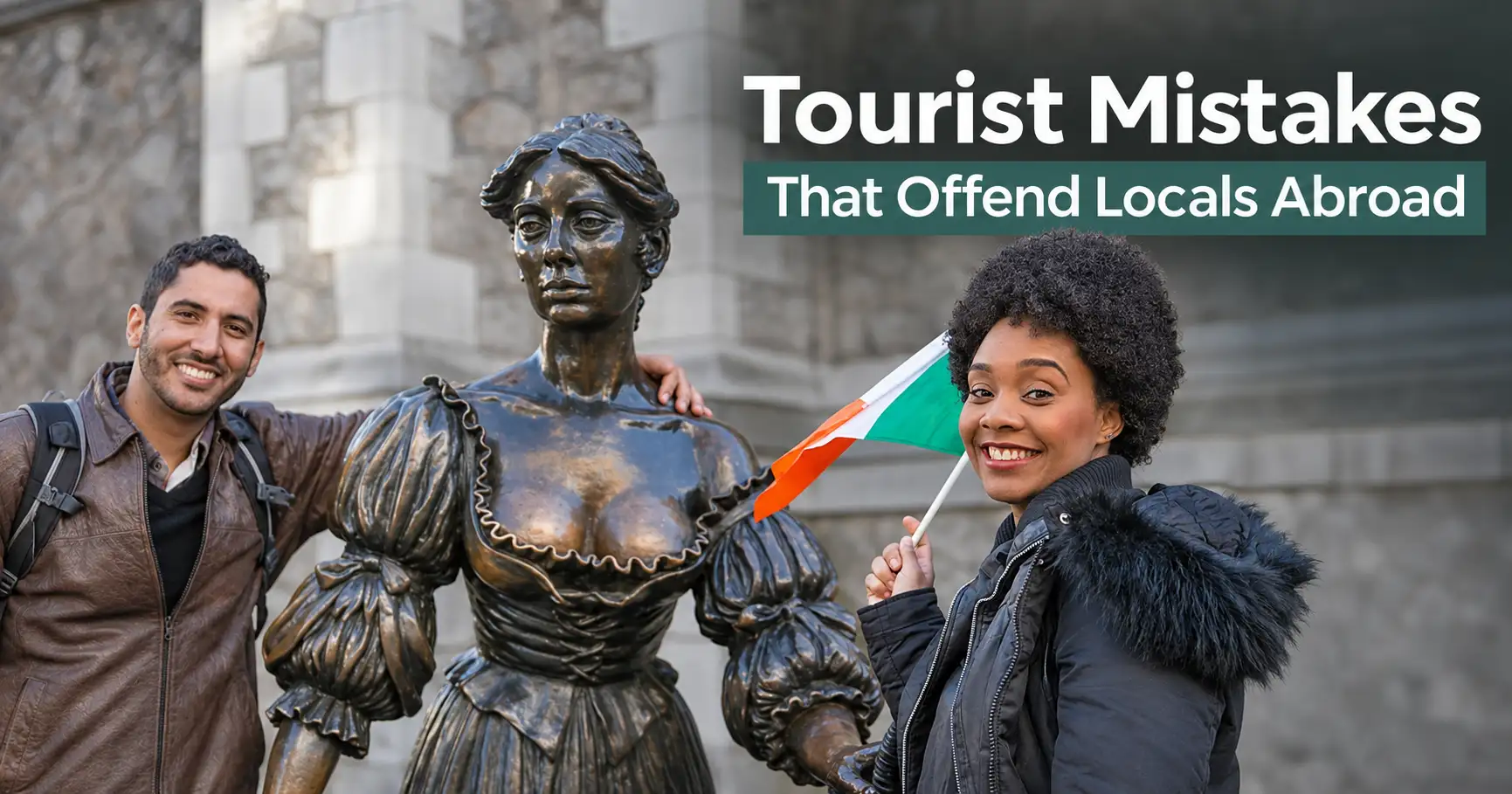
The Rudest Things Tourists Do Abroad and How to Avoid Them
International travel is a privilege that many people learned to value more after years of lockdowns and closed borders. Once the world opened up again, travelers rushed to book trips to faraway places, and tourism bounced back in a big way.
With so many people on the move, the way visitors behave abroad matters more than ever before. American tourists do not always have the best reputation in other countries. The well-known “ugly American” label comes from visitors who act loud, demanding, or careless about local customs.
Via Vincci Hotels
Still, that stereotype does not have to define every trip, and each traveler has the power to leave a much better impression behind. Every culture has its own small rules, and learning them all can feel overwhelming at first.
A simple way to handle this is to focus on what not to do. Kindness and respect are understood in every language, so knowing the most common mistakes is a great first step toward becoming a welcome guest anywhere in the world.

Via International Citizens Insurance
Expecting Everyone to Speak English
One of the most common mistakes tourists make is assuming that everyone they meet will speak English. In many places, English is not widely spoken, and expecting it can come across as rude. Raising the voice and repeating the same words louder does not help either, since volume does not make a foreign language easier to understand.
Learning a few basic phrases before a trip can make a big difference. Words like “hello,” “please,” and “thank you” in the local language show effort and respect. Shop owners, waiters, and hotel staff often respond warmly when visitors try, even if the pronunciation is far from perfect, and that small effort can open many friendly doors.

Via Engoo
Translation apps are also a helpful tool for travelers who struggle with a new language. Typing a request and showing the translated words on a phone screen can make ordering food or asking for directions much smoother. This approach works especially well in countries with very different writing systems, such as Japan, where menus and signs can be hard to read.
Skipping Research Before the Trip
Travelers who know what to expect usually enjoy their trips far more. Etiquette rules are not hidden secrets, and almost every country has its customs explained online in guides, blogs, and travel forums. Spending a little time reading before departure can prevent many awkward or frustrating moments once the trip begins.

Via Ensure My Trip
Some customs may seem surprising to first-time visitors. In Hungary, clinking beer glasses during a toast is often avoided because of an old historical tradition. In France, it is polite to say “bonjour” when walking into a shop. In Japan, business cards are offered and received with both hands as a sign of respect.
Learning these details is not just about avoiding mistakes. It is also part of the joy of exploring a new place. Visitors who take part in local customs often feel more connected to the people around them, and that makes the whole experience richer, more memorable, and much more rewarding than simply seeing the sights.

Via Global Goose
Getting Tipping Customs Wrong
Tipping rules change a lot from one country to another. In the United States, leaving a tip after a meal is expected, and skipping it is usually seen as rude. Many travelers bring this habit with them overseas without realizing that it may not fit the local culture at all.
In some countries, tips are only given when the service is truly outstanding. Even then, the amount is often small, sometimes just a coin or two in the local currency. In other places, service charges are already added to the bill, so an extra tip is not needed. In certain cultures, offering a tip can even feel insulting to the worker.

Via BBC
The safest approach is to check the tipping customs before sitting down for a meal. A quick online search, a travel guide, or a question to hotel staff can clear up any confusion. Knowing the rules ahead of time saves visitors from awkward moments and shows respect for how local businesses and workers operate.
Forgetting the Role of a Guest
A respectful traveler always remembers that they are a visitor in someone else’s land. The goal of a trip is not to change how things work or to demand that locals follow home-country habits. Travel is a chance to experience new customs, new foods, and new ways of living that may feel unfamiliar.
Via Business Insider
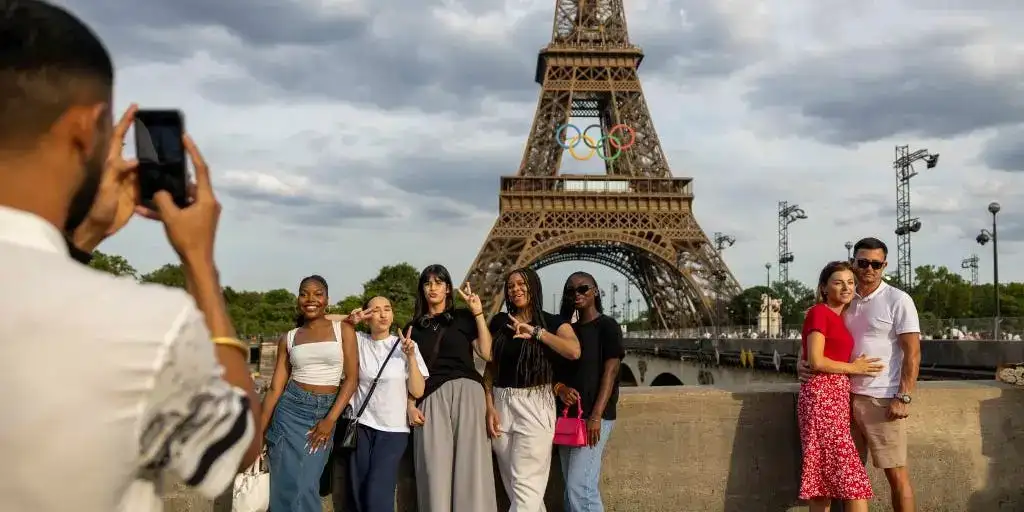
Some tourists show a strong sense of entitlement, complaining loudly when things move slowly or do not match their expectations. This behavior is uncomfortable for everyone nearby. A better choice is to take a deep breath, stay patient, and adjust to the local pace. Many travelers discover that a slower rhythm of life is actually quite enjoyable.
A helpful way to think about it is to act like a guest in a stranger’s home. Guests stay polite, humble, and grateful for the welcome they receive. Every visitor also represents their home country, so good behavior helps build a positive image, while rude behavior only strengthens old stereotypes.

Via Extended Wallpaper
Ignoring Body Language and Personal Space
Cultural differences often show up in small things like facial expressions and personal space. In some countries, people smile at strangers all the time, while in others, smiles are saved for close friends and family. Eye contact also varies, with some cultures valuing direct eye contact and others seeing it as too bold.
Simple gestures can carry very different meanings around the world. In Greece, for example, the familiar head nod and head shake do not always work the way Americans expect. A quick upward tilt of the head can mean “no,” which easily confuses visitors. Using the local words for “yes” and “no” is a smart way to avoid misunderstandings.
Via People
Personal space is another area where rules change from place to place. People in cooler regions often prefer more distance, while those in warmer regions may stand much closer. Even waiting in line follows different customs, so watching how locals queue before joining is a simple and respectful habit to follow.
Dressing Disrespectfully
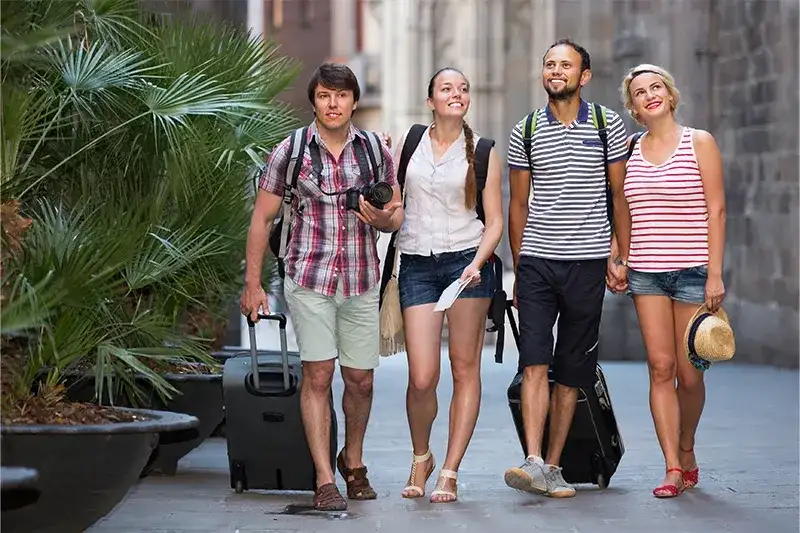
Clothing choices can send a strong message in a foreign country. Everyone wants to look good on vacation, but outfits that feel fine at home may not be welcome everywhere. Revealing clothes are often considered inappropriate at religious sites, and in some countries, modest dress is expected in nearly all public places.
Via Smart Traveller
Packing with local culture in mind is a smart move. Sleeveless tops, very short shorts, flashy sneakers, and fanny packs may not suit every setting. Even for trips to hot destinations, it helps to bring at least one lightweight outfit that covers the shoulders and knees. Some restaurants and venues also expect guests to dress formally for dinner.
Shoes deserve special attention too. In many cultures, guests are expected to remove their shoes before entering a home, a temple, or certain businesses. Paying attention to shoe racks near doorways or following what locals do is an easy way to stay polite and avoid embarrassing moments during a visit.

Via Melissa Urban
Acting Carelessly at Sacred Sites
Religious and historic sites hold deep meaning for local communities. Temples, churches, mosques, and shrines are not just tourist attractions but active places of worship. Visitors who walk in with the same energy they bring to a theme park can easily offend the people who come there to pray.
Photography is one of the biggest problem areas. These places are often stunning, and many tourists want the perfect picture to share online. Chasing that shot, though, can mean blocking walkways, using a flash, or interrupting people during prayer or a ceremony. Some sites ban photos completely, so checking posted signs is always important.

Via BBC
The best rule is to stay quiet, calm, and courteous. Even without knowing every tradition of a certain religion, visitors can show respect by speaking softly, following the lead of locals, and obeying any rules at the entrance. Small acts of reverence go a long way in showing honor for beliefs that matter deeply to others.
Traveling With Respect and Kindness
Good travel manners come down to a few simple ideas. People who research local customs, speak a few words of the language, keep their voices down, and dress with care already avoid most common mistakes. These small efforts take little time, yet they make a big difference in how locals see visitors.
Respect also means staying open-minded when things feel different. Tipping, bargaining, greetings, and schedules all follow local rules, and travelers who adapt rather than complain tend to have smoother and happier trips. They also build better connections with the people they meet, which often leads to the most memorable parts of any journey.
Via Grand Canyon Railway
In the end, kindness and good manners are understood everywhere. When people treat others the way they would want to be treated, they help break old stereotypes and leave a positive mark wherever they go. Each trip becomes a chance for them to learn, grow, and act as thoughtful ambassadors of their home country.