Unassigned
Pilots Slammed for Meowing and Barking on ATC Radio
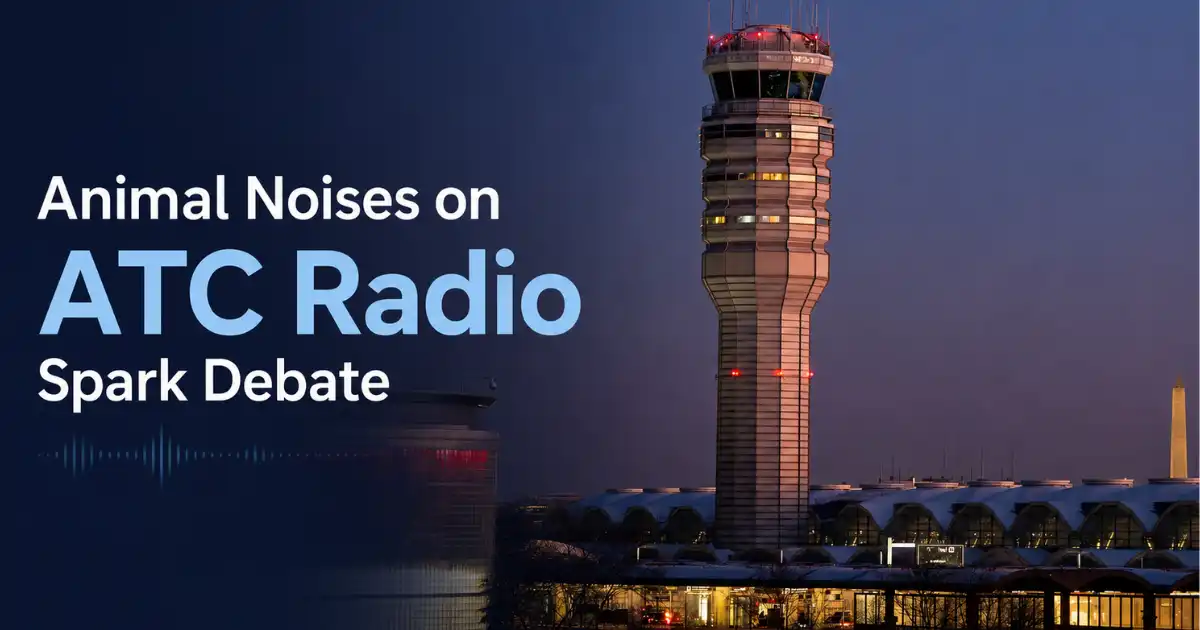
A strange aviation incident has captured global attention after pilots were heard making meowing and barking sounds over a critical radio channel. The unusual behavior took place near Ronald Reagan Washington National Airport, one of the busiest and most tightly controlled airspaces in the United States.
The sounds were transmitted over an air traffic control frequency used for communication between pilots and controllers. These channels are designed for precise, efficient, and clear instructions, especially during high-traffic operations. Any disruption, even one that seems harmless or humorous, can interfere with critical exchanges and create confusion in already complex and time-sensitive environments.
 Via Newsweek
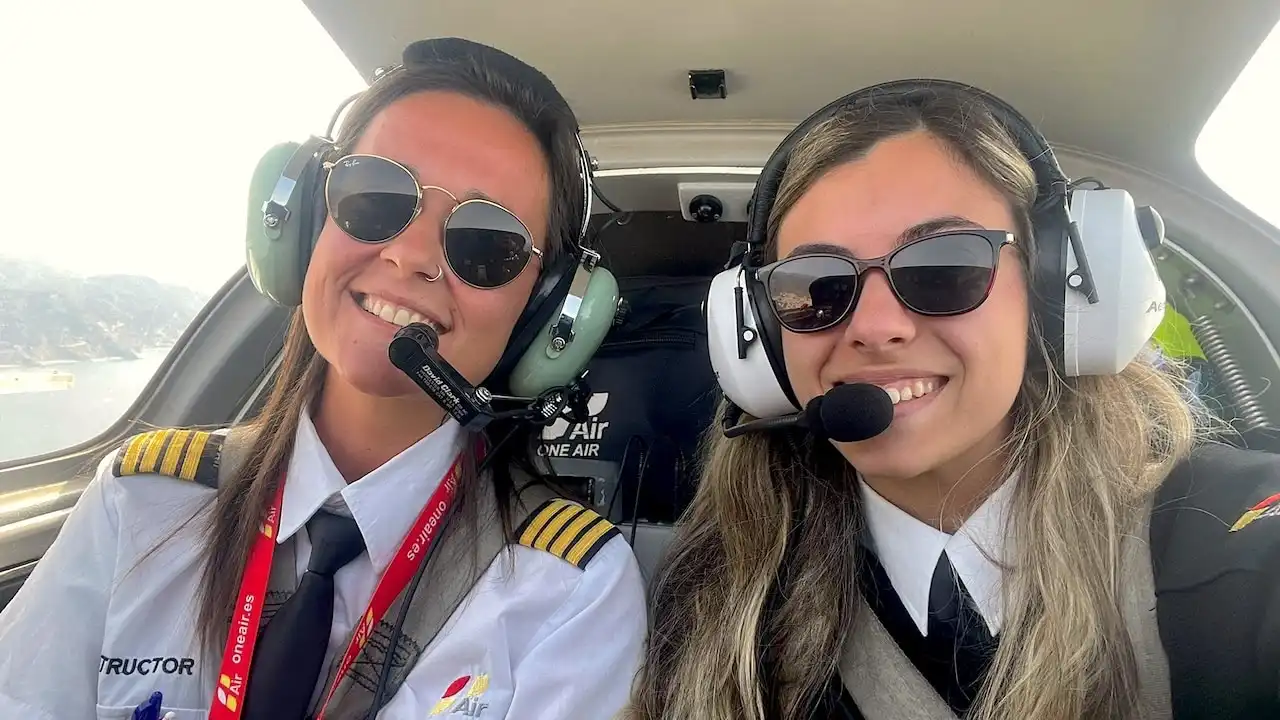
Listeners were surprised by the casual tone of the noise, which stood in sharp contrast to the seriousness of aviation communication. The incident has since raised questions about cockpit discipline and professional behavior across the industry.
 Via ABC News
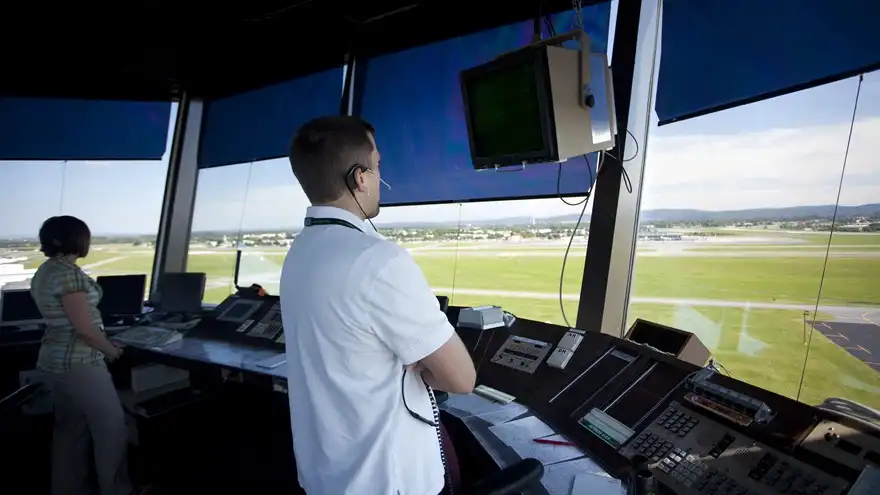
The FAA explained that the audio originated from a third-party platform, which requires careful validation before conclusions are drawn. Investigators must determine whether the voices belong to certified pilots and confirm the exact circumstances of the transmission. This level of scrutiny reflects the seriousness with which aviation authorities treat communication violations.
Authorities emphasized that all reported incidents are investigated thoroughly, regardless of how minor they may appear at first. Maintaining safety in aviation requires strict adherence to communication rules and professional conduct. Even unusual or seemingly harmless behavior is examined to prevent potential risks in the future.
 Via AOPA
 Via BAA Training
The FAA continues to remind pilots that every transmission must serve a clear and necessary purpose. Aviation relies heavily on precision, timing, and clarity in communication systems. Adhering to these rules helps maintain order, reduce confusion, and prevent avoidable errors in busy airspace.
 Via Forbes
Misuse of the guard frequency can create serious complications for flight safety. Emergency calls may be delayed, blocked, or missed entirely if the channel is filled with unnecessary noise. Meowing and barking transmissions, while seemingly harmless, can interfere with messages that require immediate and clear attention.
Aviation professionals consider this frequency essential and treat it with a high level of respect. Keeping it clear ensures that pilots can rely on it during distress situations without confusion. Respecting its purpose is a fundamental part of maintaining a safe and efficient aviation environment.
 Via FLYING Magazine
 Via Aviation Week
Tajer also stressed that the frequency is not intended for entertainment or casual communication. Pilots undergo extensive training to maintain professionalism in all situations, including routine operations. The incident serves as a reminder of the responsibility that comes with operating an aircraft.
 Via The Tab
During the recording, another voice can be heard addressing the situation and urging professionalism among those involved. The warning reflected the standards expected within the aviation community and the importance of maintaining discipline. Despite this, the noises continued, adding to the frustration of those monitoring the channel.
The exchange also included remarks criticizing the pilots, suggesting that such behavior reflects poorly on their training and professionalism. Public reactions have been mixed, with some viewing the incident as humorous while others emphasize the importance of accountability and strict standards.
 Via Travel+Lesiure
 Via Group One Air
Incidents involving meowing and barking highlight the importance of maintaining strict professional standards. Aviation is an industry where even small lapses can raise serious concerns. Upholding discipline ensures that safety remains the top priority in every situation.
 Via AOPA’s Pilot Protection
The FAA’s role is to enforce compliance and ensure that all pilots follow established safety guidelines. Actions taken in response to violations serve both as punishment and as a deterrent for others. They reinforce the importance of professionalism and adherence to communication standards.
Investigations typically take time as officials gather evidence and verify details. The outcome will be based on confirmed facts and regulatory frameworks. Fairness, accuracy, and consistency are key elements in determining the final decision.
 Via SAIC Careers
 Via LinkedIn
Public confidence in aviation depends on consistent professionalism and reliability. Events like this can influence how people perceive the industry and its commitment to safety. Addressing such incidents openly helps reinforce trust and accountability.
 Via Global Aerospace
Training programs may be strengthened to emphasize proper communication practices and professional conduct. Reinforcing guidelines helps reduce the likelihood of similar incidents occurring in the future. Continuous education remains a key factor in maintaining high standards across the aviation sector.
People within the aviation industry continue to advocate for discipline and responsibility in all aspects of flight operations. Protecting critical communication channels is a shared duty among all professionals. Strong enforcement of rules ensures that safety remains the central focus of aviation worldwide.
More in UnassignedVia Newsweek
Listeners were surprised by the casual tone of the noise, which stood in sharp contrast to the seriousness of aviation communication. The incident has since raised questions about cockpit discipline and professional behavior across the industry.
FAA Launches Review Into the Incident
The Federal Aviation Administration has confirmed that it is reviewing the situation involving the pilots heard in the recording. Officials stated that the agency is aware of the audio clips and is working to verify their authenticity before taking further steps. This process ensures that any action taken is based on confirmed and reliable evidence.Via ABC News
The FAA explained that the audio originated from a third-party platform, which requires careful validation before conclusions are drawn. Investigators must determine whether the voices belong to certified pilots and confirm the exact circumstances of the transmission. This level of scrutiny reflects the seriousness with which aviation authorities treat communication violations.
Authorities emphasized that all reported incidents are investigated thoroughly, regardless of how minor they may appear at first. Maintaining safety in aviation requires strict adherence to communication rules and professional conduct. Even unusual or seemingly harmless behavior is examined to prevent potential risks in the future.
Via AOPA
Strict Rules Govern Pilot Communication
Clear communication is a cornerstone of aviation safety, and strict rules govern how pilots use radio frequencies at all times. Regulations state that below 10,000 feet, pilots must limit communication to essential flight-related matters only. This rule ensures maximum concentration during critical phases such as takeoff, landing, and initial climb. Non-essential chatter, including jokes, casual talk, or irrelevant remarks, is strictly prohibited under aviation guidelines. Meowing and barking noises clearly fall into the category of unnecessary communication. Such behavior can distract both pilots and air traffic controllers, increasing the risk of missed instructions or misunderstandings.Via BAA Training
The FAA continues to remind pilots that every transmission must serve a clear and necessary purpose. Aviation relies heavily on precision, timing, and clarity in communication systems. Adhering to these rules helps maintain order, reduce confusion, and prevent avoidable errors in busy airspace.
The Role of the Guard Frequency
The incident is believed to have taken place on the guard frequency, a radio channel reserved specifically for emergencies. This frequency is continuously monitored by pilots and air traffic controllers, even when it is not actively being used for communication. Its purpose is to provide a reliable backup during urgent or unexpected situations.Via Forbes
Misuse of the guard frequency can create serious complications for flight safety. Emergency calls may be delayed, blocked, or missed entirely if the channel is filled with unnecessary noise. Meowing and barking transmissions, while seemingly harmless, can interfere with messages that require immediate and clear attention.
Aviation professionals consider this frequency essential and treat it with a high level of respect. Keeping it clear ensures that pilots can rely on it during distress situations without confusion. Respecting its purpose is a fundamental part of maintaining a safe and efficient aviation environment.
Via FLYING Magazine
Reaction From the Aviation Community
The aviation community responded quickly and strongly to the incident once the recordings became public. Many professionals expressed disappointment and concern over the lack of discipline demonstrated in the audio. The behavior was widely labeled as unprofessional and not aligned with industry standards. Dennis Tajer, a spokesperson for the Allied Pilots Association, addressed the issue publicly. He noted that while misuse of the guard frequency has occurred in the past, it remains rare and is strongly discouraged. His remarks reflected the shared expectations within the aviation field.Via Aviation Week
Tajer also stressed that the frequency is not intended for entertainment or casual communication. Pilots undergo extensive training to maintain professionalism in all situations, including routine operations. The incident serves as a reminder of the responsibility that comes with operating an aircraft.
Audio Recording Sparks Public Attention
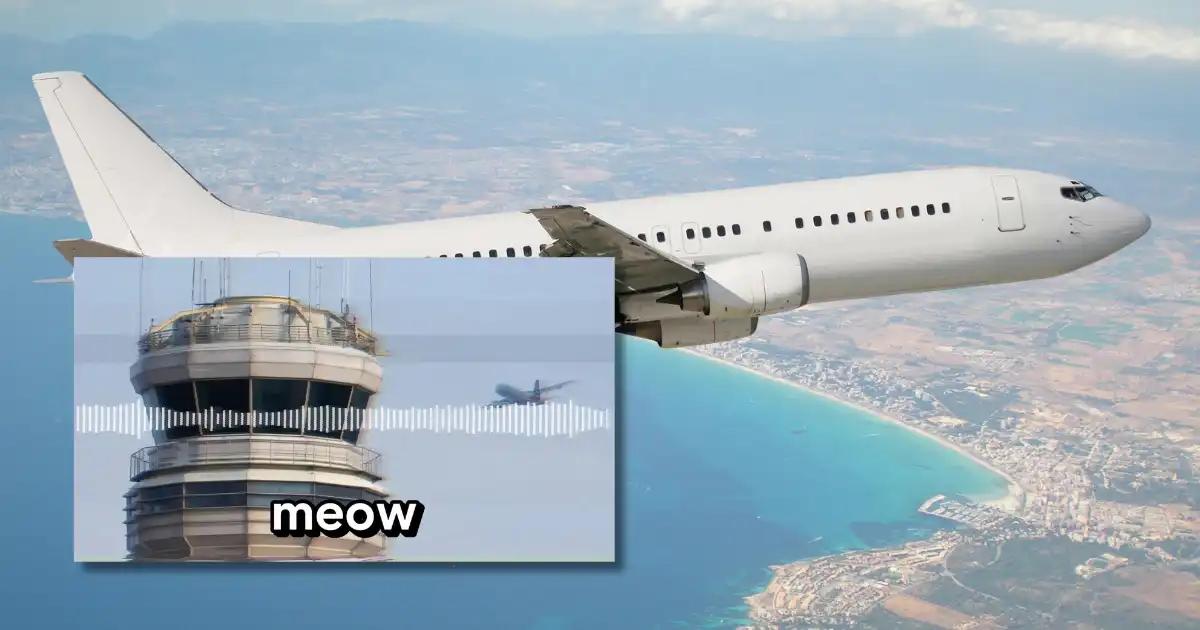
The audio clip began circulating widely on social media platforms in mid-April, gaining rapid attention from users around the world. Its unusual content quickly caught the interest of aviation enthusiasts as well as the general public. Many listeners expressed disbelief at hearing meowing and barking on a serious communication channel.Via The Tab
During the recording, another voice can be heard addressing the situation and urging professionalism among those involved. The warning reflected the standards expected within the aviation community and the importance of maintaining discipline. Despite this, the noises continued, adding to the frustration of those monitoring the channel.
The exchange also included remarks criticizing the pilots, suggesting that such behavior reflects poorly on their training and professionalism. Public reactions have been mixed, with some viewing the incident as humorous while others emphasize the importance of accountability and strict standards.
Via Travel+Lesiure
Importance of Professional Conduct in Aviation
Professional conduct is essential in aviation due to the high level of responsibility carried by pilots during every flight. Each decision and action in the cockpit can have significant consequences for passenger safety and operational success. Maintaining focus, discipline, and awareness is critical at all times. Communication plays a vital role in ensuring safe flight operations across all stages of a journey. Pilots rely on clear, accurate, and timely exchanges with air traffic controllers to navigate safely. Any unnecessary noise or distraction can interfere with these communications and increase risk.Via Group One Air
Incidents involving meowing and barking highlight the importance of maintaining strict professional standards. Aviation is an industry where even small lapses can raise serious concerns. Upholding discipline ensures that safety remains the top priority in every situation.
Potential Consequences for Rule Violations
If the investigation confirms that aviation rules were violated, the pilots involved could face disciplinary action from regulatory authorities. This may include formal warnings, financial penalties, or additional training requirements. The severity of the response depends on the findings and the context of the incident.Via AOPA’s Pilot Protection
The FAA’s role is to enforce compliance and ensure that all pilots follow established safety guidelines. Actions taken in response to violations serve both as punishment and as a deterrent for others. They reinforce the importance of professionalism and adherence to communication standards.
Investigations typically take time as officials gather evidence and verify details. The outcome will be based on confirmed facts and regulatory frameworks. Fairness, accuracy, and consistency are key elements in determining the final decision.
Via SAIC Careers
Broader Impact on Aviation Safety Culture
The incident has sparked broader discussions about safety culture within the aviation industry. Experts believe that maintaining discipline in communication reflects the overall professionalism of pilots and flight crews. Even minor lapses can signal the need for stronger oversight and training. Airlines and regulatory bodies continuously work to improve training programs and operational procedures. Emphasis is placed on communication clarity, situational awareness, and adherence to established rules. These efforts aim to minimize risks and enhance overall safety standards.Via LinkedIn
Public confidence in aviation depends on consistent professionalism and reliability. Events like this can influence how people perceive the industry and its commitment to safety. Addressing such incidents openly helps reinforce trust and accountability.
Accountability and Reinforcing Communication Standards
Calls for accountability have increased following the incident involving meowing and barking on the radio frequency. Aviation leaders and regulatory voices have emphasized that incidents of this nature are not merely distractions but serious breaches that can undermine the discipline required in critical communication systems.Via Global Aerospace
Training programs may be strengthened to emphasize proper communication practices and professional conduct. Reinforcing guidelines helps reduce the likelihood of similar incidents occurring in the future. Continuous education remains a key factor in maintaining high standards across the aviation sector.
People within the aviation industry continue to advocate for discipline and responsibility in all aspects of flight operations. Protecting critical communication channels is a shared duty among all professionals. Strong enforcement of rules ensures that safety remains the central focus of aviation worldwide.