Unassigned
‘’Euphoria’’ Season 3 Struggles With Weak Storylines
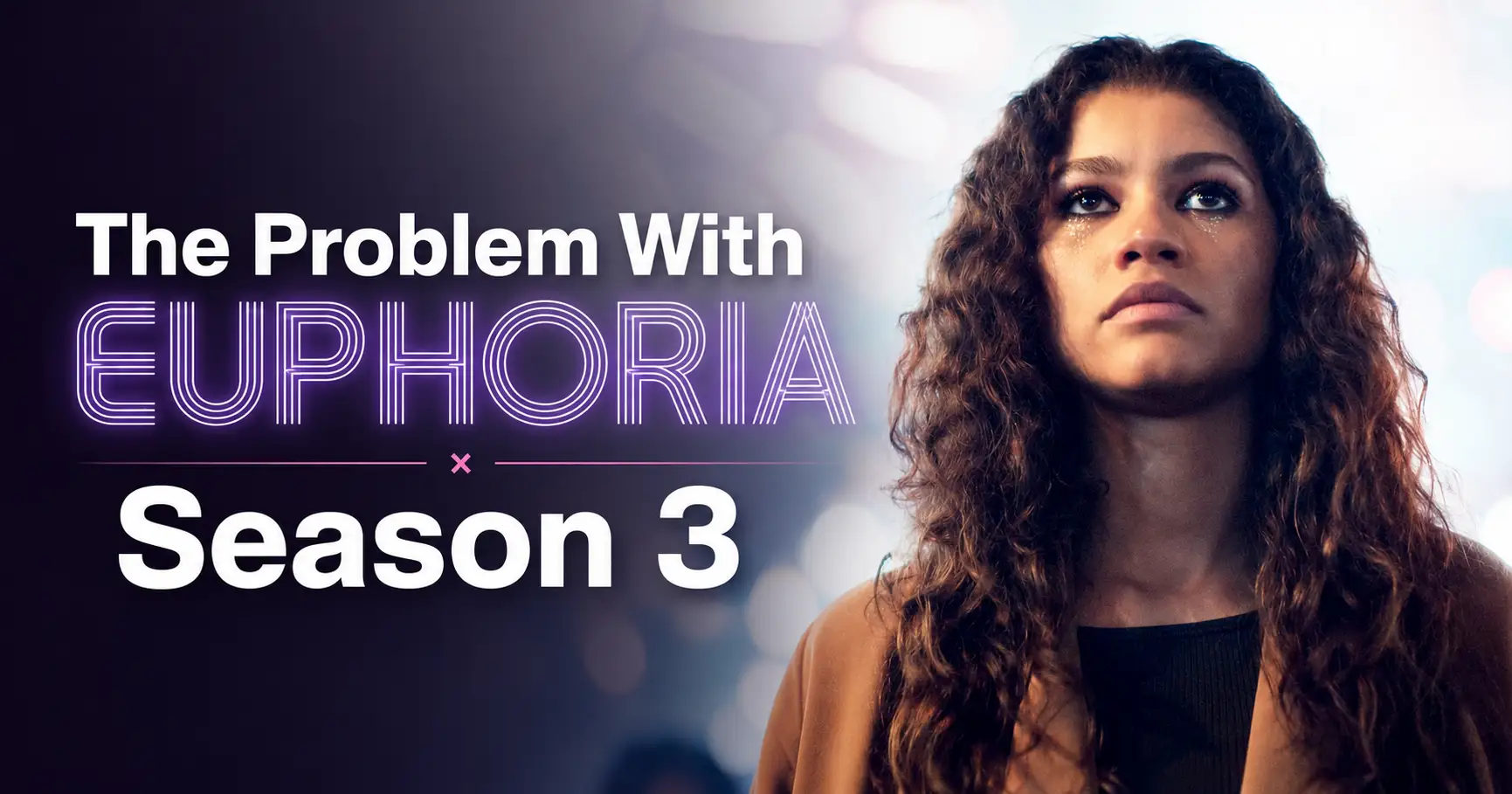
Euphoria built a strong name by showing raw teenage struggles with bold storytelling, emotional depth, and striking visuals. Earlier seasons balanced chaos with meaning, allowing characters to feel real despite extreme situations. Viewers connected with flawed personalities, messy relationships, and emotional vulnerability that reflected real-life struggles.
Season 3, seems to drift away from that foundation, leaving audiences confused about its direction and purpose. The storytelling now feels scattered, with plotlines jumping between intense drama and unrealistic developments.
 Via The Hollywood Reporter
Instead of building tension naturally, scenes often rely on shock value without meaningful payoff. This shift makes it harder to stay emotionally invested in the story, as events appear exaggerated rather than grounded. Characters who once felt relatable now seem distant, making it difficult to understand their motivations or growth.
The tone also appears inconsistent, moving between serious themes and strange, almost parody-like moments. While Euphoria has always pushed boundaries, earlier seasons maintained a clear emotional core. Season 3 struggles to keep that balance, causing the overall narrative to feel less focused. This disconnect leaves longtime viewers questioning whether the show still understands its original identity.
 Via News 18
 Via Vouge
Other characters face similar problems, as their growth seems rushed or inconsistent. Emotional reactions feel forced, and relationships lack the subtle tension that once defined them. Instead of exploring deeper psychological layers, the show often relies on dramatic events to push the story forward. This approach weakens the emotional impact and makes character development feel incomplete.
 Via The Fader
Cassie’s internal struggle previously added depth to her character, as she battled guilt, desire, and self-worth. That internal conflict now appears more surface-level, making her actions easier to predict and less emotionally powerful. Without that inner tension, her storyline loses the intensity that once made it compelling. The character’s transformation feels rushed rather than naturally developed.
Nate’s presence also feels less dominant compared to earlier seasons. His manipulative behavior once created a strong emotional pull, shaping the actions of those around him. Season 3 presents him in a less focused way, reducing his impact on the narrative. As a result, their relationship no longer drives the story with the same force, leaving a noticeable gap in the overall drama.
 Via Esquire
 Via Mashable
The lack of realism also affects the tone of the show. Instead of exploring genuine emotional struggles, the narrative often focuses on spectacle. This approach can entertain in short bursts, but it weakens long-term engagement. Viewers who once appreciated the show’s authenticity may find it harder to connect with these exaggerated storylines.
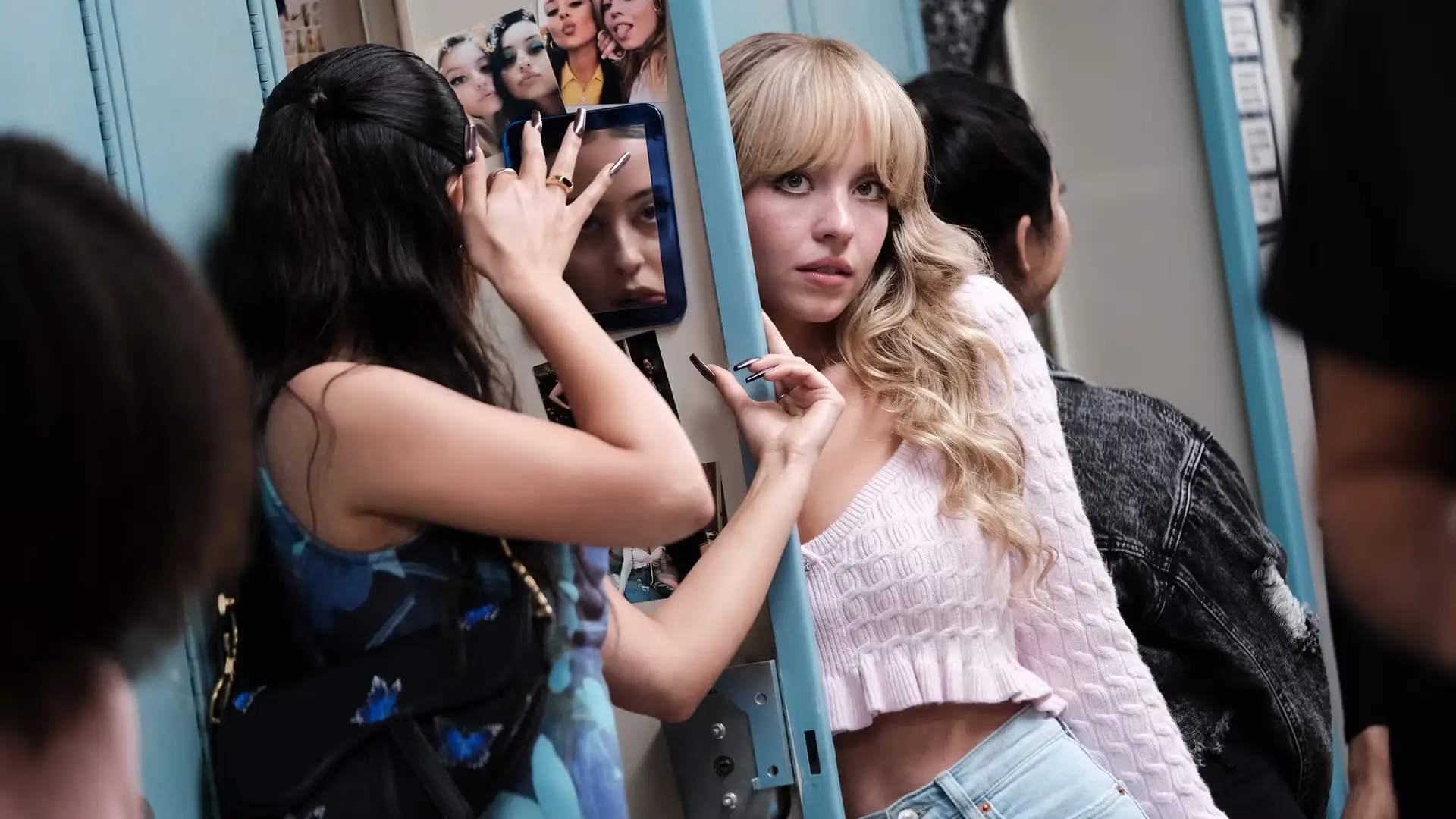 Via Esquire
Memes and viral clips continue to circulate, but they often highlight awkward or questionable moments. Scenes that might have been praised in earlier seasons are now used as examples of declining quality. This shift suggests that audiences are engaging with the show in a more ironic or critical way rather than with genuine admiration.
Online discussions also reflect disappointment from longtime fans. Many viewers express concern that the show has lost its emotional depth and narrative focus. While some still enjoy the drama, others feel that the series no longer delivers the same level of storytelling. This mixed reception shows a clear change in how the audience connects with the show.
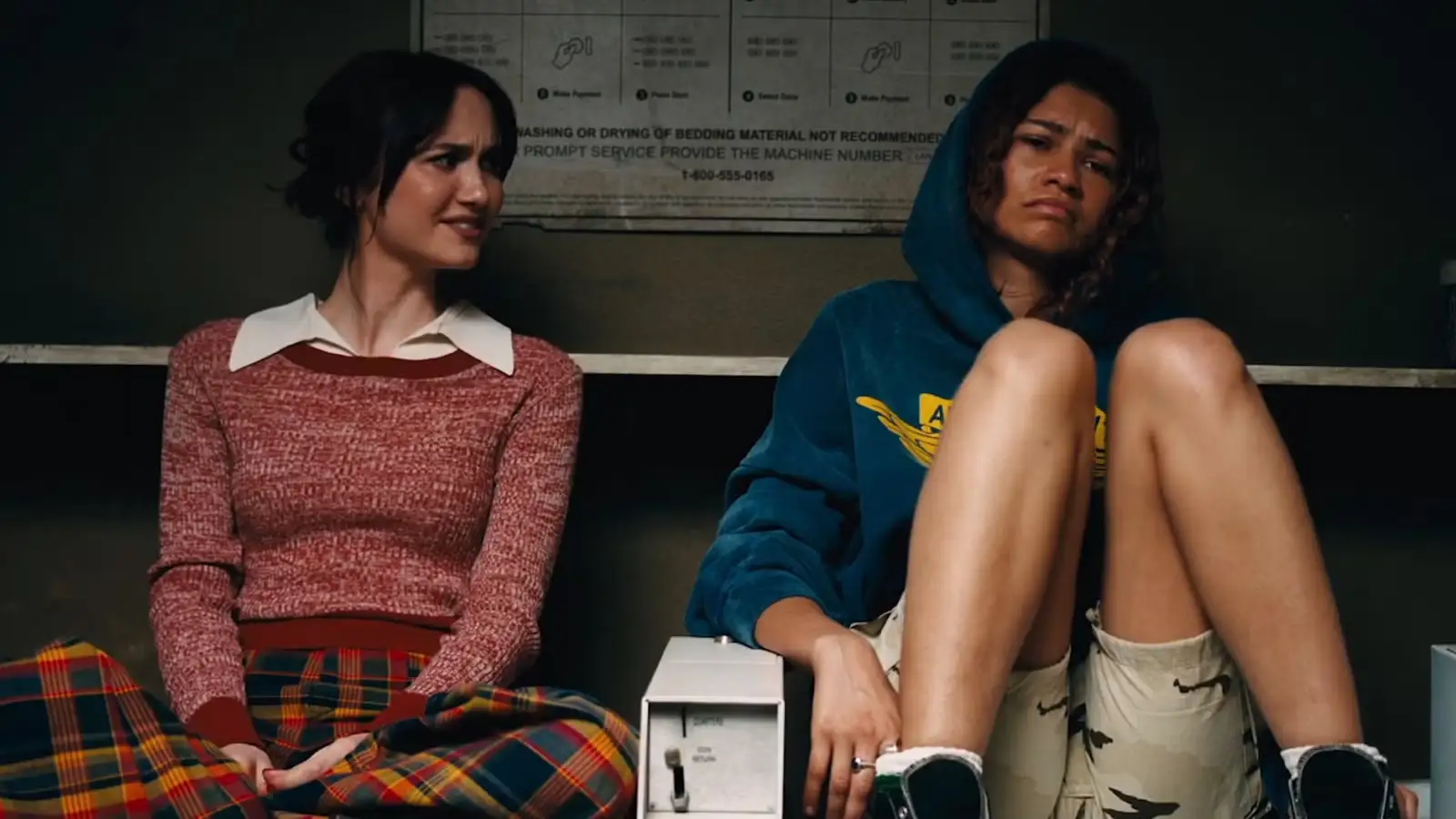 Via Screen Rant
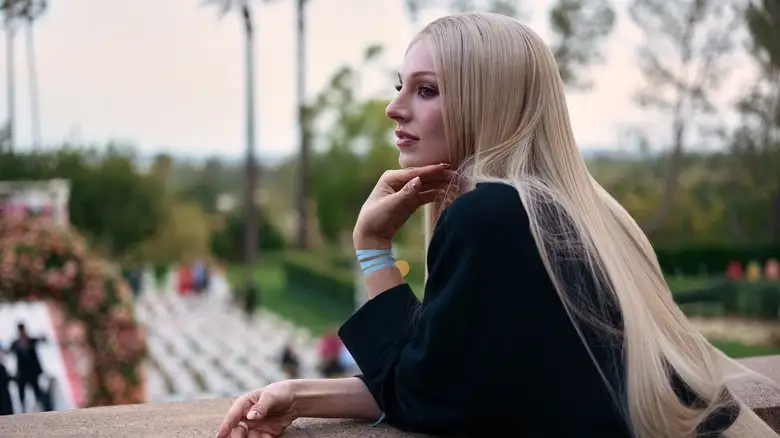 Via Slash Film
This imbalance creates a sense that style is overshadowing substance. While the show looks impressive, the emotional connection behind those visuals feels weaker. Strong visuals alone cannot carry the narrative, and without meaningful storytelling, even the most striking scenes lose their lasting impact.
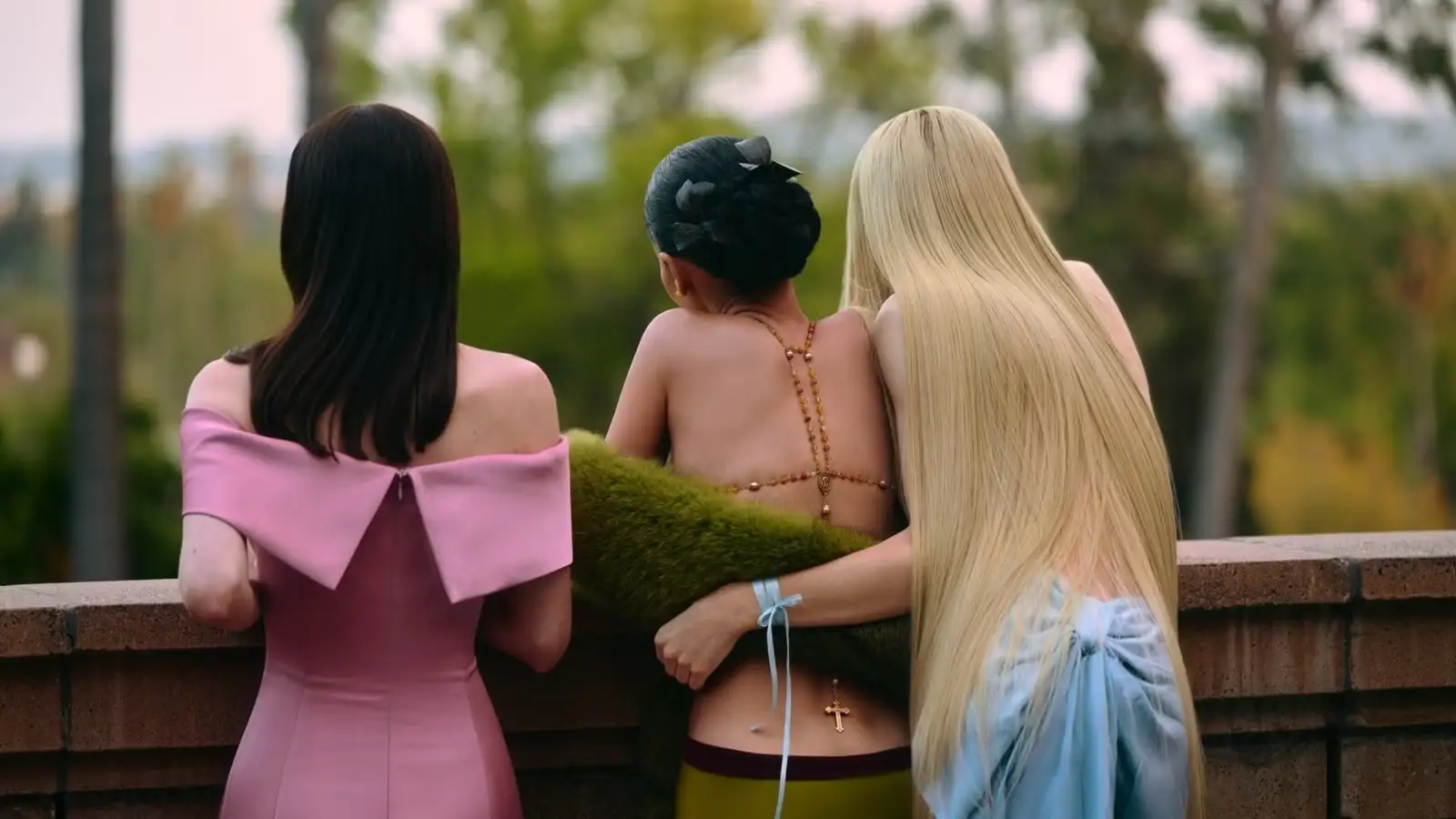 Via Screen Rant
The storytelling approach also plays a role in this shift. Earlier seasons explored difficult topics with nuance, allowing viewers to engage deeply with the material. Season 3 often simplifies these themes, reducing their complexity and emotional weight. This change makes the show feel less impactful compared to its earlier success.
Audience expectations have also grown, making it harder for the show to maintain its original appeal. Fans who connected with the early seasons may now expect deeper storytelling and consistent character development. When those expectations are not met, the gap becomes more noticeable, highlighting the challenges faced by the series.
 Via Financial Express
 Via Coming Soon
Direction plays a key role in shaping the overall experience, and here too the shift is noticeable. Scenes often focus more on style than storytelling, creating moments that look impressive but lack purpose. This imbalance suggests a struggle to maintain the creative energy that originally drove the show’s success.
 Via Vanity Fair
Future episodes may benefit from slowing down the pacing and allowing characters to grow naturally. Strong storytelling often comes from quiet, meaningful moments rather than constant dramatic escalation. By giving more attention to character development, the series can rebuild the emotional connection that audiences expect.
Audience interest remains present, showing that the show has not lost its relevance entirely. Viewers still engage with the series, even if reactions are more critical. With thoughtful adjustments in writing and direction, Euphoria has the opportunity to evolve while staying true to its core identity, offering a more satisfying experience moving forward.
 Via Redbrick
Euphoria still holds the potential to regain its emotional strength if the storytelling returns to its core focus on character depth and realistic struggles. A slower pace, stronger writing, and more grounded narratives could help rebuild the connection that once made the series powerful and relatable. Viewers continue to show interest, which means the foundation is still there, but meaningful improvements are needed to restore balance between style and substance.
More in UnassignedVia The Hollywood Reporter
Instead of building tension naturally, scenes often rely on shock value without meaningful payoff. This shift makes it harder to stay emotionally invested in the story, as events appear exaggerated rather than grounded. Characters who once felt relatable now seem distant, making it difficult to understand their motivations or growth.
The tone also appears inconsistent, moving between serious themes and strange, almost parody-like moments. While Euphoria has always pushed boundaries, earlier seasons maintained a clear emotional core. Season 3 struggles to keep that balance, causing the overall narrative to feel less focused. This disconnect leaves longtime viewers questioning whether the show still understands its original identity.
Via News 18
Characters Lose Depth and Emotional Complexity
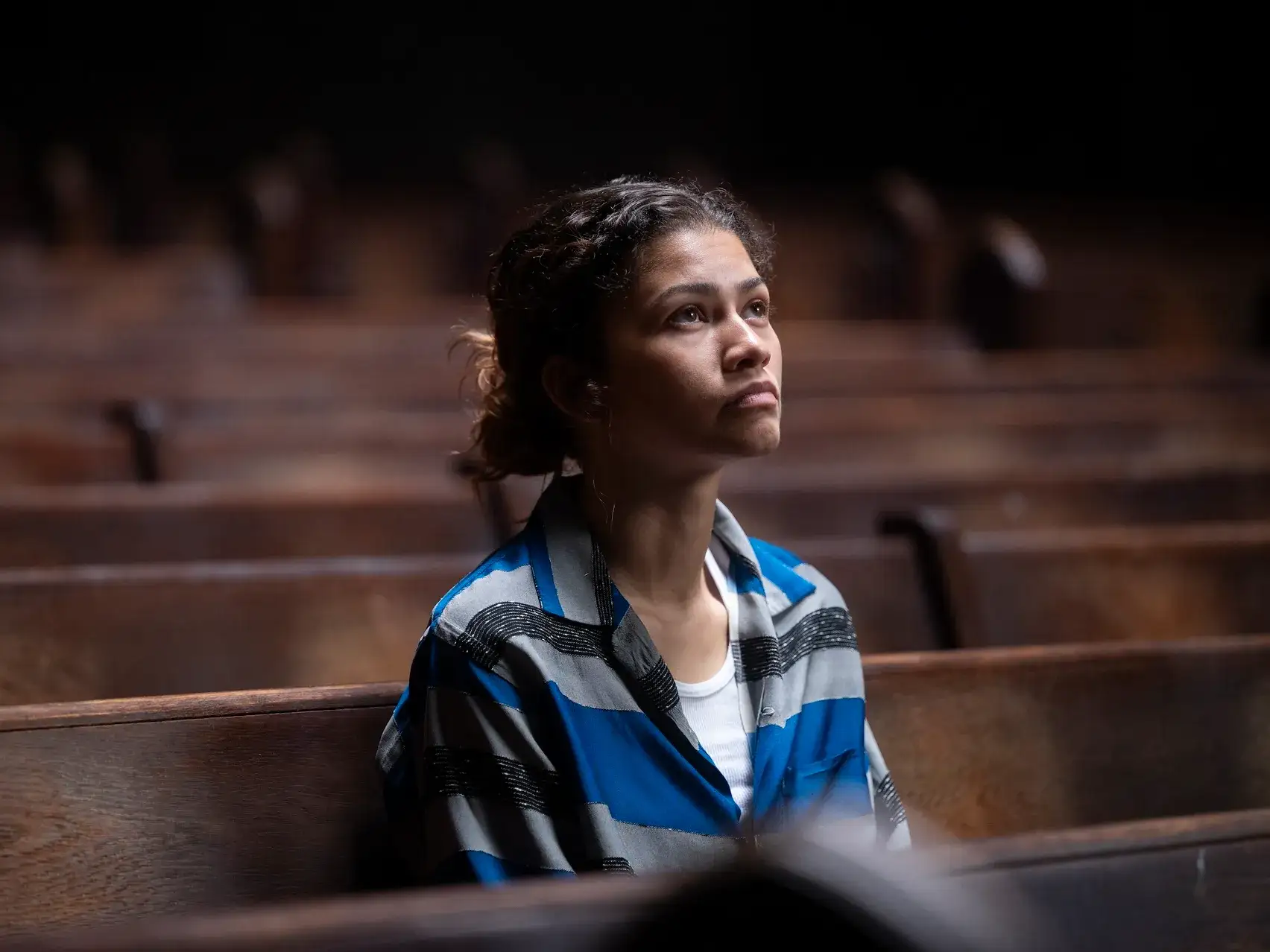
One of Euphoria’s greatest strengths has always been its characters. Each individual carried layers of emotion, trauma, and personal conflict that made their journeys compelling. Season 3 weakens that strength by simplifying personalities into predictable or exaggerated versions of themselves. Complex traits that once drove meaningful story arcs now appear flattened and less engaging. Rue’s transformation highlights this issue clearly. Her story began as a powerful look at addiction and recovery, grounded in painful realism. Season 3 takes her into a more extreme direction, placing her in situations that feel far removed from her original character arc. This shift reduces the emotional weight of her journey and makes it harder for viewers to connect with her struggles.Via Vouge
Other characters face similar problems, as their growth seems rushed or inconsistent. Emotional reactions feel forced, and relationships lack the subtle tension that once defined them. Instead of exploring deeper psychological layers, the show often relies on dramatic events to push the story forward. This approach weakens the emotional impact and makes character development feel incomplete.
Nate and Cassie’s Relationship Feels Less Compelling
Nate and Cassie’s relationship once stood at the center of intense drama, fueled by obsession, secrecy, and emotional conflict. Their connection in earlier seasons carried tension that kept viewers engaged, even when the relationship turned toxic. Season 3 removes much of that complexity, leaving their dynamic feeling predictable and less impactful.Via The Fader
Cassie’s internal struggle previously added depth to her character, as she battled guilt, desire, and self-worth. That internal conflict now appears more surface-level, making her actions easier to predict and less emotionally powerful. Without that inner tension, her storyline loses the intensity that once made it compelling. The character’s transformation feels rushed rather than naturally developed.
Nate’s presence also feels less dominant compared to earlier seasons. His manipulative behavior once created a strong emotional pull, shaping the actions of those around him. Season 3 presents him in a less focused way, reducing his impact on the narrative. As a result, their relationship no longer drives the story with the same force, leaving a noticeable gap in the overall drama.
Via Esquire
Storylines Become Overly Dramatic and Unrealistic
Euphoria has never shied away from intense storytelling, but earlier seasons balanced drama with believable character choices. Season 3 leans heavily into extreme situations that feel disconnected from reality. This shift makes it harder for viewers to stay emotionally grounded in the story, as events often seem exaggerated for shock value. Plot developments now escalate quickly without enough buildup, creating moments that feel forced rather than earned. High-stakes scenarios appear suddenly, leaving little time for emotional processing or character reflection. This pacing issue reduces the overall impact of key scenes, making them less memorable despite their intensity.Via Mashable
The lack of realism also affects the tone of the show. Instead of exploring genuine emotional struggles, the narrative often focuses on spectacle. This approach can entertain in short bursts, but it weakens long-term engagement. Viewers who once appreciated the show’s authenticity may find it harder to connect with these exaggerated storylines.
Social Media Reactions Shift From Praise to Criticism
Euphoria has always generated strong reactions online, with fans discussing theories, characters, and emotional moments. Season 3 still attracts attention, but the tone of these conversations has changed. Instead of celebrating powerful scenes, many viewers now focus on criticizing the show’s direction and storytelling choices.Via Esquire
Memes and viral clips continue to circulate, but they often highlight awkward or questionable moments. Scenes that might have been praised in earlier seasons are now used as examples of declining quality. This shift suggests that audiences are engaging with the show in a more ironic or critical way rather than with genuine admiration.
Online discussions also reflect disappointment from longtime fans. Many viewers express concern that the show has lost its emotional depth and narrative focus. While some still enjoy the drama, others feel that the series no longer delivers the same level of storytelling. This mixed reception shows a clear change in how the audience connects with the show.
Via Screen Rant
Visual Style Remains Strong but Lacks Substance
Euphoria continues to impress with its visual style, maintaining its signature aesthetic with bold lighting, creative camera work, and striking set design. The show still knows how to create visually stunning scenes that capture attention instantly. These elements remain a key part of its identity and help maintain its unique presence on television. Despite this strength, the visuals often feel disconnected from the story. Earlier seasons used style to enhance emotional depth, supporting character journeys and key moments. Season 3 sometimes relies on visual impact without the same narrative support, making scenes feel more like standalone pieces rather than parts of a cohesive story.
Via Slash Film
This imbalance creates a sense that style is overshadowing substance. While the show looks impressive, the emotional connection behind those visuals feels weaker. Strong visuals alone cannot carry the narrative, and without meaningful storytelling, even the most striking scenes lose their lasting impact.
The Show Struggles to Capture Its Original Magic
Euphoria gained popularity by capturing a specific moment in youth culture, blending raw emotion with bold storytelling. That connection now appears weaker in Season 3, as the show struggles to reflect the same cultural relevance. Themes that once felt timely and relatable now seem less focused or disconnected from current realities.Via Screen Rant
The storytelling approach also plays a role in this shift. Earlier seasons explored difficult topics with nuance, allowing viewers to engage deeply with the material. Season 3 often simplifies these themes, reducing their complexity and emotional weight. This change makes the show feel less impactful compared to its earlier success.
Audience expectations have also grown, making it harder for the show to maintain its original appeal. Fans who connected with the early seasons may now expect deeper storytelling and consistent character development. When those expectations are not met, the gap becomes more noticeable, highlighting the challenges faced by the series.
Via Financial Express
Writing and Direction Show Signs of Creative Fatigue
The creative vision behind Euphoria once felt fresh and daring, pushing boundaries in both storytelling and presentation. Season 3 shows signs of creative fatigue, where ideas seem recycled or stretched beyond their natural limits. The writing lacks the sharpness that once defined the series, leading to scenes that feel repetitive or unnecessarily prolonged. Dialogue also appears less impactful, with fewer memorable lines that capture the emotional intensity of earlier seasons. Conversations sometimes feel staged rather than natural, reducing the authenticity that once made the show stand out. This change affects how viewers connect with the story, as emotional moments lose their depth and clarity.Via Coming Soon
Direction plays a key role in shaping the overall experience, and here too the shift is noticeable. Scenes often focus more on style than storytelling, creating moments that look impressive but lack purpose. This imbalance suggests a struggle to maintain the creative energy that originally drove the show’s success.
Can Euphoria Regain Its Emotional Depth and Direction
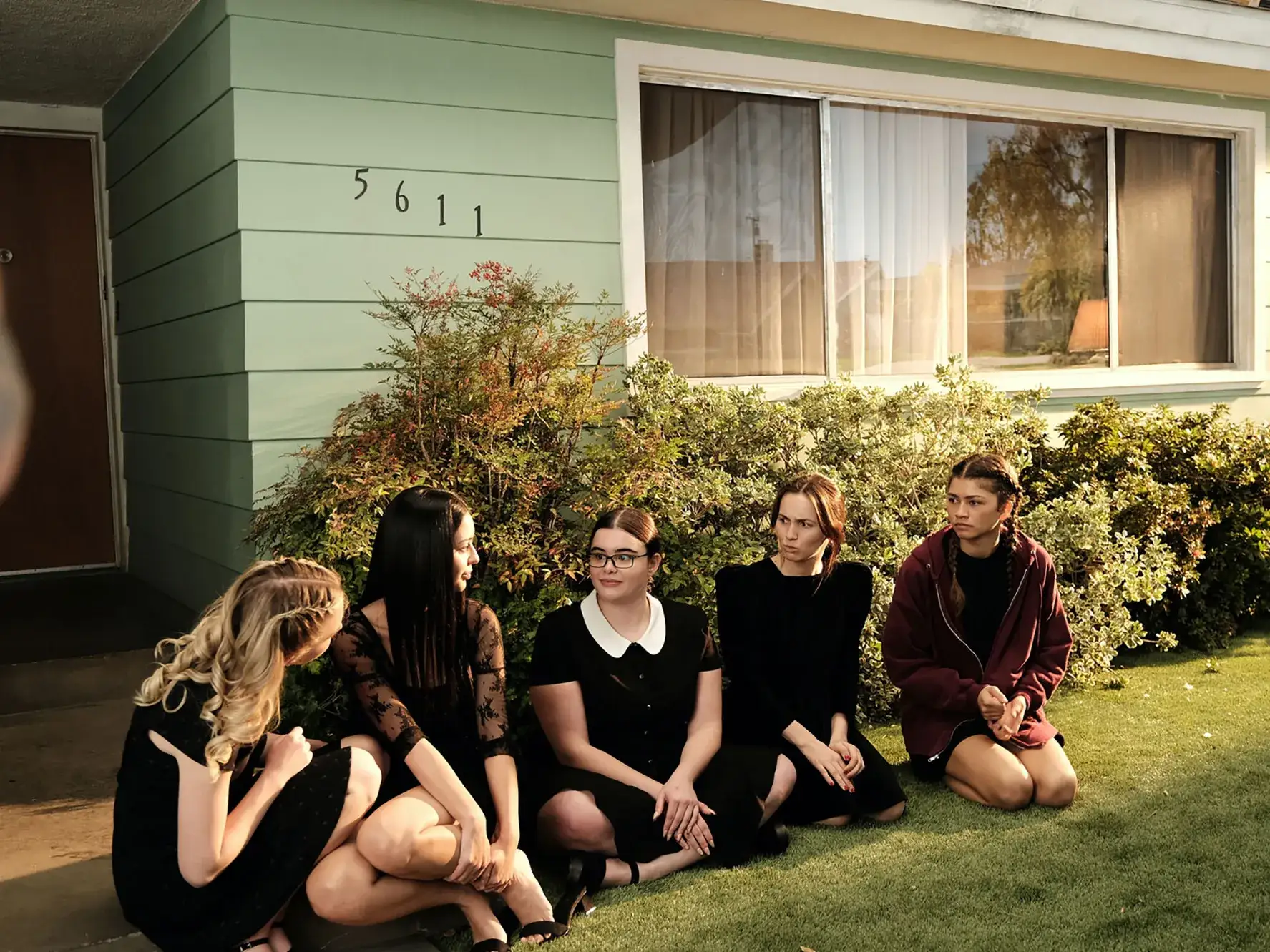
Euphoria still holds potential to recover its original strength, but doing so requires a return to focused storytelling and deeper character exploration. The show built its reputation on emotional honesty and bold narratives that felt both raw and relatable. Reconnecting with those elements could help restore the balance that once made it compelling.Via Vanity Fair
Future episodes may benefit from slowing down the pacing and allowing characters to grow naturally. Strong storytelling often comes from quiet, meaningful moments rather than constant dramatic escalation. By giving more attention to character development, the series can rebuild the emotional connection that audiences expect.
Audience interest remains present, showing that the show has not lost its relevance entirely. Viewers still engage with the series, even if reactions are more critical. With thoughtful adjustments in writing and direction, Euphoria has the opportunity to evolve while staying true to its core identity, offering a more satisfying experience moving forward.
Via Redbrick
Euphoria still holds the potential to regain its emotional strength if the storytelling returns to its core focus on character depth and realistic struggles. A slower pace, stronger writing, and more grounded narratives could help rebuild the connection that once made the series powerful and relatable. Viewers continue to show interest, which means the foundation is still there, but meaningful improvements are needed to restore balance between style and substance.