Unassigned
“Backrooms” Movie Reveals A24’s 30K-Foot Horror Maze Secret
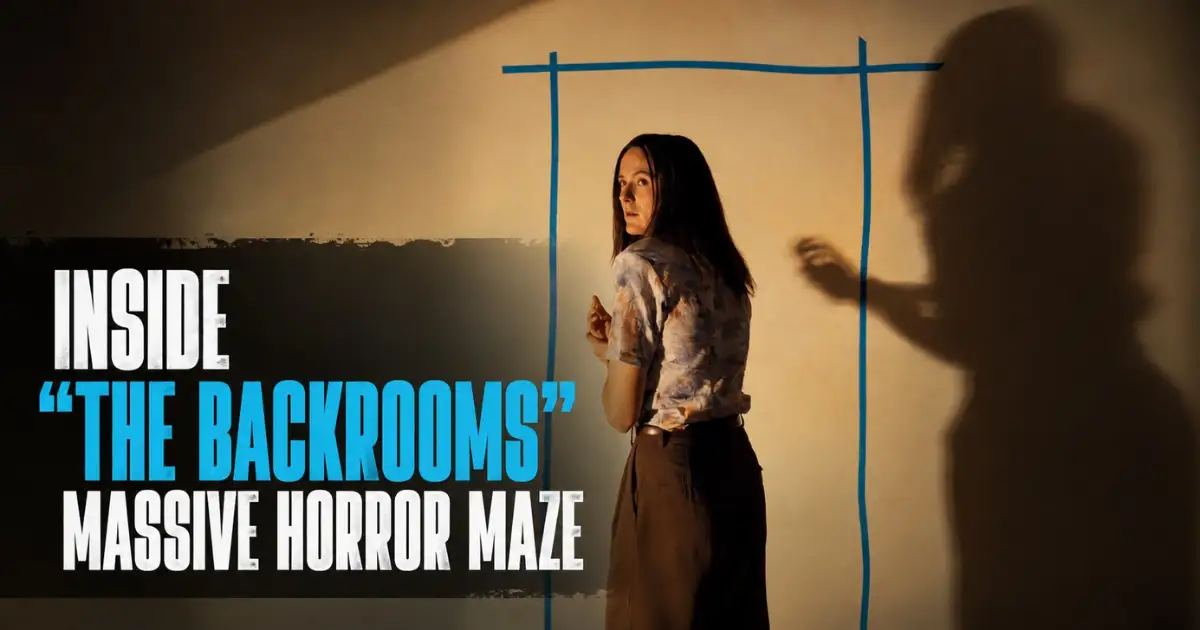
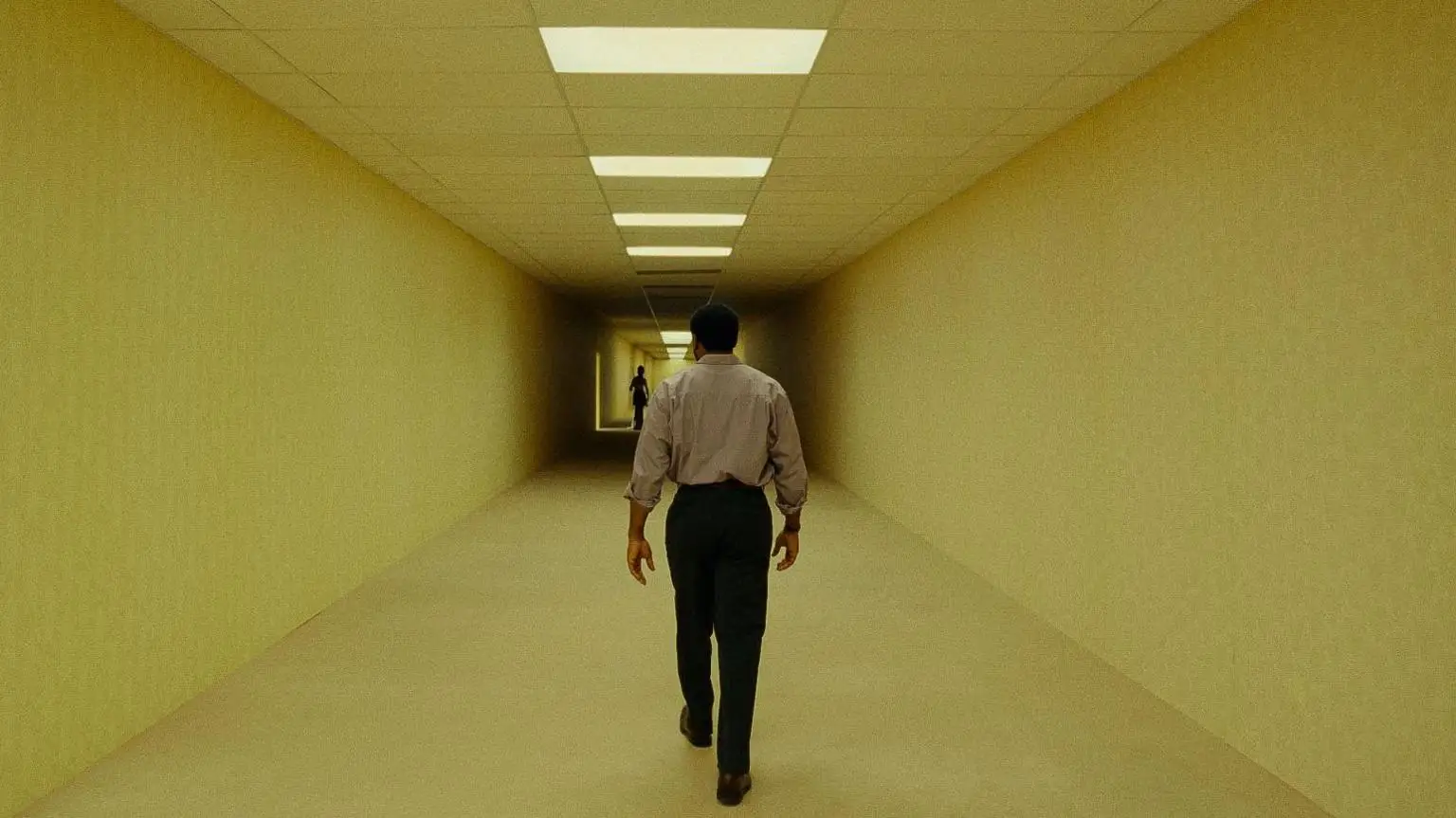
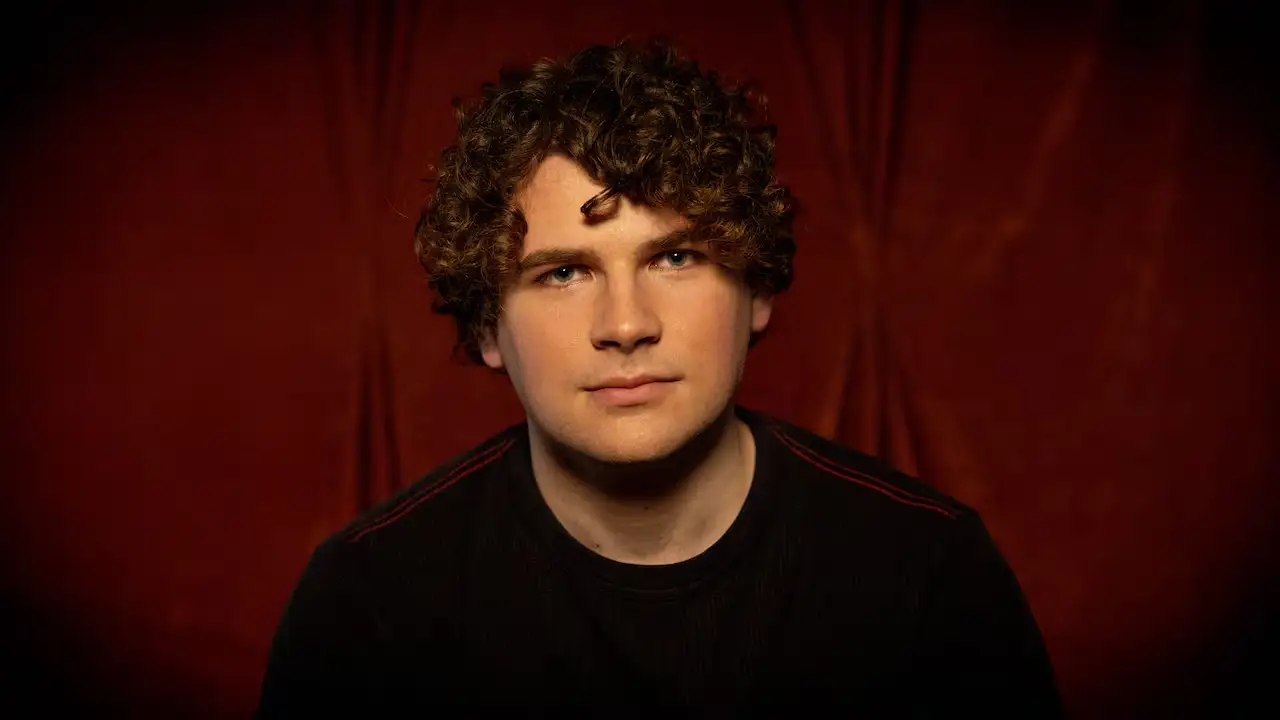
Backrooms has grown from a strange online horror idea into one of A24’s most talked-about new films. The project started with short YouTube videos made by Kane Parsons when he was still a teenager. Those videos built a creepy world filled with endless rooms, yellow wallpaper, buzzing lights, and a deep feeling of being trapped alone.
The A24 film takes that same eerie idea and turns it into a full movie experience. Parsons, who became known online for his digital horror work, is stepping into a major role as a feature film director. At only 20 years old, he stands out as one of the youngest filmmakers to lead a feature project for the studio.
 Via Screen Rant
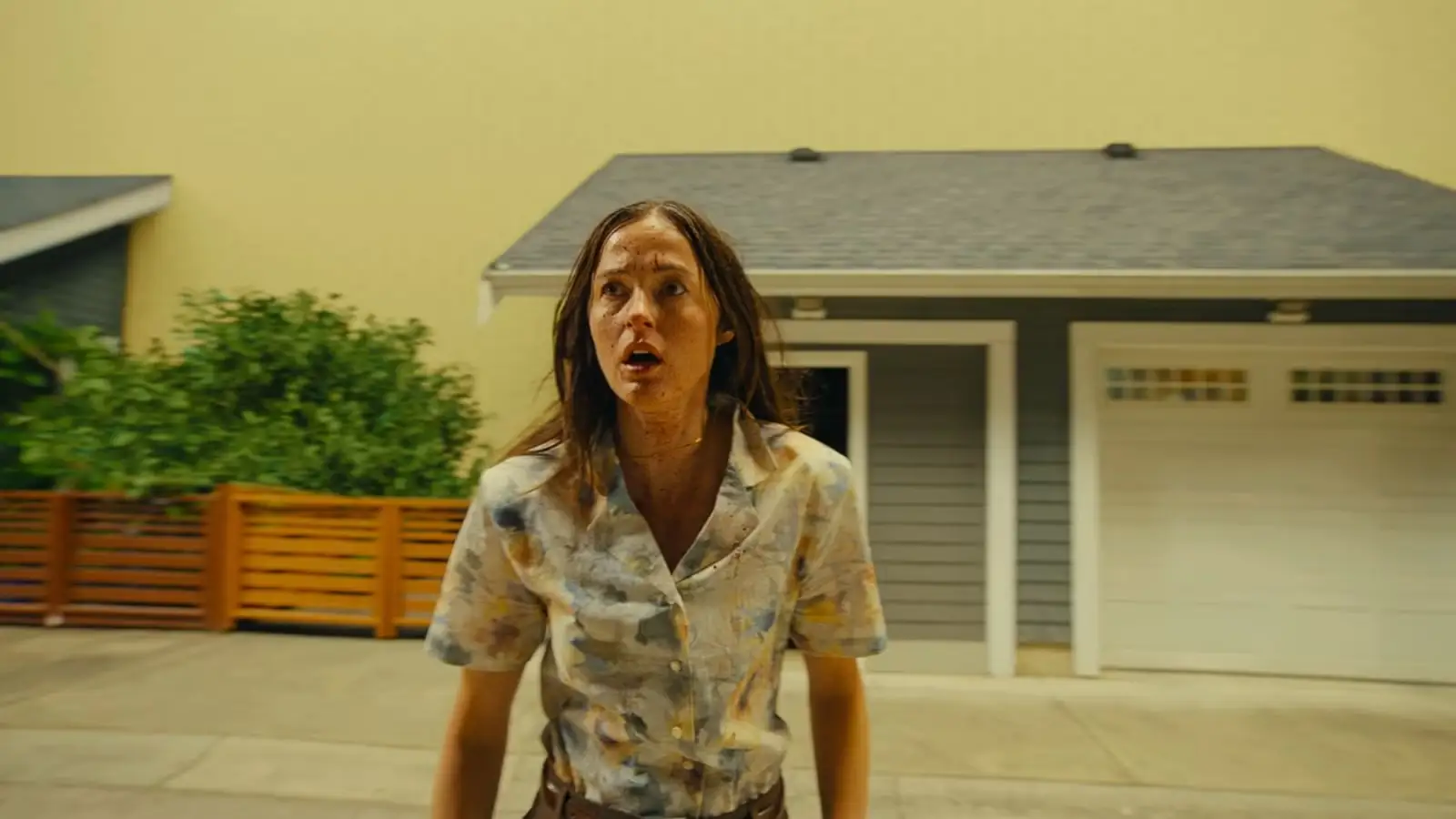
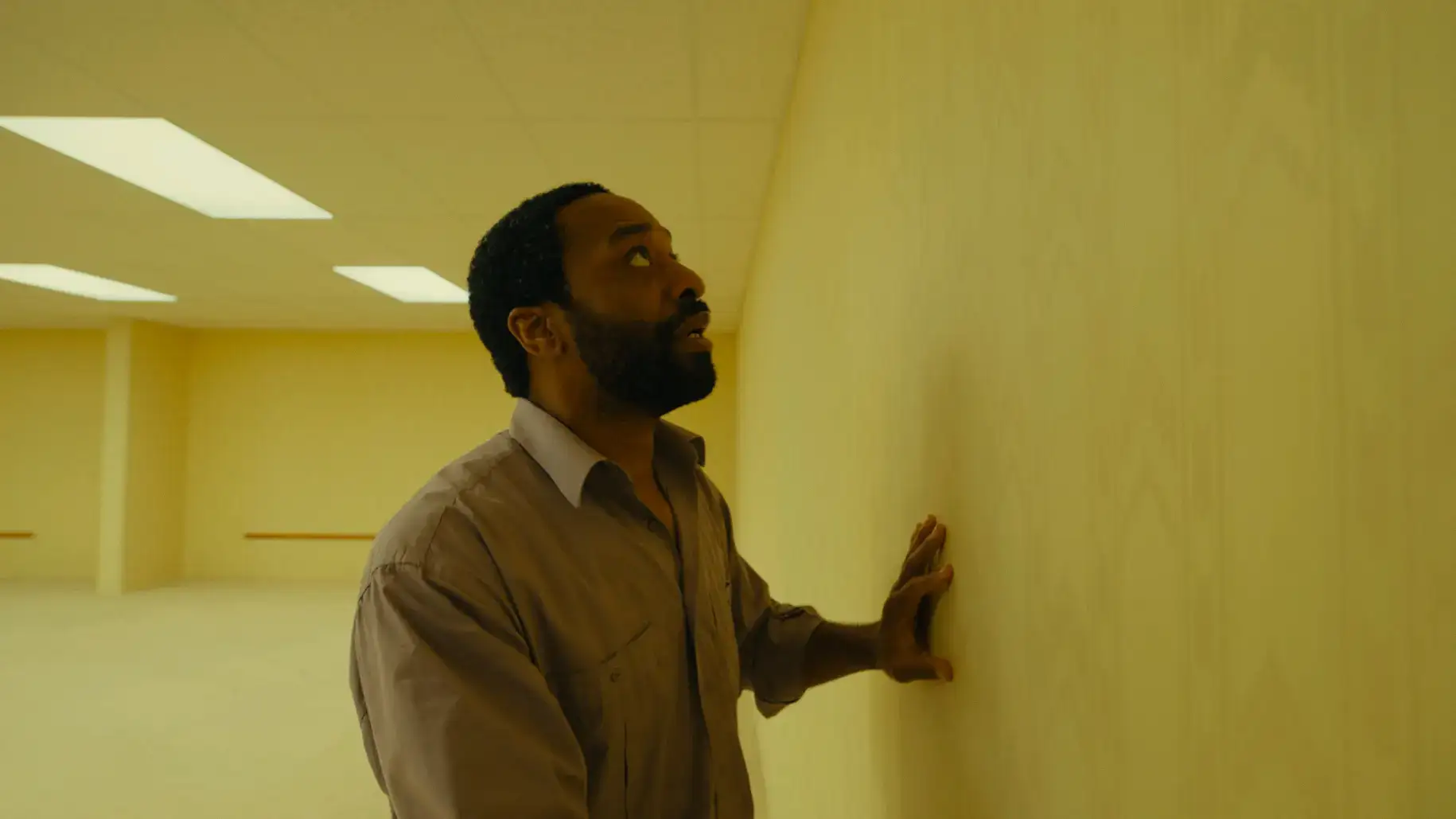
The movie stars Chiwetel Ejiofor, Renate Reinsve, Mark Duplass, Finn Bennett, and Lukita Maxwell. Renate Reinsve plays a therapist searching for a missing patient inside a strange and unsettling dimension. The story keeps the core fear of the original Backrooms idea while adding stronger characters, emotion, and a bigger cinematic scale.
 Via BBC
The Backrooms idea did not begin with only one creator. It grew from internet posts, urban legends, and shared online fears about endless office-like spaces. Parsons took that loose online myth and gave it a clear visual style. His version became popular because it felt both digital and familiar, like a memory from a forgotten building.
A24 and Chernin Entertainment helped bring the project to the big screen. The film also has major names behind it, including producers James Wan, Shawn Levy, and Osgood Perkins. With Will Soodik writing the script, the movie aims to expand the YouTube concept without losing the lonely feeling that made it famous.
 Via CBC
 Via Rolling Stone UK
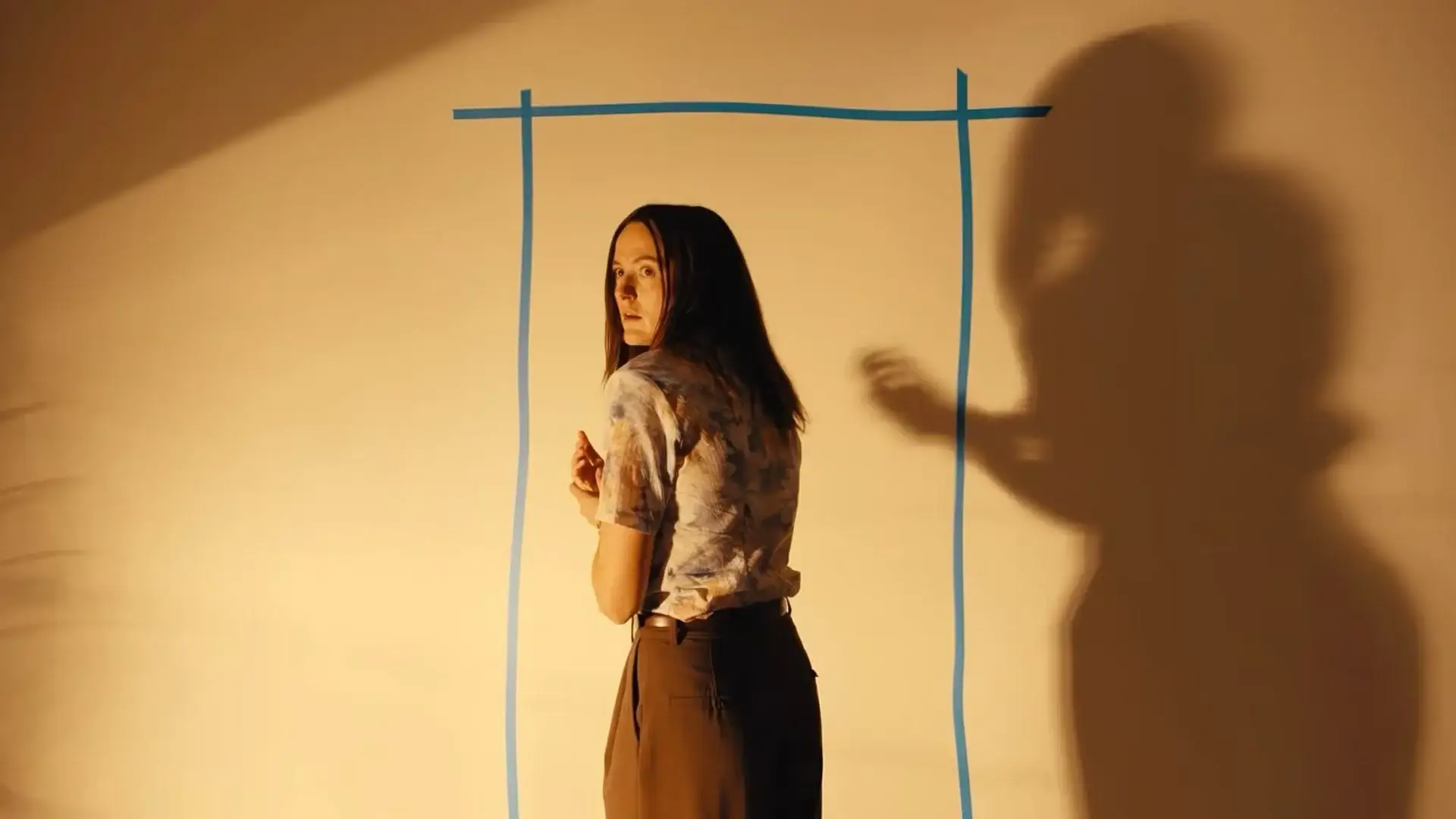
Most scenes reportedly keep only one or two characters on screen at a time. This choice helps create a strong feeling of separation. Viewers are not surrounded by crowds or constant action. They are left with empty halls, humming lights, and characters who may not fully understand where they are or how to escape.
 Via Variety
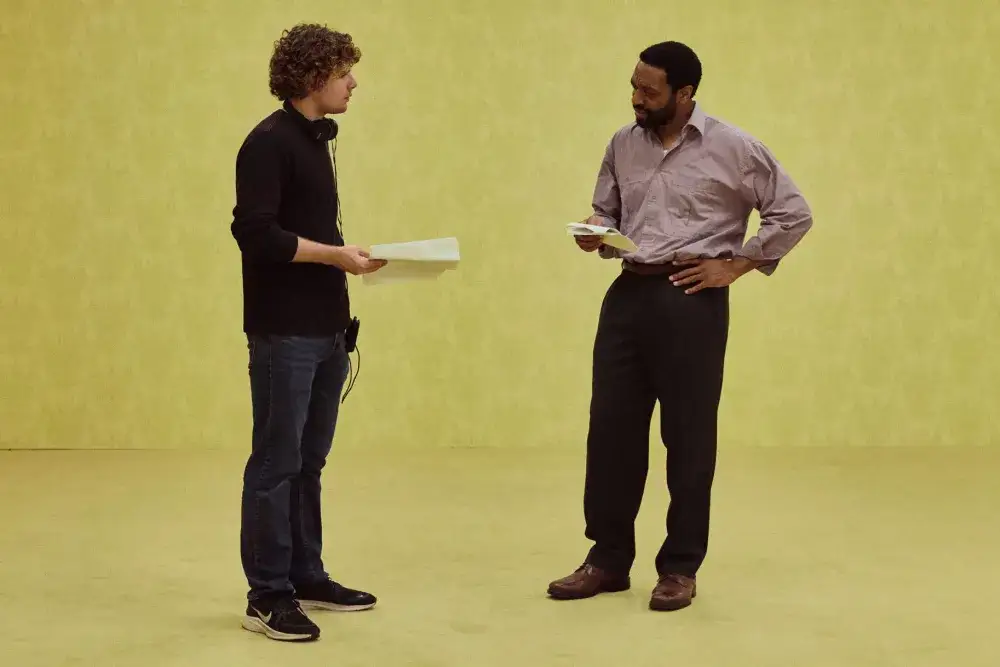
The size of the set helped create a real sense of confusion. Some people reportedly got lost while moving through it. That detail adds to the strange power of the project, because the space was not only scary on camera. It also felt unsettling for the people working inside it during filming.
The set allowed the movie to feel more physical and grounded. The Backrooms may come from online horror and digital images, but the film uses real walls, floors, lighting, and space to make the fear stronger. This blend of internet horror and practical filmmaking gives the movie a unique identity.
 Via Greek Tyrant
 Via Phantasmag
Small design choices became very important. Parsons said the team tested around 50 wallpaper options to find the right shade of yellow. That detail shows how much the mood of Backrooms depends on simple visual pieces. The wallpaper, lights, and empty spaces all work together to create the film’s uncomfortable atmosphere.
 Via Secret Mode
This rule makes the horror more disturbing. The space does not need to change like magic to scare people. It becomes frightening because it keeps going and going. A person may try to map it, understand it, or find a pattern, but the endless nature of the place slowly breaks that effort down.
That idea plays with the human brain’s need to understand space. People naturally try to remember paths, corners, doors, and landmarks. Backrooms instill fear by offering too many similar rooms and too few useful clues. The fear grows when the mind keeps searching for order but finds only repetition.
 Via Dezeen
 Via Polygon
That feeling speaks to younger online audiences and horror fans who enjoy slow, unsettling stories. The fear is not only about being chased. It is about being lost inside something too large, too empty, and too hard to explain. This gives Backrooms a deeper emotional weight than a simple jump-scare story.
 Via Wallpaper Magazine
This idea fits the Backrooms perfectly. The setting is plain, repetitive, and almost boring at first glance. That plainness becomes the horror. The longer someone stays there, the more the mind may search for signs, threats, or messages in the space around them.
The buzzing lights and yellow walls become more than background details. They slowly feel alive because the characters have so little else to focus on. This kind of horror works through pressure and patience. It allows fear to build inside the silence instead of forcing it through constant action.
 Via Steam
 Via Creative Screenwriting
A24’s version gives the story a larger stage while keeping its quiet dread. The huge set, careful design work, and small cast focus all support the same feeling that made the original videos stand out. The movie appears built around mood, space, and emotional isolation rather than simple horror tricks.
 Via LA Times
For horror fans, Backrooms offers a fresh kind of big-screen fear. It is not just about what may be hiding in the maze. It is about what happens when people are left alone inside a place that keeps going forever. That simple idea may be the strongest reason the Backrooms still feel so hard to escape.
More in UnassignedVia Screen Rant
The movie stars Chiwetel Ejiofor, Renate Reinsve, Mark Duplass, Finn Bennett, and Lukita Maxwell. Renate Reinsve plays a therapist searching for a missing patient inside a strange and unsettling dimension. The story keeps the core fear of the original Backrooms idea while adding stronger characters, emotion, and a bigger cinematic scale.
Kane Parsons Turned Online Fear Into A Film World
Kane Parsons first gained attention by uploading Backrooms videos to YouTube in early 2022. The videos used a found-footage style that made viewers feel like they had stepped into a place that should not exist. Their simple look became part of the fear, because the empty rooms felt too normal and too wrong at the same time.Via BBC
The Backrooms idea did not begin with only one creator. It grew from internet posts, urban legends, and shared online fears about endless office-like spaces. Parsons took that loose online myth and gave it a clear visual style. His version became popular because it felt both digital and familiar, like a memory from a forgotten building.
A24 and Chernin Entertainment helped bring the project to the big screen. The film also has major names behind it, including producers James Wan, Shawn Levy, and Osgood Perkins. With Will Soodik writing the script, the movie aims to expand the YouTube concept without losing the lonely feeling that made it famous.
Via CBC
Lonely Horror Story With Few People On Screen
Parsons has described Backrooms as a very lonely film. The story does not depend on large groups of characters or loud horror scenes. Instead, it focuses on people moving through empty spaces where silence, distance, and confusion create fear. That makes the movie feel more personal and more uneasy. The film looks at characters who are already living isolated lives. Their journey into the Backrooms becomes more than a search through strange rooms. It becomes a way to explore loneliness, fear, and the human need for connection. The setting reflects the emotional state of the characters in a quiet but powerful way.Via Rolling Stone UK
Most scenes reportedly keep only one or two characters on screen at a time. This choice helps create a strong feeling of separation. Viewers are not surrounded by crowds or constant action. They are left with empty halls, humming lights, and characters who may not fully understand where they are or how to escape.
The 30,000-Square-Foot Set Made The Fear Real.
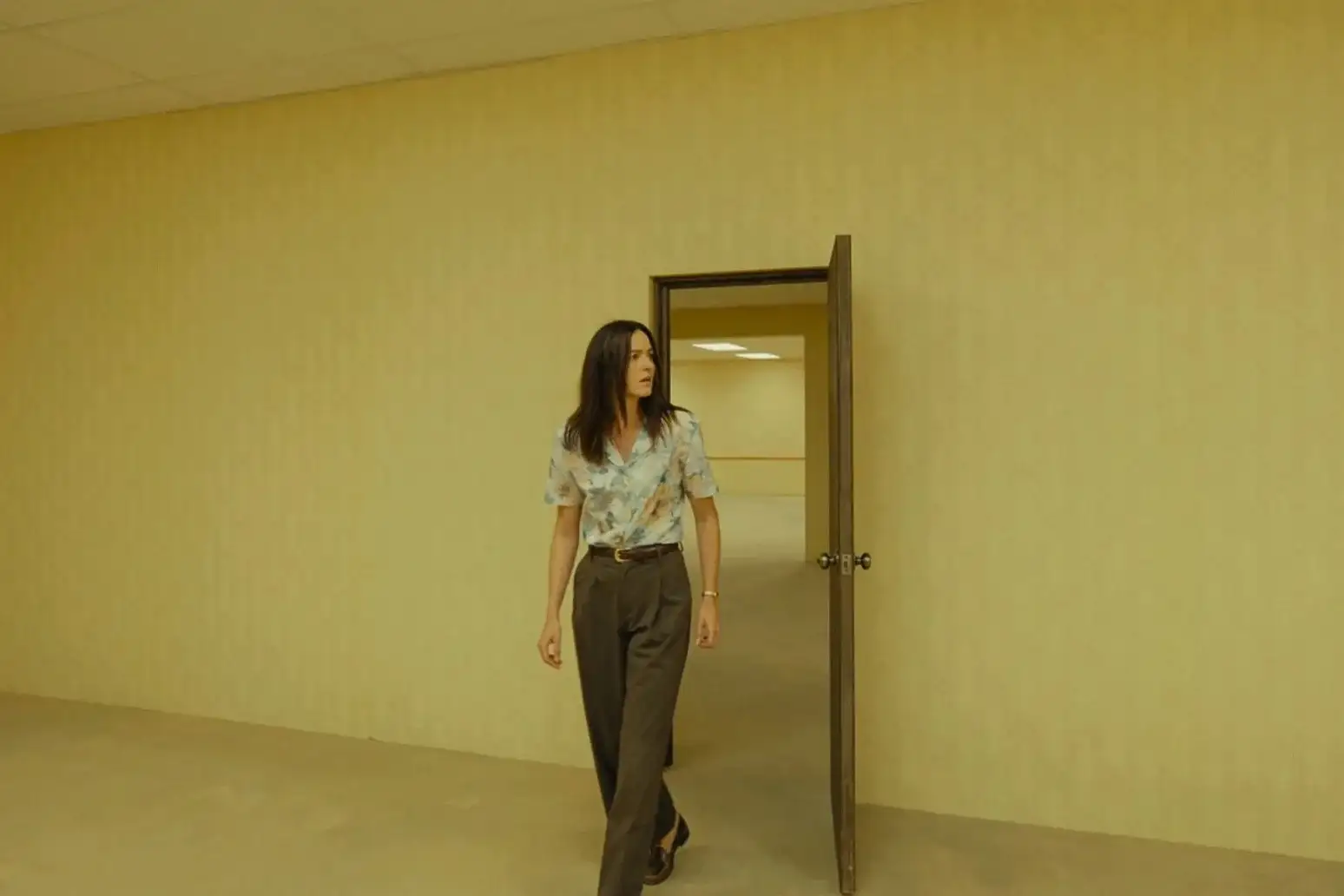
A major part of the film’s production was the massive practical set. Parsons revealed that the team built about 30,000 square feet of actual Backrooms space. This meant the actors and crew could walk through real rooms instead of only acting against digital backgrounds or small studio setups.
Via Variety
The size of the set helped create a real sense of confusion. Some people reportedly got lost while moving through it. That detail adds to the strange power of the project, because the space was not only scary on camera. It also felt unsettling for the people working inside it during filming.
The set allowed the movie to feel more physical and grounded. The Backrooms may come from online horror and digital images, but the film uses real walls, floors, lighting, and space to make the fear stronger. This blend of internet horror and practical filmmaking gives the movie a unique identity.
Via Greek Tyrant
Blender Helped Shape The Backrooms Look
Parsons taught himself to use Blender, a free 3D graphics software, to build the look of his YouTube videos. That same tool remained important during the feature film process. He used digital models to plan the spaces before the team turned those designs into real sets. This process helped keep the movie connected to the original videos. The production team, including cinematographer Jeremy Cox, worked carefully to protect the tone that fans expected. The goal was not to make the world too polished or too different. It had to feel like the same strange place, only larger and more detailed.Via Phantasmag
Small design choices became very important. Parsons said the team tested around 50 wallpaper options to find the right shade of yellow. That detail shows how much the mood of Backrooms depends on simple visual pieces. The wallpaper, lights, and empty spaces all work together to create the film’s uncomfortable atmosphere.
“The Backrooms” Fear Comes From Endless Space
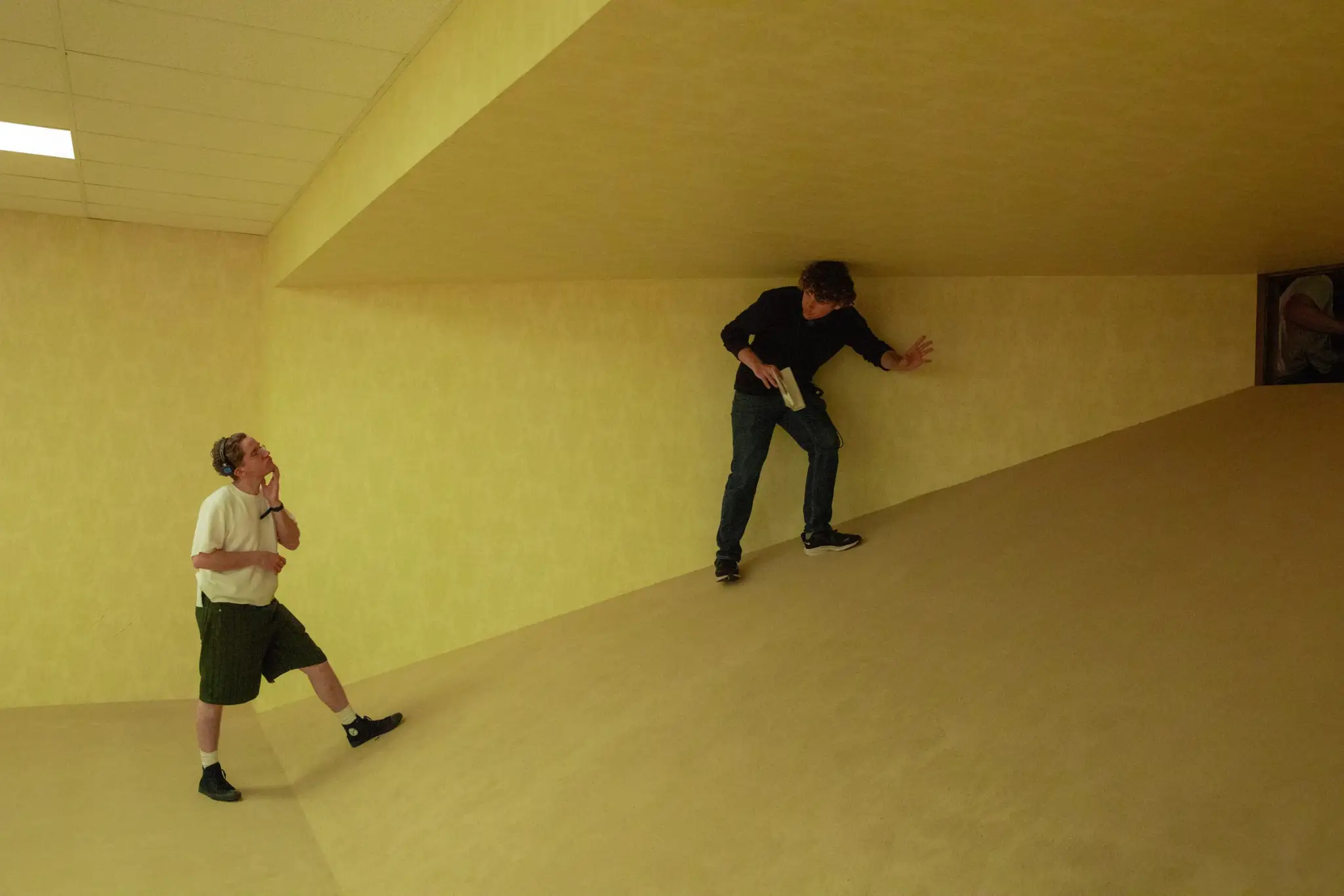
Parsons has explained that the Backrooms should not feel like a dream where the world changes every time someone looks away. His version follows a different kind of fear. The rooms may feel confusing, but they still have a kind of physical logic. If a character walks back the same way, that path still exists.Via Secret Mode
This rule makes the horror more disturbing. The space does not need to change like magic to scare people. It becomes frightening because it keeps going and going. A person may try to map it, understand it, or find a pattern, but the endless nature of the place slowly breaks that effort down.
That idea plays with the human brain’s need to understand space. People naturally try to remember paths, corners, doors, and landmarks. Backrooms instill fear by offering too many similar rooms and too few useful clues. The fear grows when the mind keeps searching for order but finds only repetition.
Via Dezeen
Why “Backrooms” Connected With Online Audiences
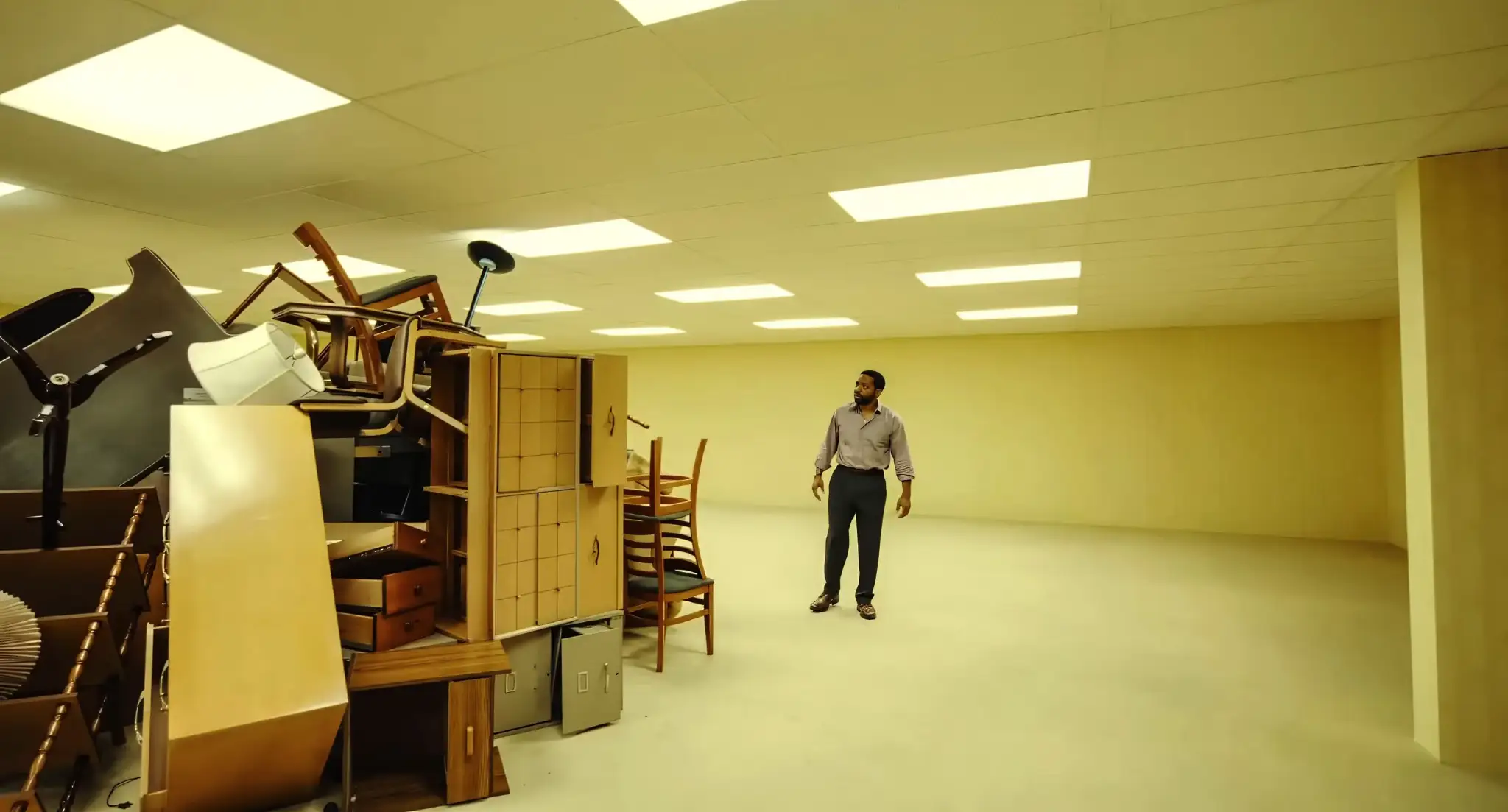
Backrooms became popular because they touched a fear many people already understood. Empty offices, old buildings, and lifeless hallways can feel strangely familiar. They are not monsters or fantasy castles. They are normal spaces stripped of comfort, warmth, and clear purpose. Parsons has linked the idea to a wider anxiety about systems, work, industry, and modern life. The Backrooms can feel like a maze made of the hidden parts of everyday life. It looks like a place built by people, but no one seems to live there, manage it, or care about anyone trapped inside.Via Polygon
That feeling speaks to younger online audiences and horror fans who enjoy slow, unsettling stories. The fear is not only about being chased. It is about being lost inside something too large, too empty, and too hard to explain. This gives Backrooms a deeper emotional weight than a simple jump-scare story.
Sensory Deprivation Adds Another Layer Of Horror
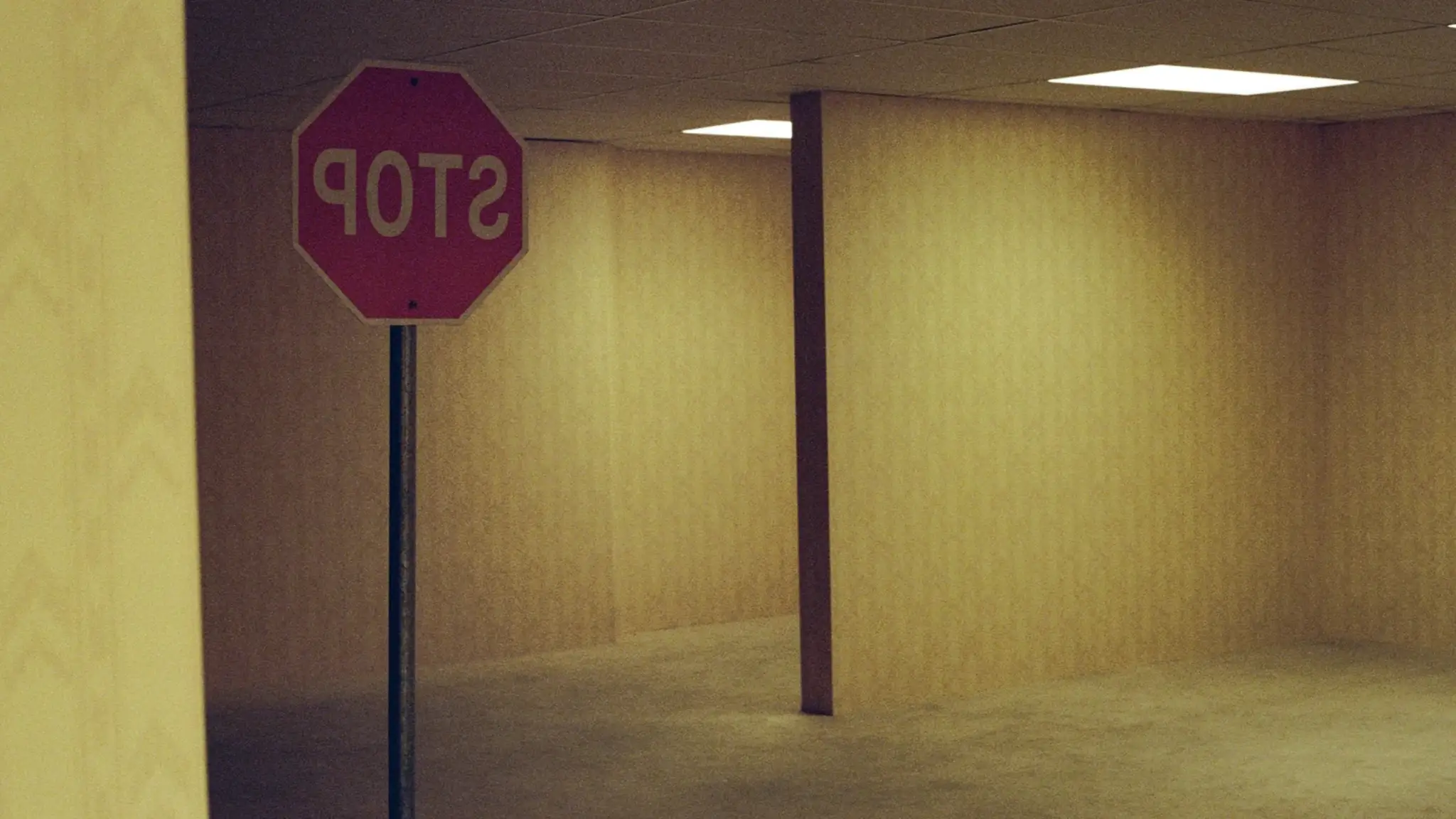
Parsons has also compared the Backrooms to sensory deprivation. When a person is stuck in an empty room with little sound, color, or movement, the nervous system begins looking for stimulation. The brain may start giving extra meaning to small sounds, wall patterns, or shadows.Via Wallpaper Magazine
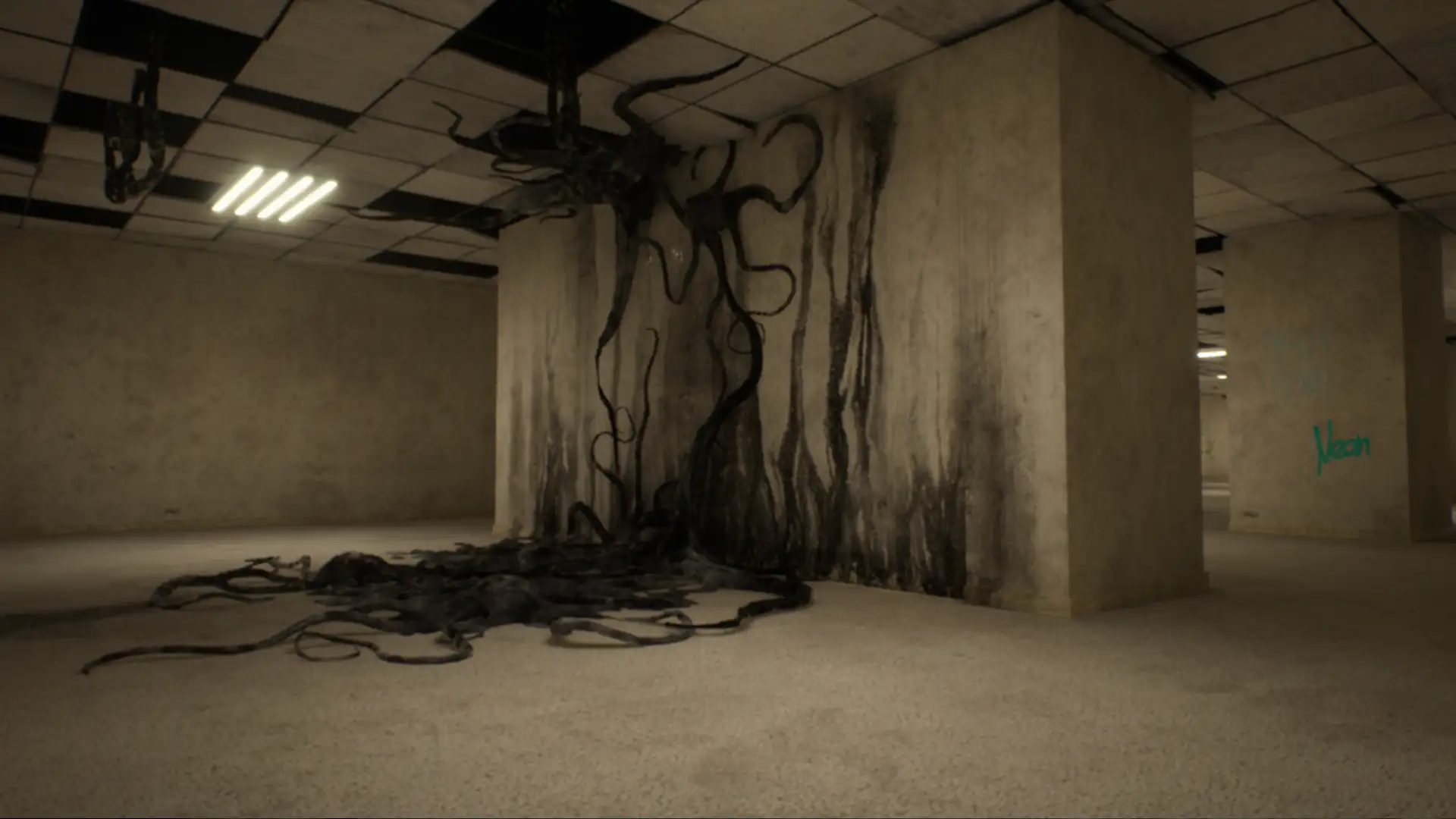
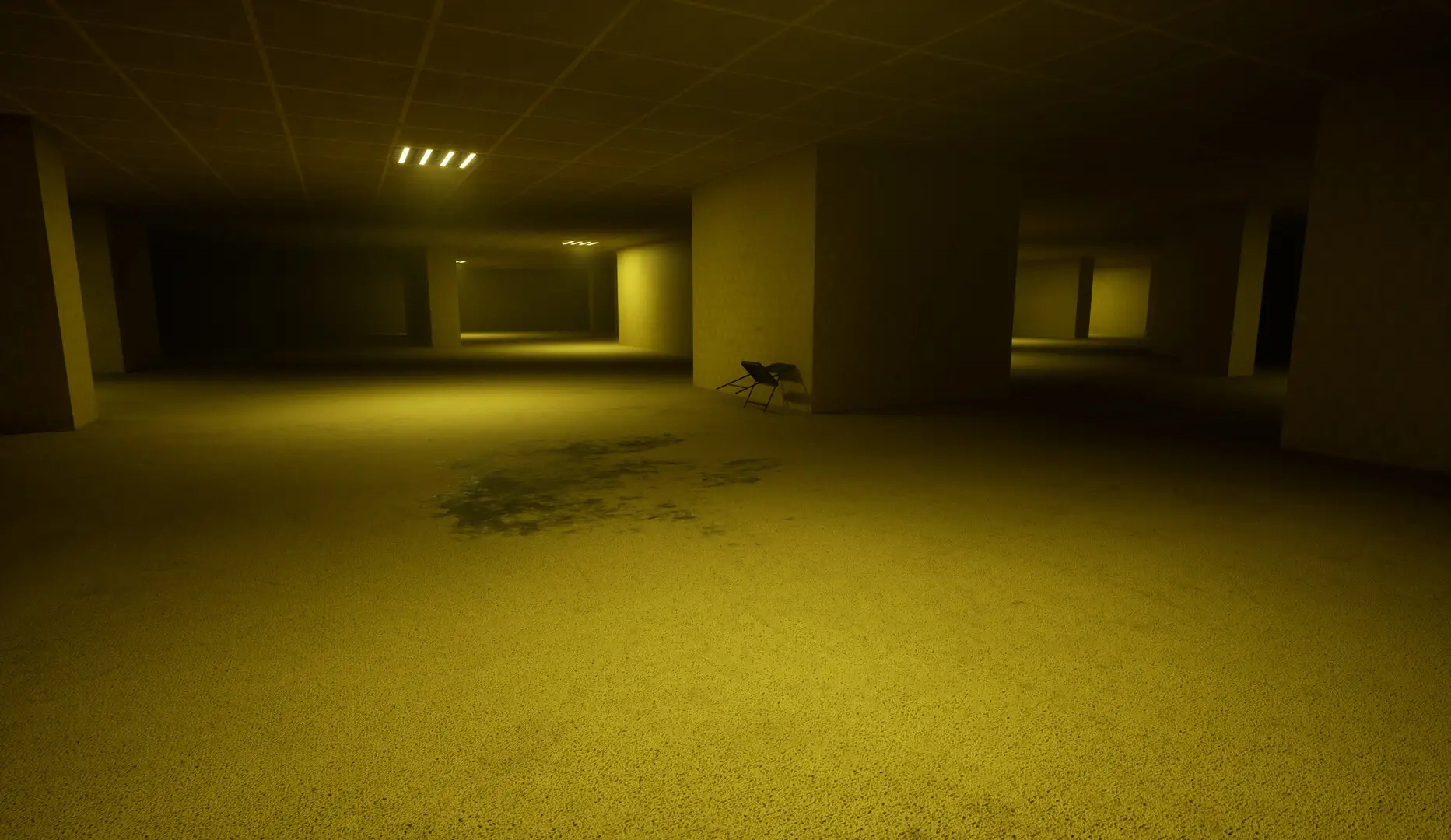
This idea fits the Backrooms perfectly. The setting is plain, repetitive, and almost boring at first glance. That plainness becomes the horror. The longer someone stays there, the more the mind may search for signs, threats, or messages in the space around them.
The buzzing lights and yellow walls become more than background details. They slowly feel alive because the characters have so little else to focus on. This kind of horror works through pressure and patience. It allows fear to build inside the silence instead of forcing it through constant action.
Via Steam
Final Thoughts On Kane Parsons’ Backrooms Movie
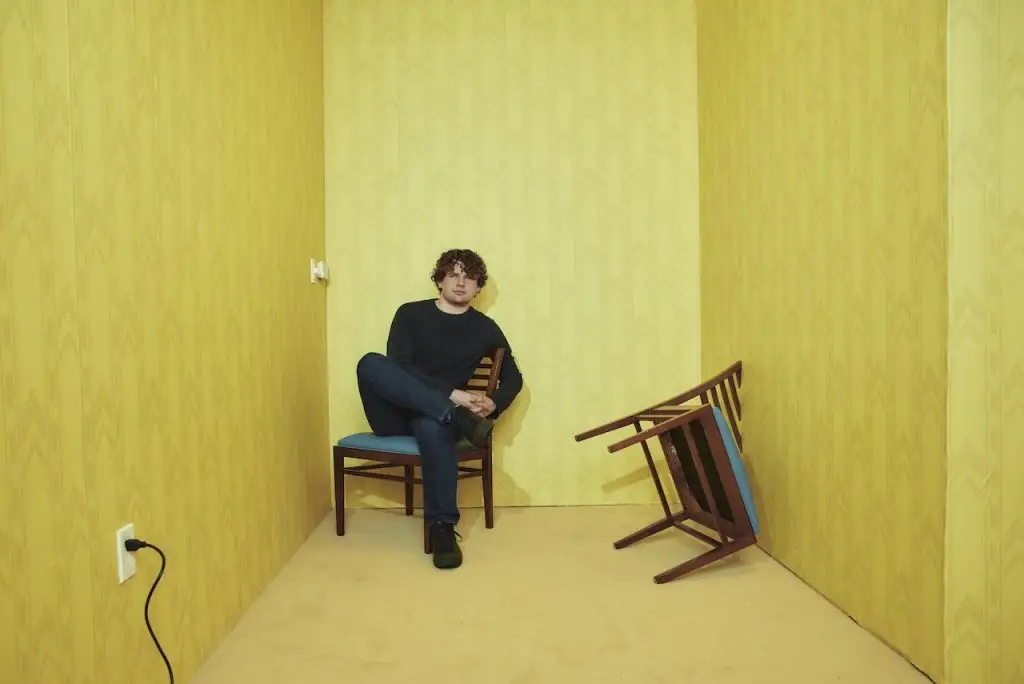
Backrooms shows how internet-born stories can grow into major film projects when the idea has a strong emotional core. Kane Parsons not only creates creepy rooms. He built a world that reflects fear, loneliness, confusion, and the strange pressure of modern life. That is why the project moved beyond YouTube.Via Creative Screenwriting
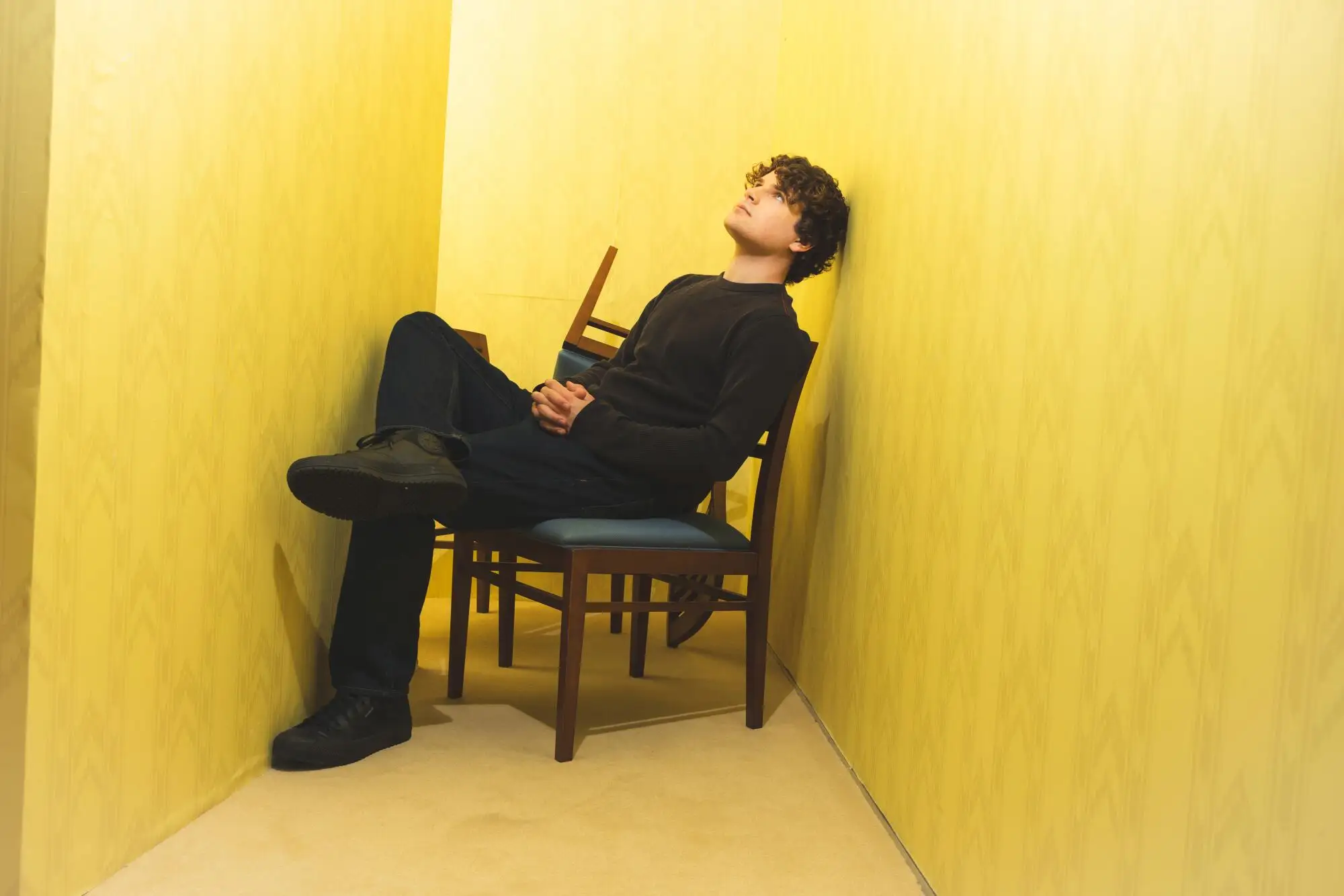
A24’s version gives the story a larger stage while keeping its quiet dread. The huge set, careful design work, and small cast focus all support the same feeling that made the original videos stand out. The movie appears built around mood, space, and emotional isolation rather than simple horror tricks.
Via LA Times
For horror fans, Backrooms offers a fresh kind of big-screen fear. It is not just about what may be hiding in the maze. It is about what happens when people are left alone inside a place that keeps going forever. That simple idea may be the strongest reason the Backrooms still feel so hard to escape.