Unassigned
Why M&M’s Boss Says Fun Still Wins Modern Marketing Today
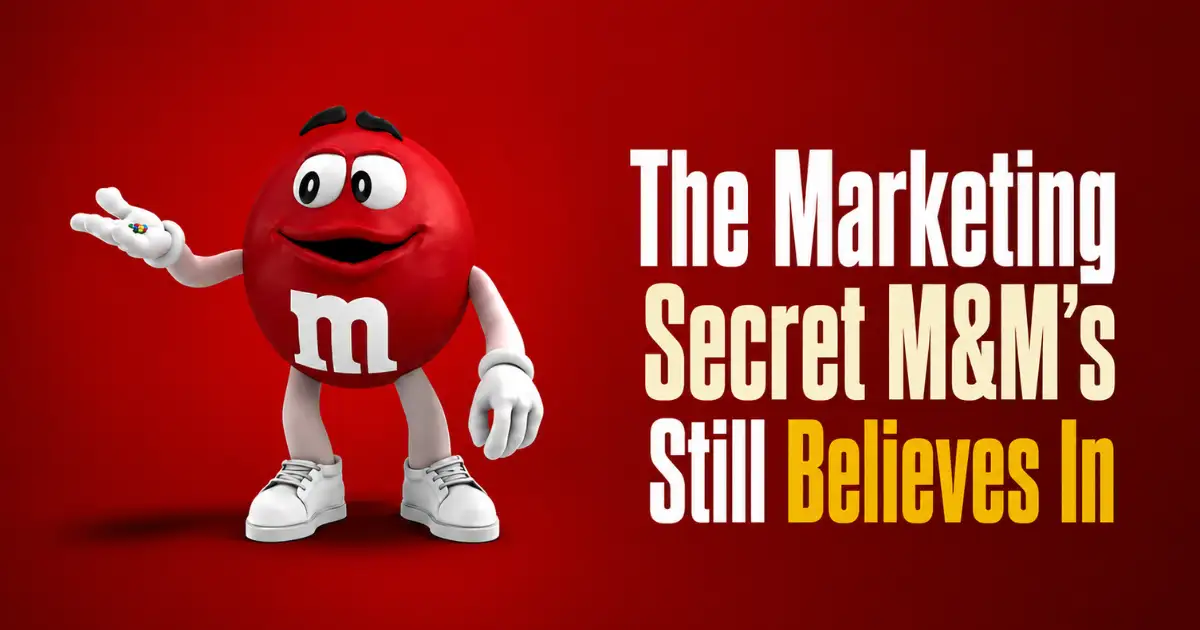
Marketing keeps changing every year, but some basic ideas still matter. Rankin Carroll, the chief brand officer at Mars, says entertainment is one of the most ignored skills in modern marketing. After working for more than two decades with famous brands like M&M’s, Snickers, Skittles, Twix, and other Mars products, Carroll believes many marketers are forgetting what makes people stop and pay attention.
Brands now have more tools than ever before. They can use artificial intelligence, data, influencers, social media, and detailed customer tracking. These tools can help companies understand what people like, when they shop, and what kind of content they watch. Still, Carroll says these tools are not enough if the final message feels boring or empty.
 Via Fox Business
People do not spend time with ads just because a brand wants them to. They pay attention when something feels fun, useful, emotional, or worth sharing. That is why Mars is trying to create campaigns that feel more like entertainment and less like normal advertising. Carroll’s message is simple: strong stories still matter.
 Via Disney World
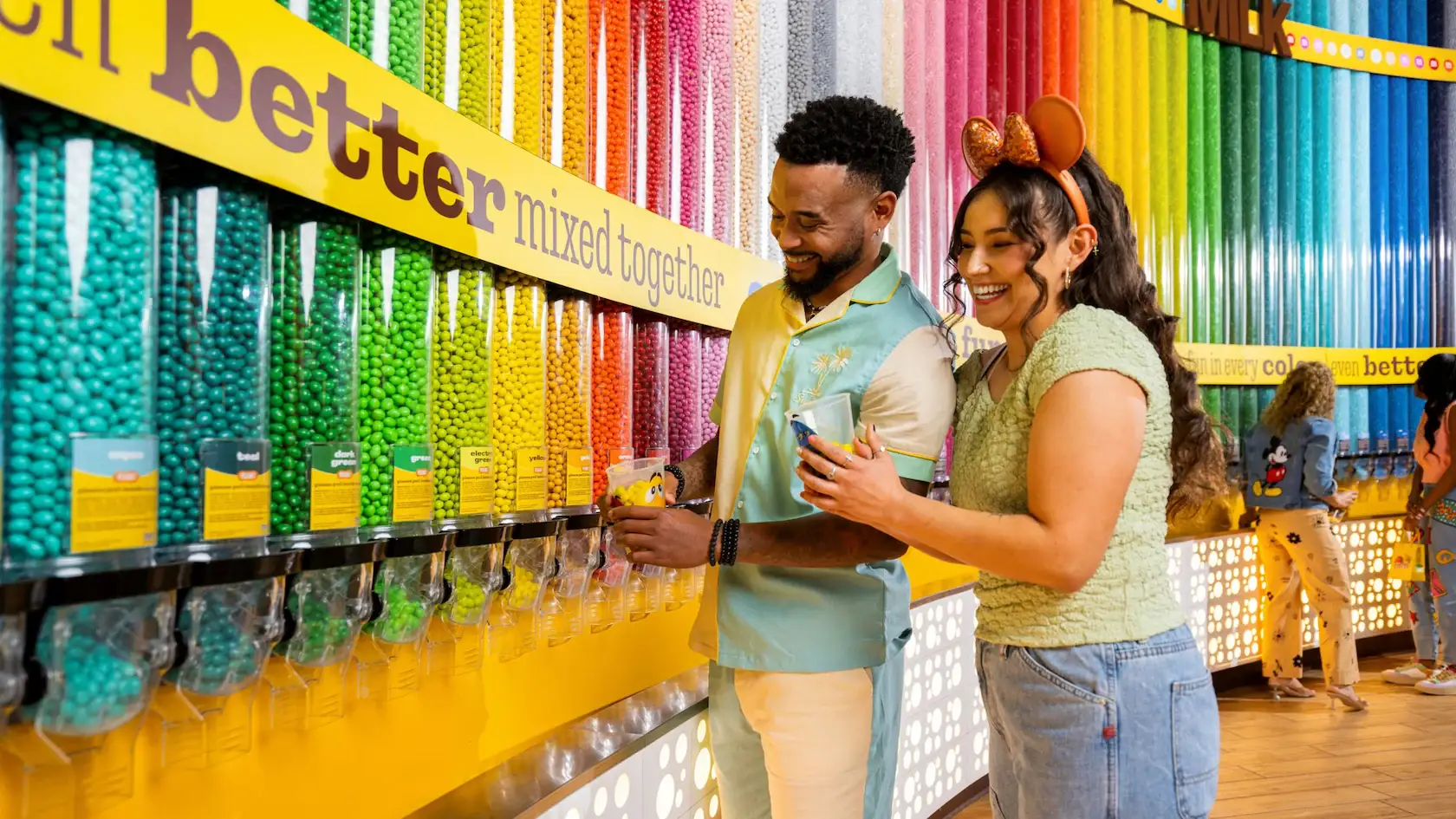
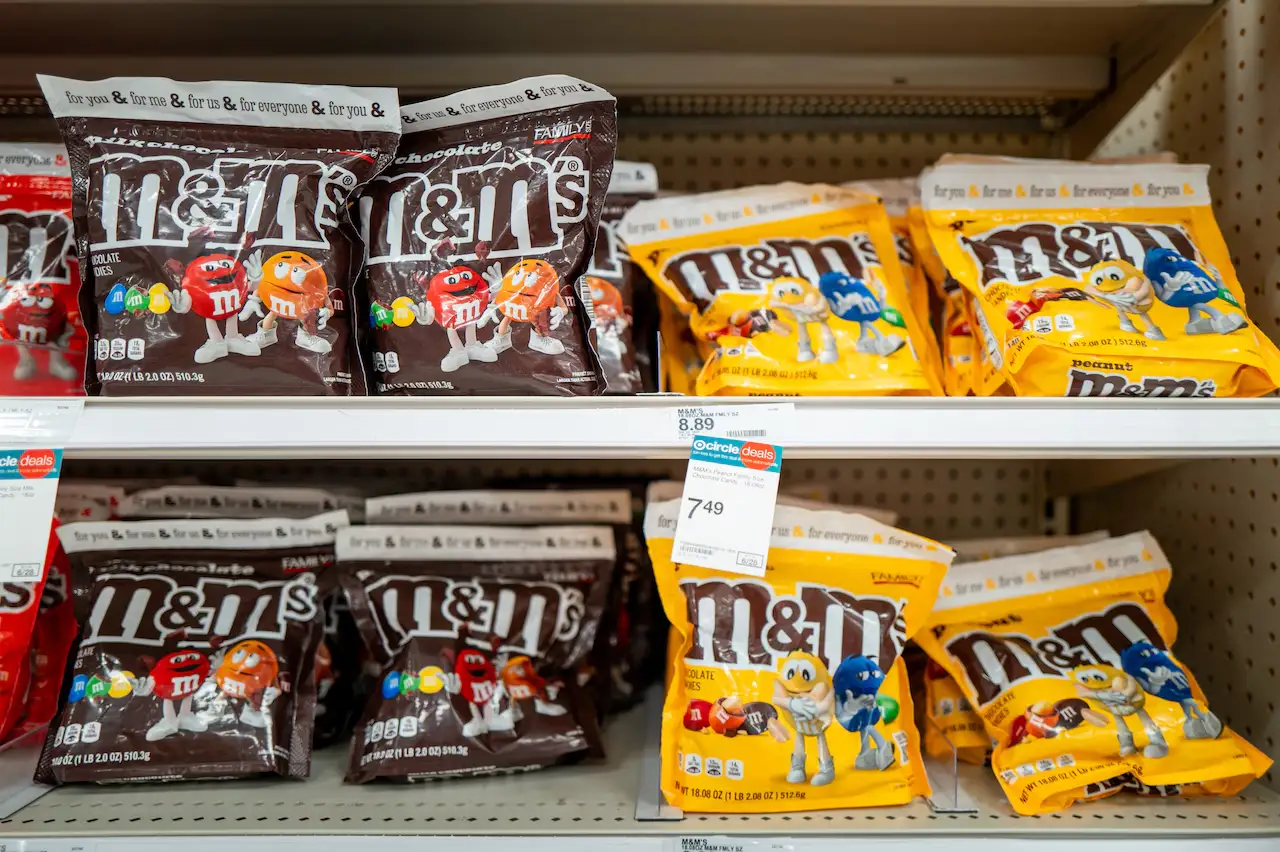
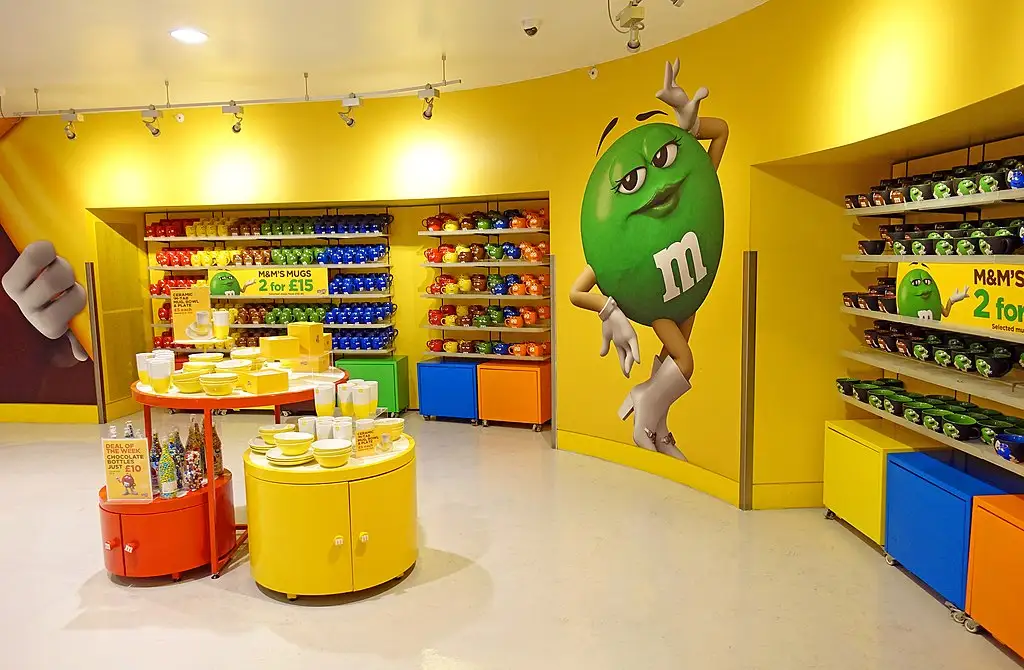
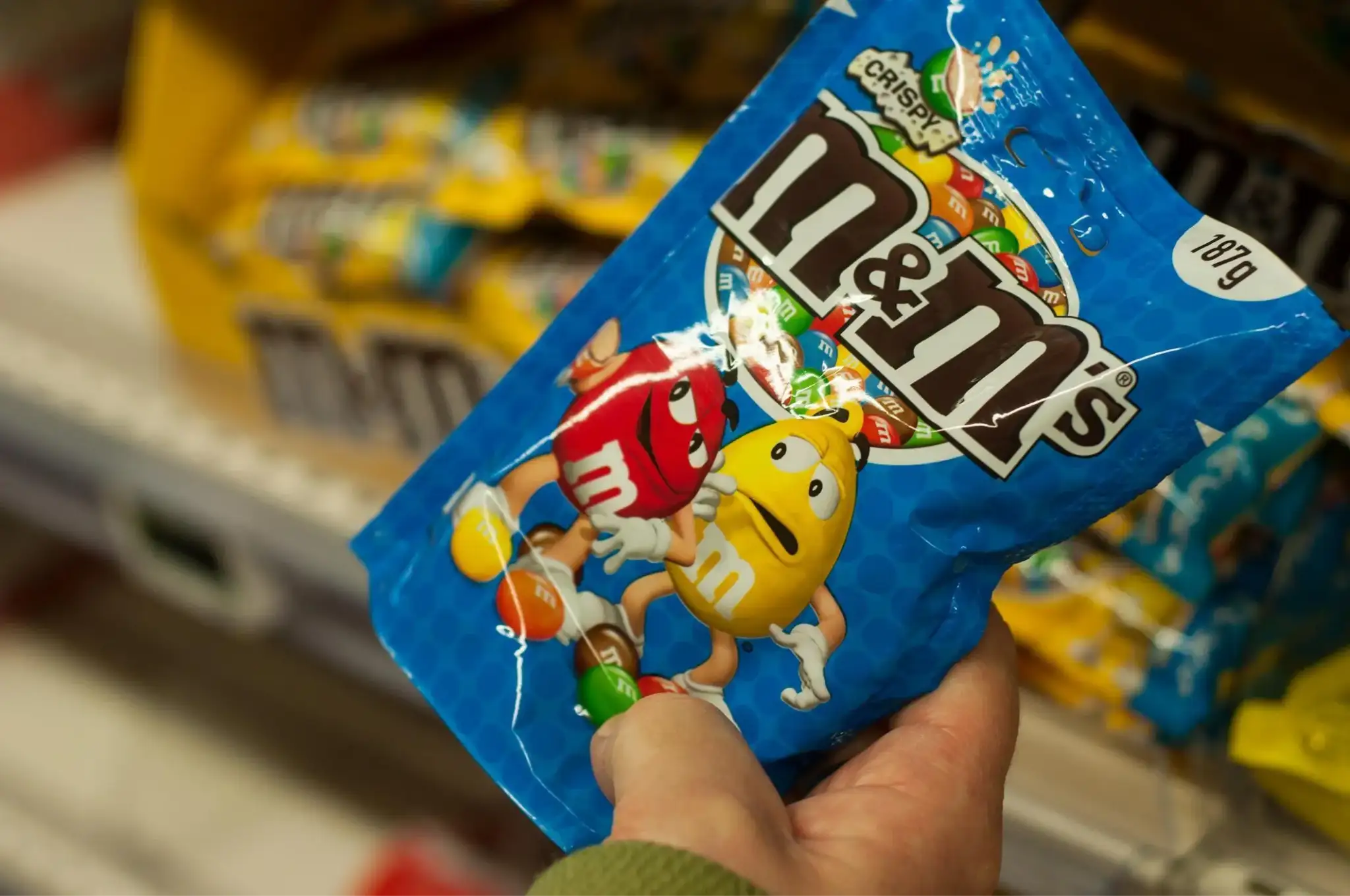
Mars owns many candy brands that are already linked with fun and enjoyment. M&M’s is known for colorful characters. Snickers is known for humor about hunger. Skittles is known for strange and playful ideas. Twix often uses light conflict and jokes around its two-bar identity. These brands work best when they feel entertaining.
Carroll believes entertainment is not just a nice extra. It is a serious marketing skill. A brand can have the best data and the biggest budget, but people will still ignore the message if it does not feel interesting. Fun helps a campaign feel human, and that makes people more open to the brand.
 Via Syracuse
Good stories also help brands avoid sounding too sales-focused. People often reject messages that feel pushy. A story can make the product feel like part of entertainment instead of a direct sales pitch. This is why Carroll believes marketers should not lose sight of storytelling while chasing new digital tools.
 Via The Story Exchange
Carroll says people do not want brands simply talking at them. They want experiences they can join. This shift is important because modern audiences enjoy interacting with content. They comment, share, remix, send messages, use filters, and create their own versions of trends.
Mars is using this change to build campaigns that invite people in. Instead of only showing a message, the company creates ways for people to take part. When someone helps create or personalize content, that person becomes more likely to share it. This turns marketing into a two-way experience.
 Via Chicago Tribune
 Via Fortune
The idea worked because it matched real football culture. People were not just watching a Snickers ad. They were making jokes and sending them to friends. That made the brand part of the conversation. Mars used technology, but the real strength came from humor and social behavior.
 Via UNILAD
Carroll says personalization should not only mean better ad targeting. It should help create better experiences. A personalized ad may reach the right person, but a personalized experience can make that person feel more involved. That is the difference Mars is trying to build.
The Snickers campaign showed this idea clearly. Each message felt personal because it was based on a friend’s mistake or a shared joke. That personal touch made the content more entertaining. It also made people more likely to pass it along because it felt made for their group.
 Via First for Women
 Via Mashed
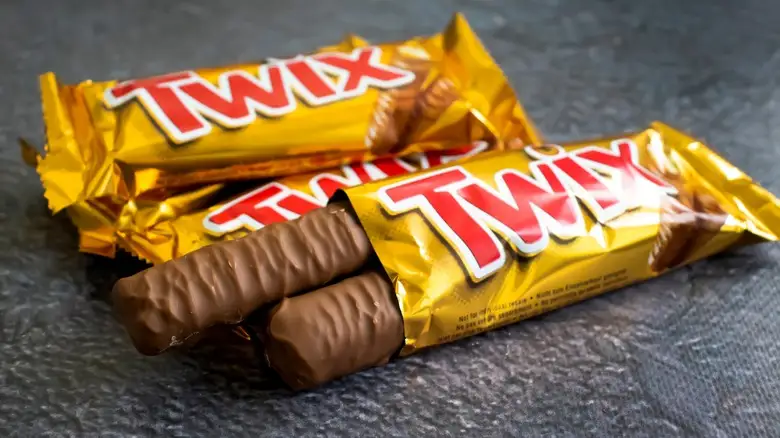
The idea also fit the Twix brand. Twix often plays with the idea of two sides, small conflicts, and light humor. The Harmonizer matched that personality. This shows why brands should not use technology just because it is popular. The tool must fit the brand’s voice.
 Via The Sydney Morning Herald
The problem begins when marketers treat tools as the main idea. A campaign can be highly targeted and still fail if the content is weak. A brand can use AI and still feel boring if the idea behind it is not strong. Carroll’s point is that technology should support creativity, not replace it.
Smart tools can help brands find the right moment, audience, and message. Entertainment gives that message life. When both work together, marketing becomes stronger. Mars is trying to use technology in a way that helps people enjoy the brand instead of feeling interrupted by it.
 Via Workspace Digital
 Via Mars Job Opportunities
Carroll’s view shows that culture works best when a brand adds something enjoyable. People do not want brands to appear in every trend just for attention. They respond better when the brand brings a joke, a useful tool, a fun moment, or a story that fits the topic.
Via Inc. Magazine
Mars is showing how big brands can use new tools while keeping old marketing strengths alive. Snickers used football banter. Twix used playful voice notes. M&M’s and Skittles continue to use humor and character. These campaigns show that entertainment still helps brands stand out.
Marketing will keep changing as AI, social media, and consumer habits grow. The brands that win attention will be the ones that make people feel involved. Strong stories, simple fun, and useful participation remain powerful ways to connect with audiences in a crowded digital world.
More in UnassignedVia Fox Business
People do not spend time with ads just because a brand wants them to. They pay attention when something feels fun, useful, emotional, or worth sharing. That is why Mars is trying to create campaigns that feel more like entertainment and less like normal advertising. Carroll’s message is simple: strong stories still matter.
Why Fun Matters
Entertainment gives people a reason to care. A normal ad may tell someone to buy a product, but an entertaining campaign can make people smile, laugh, talk, or share it with friends. This is important because people are surrounded by content all day. A brand has only a few seconds to catch attention before someone scrolls away.Via Disney World
Mars owns many candy brands that are already linked with fun and enjoyment. M&M’s is known for colorful characters. Snickers is known for humor about hunger. Skittles is known for strange and playful ideas. Twix often uses light conflict and jokes around its two-bar identity. These brands work best when they feel entertaining.
Carroll believes entertainment is not just a nice extra. It is a serious marketing skill. A brand can have the best data and the biggest budget, but people will still ignore the message if it does not feel interesting. Fun helps a campaign feel human, and that makes people more open to the brand.
Better Stories
Carroll says marketing is still about compelling stories. A good story can make a simple product feel more memorable. Candy is easy to understand, but a strong story can turn it into a bigger moment. That is how brands stay in people’s minds after the ad is over. A strong story does not need to be complicated. It only needs to match the brand and connect with real behavior. For Snickers, that often means showing funny mistakes or awkward moments when someone is hungry. For M&M’s, it can mean using humor and character-based stories. For Skittles, it can mean strange, colorful, and unexpected ideas.Via Syracuse
Good stories also help brands avoid sounding too sales-focused. People often reject messages that feel pushy. A story can make the product feel like part of entertainment instead of a direct sales pitch. This is why Carroll believes marketers should not lose sight of storytelling while chasing new digital tools.
Consumer Control
Consumers now have more control over what they watch. They can skip ads, block messages, mute brands, or move to another platform. This has made old-style advertising harder. Brands can no longer expect people to sit through content that does not interest them.Via The Story Exchange
Carroll says people do not want brands simply talking at them. They want experiences they can join. This shift is important because modern audiences enjoy interacting with content. They comment, share, remix, send messages, use filters, and create their own versions of trends.
Mars is using this change to build campaigns that invite people in. Instead of only showing a message, the company creates ways for people to take part. When someone helps create or personalize content, that person becomes more likely to share it. This turns marketing into a two-way experience.
Via Chicago Tribune
Snickers Campaign
One clear example came from the Snickers campaign during the UEFA Euro 2024 football tournament. Mars understood that football fans love banter. Fans joke with friends, tease each other, and talk about mistakes during big games. Snickers used that behavior as the heart of the campaign. The campaign worked with Meta and WhatsApp and used an AI-powered version of José Mourinho. People could type prompts about mistakes their friends had made. The tool then created custom messages in Mourinho’s style. This made the campaign feel playful, personal, and easy to share.Via Fortune
The idea worked because it matched real football culture. People were not just watching a Snickers ad. They were making jokes and sending them to friends. That made the brand part of the conversation. Mars used technology, but the real strength came from humor and social behavior.
Personal Touch
Personalization has become more important in marketing. Many people, especially younger consumers, now expect brands to understand their interests. They are used to apps and platforms that show content based on their choices. This has raised expectations for brands, too.Via UNILAD
Carroll says personalization should not only mean better ad targeting. It should help create better experiences. A personalized ad may reach the right person, but a personalized experience can make that person feel more involved. That is the difference Mars is trying to build.
The Snickers campaign showed this idea clearly. Each message felt personal because it was based on a friend’s mistake or a shared joke. That personal touch made the content more entertaining. It also made people more likely to pass it along because it felt made for their group.
Via First for Women
Twix Example
Mars also used personalization with the Twix Harmonizer. This tool allowed users to send voice notes that softened bad news in a playful way. The idea was simple and easy to understand. Sometimes people need to say something awkward, but they want the message to sound lighter. The campaign used AI-generated audio, but technology was not the main reason it worked. The real appeal came from giving people something fun to use in daily life. It turned a small social problem into a branded experience. That made Twix feel useful and entertaining at the same time.
Via Mashed
The idea also fit the Twix brand. Twix often plays with the idea of two sides, small conflicts, and light humor. The Harmonizer matched that personality. This shows why brands should not use technology just because it is popular. The tool must fit the brand’s voice.
Smart Tools
Data and technology are still important for modern marketing. They help brands understand audiences, test ideas, measure results, and improve campaigns. Mars is not ignoring these tools. The company is using them to make campaigns more personal, more creative, and more effective.Via The Sydney Morning Herald
The problem begins when marketers treat tools as the main idea. A campaign can be highly targeted and still fail if the content is weak. A brand can use AI and still feel boring if the idea behind it is not strong. Carroll’s point is that technology should support creativity, not replace it.
Smart tools can help brands find the right moment, audience, and message. Entertainment gives that message life. When both work together, marketing becomes stronger. Mars is trying to use technology in a way that helps people enjoy the brand instead of feeling interrupted by it.
Via Workspace Digital
Brand Culture
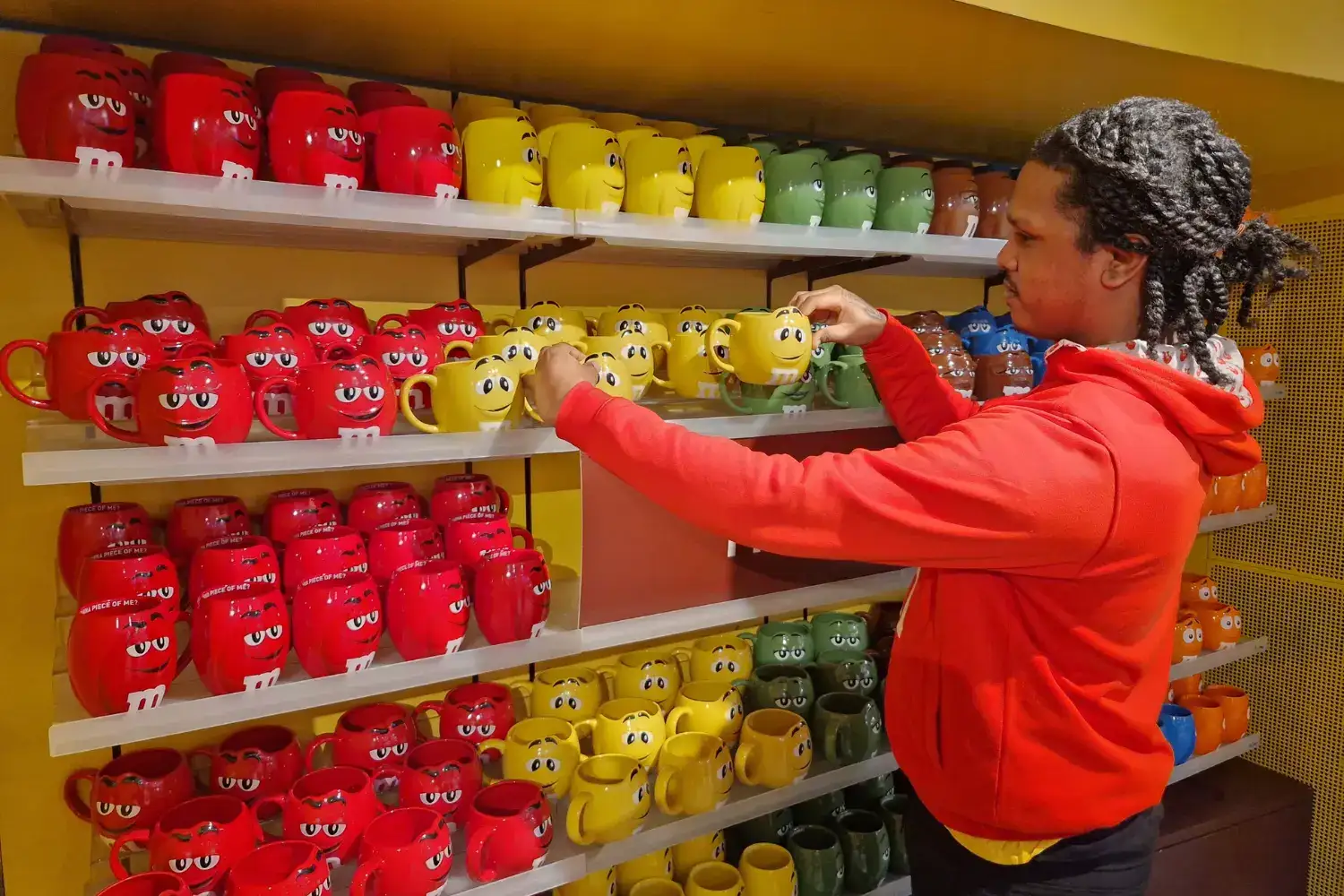
Culture plays a big role in modern marketing. People talk about sports, celebrities, memes, food, movies, games, and social trends every day. Brands want to join those conversations, but they need to do it carefully. A brand should feel natural, not forced. Mars has an advantage because many of its brands already have clear personalities. Snickers can enter conversations with humor. Skittles can use strange and colorful ideas. M&M’s can use playful characters and public moments. These clear identities help each brand join culture without losing its shape.Via Mars Job Opportunities
Carroll’s view shows that culture works best when a brand adds something enjoyable. People do not want brands to appear in every trend just for attention. They respond better when the brand brings a joke, a useful tool, a fun moment, or a story that fits the topic.
Key Lesson
The main lesson from Carroll’s approach is simple. Marketing should not become so focused on data and technology that it forgets people. Consumers are not numbers on a screen. They are people looking for content that feels worth their time, their attention, and sometimes their laughter.Via Inc. Magazine
Mars is showing how big brands can use new tools while keeping old marketing strengths alive. Snickers used football banter. Twix used playful voice notes. M&M’s and Skittles continue to use humor and character. These campaigns show that entertainment still helps brands stand out.
Marketing will keep changing as AI, social media, and consumer habits grow. The brands that win attention will be the ones that make people feel involved. Strong stories, simple fun, and useful participation remain powerful ways to connect with audiences in a crowded digital world.