
Unassigned
The Calupoh - An Ancient Aztec Wolfdog Reborn

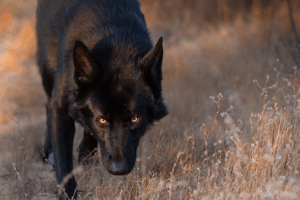
The Calupoh stands tall in the world of dogs. It is not just another breed. This black-coated giant carries the weight of ancient stories on its back. Part wolf, part dog, it looks like it stepped out of a temple carving. Its eyes hold a quiet power that makes people stop and stare. In Mexico, the Calupoh is more than a pet.
It is a bridge to the past, a reminder of a time when animals walked beside gods. Every Calupoh today traces its blood to careful work done in the 1990s. Scientists wanted to bring back a creature that had vanished centuries ago.
 Via American Kennel
They studied old bones, paintings, and tales. Then they mixed Mexican gray wolves with strong dogs. The result was a breed that looks wild but acts loyal. The Calupoh earned its place as Mexico’s third native dog in 1999. It joined the tiny Chihuahua and the hairless Xoloitzcuintli in the national lineup.
 Via LAC Geo
These early people saw the wolf as a symbol of night and strength. The dog stood for home and trust. By mixing them, they created something new. The black coat was not random. It linked the animal to the dark sky and hidden powers. Temple walls show these hybrids next to rulers. Some carvings have them leading souls through the underworld.
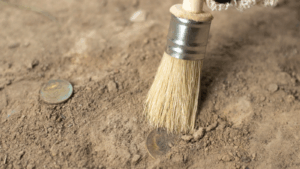
Burials tell the same story. Important leaders shared their tombs with wolfdogs. The animals wore collars of shell and stone. Their bodies curled as if sleeping, ready to guard in the next life. This was not just love for a pet. It was a belief in a guide.
 Via KRQE
 Via DogTime
Warriors kept them, too. Not for battle, but for courage. A leader with a wolfdog at his side looked stronger. The animal’s calm stare scared enemies. Its low growl warned of danger. Yet it never attacked without reason. This control came from careful raising.
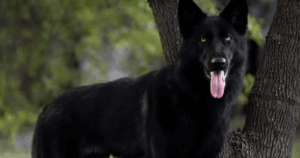 Via iHeartDogs
For centuries, the breed became legendary. Grandmothers told children about black dogs that guided the dead. Artists painted memories. But no living animal matched the tales. The Mexican gray wolf itself grew rare. Forests shrank. Farms grew. The wild side of the Calupoh slipped away.
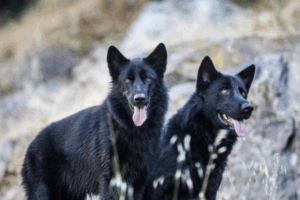 Via AnimalWised
They found Mexican gray wolves in protected areas. These wolves were shy and small compared to their northern cousins. The scientists picked healthy ones. Then they chose dogs with strong builds and calm minds. German Shepherds and Alaskan Malamutes added size. Local dogs brought the final touch.
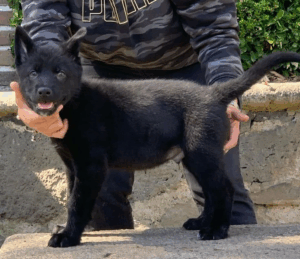 Via Pinterest
Recognition opened doors. Caliphs entered the shows. Judges checked ears, tails, and teeth. Breeders kept records. Health tests became normal. The black coat stayed the star. It linked every dog to the ancient past.
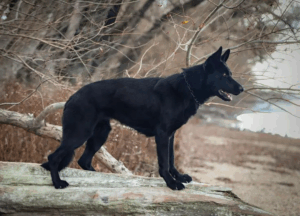 Via Pinterest
Eyes catch light in gold or amber. They look through you, not at you. The tail hangs low but curls slightly at the end. When the dog runs, the tail streams behind like a banner. Every step is smooth and quiet. You hear paws on dirt, not heavy thuds. The coat protects from heat and cold. Double layers keep rain out. Black fur absorbs the sun without overheating.
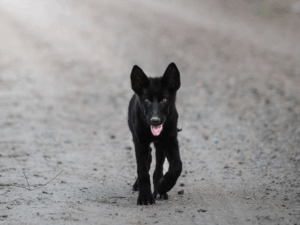 Via Pinterest
Measure portions to avoid fast growth. Too much weight hurts young joints. Social classes build skills. Puppies play under watchful eyes. They learn bite control. They practice calm greetings. By six months, the puppy knows basic commands. By one year, it acts like an adult.
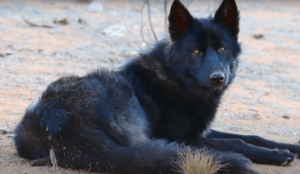 Via DogTime
Fresh water always. Watch the waistline. A tuck behind the ribs means perfect weight. Groom once a week. Brush from head to tail. Check ears for dirt. Trim nails monthly. Vet visits happen yearly. Shots stay current. Heartworm pills protect in warm months. Spay or neuter unless breeding. Early fixing calms some wild urges.
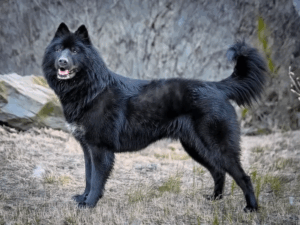 Via Holistapet
Some areas ban wolf hybrids. Check local laws. Paperwork proves the Calupoh is a recognized breed. Insurance may cost more. Plan. Once commands are solid, teach fun tricks. Spin. Crawl. Wave. Caliphs love to show off. Scent work taps the wolf's nose. Hide treats in boxes. Let the dog hunt. Agility courses build trust. Jump hurdles. Weave poles. Balance on beams.
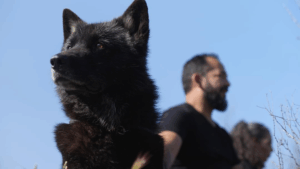 Via Prime Video
Good breeders welcome visits. Puppies play in clean yards. Parents greet calmly. Health records sit in neat folders. Bad signs: cages, dirt, shy adults. Ask questions. See grandparents if possible. Wait lists mean care, not greed. Price reflects effort. Expect to pay for tests and time. Cheap puppies often cost more in vet bills. Ethical breeders stay in touch for life.
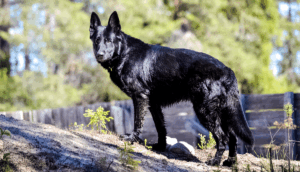 Via Just us Dogs
Months fly. Puppy teeth fall. Adult coats grow in. Training levels up. Off-leash hikes in safe woods. Swim lessons in calm lakes. Campfires with the dog at your feet. Stars reflect in black fur. Years add gray to the muzzle. Steps slow. Ramps help on couches. Shorter walks, longer naps. Love deepens. The guide who walked from legend now walks beside you in real life.
Old age brings choices. Pain relief brings comfort. Quality matters more than quantity. When the time comes, hold the paw that holds your heart. Bury under a favorite tree. Plant wildflowers. Tell the story to the next puppy. The Calupoh lives on. New litters carry the line. Ancient blood flows fresh. Mexico’s mystical wolfdog keeps walking between worlds, one paw in myth, one paw in your hand.
More in Unassigned
Via American Kennel
They studied old bones, paintings, and tales. Then they mixed Mexican gray wolves with strong dogs. The result was a breed that looks wild but acts loyal. The Calupoh earned its place as Mexico’s third native dog in 1999. It joined the tiny Chihuahua and the hairless Xoloitzcuintli in the national lineup.
Roots in Mesoamerican Soil
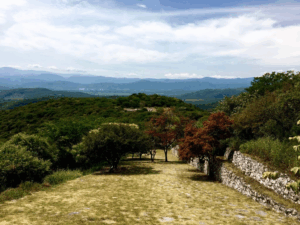
Thousands of years ago, the land that is now Mexico buzzed with life. Cities rose with stone pyramids. Priests wore feathers and jade. In the middle of this world walked wolfdogs. The Aztecs and Mayans did not leave them to chance. They chose dogs and wolves on purpose. They wanted animals that could stand between two worlds.
Via LAC Geo
These early people saw the wolf as a symbol of night and strength. The dog stood for home and trust. By mixing them, they created something new. The black coat was not random. It linked the animal to the dark sky and hidden powers. Temple walls show these hybrids next to rulers. Some carvings have them leading souls through the underworld.
Burials tell the same story. Important leaders shared their tombs with wolfdogs. The animals wore collars of shell and stone. Their bodies curled as if sleeping, ready to guard in the next life. This was not just love for a pet. It was a belief in a guide.
Via KRQE
The Meaning Behind the Fur
Duality ruled ancient thought. Day and night. Life and death. Human and spirit. The Calupoh fits right in the middle. Its wolf side spoke of freedom and the wild. Its dog side promised loyalty and warmth. Together, they showed balance. Priests used the animals in rituals. Smoke rose from fires while wolfdogs sat nearby. People believed the smoke carried prayers, and the Calupoh carried souls. The black fur soaked up moonlight, or so the stories went. It made the dog seem part of the night itself.
Via DogTime
Warriors kept them, too. Not for battle, but for courage. A leader with a wolfdog at his side looked stronger. The animal’s calm stare scared enemies. Its low growl warned of danger. Yet it never attacked without reason. This control came from careful raising.
Lost to Time
Everything changed when ships arrived from Spain. New rulers brought new dogs. They saw no value in the old ways. Temples fell. Books burned. Wolfdogs scattered or died. The bloodlines thinned. By the 1700s, pure Calupohs were gone. Only faint traces lived in village dogs.
Via iHeartDogs
For centuries, the breed became legendary. Grandmothers told children about black dogs that guided the dead. Artists painted memories. But no living animal matched the tales. The Mexican gray wolf itself grew rare. Forests shrank. Farms grew. The wild side of the Calupoh slipped away.
A Spark in the 1990s
In 1991, a group of experts met in Mexico City. They loved dogs and history. They asked a bold question: Could the Calupoh return? Bones from old digs gave clues. DNA tests showed wolf marks in some modern dogs. The team decided to try.
Via AnimalWised
They found Mexican gray wolves in protected areas. These wolves were shy and small compared to their northern cousins. The scientists picked healthy ones. Then they chose dogs with strong builds and calm minds. German Shepherds and Alaskan Malamutes added size. Local dogs brought the final touch.
Official Birth of a Breed
In 1999, Mexico’s kennel club said yes. The Calupoh was real again. Rules listed its size, color, and look. Males should stand 75 to 85 centimeters at the shoulder. Females are a bit less. Weight runs from 30 to 55 kilograms. The coat must be thick and mostly black. White marks are allowed only on the chest or toes.
Via Pinterest
Recognition opened doors. Caliphs entered the shows. Judges checked ears, tails, and teeth. Breeders kept records. Health tests became normal. The black coat stayed the star. It linked every dog to the ancient past.
Built Like the Wild
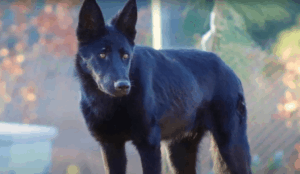
Stand a Calupoh next to a regular dog, and the difference jumps out. The body is lean, made for distance. Legs stretch long. The chest is deep for big lungs. Shoulders slope like a wolf on the hunt. The head is broad with a strong jaw. Ears point straight up. The muzzle ends in a black nose that smells the wind.
Via Pinterest
Eyes catch light in gold or amber. They look through you, not at you. The tail hangs low but curls slightly at the end. When the dog runs, the tail streams behind like a banner. Every step is smooth and quiet. You hear paws on dirt, not heavy thuds. The coat protects from heat and cold. Double layers keep rain out. Black fur absorbs the sun without overheating.
Raising a Calupoh Puppy
Start training the day the puppy arrives. Eight weeks is the perfect age. Use treats and happy voices. Teach sit, stay, and come. Walk on a leash without pulling. Meet new people daily. Let the puppy see cats, bikes, and loud trucks. Fear grows in quiet corners. Crate training helps at night. The crate becomes a safe den. Feed twice a day with large-breed puppy food.
Via Pinterest
Measure portions to avoid fast growth. Too much weight hurts young joints. Social classes build skills. Puppies play under watchful eyes. They learn bite control. They practice calm greetings. By six months, the puppy knows basic commands. By one year, it acts like an adult.
Daily Life with an Adult
Adult Caliphs need two hours of action each day. Long walks work. Runs in safe fields are better. Games of fetch tire the body. Puzzle toys tire the mind. Without enough to do, the dog invents jobs. Digging gardens. Chewing doors. Keep the brain busy. Feed high-quality food. Split meals morning and night.
Via DogTime
Fresh water always. Watch the waistline. A tuck behind the ribs means perfect weight. Groom once a week. Brush from head to tail. Check ears for dirt. Trim nails monthly. Vet visits happen yearly. Shots stay current. Heartworm pills protect in warm months. Spay or neuter unless breeding. Early fixing calms some wild urges.
Finding the Right Home
Calupohs fit active people. Homes with yards beat city apartments. Fences must be tall and strong. Six feet minimum. These dogs jump and dig. Daily exercise is non-negotiable. Couch life leads to trouble. Kids do fine if taught respect. No tail pulling. No ear grabbing. Gentle play only. Other pets need slow intros. Cats may rule the high ground. Smaller dogs learn that Calupoh is the boss.
Via Holistapet
Some areas ban wolf hybrids. Check local laws. Paperwork proves the Calupoh is a recognized breed. Insurance may cost more. Plan. Once commands are solid, teach fun tricks. Spin. Crawl. Wave. Caliphs love to show off. Scent work taps the wolf's nose. Hide treats in boxes. Let the dog hunt. Agility courses build trust. Jump hurdles. Weave poles. Balance on beams.
Myths vs. Truth
Some say Calupohs attack livestock. Truth: Well-raised ones stay home. Others claim they howl all night. Truth: they save songs for special moments. Fear comes from old wolf tales. Facts come from living with the dogs. Myths paint them as monsters. Truth shows gentle giants. Puppies sleep on laps. Adults lean towards scratches. The wild look hides a soft heart.
Via Prime Video
Good breeders welcome visits. Puppies play in clean yards. Parents greet calmly. Health records sit in neat folders. Bad signs: cages, dirt, shy adults. Ask questions. See grandparents if possible. Wait lists mean care, not greed. Price reflects effort. Expect to pay for tests and time. Cheap puppies often cost more in vet bills. Ethical breeders stay in touch for life.
Explore the History of the Calupoh Wolfdog
Bring a blanket from the breeder. The familiar smell eases worry. Set up the crate with soft bedding. Play quiet music. Take the puppy out every two hours. Praise tiny piddles outside. Sleep comes easier with routine. Morning brings new smells. Explore the yard on leash. Name the puppy something short. Two syllables work best. Reward every recall. Bond starts now.
Via Just us Dogs
Months fly. Puppy teeth fall. Adult coats grow in. Training levels up. Off-leash hikes in safe woods. Swim lessons in calm lakes. Campfires with the dog at your feet. Stars reflect in black fur. Years add gray to the muzzle. Steps slow. Ramps help on couches. Shorter walks, longer naps. Love deepens. The guide who walked from legend now walks beside you in real life.
Old age brings choices. Pain relief brings comfort. Quality matters more than quantity. When the time comes, hold the paw that holds your heart. Bury under a favorite tree. Plant wildflowers. Tell the story to the next puppy. The Calupoh lives on. New litters carry the line. Ancient blood flows fresh. Mexico’s mystical wolfdog keeps walking between worlds, one paw in myth, one paw in your hand.
