
Unassigned
How Sea Otters Store Snack Rocks in Secret Armpit Pouches

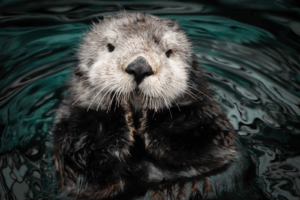
Sea otters are playful marine mammals that live along the Pacific Ocean coasts. They belong to the weasel family but spend almost all their lives in the water. You can find them from California up to Alaska and even in parts of Russia and Japan. Adults grow to about three to four feet long and weigh between 30 and 100 pounds. Females are usually smaller than males. What stands out about sea otters is their super-thick fur.
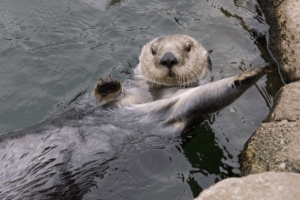
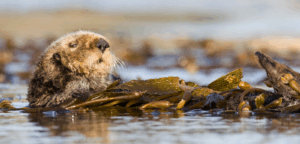
It has up to a million hairs per square inch, making it the densest fur of any animal. This fur traps air bubbles to keep them warm in cold water. Unlike seals or sea lions, sea otters lack blubber, so they depend on grooming their fur to stay insulated. They float on their backs most of the time, using their chests like tables for eating and resting. Sea otters are smart and curious, often juggling food or tools while floating.
 Via Wild View
People adore watching them because they seem so joyful and full of tricks. But beyond their cuteness, sea otters play a key role in ocean health. They help keep seaweed forests thriving by controlling pests. Their unique adaptations, like special skin folds for storage, make them engineering marvels of nature. Learning about sea otters shows how clever evolution can be for survival in harsh seas.
 Via National Geographic
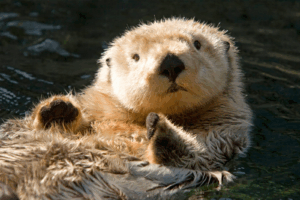
Their eyes are large and keen for spotting prey underwater, and sensitive whiskers detect vibrations from hidden food. Sharp teeth and powerful jaws crunch through tough shells. The real standout feature is their loose skin under the armpits, forming natural pouches. These flaps of skin create secure spots to tuck away items without them floating off in currents.
Sea otters' bones are dense, unlike many sea mammals, which helps them dive deep, up to 400 feet in some cases, without floating up too soon. They hold their breath for several minutes during hunts. Fur color is dark brown, but it lightens with age and looks sleek when wet.
 Via The Marine Mammal Center
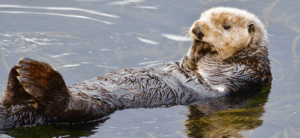
Grooming is constant; they rub their fur vigorously to work in air and natural oils, keeping it waterproof. Pups are born with even fluffier fur for instant flotation. Mothers cradle them on their chests, protecting them from the waves. These traits let sea otters thrive without ever needing land much, except rarely for birthing in safe spots.
 Via YouTube
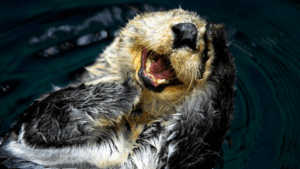
Primarily, they store favorite rocks here, smooth stones perfect for smashing shellfish. Each otter picks a personal rock that fits its grip, reusing it for years. Sometimes, they stash extra prey like clams or urchins to eat later.
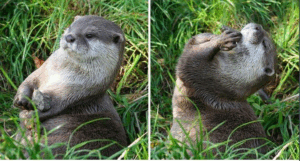
This built-in storage saves energy; no need to hunt for a tool every meal. The pouch evolved because ocean currents make loose items hard to keep. Scientists observe otters reaching into the pouch mid-float, pulling out a rock like a pro mechanic grabbing a wrench. It's flexible enough for multiple items but snug to avoid spills.
 Via Reddit
Females use it while carrying pups, multitasking with ease. This feature highlights sea otters' resourcefulness, turning a simple skin fold into a survival hack. Without it, cracking armored prey would be tougher, and they'd burn more calories searching seabeds.
 Via National Geographic
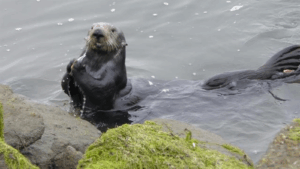
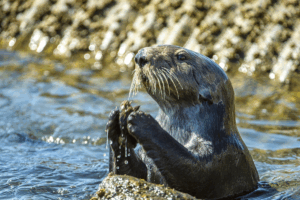
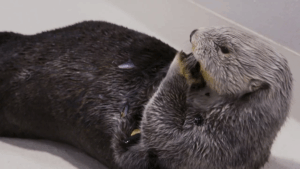
Floating supine, they balance the shell on their belly, protected by a fold of skin, and bash away with the rock. Some hold the rock steady as an anvil, pounding the prey against it. This technique accesses nutritious meat inside hard casings that teeth alone can't pierce. Tool use varies by region; where soft food is scarce, otters rely on it more.
Mothers teach pups by demonstration; young ones practice on soft items before hard shells. Studies show tool-users have less tooth wear, as rocks take the brunt of the force. Occasionally, otters improvise with shells, bottles, or debris, proving adaptability. This behavior demands intelligence: selecting the right rock size, aiming strikes, and storing tools.
 Via EcoWatch
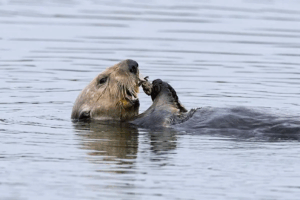
Compared to land tool-users like chimps, sea otters do it in a buoyant, three-dimensional environment. It boosts efficiency, letting them eat calorie-rich foods to fuel a high metabolism. Without tools, their diet would shrink, threatening survival. This habit underscores their big brains relative to body size, rivaling some primates.
 Via Yale E360
Breath-holds last 1 to 5 minutes, with surface floats for eating. Tools crack tough items; softer prey gets gulped whole. They forage solo or in pairs, covering miles of coast. Pups nurse milk first, then solid food is regurgitated by mom. Adults prefer prime shellfish, diving deeper for bigger hauls.
In kelp beds, they target urchins to prevent overgrazing. Metabolism races to maintain heat, so meals are frequent. Waste from eating fertilizes the seafloors. Seasonal shifts affect diets; winter means more calories from fat-rich prey. This voracious appetite positions otters as ecosystem engineers, shaping benthic communities through selective predation.
 Via Hakai Magazine
 Via Floofmania
Play-fighting hones skills; somersaults and kelp-sliding build agility. Territories span kilometers for males and are defended aggressively. Lifespans reach 15-20 years wild, longer in captivity. Social ties aid warmth in rafts and predator vigilance. Orphaned pups struggle without maternal lessons, highlighting family bonds.
 Via Aquarium of the Pacific
Water temperature tolerance spans cold to mild, but pollution-sensitive fur demands clean seas. Human development fragments habitats, pushing otters to the margins. Climate shifts alter kelp dynamics, forcing adaptations. Still, core needs, abundant invertebrates, and shelter anchor their ranges.
 Via Defenders of Wildlife
Reintroductions reverse this, reviving trophic cascades: more kelp boosts abalone, fish, and eagles. Otters' foraging aerates sediments, enhancing nutrient cycles. Their presence correlates with richer communities, proving top-down control. This role amplifies conservation value; protecting otters safeguards entire webs.
 Via A-Z Animals
Climate-driven kelp loss and acidification hit hard. Conservation bans hunting, rehabilitates spills, and relocates groups. Monitoring tracks health; public awareness curbs pollution. Successes include Alaskan rebounds, but vigilance continues for full recovery.
 Via X
These quirks reveal playful intellect, endearing them globally. One of their most fascinating traits is the use of hidden pouches under their armpits to store tools and food. These loose folds of skin act like built-in pockets, where sea otters keep their favorite rocks for cracking open clams, mussels, and sea urchins.
They can even stash snacks for later meals while floating on their backs. This clever adaptation shows remarkable problem-solving skills and memory, allowing them to use and reuse specific stones, sometimes the same tool, for years. It’s a rare example of tool use in the animal kingdom, highlighting just how intelligent and resourceful sea otters truly are.
More in Unassigned
Via Wild View
People adore watching them because they seem so joyful and full of tricks. But beyond their cuteness, sea otters play a key role in ocean health. They help keep seaweed forests thriving by controlling pests. Their unique adaptations, like special skin folds for storage, make them engineering marvels of nature. Learning about sea otters shows how clever evolution can be for survival in harsh seas.
Physical Adaptations for Ocean Life
Sea otters have bodies perfectly tuned for swimming and diving. Their front paws are like small hands with dexterous fingers for grabbing and manipulating objects. The hind feet are large, webbed flippers that power them through water at speeds up to seven miles per hour. A short, strong tail helps with steering and balance.
Via National Geographic
Their eyes are large and keen for spotting prey underwater, and sensitive whiskers detect vibrations from hidden food. Sharp teeth and powerful jaws crunch through tough shells. The real standout feature is their loose skin under the armpits, forming natural pouches. These flaps of skin create secure spots to tuck away items without them floating off in currents.
Sea otters' bones are dense, unlike many sea mammals, which helps them dive deep, up to 400 feet in some cases, without floating up too soon. They hold their breath for several minutes during hunts. Fur color is dark brown, but it lightens with age and looks sleek when wet.
Via The Marine Mammal Center
Grooming is constant; they rub their fur vigorously to work in air and natural oils, keeping it waterproof. Pups are born with even fluffier fur for instant flotation. Mothers cradle them on their chests, protecting them from the waves. These traits let sea otters thrive without ever needing land much, except rarely for birthing in safe spots.
The Armpit Pouch Explained
The armpit pouch is one of the sea otter's most ingenious secrets. It's not a sewn pocket but a loose fold of skin beneath each front flipper, like a natural sling. This flap stretches to hold rocks, food, or even spare tools securely. Sea otters slip items in with a quick paw motion, and the skin holds tight against their body. The pouch prevents loss during dives or rolls in waves.
Via YouTube
Primarily, they store favorite rocks here, smooth stones perfect for smashing shellfish. Each otter picks a personal rock that fits its grip, reusing it for years. Sometimes, they stash extra prey like clams or urchins to eat later.
This built-in storage saves energy; no need to hunt for a tool every meal. The pouch evolved because ocean currents make loose items hard to keep. Scientists observe otters reaching into the pouch mid-float, pulling out a rock like a pro mechanic grabbing a wrench. It's flexible enough for multiple items but snug to avoid spills.
Via Reddit
Females use it while carrying pups, multitasking with ease. This feature highlights sea otters' resourcefulness, turning a simple skin fold into a survival hack. Without it, cracking armored prey would be tougher, and they'd burn more calories searching seabeds.
Why Sea Otters Use Tools
Tool use sets sea otters apart as one of the few marine mammals that regularly wield objects in the wild. They grab rocks from the pouch or seabed to hammer open clams, mussels, abalone, and sea urchins.
Via National Geographic
Floating supine, they balance the shell on their belly, protected by a fold of skin, and bash away with the rock. Some hold the rock steady as an anvil, pounding the prey against it. This technique accesses nutritious meat inside hard casings that teeth alone can't pierce. Tool use varies by region; where soft food is scarce, otters rely on it more.
Mothers teach pups by demonstration; young ones practice on soft items before hard shells. Studies show tool-users have less tooth wear, as rocks take the brunt of the force. Occasionally, otters improvise with shells, bottles, or debris, proving adaptability. This behavior demands intelligence: selecting the right rock size, aiming strikes, and storing tools.
Via EcoWatch
Compared to land tool-users like chimps, sea otters do it in a buoyant, three-dimensional environment. It boosts efficiency, letting them eat calorie-rich foods to fuel a high metabolism. Without tools, their diet would shrink, threatening survival. This habit underscores their big brains relative to body size, rivaling some primates.
Daily Diet and Foraging Routines
Sea otters devour massive meals to combat cold-water energy loss. They eat 25 to 30 percent of their body weight daily, think of a 70-pound otter munching 20 pounds of seafood. Their menu stars invertebrates: crabs, snails, urchins, clams, and octopuses. Fish and squid fill gaps. Foraging starts at dawn; they dive repeatedly, using paws to pry prey from rocks or burrows.
Via Yale E360
Breath-holds last 1 to 5 minutes, with surface floats for eating. Tools crack tough items; softer prey gets gulped whole. They forage solo or in pairs, covering miles of coast. Pups nurse milk first, then solid food is regurgitated by mom. Adults prefer prime shellfish, diving deeper for bigger hauls.
In kelp beds, they target urchins to prevent overgrazing. Metabolism races to maintain heat, so meals are frequent. Waste from eating fertilizes the seafloors. Seasonal shifts affect diets; winter means more calories from fat-rich prey. This voracious appetite positions otters as ecosystem engineers, shaping benthic communities through selective predation.
Via Hakai Magazine
Social Structures and Bonding
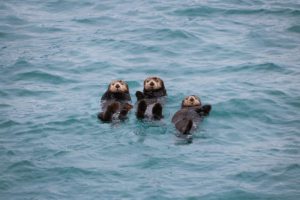
Sea otters blend solitude with sociability. They form rafts, loose groups of dozens to hundreds, while resting, linking paws to counter currents and avoid separation. This hand-holding is both adorable and essential for safety. Rafts are often single-sex, with males patrolling territories and females with pups in calmer zones. Mating occurs year-round; males pursue females in energetic chases. Gestation lasts about six months, and birthing single pups. Mothers are devoted, carrying infants on their chests, grooming, and teaching dives. Pups stay dependent 6 to 12 months, learning tools and hunts. Fathers play no role. Communication uses chirps, whines, growls, and postures.
Via Floofmania
Play-fighting hones skills; somersaults and kelp-sliding build agility. Territories span kilometers for males and are defended aggressively. Lifespans reach 15-20 years wild, longer in captivity. Social ties aid warmth in rafts and predator vigilance. Orphaned pups struggle without maternal lessons, highlighting family bonds.
Preferred Habitats and Ranges
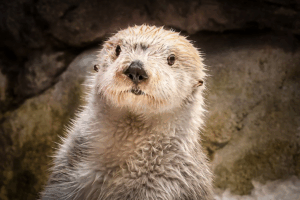
Coastal kelp forests define sea otter homes, offering cover, anchorage, and urchin buffets. They hug shorelines in waters under 100 meters deep, from intertidal zones to submarine canyons. California's central coast hosts southern populations; Alaska's rugged shores shelter northern ones. The Russian Commander Islands add eastern edges.
Via Aquarium of the Pacific
Water temperature tolerance spans cold to mild, but pollution-sensitive fur demands clean seas. Human development fragments habitats, pushing otters to the margins. Climate shifts alter kelp dynamics, forcing adaptations. Still, core needs, abundant invertebrates, and shelter anchor their ranges.
Keystone Role in Marine Ecosystems
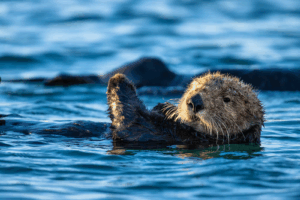
As keystone species, sea otters disproportionately influence biodiversity. Voracious urchin predation preserves kelp forests, which shelter fish, invertebrates, and birds while sequestering carbon. Absent otters, "urchin barrens" emerge, stripping habitat.
Via Defenders of Wildlife
Reintroductions reverse this, reviving trophic cascades: more kelp boosts abalone, fish, and eagles. Otters' foraging aerates sediments, enhancing nutrient cycles. Their presence correlates with richer communities, proving top-down control. This role amplifies conservation value; protecting otters safeguards entire webs.
Facing Threats and Recovery Efforts
The historical fur trade decimated populations to near extinction by the 1900s. Today, protections rebuild numbers, but oil spills may occur, inducing fatal chills. Entanglement in nets, predation by orcas, and diseases persist.
Via A-Z Animals
Climate-driven kelp loss and acidification hit hard. Conservation bans hunting, rehabilitates spills, and relocates groups. Monitoring tracks health; public awareness curbs pollution. Successes include Alaskan rebounds, but vigilance continues for full recovery.
Discover the Secret Armpit Pouches Sea Otters Use for Tools
Sea otters close their ear canals and nostrils for dives, using belly pouches for picnics. They're ambidextrous or paw-dominant, like humans. Grooming sessions last hours, preventing hypothermia. Pups whistle for moms; adults "tool-juggle" for fun. They approach boats curiously, sometimes raiding for shiny objects.
Via X
These quirks reveal playful intellect, endearing them globally. One of their most fascinating traits is the use of hidden pouches under their armpits to store tools and food. These loose folds of skin act like built-in pockets, where sea otters keep their favorite rocks for cracking open clams, mussels, and sea urchins.
They can even stash snacks for later meals while floating on their backs. This clever adaptation shows remarkable problem-solving skills and memory, allowing them to use and reuse specific stones, sometimes the same tool, for years. It’s a rare example of tool use in the animal kingdom, highlighting just how intelligent and resourceful sea otters truly are.
