
Unassigned
Ginger Albino Seal Pup Discovered on Isolated Island

In the vast, cold waters of the Sea of Okhotsk, off the coast of Russia, a team of researchers made an amazing find on a remote island called Tyuleny. This island is home to thousands of northern fur seals that come ashore to breed and raise their young. During a routine survey, a biologist spotted a tiny seal pup that looked nothing like the others.
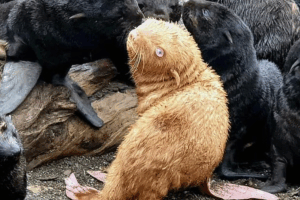
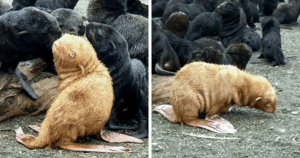
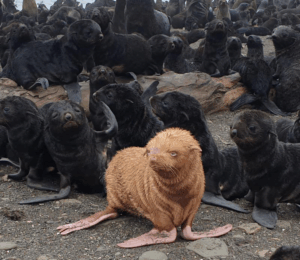
Instead of the usual dark brown or black fur, this little one had a bright, reddish-gold coat that glowed like a sunset. Its eyes were a pale bluish-white, and its flippers had a pinkish tint. The pup was playful, splashing around with the group, but it stood out like a sore thumb among the darker seals.
 Via The Independent
This rare sighting happened on an island that's hard to reach, surrounded by rough seas and far from human towns. The researchers were excited because such a unique animal doesn't show up often. They took photos and notes, careful not to disturb the colony. This pup quickly became a symbol of how nature can surprise us with something beautiful and unexpected.
 Via Bored Panda
Adult males can grow up to seven feet long and weigh over 600 pounds, while females are smaller, around four to five feet and up to 110 pounds. Pups are born in the summer, weighing about 10 to 12 pounds, and they learn to swim quickly. Their diet includes fish like herring and pollock, as well as squid, which they catch by diving deep into the ocean.
Northern fur seals can hold their breath for up to seven minutes and dive as deep as 600 feet. They have a layer of blubber to keep warm in cold waters and special fur that traps air for insulation. In terms of behavior, they are mostly solitary when out at sea but form large groups, called rookeries, on land.
 Via NOAA Fisheries
Males arrive first to claim territory, and females follow to have their pups. These seals are smart and adaptable, migrating thousands of miles each year between feeding grounds and breeding sites.
 Via Scholastic SuperSTEM
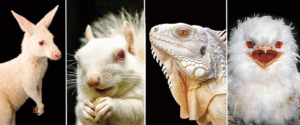
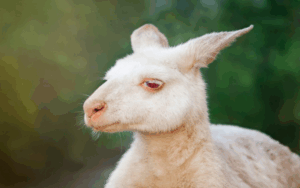
Both parents need to carry the gene for a baby to be born with albinism. It's rare because the chances of both parents having the gene and passing it on are low. In the wild, albinism shows up in many kinds of animals, from birds to reptiles to mammals. For example, you might see a white deer or a pale squirrel.
In marine animals like seals, it's even less common. Albinism affects more than just looks; it can cause problems with vision because melanin helps develop the eyes properly. Animals with albinism often have eyes that are pink or light blue because you can see the blood vessels through the clear tissue.
 Via Wonderopolis
 Via Stuff
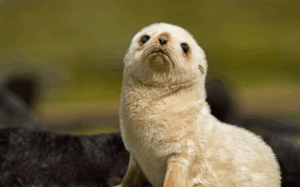
If eumelanin is reduced but pheomelanin remains, the fur can turn ginger. This is like how some human redheads have fair skin and freckles from similar gene changes. The pup's fur looks fiery orange, which is stunning but unusual for its species.
This twist makes the pup even rarer than a typical albino. Researchers are interested in studying its DNA to learn more about these mutations. It shows how small changes in genes can create big differences in appearance. Nature has many ways to mix colors, and this seal is a perfect example of that creativity.
 Via Pinterest
 Via Animals Around the Globe
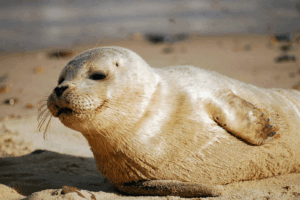
It moves around just like the others, waddling on land and swimming in shallow pools. The flippers are strong for their size, helping it flip and turn quickly. Researchers noted that the pup's whiskers are lighter too, which might affect how it senses things around it.
Overall, it's a cute, fluffy bundle that looks like it belongs in a storybook. But in real life, these features come from its genes and show how varied life can be. Seeing such a pup up close would be a once-in-a-lifetime experience for anyone lucky enough to visit the island.
 Via Animals Around The Globe
 Via Eugene Kaspersky
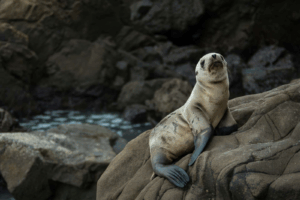
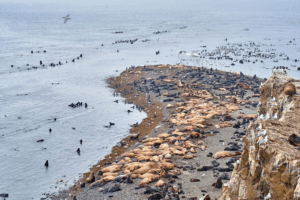
Food comes from the rich sea around the island, full of fish that seals hunt. But for an albino pup, simple tasks might be tougher. It has to avoid strong sunlight that could hurt its eyes or skin. The island's remote location keeps it safe from people, but the weather can be harsh with strong winds and waves.
Birds and other predators lurk nearby, looking for easy targets. Still, the pup seems to fit in, rolling around with siblings and exploring. This daily routine helps it build skills for survival. The island's ecosystem supports these seals, with plenty of space and resources. It's a tough but beautiful home for such a unique animal.
 Via Eugene Kaspersky
 Via All That’s Interesting
Social challenges happen, too; other seals might reject the pup because it looks different, leaving it alone and vulnerable. Finding a mate later could be tough if the group shuns it. Also, albino animals sometimes have weaker immune systems or other hidden issues from the gene mutation. Despite all this, some survive by being extra cautious or finding safe spots.
 Via Reddit
They show how life adapts in unexpected ways, turning challenges into strengths. Imagine if more people learned about this pup; it could inspire the protection of oceans and wildlife. Stories like this connect us to the planet, making us care more. Even in remote places, beauty thrives. The pup's life, though tough, is a celebration of difference.
It teaches that being unique is okay, even in the animal kingdom. As you face your own changes, nature's examples give hope. Let's cherish these moments and work to preserve them for future generations. The magic lies in the unexpected, like a fiery seal on a distant shore.
More in Unassigned
Via The Independent
This rare sighting happened on an island that's hard to reach, surrounded by rough seas and far from human towns. The researchers were excited because such a unique animal doesn't show up often. They took photos and notes, careful not to disturb the colony. This pup quickly became a symbol of how nature can surprise us with something beautiful and unexpected.
What Makes Northern Fur Seals Special
Northern fur seals are fascinating creatures that live in the northern Pacific Ocean. They are known for their thick, luxurious fur that once made them targets for hunters, but now they are protected. These seals spend most of their lives at sea, swimming long distances in search of food. They only come to land during the breeding season, gathering on rocky islands like Tyuleny to give birth and mate.
Via Bored Panda
Adult males can grow up to seven feet long and weigh over 600 pounds, while females are smaller, around four to five feet and up to 110 pounds. Pups are born in the summer, weighing about 10 to 12 pounds, and they learn to swim quickly. Their diet includes fish like herring and pollock, as well as squid, which they catch by diving deep into the ocean.
Northern fur seals can hold their breath for up to seven minutes and dive as deep as 600 feet. They have a layer of blubber to keep warm in cold waters and special fur that traps air for insulation. In terms of behavior, they are mostly solitary when out at sea but form large groups, called rookeries, on land.
Via NOAA Fisheries
Males arrive first to claim territory, and females follow to have their pups. These seals are smart and adaptable, migrating thousands of miles each year between feeding grounds and breeding sites.
Understanding Albinism in Animals
Albinism is a condition that happens when an animal's body doesn't make enough of a pigment called melanin. Melanin is what gives color to skin, fur, feathers, and eyes. Without it, animals look very pale or white. This is caused by changes in genes that are passed down from parents.
Via Scholastic SuperSTEM
Both parents need to carry the gene for a baby to be born with albinism. It's rare because the chances of both parents having the gene and passing it on are low. In the wild, albinism shows up in many kinds of animals, from birds to reptiles to mammals. For example, you might see a white deer or a pale squirrel.
In marine animals like seals, it's even less common. Albinism affects more than just looks; it can cause problems with vision because melanin helps develop the eyes properly. Animals with albinism often have eyes that are pink or light blue because you can see the blood vessels through the clear tissue.
Via Wonderopolis
The Ginger Twist in Seal Fur
Most people think of albino animals as pure white, but this seal pup has ginger, or reddish-orange, fur color. This happens because of a special kind of albinism that's not complete. In full albinism, all melanin is missing, leading to white fur. But in partial albinism, some pigment is still there, or other factors change the color. For this seal, the mutation affects how melanin is produced, resulting in a reddish tint instead of the usual dark shades. Scientists think this could be due to a mix of genes that control different pigments. In seals, fur color normally comes from eumelanin for black and brown, and pheomelanin for red and yellow.
Via Stuff
If eumelanin is reduced but pheomelanin remains, the fur can turn ginger. This is like how some human redheads have fair skin and freckles from similar gene changes. The pup's fur looks fiery orange, which is stunning but unusual for its species.
This twist makes the pup even rarer than a typical albino. Researchers are interested in studying its DNA to learn more about these mutations. It shows how small changes in genes can create big differences in appearance. Nature has many ways to mix colors, and this seal is a perfect example of that creativity.
Via Pinterest
Physical Features of the Rare Pup
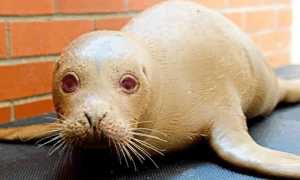
This ginger albino seal pup is small, like other newborn fur seals, but its looks set it apart. Its fur is a soft, reddish-gold that shines in the light, covering its whole body except for the pink flippers. The eyes are striking, pale, and light-colored, which might make seeing harder in bright sun or underwater. Without dark pigments, the pup lacks the natural camouflage that helps other seals blend into rocks or water. Its skin under the fur is pale, making it more prone to cold or injury. Despite this, the pup seems healthy, with a chubby body from its mother's milk.
Via Animals Around the Globe
It moves around just like the others, waddling on land and swimming in shallow pools. The flippers are strong for their size, helping it flip and turn quickly. Researchers noted that the pup's whiskers are lighter too, which might affect how it senses things around it.
Overall, it's a cute, fluffy bundle that looks like it belongs in a storybook. But in real life, these features come from its genes and show how varied life can be. Seeing such a pup up close would be a once-in-a-lifetime experience for anyone lucky enough to visit the island.
Via Animals Around The Globe
Daily Life on Tyuleny Island
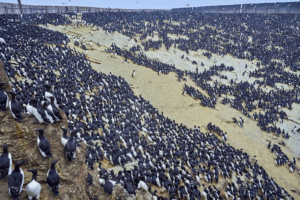
Tyuleny Island is a wild, rocky place perfect for seal colonies. It's small, about two miles long, with cliffs and pebble beaches where seals haul out. In summer, the air is filled with barks and cries as thousands of fur seals gather. Mothers nurse their pups, while males guard their spots. The ginger pup lives among this busy group, staying close to its mom for food and protection. Pups like this one spend their first months learning to swim and play. They practice diving in safe areas before heading to deeper waters.
Via Eugene Kaspersky
Food comes from the rich sea around the island, full of fish that seals hunt. But for an albino pup, simple tasks might be tougher. It has to avoid strong sunlight that could hurt its eyes or skin. The island's remote location keeps it safe from people, but the weather can be harsh with strong winds and waves.
Birds and other predators lurk nearby, looking for easy targets. Still, the pup seems to fit in, rolling around with siblings and exploring. This daily routine helps it build skills for survival. The island's ecosystem supports these seals, with plenty of space and resources. It's a tough but beautiful home for such a unique animal.
Via Eugene Kaspersky
Challenges Faced by Albino Animals
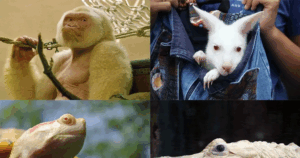
Albino animals deal with many hurdles in the wild that make life harder. First, their light color makes them easy to spot. Predators like sharks or birds can see them from far away, unlike animals with camouflage. For a seal pup, this means more danger while swimming or resting on rocks. Second, poor eyesight is common because melanin helps form the eyes. The pup might struggle to find food or avoid threats underwater where light is dim. Third, sensitivity to the sun is a big issue. Without pigment, skin burns easily, leading to pain or health problems. In cold places like the Sea of Okhotsk, this might not be as bad, but still a risk on sunny days.
Via All That’s Interesting
Social challenges happen, too; other seals might reject the pup because it looks different, leaving it alone and vulnerable. Finding a mate later could be tough if the group shuns it. Also, albino animals sometimes have weaker immune systems or other hidden issues from the gene mutation. Despite all this, some survive by being extra cautious or finding safe spots.
Discover the Rare Ginger Albino Seal Pup Sighting
Nature never stops amazing us with its twists and turns. This ginger albino seal pup is proof that the world holds secrets waiting to be found. In a sea of ordinary, it shines as something special, reminding us to look closer at our surroundings. Such surprises spark curiosity and wonder in kids and adults alike.
Via Reddit
They show how life adapts in unexpected ways, turning challenges into strengths. Imagine if more people learned about this pup; it could inspire the protection of oceans and wildlife. Stories like this connect us to the planet, making us care more. Even in remote places, beauty thrives. The pup's life, though tough, is a celebration of difference.
It teaches that being unique is okay, even in the animal kingdom. As you face your own changes, nature's examples give hope. Let's cherish these moments and work to preserve them for future generations. The magic lies in the unexpected, like a fiery seal on a distant shore.
