
Unassigned
Europe's Greatest Wildlife Comeback - The Iberian Lynx

The Iberian lynx is a wild cat that almost disappeared from the planet. In 2001, only 62 of these animals were left in the wild. That number was so low that experts thought they might go extinct soon. But today, more than 2,000 Iberian lynxes are roaming free. This is one of the biggest success stories in wildlife conservation.
These cats live mainly in Spain and Portugal, where they hunt in forests and open lands. Their story shows how humans can step in and help nature heal when things get bad. This comeback did not happen by accident. It took hard work from scientists, governments, and local people.
 Via NBC News
They fixed the problems that were hurting the lynxes and gave them a chance to bounce back. Now, the Iberian lynx population is growing faster than any other cat species in the world. If you visit certain parts of Europe, you might even see one in the wild. Their recovery reminds you that even when a species is on the edge, it's possible to bring it back with the right actions.
 Via New Scientist
Adults can weigh up to 28 pounds and grow about two feet tall at the shoulder. One cool feature is its beard-like fur around the face, which makes it look serious and ready for action. Their eyes are sharp and yellow, perfect for spotting prey from far away.
Baby lynxes, called kittens, are born with blue eyes that change as they grow. These cats are built for life in the wild, with strong muscles and claws for catching food. They are smaller than other lynx species, like the ones in North America, but they are just as tough.
 Via Al Jazeera
 Via Reuters
They mark their territory with scratches and scents to keep others away. Rivers and hills are common in their homes, and they avoid very cold or wet places. Sadly, many of their old habitats have been turned into farms or cities, which is why their numbers have dropped so low.
 Via BBC
Another big problem was the loss of their main food: rabbits. Diseases wiped out huge numbers of wild rabbits in Europe during the 1950s and later. Without enough rabbits, lynxes went hungry and could not raise babies. By 2001, surveys showed only 62 were left in two small areas. Experts called this a critical situation. The lynx was listed as the most endangered cat in the world.
 Via Reef and Rainforest Tours
Third, road accidents killed many. Lynxes like to move at night, and fast cars on highways were deadly. But the biggest issue was the drop in rabbit numbers. Rabbits make up 90% of a lynx's diet. When rabbit diseases spread, lynxes starved. Poaching and illegal traps also hurt them. All these problems added up, making survival hard.
 Via BBC
They set up protected areas where no hunting or building could happen. Scientists studied lynx behavior to learn what they needed. Breeding centers were built to raise lynxes in safe places. The goal was to increase the numbers and then release them back into the wild. Local people got involved too, learning how to help protect the cats.
 Via IUCN
By 2009, these programs had raised hundreds of lynxes. They used special techniques, like artificial insemination, to help with breeding. The centers also taught lynxes survival skills so they could live on their own later. This was important because captive-born animals sometimes struggle in the wild. Over time, more centers opened in Portugal and other parts of Spain.
 Via Everypaw
Farmers helped by planting crops that rabbits like, such as grasses and herbs. In some places, they created "rabbit farms" to breed and release thousands. This boosted rabbit numbers from low levels to millions in key spots. With more food, lynxes could eat well and have more kittens.
 Via The Guardian
This cut deaths from cars by a lot. It's like giving lynxes their own safe roads to travel. Once numbers grew in breeding centers, it was time to release them. Starting in 2010, teams picked healthy lynxes and let them go in prepared areas. They put radio collars on them to track their movements. At first, some struggled, but most adapted well.
Releases happened in places where rabbits were plentiful and habitats were safe. Portugal saw its first releases in 2014. Now, lynxes live in more areas than before, spreading out from just two spots. This helps prevent all lynxes from being wiped out by one problem, like a disease.
 Via BioGraphic
 Via Mother Jones
In Spain's Castilla-La Mancha, a released lynx named "Kentaro" fathered many kittens, boosting numbers. Local people celebrate with festivals about lynxes. Tourism grew, with guided tours to see them safely. This brings money to areas and makes people proud to protect them. The lynx went from endangered to vulnerable status, a big win.
 Via The Nature Conservancy
Even with success, problems remain. Climate change could dry out habitats, hurting rabbits and lynxes. New roads or farms might pop up. Diseases in rabbits are still a risk. Poaching happens sometimes, though less now. Lynxes can get sick from domestic cats if they mix. Conservationists plan for these by researching and making new protected areas.
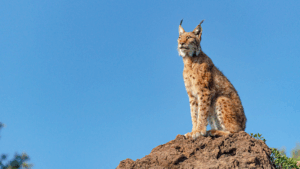 Via Natural Habitat Adventures
Humans caused the decline, but they fixed it, too. This inspires hope for other endangered animals, like tigers or pandas. If authorities care and act, even the rarest creatures can come back strong. The lynx clawed its way from the brink, proving nature is resilient when you help.
More in Unassigned
Via NBC News
They fixed the problems that were hurting the lynxes and gave them a chance to bounce back. Now, the Iberian lynx population is growing faster than any other cat species in the world. If you visit certain parts of Europe, you might even see one in the wild. Their recovery reminds you that even when a species is on the edge, it's possible to bring it back with the right actions.
What Does the Iberian Lynx Look Like?
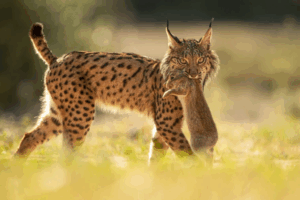
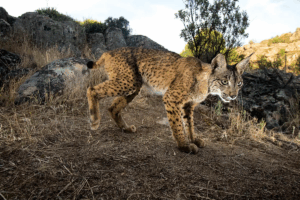
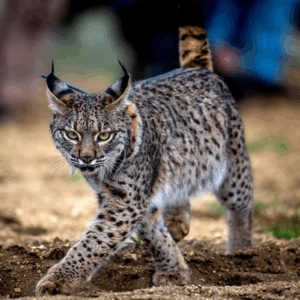
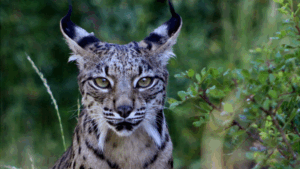
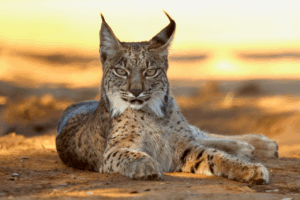
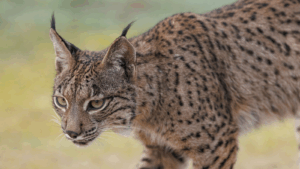
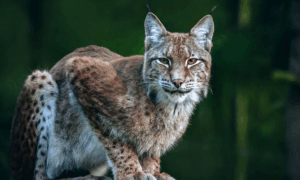
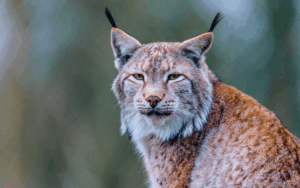
The Iberian lynx looks like a mix between a regular house cat and something more wild and fierce. It has long legs that help it run and jump quickly. On top of its ears, there are black tufts of fur that look like little brushes. Its tail is short and stubby, with a black tip. The fur is spotted, which helps it blend into bushes and grass while hunting.
Via New Scientist
Adults can weigh up to 28 pounds and grow about two feet tall at the shoulder. One cool feature is its beard-like fur around the face, which makes it look serious and ready for action. Their eyes are sharp and yellow, perfect for spotting prey from far away.
Baby lynxes, called kittens, are born with blue eyes that change as they grow. These cats are built for life in the wild, with strong muscles and claws for catching food. They are smaller than other lynx species, like the ones in North America, but they are just as tough.
Via Al Jazeera
Where Do Iberian Lynxes Live?
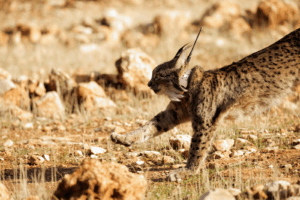
Iberian lynxes are native to the Iberian Peninsula, which includes Spain and Portugal. They like areas with lots of shrubs, trees, and open spaces. This habitat is called Mediterranean scrubland. It's full of cork oaks, olive trees, and wild grasses. In the past, they lived all over this region, but now they are mostly in southern Spain, like in Andalusia, and parts of Portugal. These cats need big areas to roam, sometimes up to 10 square miles for one lynx.
Via Reuters
They mark their territory with scratches and scents to keep others away. Rivers and hills are common in their homes, and they avoid very cold or wet places. Sadly, many of their old habitats have been turned into farms or cities, which is why their numbers have dropped so low.
The History of Their Decline
Back in the 1900s, Iberian lynxes were common in Spain and Portugal. People saw them often while hiking or farming. But by the 1980s, things started to change. Their numbers began to fall fast. Hunters killed them for their fur or because they thought the cats were pests. Roads were built through their lands, and many lynxes got hit by cars while crossing.
Via BBC
Another big problem was the loss of their main food: rabbits. Diseases wiped out huge numbers of wild rabbits in Europe during the 1950s and later. Without enough rabbits, lynxes went hungry and could not raise babies. By 2001, surveys showed only 62 were left in two small areas. Experts called this a critical situation. The lynx was listed as the most endangered cat in the world.
Main Causes of the Population Crash
Several things worked together to push the Iberian lynx toward extinction. First, habitat loss was huge. People cleared land for farms, houses, and roads. This broke up the big areas lynxes need to live and hunt. Without connected habitats, lynxes could not find mates or new places to live. Second, hunting played a role. Some people hunted them for sport or to protect livestock, even though lynxes rarely attack farm animals.
Via Reef and Rainforest Tours
Third, road accidents killed many. Lynxes like to move at night, and fast cars on highways were deadly. But the biggest issue was the drop in rabbit numbers. Rabbits make up 90% of a lynx's diet. When rabbit diseases spread, lynxes starved. Poaching and illegal traps also hurt them. All these problems added up, making survival hard.
How Conservation Efforts Began
In the early 2000s, groups like the World Wildlife Fund and local governments saw the danger. They started programs to save the lynx. First, they did surveys to count how many were left and where they lived. This helped them plan. In 2002, Spain and Portugal agreed to work together on conservation.
Via BBC
They set up protected areas where no hunting or building could happen. Scientists studied lynx behavior to learn what they needed. Breeding centers were built to raise lynxes in safe places. The goal was to increase the numbers and then release them back into the wild. Local people got involved too, learning how to help protect the cats.
Breeding Programs in Action
Breeding centers became a key part of the rescue. Places like the one in Doñana National Park in Spain took in lynxes from the wild. They paired them up to have babies in a safe environment. Vets checked their health and made sure they had plenty of food. Kittens born there learned to hunt using live rabbits in big enclosures.
Via IUCN
By 2009, these programs had raised hundreds of lynxes. They used special techniques, like artificial insemination, to help with breeding. The centers also taught lynxes survival skills so they could live on their own later. This was important because captive-born animals sometimes struggle in the wild. Over time, more centers opened in Portugal and other parts of Spain.
Restoring Rabbit Populations
Since rabbits are so important to lynxes, conservationists focused on bringing them back. They released healthy rabbits into lynx areas. Fences kept out predators that eat rabbits, giving them time to multiply. They also fought rabbit diseases by vaccinating wild ones.
Via Everypaw
Farmers helped by planting crops that rabbits like, such as grasses and herbs. In some places, they created "rabbit farms" to breed and release thousands. This boosted rabbit numbers from low levels to millions in key spots. With more food, lynxes could eat well and have more kittens.
Building Safe Passages for Lynxes
Road accidents were a big killer, so experts built underpasses and overpasses just for wildlife. These are tunnels or bridges under or over highways. Lynxes can cross safely without seeing cars. Cameras showed lynxes using them often. Fences along roads guide animals to these passages. In Spain, over 100 such structures were made in lynx areas.
Via The Guardian
This cut deaths from cars by a lot. It's like giving lynxes their own safe roads to travel. Once numbers grew in breeding centers, it was time to release them. Starting in 2010, teams picked healthy lynxes and let them go in prepared areas. They put radio collars on them to track their movements. At first, some struggled, but most adapted well.
Releases happened in places where rabbits were plentiful and habitats were safe. Portugal saw its first releases in 2014. Now, lynxes live in more areas than before, spreading out from just two spots. This helps prevent all lynxes from being wiped out by one problem, like a disease.
Via BioGraphic
Monitoring and Tracking Progress
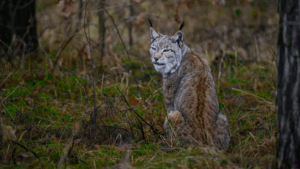
Scientists keep watch on released lynxes using cameras, trackers, and surveys. They count kittens each year to see if populations are growing. Data shows steady increases. In 2010, there were about 200 lynxes. By 2020, over 1,000. Now, in 2024, it's past 2,000. They also check for threats like new diseases or poachers. Community groups report sightings, helping with data. This ongoing work ensures the comeback lasts. One great story is from the Guadiana Valley in Portugal. Lynxes were gone there for years, but releases brought them back. Now, families of lynxes thrive.
Via Mother Jones
In Spain's Castilla-La Mancha, a released lynx named "Kentaro" fathered many kittens, boosting numbers. Local people celebrate with festivals about lynxes. Tourism grew, with guided tours to see them safely. This brings money to areas and makes people proud to protect them. The lynx went from endangered to vulnerable status, a big win.
Current Status of the Iberian Lynx
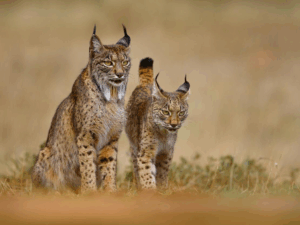
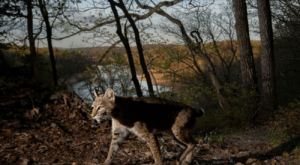
Today, the Iberian lynx is doing better than ever. Over 2,000 live in the wild, with more in centers. They are in 10 different areas across Spain and Portugal. Birth rates are high, with females having two to four kittens a year. The population grows by about 10% each year, the fastest for any cat. But they are not out of danger yet. They need ongoing help to stay safe.
Via The Nature Conservancy
Even with success, problems remain. Climate change could dry out habitats, hurting rabbits and lynxes. New roads or farms might pop up. Diseases in rabbits are still a risk. Poaching happens sometimes, though less now. Lynxes can get sick from domestic cats if they mix. Conservationists plan for these by researching and making new protected areas.
Explore the Iberian Lynx's Remarkable Comeback
The Iberian lynx story teaches humans a lot. It shows that teamwork between countries, scientists, and locals can save species. Giving nature tools to recover works wonders. It also proves that fixing one problem, like food shortages, helps the whole ecosystem.
Via Natural Habitat Adventures
Humans caused the decline, but they fixed it, too. This inspires hope for other endangered animals, like tigers or pandas. If authorities care and act, even the rarest creatures can come back strong. The lynx clawed its way from the brink, proving nature is resilient when you help.
