Unassigned
200 California Billionaires In Wealth Tax Debate Spotlight
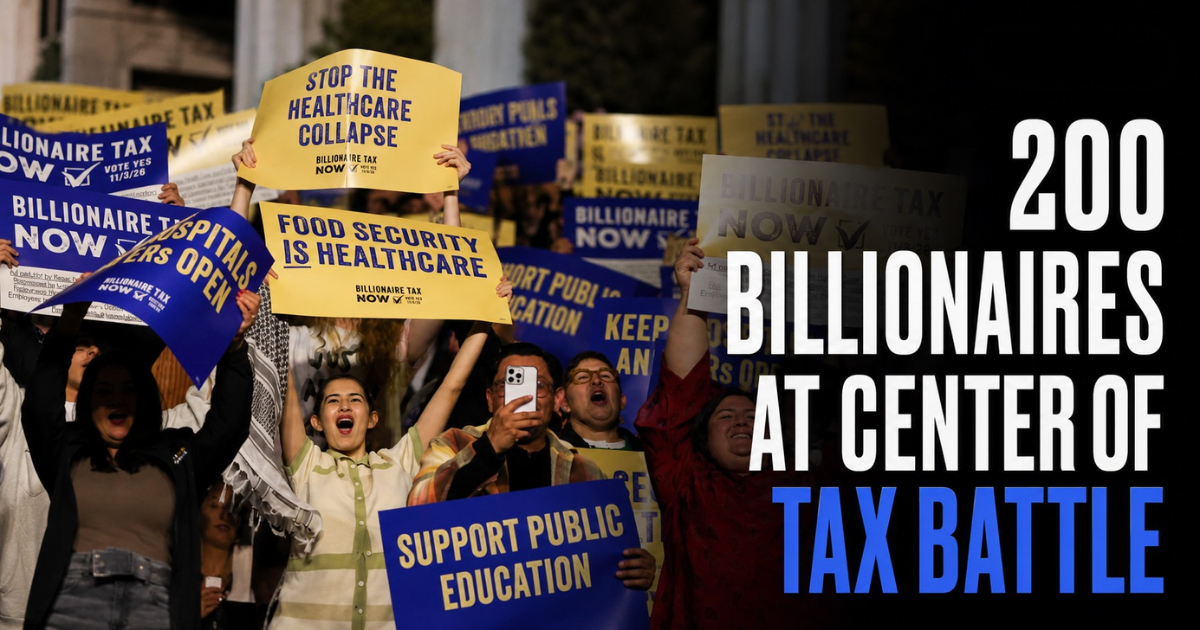
California is home to some of the richest people in the world, and that has placed the state at the center of a major tax debate. A proposed measure called the Billionaire Tax Act could place a one-time wealth tax on residents with fortunes above $1 billion. If voters approve it, the tax could affect more than 200 billionaires tied to the state.
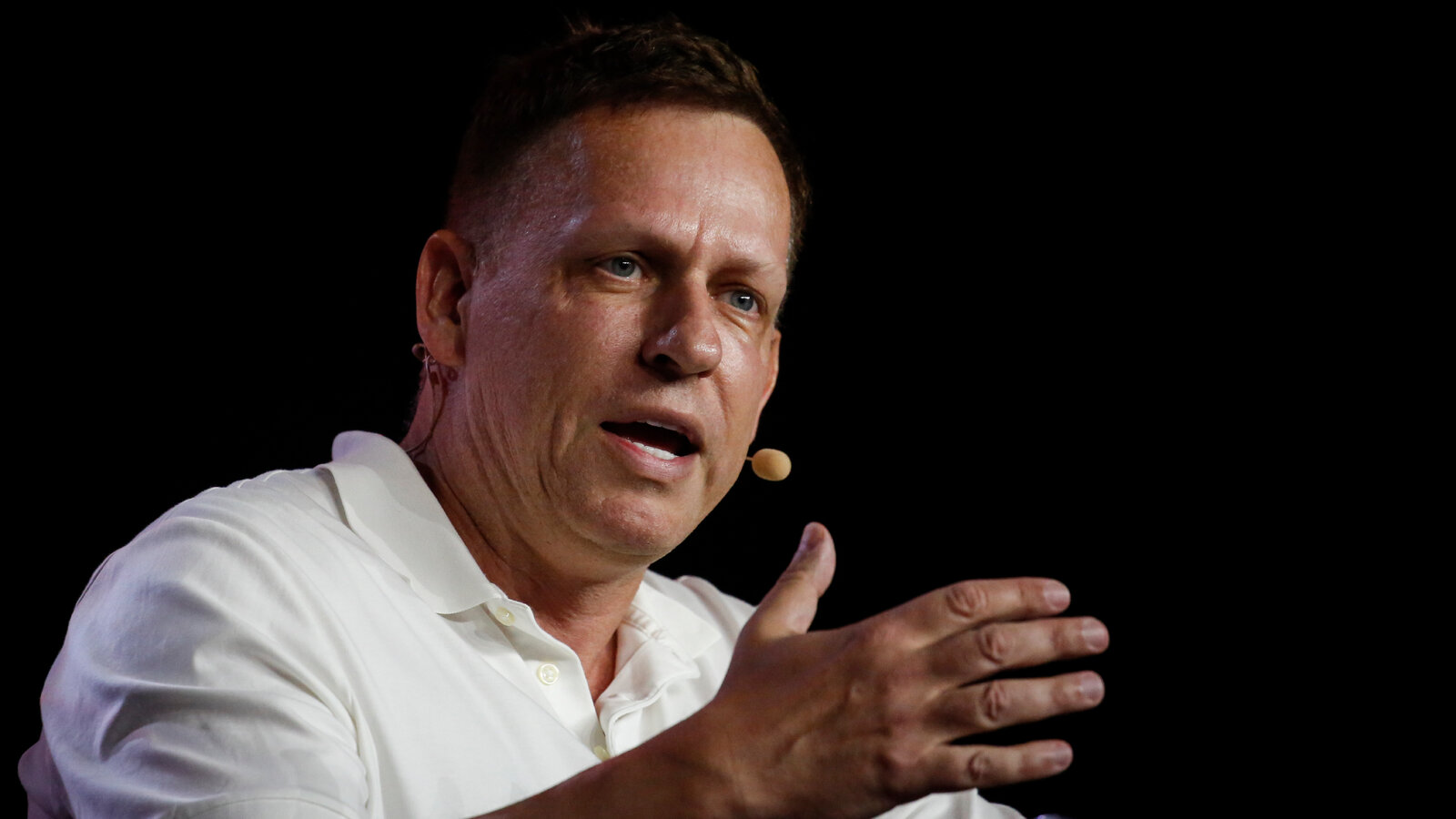
The proposal has gained attention because California has more billionaires than any other state in America. Many of these billionaires built fortunes in technology, entertainment, finance, real estate, and venture capital. Names connected to the debate include Mark Zuckerberg, Jensen Huang, Palmer Luckey, Larry Page, and Sergey Brin.
 Via The New York Times
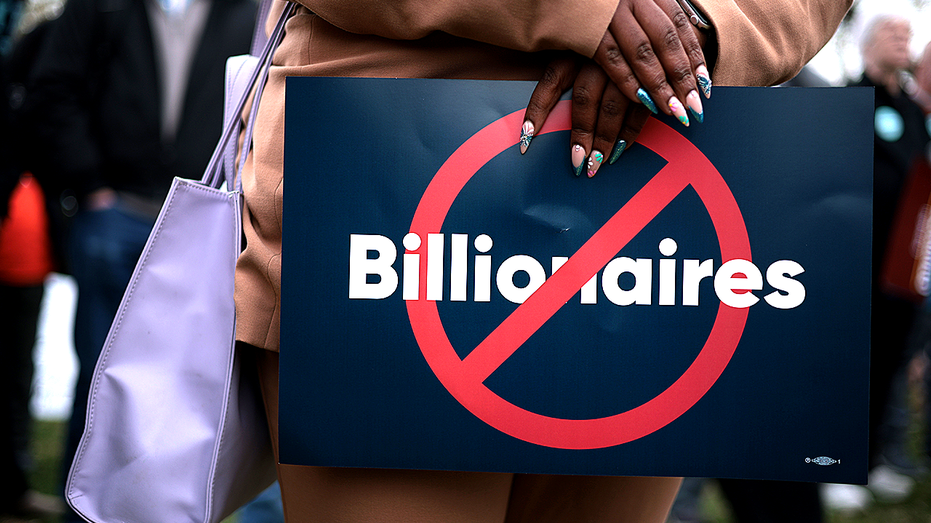
This measure is not a regular income tax. It is aimed at total wealth, including major assets such as company shares and other valuable holdings. Supporters say the richest residents can help protect public services, while critics argue that the plan could push billionaires and major businesses out of California.
 Via The Press Democrat
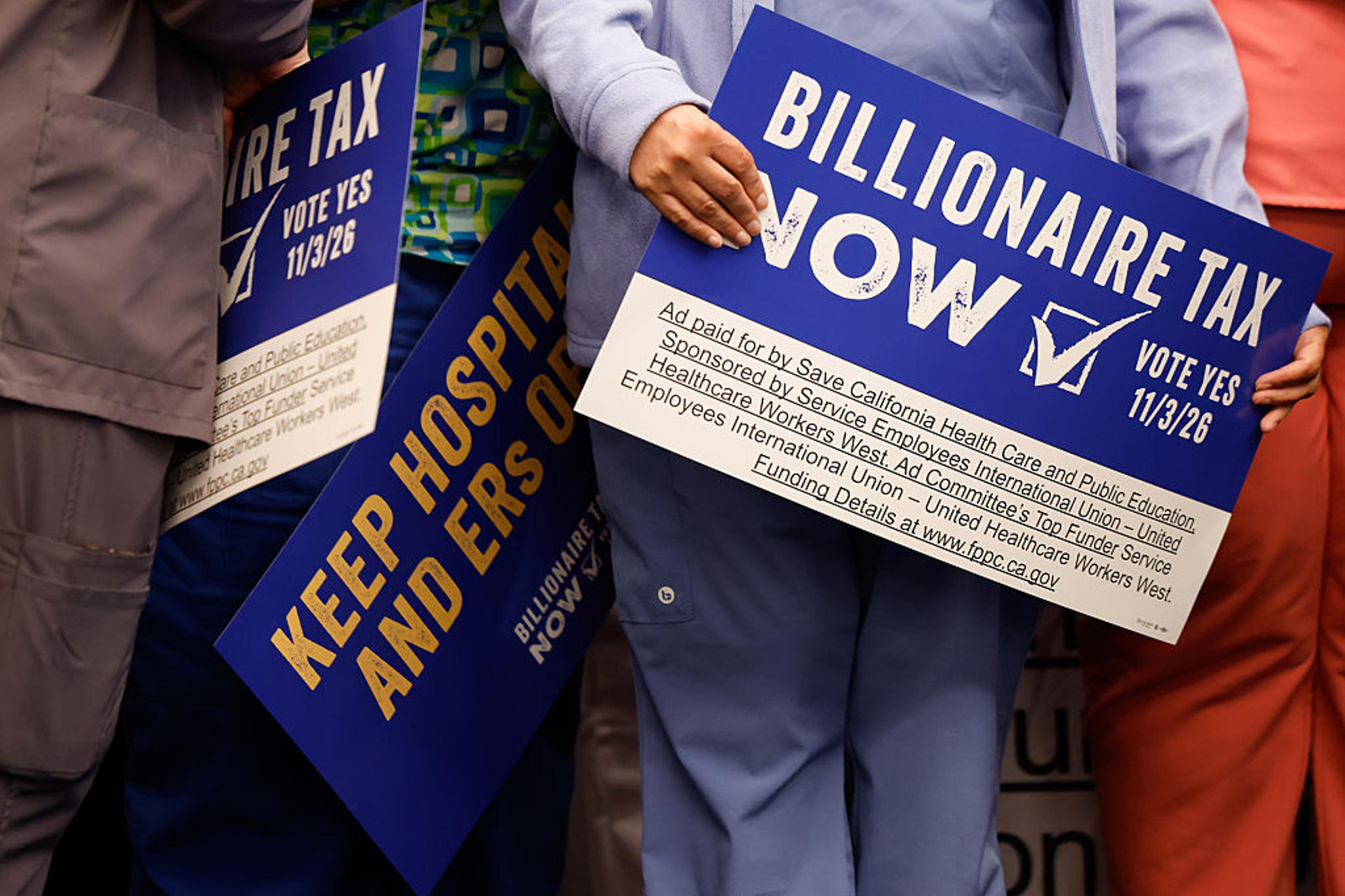
The measure is designed to raise money for important state programs. Supporters say the revenue would help fund healthcare, education, and food assistance. They argue that California needs a large funding source at a time when public programs face pressure from budget limits and possible federal cuts.
This tax would not target middle-class families, small business owners, or people with regular income. It would focus only on the ultrawealthy. Still, the debate is serious because many billionaire fortunes are tied to business ownership, stock value, startups, and long-term investments rather than cash sitting in a bank account.
Via NBC Montana
 Via WCAX
Entertainment and media also helped build major fortunes in California. Film studios, streaming companies, sports ownership, fashion brands, and luxury real estate have all added to the state’s billionaire count. This mix makes California one of the richest regions in the world, not just in the United States.
 Via KTLA
Jensen Huang, the CEO of Nvidia, is another major figure in the debate. NVIDIA became one of the world’s most important companies because of the demand for artificial intelligence chips and advanced computing. Huang has said he is fine with the tax, which makes his reaction different from some other tech leaders.
Palmer Luckey, founder of Oculus and defense technology company Anduril, has also spoken strongly about the proposal. Critics like him argue that taxing wealth could hurt long-term company building. They say founders may shift focus from growth and mission toward short-term profits if they face large tax bills.
 Via Fox Business
 Via Fox Business
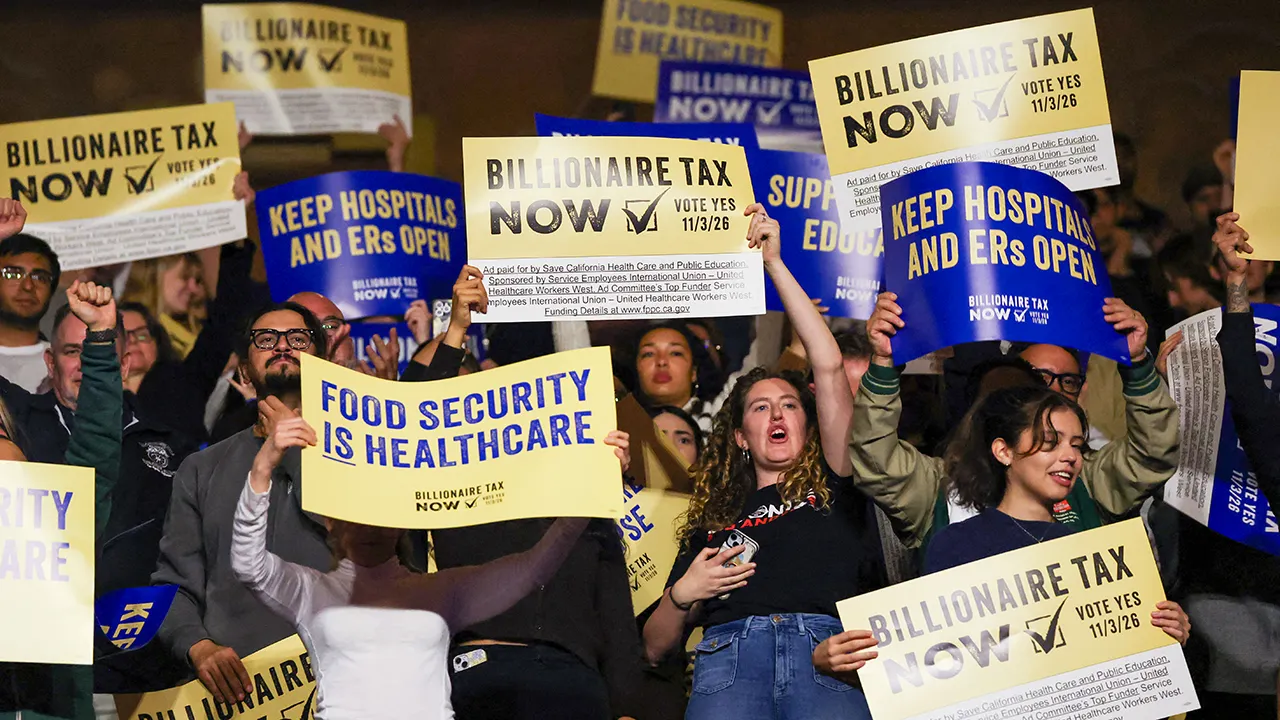
Education and food assistance are also key parts of the plan. Supporters say public schools, community colleges, and nutrition programs need stable funding. They see the tax as a way to ask the richest residents to help keep basic services running during a difficult financial period.
 Via Fox News
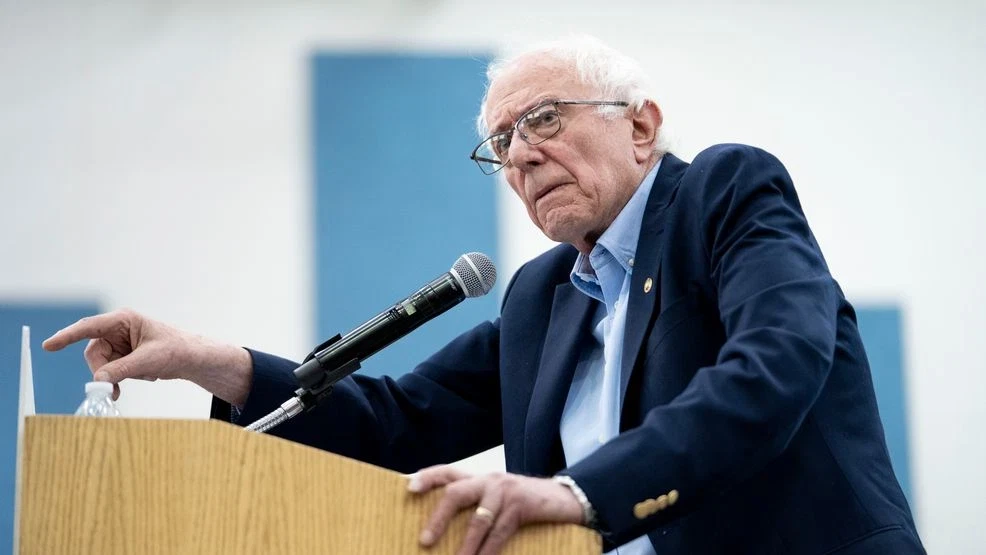
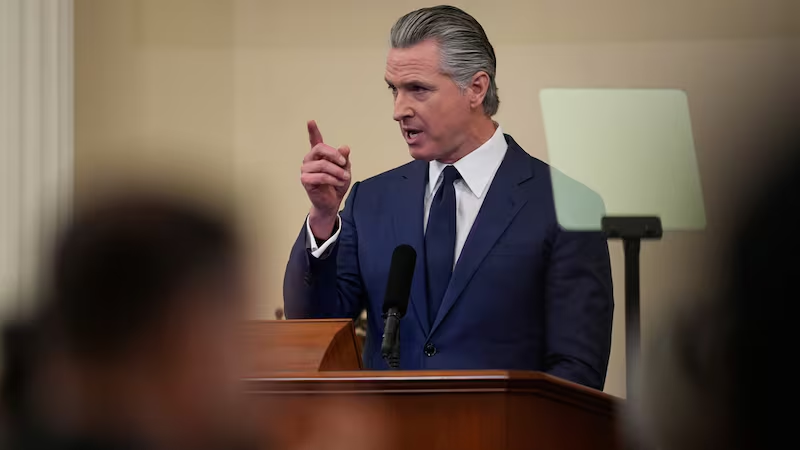
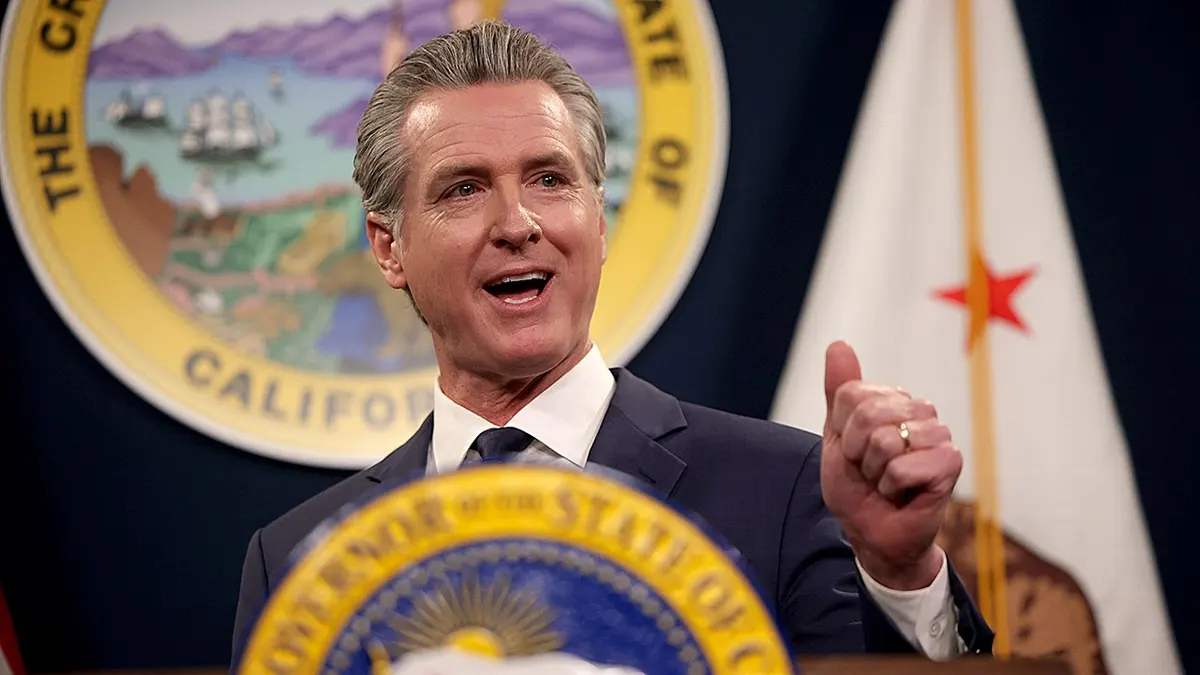
Governor Gavin Newsom has opposed the wealth tax idea. Critics argue that a state-level wealth tax is risky because billionaires can move more easily than public services can be funded. They also say the tax may create legal fights over residency, asset value, and how wealth should be measured.
Business leaders and investor groups worry that the measure could damage California’s image as a place to build companies. They say entrepreneurs may choose Texas, Florida, Nevada, or other states with lower tax burdens. That fear has become one of the strongest arguments against the proposal.
 Via State Affairs
 Via WSJ
This split makes the measure more complicated for voters. Many people may like the idea of asking billionaires to pay more, but they may also worry about what happens if the richest residents leave. The final decision may depend on whether voters trust the tax to raise money without harming the state economy.
 Via Fox Business
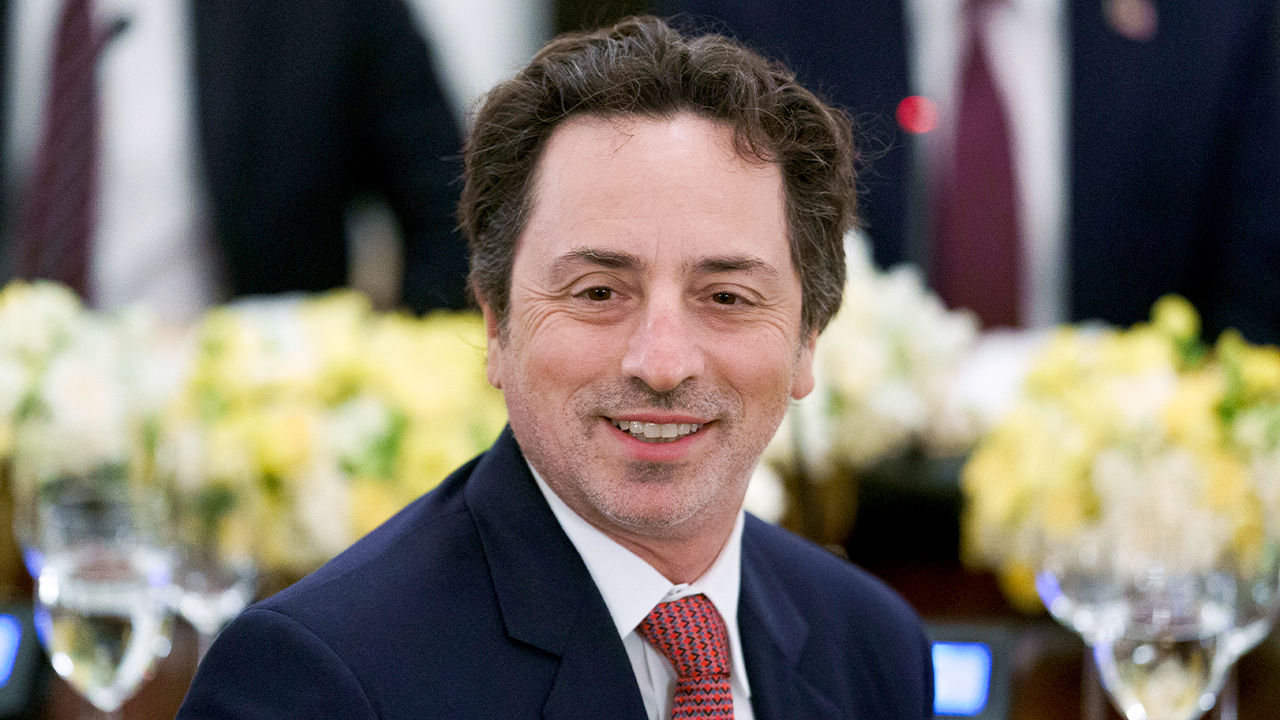
Larry Page and Sergey Brin, the Google cofounders, have been linked to moves involving entities tied to them. This became part of the wider debate about whether billionaires are preparing for the tax. Even small legal or business changes can become major signals when large fortunes are involved.
Tax residency is often complex for the ultrawealthy. A billionaire may own homes in several states, run companies in different places, and spend time across multiple locations. If the tax passes, California may need to determine who truly counted as a resident during the required period.
 Via Robb Report
 Via TIME
Legal challenges are also possible. Critics may argue over whether California can tax certain assets, how retroactive rules should work, and how the law treats people who have changed residency. Even if voters approve the measure, court battles could shape how much money the state actually collects.
 Via Fox Business
The issue is powerful because it connects fairness, public needs, business growth, and state competition. Supporters want billionaires to pay more because their wealth is massive. Critics want to protect California’s tax base, business climate, and future investment.
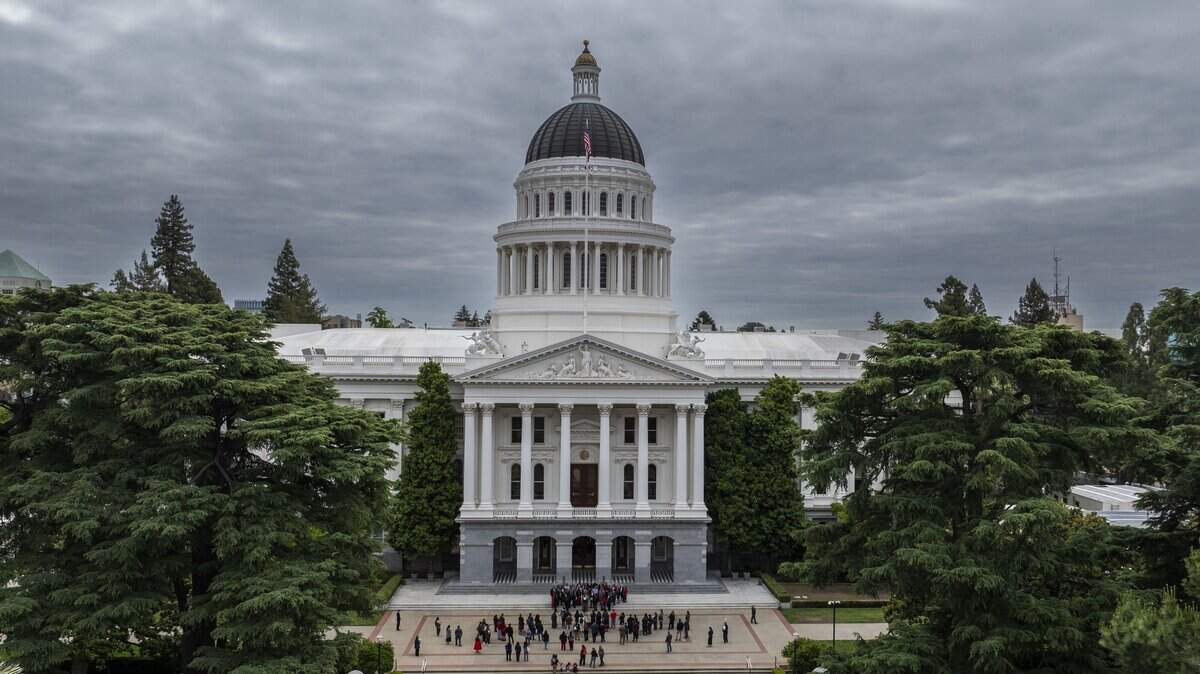
Voters will likely hear strong messages from both sides. Campaigns may focus on hospitals, schools, food aid, billionaire exits, job growth, and legal risk. The final result could shape not only California’s budget debate, but also the national conversation about taxing extreme wealth.
 Via Sacramento Bee
 Via Daily Signal
The final decision belongs to California voters if the measure stays on the November 2026 ballot. Their choice could shape the future of wealth taxation, public funding, and the relationship between billionaires and the state that helped many of them build their fortunes.
More in UnassignedVia The New York Times
This measure is not a regular income tax. It is aimed at total wealth, including major assets such as company shares and other valuable holdings. Supporters say the richest residents can help protect public services, while critics argue that the plan could push billionaires and major businesses out of California.
What The Proposed California Wealth Tax Would Do
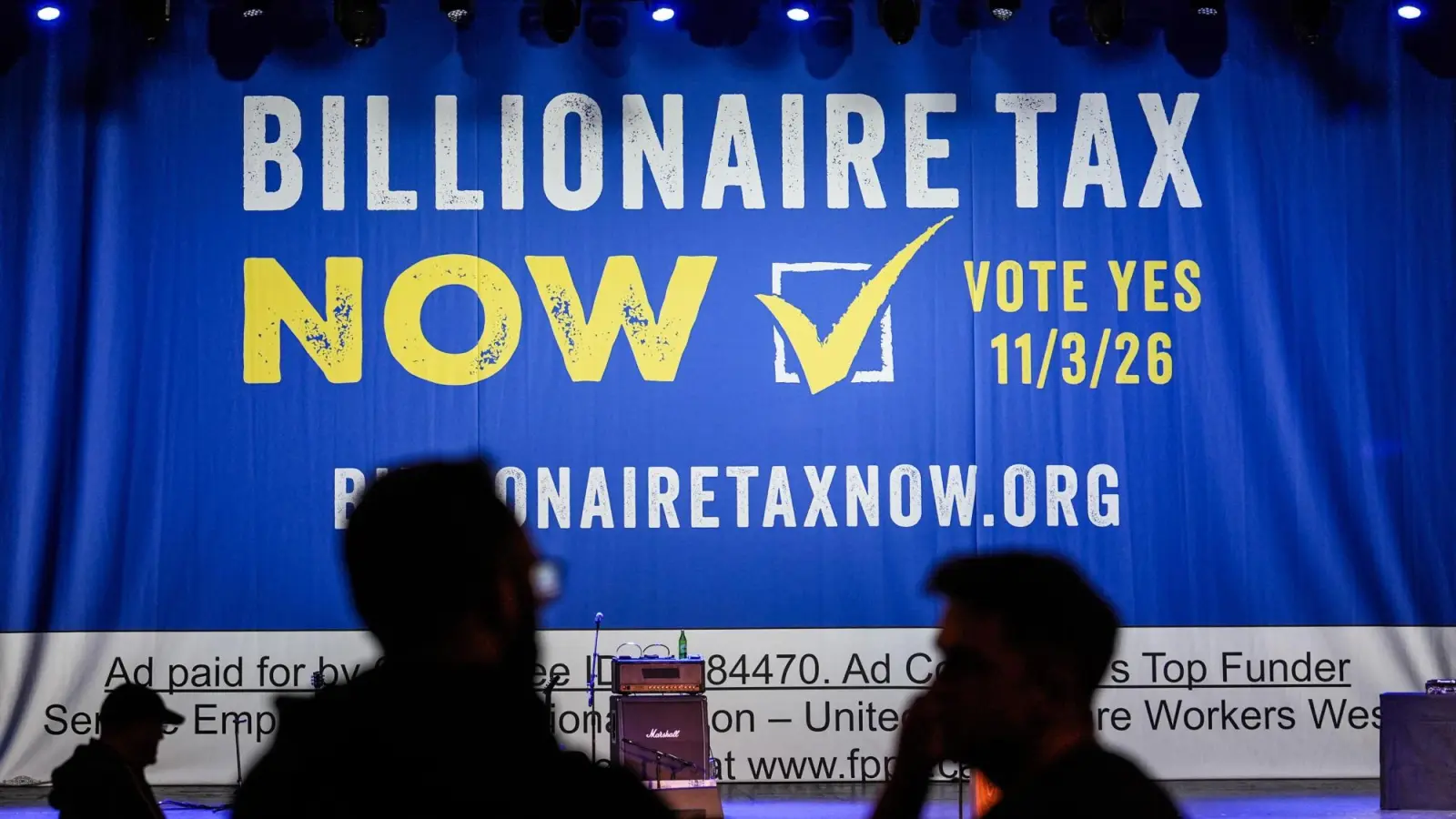
The Billionaire Tax Act would apply to California residents and certain trusts with a net worth above $1 billion. The tax would be a one-time charge of up to 5% on covered assets. If passed, the payment would be due later, with an option for billionaires to spread the amount over several years.Via The Press Democrat
The measure is designed to raise money for important state programs. Supporters say the revenue would help fund healthcare, education, and food assistance. They argue that California needs a large funding source at a time when public programs face pressure from budget limits and possible federal cuts.
This tax would not target middle-class families, small business owners, or people with regular income. It would focus only on the ultrawealthy. Still, the debate is serious because many billionaire fortunes are tied to business ownership, stock value, startups, and long-term investments rather than cash sitting in a bank account.
Via NBC Montana
Why California Has So Many Billionaires
California became a billionaire hub because of Silicon Valley, Hollywood, real estate, finance, and the state’s large consumer economy. Many of the world’s biggest technology companies were built or expanded there. That created huge personal fortunes for founders, early investors, executives, and startup leaders. The state also has a powerful venture capital network. Investors in California helped fund companies that changed social media, artificial intelligence, e-commerce, streaming, electric vehicles, and defense technology. As these companies grew, many founders and investors became billionaires through rising stock values.
Via WCAX
Entertainment and media also helped build major fortunes in California. Film studios, streaming companies, sports ownership, fashion brands, and luxury real estate have all added to the state’s billionaire count. This mix makes California one of the richest regions in the world, not just in the United States.
Famous Billionaires Who Could Be Affected
Mark Zuckerberg is one of the most well-known names connected to California’s billionaire class. The Meta founder’s wealth is closely tied to shares in the company behind Facebook, Instagram, WhatsApp, and other digital platforms. A tax based on net worth could be a major issue for people with large stock-based fortunes.
Via KTLA
Jensen Huang, the CEO of Nvidia, is another major figure in the debate. NVIDIA became one of the world’s most important companies because of the demand for artificial intelligence chips and advanced computing. Huang has said he is fine with the tax, which makes his reaction different from some other tech leaders.
Palmer Luckey, founder of Oculus and defense technology company Anduril, has also spoken strongly about the proposal. Critics like him argue that taxing wealth could hurt long-term company building. They say founders may shift focus from growth and mission toward short-term profits if they face large tax bills.
Via Fox Business
Supporters Say The Tax Could Protect Public Services
Supporters of the wealth tax say California’s richest residents gained massive wealth while many families still struggle with healthcare costs, school needs, food prices, and housing pressure. They believe a one-time tax on billionaires could help protect programs that serve millions of people. Healthcare is a major part of the proposal. Backers say the money could support medical services, hospitals, and care programs that low-income and working families depend on. They argue that billionaires can afford to pay more because their wealth has grown far faster than wages for many workers.
Via Fox Business
Education and food assistance are also key parts of the plan. Supporters say public schools, community colleges, and nutrition programs need stable funding. They see the tax as a way to ask the richest residents to help keep basic services running during a difficult financial period.
Critics Warn Billionaires May Leave California
Critics say the tax could backfire if billionaires move out of California before the state can collect enough revenue. Wealthy residents often have access to tax advisors, lawyers, and homes in other states. If they change residency, California could lose income tax revenue and future business activity.Via Fox News
Governor Gavin Newsom has opposed the wealth tax idea. Critics argue that a state-level wealth tax is risky because billionaires can move more easily than public services can be funded. They also say the tax may create legal fights over residency, asset value, and how wealth should be measured.
Business leaders and investor groups worry that the measure could damage California’s image as a place to build companies. They say entrepreneurs may choose Texas, Florida, Nevada, or other states with lower tax burdens. That fear has become one of the strongest arguments against the proposal.
Via State Affairs
The Debate Has Split Political Allies
The wealth tax debate has not created a simple left-versus-right fight. Some labor groups support the measure because they believe it would help workers and public programs. At the same time, some left-leaning groups have raised concerns about whether the tax is the best way to fund long-term needs. Groups connected to healthcare, education, and public policy have taken different positions. Some support the idea because it targets extreme wealth. Others worry that a one-time tax may not create a steady funding stream and may cause political or legal problems after voters approve it.Via WSJ
This split makes the measure more complicated for voters. Many people may like the idea of asking billionaires to pay more, but they may also worry about what happens if the richest residents leave. The final decision may depend on whether voters trust the tax to raise money without harming the state economy.
Why Business Entities Are Moving Out Of California
Reports have said that business entities tied to some major billionaires moved out of California before key dates connected to the proposal. This does not always mean a person has fully left the state. Business structures, homes, tax residency, and personal location can be separate issues.Via Fox Business
Larry Page and Sergey Brin, the Google cofounders, have been linked to moves involving entities tied to them. This became part of the wider debate about whether billionaires are preparing for the tax. Even small legal or business changes can become major signals when large fortunes are involved.
Tax residency is often complex for the ultrawealthy. A billionaire may own homes in several states, run companies in different places, and spend time across multiple locations. If the tax passes, California may need to determine who truly counted as a resident during the required period.
Via Robb Report
Why The Tax Could Be Hard To Enforce
A wealth tax is harder to manage than a basic income tax because wealth can be difficult to value. Public company shares are easier to measure because stock prices are visible. Private companies, artwork, intellectual property, collectibles, and investment funds can be much harder to price. Billionaires often hold wealth in complex forms. A founder may own shares in a private startup that has no daily market price. An investor may hold stakes in private funds, trusts, or partnerships. These assets can create arguments between taxpayers and the state over fair value.Via TIME
Legal challenges are also possible. Critics may argue over whether California can tax certain assets, how retroactive rules should work, and how the law treats people who have changed residency. Even if voters approve the measure, court battles could shape how much money the state actually collects.
What This Means For California Voters
California voters may face a major choice in November 2026 if the measure remains on the ballot. A yes vote would support a one-time wealth tax on billionaires to fund public services. A no vote would reject that plan and leave lawmakers to search for other funding options.
Via Fox Business
The issue is powerful because it connects fairness, public needs, business growth, and state competition. Supporters want billionaires to pay more because their wealth is massive. Critics want to protect California’s tax base, business climate, and future investment.
Voters will likely hear strong messages from both sides. Campaigns may focus on hospitals, schools, food aid, billionaire exits, job growth, and legal risk. The final result could shape not only California’s budget debate, but also the national conversation about taxing extreme wealth.
Via Sacramento Bee
Thoughts On California’s Billionaire Tax
California’s proposed billionaire tax has become one of the most-watched tax battles in America. It targets a small group of ultrawealthy residents, but the possible effects are much larger. The measure could bring major funding for public services, but it could also trigger legal fights and residency disputes. Supporters see the plan as a fair way to ask billionaires to help protect healthcare, education, and food support. Critics see it as a risky move that may drive wealthy residents and business activity out of the state. Both sides are preparing for a high-stakes public debate.Via Daily Signal
The final decision belongs to California voters if the measure stays on the November 2026 ballot. Their choice could shape the future of wealth taxation, public funding, and the relationship between billionaires and the state that helped many of them build their fortunes.