Unassigned
Hulk Hogan's Dangerous Fentanyl Use for Pain Management
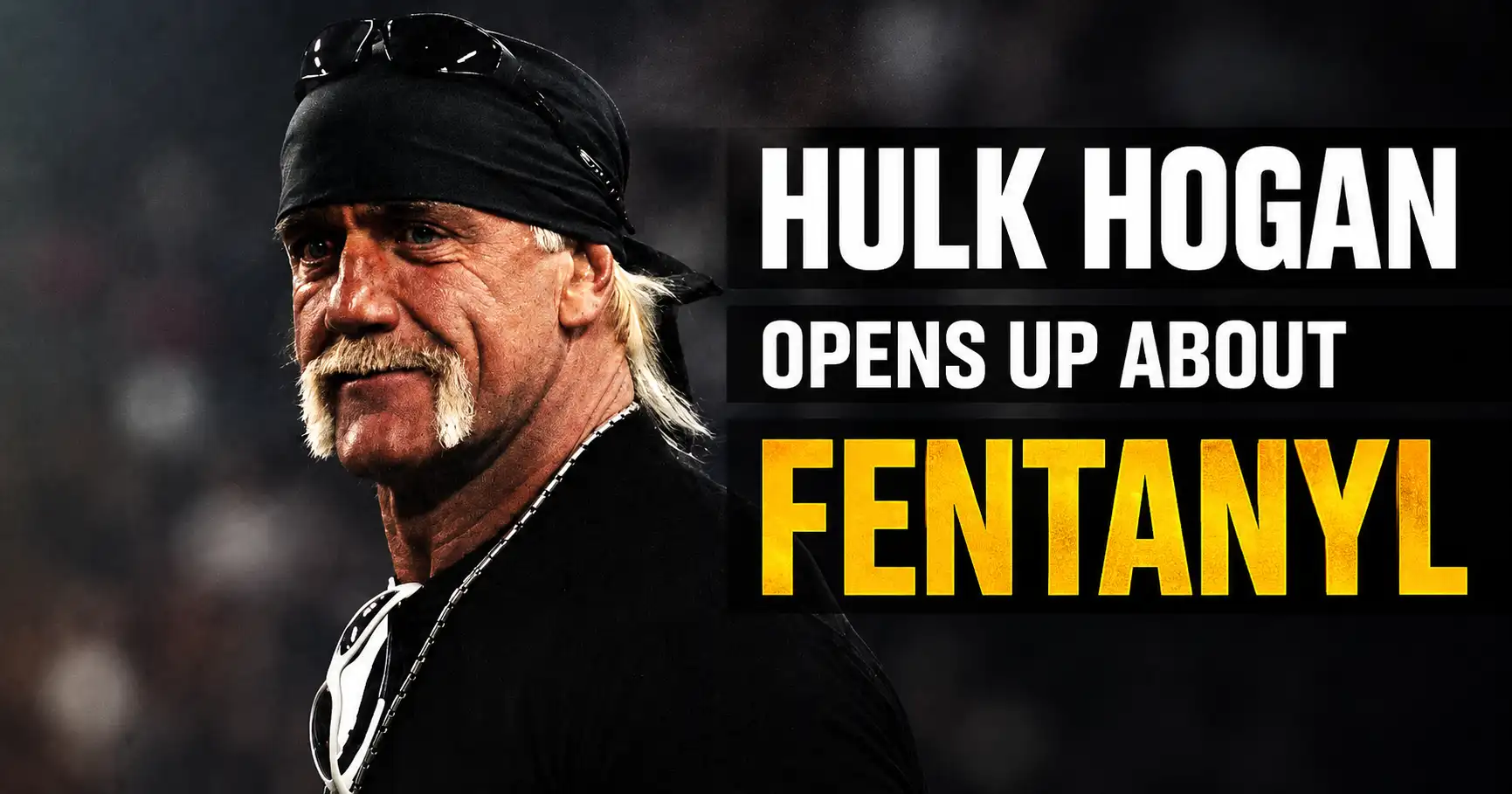
The wrestling world learned shocking details about a beloved champion's battle with severe physical pain. A famous athlete turned to dangerous amounts of a powerful painkiller to continue performing. The story reveals how far someone pushed their body beyond safe limits just to keep working. New information shows the serious health risks faced during a difficult period.
Medical professionals expressed alarm at the dosage levels described. The amounts mentioned exceeded normal prescription guidelines by significant margins. Pharmacists rarely encounter cases where patients survive such high concentrations. This situation highlights the extreme measures some performers take to maintain their careers despite serious health concerns.
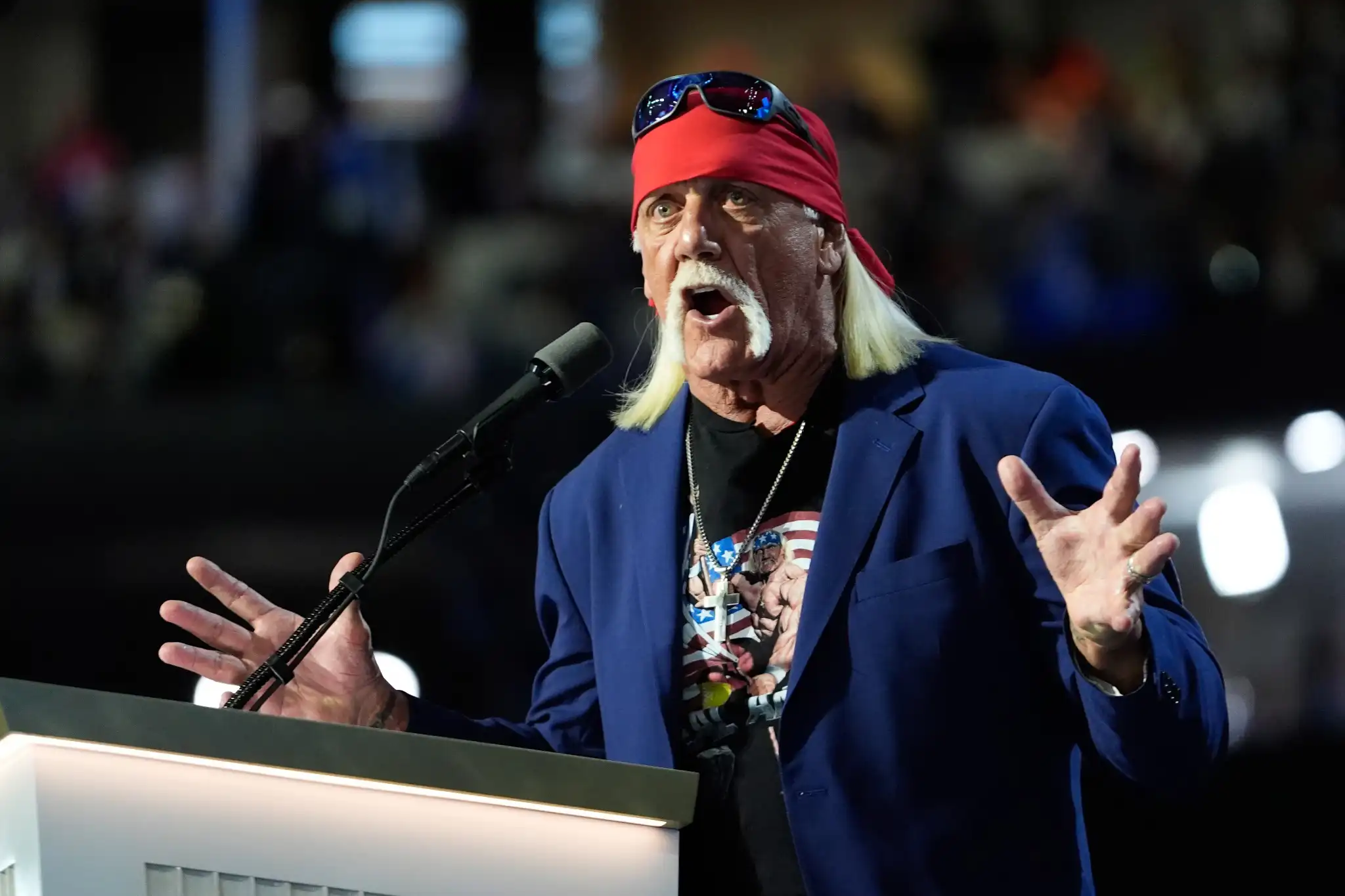 Via KCTV5
The revelations came through documentary footage filmed before an unexpected tragedy. Family members and colleagues shared their concerns about the declining physical condition. Many wrestling fans never realized the extent of suffering happening behind the scenes. The story serves as a cautionary tale about the physical toll of professional athletics.
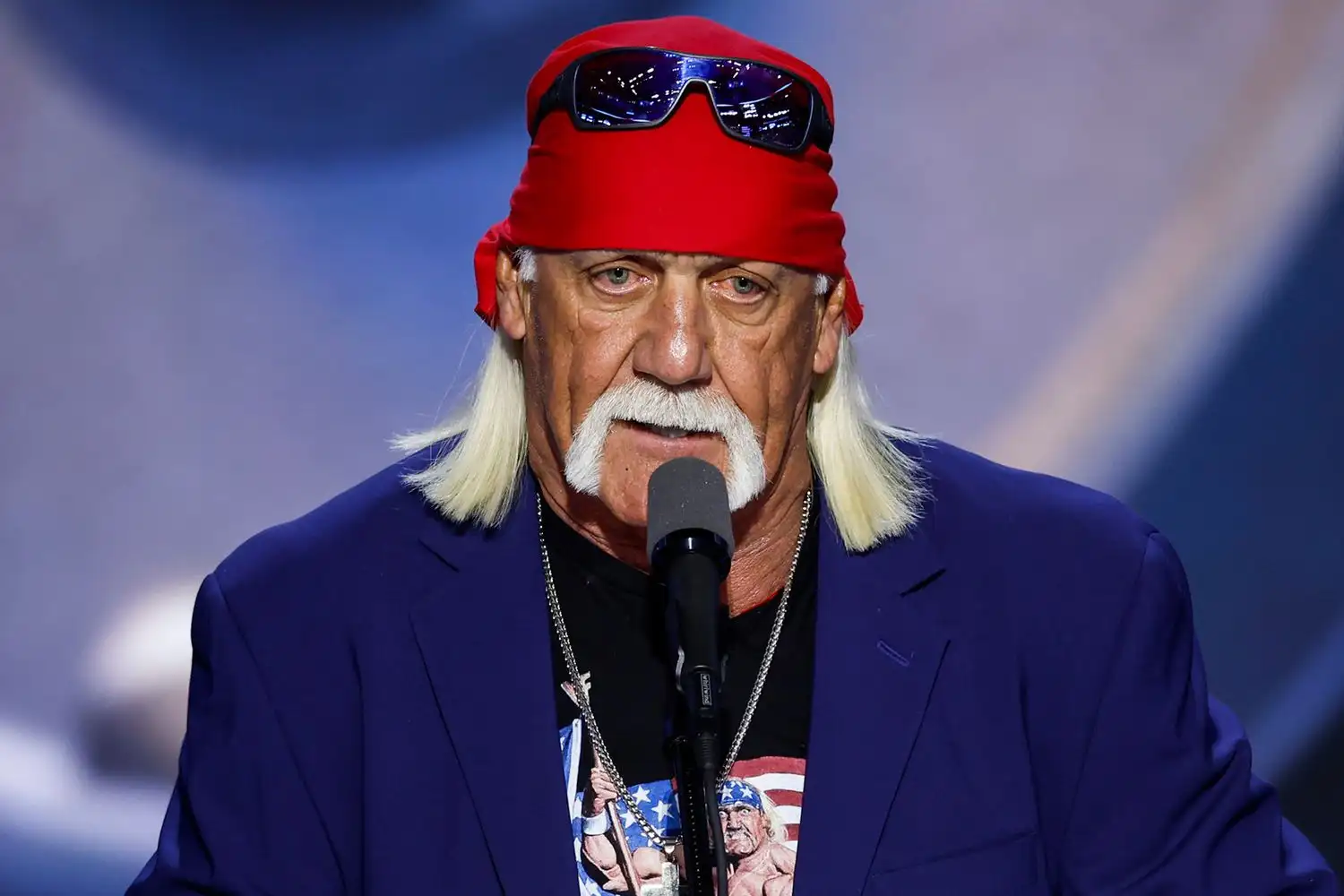 Via Entertainment Weekly
Financial necessity drove the decision to join a smaller wrestling organization. TNA (Total Nonstop Wrestling) represented the second-largest company in the industry. The contract offered much-needed income during a challenging transition period. Signing with this organization seemed like the best available option at the time.
The move to TNA came with high expectations from both sides. Contract terms required regular appearances and physical performances. Promotional materials featured the famous wrestler prominently in advertising campaigns. Management expected the star power to boost ticket sales and television ratings significantly.
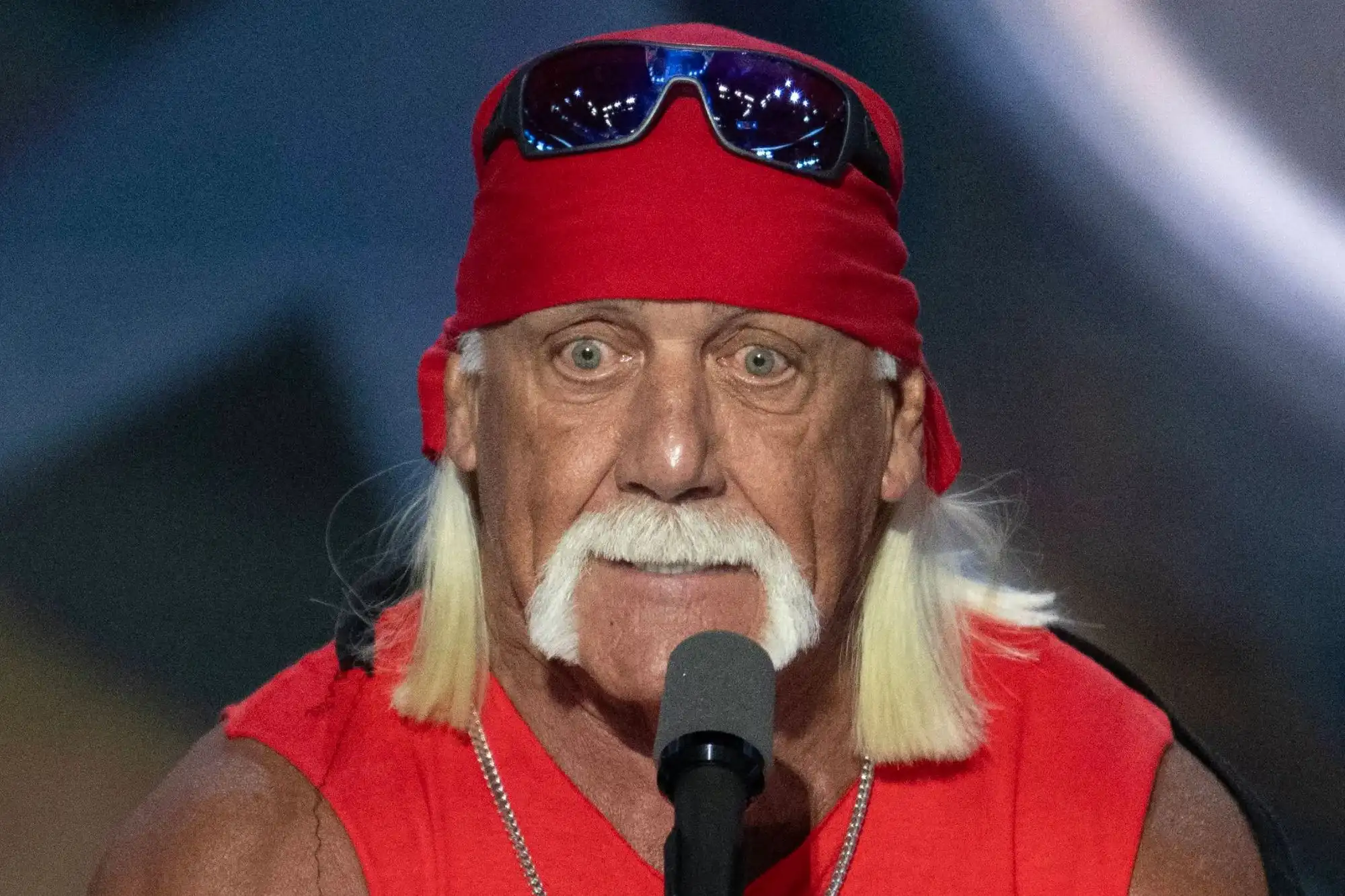 Via The US Sun
 Via VIBE
Medical evaluations revealed extensive damage from decades of athletic performance. Spinal issues topped the list of serious concerns requiring treatment. Joint problems in multiple areas limited the range of motion significantly. Doctors recommended rest and rehabilitation rather than continued physical stress.
 Via SILive
Additional medication came through specialized delivery patches. Two 300-milligram patches stayed attached to the legs continuously. These patches release medication slowly throughout each day. The combination created constant pain relief around the clock.
Supplemental doses arrived in an unusual form. Six lollipops containing 1500 milligrams each provided extra relief when needed. These flavored medications offered quick absorption through the mouth tissues. The total daily intake reached levels rarely seen in medical practice.
 Via The Hollywood Reporter
 Via ABC30
Despite clear warnings from healthcare providers, the medication continued. Pain management took priority over safety concerns. Professional obligations seemed to outweigh personal health risks. The need to perform and earn income drove dangerous decisions. Even then, sleep was often fragmented and uncomfortable, offering little real recovery.
 Via BBC
The inability to achieve proper rest had cascading effects on overall health. Fatigue built up steadily, weakening both physical resilience and mental clarity. Without restorative sleep, pain thresholds are lowered, making existing conditions feel even more severe. What should have been a period of recovery instead became another extension of the daily struggle, blurring the line between rest and endurance.
Basic activities that most people take for granted became major challenges. Walking, standing, and sitting all require strategic positioning. Daily routines revolved around pain management schedules. Quality of life diminished significantly during this period. The body remained in a constant state of tension, unable to fully relax, which further compounded exhaustion and physical strain over time.
 Via Yahoo
 Via The Times
Retirement from active competition became permanent after leaving TNA. No return to the ring occurred despite occasional rumors. The physical condition made any comeback attempt unrealistic. Focus shifted entirely away from in-ring performance.
 Via People
Production timing made these recordings particularly significant. The interviews represented the final on-camera statements before death. A heart attack in July 2025 ended the legendary life unexpectedly. The documentary became an unintentional memorial to the career.
The series "Hulk Hogan: Real American" offers unprecedented access to personal stories. Behind-the-scenes details emerged that fans never knew. Honest discussions about pain, medication, and sacrifice filled the episodes. The project stands as a lasting tribute to the wrestling icon.
 Via PennLive
 Via The Atlantic
Retirement planning and financial security deserve more attention in athletics. Better contract structures could reduce pressure on aging performers. Health monitoring systems need strengthening throughout professional sports. The story serves as a reminder that entertainment comes with real human costs.
 Via People
For fans and industry professionals alike, the lessons are clear. Health and safety must take precedence over performance and profit, no matter how high the stakes or how great the expectations. Recognizing early warning signs-chronic pain, dependency on medication, or declining physical capability and addressing them with proper medical care can help prevent situations from escalating into life-threatening conditions.
Hulk Hogan’s experience underscores the importance of maintaining balance between ambition and well-being, as well as between success and long-term sustainability. His journey reflects both the heights of professional achievement and the hidden costs that can accompany it. As a result, his story continues to resonate deeply, serving not only as a tribute to an iconic career but also as a powerful cautionary tale.
 Via Axios
His story continues to resonate deeply across generations. It stands not only as a tribute to an iconic and influential career but also as a powerful cautionary tale. For aspiring athletes and professionals in high-pressure fields, it offers a clear message: true success must include sustainability. Prioritizing health, seeking timely medical care, and recognizing personal limits are not signs of weakness but essential components of longevity.
More in UnassignedVia KCTV5
The revelations came through documentary footage filmed before an unexpected tragedy. Family members and colleagues shared their concerns about the declining physical condition. Many wrestling fans never realized the extent of suffering happening behind the scenes. The story serves as a cautionary tale about the physical toll of professional athletics.
Financial Pressures Led to Risky Career Decisions
A major life change created unexpected money problems for the wrestling superstar. The 2009 divorce settlement left the performer financially strained. Legal agreements required substantial asset division between both parties. The settlement meant giving up a large portion of accumulated wealth and property.Via Entertainment Weekly
Financial necessity drove the decision to join a smaller wrestling organization. TNA (Total Nonstop Wrestling) represented the second-largest company in the industry. The contract offered much-needed income during a challenging transition period. Signing with this organization seemed like the best available option at the time.
The move to TNA came with high expectations from both sides. Contract terms required regular appearances and physical performances. Promotional materials featured the famous wrestler prominently in advertising campaigns. Management expected the star power to boost ticket sales and television ratings significantly.
Via The US Sun
Physical Limitations Became Apparent Quickly
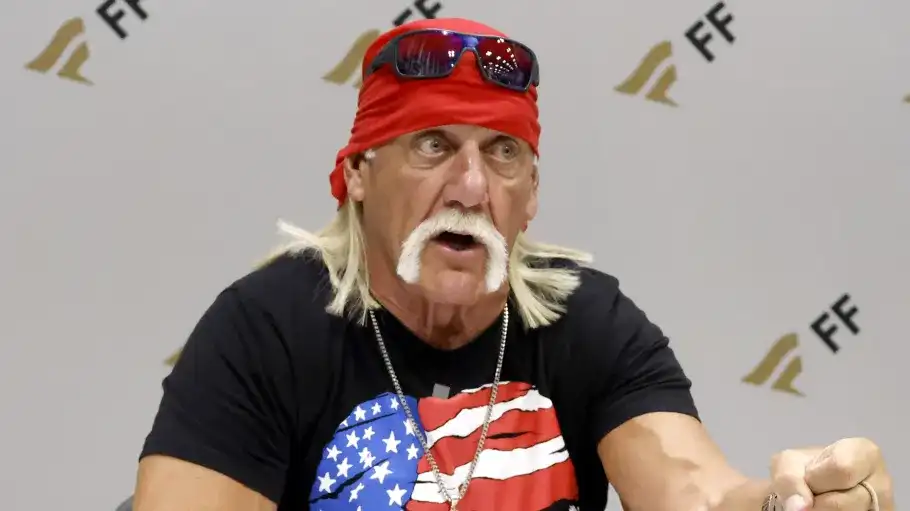
The reality of declining physical health became impossible to ignore. Years of demanding matches had taken a severe toll on the body. Previous injuries accumulated into chronic pain affecting daily movement. Simple tasks became difficult without medical intervention. Both the performer and company leadership recognized the problem early. Original contract expectations proved unrealistic given current physical capabilities. Discussions about modified duties and reduced schedules took place frequently. The gap between promotional promises and actual abilities created ongoing tension.Via VIBE
Medical evaluations revealed extensive damage from decades of athletic performance. Spinal issues topped the list of serious concerns requiring treatment. Joint problems in multiple areas limited the range of motion significantly. Doctors recommended rest and rehabilitation rather than continued physical stress.
Dangerous Medication Regimen Developed Over Time
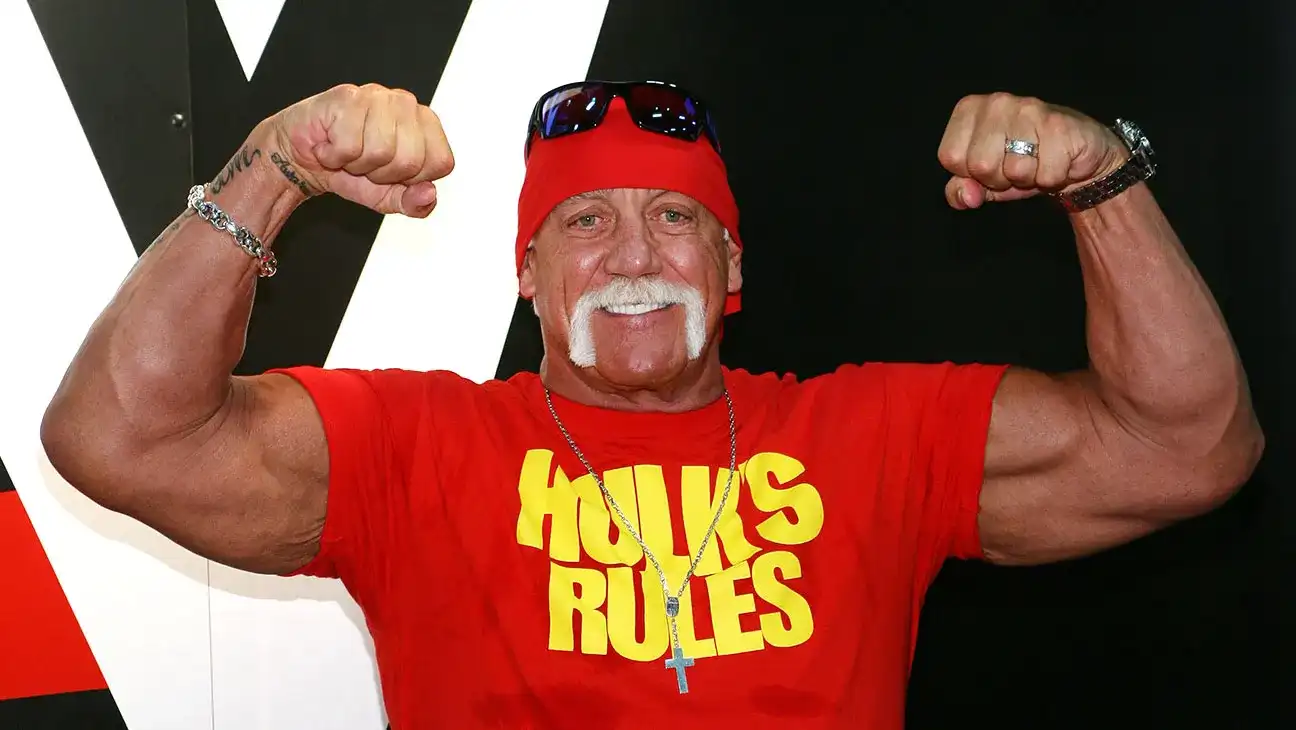
The painkiller routine shocked medical professionals who later heard about it. Morning doses involved placing two 80-milligram tablets under the gums. This method allowed faster absorption into the bloodstream. The practice bypassed normal digestive processes for a quicker effect.Via SILive
Additional medication came through specialized delivery patches. Two 300-milligram patches stayed attached to the legs continuously. These patches release medication slowly throughout each day. The combination created constant pain relief around the clock.
Supplemental doses arrived in an unusual form. Six lollipops containing 1500 milligrams each provided extra relief when needed. These flavored medications offered quick absorption through the mouth tissues. The total daily intake reached levels rarely seen in medical practice.
Via The Hollywood Reporter
Pharmacist's Warning Went Unheeded
A pharmacy professional expressed serious concerns about the prescription levels. The pharmacist directly stated that survival seemed unlikely with such high doses. Records showed no previous cases of anyone tolerating similar amounts. The warning emphasized the life-threatening nature of the medication schedule. Medical literature strongly supports the pharmacist’s alarm regarding the reported dosage levels. Opioids such as Fentanyl are among the most tightly regulated pain medications precisely because of their potency and narrow safety margin. Standard therapeutic ranges are carefully calculated based on a patient’s condition, body response, and prior exposure to opioids.Via ABC30
Despite clear warnings from healthcare providers, the medication continued. Pain management took priority over safety concerns. Professional obligations seemed to outweigh personal health risks. The need to perform and earn income drove dangerous decisions. Even then, sleep was often fragmented and uncomfortable, offering little real recovery.
Daily Life Became Severely Restricted
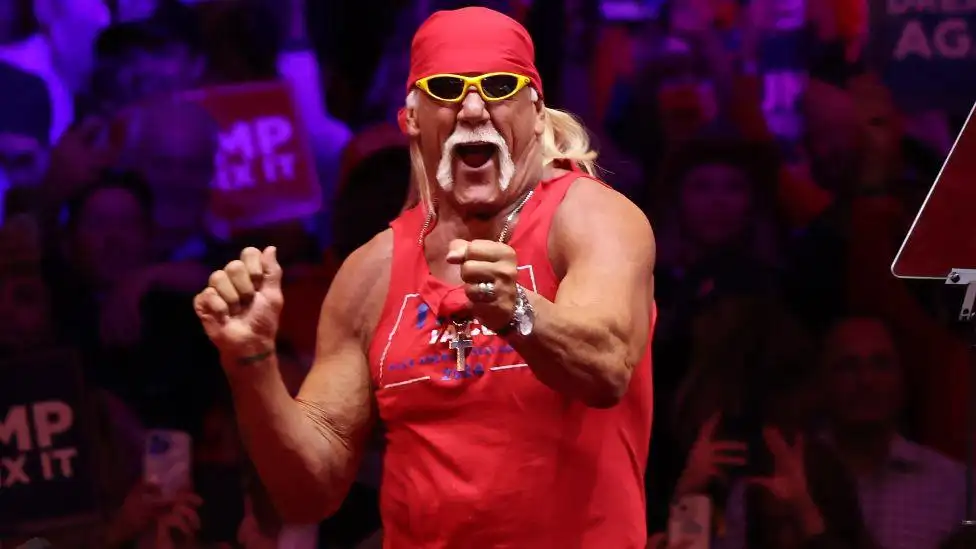
Pain levels escalated to such an extent that even the most basic human need for sleep became a daily struggle. Resting in a bed, something most people take for granted, was no longer an option. Lying flat placed immense pressure on the spine, immediately triggering intense and uncontrollable muscle spasms. As a result, a chair became the only viable place to rest.Via BBC
The inability to achieve proper rest had cascading effects on overall health. Fatigue built up steadily, weakening both physical resilience and mental clarity. Without restorative sleep, pain thresholds are lowered, making existing conditions feel even more severe. What should have been a period of recovery instead became another extension of the daily struggle, blurring the line between rest and endurance.
Basic activities that most people take for granted became major challenges. Walking, standing, and sitting all require strategic positioning. Daily routines revolved around pain management schedules. Quality of life diminished significantly during this period. The body remained in a constant state of tension, unable to fully relax, which further compounded exhaustion and physical strain over time.
Via Yahoo
Career Wind-Down Timeline
The final in-ring performance occurred in 2012. This match marked the end of active wrestling competition. Fans witnessed what would become a historic final appearance. The physical demands proved too great to continue beyond this point. Contract obligations with TNA extended into 2013. The relationship ended when the agreement reached its expiration date. Both parties agreed not to renew the arrangement. The departure marked a definitive end to regular wrestling involvement.Via The Times
Retirement from active competition became permanent after leaving TNA. No return to the ring occurred despite occasional rumors. The physical condition made any comeback attempt unrealistic. Focus shifted entirely away from in-ring performance.
Documentary Provided Final Interview Opportunity
The Netflix documentary titled Hulk Hogan: Real American offered an in-depth look at his life and career. The project included extensive interview footage with the subject. Filmmakers captured detailed discussions about triumphs and struggles. The series title reflected the performer's iconic status.Via People
Production timing made these recordings particularly significant. The interviews represented the final on-camera statements before death. A heart attack in July 2025 ended the legendary life unexpectedly. The documentary became an unintentional memorial to the career.
The series "Hulk Hogan: Real American" offers unprecedented access to personal stories. Behind-the-scenes details emerged that fans never knew. Honest discussions about pain, medication, and sacrifice filled the episodes. The project stands as a lasting tribute to the wrestling icon.
Via PennLive
Broader Implications for Athletic Performance
This story highlights systemic issues in professional wrestling and sports generally. Performers often face pressure to work through injuries and pain. Financial considerations frequently override health concerns. The entertainment industry demands consistent performance despite physical limitations. Pain medication dependence affects athletes across many sports disciplines. The culture of toughness discourages admitting weakness or vulnerability. Contracts and obligations create financial pressure to continue competing. Medical supervision sometimes fails to prevent dangerous situations.Via The Atlantic
Retirement planning and financial security deserve more attention in athletics. Better contract structures could reduce pressure on aging performers. Health monitoring systems need strengthening throughout professional sports. The story serves as a reminder that entertainment comes with real human costs.
A Cautionary Legacy
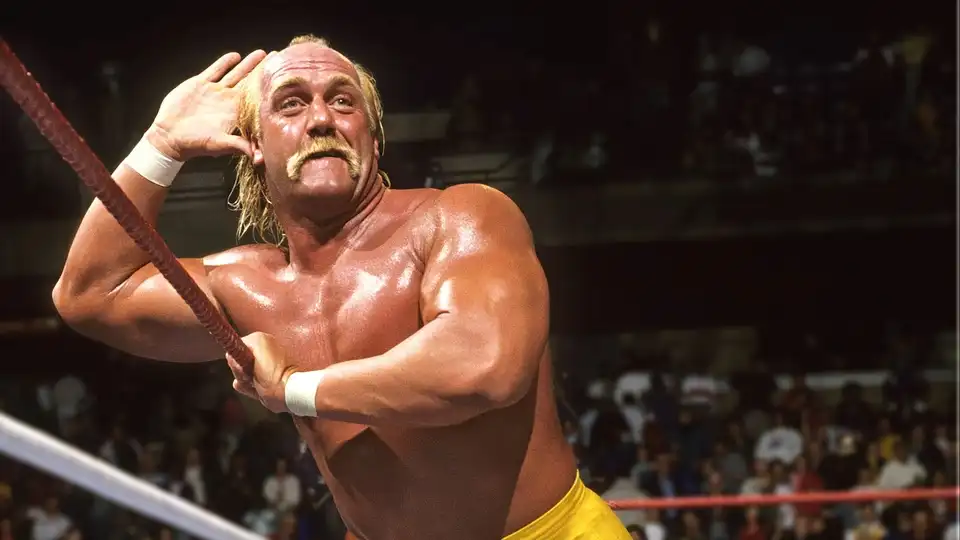
The story of Hulk Hogan serves as a powerful reminder of the human cost behind entertainment. It reveals the sacrifices made by performers and the dangers of pushing beyond physical limits. While his achievements in wrestling remain undeniable, this chapter of his life adds complexity to his legacy. It highlights not only his dedication but also the systemic issues that contributed to his struggles.Via People
For fans and industry professionals alike, the lessons are clear. Health and safety must take precedence over performance and profit, no matter how high the stakes or how great the expectations. Recognizing early warning signs-chronic pain, dependency on medication, or declining physical capability and addressing them with proper medical care can help prevent situations from escalating into life-threatening conditions.
Hulk Hogan’s experience underscores the importance of maintaining balance between ambition and well-being, as well as between success and long-term sustainability. His journey reflects both the heights of professional achievement and the hidden costs that can accompany it. As a result, his story continues to resonate deeply, serving not only as a tribute to an iconic career but also as a powerful cautionary tale.
Via Axios
His story continues to resonate deeply across generations. It stands not only as a tribute to an iconic and influential career but also as a powerful cautionary tale. For aspiring athletes and professionals in high-pressure fields, it offers a clear message: true success must include sustainability. Prioritizing health, seeking timely medical care, and recognizing personal limits are not signs of weakness but essential components of longevity.